My Wife Wanted My Mother to “Bend Over Backwards” for Our Picky Eater and I Said Absolutely Not
It’s universally understood that being a guest in someone’s home means accepting what’s offered with gratitude. This is one of those fundamental etiquette lessons drilled into us from childhood: you eat what’s on the table, or you quietly decline without making a scene. This principle carries even more weight during a lengthy stay at someone else’s house.
Yet, a man recently turned to the internet with a story that demonstrates how certain individuals seem to think basic courtesy simply doesn’t apply to them—sparking a tense family confrontation at the dinner table that had absolutely nothing to do with the cooking.
The Incident
A married father recounted how he, his wife, and their 13-year-old daughter, Everly, were staying with his mother in another state. He noted that Everly is a “pretty picky eater” who steers clear of most flavors, spices, and sauces. His mother operates under a straightforward household policy: she prepares a single meal for the whole group, and if Everly isn’t interested, she’s free to fix herself something different from whatever’s available in the kitchen.
This setup appeared to work without any issues. The grandmother would cook dinner, and Everly would quietly put together a sandwich or another simple alternative. As it turned out, the friction wasn’t coming from the grandmother or the teenager at all—it was coming from the man’s wife.
She confronted her husband in anger, upset that his mother refused to prepare special, individualized meals for their daughter. She insisted that her own mother always offers several choices so Everly won’t feel “ostracized.”
Things spiraled rapidly. The husband explained to his wife that although it’s generous of her mother to do that, his mom is “absolutely not obligated” to follow suit. His wife, he recounts, “blew up and said my mom is a bad grandmother, and that she should be bending over backwards as she hardly knows the kids.”
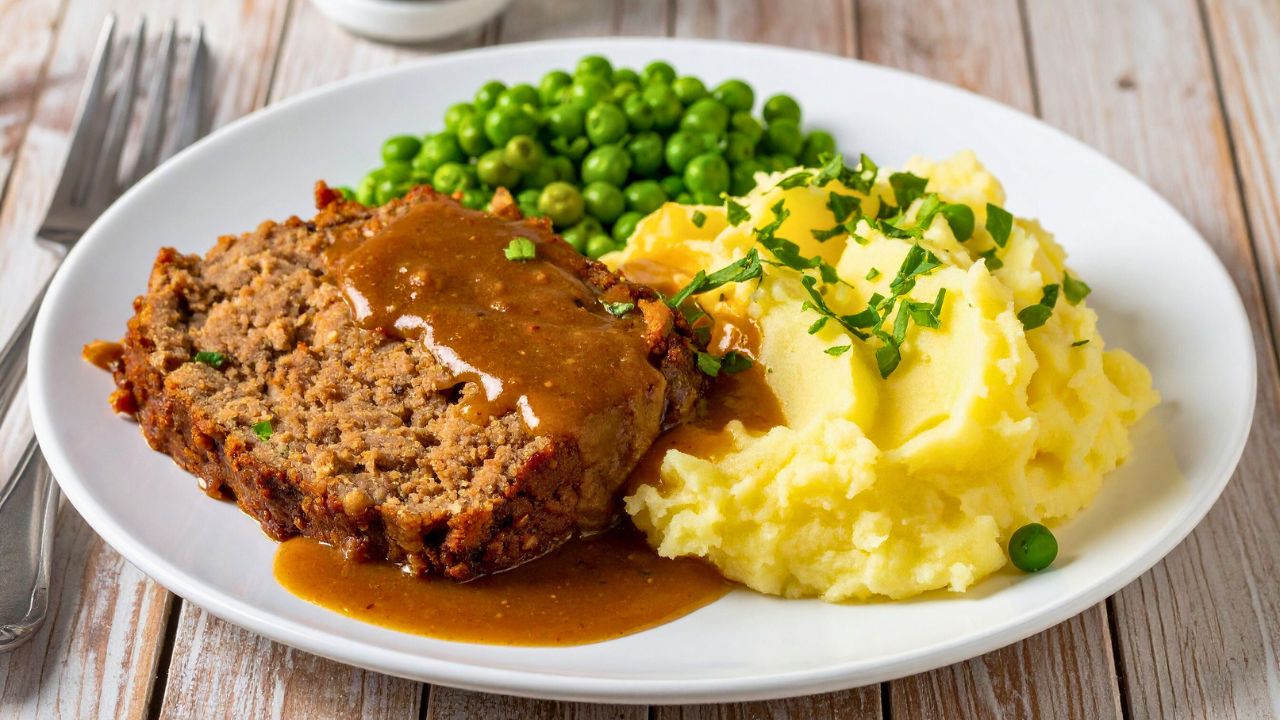
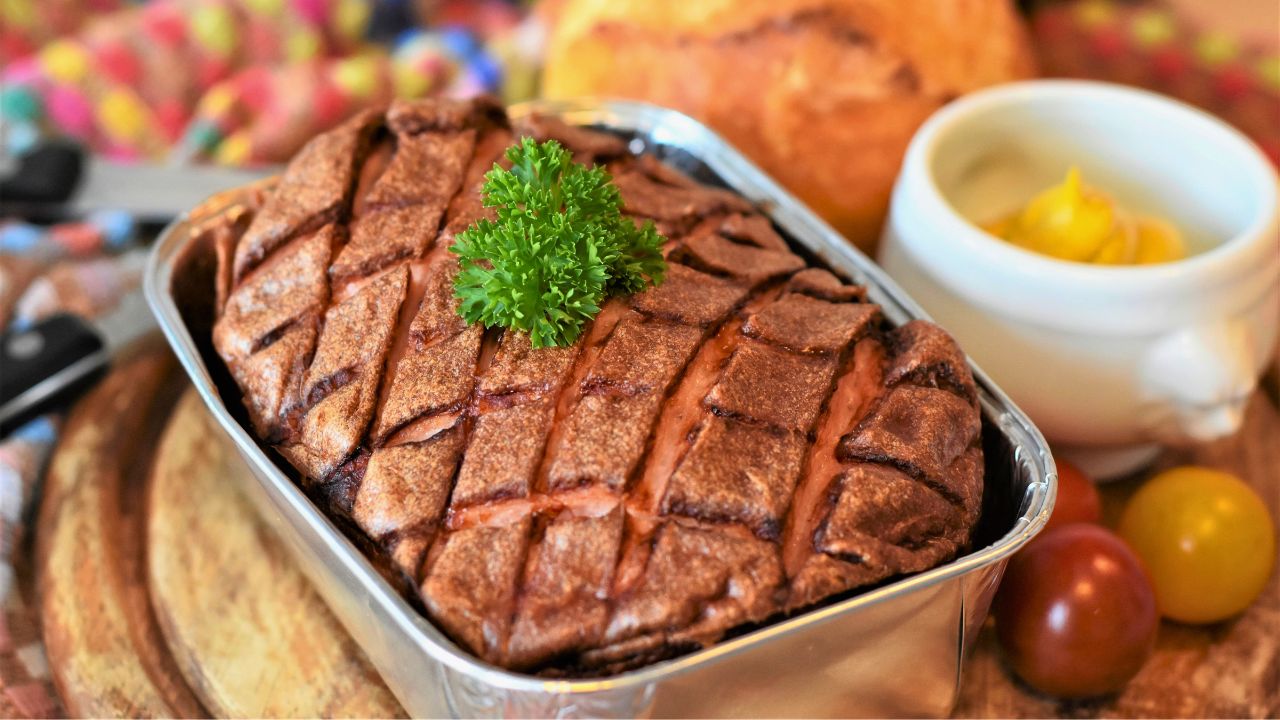
She even went so far as to threaten that she’d confront her mother-in-law directly if her husband wouldn’t do it, all while shooting him “dark looks” as the grandmother prepared a dinner of buffalo chicken meatloaf.
The Internet Reacts
The online world had no shortage of opinions on this family conflict, with the overwhelming majority siding with the husband and placing blame squarely on his wife’s sense of entitlement.
The first faction, the “Absolutely Not” Crowd, was shocked by the wife’s behavior. They considered the grandmother’s approach entirely reasonable for dealing with a 13-year-old. One commenter stated it plainly: “Your wife needs to get over herself.” This feeling was widely shared by others who believed the underlying issue had nothing whatsoever to do with food.
When the husband disclosed that his wife already “hates” his mother and harbors resentment toward her for relocating across the country for “some guy” (her husband of 13 years), everything suddenly made sense. As one person pointed out, “Your wife is obviously just spoiling for a fight with your mother and any lame excuse will do.”
Naturally, a smaller “Devil’s Advocate” contingent felt the grandmother could have shown a touch more flexibility. These commenters argued that genuine hospitality means ensuring guests feel included, particularly when children are involved. One reader contended, “It’s pretty rude to invite people over and not include them, doubly so when it’s a child who doesn’t really get a say.” Someone else chimed in that it takes “virtually no effort to make some unseasoned or unsauced food,” implying the grandmother was being purposely rigid.

However, the most perceptive group was the “Real Issue Detectives.” They looked beyond the dinner table disagreement and pinpointed the wife’s deep-seated resentment as the actual root cause. They suspected this was far from the first time she had manufactured conflict. “Here’s the real issue. Your wife will find anything to nitpick and complain about your mother,” one commenter astutely observed. Another theorized the negativity was filtering down to the next generation, speculating, “I suspect that the wife has been talking badly about OP’s mother and the daughter has absorbed that.”
The Etiquette Verdict
Let’s make one thing abundantly clear: a host is not a personal chef taking individual orders. While it’s always thoughtful to take a guest’s dietary needs into account, especially when allergies are a factor, nobody is required to whip up a separate, customized dish for a selective eater. The grandmother’s solution was more than adequate; she gave the teenager full access to her kitchen and let her prepare whatever she wanted without any drama.
The wife’s insistence that her mother-in-law “bend over backwards” represents the pinnacle of entitlement. A guest’s foremost duty is to show appreciation. Weaponizing a child’s eating preferences to fuel an ongoing battle with an in-law is terrible manners and, quite honestly, profoundly unfair to every person caught in the middle.
Your Thoughts
This family gathering was obviously bubbling with underlying tension well before the meatloaf ever hit the oven. But when it comes to the dinner table dispute itself, who do you believe was genuinely in the wrong?
Was the grandmother acting as an unyielding host, or was the mother entirely out of bounds with her expectations?