12 Outrageous Food Laws from Around the World You’ve Never Heard Of
You think your local food rules are strict? Wait until you hear about Singapore’s complete ban on chewing gum or France’s strict “no ketchup” policy in school cafeterias. These aren’t made-up rules from an overzealous food critic – they’re real laws that affect millions of people daily.
From Italy’s specific regulations on pasta shapes to Somalia’s restrictions on triangle-shaped samosas, governments worldwide have created some truly bizarre food laws. Some make sense (kind of), like Germany’s beer purity rules. Others, like the EU’s former ban on curved cucumbers, seem to cross into absurd territory.
Get ready for a wild ride through the world’s strangest food regulations. These 12 laws will make you grateful for your freedom to enjoy ketchup-drenched fries or chew bubble gum without fear of legal consequences. Just don’t try selling unnatural-colored ice cream in Wales – that’s still illegal!
Cheeseburger License Requirement in Denmark
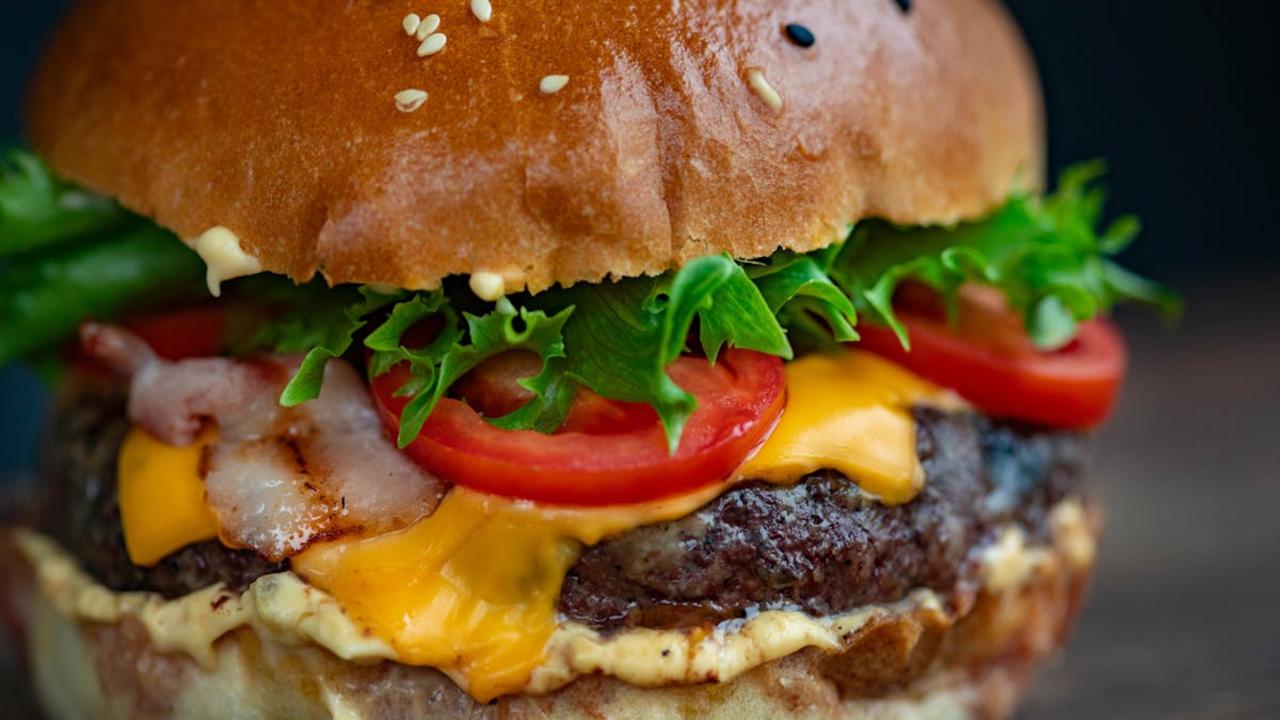
I couldn’t make this up if I tried – Denmark actually requires restaurants to get a special license before they can serve cheeseburgers! Yes, you read that right. This quirky law stems from the Danish government’s strict regulations on cheese-melting procedures and burger preparation standards. Restaurant owners must prove they understand proper food handling, especially when it comes to melting cheese at specific temperatures to prevent bacteria growth. The fine for serving unauthorized cheeseburgers can reach up to 10,000 Danish Krone (around $1,500)!
This peculiar regulation has created a whole underground scene of “burger speakeasies” in Copenhagen, where adventurous foodies hunt down unlicensed burger joints operating under the radar. These rebel establishments often serve their cheesy creations through back doors or in secret locations, giving a thrilling edge to the simple act of biting into a juicy burger. The law has also sparked annual protests where people gather in town squares across Denmark, defiantly grilling cheeseburgers in what they call “Cheese Liberation Day.”
Unnatural Ice Cream Color Ban in Wales

Hold onto your ice cream cones, because Wales has one of the wackiest food regulations I’ve discovered! In this charming corner of the UK, a law from 1923 actually forbids ice cream vendors from adding artificial colors to their frozen treats if those colors don’t naturally occur in the ingredients. That means no bright blue bubblegum or neon green mint chocolate chip unless you’re using real blueberries or natural mint. The law aimed to protect consumers from sketchy food dyes that manufacturers used back in the day, like copper sulfate and lead chromate – yikes!
The funny part? This old-school rule still stands today, though most modern ice cream makers follow stricter EU and UK food safety guidelines anyway. Some creative Welsh ice cream artisans have turned this limitation into an opportunity, whipping up gorgeous natural-colored flavors using ingredients like beetroot, matcha, and saffron. Next time you’re in Cardiff or Swansea, keep an eye out for these authentically-hued frozen delights. You won’t spot any unicorn-colored scoops, but you’ll find plenty of honest-to-goodness flavors that look exactly like what they’re made from!
Absinthe Prohibition in the United States
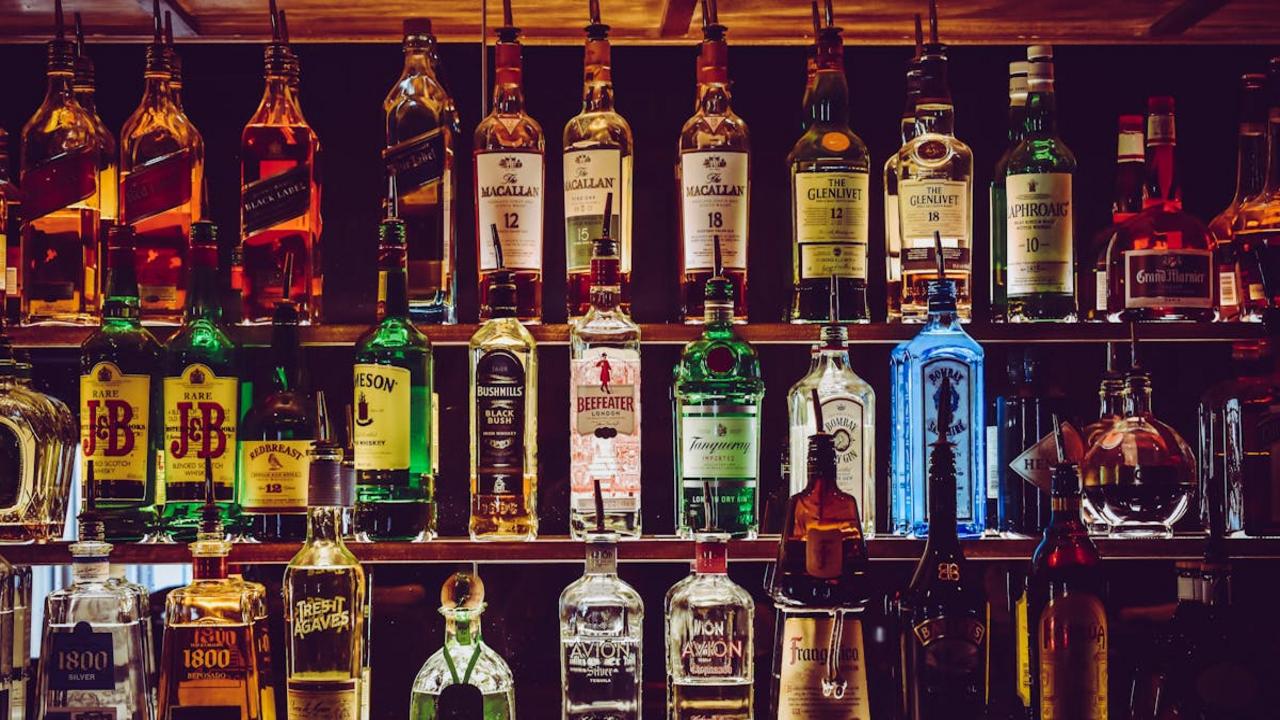
Oh, the infamous “Green Fairy” had quite the rollercoaster ride in American history! The US banned absinthe in 1912 after a massive moral panic swept through the nation. People genuinely believed this anise-flavored spirit would make you hallucinate, go crazy, or even commit crimes. The reality? The drink contained wormwood, which does have small amounts of thujone – a compound that can cause mild psychoactive effects. But you’d need to drink gallons of absinthe to experience anything beyond regular alcohol intoxication.
The ban stuck around for nearly 100 years until 2007, when the FDA finally allowed absinthe back into the US market – with strict rules, of course. Modern American absinthe must contain less than 10 parts per million of thujone, making it perfectly safe to drink. Funny enough, even during the prohibition, many Americans would sneak across the border to France or Switzerland just to get their hands on a bottle of the mysterious green liquor. Today, you can freely buy absinthe at your local liquor store, though some people still whisper about its supposedly magical properties.
Curved Cucumber Regulations in the European Union
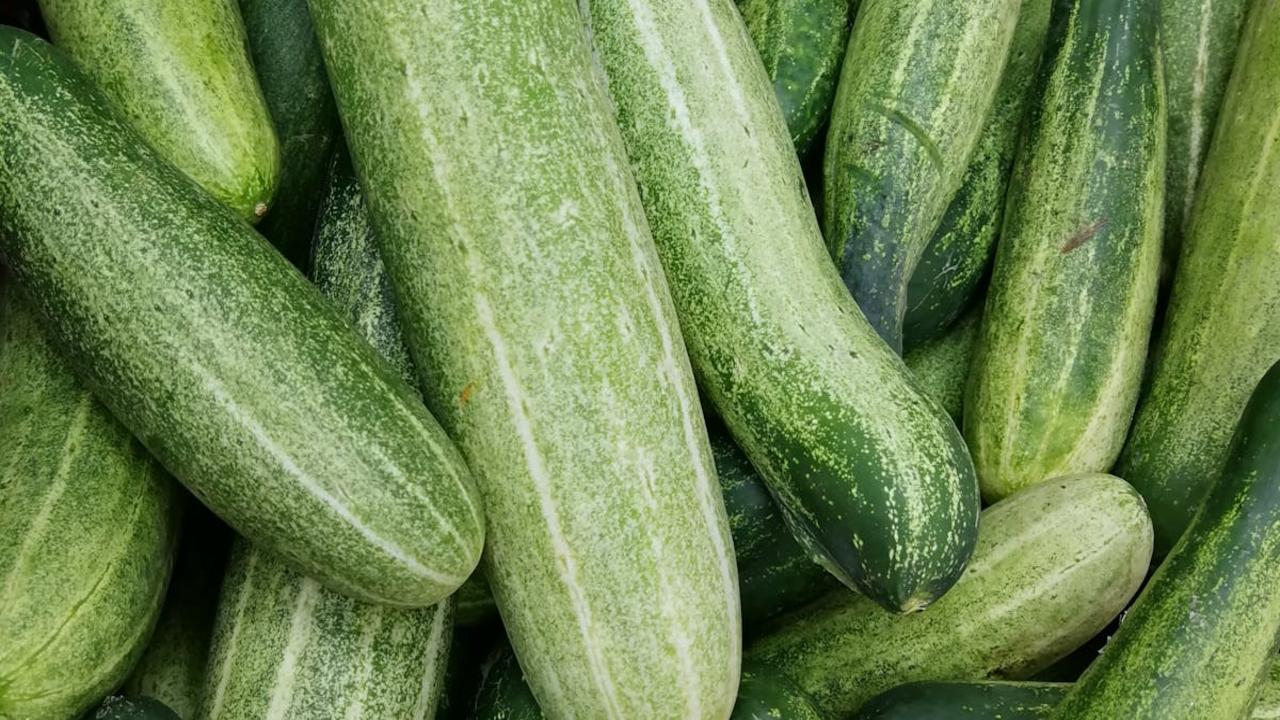
I bet you didn’t know the EU once had a law dictating how curvy your cucumber could be! From 1988 to 2008, the European Union enforced strict rules that banned any cucumber with a bend greater than 10mm per 10cm length from being sold in stores. This bizarre regulation meant farmers had to toss out perfectly good vegetables just because they didn’t meet the “straight cucumber standard.” The rule created such an uproar among farmers and consumers that people nicknamed it “wonky veg law” – a perfect example of bureaucracy gone bananas (or should I say, cucumbers?).
The cucumber chaos didn’t end there! The regulation included detailed specifications about the vegetable’s color, texture, and even how it should look when cut. Farmers had to measure their cucumbers with special tools to check the curvature, and some even developed growing techniques to keep their cucumbers poker-straight. The good news? The EU finally saw reason and scrapped this nonsense in 2008, allowing bendy cucumbers back on supermarket shelves. Now you can find all sorts of curved cucumbers living their best lives in grocery stores across Europe, proving that beauty truly comes in all shapes and sizes!
Samosa Restrictions in Somalia
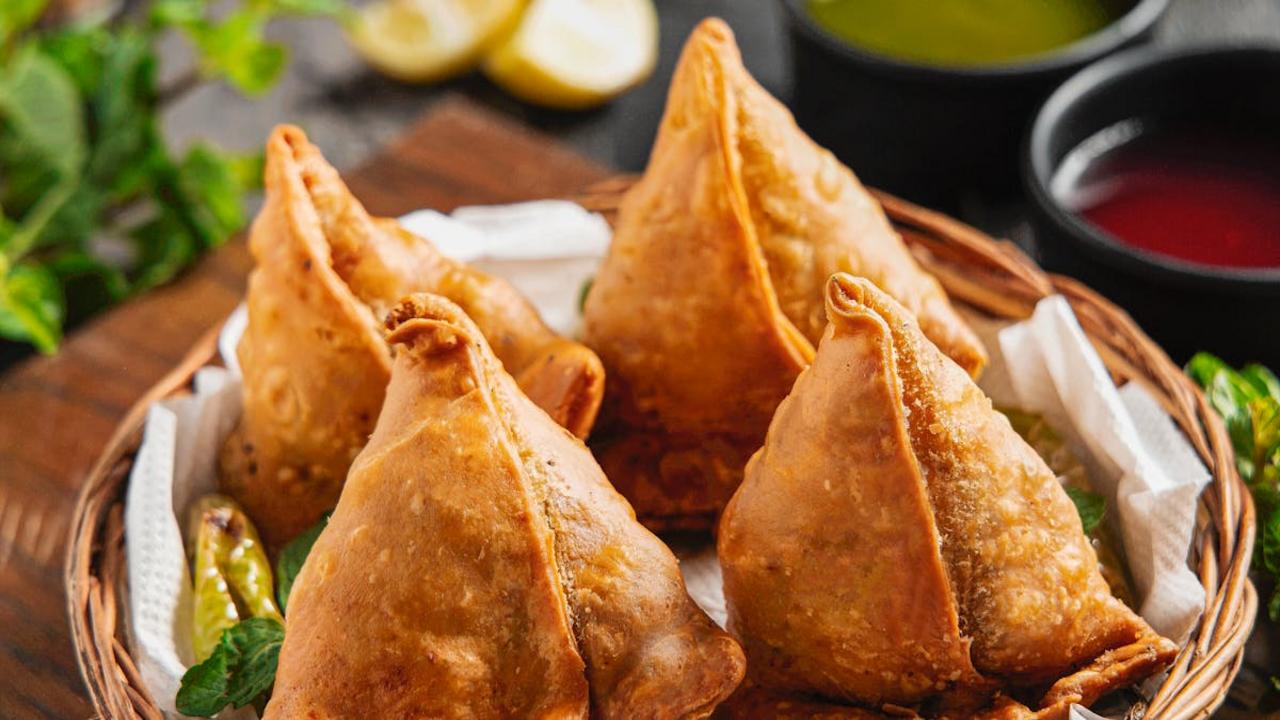
Would you believe a country actually banned triangular samosas? In 2011, Al-Shabaab, the militant group controlling parts of Somalia, did exactly that! They declared three-cornered samosas “un-Islamic” because they thought the shape resembled the Christian Trinity. The ban caused quite a stir among local food vendors and samosa lovers, who had to get creative with their beloved snack’s shape. Some crafty cooks started making round or square versions to keep serving these crispy, stuffed pastries without breaking the rules.
The samosa situation in Somalia shows how politics can affect what ends up on your plate. While the rest of the world munches away on traditional triangular samosas filled with spiced potatoes, meat, or vegetables, Somali street vendors had to adapt or risk punishment. Many locals found the ban ridiculous – after all, samosas originated in Central Asia centuries ago, long before anyone thought about their shape having religious meaning. The good news? The modified shapes didn’t change the delicious filling or the satisfying crunch that makes samosas such a popular street food.
Illegal Watering Down Beer in Germany
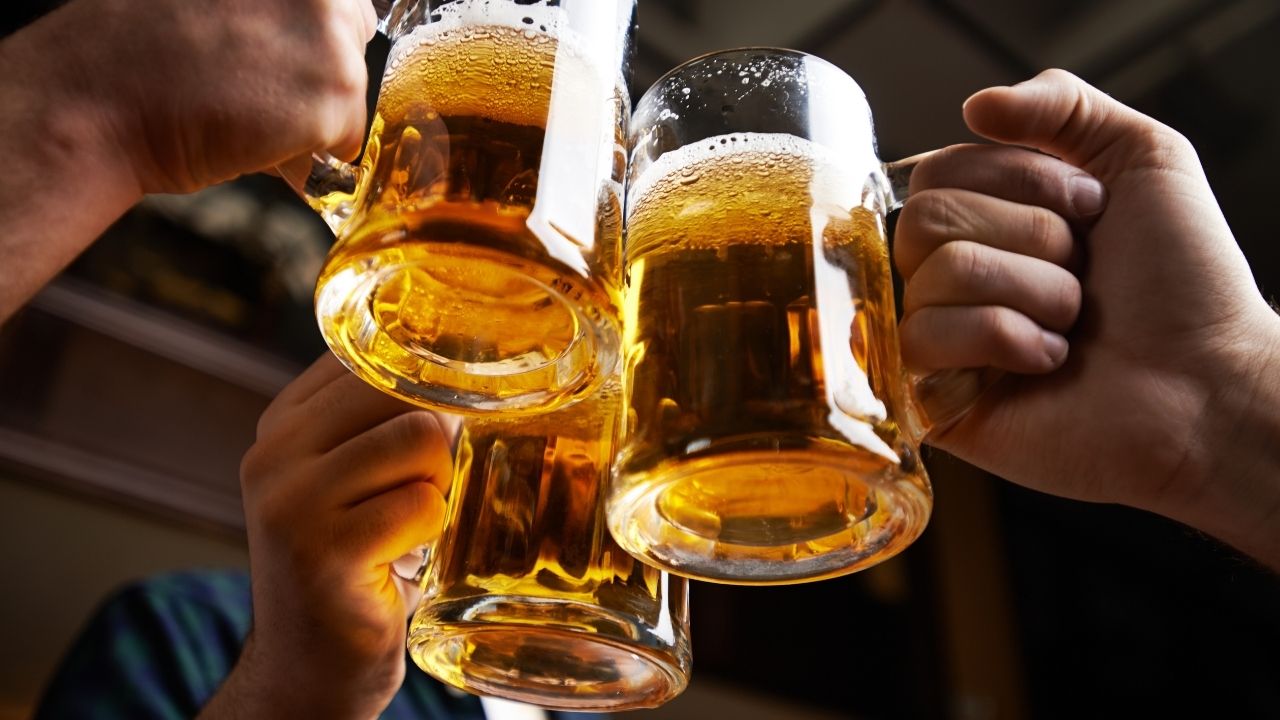
If you’ve ever thought about adding a splash of water to your German beer, think again! Germany takes its beer standards so seriously that they made watering down beer illegal under their famous “Reinheitsgebot” (Beer Purity Law) from 1516. This law, which still stands today, doesn’t just ban watering down beer – it actually specifies that German brewers can only use four ingredients: water, hops, barley, and yeast. You’ll face hefty fines and a damaged reputation if you mess with this centuries-old tradition.
The Germans’ dedication to beer quality runs deep through their culture. Back in medieval times, beer-tampering criminals faced some wild punishments – from public humiliation to having their entire beer stock dumped into the streets! Today, German brewers follow these rules with pride, creating some of the world’s most respected beers. Fun fact: before the law existed, some sketchy brewers would add everything from sawdust to toxic plants to their beer. No wonder they needed this law! Next time you drink a German beer, thank the Reinheitsgebot for keeping your brew pure and perfect.
Butter Alternatives Ban in New Zealand’s South Island
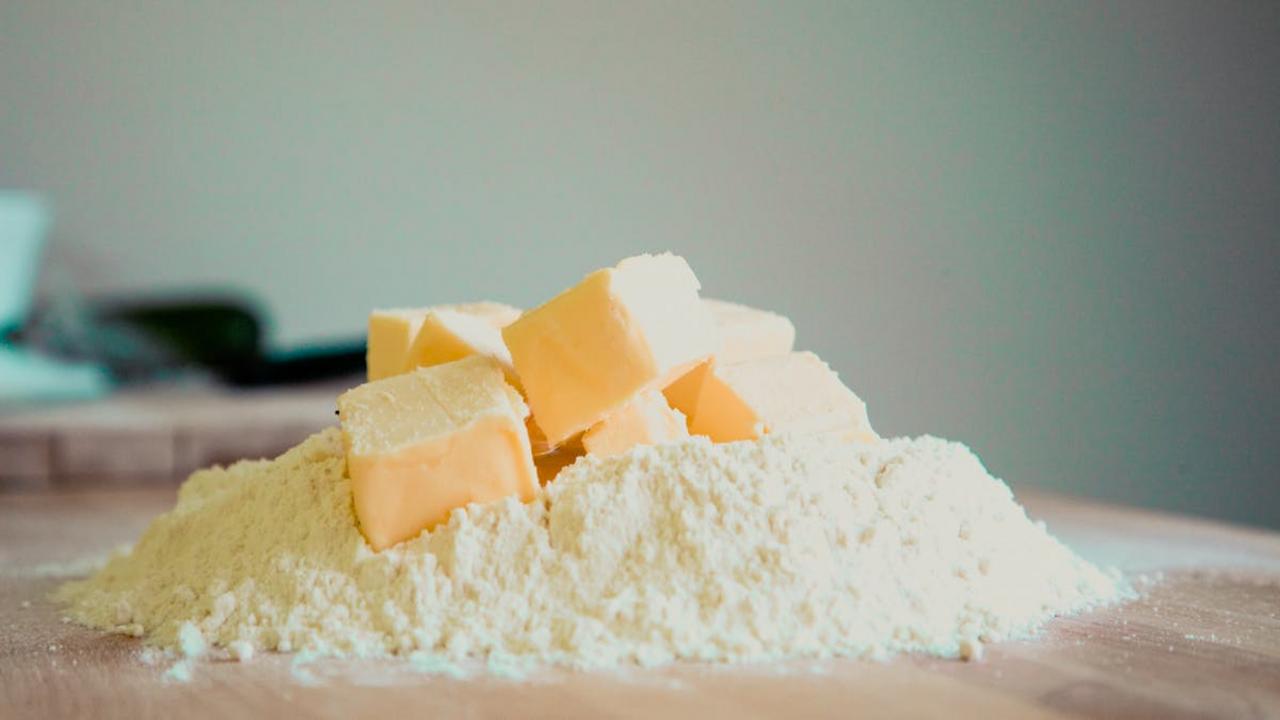
Imagine living in a place where your margarine could land you in hot water with the law! Between 1907 and 1974, New Zealand’s South Island had one of the quirkiest food restrictions I’ve ever stumbled upon – a complete ban on yellow-colored butter alternatives. The dairy industry held such strong influence that they convinced lawmakers to make it illegal to sell any butter substitutes that mimicked the natural yellow color of butter. If you wanted margarine, you had to settle for the stark white version, which looked more like lard than anything you’d want to spread on your morning toast.
The law’s enforcement became a comedy of errors, with butter police (yes, that was actually a thing!) conducting raids on grocery stores and homes to catch margarine outlaws. They’d confiscate any yellowy spreads that dared to masquerade as butter. The restriction finally melted away in 1974, but not before creating decades of bizarre workarounds. Creative South Islanders would buy white margarine and mix it with yellow food coloring at home – a DIY butter rebellion that makes me laugh every time I think about it. Today, New Zealanders can freely choose their preferred spreads without fear of the butter police knocking at their door.
Raw Milk Restrictions in Canada
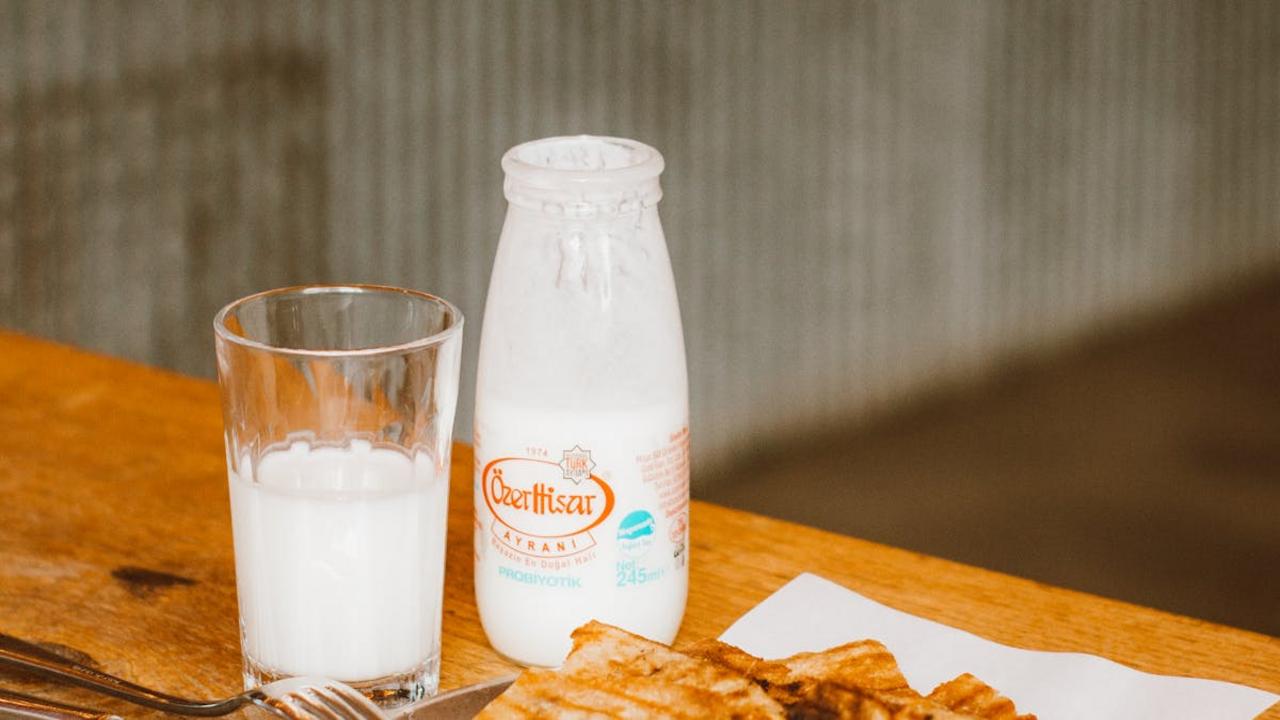
You might think Canada’s maple syrup laws would be their strangest food regulation, but wait until you hear about their raw milk rules! The Canadian government has completely banned the sale of raw (unpasteurized) milk nationwide since 1991. Even farmers who own dairy cows can’t legally drink milk straight from their own animals! The only way to get raw milk in Canada involves buying shares in a cow through a complex “cow-share” program – and even that exists in a legal gray area that makes government officials pretty nervous.
This strict ban has created quite the underground raw milk movement in Canada, with devoted fans going to creative lengths to get their hands on the forbidden drink. One Ontario farmer, Michael Schmidt, became a local hero after fighting the government for decades over raw milk rights. He faced massive fines and even jail time for continuing to provide raw milk to his cow-share members. The government claims the ban protects public health, but raw milk enthusiasts point to European countries where raw milk flows freely – even from special vending machines in some places! For now, Canadians must either pasteurize their milk or join the raw milk rebellion.
Horse Meat Prohibition in the United States
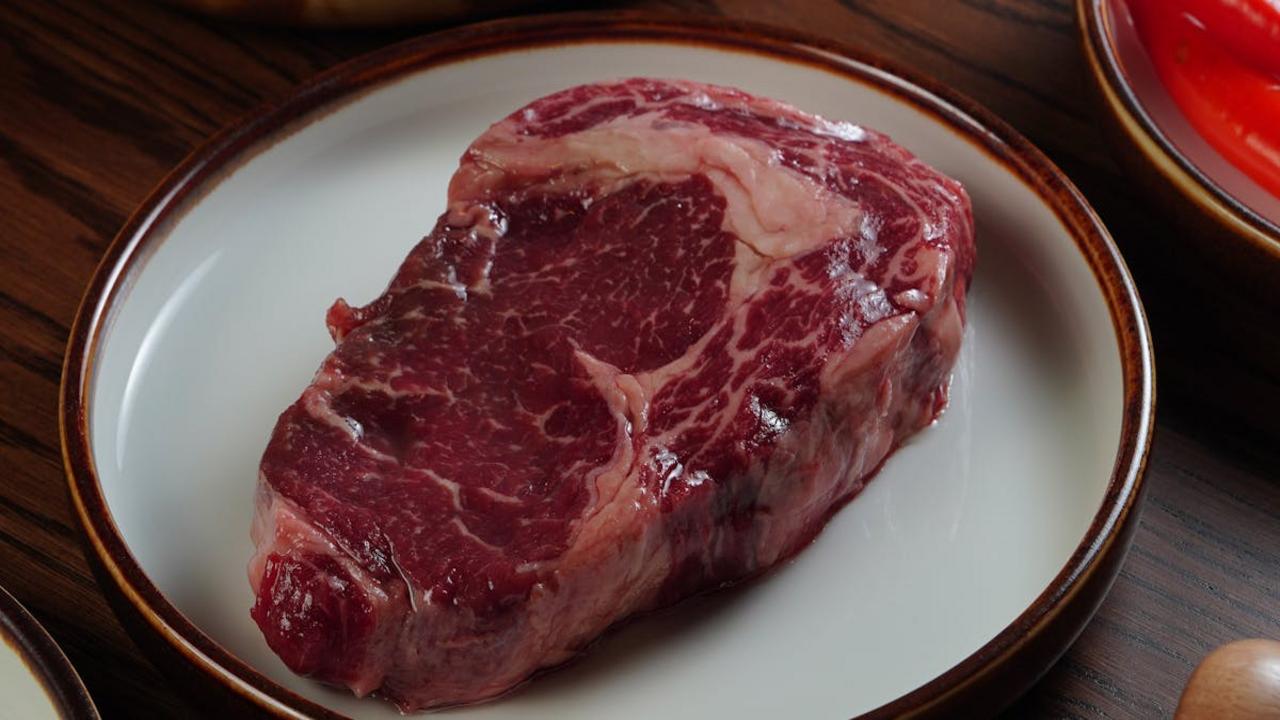
You might think eating horse meat sounds strange, but many European countries consider it a normal part of their diet. The United States, however, has banned the sale of horse meat for human consumption since 2007. This prohibition sparked from a mix of cultural attitudes and emotional connections to horses as companion animals. Americans view horses more like pets than livestock, making the idea of eating them particularly uncomfortable for most citizens.
The ban has created some interesting situations in the U.S. food industry. Before 2007, you could find three horse slaughterhouses operating in the country – two in Texas and one in Illinois. These facilities shipped most of their meat to countries like France, Belgium, and Japan, where horse meat remains popular. Now, some ranchers and horse owners face difficulties dealing with older or unwanted horses since they can’t send them to domestic processing facilities. The law has also spawned a black market for horse meat, with occasional busts of illegal slaughterhouses making headlines.
Pasta Shape Regulations in Italy
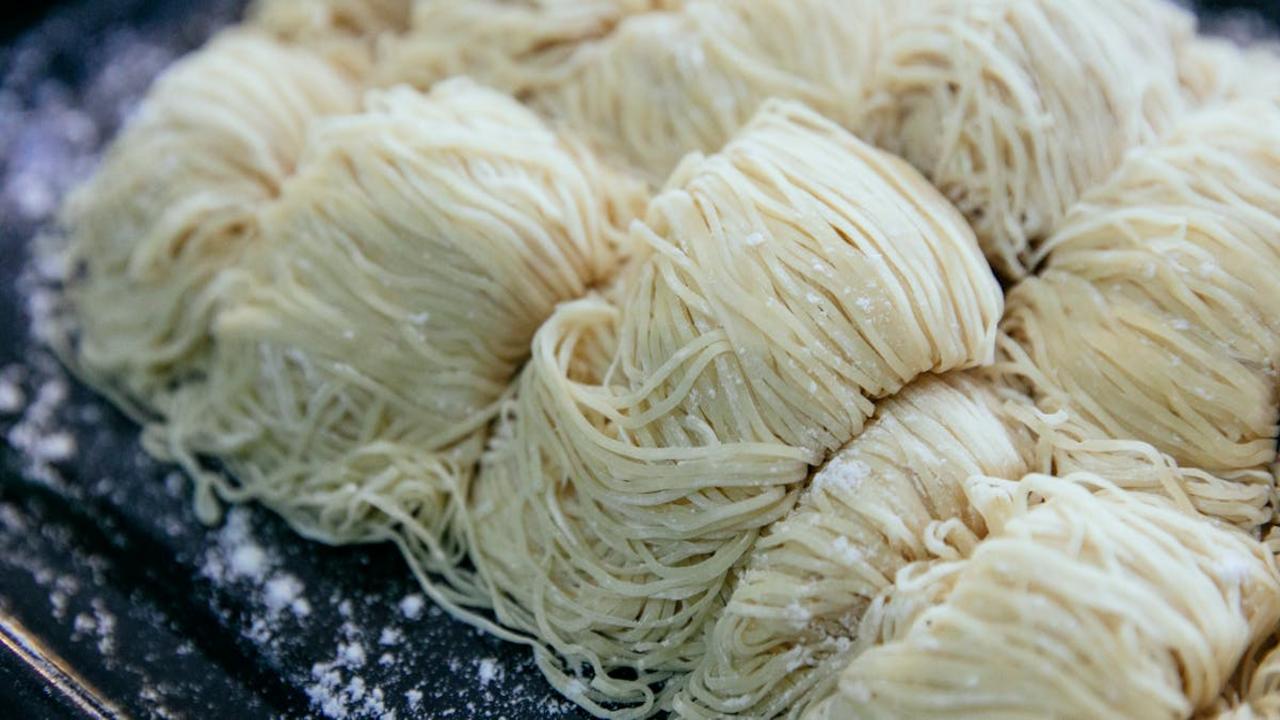
If you think Italy takes its pasta seriously, you’d be absolutely right! The Italian government has created actual laws about pasta shapes and their proper names. In the charming town of Gragnano, near Naples (nicknamed “The City of Pasta”), local regulations demand that pasta makers follow strict guidelines about the exact dimensions and characteristics of each pasta shape. For example, genuine spaghetti must measure precisely 1.92mm in diameter – no more, no less!
The rules don’t stop at measurements. Italian law mandates specific ingredients and production methods for different pasta shapes. Strozzapreti (literally “priest-strangler” pasta) must have a particular twisted form, while orecchiette needs to maintain its distinctive ear-like shape with a thin center and rough edges. Breaking these rules could land pasta makers in hot water with fines or even loss of their prestigious IGP certification. Next time you twirl your perfectly proportioned spaghetti around your fork, remember there’s a whole rulebook behind that single strand!
Ketchup Ban in French School Cafeterias
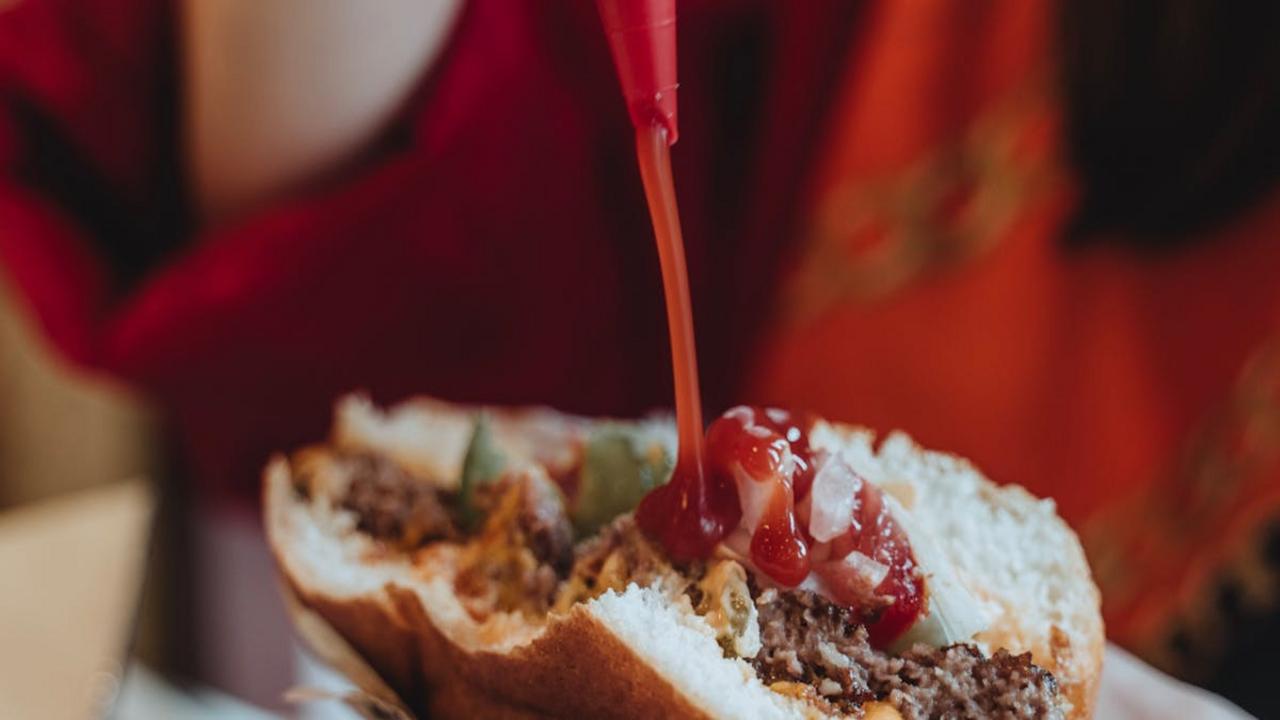
Oh, those saucy French and their condiment drama! In 2011, France banned ketchup from school cafeterias nationwide, except when served with – you guessed it – French fries. The French government wanted to protect their rich culinary heritage and encourage kids to eat more traditional French foods without drowning everything in sweet, red goop. Can you imagine the horror on a French chef’s face watching students squirt ketchup all over their perfectly prepared coq au vin? Mon dieu!
This ketchup crackdown sparked quite the debate among parents and students. While some praised the move to preserve authentic French flavors, others saw it as food snobbery gone too far. The French Ministry of Education argued that limiting ketchup would help fight childhood obesity and promote better eating habits. French schools now offer traditional options like mustard, vinaigrette, and herbs to add flavor to meals. And yes, students still sneak in contraband ketchup packets – because nothing makes forbidden fruit (or in this case, forbidden condiments) more appealing than an official ban!
Chewing Gum Ban in Singapore

Yes, you read that right – Singapore has banned chewing gum since 1992! While you can munch on almost anything else in this food-obsessed nation, popping a piece of Hubba Bubba could land you in hot water. The ban started after maintenance workers found chewed gum stuck in subway doors and on public housing walls. The government got so fed up with cleaning costs and vandalism that they decided to outlaw the sticky stuff altogether. Today, you’ll only find therapeutic gum (like nicotine gum) sold in pharmacies with a prescription.
The penalties for breaking this law pack quite a punch – you could face fines up to $100,000 or even jail time for selling gum! Tourists often get caught trying to smuggle in their favorite brands, not knowing about the strict rules. Some locals joke that Singapore is so clean you could eat off the sidewalks – and they’re not wrong! While the ban might seem extreme, it’s worked wonders for keeping the city spotless. Just remember to leave your Double Bubble at home if you’re planning a trip to this squeaky-clean paradise.