My SIL Demanded My Dead Father’s Secret Recipes. Now She Claims I’m ‘Starving’ Her Kids.
We all know that when you are a guest in someone’s home, you accept their hospitality with grace and gratitude. If you enjoy a meal, it’s perfectly polite to compliment the chef and even ask for the recipe.
However, one man recently shared a story on the internet that proves not everyone understands that “no” is a perfectly acceptable answer, especially when something deeply personal is at stake. It’s a shocking tale of entitlement that left my jaw on the floor.
The Incident
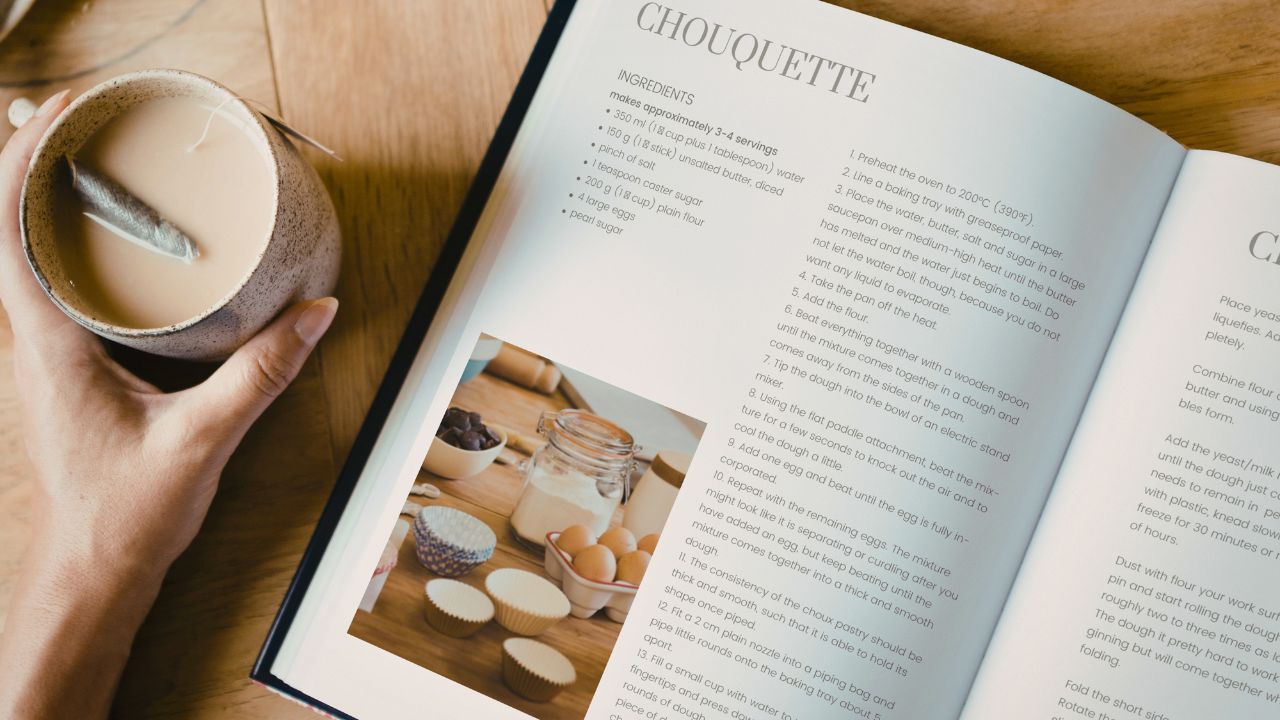
The story begins with a young man, a talented cook who learned everything he knew from his beloved father. Over the last nine months of his father’s life, the two bonded by creating a very special cookbook. They cooked every dish they knew, took instant photos of the food, and compiled the pictures into a book, complete with handwritten notes from father to son. It was their final project together, a legacy of love and flavor.
Tragically, the father passed away just last month. As a way of processing his grief, the son began cooking his way through the treasured book, keeping his father’s memory alive in the kitchen. Recently, his partner’s brother, sister-in-law (SIL), and her mother came for lunch.
The two young children, aged 3 and 5, absolutely adored the food—a rare occurrence, as the man later explained they have sensory issues with food and their mother is, to put it mildly, not an adventurous cook.
The sister-in-law asked for the recipes. The grieving son politely declined, explaining their sentimental value but generously offering to cook for the children regularly. This wasn’t good enough. The SIL’s mother chimed in, telling him not to be selfish.
The situation grew so tense that the man’s partner had to intervene and ask them to leave. Later, the sister-in-law sent a barrage of texts, claiming he was being “cruel and starving two young children” because they now refused to eat her bland, unseasoned cooking.
The Internet Reacts
The online community was overwhelmingly on the side of the grieving son, horrified by the sheer audacity of his relatives. The reactions fell into a few distinct camps, with nearly everyone agreeing that the sister-in-law and her mother were completely in the wrong.
First, there was the “Absolutely Not” crowd. These commenters were furious on the boyfriend’s behalf, viewing the recipe book as a sacred heirloom. One person put it beautifully, saying, “Recipes can be as intimate as a diary. Family recipes are basically an edible heirloom.”
Another compared it to art, asking, “You don’t expect a painter to just give up a piece because people want it, if it holds a personal meaning.” Many felt the timing made the request even more egregious, noting how “demanding and insensitive” they were during his time of grief.
Then came the “Devil’s Advocate” group, though they were few and far between. Some admitted they don’t personally understand keeping recipes a secret. “I don’t really get why people get possessive about recipes, but each to their own,” one wrote, before quickly adding that the sister-in-law’s guilt-tripping was ridiculous.
Another commenter made a fair point that sometimes, “countless family recipes are lost because Aunt Edna or Uncle Jim wouldn’t share the recipe,” but even they agreed that this situation, involving recent loss and profound sentimental value, was a clear exception.

Finally, the “Petty Revenge” crowd offered some rather amusing, if passive-aggressive, solutions. One user shared their go-to method for dealing with pushy recipe-seekers. “Act like you don’t use a recipe and it’s all in your head, and verbally give them the most vague recipe you can,” they advised, providing a hilarious script involving “two cups-ish of flour” and “some kind of leavening agent.” Many others chimed in, saying this is exactly how their grandmothers passed down recipes, with measurements like “a big pinch” and “enough until the texture looks right.”
The Etiquette Verdict
Let’s be perfectly clear: a recipe, especially one with such deep personal history, is a gift, not a right. To demand it from anyone is poor form, but to demand it from someone mourning the very person who helped create it is beyond the pale. The boyfriend’s offer to cook for the children was more than generous—it was a compromise offered with kindness, which was met with entitlement and emotional manipulation.
The Golden Rule of being a guest is to appreciate what is offered. You are not entitled to the host’s property, whether it’s their silverware or their intellectual property. “No” is a complete sentence that requires no further justification.
Your Thoughts
This story really struck a nerve with me, as I’m sure it has with many of you. What do you think? Was the sister-in-law justified in demanding the recipes for her picky children, or was her behavior a shocking display of disrespect?