My Friends Excluded Us From Their Wedding, Then Expected Us To Host The Next Dinner Party
Friendship, at its core, is a delicate dance of reciprocity. We offer our time, our homes, and our hearts with the quiet understanding that the sentiment will be returned. It’s a simple, unspoken rule of social grace. However, one woman recently shared a story online that shows what happens when this fundamental rule is broken, leaving her to question a friendship she thought was solid.
The Incident
For nearly two years, a woman and her partner were part of a cherished tradition: a fortnightly dinner party shared between four close-knit couples. They would take turns hosting, sharing food, drinks, and laughter. This woman’s home was a particular favorite, as she and her partner were the only ones with a large backyard and a smoker, where they would lovingly prepare feasts for their friends.
The rhythm of their friendship was pleasant and predictable until one of the other couples got married. In a move that was both baffling and deeply hurtful, they invited every couple from the dinner group except for this woman and her partner. Though they were wounded by the exclusion, the couple chose to handle it with grace, wishing the newlyweds well and assuming, as the woman put it, that the “bridge was underwater.”
The real trouble began when it was their turn to host the next dinner. Feeling they were no longer truly part of the group, they decided to cancel. When the others asked why, they were honest. The newlyweds’ excuse? They “only had a limited amount of seats for the wedding so could only invite the closest friends on top of family.” The woman’s response was perfectly measured: she told them it was their right to choose their wedding guests, but they should also respect who she chooses to invite into her home.

Instead of an apology or understanding, the group chat fell silent. Soon after, she learned the newlyweds had started a new chat without her, labeling her decision a “toxic attitude.” It was a classic case of someone being unable to face the natural consequences of their own actions.
The Internet Reacts
When the woman shared her story, the internet was abuzz with opinions, with most people rallying to her side. The reactions generally fell into three distinct camps.
First, there was the “Absolutely Not” crowd, who were furious on the couple’s behalf. They saw the newlyweds’ behavior as entitled and thoughtless. One person summed it up perfectly: “It seems like they like your backyard smoker more than your company.”
Another commenter was shocked by the hypocrisy, writing, “Wait, it’s ‘toxic’ for you to have your own needs and standards? Say it ain’t so!” These readers felt the couple had been used for their hospitality, and the wedding snub was simply the proof.
Then came the “Devil’s Advocate” camp. While still sympathetic, these individuals tried to find a reason for the snub, however flimsy. They pointed out that weddings are incredibly expensive, and perhaps difficult cuts had to be made. One person noted, “It was dumb of them not to include you without reaching out… But… sometimes being right and being happy are mutually exclusive.” Others wondered if there was more to the story, questioning if the other couples had known each other for a longer time, making this couple the unfortunate outsiders.
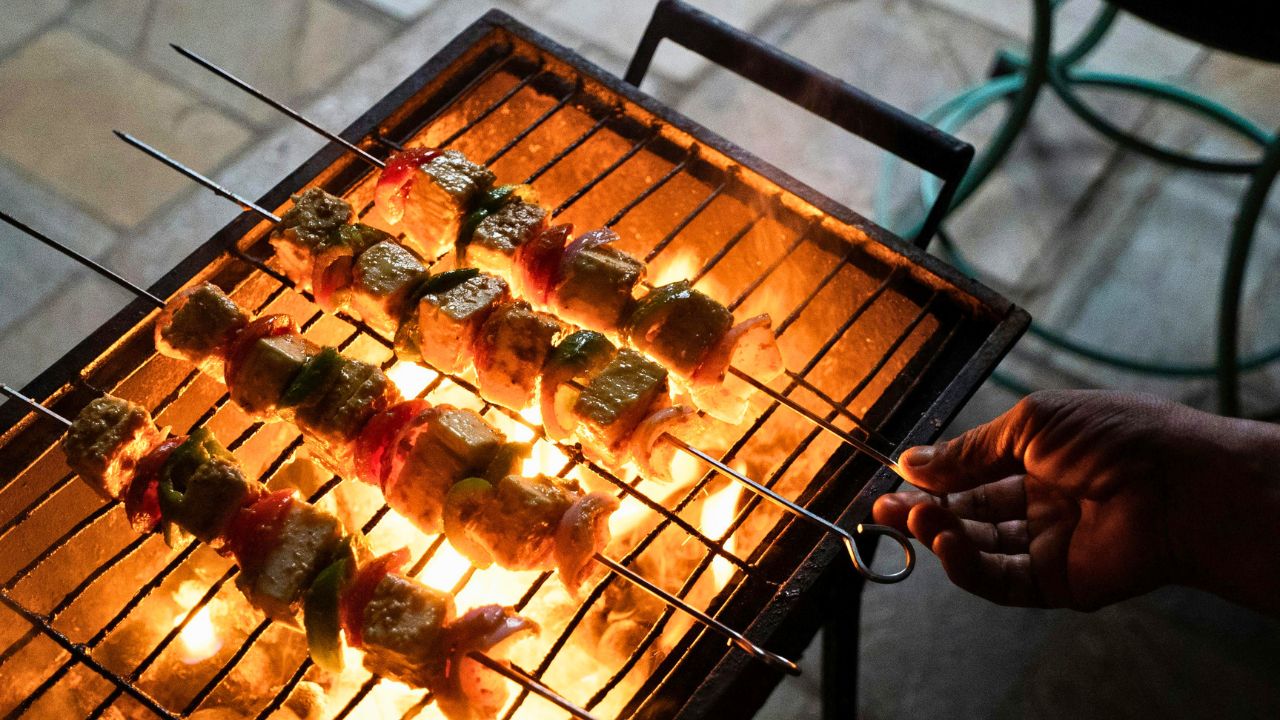
Finally, the “Petty Revenge” crowd offered some rather creative, if not entirely proper, solutions. They believed the newlyweds needed a taste of their own medicine. One user suggested a clever plan: “Invite the 3 other couples… to a bbq at your house—say 6 PM. Then you invite the wedding couple over for desert after the bbq, say 9 PM, and you say you only had enough food for 8 people.” Another simply advised to turn the tables and “create another chat group without the wedding couple ‘cos of the drama they created by excluding you.”
The Etiquette Verdict
Let’s be clear: a bride and groom have every right to invite whomever they wish to their wedding. Guest lists are fraught with difficult decisions. However, when you are part of a small, established social circle, deliberately excluding just one couple is not a simple oversight; it is a statement. It sends a clear and hurtful message about where that couple stands in your life.
The newlyweds wanted to have their cake and eat it, too. They demoted their friends from “close” to “not close enough for the wedding,” yet expected to retain all the benefits of that friendship, namely a guaranteed spot at the best party venue in the group. Hospitality is a gift freely given, not an amenity to be demanded. This couple was well within their rights to withdraw that gift.

Your Thoughts
This situation certainly strikes a nerve, as it touches on our deepest feelings about friendship and belonging. It makes you wonder where the line is between setting a boundary and creating unnecessary drama.
Did this couple overreact by canceling the dinners, or were the newlyweds completely out of line with their wedding snub?