Customers Ordered Pasta With Prosciutto, Then Blamed The Waitress Because They Didn’t Know It Was Pork
There are unspoken expectations that come with eating at a restaurant, and among the most critical is this: if you have a food allergy or dietary restriction, the responsibility to communicate that falls squarely on you. It’s basic self-preservation. No server has the ability to read your mind, after all.
That said, a waitress recently posted a story online that perfectly illustrates how fast some people will shift blame when they’re the ones who dropped the ball. So, grab a fresh cup of coffee and settle in, because this tale is truly something else.
The Incident
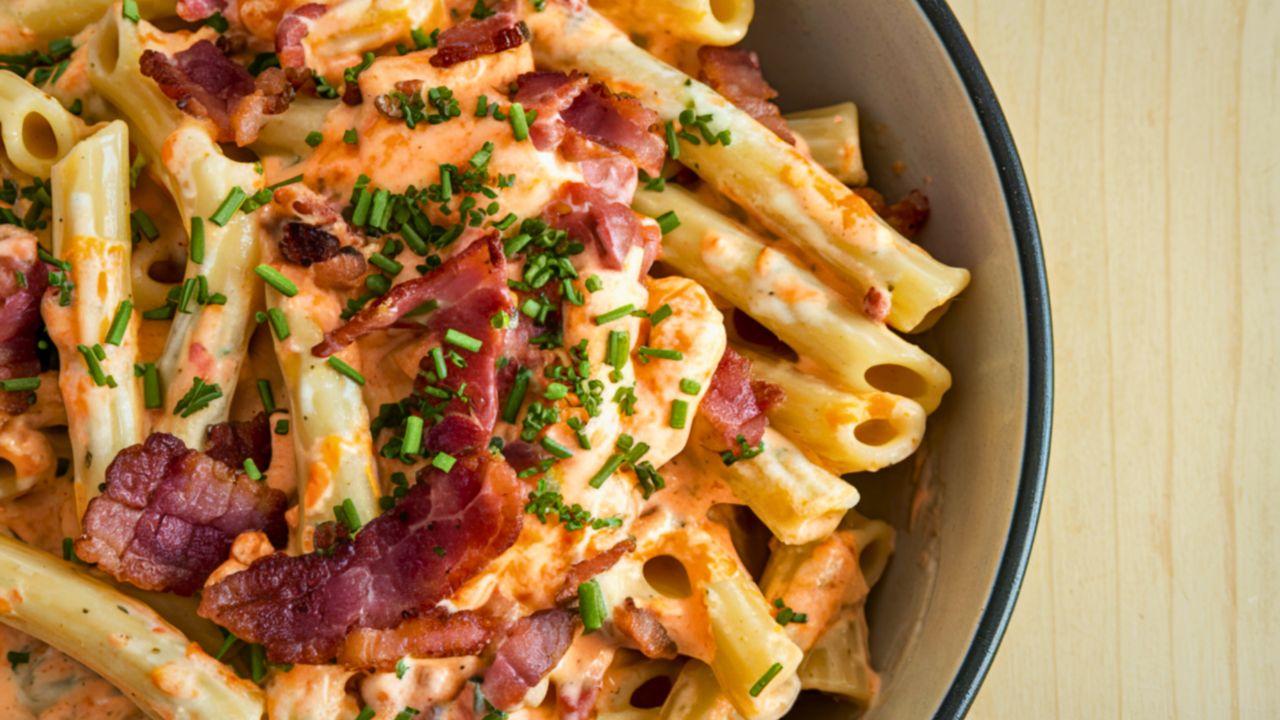
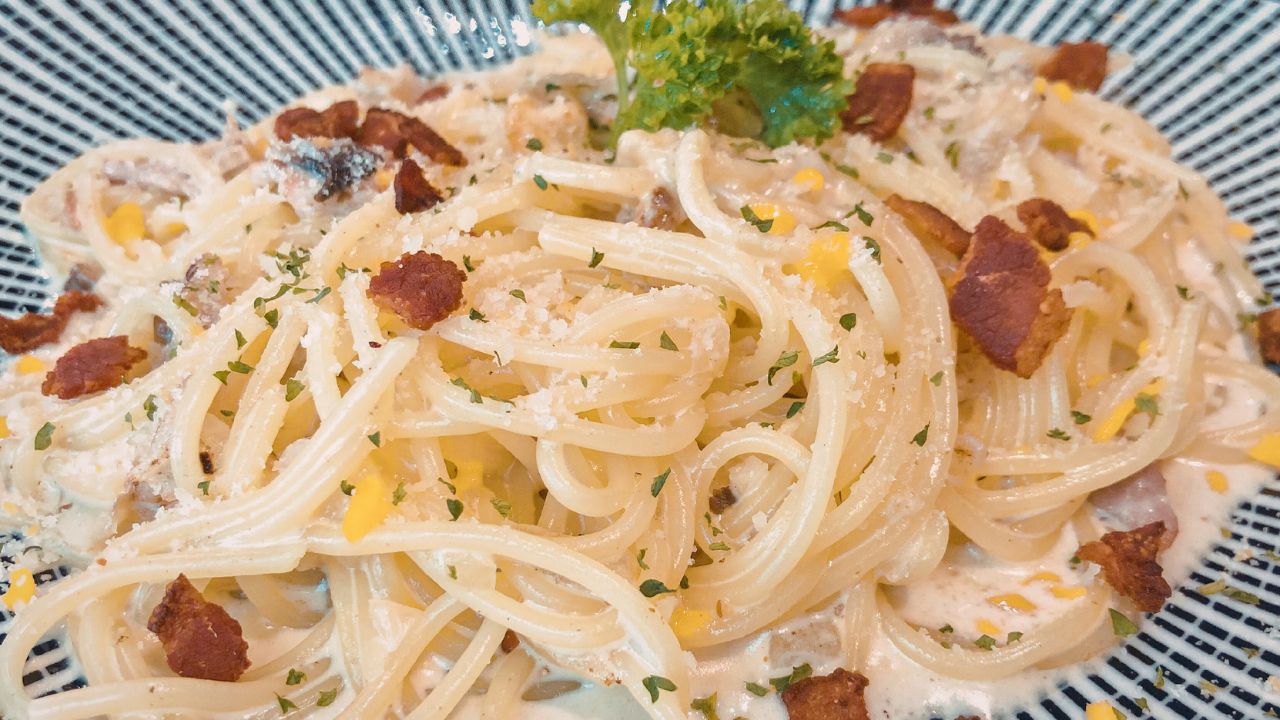
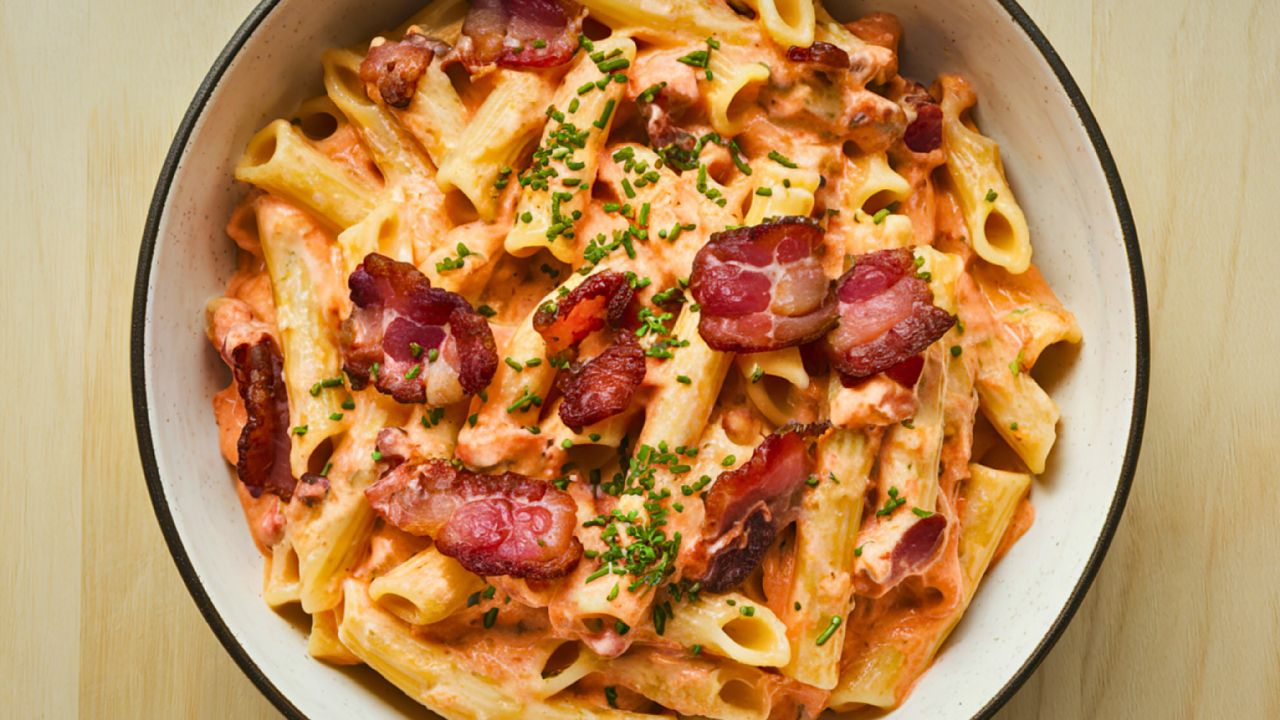
The woman telling this story works as a server at an Italian restaurant as a side gig for extra income. One night, a party of three walked in and ordered a pasta entrée. Shortly after their plates arrived, she swung by to see how everything was going and was immediately confronted with anger. The guests were “quite upset,” she recalled, because the pasta included what they believed to be bacon bits. Due to their religious beliefs, consuming pork was strictly off-limits.
What really bothered them was their claim that bacon wasn’t mentioned anywhere on the menu. The server calmly directed their attention to the menu, pointing out where the word “prosciutto” was plainly listed as an ingredient. Predictably, this did not satisfy them.
The man seated at the table fired back with a remarkable justification: “he and his friends don’t speak Italian, so how were they supposed to know what prosciutto is?”
At that moment, the waitress—who herself deals with multiple food allergies—felt compelled to speak frankly. She explained that Italian terminology is entirely normal at an Italian restaurant, and that asking about unfamiliar ingredients is essential when you have restrictions. Though she was candid, she maintained her professionalism throughout the exchange.
She presented them with alternative pork-free dishes, brought out replacement meals, and removed the original pasta from their check entirely. Most people would consider that more than fair, but as the group headed for the door, one of them reported to the manager that the waitress had been disrespectful.
The Internet Reacts
Once the server shared her account online, commenters had plenty to say—and the overwhelming majority stood firmly in her corner. Their responses fell into a few clear categories.
First up was the “Absolutely Not” Crowd, who were outraged on the waitress’s behalf. The sheer nerve of the customers left them speechless. One commenter captured the sentiment perfectly, writing, “Who the heck doesn’t know what prosciutto is? A person doesn’t need to speak Italian to have heard of one of the most popular meats.”
Someone else highlighted that prosciutto has long since become part of the English language and can be found at virtually any grocery store. Numerous others chimed in with personal stories, stressing that they never skip the step of carefully reviewing a menu. As one particularly insightful commenter wrote, “If it’s your religion, it’s on you to get familiar with what other terms might be ‘product of a pig’ in disguise.”
Next emerged the “Devil’s Advocate” Camp. These voices, while conceding the diners were at fault, suggested the server might have softened her delivery a touch. Their argument was that her role is centered on hospitality, not delivering tutorials on personal accountability. One person remarked, “You’re in customer service your job is to make customers want to spend money there… Losing the cost of one entree… is a far less than the cost of losing a potential repeat customer.” In their view, a brief apology for the “miscommunication”—minus the straightforward correction—would have been the smoother, more professional move.
Last was the “Proactive Approach” Camp, which focused on practical solutions going forward. Multiple commenters recommended that the server head off such problems by routinely asking, “Does anyone have dietary restrictions?” at the time of ordering. That said, they unanimously rejected a coworker’s idea of making assumptions about someone’s religion based on their appearance. One person expressed it perfectly, saying that if a server assumed they kept kosher simply because of how they looked, they would be “pissed. It feels icky & presumptuous.”
The Etiquette Verdict
Let’s make one thing absolutely clear: the diners were completely in the wrong here. While the server’s delivery may have been more blunt than they preferred, her reasoning was airtight. The fundamental rule of eating out with dietary needs is that the burden of responsibility rests with the person eating.
Expecting a grown adult to thoroughly read a menu, pose a quick question, or pull out the smartphone sitting in their pocket when an ingredient is unfamiliar—that’s not unreasonable in the slightest. To mess up and then pin it on the server—going so far as to lodge a complaint with her manager—is nothing short of bad manners. That’s a lapse in personal accountability, not a shortcoming in customer service.
What Do You Think?
This scenario has undeniably ignited a conversation about etiquette and personal responsibility. So I have to put it to you: Were the diners completely out of line for blaming the server, or should the waitress have handled the situation with more grace?