14 Budget-Friendly Grocery Staples Savvy Shoppers Always Buy
Your grocery budget doesn’t need to cry every time you swipe that card! Smart shoppers know the secret: stock up on versatile powerhouses that stretch dollars without sacrificing nutrition. These pantry heroes work overtime, transforming from breakfast to dinner faster than you can say “leftover makeover.”
Think of your shopping cart as a strategic investment portfolio – except instead of stocks, you’re collecting ingredients that multiply into countless meals. One bag of lentils becomes soup, curry, salad topping, and burger patty. That’s what I call compound interest, food style!
The beauty lies in simplicity: fourteen humble ingredients that punch above their weight class. From protein-packed Greek yogurt to fiber-rich quinoa, these budget champions prove expensive doesn’t always mean better. Your wallet will thank you, and your taste buds won’t even notice the savings.
Seasonal Fruits
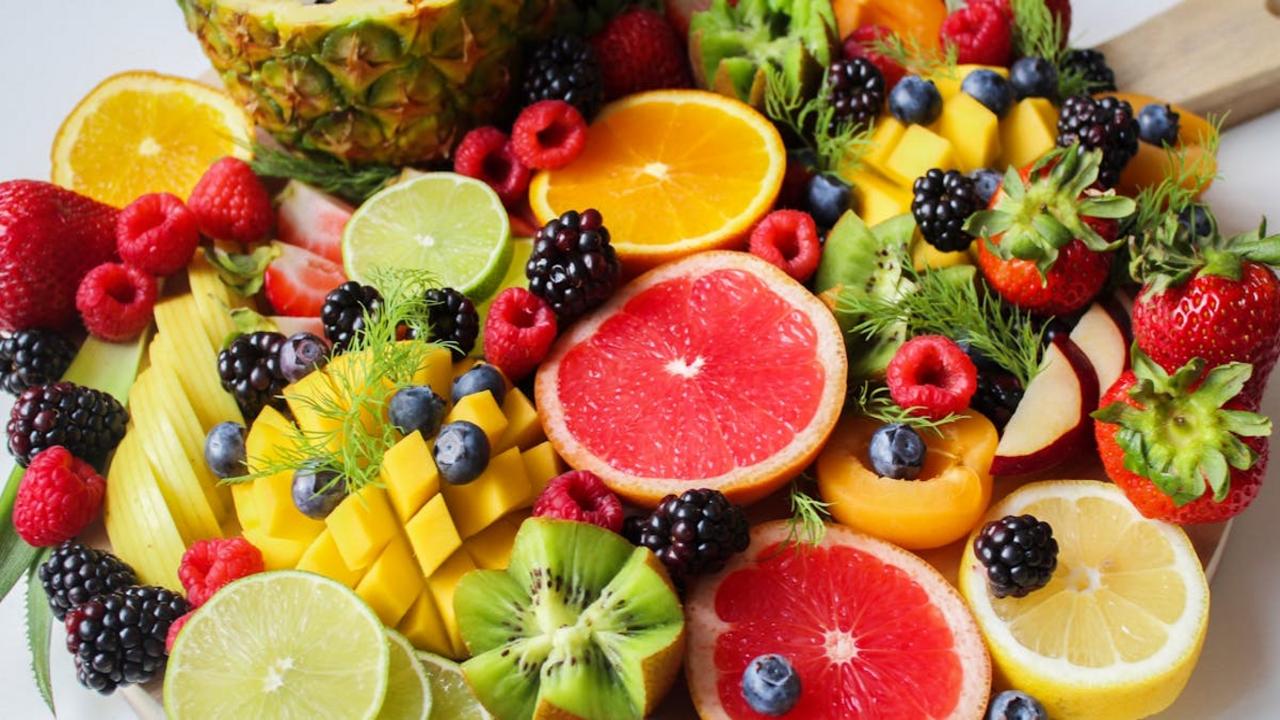
Smart shoppers know that seasonal fruits are nature’s way of giving you a high-five for your wallet. When strawberries are in season during late spring, you can snag them for a fraction of what you’d pay for those sad, flavorless winter imposters that taste like disappointment wrapped in red skin. I once bought a flat of June strawberries for eight dollars that would have cost me thirty bucks in January – and these babies were so sweet they made my teeth ache in the best possible way. The secret lies in buying what’s naturally abundant right now, not what’s been shipped from three continents away.
Here’s your seasonal shopping strategy: become friends with your produce manager and learn what’s coming into peak season. Right now, if it’s fall, you should be loading up on apples, pears, and cranberries like you’re preparing for the apocalypse. Winter brings citrus season – oranges, grapefruits, and lemons become ridiculously cheap. Spring means berries and stone fruits start their victory lap, while summer turns into a fruit paradise with peaches, plums, and melons galore. Fun fact: fruits in season contain higher nutrient levels because they’re picked at peak ripeness, not harvested early for shipping. Your body gets more bang for its buck, and your bank account stays happy. Stock up, freeze what you can’t eat fresh, and turn your kitchen into a seasonal fruit fortress.
Avocados
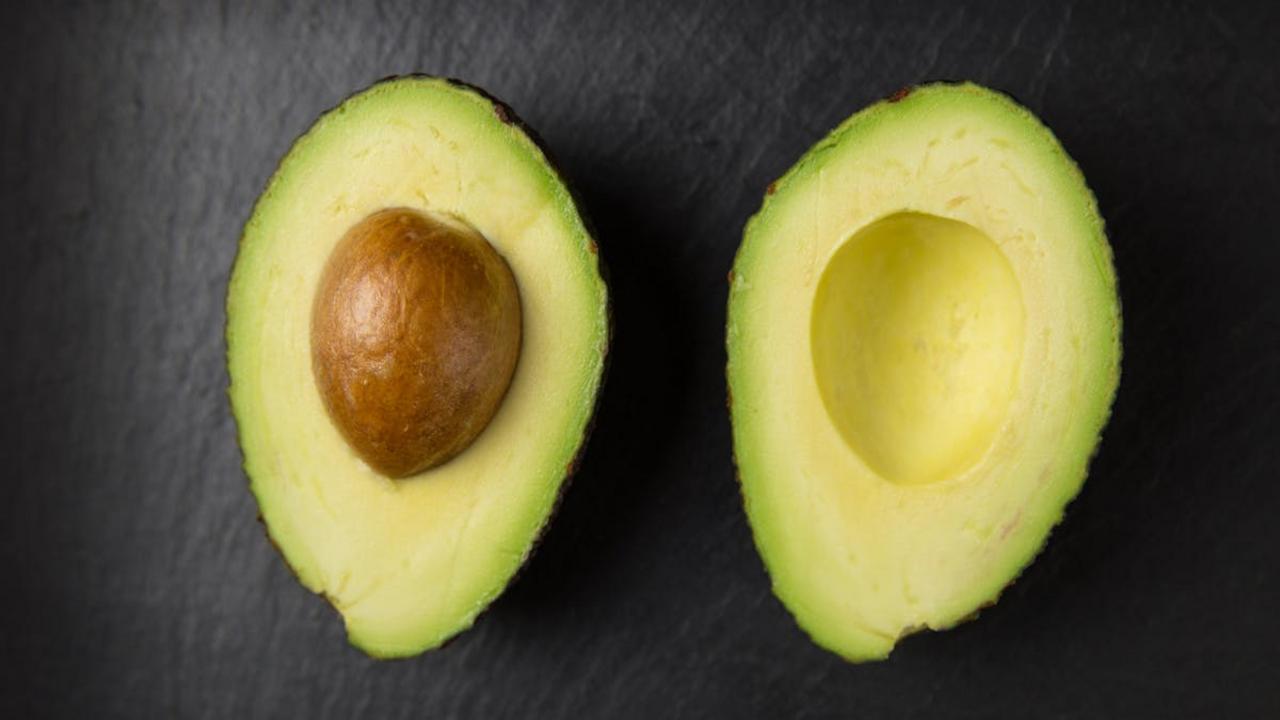
You know that moment when you’re standing in the produce section, gently squeezing avocados like you’re some kind of fruit whisperer? Yeah, that’s because these green gems have become the unofficial mascot of millennial financial doom – but hear me out! While everyone jokes about avocado toast bankrupting entire generations, smart shoppers know these creamy beauties are actually budget superstars. At around $1-2 each (depending on your location and the avocado gods’ mood), one medium avocado packs nearly 300 calories of pure satisfaction, loaded with healthy fats that keep you full for hours. That’s cheaper than most snack foods and infinitely more nutritious than that sad desk sandwich you were considering.
Here’s the kicker: avocados are basically nature’s butter, and they’ll transform the most boring meals into something Instagram-worthy without breaking your budget. Mash them onto toast with a sprinkle of everything bagel seasoning, blend them into smoothies for ridiculous creaminess, or dice them into your scrambled eggs for an instant upgrade. Fun fact – avocados don’t ripen on the tree, which means you can buy them rock-hard and let them soften on your counter over several days, giving you perfect portion control. Pro tip: if you need them ripe immediately, pop them in a paper bag with a banana overnight – the ethylene gas works faster than your impatience. One avocado can stretch into multiple meals, making it a sneaky-good investment for your grocery budget.
Lentils
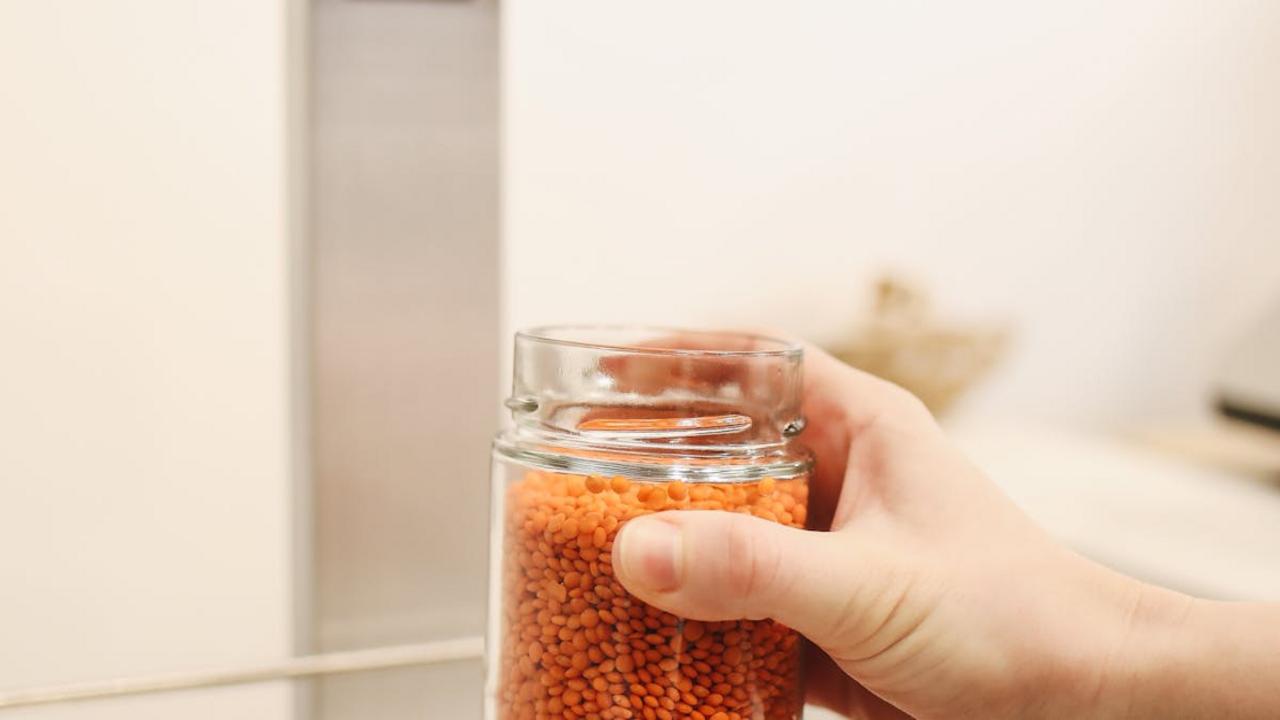
Picture this: you’re standing in the grocery store, wallet feeling lighter than your self-esteem after watching cooking shows all weekend, and you spot those humble little lentils sitting quietly on the shelf like the introverted kid at a party who turns out to be absolutely brilliant. Red, green, black, brown – they come in more colors than my mood ring from middle school, and each one packs a protein punch that would make your gym buddy jealous. These tiny powerhouses contain about 18 grams of protein per cooked cup, which means you can skip the expensive meat aisle and still build those muscles (or at least maintain them while you binge-watch your favorite series).
Here’s what blew my mind: lentils have been feeding humans for over 10,000 years, making them older than agriculture itself – talk about staying power! Unlike their fussy bean cousins who demand overnight soaking and sweet-talking, lentils cook in just 15-30 minutes without any dramatic preparation rituals. Throw red lentils into a curry, toss green ones into a hearty soup, or mix black beluga lentils into a salad that looks fancy enough to trick your dinner guests into thinking you’re a sophisticated adult. At roughly $1-2 per pound, they stretch further than yoga pants on Thanksgiving and transform boring meals into protein-packed adventures that won’t break your budget or your spirit.
Tinned Fish
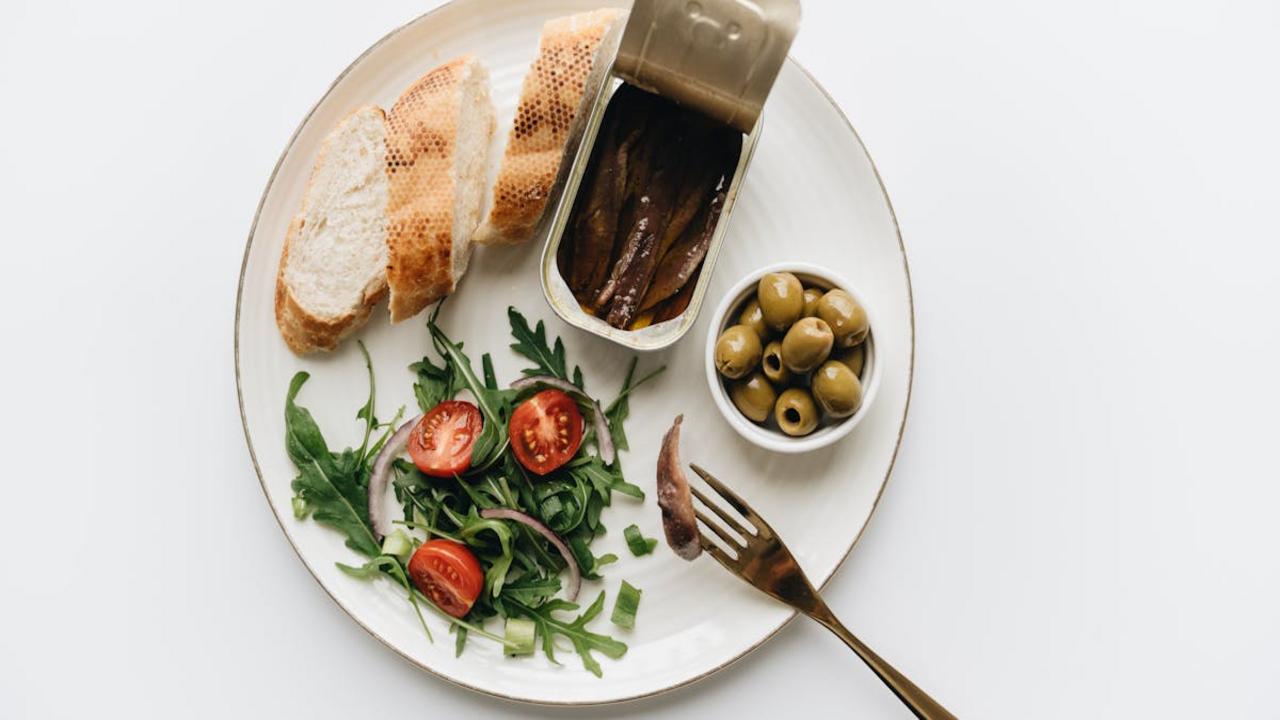
Picture this: you’re standing in the canned goods aisle, and while everyone else grabs their predictable tuna, you’re eyeing those fancy little tins of sardines, mackerel, and anchovies like they’re hidden treasure. Smart move! Tinned fish packs more protein per dollar than almost any other grocery store option, and here’s the kicker—most varieties cost under three bucks per tin. These silvery swimmers have been feeding Mediterranean families for centuries, and there’s a reason why a single tin of Spanish anchovies can transform your basic pasta into something that would make your Italian grandmother weep tears of joy.
Don’t let the tin fool you into thinking this is peasant food—we’re talking about nutritional powerhouses loaded with omega-3 fatty acids, calcium, and enough flavor to wake up your weeknight dinner routine. Sardines on toast with a squeeze of lemon becomes your new fancy breakfast, while a tin of mackerel mixed with mayo, capers, and dill creates an instant pâté that costs pennies compared to the deli counter version. Pro tip: buy the ones packed in olive oil rather than water—you’re getting double the bang for your buck since that oil becomes liquid gold for salad dressings or drizzling over vegetables.
Brown Rice
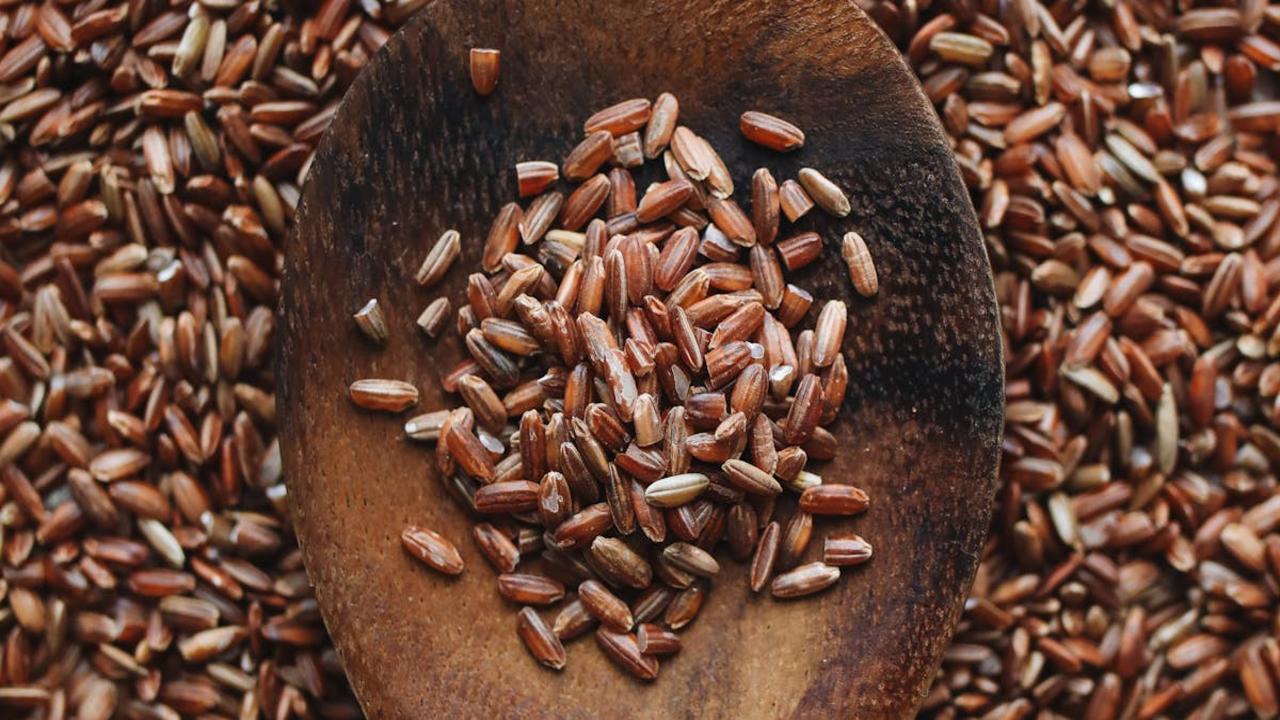
Brown rice gets a bad rap for being the boring, health-conscious cousin of fluffy white rice, but honestly, that’s like calling a Swiss Army knife dull just because it’s practical. This whole grain powerhouse costs pennies per serving and stretches further than your patience during Monday morning meetings. One 20-pound bag can feed a small army for weeks, making it the ultimate pantry MVP for anyone watching their wallet. Plus, brown rice has this sneaky ability to absorb flavors like a culinary sponge – throw it in a pot with some broth instead of water, and suddenly you’ve got restaurant-quality results without the restaurant prices.
Here’s something that’ll make you appreciate brown rice even more: it’s basically white rice that decided to keep its clothes on. The bran and germ layers stay intact, which means you’re getting fiber, magnesium, and B vitamins that white rice threw away in the name of looking pretty. Cook up a big batch on Sunday, and you’ve got instant meal solutions all week – fried rice with whatever vegetables are dying in your crisper drawer, stuffed bell peppers that look Instagram-worthy, or just a simple side dish that makes leftover chicken feel fancy. The nutty, chewy texture grows on you faster than you’d expect, and before you know it, you’ll be one of those people who actually prefers it over the white stuff.
Chia Seeds
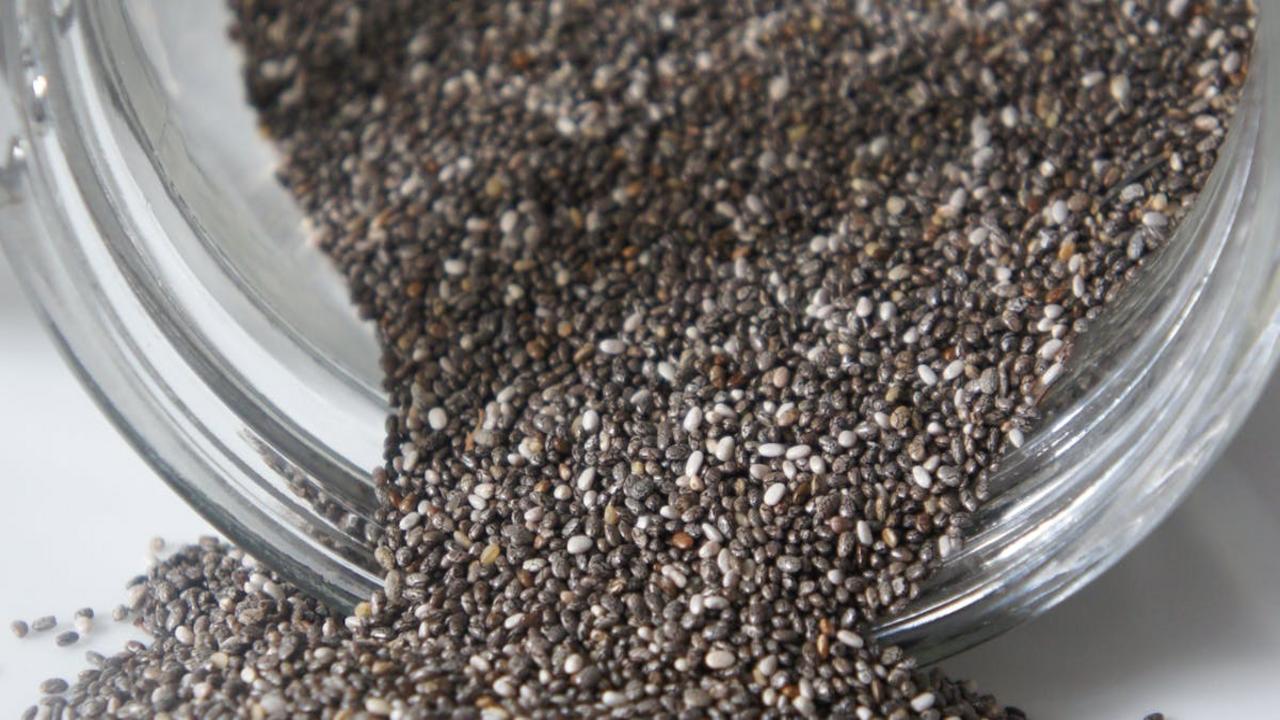
These tiny black specks might look like the forgotten remnants of a poppy seed muffin explosion, but don’t let their humble appearance fool you! Chia seeds pack more nutritional punch per ounce than most foods have any right to. For around three bucks a bag, you’re getting a superfood that ancient Aztec warriors literally used as fuel for long journeys – and honestly, after trying to survive on nothing but coffee and determination during deadline week, I completely understand their logic. These little powerhouses contain omega-3 fatty acids, fiber, protein, and enough calcium to make your bones do a happy dance.
The real magic happens when you add liquid to these seeds – they transform into gel-like orbs that would make any science experiment jealous. Toss a tablespoon into your morning smoothie, yogurt, or oatmeal, and watch them work their thickening wizardry. You can even make “chia pudding” by mixing them with almond milk and letting them sit overnight, creating a breakfast that looks fancy enough for Instagram but costs less than your daily coffee habit. Pro tip: buy them in bulk from the health food store’s bins rather than those tiny overpriced packages – your wallet will thank you, and you’ll have enough chia seeds to last through the next superfood trend cycle.
Cottage Cheese
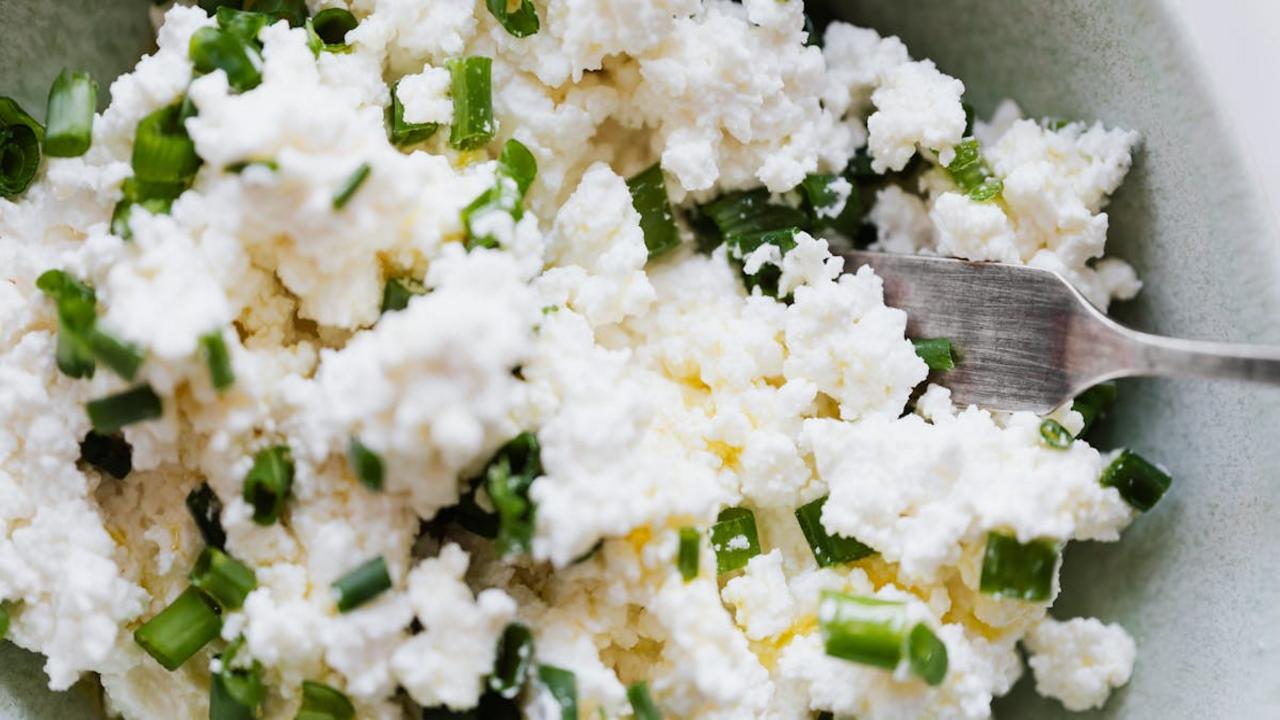
Listen, cottage cheese might look like it belongs in a horror movie prop department, but don’t let those lumpy white curds fool you – this protein powerhouse is having a serious moment, and your wallet will thank you for jumping on this bandwagon. At around two bucks for a large container, you’re getting more bang for your buck than practically any other protein source in the dairy aisle. Each half-cup serving packs about 14 grams of protein, which means you can fuel your muscles without breaking the bank or resorting to yet another sad desk salad.
The beauty of cottage cheese lies in its chameleon-like personality – it transforms from savory to sweet faster than you can say “budget-friendly breakfast.” Mix it with herbs and black pepper for a sophisticated spread, blend it into smoothies for extra creaminess, or go full nostalgic and pair it with canned peaches like your grandmother did (she was onto something, trust me). Pro tip: buy the large containers and portion them out yourself – those single-serving cups are highway robbery disguised as convenience. Plus, cottage cheese keeps for weeks in your fridge, making it the reliable friend who’s always there when you need a quick protein fix at 2 AM.
Frozen Vegetables
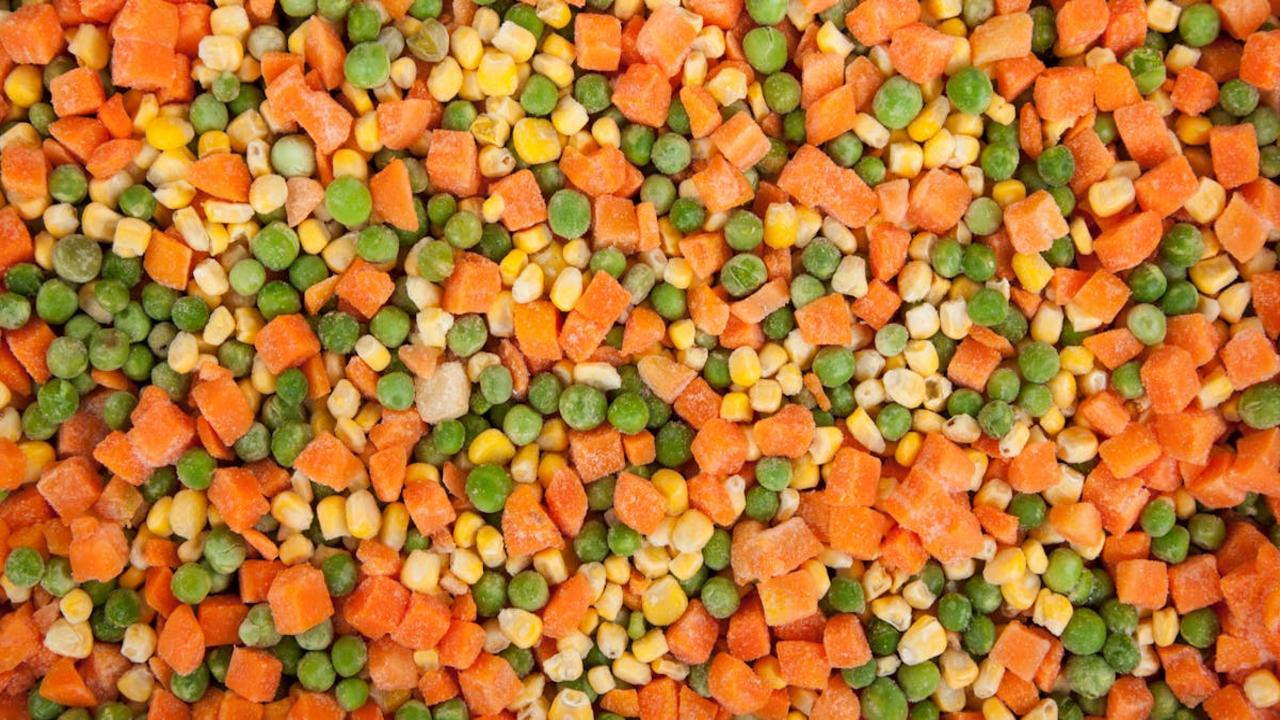
Your freezer section holds a secret treasure trove that savvy shoppers have known about for decades: frozen vegetables are basically fresh produce’s more reliable, budget-conscious sibling. While fresh broccoli might stage a dramatic wilting performance after three days in your cridge, frozen broccoli sits patiently in your freezer for months, ready to spring into action whenever you need it. Here’s the kicker – frozen vegetables are often more nutritious than their fresh counterparts because they’re flash-frozen at peak ripeness, locking in all those good-for-you vitamins and minerals that fresh vegetables lose during their cross-country road trips to grocery stores.
You can snag a bag of frozen mixed vegetables for under two dollars, and that bag will stretch across multiple meals like a culinary magician’s trick. Toss them into stir-fries, soups, casseroles, or even blend them into smoothies (yes, frozen spinach in your morning smoothie is a thing, and no, you won’t taste it). The best part? No prep work required – no washing, chopping, or wondering if that suspicious dark spot means your vegetables have gone rogue. Smart shoppers stock up during sales and create their own frozen vegetable rainbow in the freezer, knowing they’ll always have the building blocks for a nutritious meal, even when life gets chaotic and takeout starts calling your name.
Nut Butters

Here’s the thing about nut butters – they’re basically the Swiss Army knife of your pantry, except instead of tiny scissors and a weird hook thing, you get protein, healthy fats, and the ability to make any sad piece of toast instantly happy. I keep at least three jars rotating in my cabinet because life’s too short for boring sandwiches, and honestly, who hasn’t stood in their kitchen at midnight with a spoon and a jar of almond butter, questioning their life choices? The beauty of buying nut butters in bulk or catching them on sale means you’re investing in breakfast solutions for weeks. Whether you’re team peanut, almond, cashew, or that fancy sunflower seed butter that costs more than your monthly Netflix subscription, these creamy treasures stretch your dollar while keeping you full.
Fun fact: Americans consume about three pounds of peanut butter per person each year, which sounds excessive until you realize that’s only about one tablespoon every three days – rookie numbers, if you ask me. Beyond the classic PB&J (which, by the way, was considered a delicacy for the wealthy in the early 1900s), nut butters work magic in smoothies, oatmeal, stir-fries, and even chocolate chip cookies when you’re feeling adventurous. Pro tip: buy the natural versions without added sugar – not because I’m trying to be your mom, but because the oil separation gives you a fun arm workout every time you stir, and the flavor actually tastes like nuts instead of candy. Plus, that jar of cashew butter doubles as emergency dinner when you mix it with noodles and sriracha.
Greek Yogurt
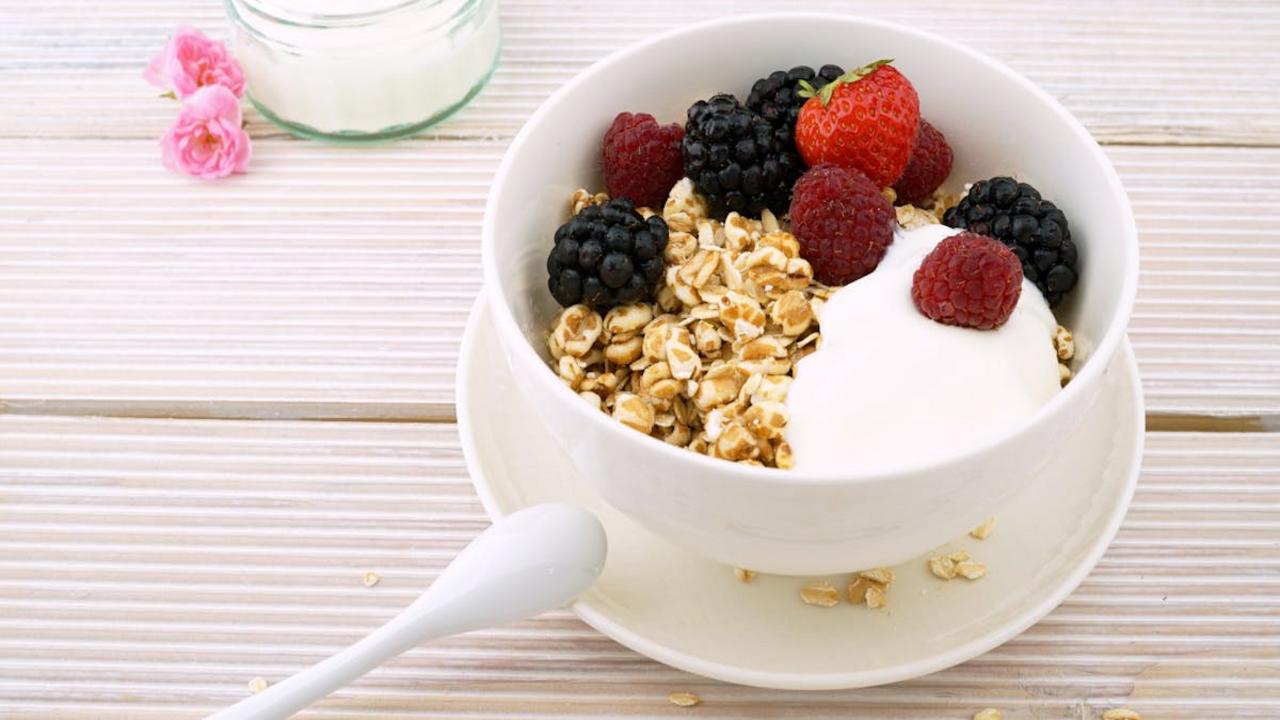
Greek yogurt sits in my fridge like a creamy superhero, ready to save any meal from mediocrity. This protein-packed wonder contains twice the protein of regular yogurt, making it the perfect sidekick for your morning routine or midnight snack attack. I grab the plain variety because it’s basically a blank canvas for your wildest food fantasies – dump in some honey and berries for breakfast, or mix it with herbs and garlic for a Mediterranean dip that’ll make your chips weep with joy.
The beauty of Greek yogurt lies in its versatility and staying power. You can substitute it for sour cream, mayo, or even butter in baking recipes (your chocolate cake will never know the difference, I promise). Plus, this stuff lasts way longer than regular yogurt, so you won’t find yourself scraping fuzzy green science experiments from your refrigerator shelves. Fun fact: the Greeks have been straining yogurt for over 4,000 years, which means they figured out this thick, tangy perfection while the rest of us were still trying to invent the wheel. Smart cookies, those ancient Greeks!
Whole Oats
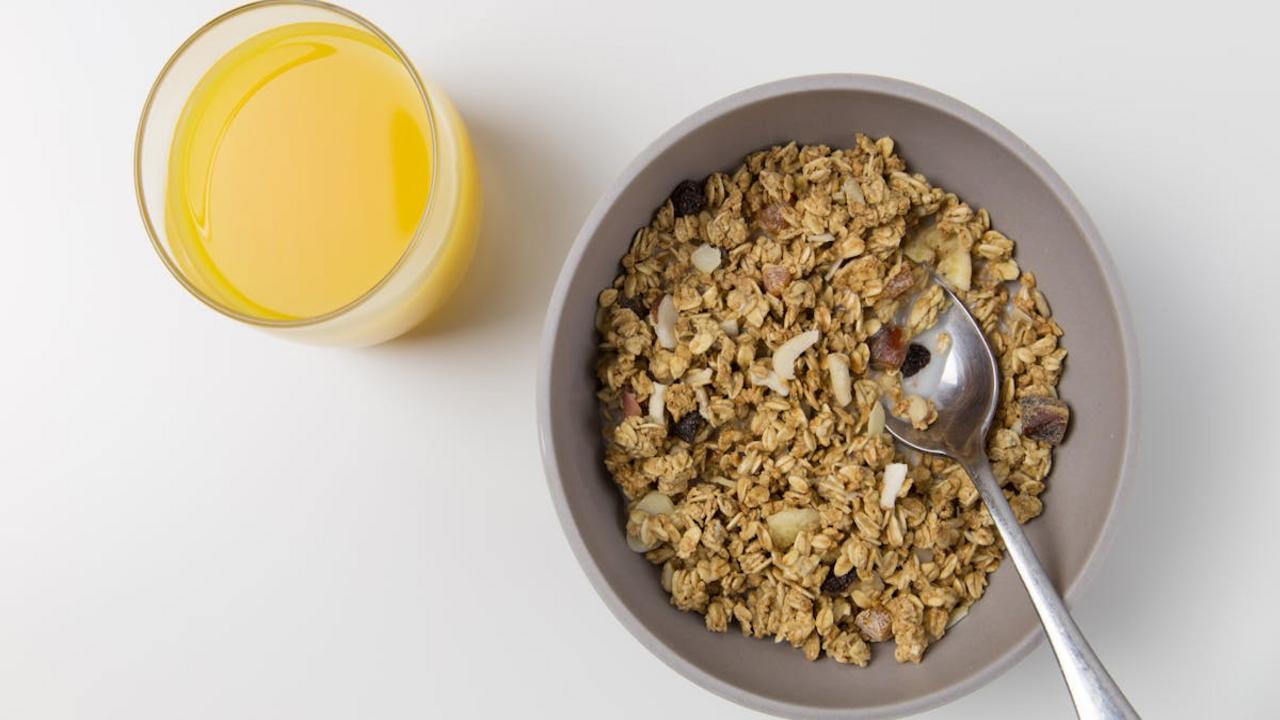
You know what’s secretly ruling the breakfast world while nobody’s paying attention? Whole oats – not those fancy instant packets that cost more than your morning coffee, but the real deal sitting quietly in the bulk bins. These humble grains pack more punch per penny than a heavyweight boxer on a budget, delivering fiber that’ll keep you satisfied until lunch and beyond. Here’s the kicker: one cup of dry oats transforms into a mountain of creamy, stick-to-your-ribs goodness that costs less than fifty cents. Your wallet will thank you, and so will your digestive system.
The beauty of whole oats lies in their shape-shifting abilities – they’re like the superheroes of the pantry. Toss them in a blender and boom, you’ve got homemade oat flour for pancakes that taste like weekend mornings should. Soak them overnight with milk and fruit, and they magically become overnight oats that make you feel like a meal-prep genius. My personal favorite trick? I throw a handful into smoothies for instant creaminess and staying power that makes those expensive protein powders look silly. Plus, oats contain beta-glucan, a fancy compound that scientists say helps lower cholesterol – so you’re basically eating medicine that tastes like comfort food and costs next to nothing.
Canned Beans
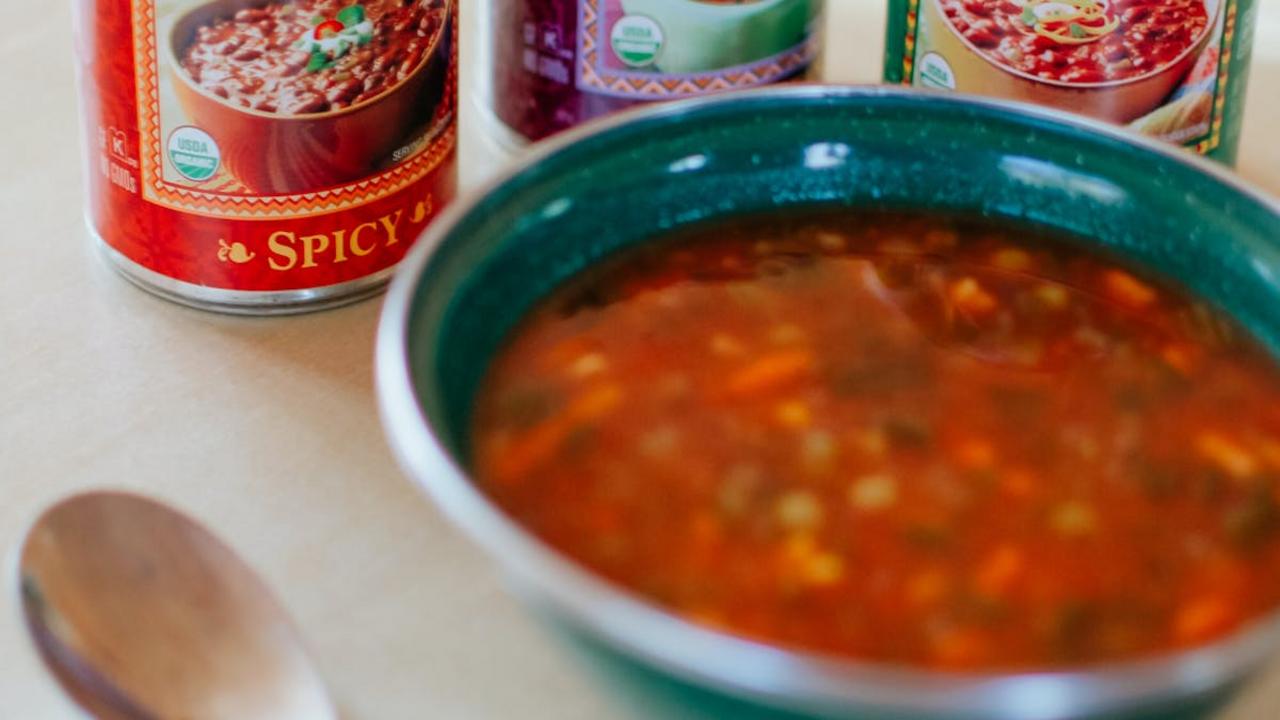
You know that friend who always has their life together? The one who meal preps on Sundays and never orders takeout at 11 PM? Yeah, well, their secret weapon isn’t some fancy superfood powder—it’s canned beans sitting pretty in their pantry. These little nutritional powerhouses pack more protein per penny than practically anything else in the grocery store, and they’re ready to transform from sad pantry dweller to dinner hero faster than you can say “chickpea curry.” Black beans, kidney beans, chickpeas, navy beans—each can holds about 15 grams of protein and enough fiber to keep you satisfied longer than a Netflix binge session.
Here’s the plot twist that’ll blow your mind: people have been preserving beans in containers for over 200 years, but the first canned beans didn’t hit American shelves until 1895. Now we’re living in the golden age of bean convenience, where you can whip up three-bean chili, Mediterranean chickpea salad, or black bean quesadillas without the overnight soaking ritual our great-grandmothers endured. Pro tip from someone who’s made every bean mistake in the book—always rinse your canned beans unless you want your kitchen to sound like a jazz band during dinner prep. Trust me, your digestive system will thank you, and your dinner guests won’t flee mid-meal.
Quinoa
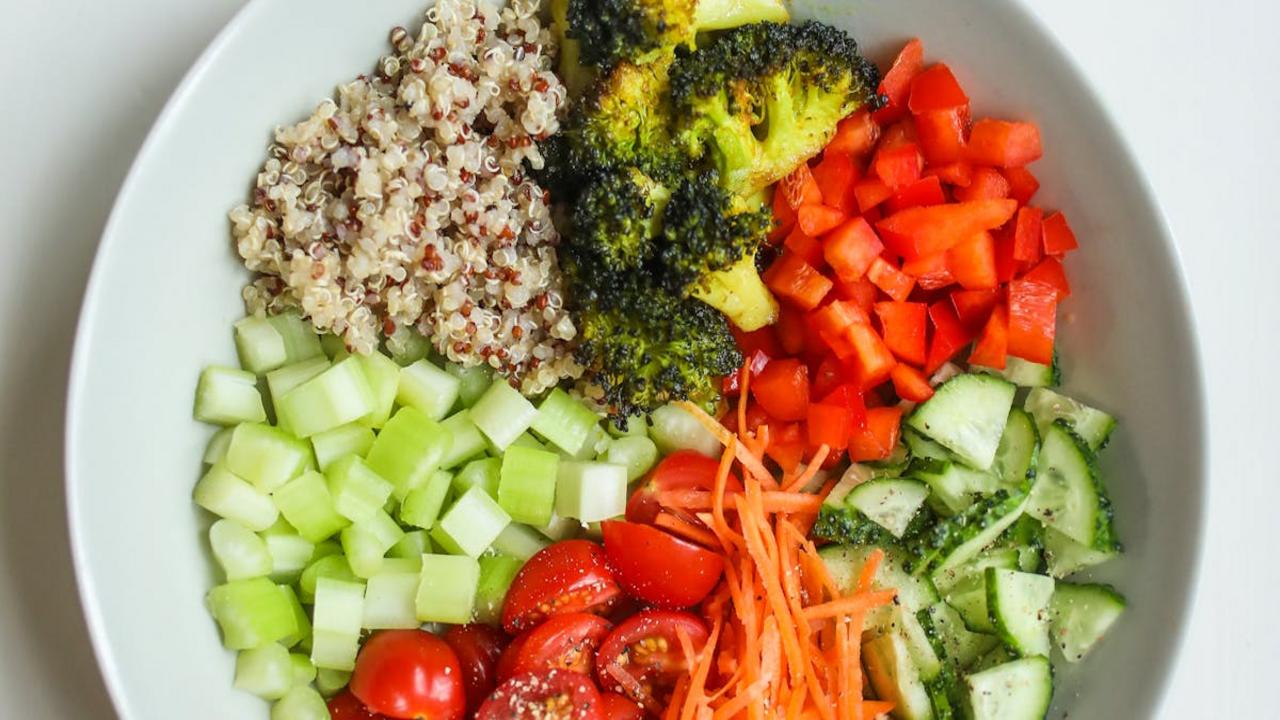
You know that moment when you’re staring at quinoa in the bulk bins, wondering if this tiny grain that sounds like “KEEN-wah” is worth the hype? Spoiler alert: it absolutely is, and your wallet will thank you for it. This ancient Andean superfood packs more protein than your average cereal grain – we’re talking all nine amino acids that your body can’t make on its own. That’s like finding a unicorn in your pantry! Plus, quinoa cooks up faster than you can say “what’s for dinner?” – just fifteen minutes and you’ve got fluffy, nutty goodness ready to save your weeknight meal situation.
Here’s where quinoa really shines: it’s the chameleon of grains that adapts to whatever mood you’re in. Feeling fancy? Toss it with roasted vegetables and call it a grain bowl. Lazy Sunday vibes? Cook it in coconut milk with cinnamon for breakfast porridge that’ll make you forget about expensive overnight oats. The best part? A single cup of dry quinoa multiplies into three cups of cooked grain, stretching your grocery budget like a yoga instructor. I’ve seen people spend more on a single fancy coffee drink than a pound of quinoa that’ll feed you for weeks. Now that’s what I call smart shopping!
Leafy Greens
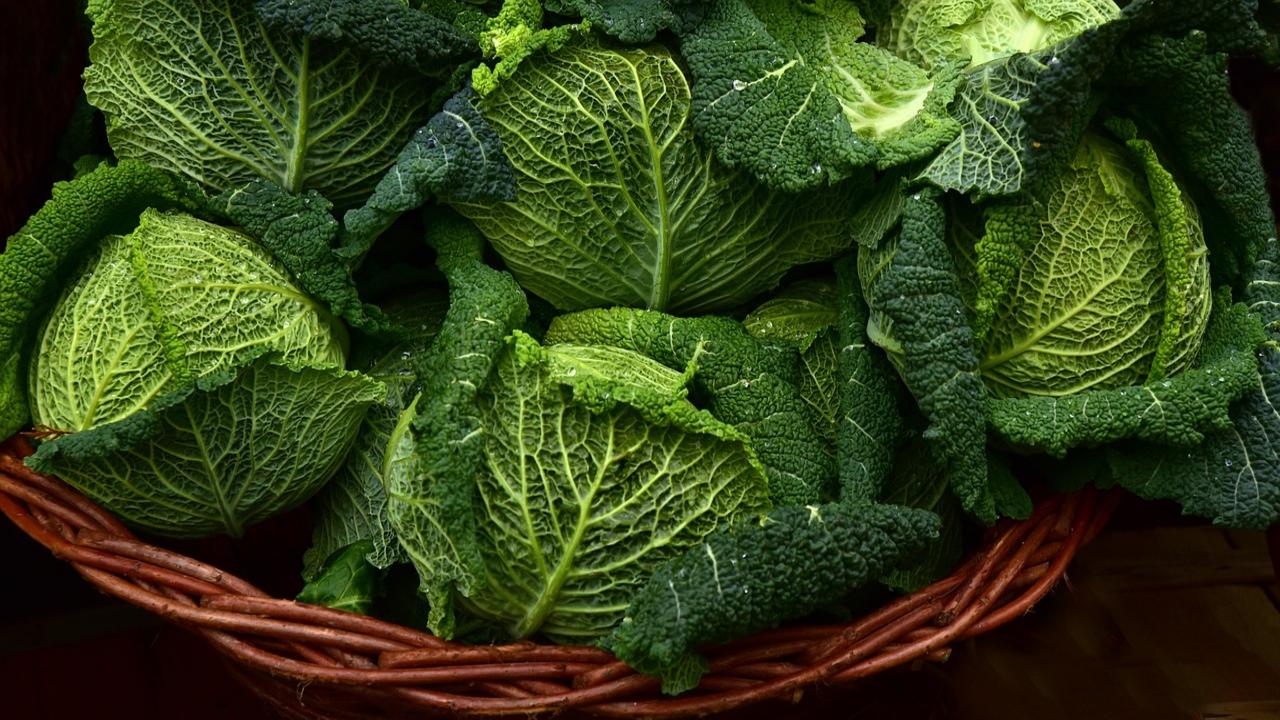
Spinach, kale, and romaine lettuce might look like innocent vegetables sitting quietly in the produce section, but they’re actually nutritional powerhouses disguising themselves as budget-friendly options. You can snag a massive bag of spinach for under three dollars, and that little green goldmine will stretch across multiple meals like a magician’s never-ending handkerchief trick. I once watched my grandmother transform a single bunch of kale into soup, salad, and crispy chips all in one afternoon – she called it her “green magic,” though I suspect she just really hated wasting food. These leafy wonders pack more vitamins per dollar than most expensive supplements, and they multiply faster than rabbits in your meal planning.
The beauty of leafy greens lies in their chameleon-like ability to adapt to any dish you throw them into. Toss spinach into pasta sauce and watch it disappear like a ninja, adding nutrition without anyone noticing (perfect for sneaking vegetables past picky eaters). Kale massages beautifully into salads – yes, you actually massage kale, which sounds ridiculous but works like charm magic – or roast it into chips that crunch louder than your teenager’s music. Romaine gives you that satisfying crunch in tacos, wraps, or Caesar salads that make you feel fancy on a Tuesday night. Pro tip: buy the pre-washed bags when they’re on sale, because sometimes paying an extra fifty cents saves you from the great spinach sand-washing disaster of last Tuesday.