I Was Publicly Shamed by a Bartender for Not Tipping on Food That Was Supposed to Be Free
The Incident
Picture this scenario: you’re a working musician who plays a recurring monthly show at a neighborhood bar and restaurant. As part of your compensation, you and your three fellow band members have always been given complimentary food and beverages. It’s a solid perk after a grueling night of lugging your own gear and performing for three straight hours.
That evening, everything appeared to go as usual. The band finished their performance, and each member enjoyed a meal along with a couple of drinks, exactly as they’d always done. But once the show wrapped up, the night took an unpleasant turn. A bartender walked over and presented them with a $60 bill.
Baffled by the charge, the musician attempted to flag the bartender down to clarify their longstanding arrangement, but he was completely ignored. He then approached the owner directly, who explained that the policy had been updated—bands were now given a $100 food and drink allowance. This was entirely new information to him, since the booker responsible for hiring the band had never relayed the change.
Fortunately, the booker was remorseful and promptly agreed to reimburse the $60 charge. The musician settled the bill, the booker transferred the funds, and the whole misunderstanding appeared to be water under the bridge. Except it wasn’t.
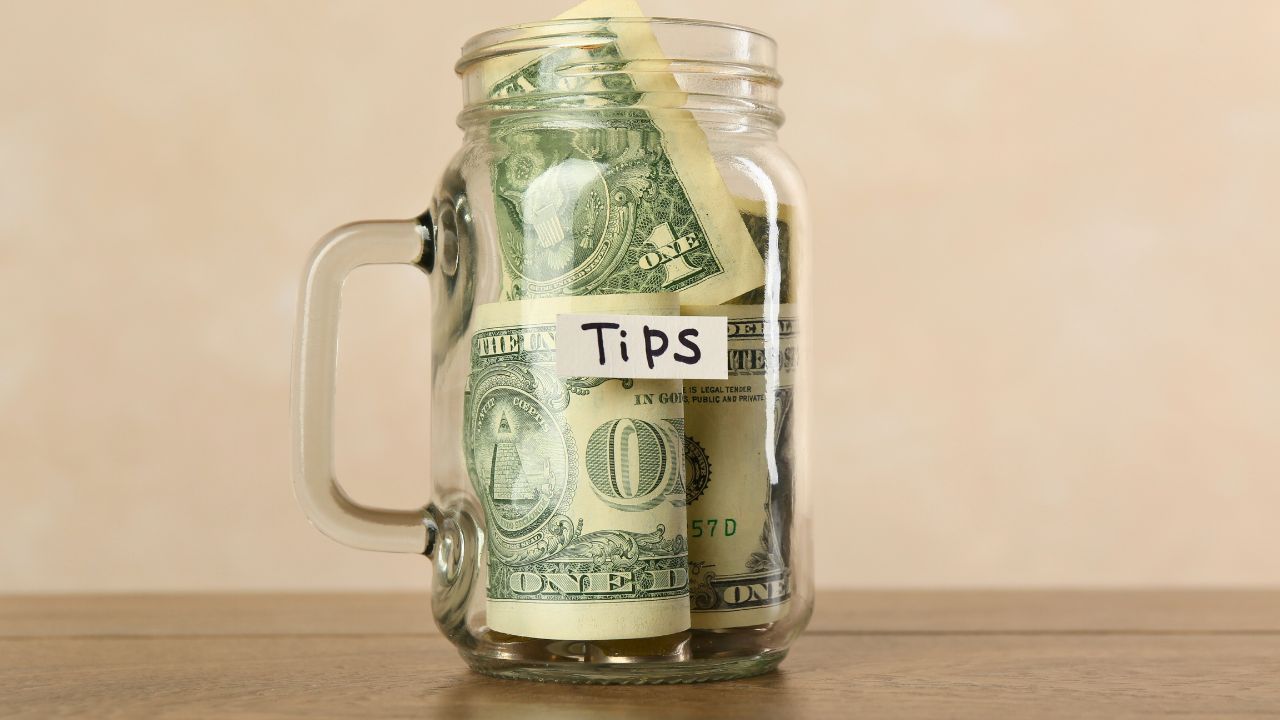
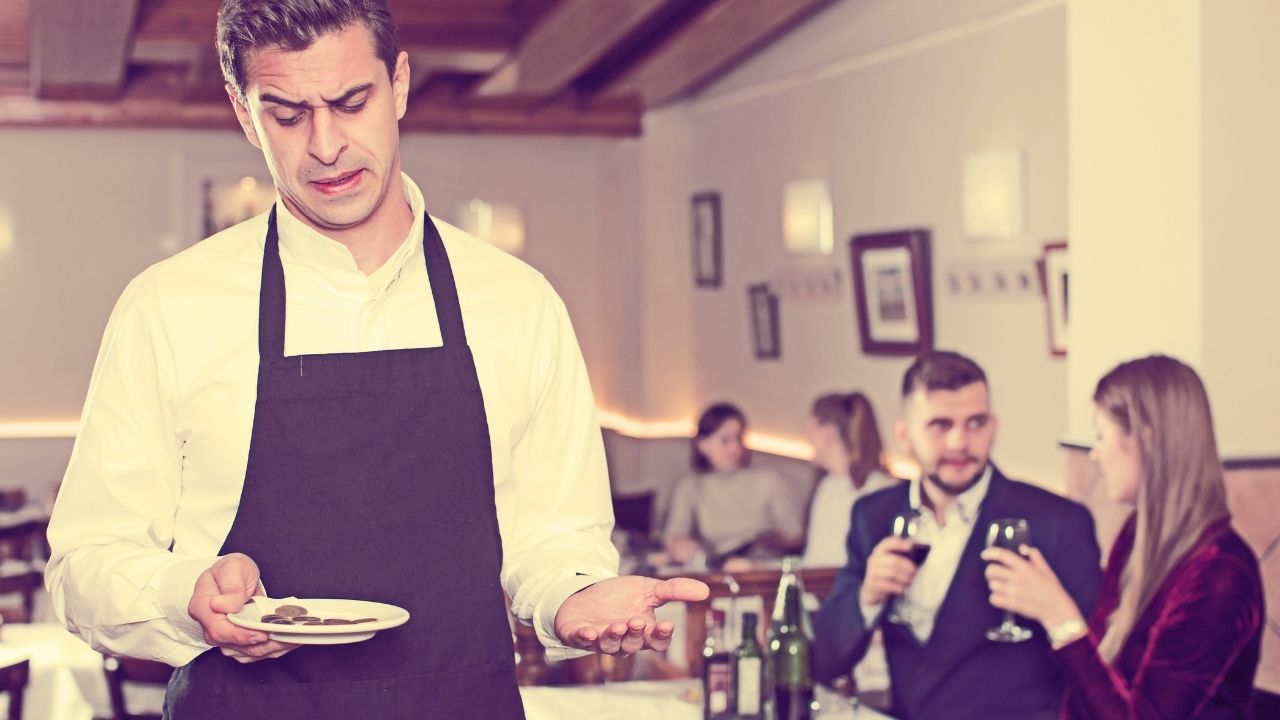
While the band was breaking down their equipment, the same bartender came over. The musician recounted the jarring encounter, explaining that the man started “loudly confronting me about not paying any tip, calling us being cheaps, and criticizing us from bringing a tip bucket around for ourselves.” Even though the musician tried to explain the circumstances, the bartender was completely indifferent. Absolutely mortifying.
The Internet Reacts
Once the musician posted his story online, people had no shortage of opinions about this uncomfortable and unprofessional episode. The court of public opinion was sharply split, with commenters sorting themselves into several clear factions.
First up was the “Absolutely Not” contingent, who were outraged on the musician’s behalf. They maintained that the band members weren’t patrons—they were workers, just like the bartender himself. Their food and drinks constituted part of their pay, not some casual evening out. One person put it bluntly: “The bartender needs to realize you work there, same as he does.”
Someone else posed an incisive question that struck at the core of the debate: “Do they tip each other when they have something to eat at work?” In the eyes of this group, the bartender’s demand was entirely unreasonable.
Next came the “Devil’s Advocate” faction. These commenters acknowledged that the bartender behaved rudely but felt the musician wasn’t completely without fault either. They contended that tipping is deeply embedded in service industry culture, and the bartender still did the physical work of serving the band. “You normally tip on comped stuff in a situation like this,” one commenter maintained.
Another person put the onus directly on the musician, writing, “you were the one in person covering the bartender’s pay for the booker.” Their viewpoint was that the musician should have covered the tip himself and then sought reimbursement from the booker who had caused the confusion to begin with.
Lastly, the “Petty Revenge” crowd chimed in with some more inventive, if somewhat impolite, alternatives. Entertained by the bartender’s sheer nerve, a few recommended that the musician should have given him a taste of his own medicine. One commenter’s idea was especially sharp: “I think the most reasonable thing to do would be loudly confronting him about not tipping you after listening to your music.” After all, they reasoned, the bartender enjoyed the benefit of live entertainment while he was on the clock. It’s a humorous notion, and it undeniably underscores just how ridiculous the whole ordeal was.
The Etiquette Verdict
Let’s state this unequivocally: there is zero justification for publicly humiliating someone. The bartender’s choice to loudly chastise the musician was unprofessional, disrespectful, and downright rude. Regardless of how he felt about the gratuity, a public confrontation is never acceptable and reflects badly on both him and the venue itself.
The reality is that the band was there in a working capacity. The food and drinks were a component of their compensation arrangement, not a casual dinner outing. Nobody tips their employer for handing them their paycheck. The real blame belongs with the booker and the owner for their failure to communicate properly. Expecting a performer to pay out of his own wallet because of a manager’s oversight is fundamentally unjust.
What Do You Think?
This is undeniably a complicated scenario, and it’s obvious that people hold passionate views about tipping etiquette. So, what’s your take? Was the bartender justified in expecting a gratuity for his work, or was he completely out of bounds for shaming a fellow working professional?