14 Unexpected Calcium-Rich Foods for Stronger Bones Without Dairy
Looking for calcium without dairy? You’ll find amazing plant-based and seafood options packed with this bone-strengthening mineral. From tiny seeds to leafy greens, nature offers countless ways to keep your bones healthy without reaching for milk or cheese.
I discovered these dairy-free calcium sources while cooking for friends with lactose intolerance. Now, I regularly add sesame seeds to my stir-fries, blend tofu into smoothies, and snack on almonds. These simple swaps make getting enough calcium both delicious and natural.
Whether you’re vegan, dairy-sensitive, or just want to diversify your calcium sources, these 14 foods will transform how you think about bone health. Each ingredient brings its own unique flavors and textures while delivering the calcium your body needs.
Salmon

Salmon packs a powerful punch of calcium, giving you about 180mg in just a 3-ounce serving of canned salmon with bones. I recommend keeping those tiny bones in – they’re completely safe to eat and actually provide most of the calcium content. The bones become so soft during the canning process that you won’t even notice them. Plus, salmon delivers heart-healthy omega-3 fatty acids and vitamin D, which helps your body absorb calcium more effectively.
You can transform canned salmon into delicious meals within minutes. Try mixing it with Greek yogurt, diced celery, and lemon juice for a quick sandwich filling, or form it into patties with breadcrumbs and herbs for homemade salmon burgers. My favorite way to incorporate it is by flaking the salmon over a fresh garden salad – the rich, tender fish adds protein and calcium while making the salad feel more substantial. Fresh salmon also contains calcium, though in smaller amounts than the canned version with bones.
Orange Juice

I get excited every time I tell people that orange juice can actually help strengthen their bones! While many think calcium only comes from dairy, a glass of calcium-fortified orange juice packs around 350mg of calcium – that’s about 25% of your daily needs. The natural vitamin C in orange juice also helps your body absorb calcium more effectively, making it a fantastic choice for anyone looking to boost their bone health without dairy products.
You’ll find different types of fortified orange juice at your local grocery store, but I recommend checking the labels to pick one with the highest calcium content. For the best nutrition boost, go for freshly squeezed orange juice and mix it with a calcium supplement powder – this way you control the ingredients and avoid added sugars. I love starting my mornings with a cold glass of OJ, knowing I’m giving my bones exactly what they need while enjoying that bright, citrusy flavor.
Soybeans
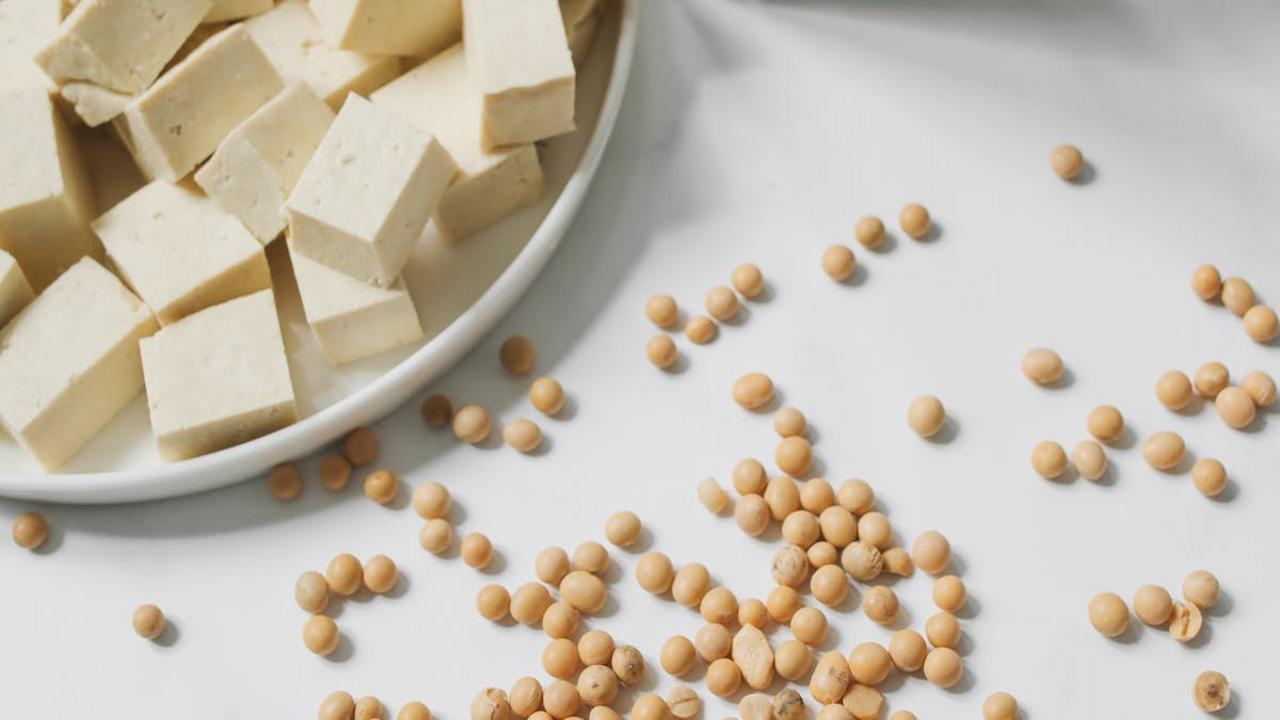
You’ll find soybeans quietly packing a calcium powerhouse punch – delivering about 175mg of calcium per cup of cooked beans. I love incorporating these versatile legumes into my weekly meal rotation, whether I’m tossing them into stir-fries or blending them into creamy dips. The beauty of soybeans goes beyond their calcium content – they’re also rich in protein, fiber, and iron, making them a nutritional superstar for anyone looking to boost their bone health without dairy.
My favorite way to enjoy soybeans is by making homemade edamame – those bright green, immature soybeans still in their pods. Just steam them lightly, sprinkle with sea salt, and you’ve got a satisfying snack that supports your bone health. I also regularly add dried soybeans to soups and stews, or transform them into tempeh for a fermented protein option. The mild, nutty flavor of soybeans makes them incredibly adaptable to different cuisines and cooking methods, so you’ll never get bored incorporating them into your meals.
Sesame Seeds
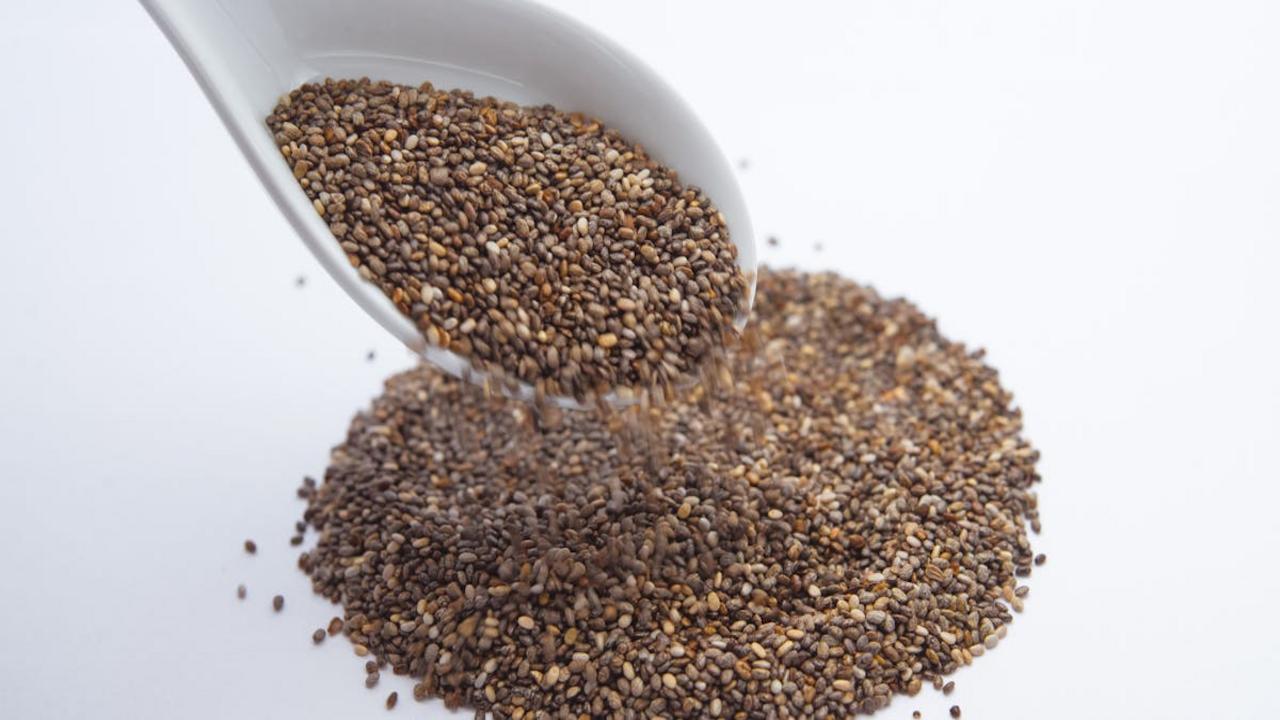
You might be amazed to learn that those tiny sesame seeds pack a calcium punch that rivals dairy products! Just one tablespoon of these nutty seeds contains about 88mg of calcium – that’s nearly 9% of your daily needs. I love sprinkling them generously over my morning avocado toast or blending them into homemade tahini for a creamy sauce. The seeds also contain zinc and copper, which work together with calcium to build stronger bones and boost your overall health.
Raw or toasted, black or white – sesame seeds add both nutrition and delightful crunch to your meals. Try coating your fish fillets in sesame seeds before pan-searing for a beautiful crust, or make a traditional Middle Eastern za’atar blend by mixing them with dried herbs and sumac. You can even grind them into a powder and add to your smoothies or morning oatmeal. The natural oils in sesame seeds also help your body absorb the calcium better, making them an excellent dairy-free calcium source.
Oranges

I always keep a bowl of fresh oranges in my kitchen – not just for their bright, sunny flavor but because they pack a surprising calcium punch! While most people don’t think of oranges as a calcium source, one large orange contains about 60mg of this bone-building mineral. You’ll get the most benefit from eating the whole fruit rather than just drinking the juice, since the fibrous membranes between segments contain additional calcium your body can absorb.
Beyond their calcium content, oranges give you a hefty dose of vitamin C, which helps your body absorb calcium more effectively from all food sources. I love adding orange segments to my morning yogurt bowl or tossing them into salads with nuts and seeds. The natural sweetness pairs beautifully with savory ingredients while boosting your calcium intake. For maximum nutrition, pick oranges that feel heavy for their size and have bright, unblemished peels – these will give you the most juice and nutrients.
Broccoli
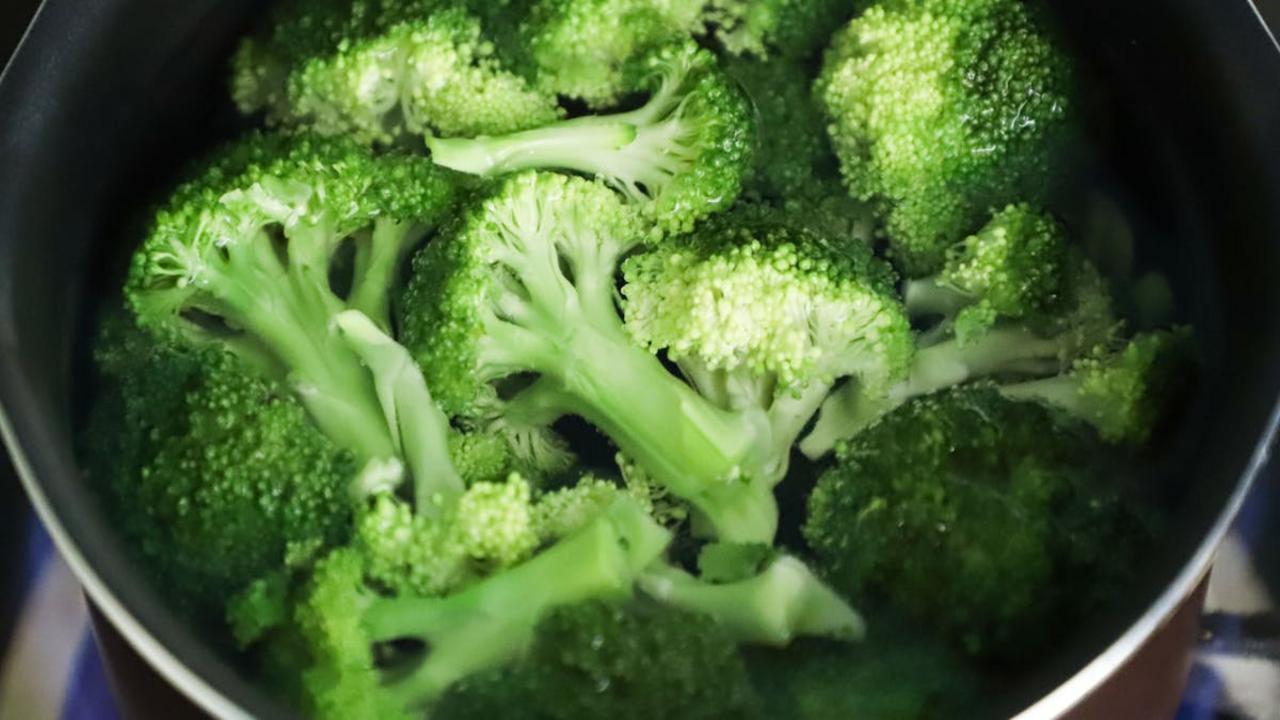
You’ll find a surprising amount of calcium packed into fresh broccoli – with just one cup giving you about 43mg of this bone-building mineral. I love adding broccoli to my weekly meal rotation because it’s not only rich in calcium but also delivers a powerful punch of vitamin K, which helps your body absorb calcium more effectively. The deep green florets contain additional nutrients like fiber, vitamin C, and antioxidants that support your overall health while strengthening your bones.
Raw broccoli makes a crunchy addition to salads, but I’ve discovered that light steaming or roasting can make its calcium more bioavailable for your body. My favorite way to prepare broccoli is to toss it with olive oil and garlic, then roast at 400°F until the edges turn slightly crispy. This method brings out natural sweetness while maintaining the vegetable’s nutritional benefits. For maximum calcium absorption, pair your broccoli with vitamin D-rich foods like mushrooms or fatty fish.
Figs
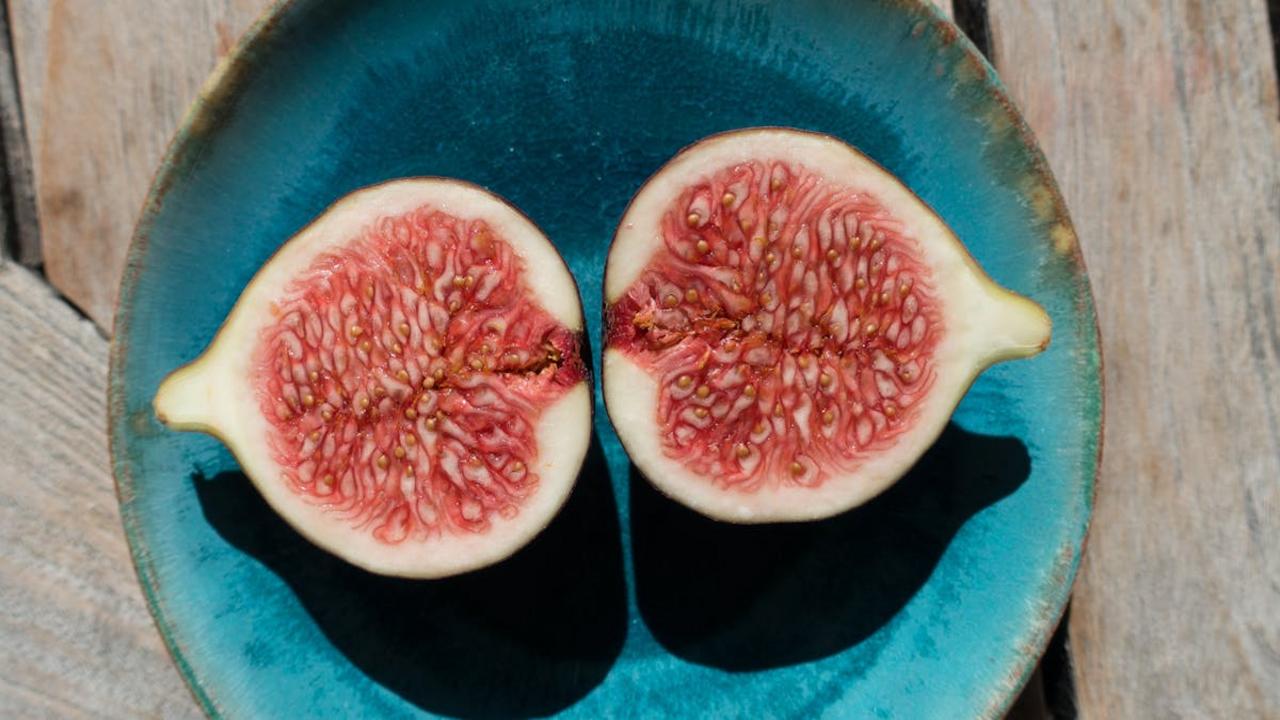
You’ll love adding sweet, tender figs to your calcium-rich diet! These little fruits pack 35mg of calcium per 100g serving – making them an excellent dairy-free option for bone health. Fresh figs have a unique honey-like sweetness with subtle berry notes and tiny crunchy seeds that add wonderful texture to both sweet and savory dishes. I often slice them up for breakfast bowls, toss them into salads, or add them to baked goods for natural sweetness.
My favorite way to boost the calcium content even more is to stuff fresh figs with calcium-rich almonds or walnuts, then drizzle them with honey and a pinch of cinnamon. The combination creates a perfectly balanced healthy snack or elegant dessert. You can also dry your own figs at home to enjoy them year-round – just slice them thinly and dehydrate until they reach your desired chewiness. Whether fresh or dried, figs make a versatile addition to your calcium-focused meal planning.
Edamame

I absolutely adore adding edamame to my weekly meal rotation, and you’ll be amazed to learn these bright green soybeans pack a whopping 98mg of calcium per cup! The best part? You can find them fresh or frozen at most grocery stores, making them super convenient to keep on hand. I love to steam them quickly and sprinkle with sea salt for a protein-rich snack, or toss them into stir-fries and grain bowls for an extra nutritional boost.
Beyond their impressive calcium content, edamame brings so much more to your plate. Each serving delivers 8 grams of fiber and 17 grams of protein, making them a fantastic option for anyone looking to boost their plant-based calcium intake. I often blend them into homemade hummus or add them to Buddha bowls. The mild, slightly sweet flavor makes them perfect for kids too – my nieces love popping them straight out of their pods! Try adding them to your next salad or rice dish for a nutrient-dense upgrade.
White Beans
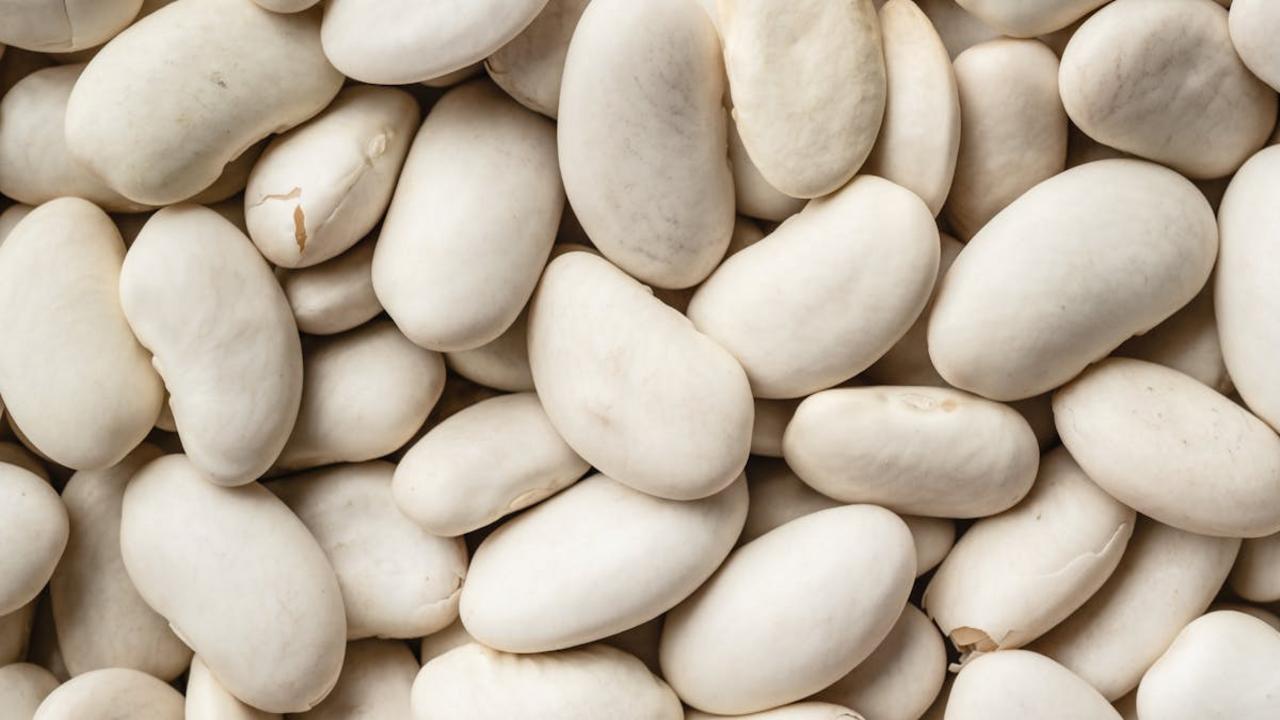
I discovered something amazing about white beans – they pack a whopping 161mg of calcium in just one cup! While many people reach for dairy products to boost their calcium intake, white beans offer an excellent plant-based alternative. You’ll find these versatile legumes in classic dishes like white bean soup, hummus, or tossed into Mediterranean salads. Beyond calcium, white beans bring fiber, protein, and iron to your meals, making them a nutritional powerhouse for your everyday cooking.
My favorite way to incorporate white beans into meals involves blending them into creamy dips or adding them to hearty stews. Try mashing white beans with garlic, olive oil, and herbs for a rich spread on whole grain toast. You can also toss them into pasta dishes or blend them into soups for extra creaminess without dairy. The mild, buttery flavor of white beans makes them perfect for both savory and subtly sweet dishes – I’ve even used them to make protein-rich blondies that turned out incredibly moist and delicious.
Chia Seeds
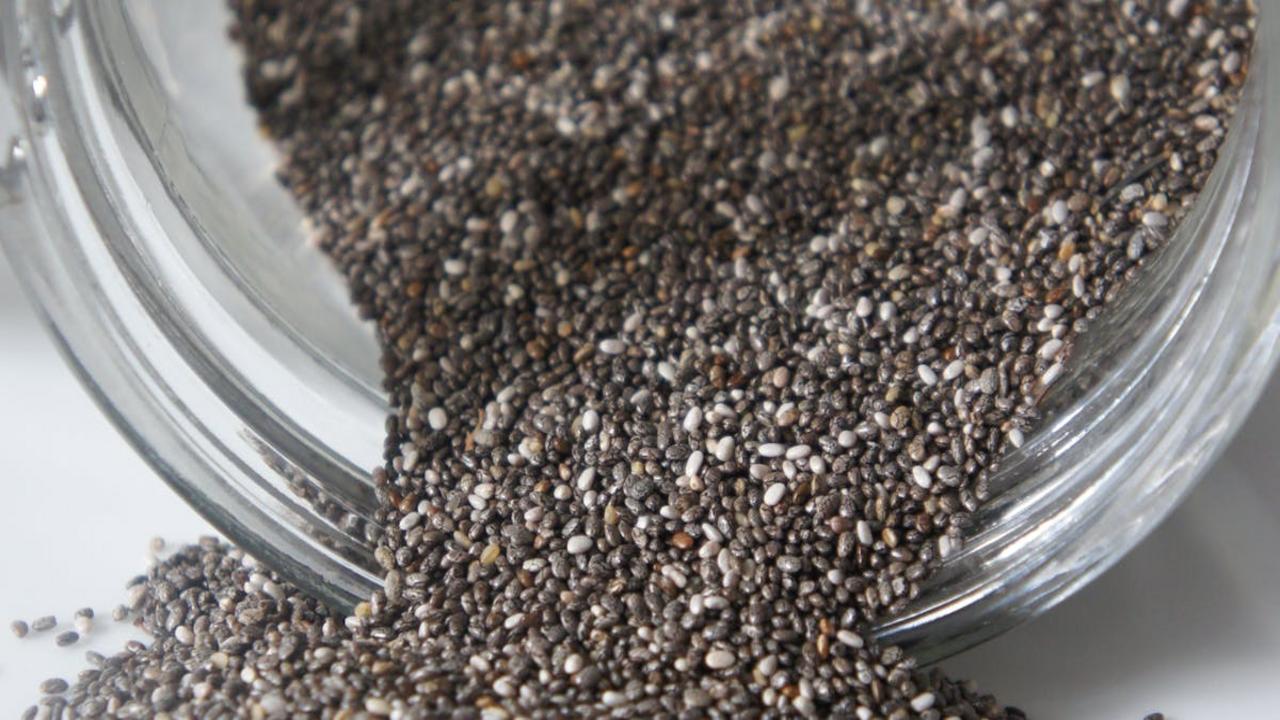
I add these tiny powerhouse seeds to practically everything in my kitchen – from smoothies to puddings to baked goods. Just one ounce of chia seeds packs a whopping 179mg of calcium, which tops many dairy products! Their mild, nutty flavor makes them incredibly versatile. You can sprinkle them raw on yogurt or oatmeal, or use them as an egg substitute in vegan baking. My favorite morning boost combines chia seeds with plant-based milk and fresh fruit for a calcium-rich breakfast pudding that keeps me energized.
Beyond calcium, chia seeds bring an impressive nutritional punch with omega-3 fatty acids, fiber, and protein. These seeds expand when mixed with liquid, creating a gel-like texture that works beautifully in recipes. I often make a simple chia jam by mixing them with mashed berries and letting them sit overnight. For extra crunch and nutrition, try adding them to homemade granola or sprinkling them on your salads. You’ll boost your calcium intake while adding interesting texture to your meals.
Leafy Greens

I pack my salads with collard greens, kale, and bok choy because these leafy powerhouses give me more calcium than you’d expect! Just one cup of cooked collard greens contains around 268mg of calcium – that’s about 25% of your daily needs. My favorite quick prep method involves sautéing these greens with garlic and a splash of lemon juice, which helps your body absorb the calcium better. You’ll find Swiss chard and turnip greens bringing substantial calcium to your plate too, with Chinese cabbage adding a crisp texture and nutritional boost.
Beyond their calcium content, these green gems bring iron, vitamin K, and fiber to your meals. I often add them to smoothies, stir-fries, and soups to boost the nutrient content without overpowering other flavors. My go-to morning boost includes blending a handful of kale with mango and ginger – you won’t even notice the greens! Try massaging your raw kale with olive oil and sea salt to break down its tough fibers, making it more tender and easier for your body to digest those precious nutrients. Your bones will thank you for making these versatile greens a regular part of your diet.
Tofu
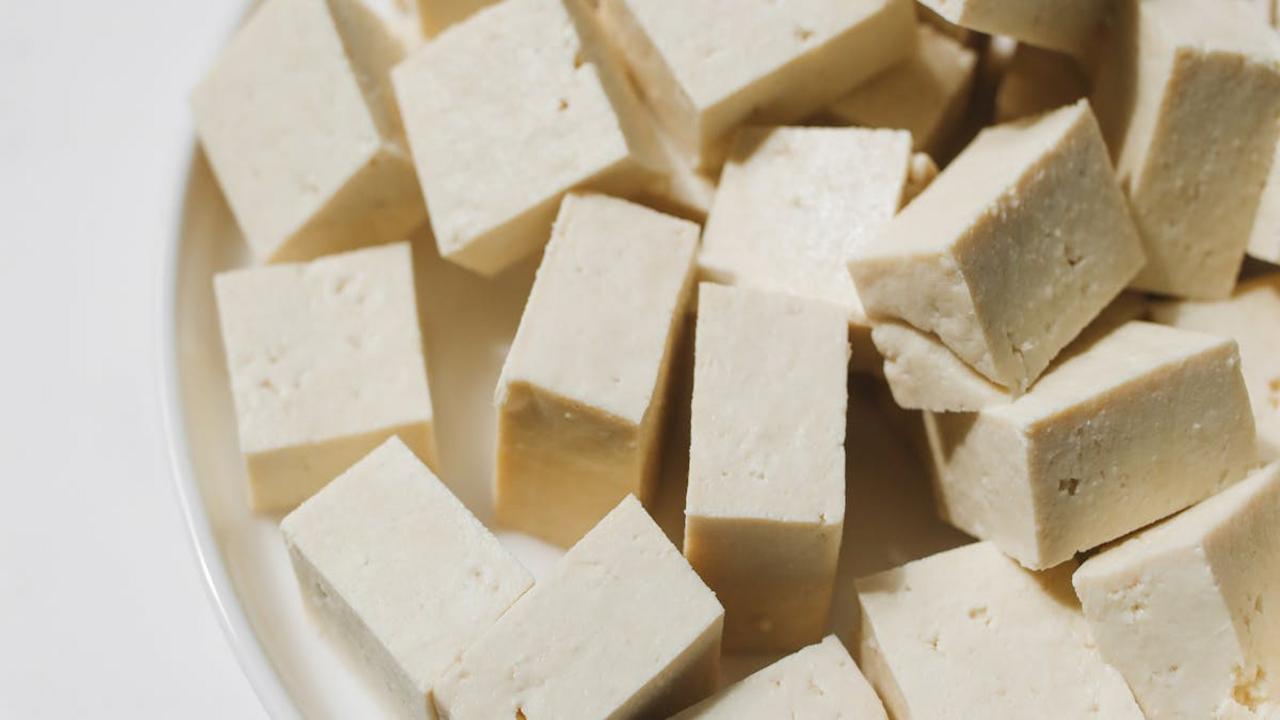
You’ll find tofu at the heart of many Asian dishes, and this versatile soy-based protein packs a serious calcium punch. Just half a cup of firm tofu contains around 860mg of calcium – that’s almost your entire daily requirement! I make sure to buy tofu made with calcium sulfate (check the ingredients list), as this traditional coagulating agent adds significant calcium content. You can pan-fry, bake, or crumble tofu into your favorite dishes without losing its calcium benefits.
My favorite way to prepare calcium-rich tofu involves pressing out excess moisture, then marinating it in a blend of soy sauce, ginger, and garlic. After 30 minutes, I pan-sear the tofu until golden brown and crispy on the outside while maintaining a tender center. This method transforms tofu into a delicious protein that even skeptics enjoy. For maximum calcium absorption, pair your tofu with vitamin D-rich foods like mushrooms or fortified plant milk – these nutrients work together to strengthen your bones.
Almonds
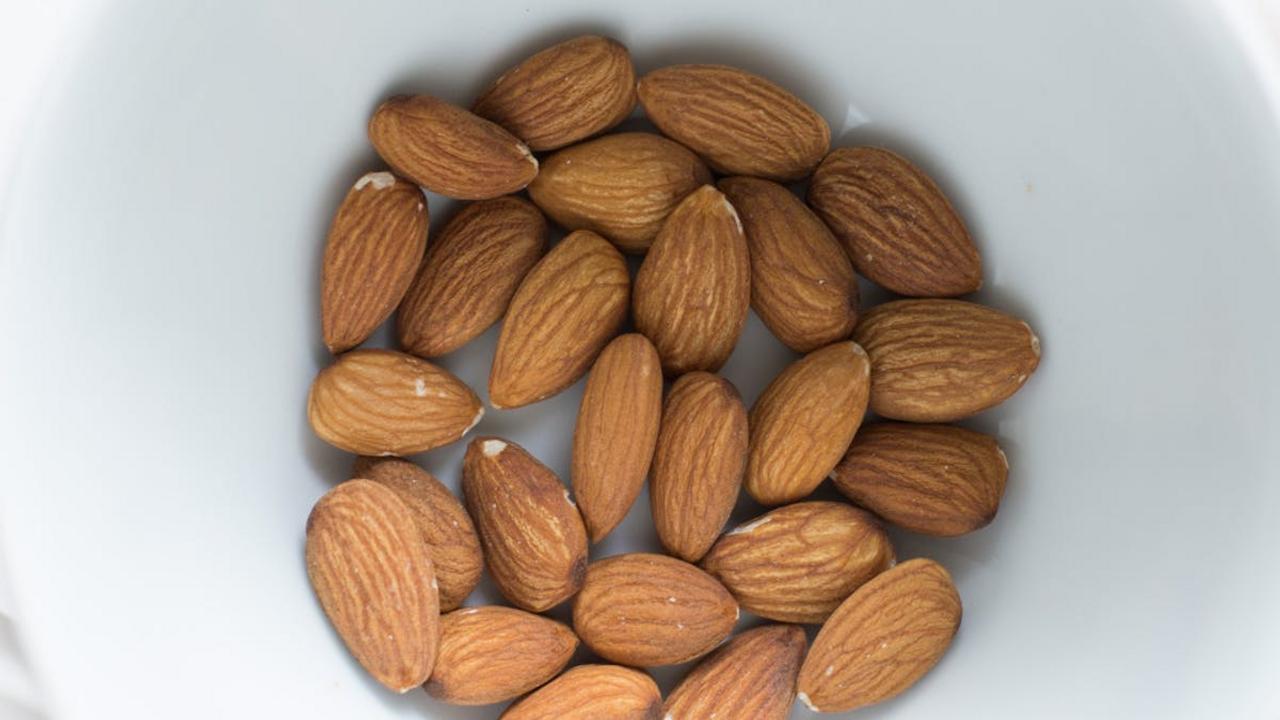
I love snacking on almonds not just for their satisfying crunch, but also because they pack a serious calcium punch – just one cup gives you 385mg, which is about 30% of your daily needs. These nutritional powerhouses go way beyond calcium too, offering healthy fats, protein, vitamin E, and magnesium. You’ll find me adding slivered almonds to my morning oatmeal, blending them into smoothies, or sprinkling them over salads for an instant nutrition boost.
Raw or roasted, almonds make an excellent dairy-free calcium source that’s incredibly versatile in the kitchen. I regularly grind them into homemade almond flour for baking, blend them into creamy almond butter, or use them as a crunchy coating for chicken and fish. Their natural sweetness works beautifully in both sweet and savory dishes. For maximum nutrition benefits, I recommend buying raw, unsalted almonds and storing them in an airtight container in the fridge to maintain freshness and prevent their healthy oils from going rancid.
Sardines

You’ll get an incredible 383mg of calcium from just one can of sardines with bones – that’s more than a glass of milk! I always keep a few cans in my pantry for quick, nutritious meals. The tiny, edible bones pack the biggest calcium punch, while the fish itself brings healthy omega-3 fats and protein. I love mashing sardines on grainy toast with lemon juice, capers, and fresh herbs for a protein-rich breakfast or light lunch that supports bone health.
Beyond the basic toast topping, try adding sardines to pasta dishes, salads, or rice bowls. The rich, savory flavor works beautifully with Mediterranean ingredients like olives, tomatoes, and garlic. You can also blend them into spreads with cream cheese and fresh herbs. If you’re new to sardines, start with the skinless, boneless varieties packed in olive oil – they have a milder taste while still delivering good nutrition. Just remember that removing the bones means losing some of that valuable calcium, so keeping them in gives you the most benefits.