14 Tasty Diet Swaps to Crush Bad Cholesterol and Supercharge Heart Health
Taking control of your cholesterol doesn’t mean giving up the foods you love. Small, smart swaps in your daily meals can make a huge difference in your heart health while keeping your taste buds happy. I’ve gathered 14 simple food switches that will help you lower those pesky LDL numbers naturally.
Your kitchen already holds the power to improve your heart health. By choosing the right fats, adding more fiber, and picking proteins wisely, you’ll create meals that both nourish your body and satisfy your cravings. These changes are so simple, you’ll wonder why you didn’t start sooner.
Think of these swaps as your personal recipe for better health – each one building on the next to create lasting change. From breakfast to dinner, snacks to cooking oils, you’ll find practical ways to transform your everyday eating habits without sacrificing flavor or enjoyment.
Cut Back on Processed Foods

I know how tempting those packaged snacks and ready-made meals can be – they’re quick, convenient, and often pretty tasty. But here’s the thing: processed foods pack a serious punch of hidden fats, sugars, and sodium that can send your cholesterol levels through the roof. By swapping out these packaged foods for fresh, whole ingredients, you’ll give your heart the love it needs. Think fresh fruits, vegetables, lean proteins, and whole grains instead of chips, frozen dinners, or sugary cereals.
The best part? Your body will thank you with improved cholesterol numbers, and you’ll likely notice more energy throughout your day. Start small by replacing one processed item at a time – maybe swap your morning pastry for overnight oats with fresh berries, or trade those afternoon vending machine snacks for a handful of nuts and an apple. Remember, every small change adds up to big results for your heart health. Plus, real, whole foods bring so much more flavor and satisfaction to your meals!
Swap Butter for Plant Spreads
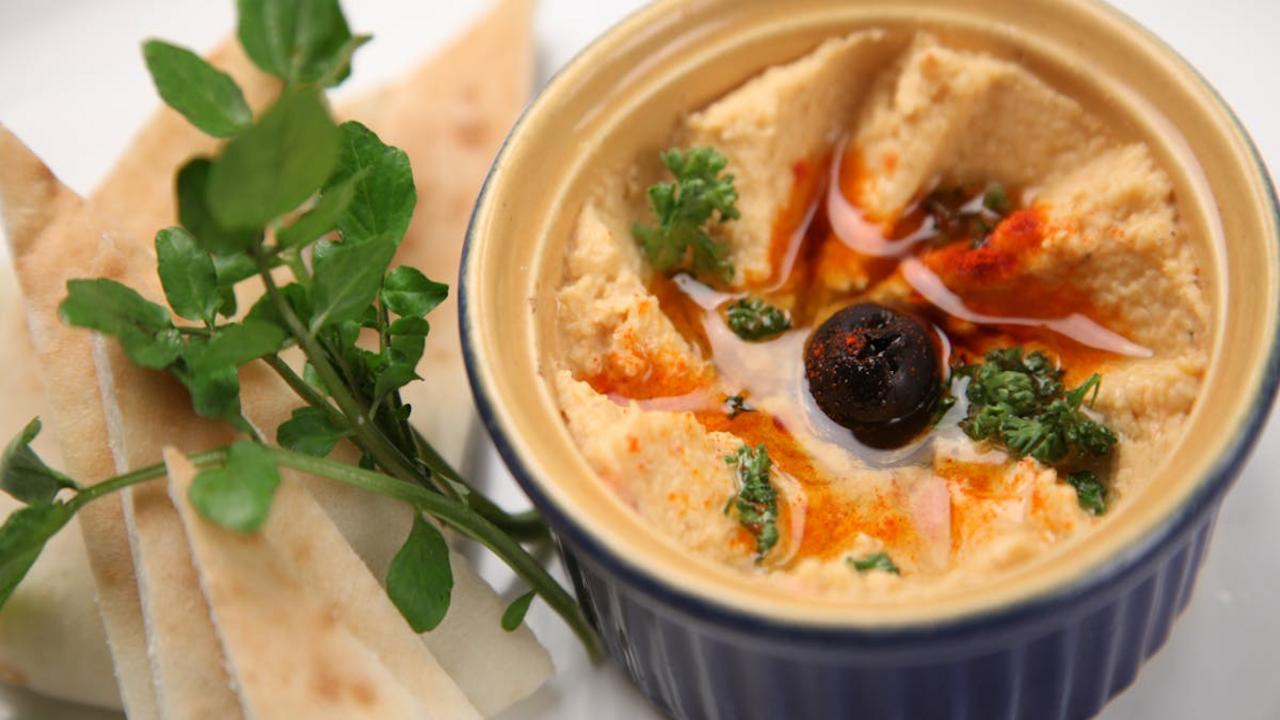
I love sharing this simple switch with my readers because it makes such a big difference for heart health! Plant-based spreads like olive oil, avocado, or nut-based alternatives can help lower your LDL (bad) cholesterol levels while adding wonderful flavors to your meals. Many of these spreads contain healthy monounsaturated and polyunsaturated fats that support your cardiovascular system, unlike the saturated fats found in traditional butter.
You’ll find countless ways to use these heart-friendly alternatives in your daily cooking. Spread mashed avocado on your morning toast, drizzle olive oil on your roasted vegetables, or try almond butter on your favorite sandwich. The best part? These plant spreads often pack extra nutrients like vitamin E and omega-3 fatty acids. My personal favorite is using olive oil-based spread on whole grain bread – it adds a rich, Mediterranean touch while keeping my cholesterol in check. Your heart will thank you for making this simple yet powerful change!
Fresh Fruits Daily
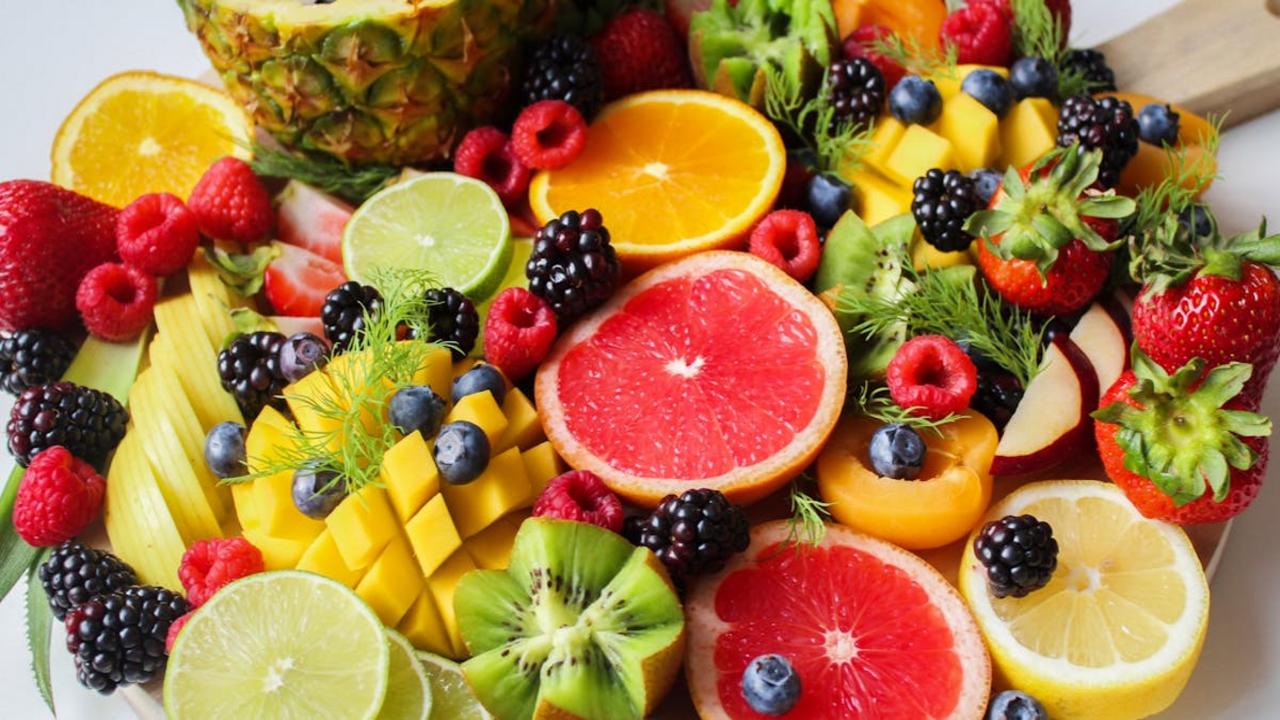
I love recommending fresh fruits as your daily go-to snacks and meal additions! They pack a powerful punch against high cholesterol with their natural fiber and antioxidants. Your heart will thank you for swapping out processed snacks with nature’s candy – think crisp apples, juicy oranges, sweet berries, and ripe pears. These fruits contain pectin and other soluble fibers that bind to cholesterol in your digestive system and help remove it from your body.
Make it fun and simple by keeping a fruit bowl on your counter or pre-cutting fruit for easy access in your fridge. You can add sliced bananas to your morning oatmeal, toss berries into your yogurt, or pack an apple for your afternoon snack. The natural sweetness will satisfy your sugar cravings while the fiber keeps you full. Plus, most fruits are low in calories but high in vitamins and minerals – giving you the most nutritional bang for your buck. Your heart health goals become much more achievable when you make fresh fruits a regular part of your daily eating routine.
Add Garlic and Onions
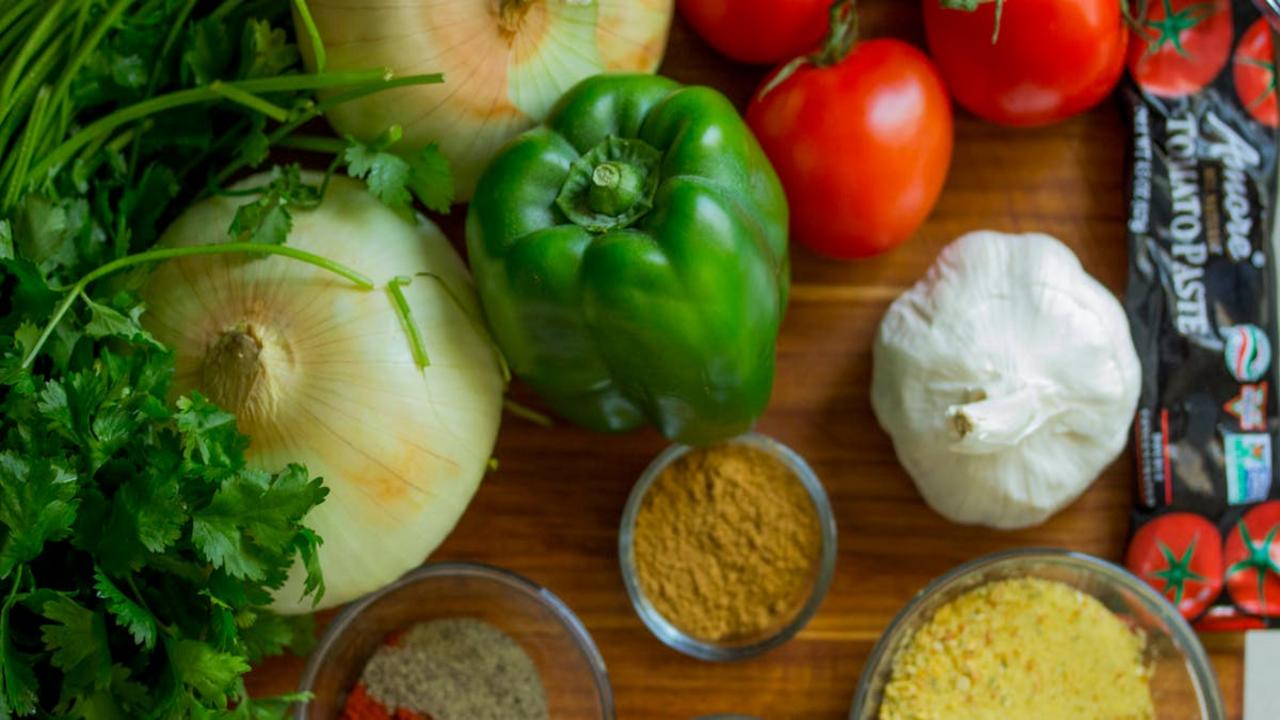
I love how garlic and onions can transform any dish into a heart-healthy powerhouse! These flavor-packed ingredients do more than make your food delicious – they actually help reduce LDL (bad) cholesterol and improve your heart health. Raw garlic contains compounds like allicin that work to lower cholesterol levels, while onions are rich in quercetin, a natural anti-inflammatory that helps prevent plaque buildup in your arteries. You can easily add both to soups, stews, stir-fries, or roasted vegetables for an instant health and flavor boost.
My go-to method is to sauté minced garlic and diced onions as a base for almost any savory dish. Try adding roasted garlic to your homemade salad dressings or spreading it on whole-grain bread instead of butter. For onions, I suggest caramelizing a big batch on weekends – they’ll add natural sweetness and heart-protective compounds to your meals throughout the week. Remember that crushing or chopping garlic and letting it sit for 10 minutes before cooking maximizes its beneficial compounds. Your heart will thank you for making these flavorful additions part of your daily cooking routine!
Pick Low Fat Dairy
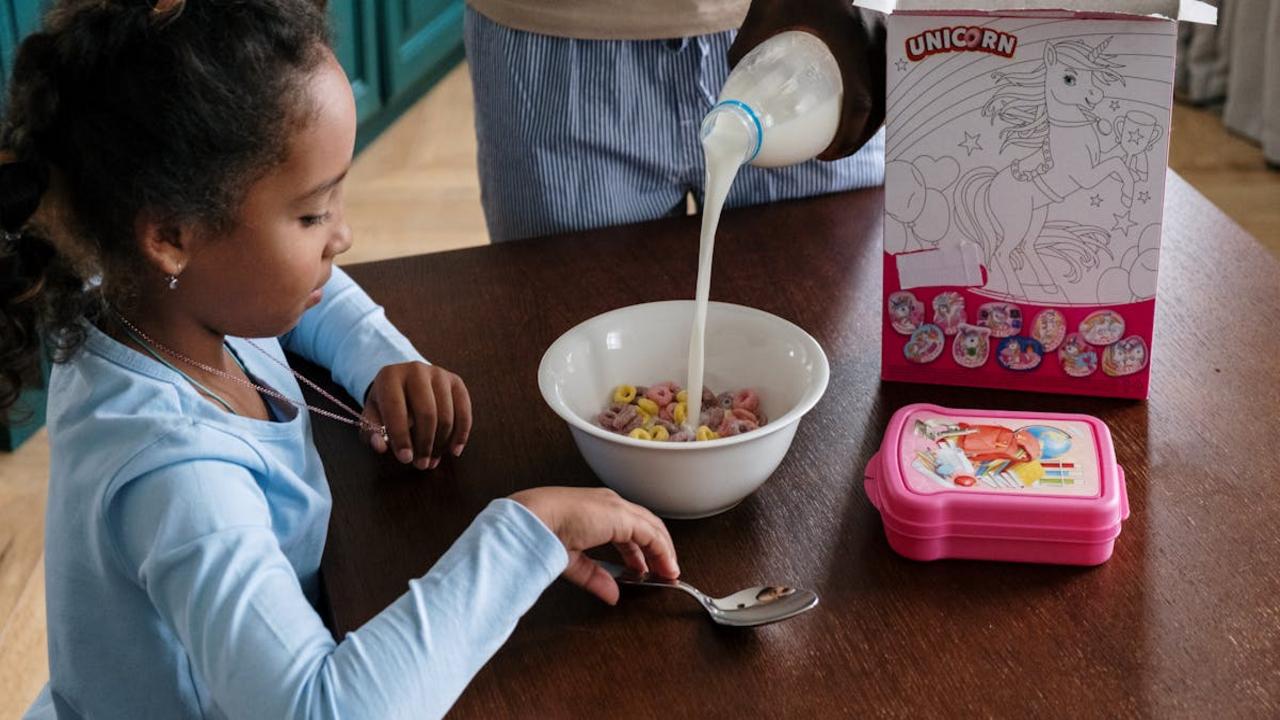
You can make a big impact on your cholesterol levels by switching to low-fat dairy options in your daily meals. Your favorite dairy products like milk, yogurt, and cheese still bring all the calcium and protein you need, just with way less saturated fat. I love using 1% milk in my morning coffee and breakfast cereals – you’ll barely notice the difference! Greek yogurt makes an amazing base for dips and smoothies, while reduced-fat cheese still melts perfectly on your sandwiches and casseroles.
Many of my readers ask me if low-fat dairy products will affect the taste of their favorite recipes – and I’m happy to say they won’t! You can bake, cook, and create all your beloved dishes using lower-fat alternatives. Try cottage cheese with fresh fruit for breakfast, spread reduced-fat cream cheese on your bagel, or mix non-fat yogurt into your morning granola. Your heart will thank you for making these simple switches, and you’ll still get to enjoy all the creamy goodness dairy brings to your meals.
Limit Red Meat
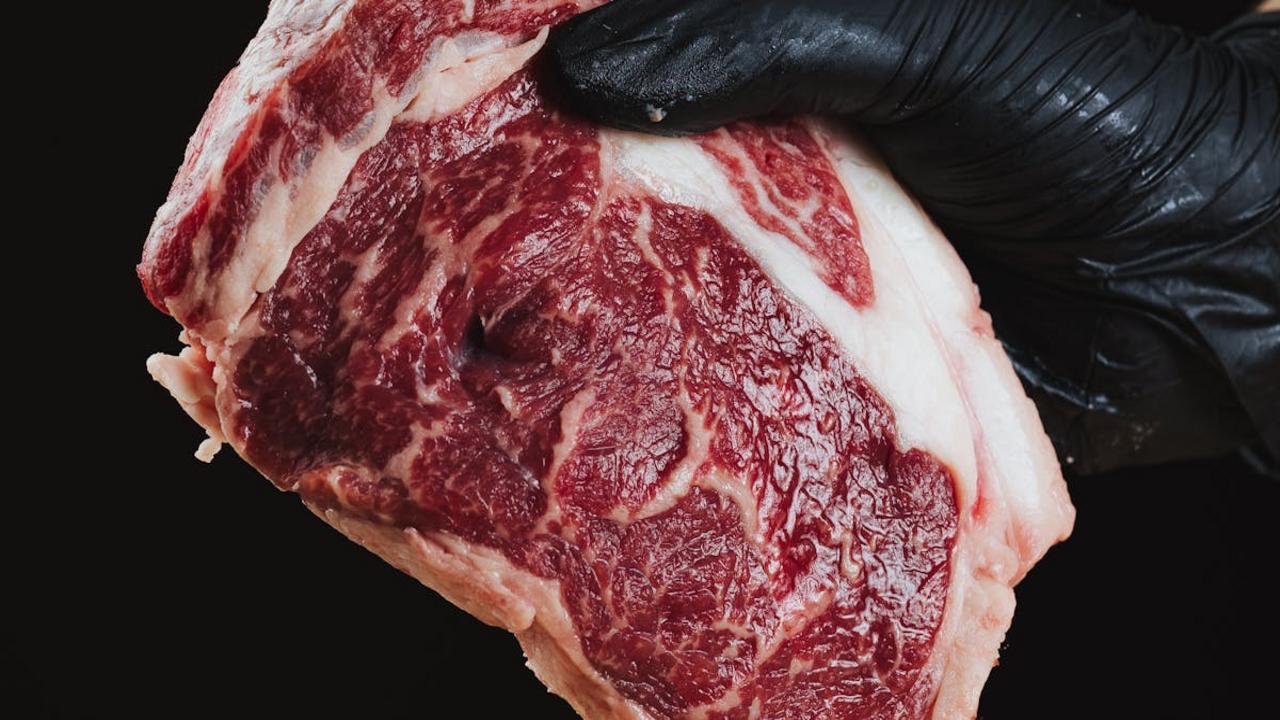
I know giving up those juicy steaks and burgers can feel tough, but your heart will thank you for cutting back on red meat. The saturated fats in beef, lamb, and pork directly raise your LDL (bad) cholesterol levels. You don’t need to eliminate red meat completely – just aim to eat it no more than twice per week. Instead, fill your plate with lean proteins like chicken, turkey, fish, or plant-based options like beans and lentils. These alternatives pack plenty of protein without the cholesterol-raising fats.
Making this switch doesn’t mean sacrificing flavor or satisfaction! Try grilling a meaty portobello mushroom cap topped with melted Swiss cheese, or make black bean burgers seasoned with your favorite spices. Fish like salmon and tuna offer heart-healthy omega-3 fats while still giving you that satisfying protein fix. Even simple swaps like using ground turkey instead of beef in your favorite recipes can make a big difference. Your body will love the change, and you’ll discover so many delicious new meal options along the way.
Dark Leafy Greens
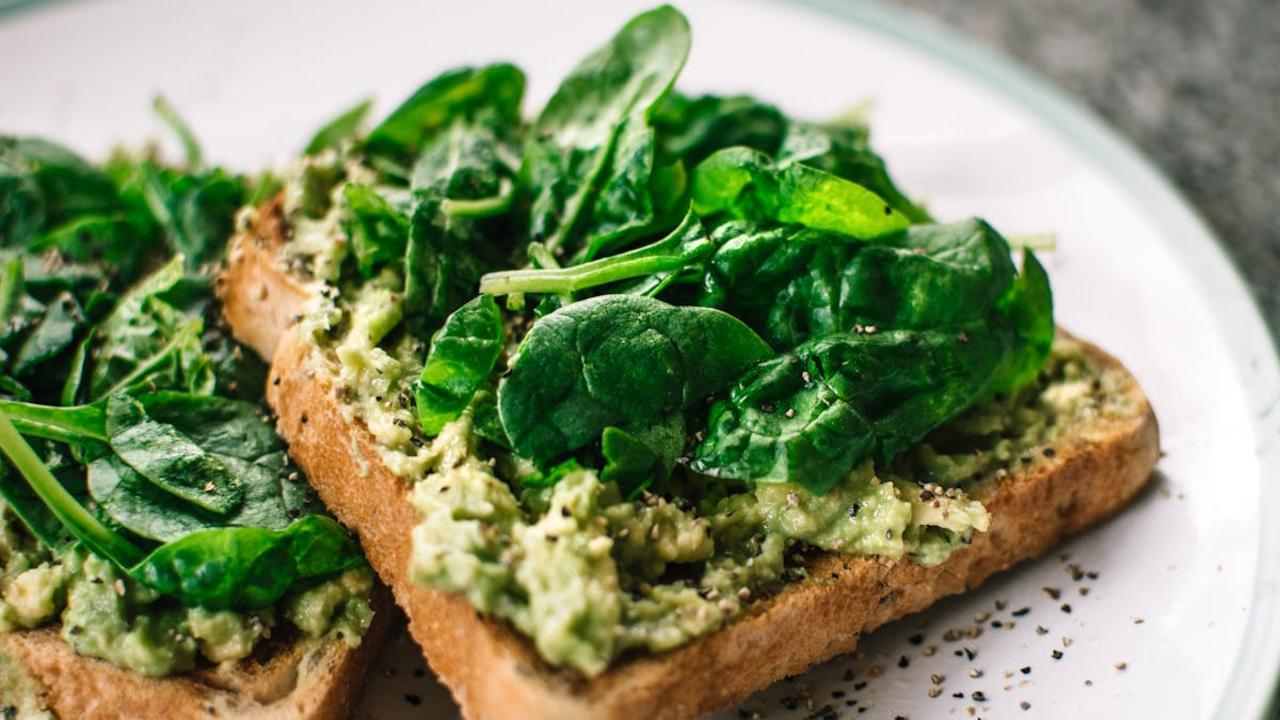
I love recommending dark leafy greens as your heart’s best friends! Spinach, kale, collard greens, and Swiss chard pack a powerful punch against high cholesterol. These green powerhouses contain compounds called carotenoids and flavonoids that help lower LDL (bad) cholesterol while boosting HDL (good) cholesterol. Plus, they’re rich in fiber, which binds to cholesterol particles in your digestive system and carries them out before they can enter your bloodstream.
You’ll find endless ways to add these nutritious greens into your daily meals. Toss fresh spinach into your morning smoothie, sauté kale with garlic for a quick side dish, or blend Swiss chard into your favorite soup. I often make a big batch of garlicky collard greens on Sunday and add them to my lunches throughout the week. The best part? Just one cup of cooked greens gives you a generous dose of vitamins A, C, and K, along with minerals like iron and calcium – all while fighting bad cholesterol!
Eat More Beans
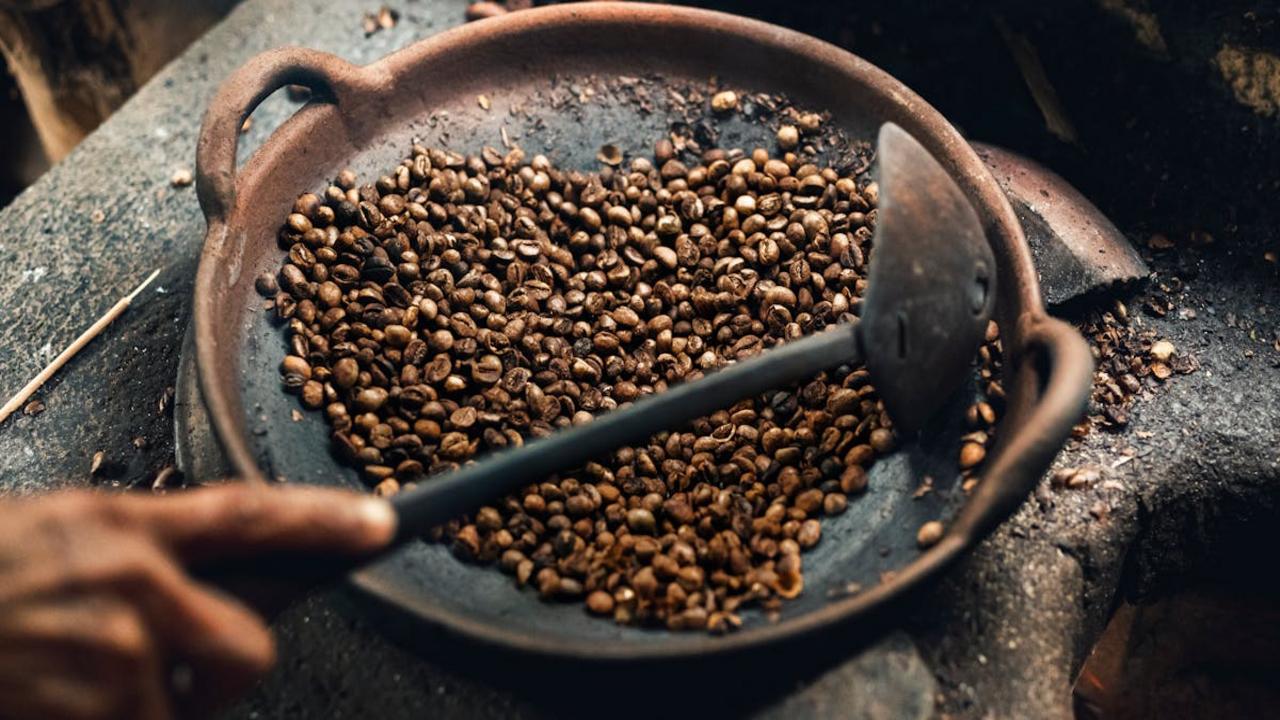
I can’t say enough good things about beans – they’re like little cholesterol-fighting superheroes! Whether you love black beans, kidney beans, or chickpeas, these fiber-rich powerhouses will help lower your LDL (bad) cholesterol levels naturally. Just one cup of beans gives you about 15 grams of fiber, which binds to cholesterol particles in your digestive system and carries them right out of your body. Plus, beans pack a serious protein punch without the saturated fat you’d find in many animal sources.
You can add these heart-healthy gems to almost anything! Toss them into your salads, blend them into creamy dips, or mix them into your favorite soups and stews. I love making a quick three-bean chili on busy weeknights – it’s filling, budget-friendly, and great for my heart health. If you’re new to beans, start with small portions and gradually increase your intake to avoid digestive discomfort. Remember to rinse canned beans thoroughly to reduce sodium content, or cook dried beans from scratch for the most budget-friendly option.
Add Avocados
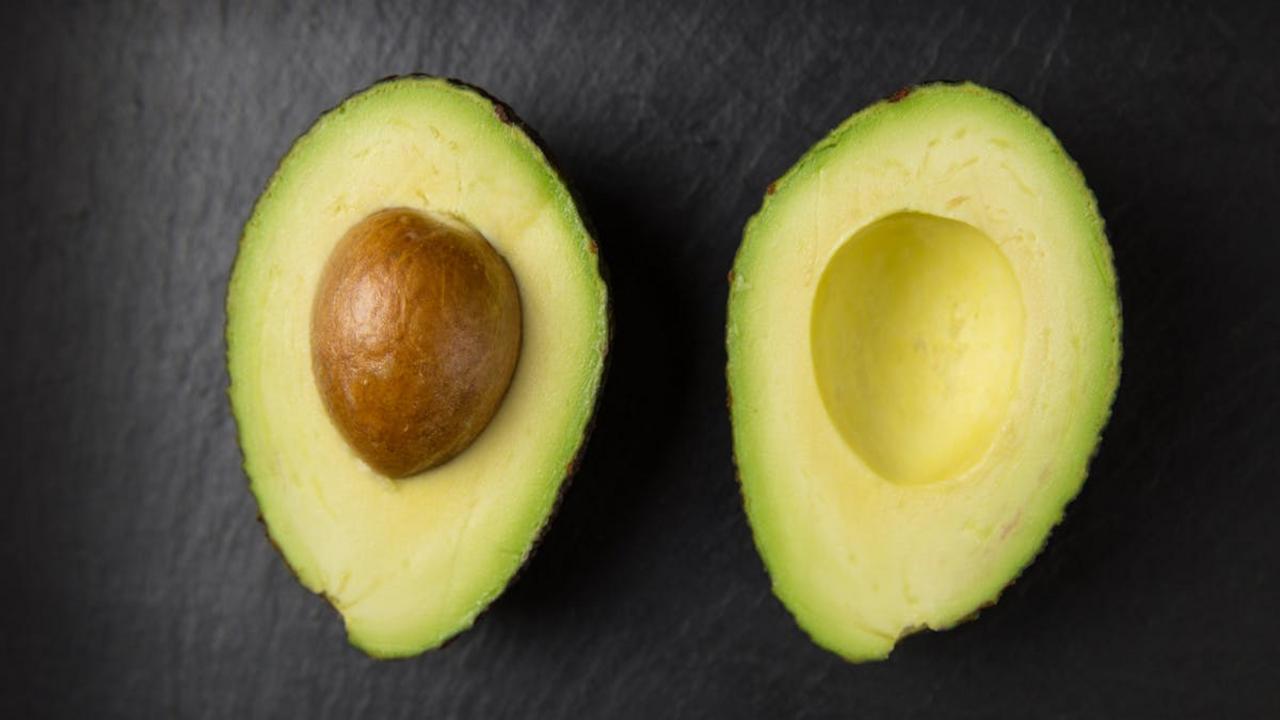
I can’t get enough of creamy, rich avocados – and your heart will thank you for adding them to your daily menu! These green powerhouses pack a serious punch of heart-healthy monounsaturated fats that actively help lower your LDL (bad) cholesterol levels while boosting the good HDL cholesterol. Plus, avocados contain beta-sitosterol, a natural compound that blocks cholesterol absorption in your gut, making them a perfect addition to your heart-smart diet.
You’ll find endless ways to enjoy avocados beyond the classic guacamole. Spread them on your morning toast instead of butter, blend them into creamy smoothies, or dice them into your salads for a rich, satisfying bite. I love adding half an avocado to my sandwich instead of mayo – it gives the same luxurious mouthfeel while providing better nutrition. Just remember that portion control matters – stick to about 1/4 to 1/2 an avocado per serving to keep calories in check while getting all those amazing heart benefits.
Choose Whole Grain Bread
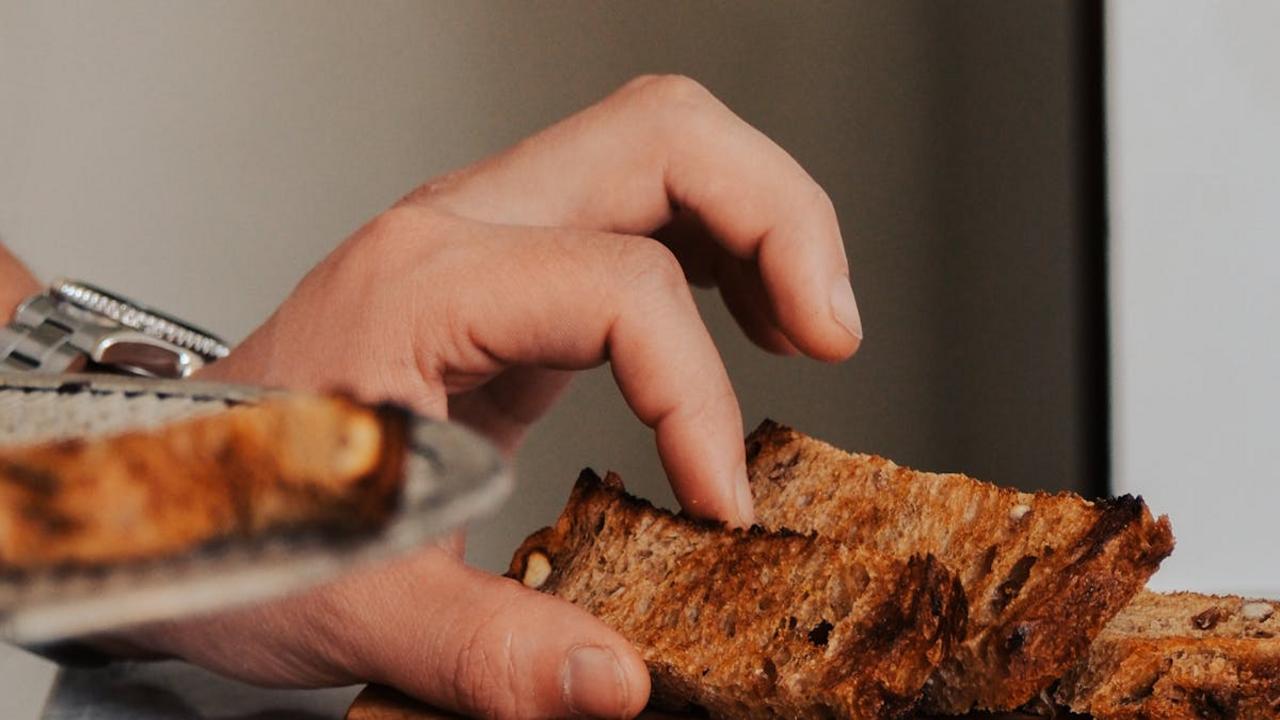
I want to share one of my favorite heart-healthy bread swaps that can make a big difference in your cholesterol levels. By switching from refined white bread to whole grain varieties, you’ll get more fiber, nutrients, and natural compounds that help lower LDL (bad) cholesterol. The soluble fiber in whole grains acts like a sponge, soaking up cholesterol in your digestive system before it can enter your bloodstream. Plus, whole grain bread gives you steady energy throughout the day instead of the quick spike and crash you get from white bread.
Look for bread where “whole grain” appears first on the ingredient list and aim for at least 3 grams of fiber per slice. I love how whole grain bread adds a rich, nutty flavor to sandwiches and toast. You can find great options like oat bread, 100% whole wheat, or seeded varieties at most grocery stores. My personal go-to is a hearty German-style whole grain that makes incredible avocado toast. The texture takes a little getting used to if you’re switching from white bread, but after a week or two, you’ll notice white bread starts tasting bland and artificial in comparison.
Include Fatty Fish
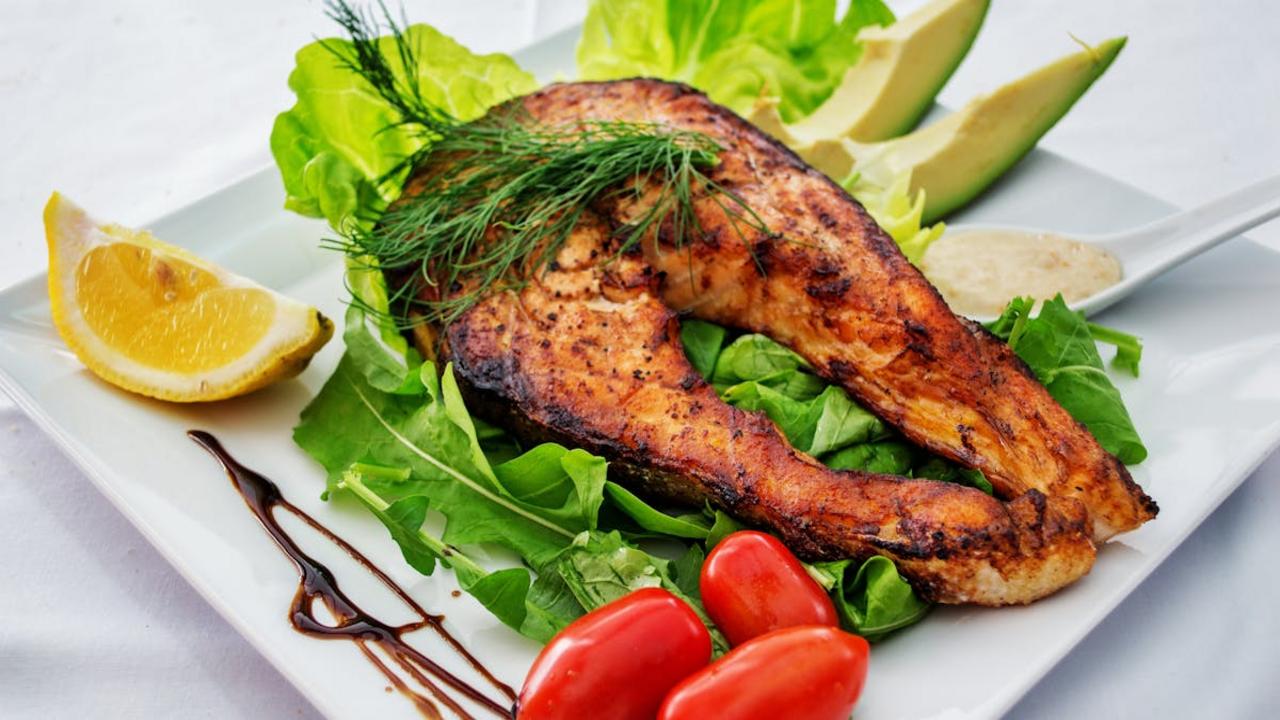
I can’t say enough good things about adding fatty fish like salmon, mackerel, and sardines to your weekly menu! These swimming superstars pack a serious punch against bad cholesterol thanks to their rich omega-3 fatty acid content. The healthy fats in these fish actively help lower your LDL (bad) cholesterol while boosting your HDL (good) cholesterol levels. Plus, they’re loaded with protein and other heart-healthy nutrients that make them a perfect choice for anyone looking to improve their cardiovascular health.
You’ll find it so easy to incorporate these nutritional powerhouses into your meals. Try grilling a piece of salmon with lemon and herbs for dinner, adding canned sardines to your lunchtime salad, or whipping up a quick mackerel pâté for a protein-rich snack. I recommend aiming for at least two servings of fatty fish per week – your heart will thank you! If you’re not a big fish fan yet, start small with milder options like salmon and gradually work your way up to the stronger-flavored varieties. Your taste preferences will adjust, and you’ll soon discover new favorite recipes.
Snack on Nuts
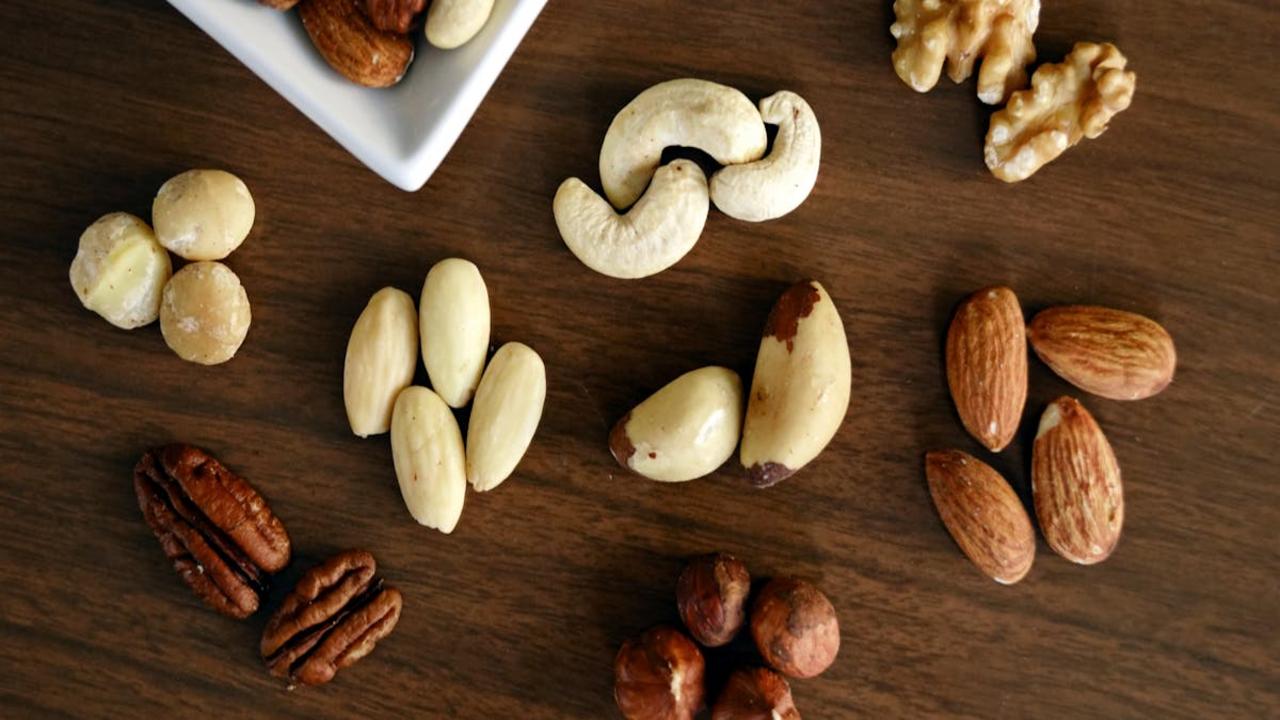
I love recommending nuts as a heart-healthy snack to my readers because they pack such a powerful punch against bad cholesterol! A daily handful of nuts like almonds, walnuts, or pistachios can lower your LDL cholesterol by up to 5%. The magic lies in their mix of healthy fats, fiber, and plant sterols that work together to block cholesterol absorption in your gut. Plus, nuts give you that satisfying crunch and keep you full between meals, making them the perfect swap for those processed snacks that can harm your heart.
You’ll find countless ways to add these nutritional powerhouses into your daily routine. Sprinkle chopped nuts over your morning oatmeal, toss them into salads for extra crunch, or keep a small container in your bag for on-the-go snacking. I particularly love mixing different nuts with a touch of cinnamon and a drizzle of honey for a quick trail mix. Just remember to stick to about 1-2 ounces per day – while nuts are incredibly healthy, they’re also calorie-dense, so portion control matters for maintaining a balanced diet.
Add Oatmeal for Breakfast
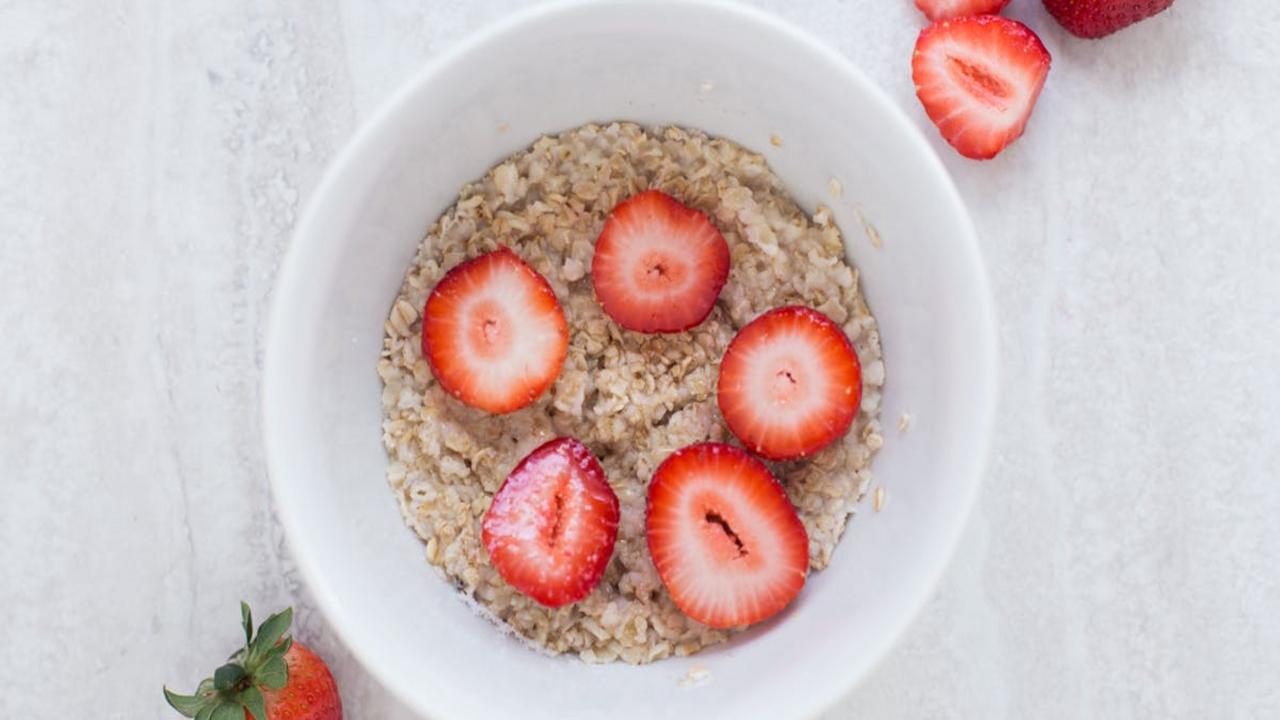
Starting your day with a warm bowl of oatmeal will give your heart health a serious boost! This breakfast champion contains beta-glucan, a powerful soluble fiber that helps lower your LDL (bad) cholesterol levels naturally. I love mixing my morning oatmeal with fresh berries, a sprinkle of cinnamon, and a handful of chopped nuts – not only does it make breakfast more exciting, but these toppings add extra nutrients that support your cardiovascular system.
You can prep your oats in multiple ways to keep breakfast interesting throughout the week. Try overnight oats with almond milk for busy mornings, or simmer steel-cut oats with diced apples and walnuts for a cozy weekend treat. The American Heart Association recommends getting 25-30 grams of fiber daily, and just one cup of cooked oatmeal delivers 4 grams toward that goal. Plus, oatmeal keeps you full and satisfied, helping you avoid those mid-morning snack cravings that might lead to less healthy choices.
Switch to Olive Oil
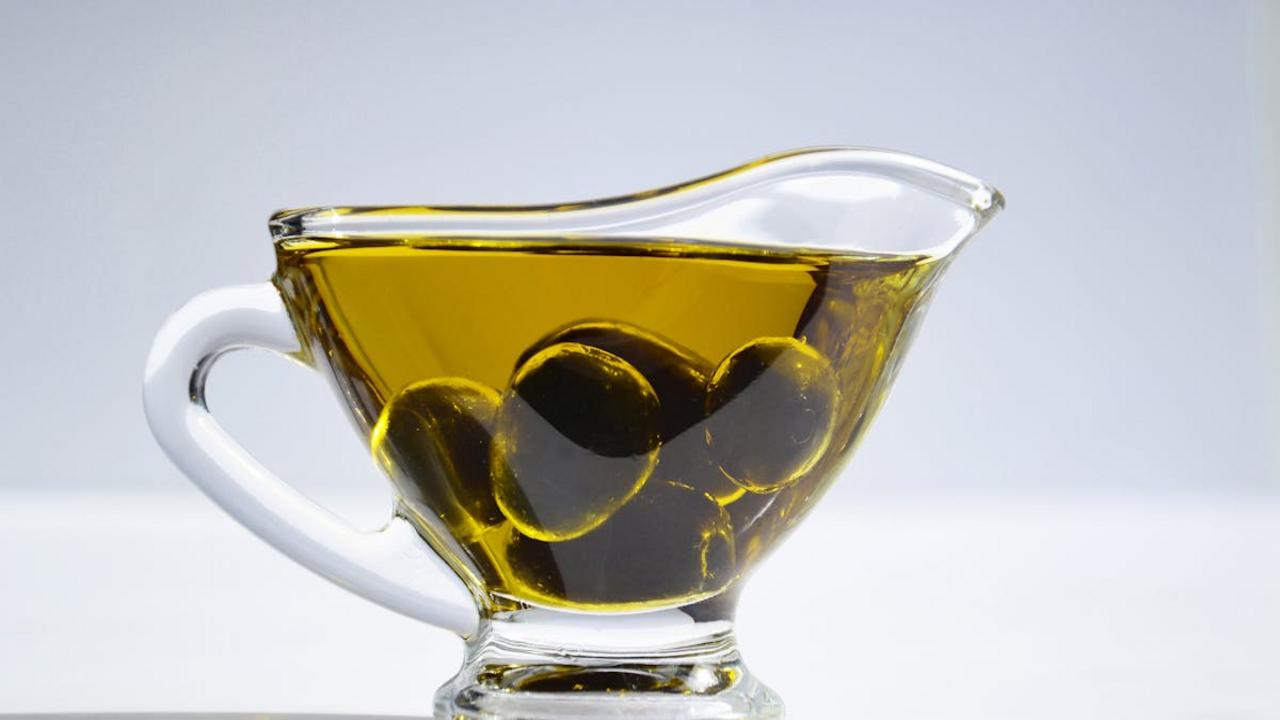
Your choice of cooking oil makes a huge difference in your heart health, and olive oil stands out as a superstar! This Mediterranean diet staple contains monounsaturated fats that actively lower your LDL (bad) cholesterol while boosting your HDL (good) cholesterol levels. I love how versatile olive oil is – you can drizzle it on salads, use it for sautéing vegetables, or mix it with balsamic vinegar for a quick and healthy bread dip. Plus, its rich, smooth flavor adds depth to any dish without overwhelming the other ingredients.
Making the switch from butter or vegetable oils to olive oil can transform your cooking and your health. The antioxidants in olive oil, especially extra virgin varieties, help fight inflammation in your body and protect your blood vessels. I recommend keeping two bottles in your kitchen – a high-quality extra virgin olive oil for dressings and dips, and a regular olive oil for cooking at higher temperatures. Just remember to store your olive oil in a cool, dark place to maintain its heart-healthy benefits and prevent it from going rancid. Your heart will thank you for this simple but powerful change!