13 Delicious Reasons We Keep Coming Back to Junk Food
We all know that bag of potato chips calls your name from the pantry, even when you’ve promised yourself “just one handful.” Your brain and body respond to junk food in powerful ways that go beyond simple hunger. From the dopamine rush of your first bite to the comfort of familiar childhood snacks, these foods hook you through multiple channels.
Your cravings aren’t just about willpower – they’re tied to biology, emotion, and clever marketing. That fast-food drive-thru looks extra tempting after a stressful day, offering quick comfort and energy when you need it most. Meanwhile, food companies perfect their recipes to hit your taste buds’ sweet spots with just the right balance of sugar, salt, and fat.
The convenience factor makes resistance even harder. Junk food sits right at your fingertips – affordable, quick, and everywhere you look. Before you know it, what started as occasional treats become daily habits that your body expects and demands. Understanding these triggers helps you make more mindful choices about what you eat and why.
Habit Formation
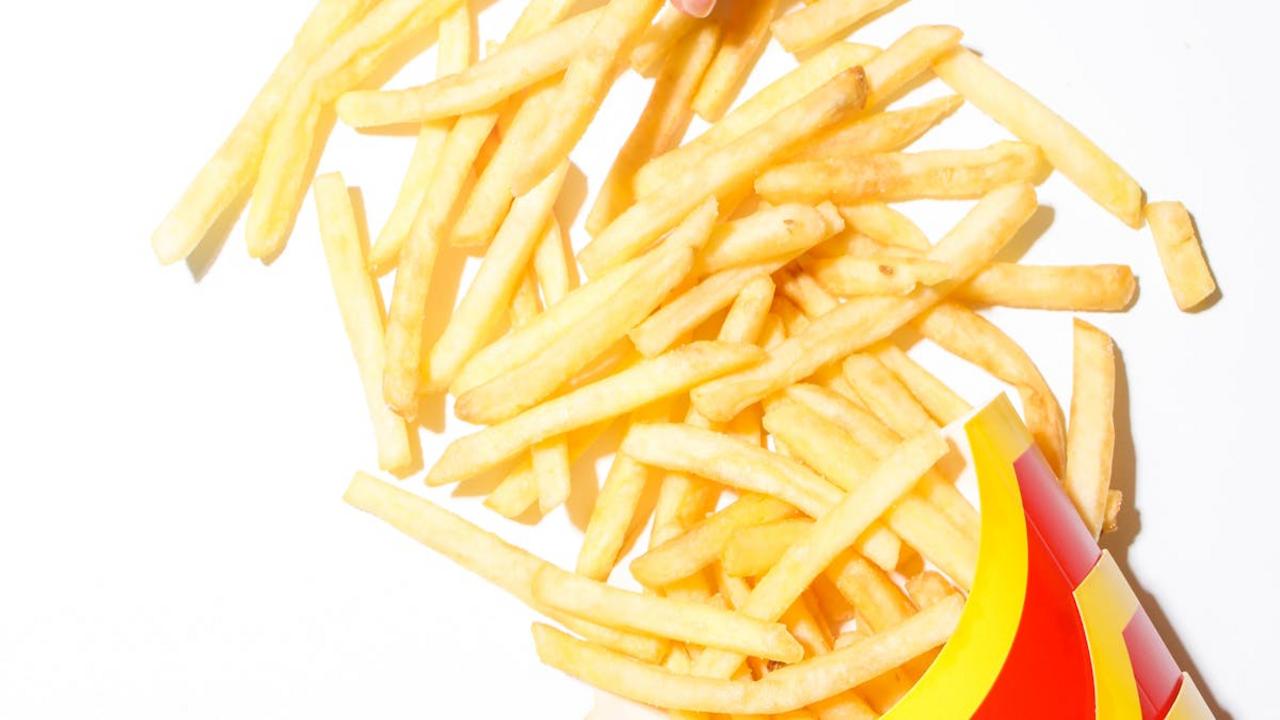
Your brain creates powerful pathways every time you reach for that bag of chips or grab a candy bar from the checkout line. These neural connections strengthen with repetition, making junk food feel like the automatic choice when you’re stressed, bored, or celebrating. The combination of convenience, immediate reward, and familiar flavors trains your brain to seek these foods without conscious thought. You’ve probably noticed how you can finish an entire sleeve of cookies while watching TV, barely registering each bite because your hands and mouth are on autopilot.
Breaking free from these deeply ingrained patterns takes patience and self-compassion, but you can absolutely retrain your brain to crave nourishing foods instead. Start by identifying your trigger moments – maybe you always want something sweet after dinner or salty snacks during afternoon work breaks. Replace those processed options with healthier alternatives that still satisfy the same craving: air-popped popcorn with nutritional yeast instead of chips, or a square of dark chocolate with nuts instead of a candy bar. The key is consistency and giving your brain time to form new, positive food habits that will serve your body better in the long run.
Fast Energy Fix
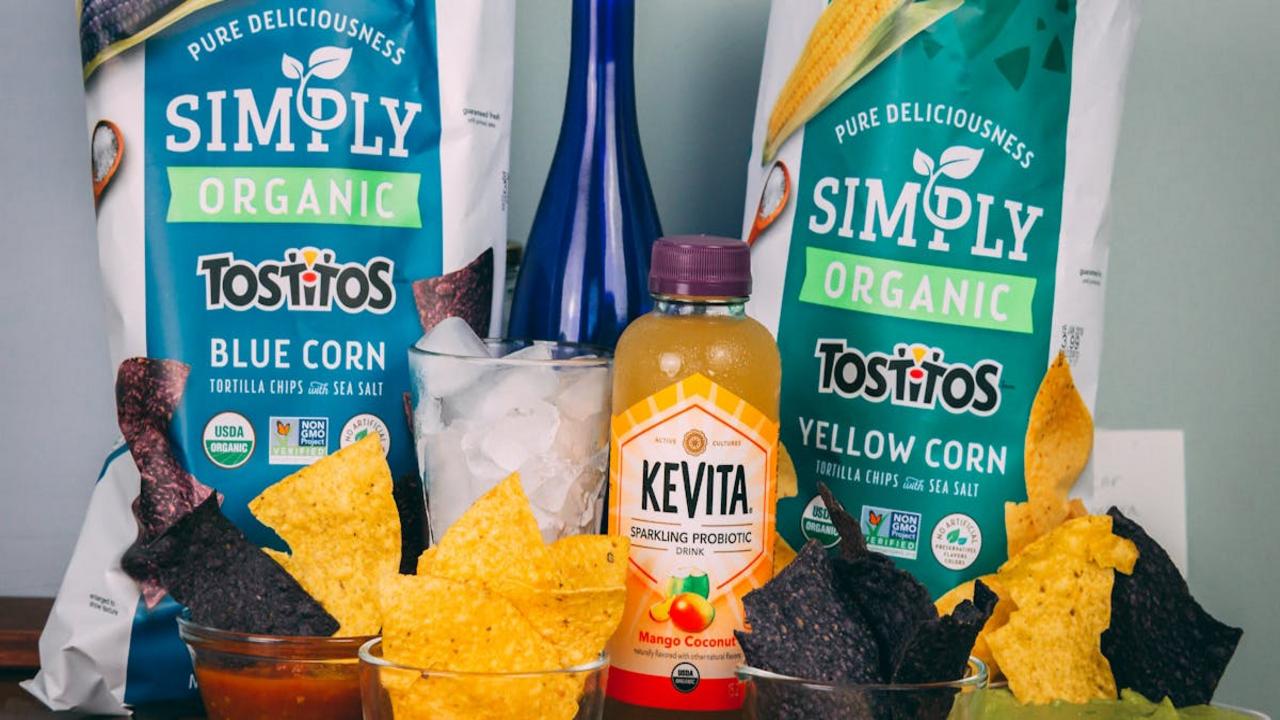
When your energy crashes mid-afternoon, junk food swoops in like a superhero with a cape made of sugar and caffeine. Those processed snacks and sugary treats deliver glucose straight to your bloodstream faster than you can say “candy bar,” giving you that instant pick-me-when boost your tired brain craves. Your body recognizes this quick fuel source and sends out celebration signals, making you reach for that bag of chips or cookie without a second thought.
Here’s the thing though – while junk food gives you that rapid energy spike, it’s like lighting a match instead of building a campfire. The energy burns bright and fast, then leaves you feeling more drained than before. Instead of relying on this rollercoaster ride, try pairing complex carbs with protein for sustained energy that actually lasts. Think apple slices with almond butter or whole grain crackers with hummus – these combinations give you steady fuel that keeps your energy levels stable throughout the day, without the crash that makes you crave more junk later.
Artificial Flavoring
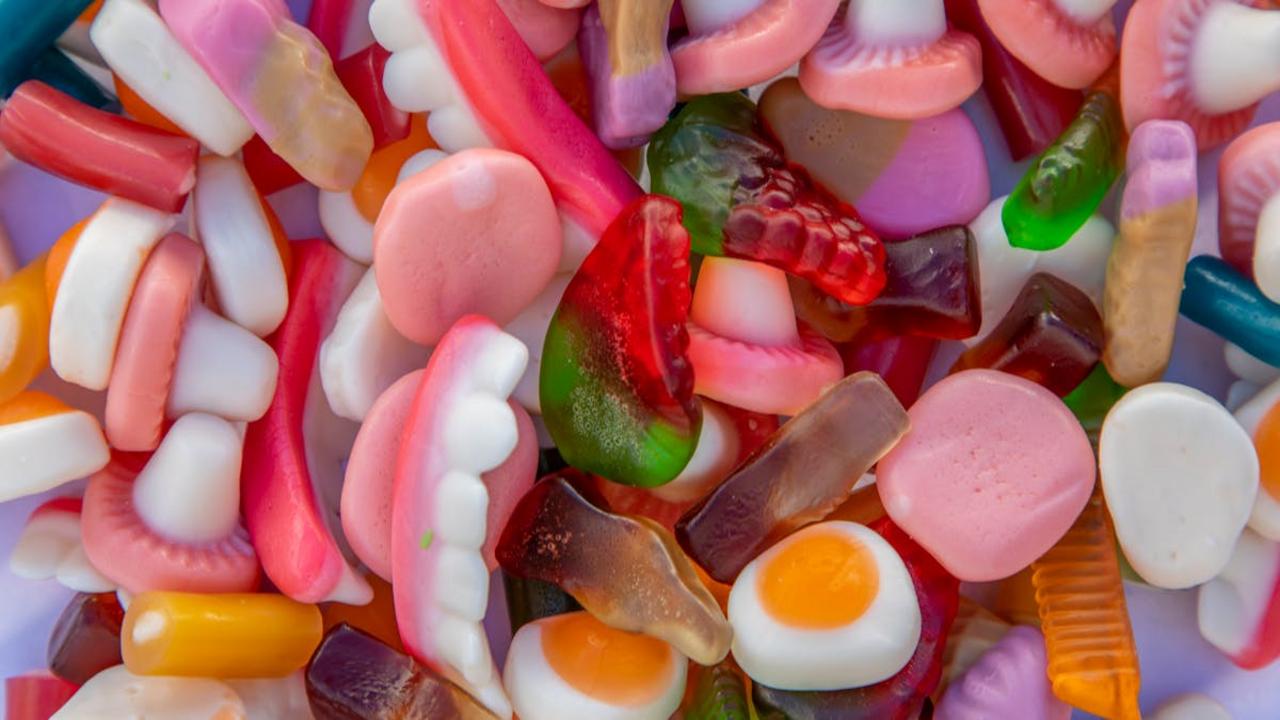
Food scientists have mastered the chemistry behind making processed snacks irresistible, and artificial flavoring sits right at the center of this magic. These lab-created compounds trick your brain into thinking you’re eating something far more complex and satisfying than what’s actually in the package. That bright orange cheese powder on your favorite chips? It delivers an intense, concentrated flavor punch that real cheese simply can’t match. The strawberry essence in those pink cookies tastes more “strawberry-like” than actual strawberries because scientists can isolate and amplify the specific molecules your brain associates with that fruit.
What makes artificial flavoring so addictive is its consistency and intensity. Every single bite delivers exactly the same flavor experience – no variations, no subtle notes, just pure, concentrated taste that hits your palate with predictable satisfaction. Your brain starts craving that reliable flavor hit because it knows exactly what to expect. Real foods have natural variations in taste, ripeness, and seasonality, but artificial flavoring gives you that same dopamine rush every time you reach for that bag of chips or box of cookies. This predictability creates a powerful psychological loop that keeps you coming back for more.
Marketing Tactics
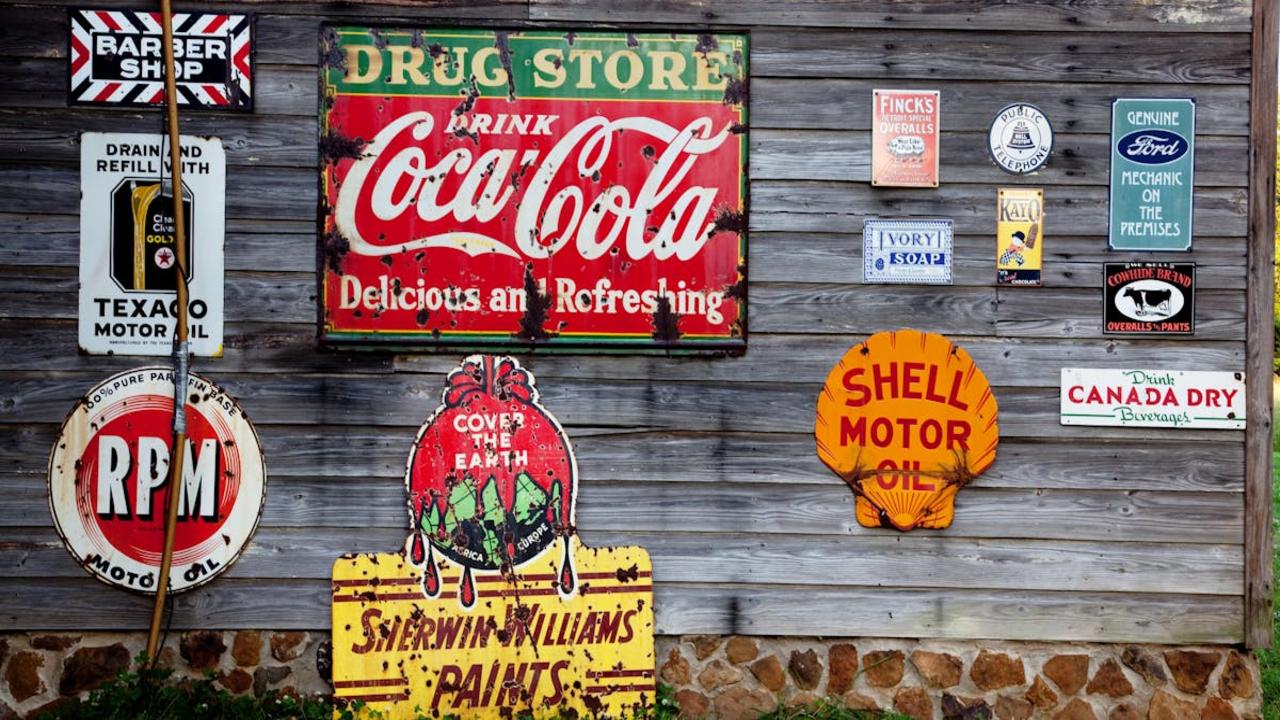
Food companies spend billions of dollars each year perfecting their marketing strategies, and honestly, they’ve become masters at knowing exactly what makes us reach for that bag of chips or box of cookies. They study our psychology, our habits, and even our emotions to create advertisements that hit us right where we’re most vulnerable. Think about those commercials that show happy families sharing a pizza or friends laughing over nachos – they’re not just selling food, they’re selling the promise of connection and joy. These companies know that we don’t just buy products; we buy feelings and experiences.
The packaging design alone deserves its own conversation! Bright colors, fun mascots, and strategic shelf placement work together to catch your eye and trigger impulse purchases. Notice how your favorite snacks are often positioned at eye level or near the checkout counter? That’s no accident. Plus, they use clever language like “natural flavors” or “made with real fruit” to make us feel better about our choices, even when the product is loaded with sugar and artificial ingredients. Understanding these tactics doesn’t mean you need to avoid all packaged foods forever, but being aware of them helps you make more intentional decisions about what you bring into your kitchen.
Social Pressure

Picture this: you’re at a birthday party, and everyone around you is digging into pizza and cake while you’re nibbling on your homemade salad. The social dynamics kick in fast! We often choose junk food because it helps us fit in with the crowd and avoid those awkward moments of being the “health nut” who passes on the fun foods. Your friends order nachos at the movies, your coworkers grab donuts during the morning meeting, and suddenly you’re reaching for the same treats just to be part of the group. This social eating behavior runs deep in our psychology – we naturally want to mirror what others around us are doing.
Social media makes this pressure even stronger these days. You see friends posting pictures of their decadent meals, trendy food spots, and indulgent treats, creating this invisible pressure to participate in the same food experiences. Food becomes a bonding ritual, and saying no to shared junk food can feel like rejecting the social connection itself. The good news? You can still be social while making better choices! Try suggesting restaurants with healthy options, bringing a nutritious dish to share at gatherings, or finding friends who also enjoy cooking wholesome meals together. Food should bring us together, and you can create those same meaningful connections over nourishing foods that make your body feel amazing.
Stress Eating

We’ve all been there – racing deadlines, relationship drama, or just one of those days where everything goes sideways, and suddenly you find yourself elbow-deep in a bag of chips or demolishing that leftover pizza. Your brain basically hijacks your food choices during stressful moments, flooding your system with cortisol that screams for quick energy sources. Those sugary, salty, fatty comfort foods become your emotional armor, providing instant (though temporary) relief from whatever chaos life throws your way.
Here’s what really happens behind the scenes: stress eating isn’t about actual hunger – it’s your body’s ancient survival mechanism gone haywire in our modern world. Your stressed-out brain craves foods that release feel-good chemicals like dopamine and serotonin, which is exactly what processed junk food delivers in spades. The combination of convenience, instant gratification, and that temporary mood boost makes reaching for a candy bar or fast food burger feel like the perfect solution in the moment, even though you know it won’t actually solve your problems.
Convenience Factor

You know that moment when you’re rushing home after a long day, stomach growling, and the last thing you want to do is chop vegetables or wait for something to bake? This is exactly where junk food swoops in like your favorite superhero. Fast food drive-throughs, vending machines, and pre-packaged snacks solve your hunger problem in minutes, not hours. The convenience factor isn’t just about speed – it’s about the mental relief of not having to make decisions about what to cook, shop for ingredients, or clean up afterward.
I get it – life gets crazy, and sometimes grabbing a bag of chips or ordering pizza feels like the only realistic option. The food industry has mastered making their products incredibly accessible, from 24-hour convenience stores to delivery apps that bring treats right to your door. While I’m all about home cooking and wholesome meals, I understand why busy parents, students, and working professionals reach for these quick fixes. The key is recognizing when convenience becomes a habit rather than an occasional solution, and slowly building better grab-and-go options into your routine.
Affordable Prices
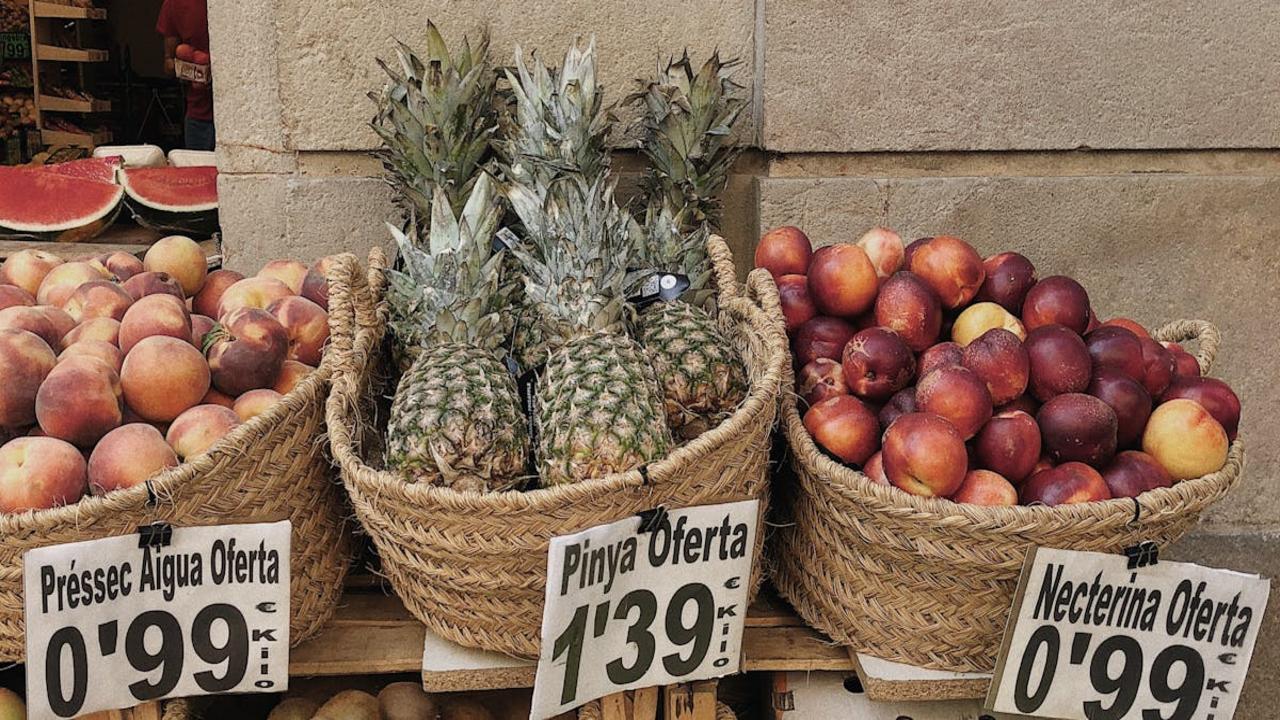
Let’s be honest – your wallet feels the difference when you’re standing in the grocery store aisle comparing prices. A bag of chips costs about the same as a single apple, and a fast-food burger meal can feed you for less than what you’d spend on ingredients for a homemade salad. This price gap makes junk food incredibly tempting, especially when you’re stretching your budget or feeding a family. The economics are straightforward: processed foods benefit from mass production, longer shelf lives, and government subsidies on ingredients like corn and soy, which keeps costs low for consumers.
I understand why busy parents grab those $1 menu items after a long day – sometimes convenience and affordability trump everything else. Food manufacturers know this reality and price their products accordingly, making healthy choices feel like luxury items. While I always encourage cooking from scratch when possible, I also recognize that food accessibility is a real issue. The key is finding balance and making the most of your food budget by mixing affordable whole foods like beans, rice, and seasonal vegetables with occasional convenience items when needed.
Easy Accessibility

We live in a world where junk food practically jumps into our hands! Walk into any gas station, grocery store, or even your workplace break room, and you’ll spot chips, cookies, and candy bars strategically placed at eye level. Food companies spend millions studying how to make their products impossible to ignore. They know exactly where to position that bright package of cookies so you’ll grab it without thinking twice. This convenience factor makes junk food the default choice when hunger strikes and you need something quick.
The real kicker? Junk food doesn’t require any preparation time or planning ahead. Unlike wholesome meals that need chopping, cooking, and cleanup, processed snacks come ready to eat straight from the package. When you’re rushing between meetings or dealing with a hectic family schedule, that convenience becomes incredibly tempting. I’ve watched friends reach for packaged snacks simply because washing an apple felt like too much effort in that moment. The food industry has mastered making their products more accessible than fresh, nutritious options – and our busy lifestyles play right into their hands.
Childhood Memories

Think back to those Saturday mornings when you’d sneak into the kitchen and grab a handful of cookies from the jar, or remember how your face lit up when your mom surprised you with your favorite candy bar after a tough day at school. These moments created powerful emotional connections between specific foods and feelings of comfort, love, and happiness. Your brain literally wired itself to associate these treats with positive experiences, which is why that same brand of chips or ice cream can instantly transport you back to simpler times.
Food companies understand this psychology perfectly and often use nostalgic marketing to tap into these deep-rooted memories. They know that when you see familiar packaging or taste that exact flavor profile from your youth, you’re not just buying a snack – you’re purchasing a ticket back to childhood. This emotional pull explains why you might find yourself reaching for the same cereals, cookies, or sodas your family enjoyed years ago, even when you know healthier options exist. The comfort factor becomes almost irresistible because these foods represent security, family traditions, and carefree moments that feel increasingly precious as adult life gets more complicated.
Salt Cravings

Your body naturally craves salt because sodium plays a critical role in maintaining fluid balance, nerve function, and muscle contractions. When you reach for that bag of chips or salty snack, you’re responding to a biological need that food manufacturers have learned to exploit brilliantly. They know exactly how much salt to add to make you want more – it’s that perfect sweet spot that keeps your hand diving back into the bag. The crazy thing is, processed foods often contain way more sodium than your body actually needs, creating an addictive cycle that’s hard to break.
I’ve noticed that once you start eating salty junk food, regular meals can taste bland and boring in comparison. That’s because your sodium receptors become accustomed to those intense levels, making naturally flavored foods seem less satisfying. The good news? You can retrain your palate by gradually reducing processed foods and experimenting with herbs, spices, and citrus to add flavor without the sodium overload. Try roasting vegetables with rosemary or adding lemon zest to your dishes – you’ll discover that real flavor doesn’t always need to come from a salt shaker.
Sugar High
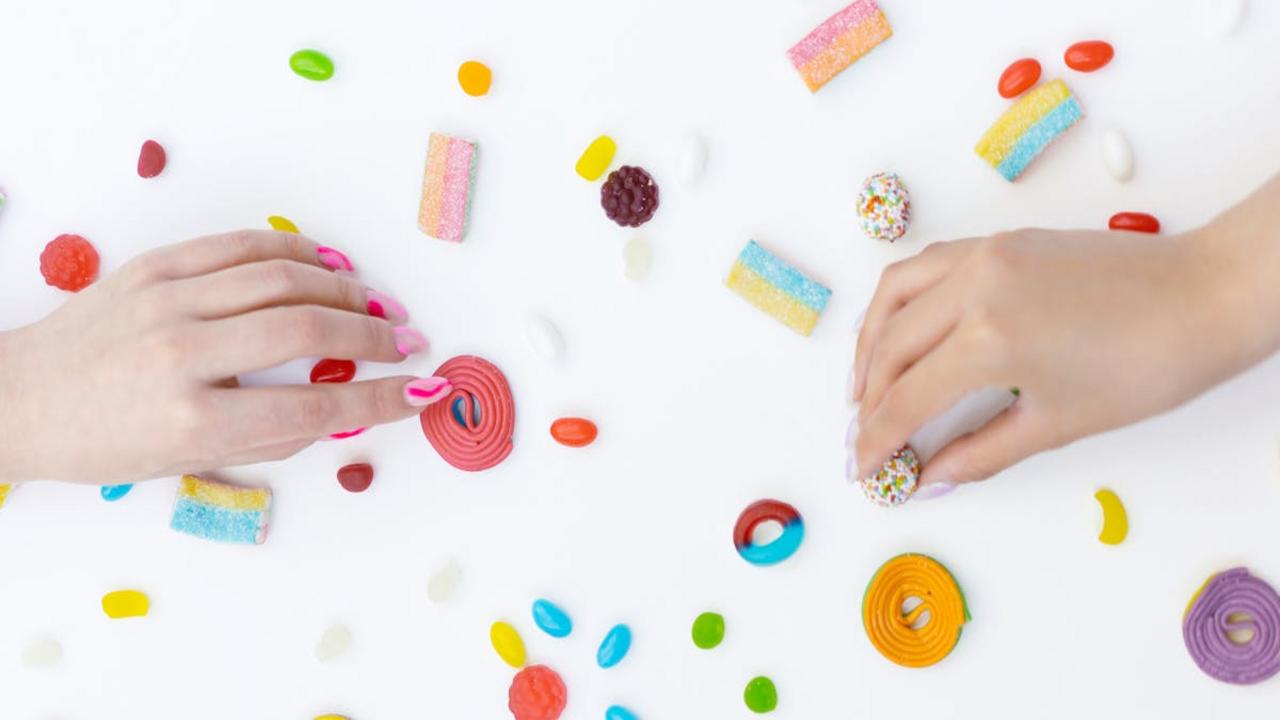
That instant rush you get from biting into a chocolate bar or sipping a sugary soda? That’s your brain lighting up like a Christmas tree! When sugar hits your system, it triggers a massive release of dopamine in your brain’s reward center, creating that blissful feeling we all crave. Your body processes simple sugars quickly, sending glucose straight into your bloodstream and giving you that immediate energy boost. It’s like pressing the turbo button on your mood, which explains why you reach for that candy bar when you’re feeling low or stressed.
The tricky part is that this sugar high comes with a crash that leaves you wanting more. Your blood sugar spikes rapidly, then plummets just as fast, leaving you tired, cranky, and craving another sweet fix. Food companies know this cycle well and pack their products with refined sugars to keep you coming back. The good news? You can satisfy your sweet tooth with natural alternatives like fresh fruit, dates, or a small piece of dark chocolate. These options give you sweetness without the dramatic rollercoaster ride, helping you maintain steady energy throughout your day.
Dopamine Rush

Your brain lights up like a Christmas tree when you bite into that crispy, salty chip or sink your teeth into a gooey chocolate chip cookie. That incredible feeling isn’t just your imagination – it’s pure dopamine flooding your system, the same neurotransmitter that makes you feel amazing after a great workout or when you receive an unexpected compliment. Junk food manufacturers know this secret and design their products to hit the perfect combination of sugar, salt, and fat that triggers maximum dopamine release. Your brain remembers this blissful experience and creates powerful cravings that pull you back for more.
Think about how you feel after eating your favorite comfort food – there’s an immediate sense of satisfaction and pleasure that goes beyond just filling your stomach. This dopamine response actually rewires your brain’s reward pathways, making you associate these highly processed foods with happiness and relief. The more frequently you experience these dopamine spikes from junk food, the more your brain craves them during stressful moments or when you need a quick mood boost. Understanding this biological response helps explain why willpower alone often isn’t enough to resist these foods, and why creating healthier alternatives that still provide satisfaction becomes so important for long-term wellness.