My Friends Called Me a Cheapskate for Years So I Ordered a $150 Steak Dinner and Split It Four Ways
Most people understand that fairness is the foundation of an enjoyable group dinner. Dividing the total equally among everyone at the table can seem like the easiest approach, but it only makes sense when everyone’s orders are roughly comparable. It’s basic courtesy not to pressure a friend who had a modest salad into covering part of your lavish multi-course feast with premium cocktails.
Yet one young woman recently went online to describe how her supposed friends apparently never learned this elementary rule of etiquette—leaving her no choice but to deliver the lesson personally.
The Incident
A 24-year-old woman shared that she regularly goes out to eat with a group of three friends. Although she genuinely enjoys spending time with them, there has been one persistent source of tension: how they handle the check. Her friends, she noted, are “super pro splitting the bill evenly four ways instead of simply paying for what they order.” This arrangement created a real issue because their spending habits at restaurants couldn’t be more different.
She typically sticks to a salad and water because of a sensitive stomach, while her friends routinely splurge on pricey cocktails, shared appetizers she never touches, and premium entrées such as steak or seafood. The result was that even though her own food might only cost around $20, she was repeatedly stuck paying a quarter of a tab that frequently exceeded $150. She was always shelling out far more than the value of what she actually ate.
Just picture how maddening that must be. Whenever she attempted to be fair and suggested simply covering her own order, her friends would dismiss her with startling nastiness. They would “call me a cheapskate and say they won’t eat out with me if I keep being cheap.”
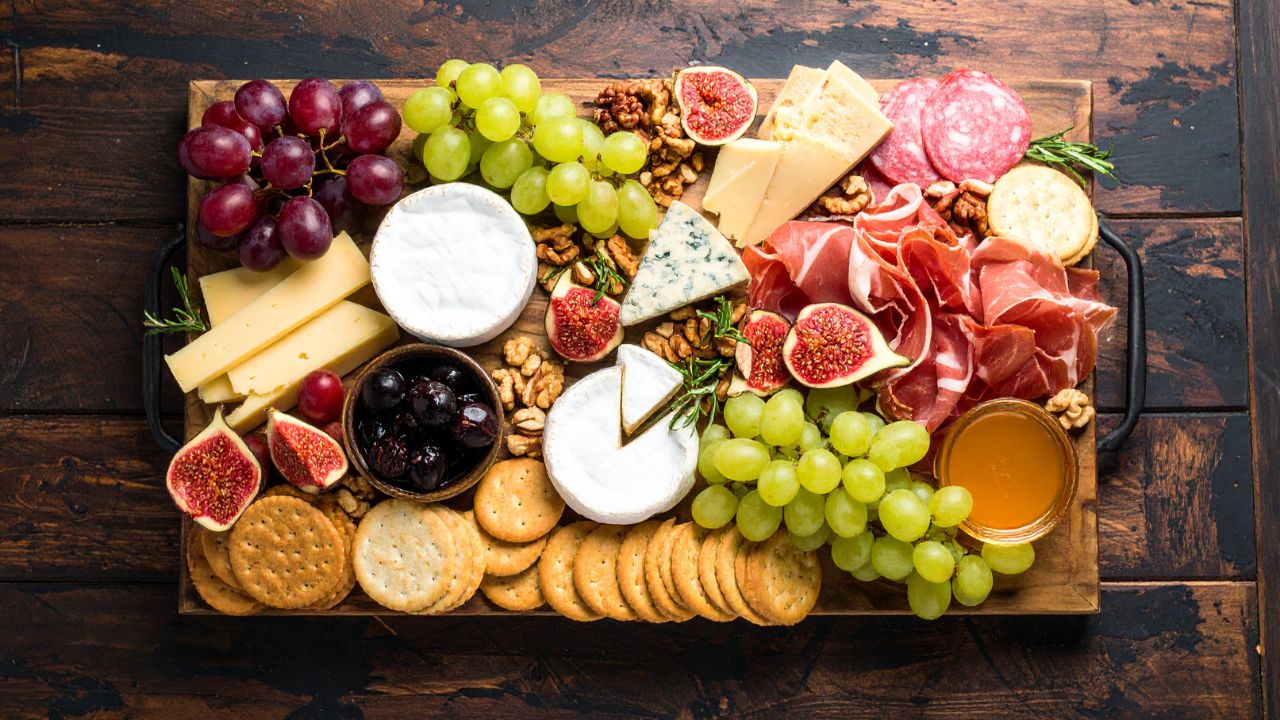
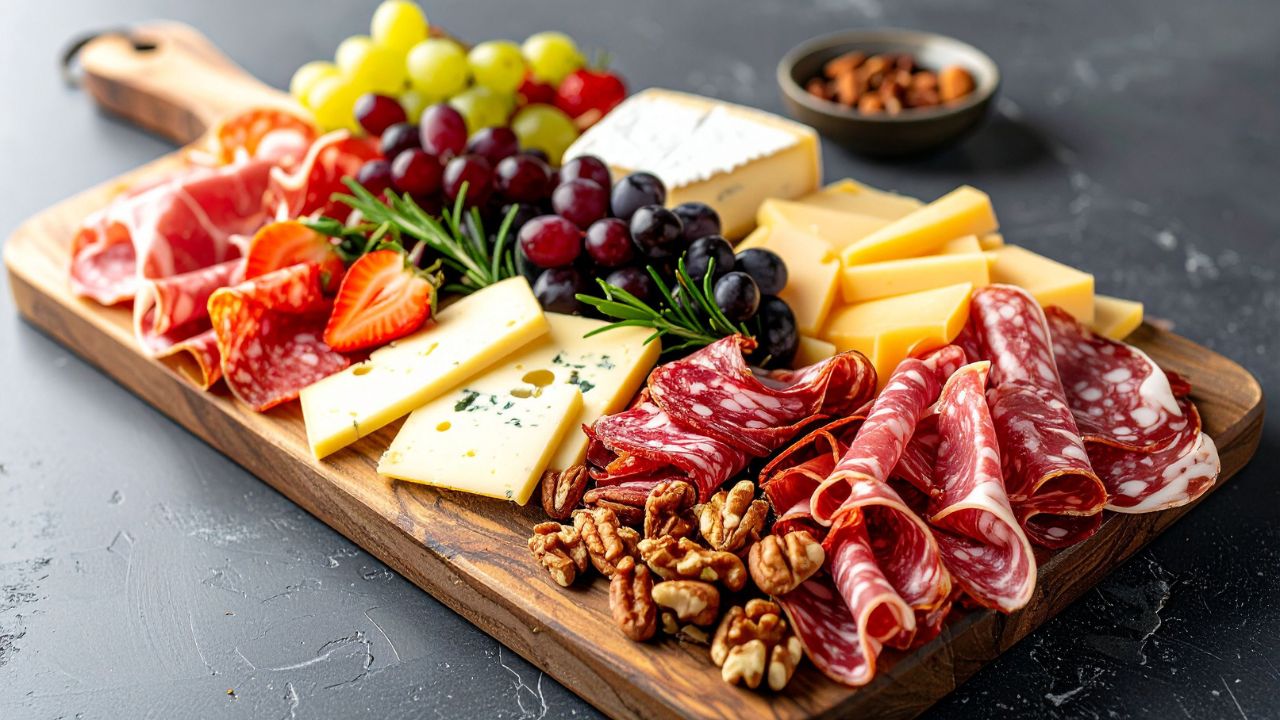
Having been exploited one too many times, she finally decided enough was enough. The previous week, she turned the tables on them spectacularly. She ordered three glasses of the priciest wine available, a charcuterie board, the most expensive steak the restaurant offered, and a dessert.
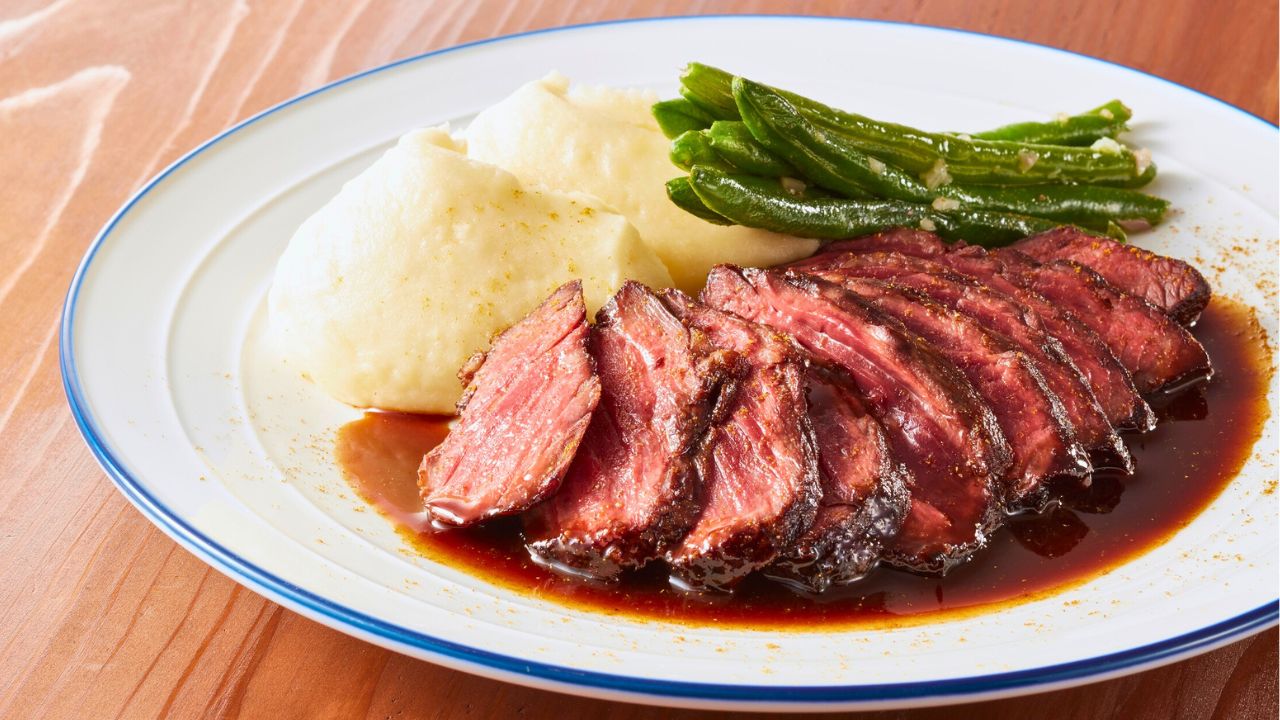
Her order alone totaled $150. Predictably, they divided the bill evenly four ways, but the atmosphere had completely shifted. The following morning, she woke up to a furious text accusing her of being spiteful and deliberately inflating the bill just to get back at them.
The Internet Reacts
After she posted her story online, the internet weighed in swiftly, and the consensus was overwhelming. Commenters were outraged by her friends’ conduct, and their responses fell into a few clear categories.
The first group was the “Absolutely Not” Crowd, who were livid on the woman’s behalf. These commenters didn’t see her companions as real friends at all—they saw them as freeloaders who had been enjoying subsidized meals at her cost for years. One user got straight to the point, asking, “But why are you friends with these people? They sound awful.”
Someone else highlighted the glaring double standard, writing, “I find it hilarious they’re calling OP cheap when they are getting their dinner subsidized by OP.” The overwhelming feeling was unmistakable: these individuals weren’t genuine friends—they were “users.”
Then there was a smaller but outspoken faction that might be described as the “You Should Have Spoken Up Sooner” Crowd. While they certainly didn’t excuse the friends’ terrible behavior, they felt the woman bore some responsibility for allowing it to continue so long. One commenter offered measured criticism, saying, “You are unable to draw clear boundaries, letting them walk all over you… Don’t be a doormat OP.” This group maintained that a direct, honest conversation should have taken place well before the revenge dinner, which they viewed as a less mature approach to resolving the dispute.
Last but not least was the “Petty Revenge” Crowd, which enthusiastically endorsed her approach and even shared their own creative suggestions. Many argued her over-the-top dinner order wasn’t petty whatsoever—it was simply overdue justice. As one commenter expressed it, “If anything, all you did was balance the ledger against years of putting in way more than your fair share.”
Several others chimed in with pragmatic tips for future outings, recommending she ask the server for a separate check right when the meal begins. “Who cares if they call you cheap?” one person wrote, summing up the prevailing sentiment that she needed to advocate for herself regardless of her friends’ reactions.
The Etiquette Verdict
Let’s make one thing absolutely clear: this young woman’s friends are completely in the wrong. The fundamental principle of splitting a check is equity. An even split works for casual meals where everyone spends roughly the same amount—not for upscale dinners where one person drinks water while another orders half the menu. Routinely compelling a friend to bankroll your extravagant tastes isn’t merely poor etiquette; it’s selfish and deeply disrespectful.
Labeling someone a “cheapskate” simply because they want to pay for what they actually ordered is a textbook manipulation strategy. Genuine friends honor one another’s financial boundaries and personal preferences. These people were taking advantage of her, and their outrage had nothing to do with her being petty—it stemmed entirely from losing their long-running dinner subsidy.
What Do You Think?
Her approach was undeniably theatrical, but it appears to have finally driven the point home. So what’s your take? Was her extravagant dinner order a masterful lesson in fairness, or did she stoop to their level?