I Refused to Serve Soda or Coffee to My 150 Wedding Guests. I Was Blasted for Serving Only Filtered Water.
We all know that when you are a guest in someone’s home, you graciously accept what is served. It’s a cornerstone of good manners. However, the rules shift slightly when you are the one doing the hosting, especially for a major event like a wedding. The comfort and enjoyment of your guests should be a top priority.
One bride-to-be recently took to the internet to ask for opinions on her wedding plans, and her story proves that not everyone sees it that way, sparking a major debate about the duties of a host.
The Incident
A young woman and her fiancé are planning their wedding for about 150 guests. They are paying for most of it themselves, with some help from her grandmother. As neither of them drinks alcohol, they decided to have a dry wedding, which is a perfectly reasonable choice. But they didn’t stop there.
Because the couple almost exclusively drinks water themselves, they decided that would be the only beverage available at their reception. That’s right—no soda, no juice, no iced tea, and not even coffee with the cake. Their reasoning was purely financial. “We don’t want to have to pay for alcohol or soda,” she explained. “It is just an large added expense when we can just do filtered water for a MUCH cheaper cost.”

When their family and friends found out, they were, to put it mildly, not pleased. The bride was shocked by the backlash. She was told the wedding would be boring, that the children would be upset, and that this is simply “not how weddings work.” Confused, she asked the internet if she was in the wrong. “I didn’t think this would be a problem!” she wrote. “It’s only water. I mean, don’t most people drink water everyday anyway?”
The Internet Reacts
The internet had plenty to say, and the verdict was nearly unanimous. People quickly sorted themselves into a few camps, all of them agreeing that the bride had made a serious etiquette misstep.
The first and largest camp was the “Absolutely Not” Crowd. These commenters were appalled on behalf of the guests. One person put it perfectly: “The marriage ceremony is for you and your fiancé. The wedding is for everyone you’ve invited, it’s an event you’re hosting, and not providing any drinks other than water makes you a bad host/hostess.”
Another pointed out that this one detail would overshadow everything else, saying the event would forever be known as “the one that I was only allowed to drink tap water.”
Then there was the “Devil’s Advocate” group, though they weren’t truly defending her. This camp made it clear that a dry wedding was perfectly acceptable, but a beverage-less one was not. They offered creative and festive alternatives. “I’ve been to dry weddings,” one person shared.
“There was a couple that put real thought and effort into designing mocktails themed around their relationship. It was delightful.” Others suggested sparkling cider, a punch bowl, or at the very least, coffee and tea for the cake. As one commenter lamented, “IMO cake without coffee is just wrong.”
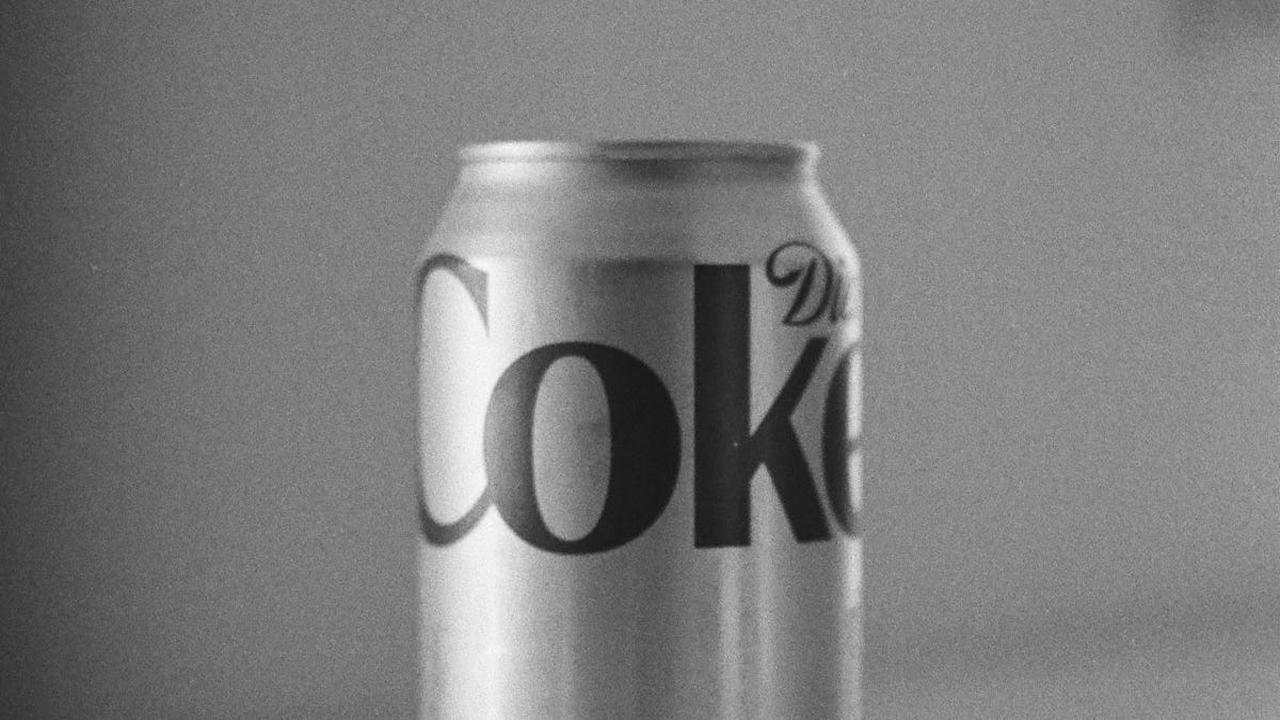
Finally, the “Petty Revenge” Crowd chimed in with what they would do as guests. Their suggestions were both hilarious and a warning. “I’m leaving the reception and grabbing a 12 pack of Diet Pepsi and plopping it down on my table,” one person declared.
Another predicted a less-than-classy outcome: “You literally will have photos of people with gas station big gulps and flasks.” The most memorable comment imagined the legacy of the event: “I hope that in 20 years everyone still saying ‘you remember that wedding we had to smuggle in a 2 liter of pepsi.'”
The Etiquette Verdict
A wedding reception is, at its heart, a party thrown in honor of a marriage. And when you throw a party, you are a host. The golden rule of hosting is to think about your guests and make them feel welcome and cared for. Imposing your own very specific dietary habits on 150 people is not gracious.
While no one expects a lavish, open bar, providing basic options like soda, iced tea, and coffee is a minimum standard of hospitality. To do any less sends a message that your guests’ comfort is less important than saving a few dollars, and that is simply poor form.
Your Thoughts
This decision seems to have turned a celebration into a controversy. What do you think? Was this bride being sensibly frugal, or was she being a thoughtless host?
Ready for the next level of insight? Discover more in my latest article here.