12 American Classics with Surprising Global Roots
You’ve probably wolfed down a hot dog at a baseball game or nibbled fortune cookies after Chinese takeout without questioning their all-American status. But here’s the kicker – many dishes we consider as American as… well, apple pie… actually started their journeys thousands of miles away!
The foods filling our picnic tables and holiday spreads often carry secret passports. That apple pie? English. Buffalo wings? Pure Americana, but younger than you’d think. Even mac and cheese traveled across the Atlantic before becoming a staple in our blue boxes and comfort food repertoires.
What makes these dishes “American” isn’t where they began but how we’ve adopted and transformed them. They tell the story of immigration, innovation, and our national talent for culinary remixing. These twelve classics showcase how American food identity comes from everywhere and belongs to everyone – a delicious melting pot that keeps bubbling.
Key Lime Pie
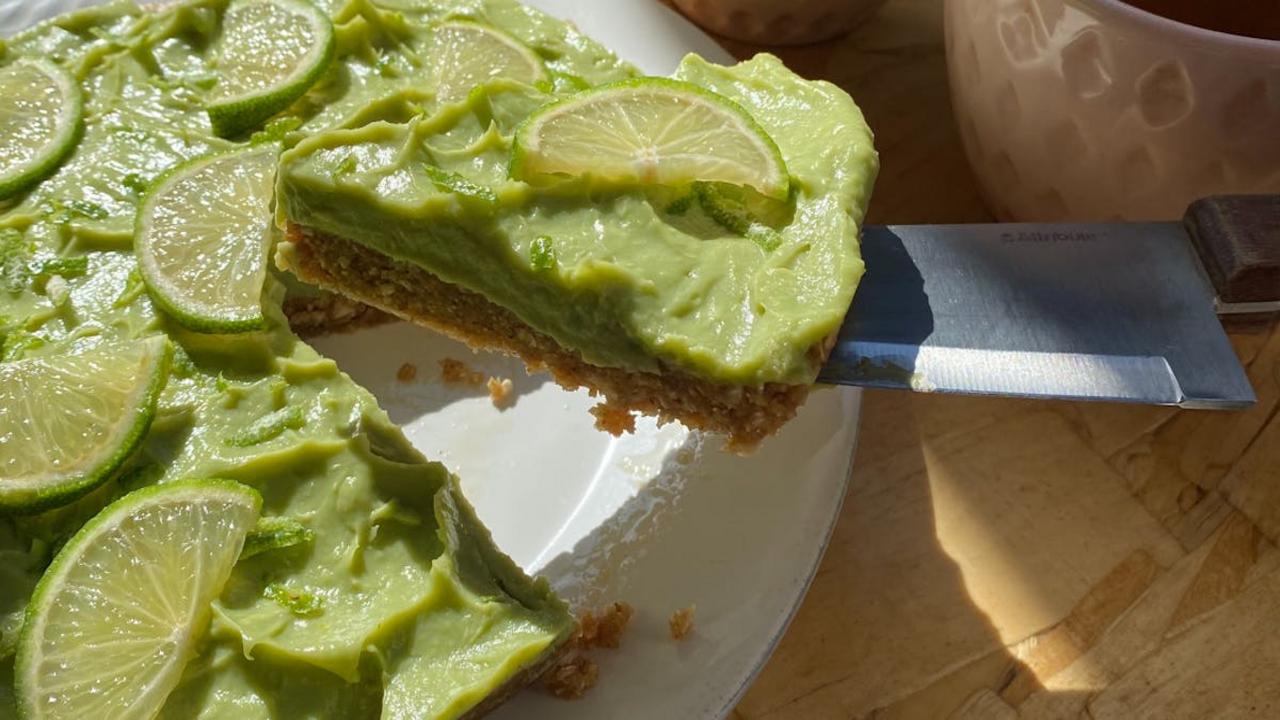
You know that tart, creamy slice of Florida sunshine we call Key Lime Pie? Well, plot twist – those tiny, intensely sour key limes originally called the Caribbean and Central America home, not the Sunshine State! Spanish explorers brought these green gems to the Florida Keys in the 1500s, where they found the perfect tropical climate to thrive. The pie itself likely emerged in the late 1800s when Bahamian immigrants (who called them “spongers”) settled in Key West and combined their traditional condensed milk recipes with the abundant local limes. Fun fact: authentic key limes are actually yellow when fully ripe, but we pick them green because they pack more punch that way!
Here’s where things get wonderfully weird – traditional Key Lime Pie doesn’t even require baking! The acid in those potent little limes actually “cooks” the eggs and thickens the filling through a process that would make your high school chemistry teacher proud. The classic recipe calls for just four ingredients: key lime juice, condensed milk, egg yolks, and a graham cracker crust. And please, for the love of all things citrusy, resist the urge to add green food coloring – real Key Lime Pie should be pale yellow, not neon green like some tourist trap abomination. If you can’t find actual key limes (they’re notoriously finicky to grow outside Florida), Persian limes work in a pinch, though purists might give you the stink eye!
Buffalo Wings
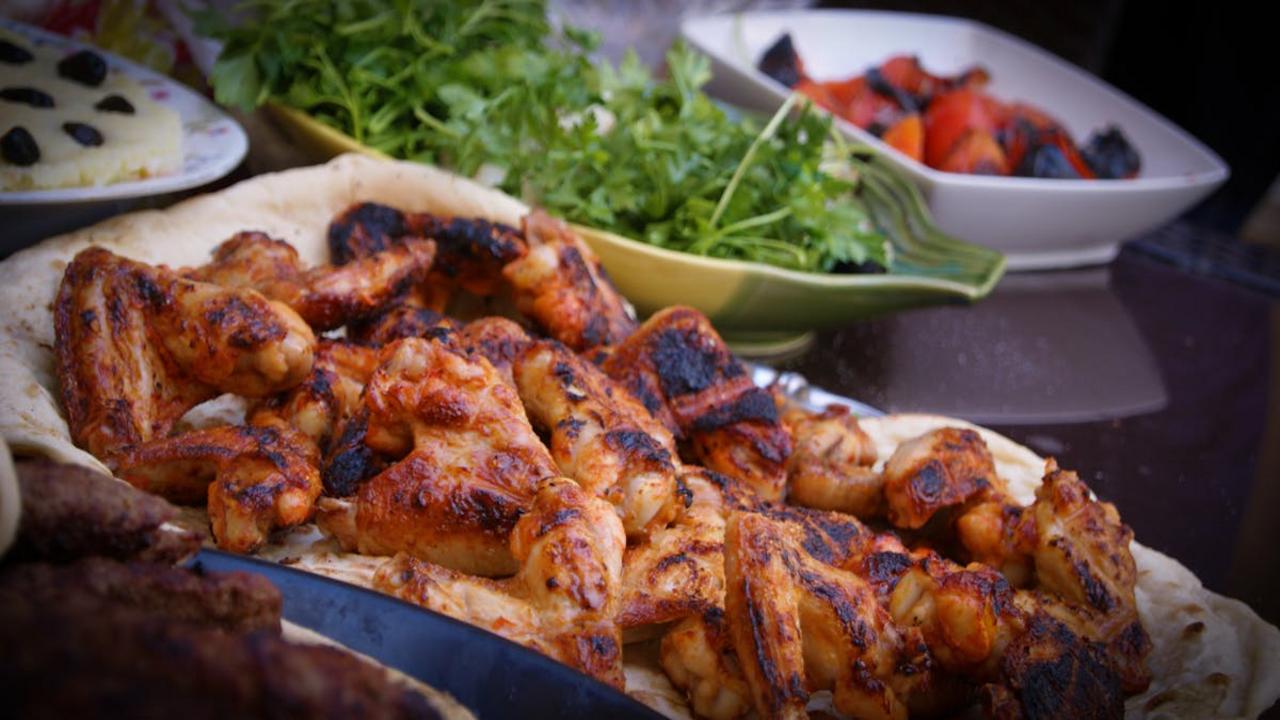
You think Buffalo wings sprouted straight from upstate New York, right? Well, grab your napkins because this sticky-fingered tale has more international DNA than a United Nations potluck! While Teressa Bellissimo did indeed create the first Buffalo wing at the Anchor Bar in 1964 (bless her saucy soul), the magic happened because of global influences swirling around her kitchen. That tangy, buttery hot sauce coating? It’s basically a French butter sauce technique married to African-influenced hot pepper traditions that traveled through the Caribbean and landed in Louisiana. The celery sticks and blue cheese dip weren’t random afterthoughts either – they mirror European appetizer presentations where raw vegetables accompany rich, creamy sauces.
Here’s what makes me cackle: Teressa originally whipped up this masterpiece as a late-night snack for her son and his friends using whatever she had lying around. She took chicken wings (considered scraps back then), deep-fried them like the French do with their pommes frites, tossed them in that internationally-inspired sauce, and served them with cooling accompaniments borrowed from Continental dining customs. Now this “American” bar food generates over $3 billion annually and has conquered menus from Tokyo to London! Next time you’re licking that orange sauce off your fingers, remember you’re basically eating a delicious symbol of cultural fusion that happened to be born in Buffalo. The wings may fly under an American flag, but their flavor passport is stamped with influences from three continents!
Ranch Dressing
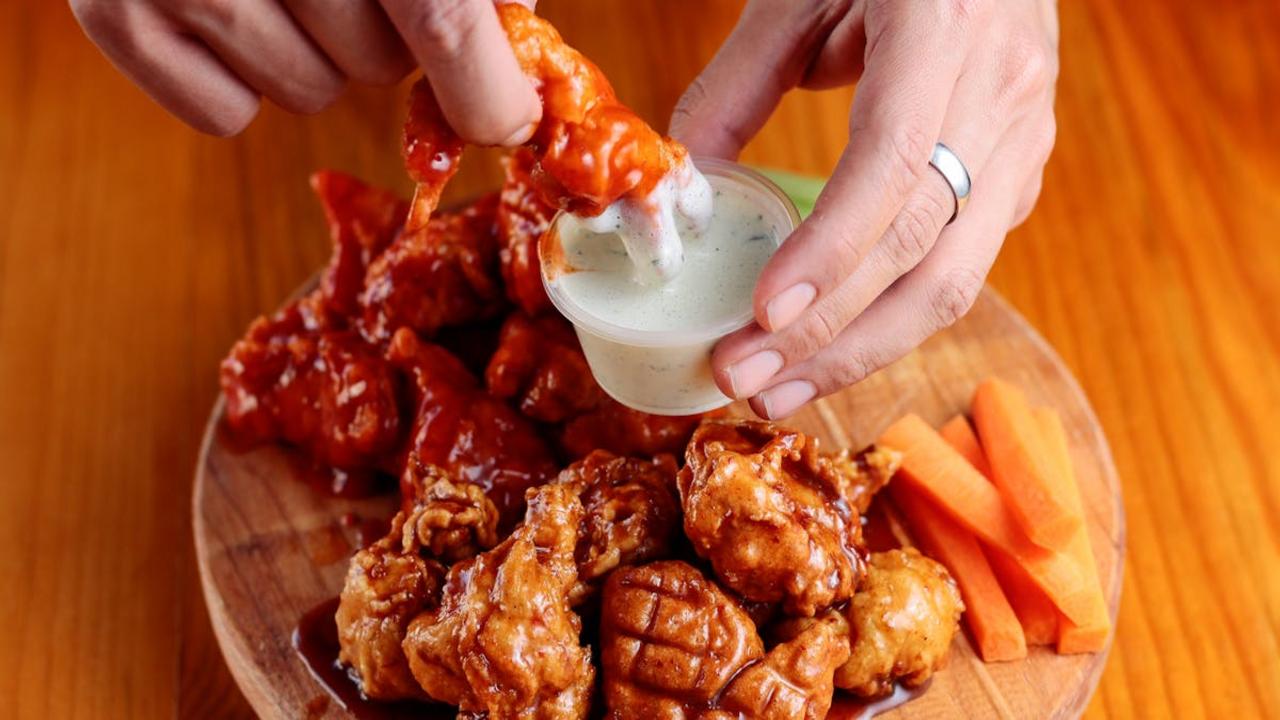
You’d think America’s most beloved salad dressing was born in some cowboy’s saddlebag, right? Wrong! Ranch dressing actually traces its creamy, herb-packed DNA back to Russian and Scandinavian mayonnaise-based sauces. Steve Henson, a plumbing contractor from Nebraska (because of course it was a plumber), created this iconic condiment in the 1950s while working in Alaska. He mixed dried herbs, spices, mayonnaise, and buttermilk to jazz up the bland food at his remote job site. His coworkers went absolutely wild for it, and when Steve moved to California and opened Hidden Valley Ranch, guests literally begged him to bottle the stuff.
The “ranch” name comes from Steve’s actual ranch property, but those flavor profiles? Pure European influence with a distinctly American twist. Traditional Russian and Scandinavian herb sauces provided the blueprint – creamy bases loaded with dill, garlic, and tangy dairy products. Steve just happened to perfect the ratio and add his own magic touch. Today, Americans consume over 100 million bottles of ranch annually, slathering it on everything from pizza to vegetables (and yes, some brave souls even dip cookies in it). That’s roughly one bottle for every three people in the country – talk about a condiment that conquered a continent!
Macaroni and Cheese
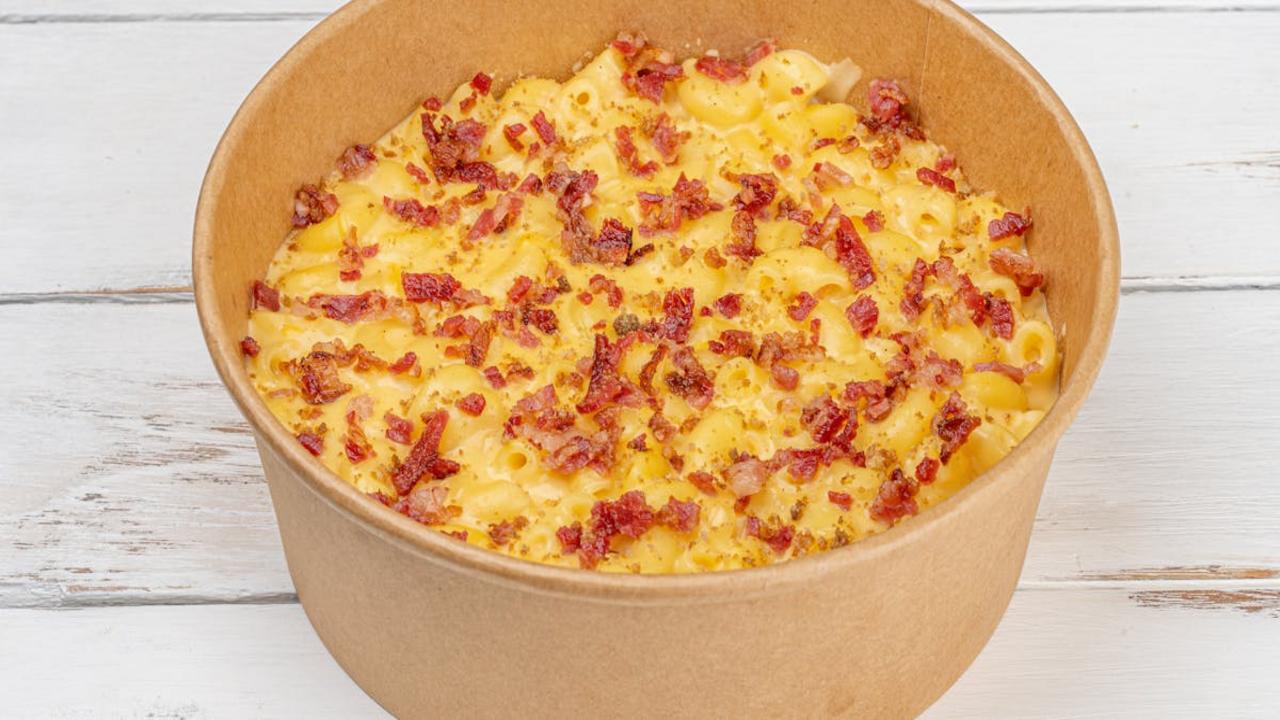
Hold onto your cheese grater, because America’s most beloved comfort food actually started its cheesy life in medieval Europe! Thomas Jefferson gets most of the credit for bringing this golden goodness to American tables after he encountered a pasta and cheese dish during his diplomatic stint in France. The man was so obsessed with this creamy creation that he imported both a pasta machine and a serious stash of Parmesan cheese back to Monticello. His enslaved chef, James Hemings, who had trained in French cooking techniques, likely perfected the recipe that would eventually become the mac and cheese we know and devour today. Jefferson served this exotic European dish at state dinners, basically making pasta cool before anyone knew what cool was.
But here’s where things get really wild – the dish probably traces back even further to ancient Rome, where they mixed cheese with pasta-like creations centuries before anyone thought to box it up with orange powder. Medieval cookbooks from England and Italy contain recipes for pasta layered with cheese and butter, proving that humans have been perfecting this combination for literally hundreds of years. The American twist came when we started using cheddar cheese instead of Parmesan, and later when Kraft introduced that iconic blue box in 1937. Now you can’t walk through a college dorm or family gathering without encountering this creamy, stretchy masterpiece that somehow makes everyone instantly happier. Who knew that such a simple combination of pasta and cheese could travel through time and across continents to become America’s ultimate comfort food?
Meatloaf
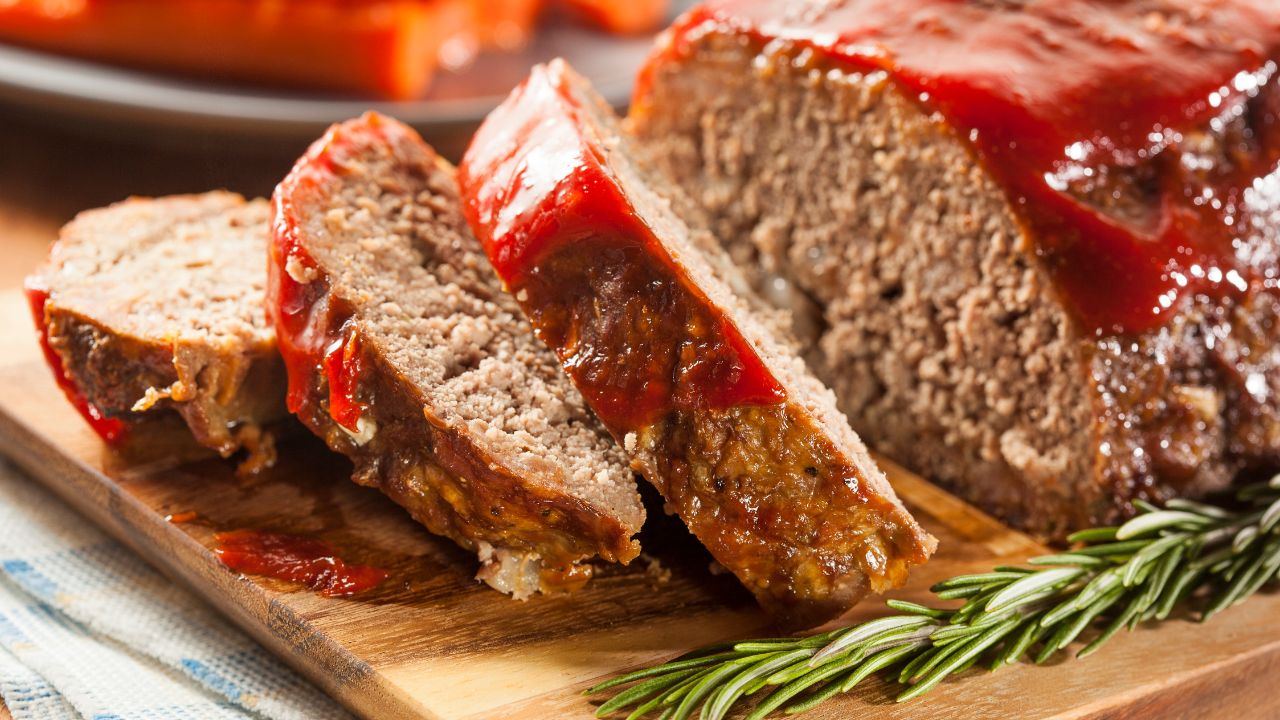
Ah, meatloaf – that humble brick of comfort food that graced every American dinner table from the 1950s onward, usually accompanied by a side of mashed potatoes and your mom’s disappointed sigh about your report card. But here’s the kicker: this quintessentially American dish actually traces its roots back to ancient Rome, where clever cooks mixed ground meat with bread and eggs to stretch their protein budget. The Romans called it “isicia omentata,” which sounds way fancier than “Tuesday night dinner,” but the concept was identical – take whatever meat you’ve got, bind it together, and hope for the best.
The modern American meatloaf really took off during the Great Depression when families needed to make every scrap of meat count, but its European ancestors had been doing the heavy lifting for centuries. German “hackbraten” and Scandinavian “frikadeller” were basically meatloaf’s older, more sophisticated cousins who studied abroad. Today, you can jazz up your meatloaf with everything from barbecue sauce glaze to stuffed cheese centers, but at its heart, it remains what it always was – a brilliant way to turn ground meat into something that looks like you actually tried. Pro tip: add a packet of onion soup mix and watch your family suddenly develop amnesia about all those years they complained about meatloaf night.
German Chocolate Cake
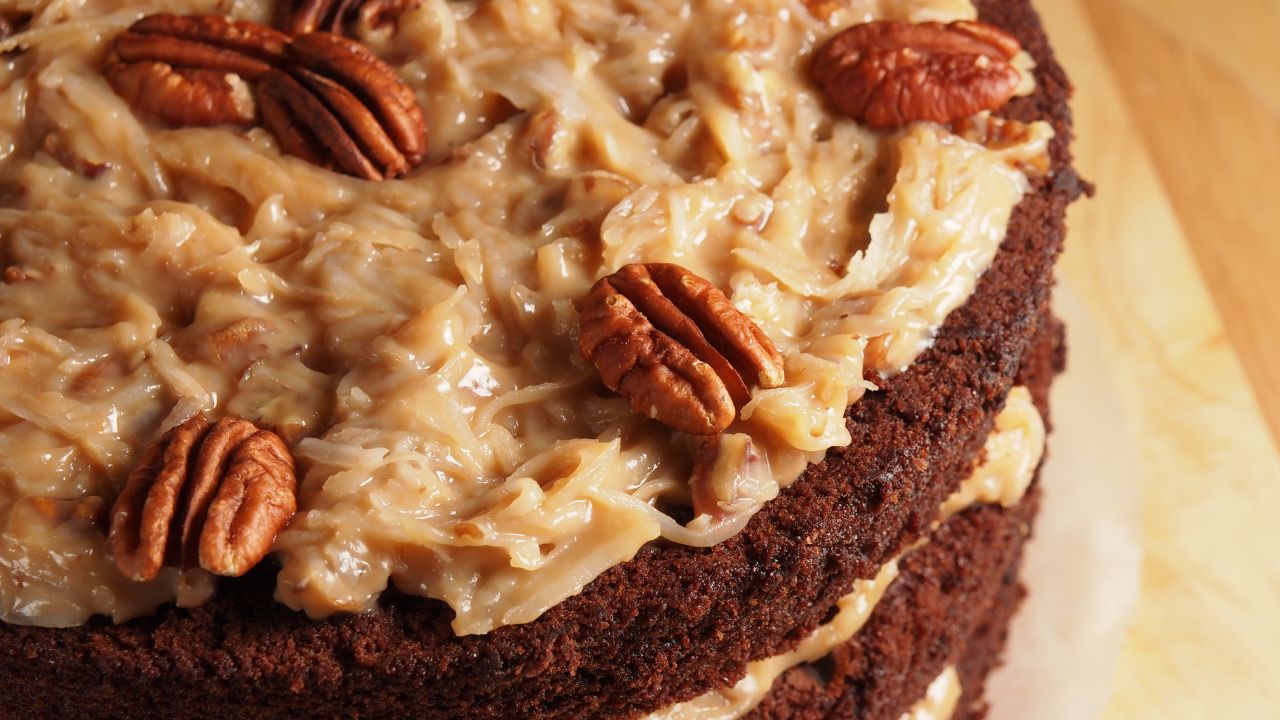
Plot twist alert! German Chocolate Cake has absolutely nothing to do with Germany, and honestly, I’m still recovering from this betrayal. This beloved American dessert gets its name from Samuel German, a chocolatier who developed a sweet baking chocolate for Baker’s Chocolate Company back in 1852. The man was American through and through, but his last name has been confusing cake lovers for over a century. The cake itself didn’t even show up until 1957, when a Texas homemaker named Mrs. George Clay sent her recipe to a Dallas newspaper. Baker’s Chocolate Company spotted the recipe, loved it, and started promoting it nationwide – because nothing says “marketing genius” like a cake that sells your chocolate.
What makes this cake so irresistible isn’t just the chocolate – it’s that incredible coconut-pecan frosting that practically begs you to lick the bowl. The original recipe called for Baker’s German’s Sweet Chocolate (note the possessive apostrophe that somehow got lost over the years), and the result was a moist, layered masterpiece that became Texas’s official state dessert. You can spot an authentic German Chocolate Cake by its signature frosting: a gooey, caramel-colored mixture of coconut flakes, chopped pecans, and evaporated milk that gets cooked on the stovetop until it reaches that perfect spreadable consistency. Skip the traditional chocolate buttercream – this cake doesn’t need it when you’ve got that golden, nutty crown of glory.
Corned Beef and Cabbage
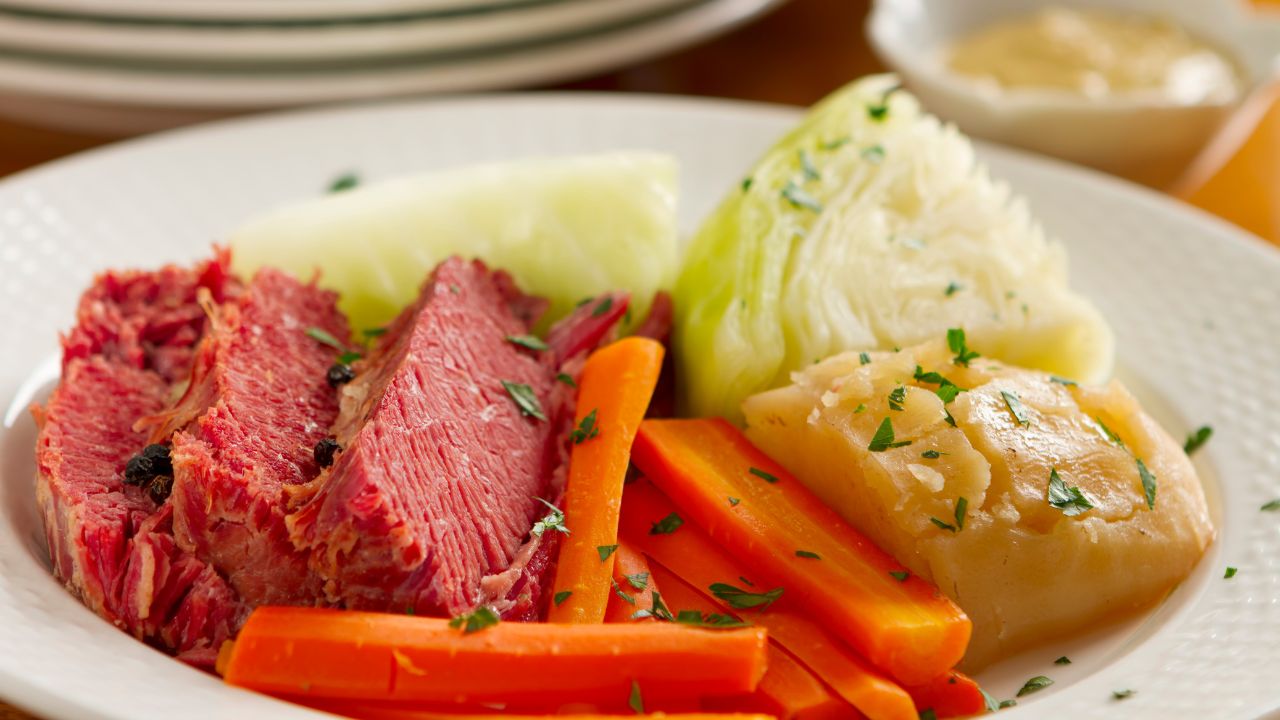
Here’s a plot twist that’ll knock your socks off: America’s most Irish dish isn’t actually Irish at all! Back in the Emerald Isle, folks were munching on bacon and cabbage, not the salty, pink-hued beef we’ve come to associate with St. Patrick’s Day festivities. When Irish immigrants landed on American shores in the 1800s, they discovered that corned beef was way cheaper than bacon – thanks to Jewish delis in New York City. Talk about a beautiful cultural mashup! These clever newcomers swapped out their traditional pork for the brined beef that Jewish butchers had perfected, creating what we now consider the ultimate Irish-American comfort food.
The “corned” part has absolutely nothing to do with actual corn, by the way – it refers to the chunky salt crystals (called “corns” back in the day) used to cure the meat. Those early Irish-Americans basically MacGyvered their way to a new tradition, and honestly, we should thank them for it. The result is a tender, salty-sweet symphony that pairs perfectly with buttery cabbage and boiled potatoes. Pro tip: if you’re making this at home, don’t skip the mustard – it’s like the secret handshake that makes the whole meal come together. Who knew cultural adaptation could taste this good?
General Chicken
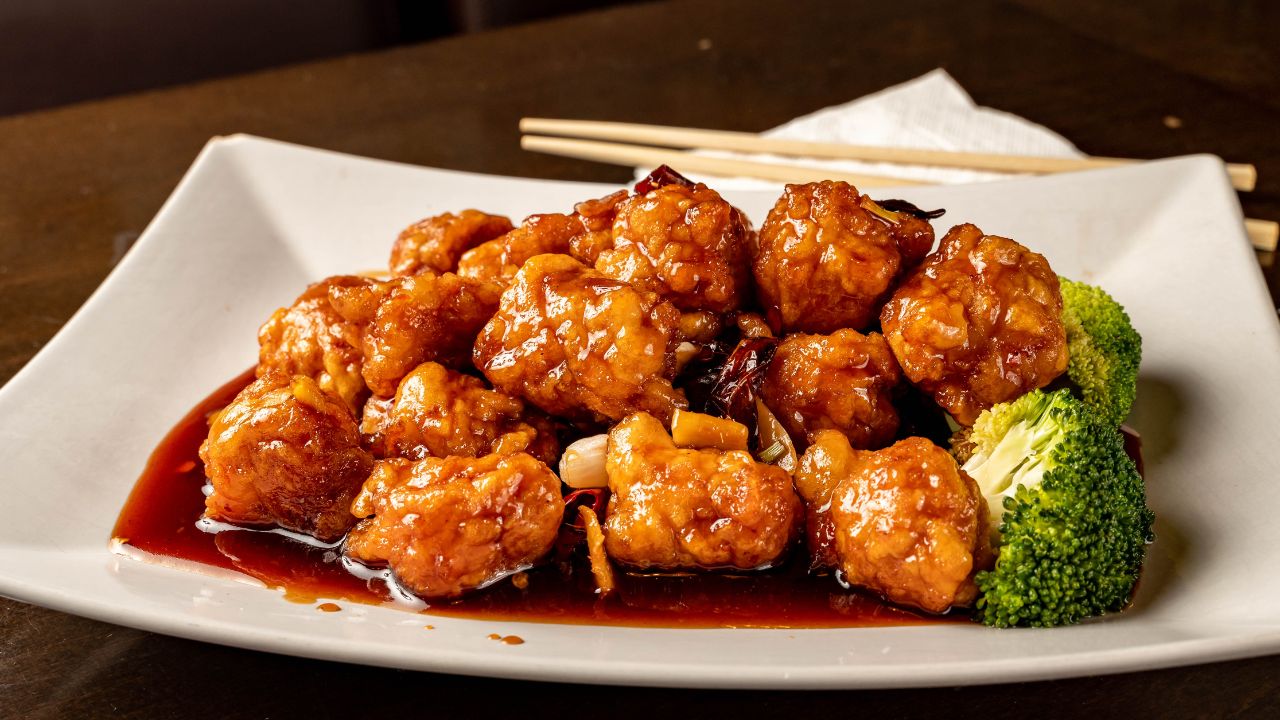
Walk into any American-Chinese restaurant, and you’ll spot General Tso’s chicken on the menu faster than you can say “sweet and sour sauce.” But here’s the plot twist that’ll knock your chopsticks right out of your hands: this crispy, saucy sensation has absolutely nothing to do with the actual General Tso, a 19th-century Chinese military leader who probably never saw a piece of battered chicken in his entire life. The dish was actually invented in the 1970s by Taiwanese chef Peng Chang-kuei in New York City, who wanted to create something that would make American palates sing with joy. He succeeded so spectacularly that most Americans now think this orange-glazed masterpiece represents authentic Chinese cuisine.
The real General Tso would probably be confused by his chicken legacy, considering he spent his time conquering territories, not perfecting the perfect balance of sweet, spicy, and tangy flavors. Chef Peng originally created a spicier version for diplomatic guests, but American diners kept asking for more sugar, so he adapted his recipe to include that glossy, candy-like coating we all secretly crave. Today, this “Chinese” dish outsells most actual Chinese dishes in America, proving that sometimes the best cultural fusion happens when you throw authenticity out the window and just focus on making people ridiculously happy. Every bite delivers that perfect crunch followed by sticky-sweet satisfaction that somehow manages to taste both foreign and familiar at the same time.
Spaghetti and Meatballs
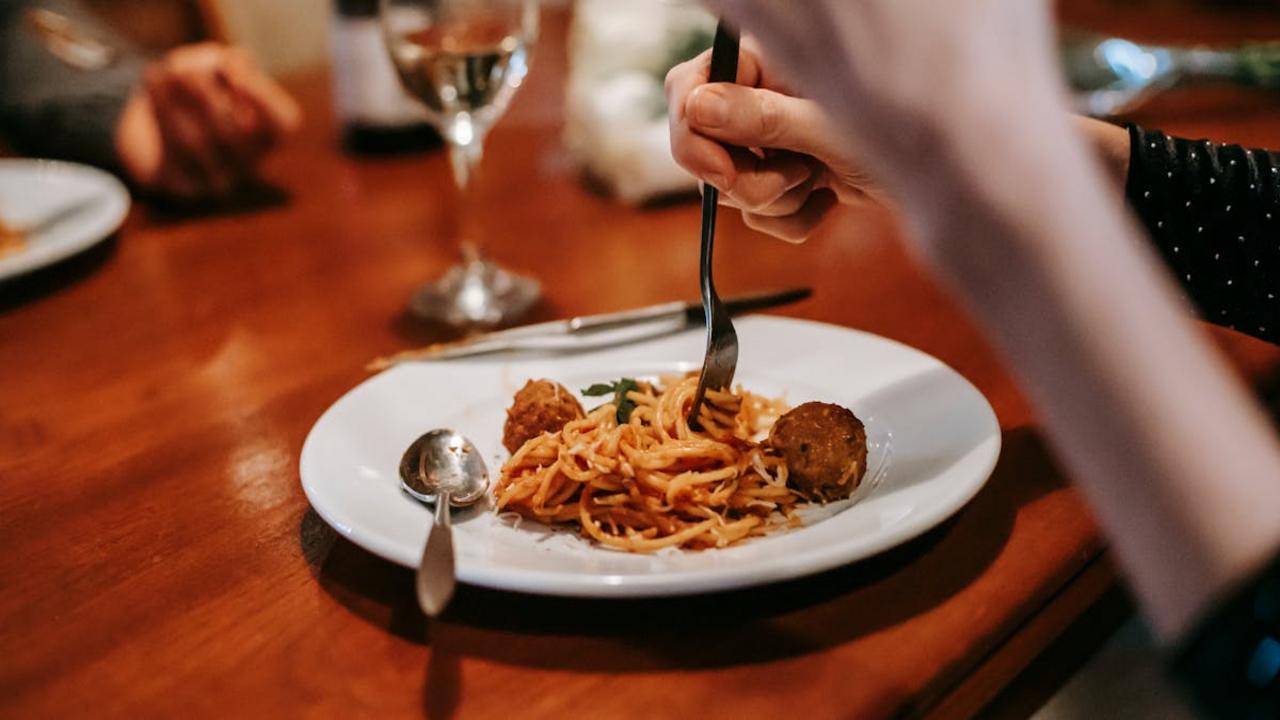
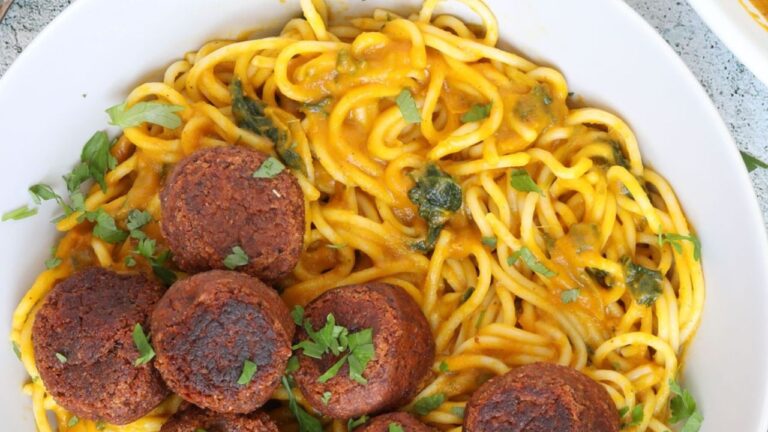
Here’s a plot twist that’ll make your nonna roll over in her pasta-filled grave: spaghetti and meatballs isn’t actually Italian! I know, I know—your entire worldview just crumbled faster than day-old breadcrumbs. This beloved “Italian-American” dish was born right here in the good ol’ USA, thanks to Italian immigrants who got creative with their new American abundance. Back in Italy, meatballs (polpette) were tiny, delicate things served separately from pasta, usually in soup or as a second course. But when Italian families arrived in America and discovered meat was cheaper and more plentiful than back home, they supersized everything and threw it all together on one plate.
The genius of this mashup lies in pure American practicality—why dirty multiple dishes when you can create one glorious, sauce-covered mountain of comfort? Italian immigrants took their traditional Sunday gravy (yes, they called tomato sauce “gravy” too), cranked up the meatball size to baseball proportions, and created what became the ultimate comfort food hybrid. Today, you’ll search high and low through Rome, Florence, or Naples and find nothing resembling the towering spaghetti-and-meatball plates we devour at every Italian-American restaurant. It’s about as authentically Italian as ranch dressing on pizza, but honestly? Sometimes the remix hits harder than the original track.
Apple Pie
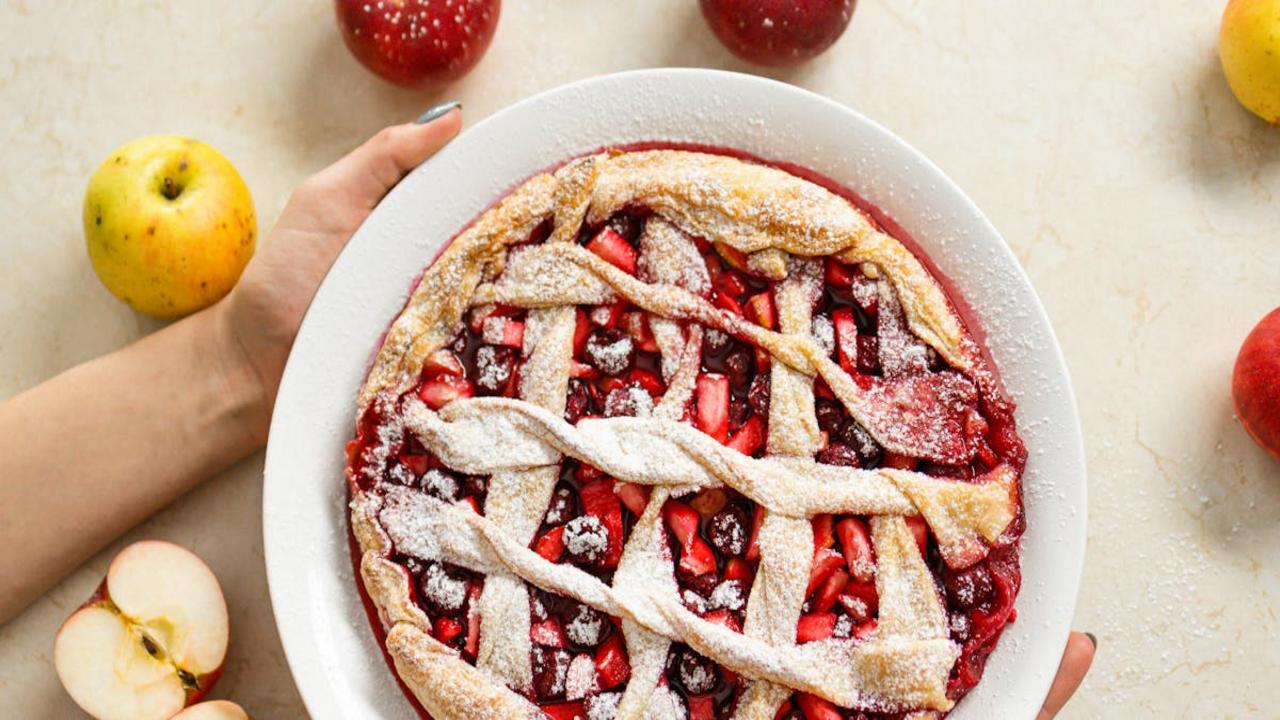
Nothing says “American as apple pie” quite like… well, apple pie! But here’s the kicker that’ll make you do a double-take at your next Fourth of July barbecue: this beloved symbol of American patriotism actually packed its bags and sailed over from medieval England. The earliest recorded apple pie recipes date back to 1381 in England, where they called it “pyes of parys” (pears of Paris, though they used apples—go figure). The English were already perfecting their pastry game while America was still just a twinkle in Columbus’s eye. Even more mind-boggling? The apples we associate with American apple pie aren’t native to North America either. European settlers brought apple seeds across the Atlantic, and Johnny Appleseed wasn’t just spreading fruit trees—he was spreading a foreign import!
What makes this even more delicious is how Americans completely claimed this dessert and made it their own signature dish. We took that English foundation and ran with it, adding our own flair with different spice combinations, lattice-work crusts, and enough butter to make Paula Deen weep with joy. The phrase “as American as apple pie” didn’t even show up until the 1920s, but by then, we’d already convinced ourselves we invented the whole concept. Today, you’ll find American-style apple pie served in diners from Maine to California, each cook swearing their grandmother’s recipe is the most authentic. The beautiful irony? This “quintessentially American” dessert connects us to centuries of bakers across the pond who were rolling out pie crusts long before the Mayflower ever left port.
Hot Dogs
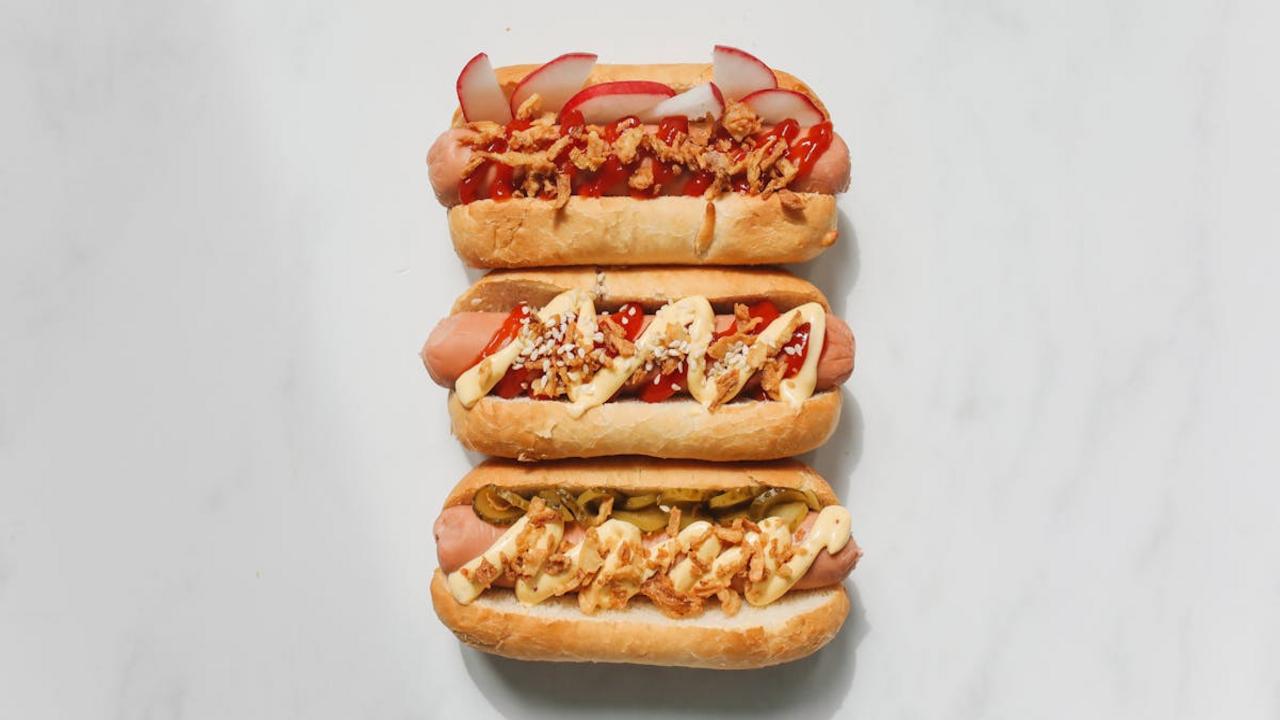
You grab one from a street cart in Manhattan, slather it with mustard at a baseball game, or grill it at your backyard barbecue—the hot dog feels as American as apple pie and Fourth of July fireworks. But this beloved tube of processed meat actually traces its lineage back to 15th-century Germany, where butchers in Frankfurt created the “frankfurter” and Vienna developed the “wiener.” German immigrants brought these sausages to America in the 1800s, where enterprising vendors started stuffing them into buns for easy eating. The genius of portable protein in a handheld package was born!
What makes this transformation even more fascinating is how America completely reimagined the humble sausage. We took Germany’s simple meat tube and turned it into a canvas for regional creativity—Chicago dogs with their seven specific toppings (never ketchup!), New York’s classic mustard and sauerkraut combo, or Detroit’s Coney dogs swimming in chili. The National Hot Dog and Sausage Council (yes, that’s a real organization) reports Americans consume about 20 billion hot dogs annually. That’s roughly 70 hot dogs per person each year! From fancy artisanal versions with craft beer and truffle oil to the classic ballpark frank, we’ve made this German import our own in the most gloriously excessive American way possible.
Fortune Cookies
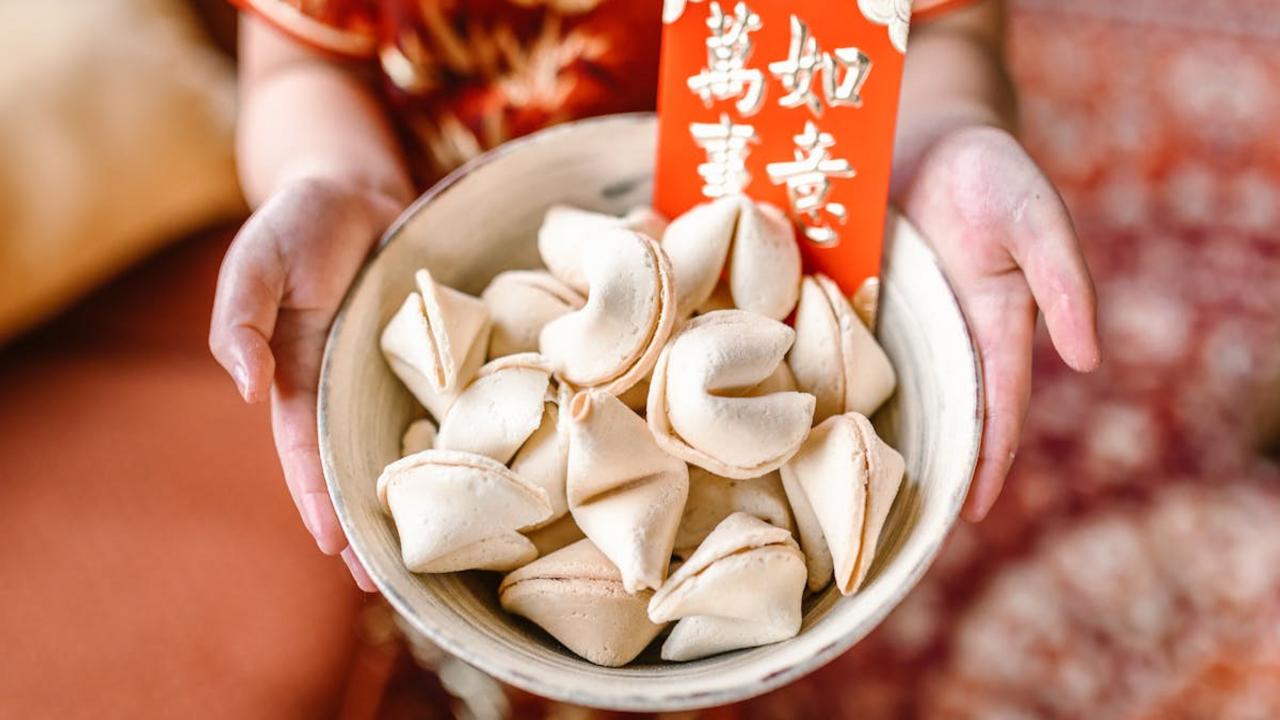
Here’s a plot twist that would make even the best mystery writers jealous: those crispy little prophets we crack open after every Chinese takeout feast? They’re about as Chinese as baseball and apple pie. Fortune cookies actually trace their roots to Japan, where similar treats called “tsujiura senbei” have been delighting people since the 1800s. Japanese immigrants brought this tradition to California in the early 1900s, where enterprising bakers in San Francisco and Los Angeles transformed them into the golden, vanilla-scented oracles we know today. The irony gets even juicier when you consider that actual Chinese restaurants in China have never heard of these things – try ordering one in Beijing and watch your waiter give you the most confused look.
The real kicker? These cookies became so synonymous with Chinese-American dining that most people assume they sailed over from ancient dynasties alongside chopsticks and dim sum. But nope – they’re pure American innovation, born from that beautiful cultural melting pot we call California. The messages inside started as romantic poems and evolved into the vague, fortune-teller wisdom we love to mock yet secretly hope will predict our lottery numbers. Next time you crack one open and read “Your future contains many happiness,” remember you’re participating in a century-old case of mistaken identity that somehow became more American than the Star-Spangled Banner. The cookie itself tastes like sweet vanilla cardboard, but honestly, we’re not eating them for the flavor – we’re here for the mystery and the false hope that cookie number 847 will finally tell us something useful.