Grandchild Survives on Drained Ramen, Chips, and Chocolate. He Refuses to Eat Meat or Vegetables.
There is a beautiful saying that grandchildren are the reward you receive for not giving up on your own children. They are the purest form of joy, a second chance to witness the magic of childhood without the heavy weight of parental responsibility. We get to be the purveyors of sweets, the keepers of secrets, and the givers of unconditional love.
But for so many of us, this joy is tinged with a quiet, modern sorrow. It’s the heartbreak of watching from the sidelines, holding our breath as we see choices being made that we don’t understand. One grandmother recently shared a worry that strikes at the very heart of this delicate new world we navigate.
A Grandmother’s Worry
Her story wasn’t one of shouting matches or slammed doors, but of a silent, gnawing fear. A grandmother, let’s call her Gana, turned to the internet with a heavy heart, desperate for advice about her four-year-old grandson. Her worry was simple, but profound: his health.
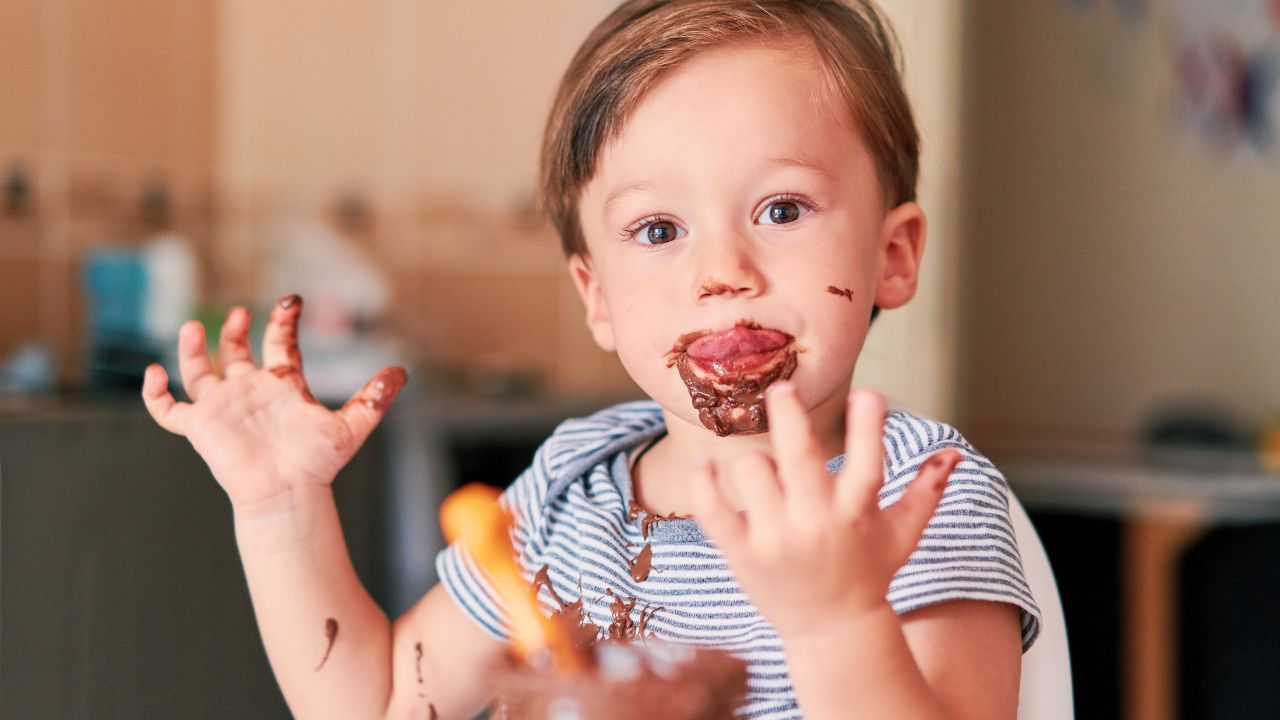
“His diet seems atrocious,” she wrote, her pain palpable in every word. She described a little boy who lives on a beige and brown diet of “crackers, ramen noodles (drained), chips, cheetos, and anything chocolate.” The only fruit he would touch was a banana. He refused meat and vegetables entirely.
What made her worry so sharp was the contrast with his siblings. “His older sisters exhibited no food issues and enjoy a healthy, varied diet,” she explained, highlighting her confusion. This wasn’t about judging her own child’s parenting; it was a deep, instinctual fear for the little boy she loves. “I’ve never known a toddler to have this response to food and am concerned,” she confessed.
Her plea was not for a fight, but for understanding. It was the quiet cry of a grandparent who feels powerless, caught between her love for her grandchild and her respect for his parents.
The Community Weighs In
Her vulnerability was met with an outpouring of wisdom from other women who had walked in her shoes. They understood the tightrope she was on, and their advice fell into three distinct, heartfelt camps.
The Reassuring Voices
First came the voices of comfort, the women who poured a virtual cup of tea and shared stories of hope. They knew this worry intimately because they had lived it. One woman, BlueBelle, shared that her own son “would eat no vegetables except a tiny bit of carrot no fruit except bananas.” Today, he’s an athlete in his fifties who competes in extreme Ironman races.
Another recalled her cousin who “only ate Weetabix for the first 5 years or so.” He’s now a healthy man in his 50s. The message was clear and soothing: children are resilient. A grandson who survived on pesto pasta for 12 years is now, at 15, eating steak and “lashings of salad.” These stories were a balm, a reminder that a difficult phase is rarely the whole story.
The Gentle Boundaries
Then came the voices of gentle, but firm, reality. They spoke a hard truth born from experience. “Step back,” one commenter advised simply. Another was more direct: “unless you have parental responsibility for this child, it is not your business.”
These women weren’t being unkind; they were trying to protect Gana’s heart and her family relationships. They reminded her that her grandson’s doctor would raise any concerns and that it is ultimately his parents’ role to manage his diet. As one woman put it, “I am baffled by some grand parents stressing about their grandchildren. It’s not really, generally, anything to do with the grandparents.” The underlying advice was to trust her children to be good parents.

The Thoughtful Observers
Finally, a third group offered a different perspective. They looked past the picky eating and saw potential clues. Several women gently noted that an extreme sensitivity to smells and a preference for “beige food” can sometimes be related to sensory issues or the autism spectrum. “A lot of autistic kids will only eat beige food like crisps, pastry, chips etc,” one shared.
Another mentioned a condition called Avoidant/Restrictive Food Intake Disorder (ARFID). Their counsel wasn’t to diagnose, but to understand that there may be more going on than simple fussiness. They advised against turning mealtimes into a battleground, as that pressure can make things much worse. As one wise woman said, “The absolute worst thing anyone can do is to put any pressure on at all to eat anything.”
The Family Verdict
In the end, this grandmother’s story is a perfect illustration of the modern grandparent’s dilemma. Our hearts are just as full of love as our own grandmothers’ were, but our role has changed. We are no longer the matriarchs setting the rules, but loving supporters who must trust the next generation.
The overwhelming consensus is that a grandparent’s greatest gift in these situations is peace. Forcing food, showing anxiety, or questioning the parents only adds stress to a situation that may already be difficult. Our love must be a safe harbor, not a source of pressure.

What do you think?
Have you ever found yourself worrying about a grandchild’s upbringing? How do you balance your deep-seated concern with respecting the parents’ authority? Share your story in the comments below.
Ready for the next level of insight? Discover more in my latest article here.