Entitled SIL Stages Dramatic Scene at Sushi Restaurant to Hijack Nephew’s 11th Birthday Dinner
We all understand that a birthday party should revolve around a single individual: the person being celebrated. It’s their moment to feel cherished, honored, and wrapped in the warmth of those closest to them. This is especially true when the honoree is a kid turning eleven—their modest requests, such as choosing a favorite dining spot, ought to be the family’s number one concern. It’s really just basic etiquette.
Yet, one woman recently turned to the internet with a story that demonstrates how not everyone respects these fundamental principles of politeness. Her account of a birthday meal that went sideways reveals what unfolds when a single adult attendee opts to hijack the occasion with her own strange demands, leaving a young boy riddled with guilt on what should have been his happiest day.
The Incident
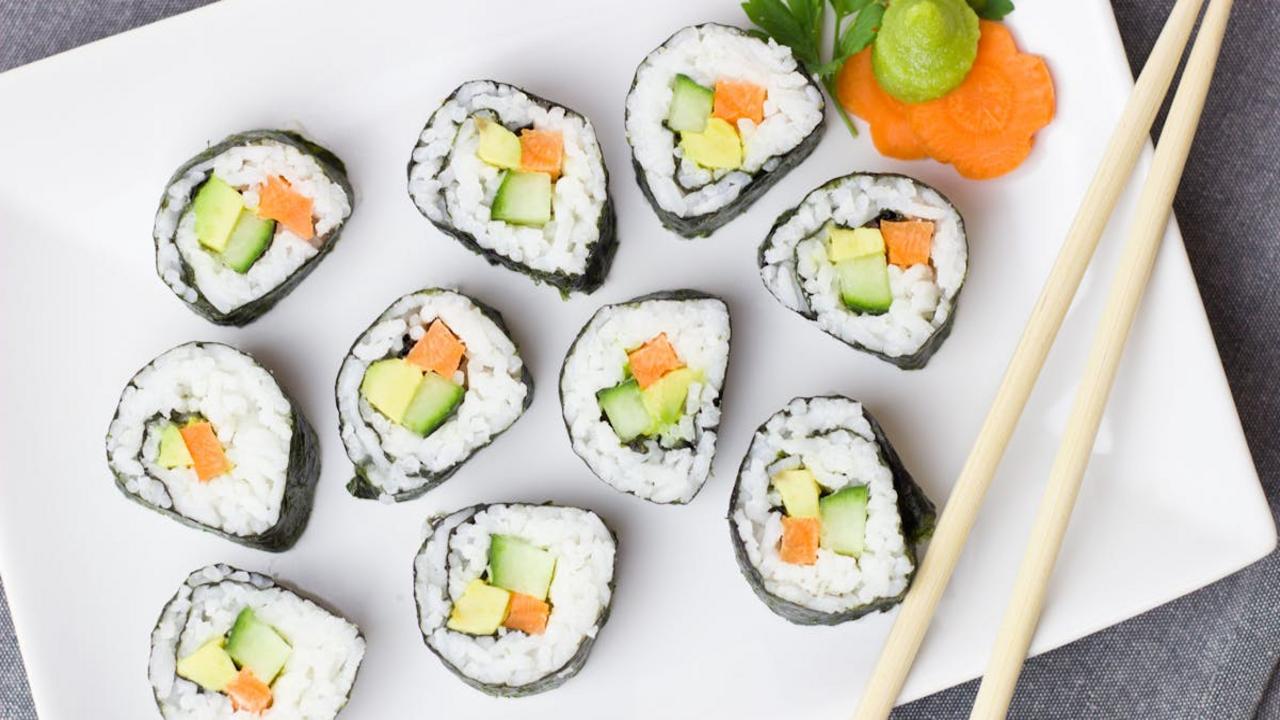
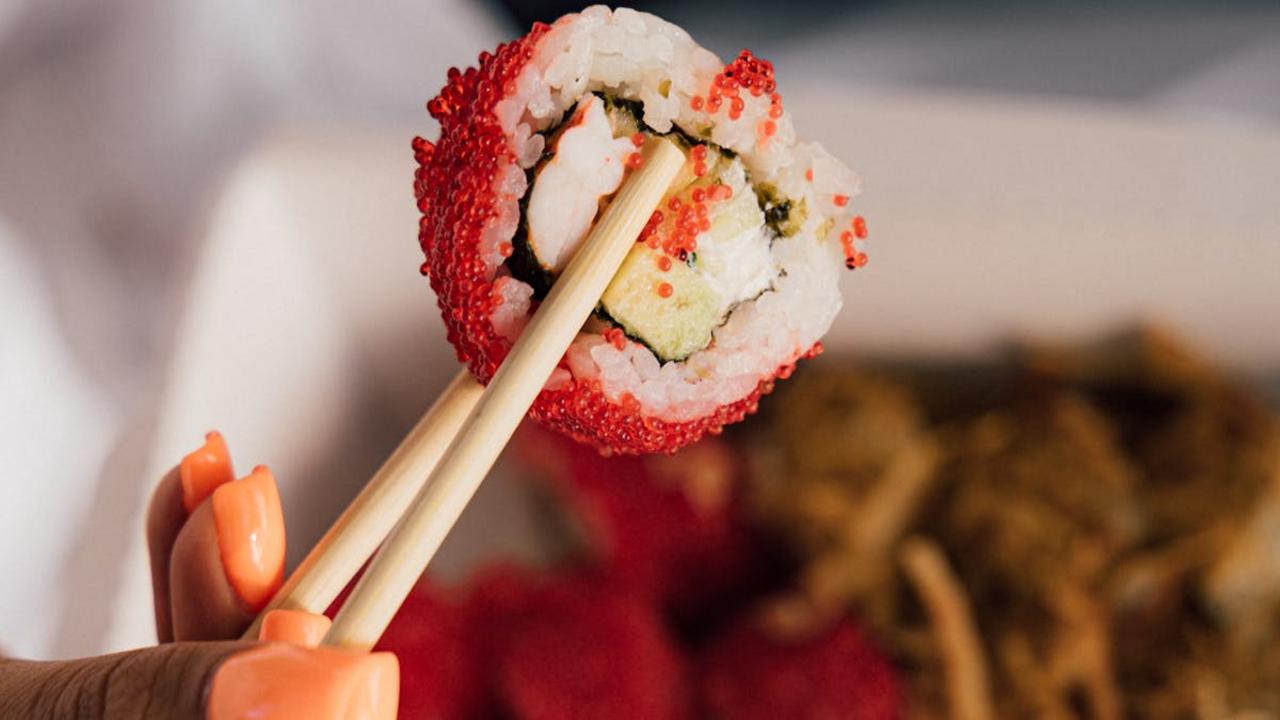
The whole thing started with an innocent and heartfelt request. A mom, organizing her son’s 11th birthday, asked the boy where he wanted to go for his celebratory meal. His choice? Sushi. Like plenty of kids his age, he absolutely loved it, so his mother gladly booked a table.
Things got complicated when she found out her in-laws were going to be visiting. She graciously extended an invitation to them, but that also meant her sister-in-law would be tagging along—a woman with a very unusual food objection. The SIL professes to despise all food of “any Asian origin,” claiming it triggers severe migraines. For years, the entire family had bent over backwards to work around this, routinely scrapping plans on her behalf.
On this occasion, the mother prioritized her child. She gently asked her son whether he’d be open to a different restaurant, but he had his heart firmly set on sushi. So she did the next logical thing: she contacted her in-laws, laid out the circumstances, and proposed a separate celebration at her house the following day. They insisted on showing up to both.
Even though she was handed a courteous exit, the sister-in-law decided to come to the sushi dinner anyway. She proceeded to cause a commotion throughout the evening. Although the restaurant had American options on the menu, she intentionally selected a Chinese entrée she knew she wouldn’t enjoy. What followed was pure theater—she grumbled, retched, and “almost vomits at the table.”
Her dramatic act managed to hijack the spotlight, precisely as the restaurant staff carried out her nephew’s birthday treat. Everyone at the table shifted their focus to her. To put the final nail in an already miserable evening, the mother-in-law looked at the hostess and declared, within earshot of the birthday boy, “what a shame it is we had to have Asian food and now sil will be sick for weeks.” The child was devastated, and his special evening was completely destroyed.
The Internet Reacts
Once the mother posted her story online, thousands of people weighed in, and the overwhelming consensus sided with her. The responses generally fell into a few clear categories.
First up was the “Absolutely Not” camp, who were utterly horrified by the sister-in-law’s conduct. They viewed her actions as manipulative and entirely self-serving. One commenter stated it bluntly: “your son is the star of the show, if he wanted to eat sushi, then sushi it is.” Another saw straight through the theatrical performance, writing that she “purposely made vomiting sounds etc to ‘teach you a lesson’ for next time, it was a clear manipulation move to make you feel bad.”
Numerous commenters challenged the credibility of a supposed aversion to the cuisine of an entire continent, with one person pointedly asking, “How has your SIL convinced anyone that all Asian food causes migraines? That doesn’t even make sense.”
Next were the “Medical Investigators,” who attempted to identify a rational basis for the sister-in-law’s condition. A few speculated she might have a legitimate sensitivity to a specific ingredient such as MSG or ginger. But even those willing to consider this possibility concurred that it in no way justified her actions.
As one fellow migraine sufferer shared, “there is no way I’m going to eat or be around food that gives me a migraine. And I would never ever expect anybody to change the location… to accommodate me. Your sister-in-law made a stupid decision.”

Lastly, there was the “Petty Revenge” faction, who dished out some particularly sharp suggestions for dealing with the family going forward. They believed the mother had been far too gracious. One person proposed the ideal retort to the mother-in-law’s parting remark: “Actually, MIL, it’s a shame SIL’s xenophobia and stupidity got in the way of celebrating son’s birthday.
Next time we’ll make sure she knows she’s not welcome if she can’t at least pretend to be civilized.” Another commenter simply laid out the takeaway that everyone should embrace: “SIL is not invited!”
The Etiquette Verdict
Let’s make one thing absolutely clear: the sister-in-law was entirely in the wrong. A grown adult’s preferences, particularly when they border on the performative, should never overshadow a child’s birthday celebration. This mother extended every possible chance for her sister-in-law to step aside with dignity. She was informed about the menu ahead of time, presented with an alternative gathering, and even provided the restaurant’s menu so she could identify something suitable.
The cardinal rule of being a guest is straightforward: an invitation is not an obligation. If the arrangements don’t work for you, the gracious thing to do is decline politely with your apologies. It is absolutely not to show up, create a scene, and ruin the event for the person being honored. This woman’s behavior was a textbook example of emotional manipulation, and it’s unfortunate that the rest of the family went along with it.
What Do You Think?
Now that you’ve heard the complete account, what’s your take? Did this mother make the right call by defending her son’s birthday wish, or should she have accommodated her difficult sister-in-law in order to maintain family harmony?