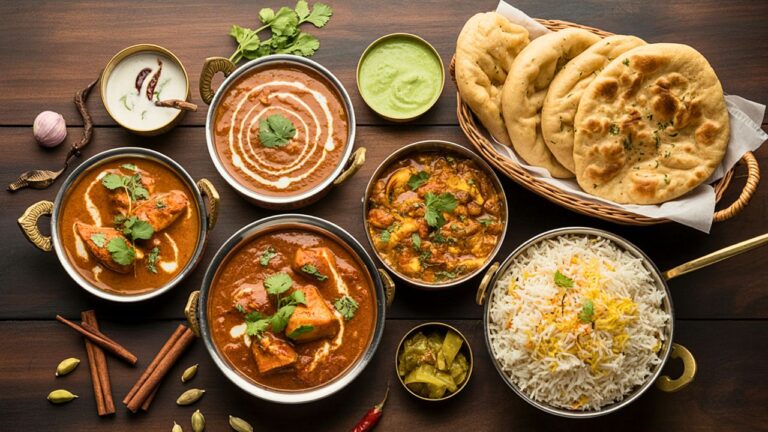
12 Foods That Stir Fierce Debate Across America Love Them or Loathe Them
America loves food fights—not the cafeteria kind, but the passionate debates that erupt over divisive ingredients. You won’t find middle ground on these 12 foods that split dinner tables across the nation. One bite and you’re either a devoted fan or sworn enemy, with no room for indifference.
These polarizing foods create instant reactions. Some people gag at the mere mention of anchovies, while others sprinkle them on everything. Cilantro tastes like fresh herbs to many, but registers as soap to those with specific genetic markers. And don’t even start the pineapple-on-pizza argument at a party unless you want to watch friendships temporarily crumble!
What makes these foods so controversial? Often it’s strong flavors, unusual textures, or cultural unfamiliarity. Your hatred of black licorice or love of stinky durian might be hardwired into your DNA. Yet many former haters become converts after trying these foods prepared properly—except for Vegemite, which remains an Australian mystery to most American palates.
Wasabi
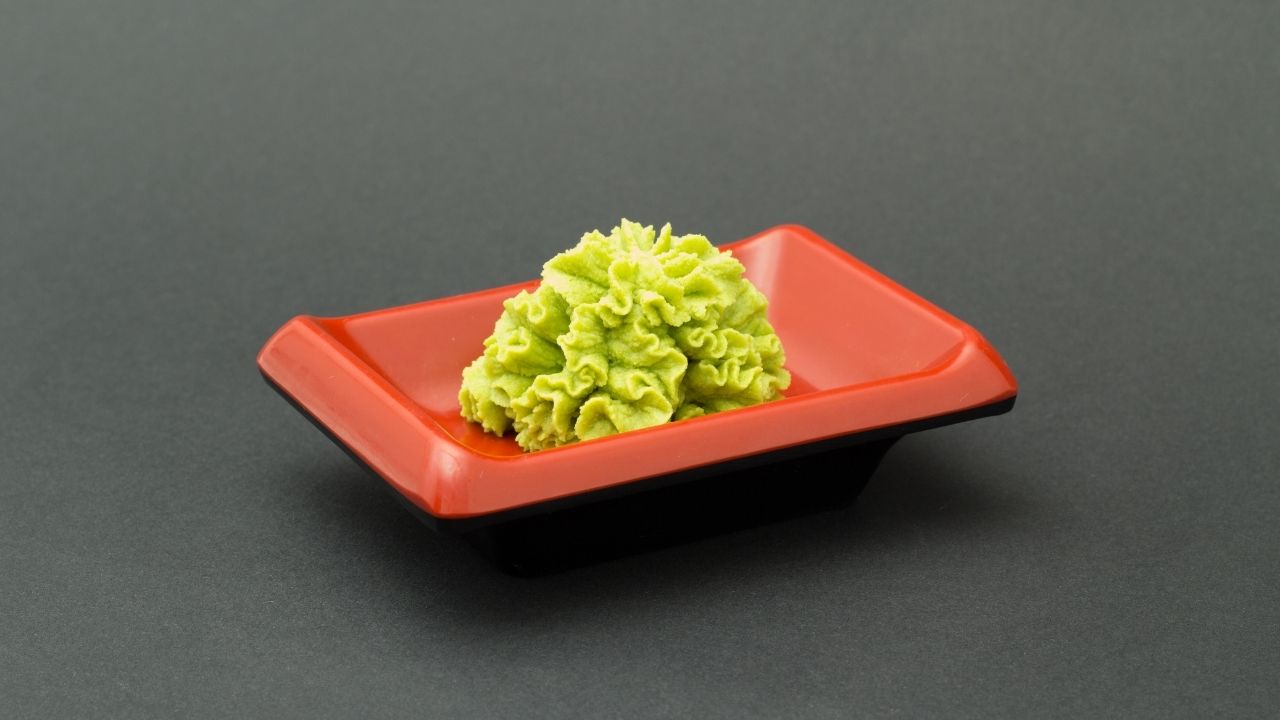
You know that green paste sitting next to your sushi that makes you question every life choice you’ve ever made? That’s wasabi – or at least, what most of us think is wasabi. Here’s the kicker: 99% of the time, you’re actually eating horseradish mixed with green food coloring and mustard powder. Real wasabi comes from the stem of the Wasabia japonica plant, costs about $200 per kilogram, and loses its punch within 15 minutes of being grated. Japanese chefs literally grate it fresh on shark skin because apparently regular graters aren’t fancy enough for this temperamental little green monster.
The divide on wasabi runs deeper than your sinuses after too big a dollop. Some people chase that nasal-clearing burn like it’s their personal dragon, while others treat it like culinary kryptonite. Real wasabi actually has a complex flavor – sweet, earthy, and surprisingly mild compared to its impostor cousin. But good luck finding authentic wasabi outside of high-end Japanese restaurants. Most of us are stuck with the horseradish version, which hits your nose like a freight train carrying menthol. Pro tip: if your “wasabi” burns for more than a few seconds, you’re definitely eating the fake stuff. Real wasabi’s heat dissipates quickly, leaving behind a pleasant warmth rather than regret.
Vegemite
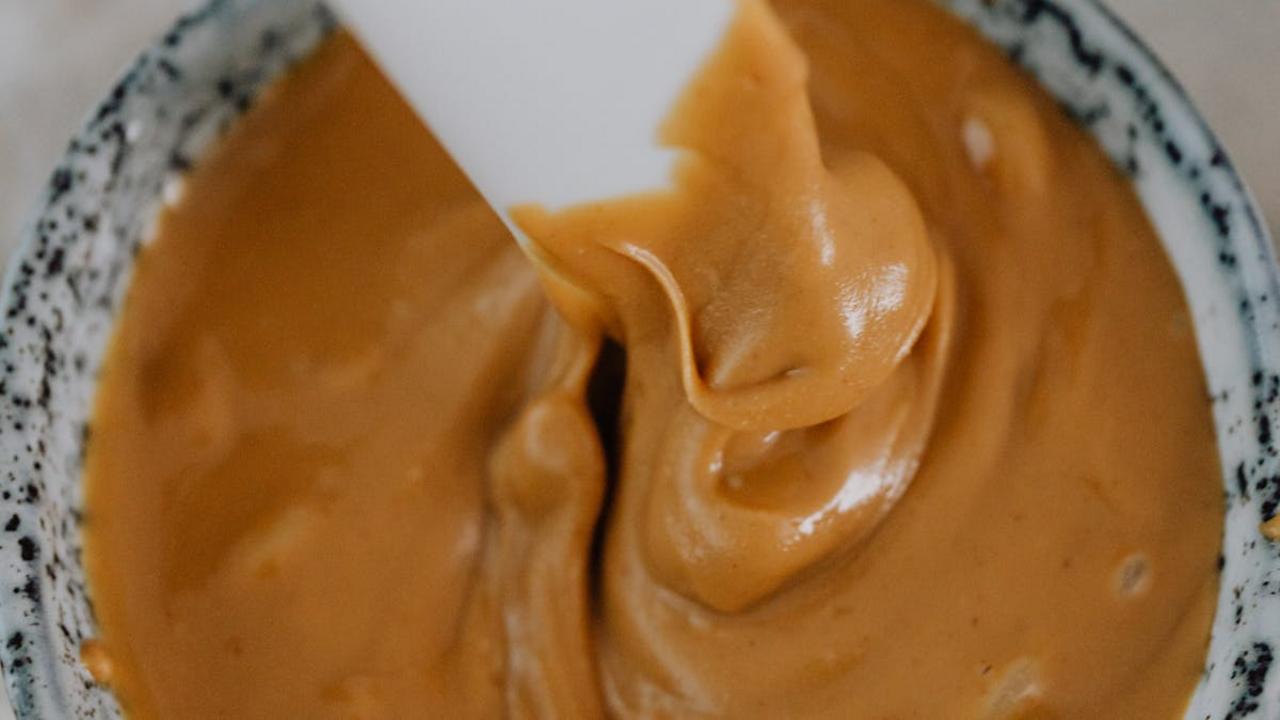
Ah, Vegemite – the dark, mysterious spread that turns grown adults into warring factions faster than you can say “Aussie breakfast.” This thick, molasses-colored paste made from leftover brewer’s yeast might look like something you’d find in a mechanic’s toolbox, but don’t let appearances fool you. Australians worship this stuff like it’s liquid gold, slathering it on toast with the devotion of religious zealots. The rest of the world? Well, they take one whiff of its intensely salty, umami-packed aroma and either run screaming or become instant converts.
Here’s the thing about Vegemite – you’re doing it wrong if you’re spreading it like peanut butter. I learned this the hard way during my first encounter, creating what can only be described as a salt lick masquerading as breakfast. The secret lies in the paper-thin layer technique: butter your toast generously, then add just a whisper of Vegemite – we’re talking molecular levels here. The Aussies have been perfecting this ratio since 1922, and they’ve got it down to a science. Fun fact: this beloved black gold contains more B vitamins than a health food store, making it technically a superfood that happens to taste like concentrated ocean water mixed with magic.
Tofu
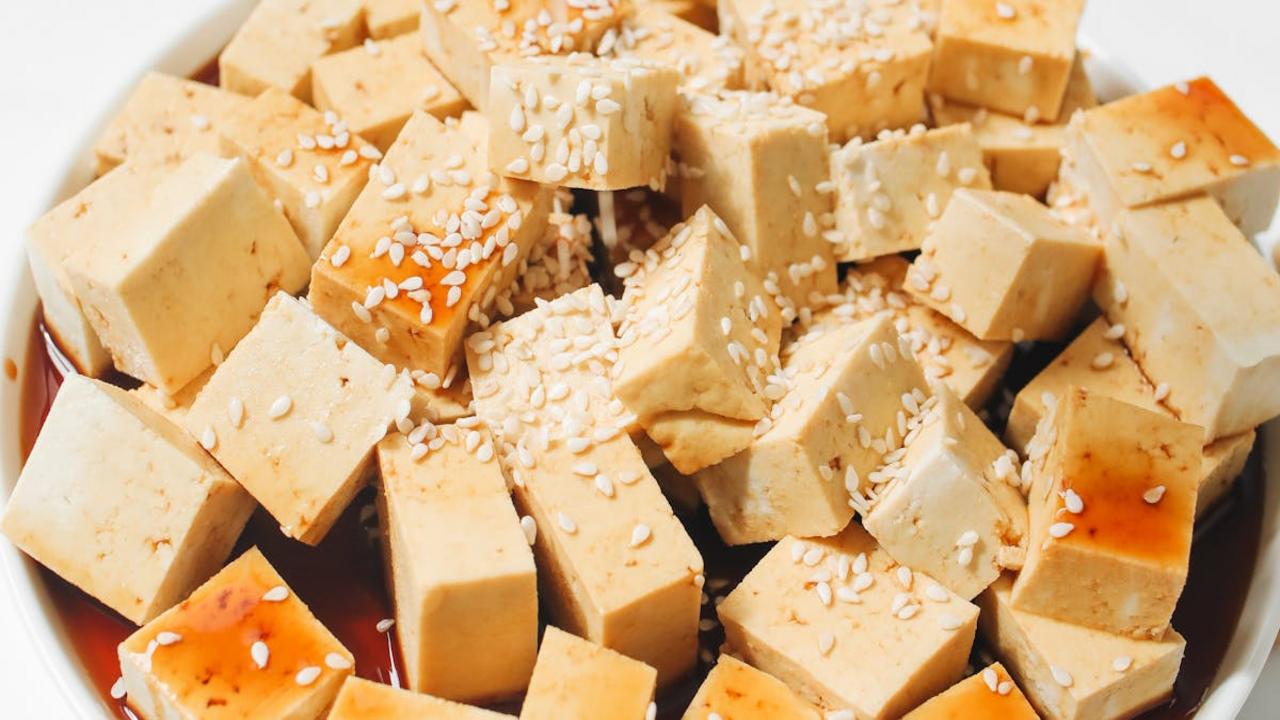
Ah, tofu—the great protein divider of America! You either worship this wobbly white cube like it’s the second coming of cheese, or you treat it like edible cardboard that somehow escaped from a shipping box. Made from soybeans and more ancient than your grandmother’s secret cookie recipe (we’re talking over 2,000 years old!), this spongy chameleon has sparked more dinner table arguments than politics and religion combined. The anti-tofu camp claims it tastes like absolutely nothing, while the pro-tofu brigade insists that’s exactly the point—it’s a blank canvas waiting for your flavor masterpiece!
Here’s the thing about tofu: it’s basically the ultimate method actor of the food world, completely transforming based on how you treat it. Press out the water, marinate it in soy sauce and garlic, then pan-fry until golden, and suddenly you’ve got crispy nuggets of joy that’ll make you question everything you thought you knew. Freeze it overnight and it becomes chewy like meat, or blend silken tofu into smoothies for protein without anyone being the wiser. The Japanese have been perfecting this protein for centuries, creating everything from delicate agedashi tofu floating in savory broth to firm blocks perfect for grilling. Sure, it might look like a boring white brick at first glance, but with the right technique, tofu transforms from bland to absolutely brilliant!
Sardines
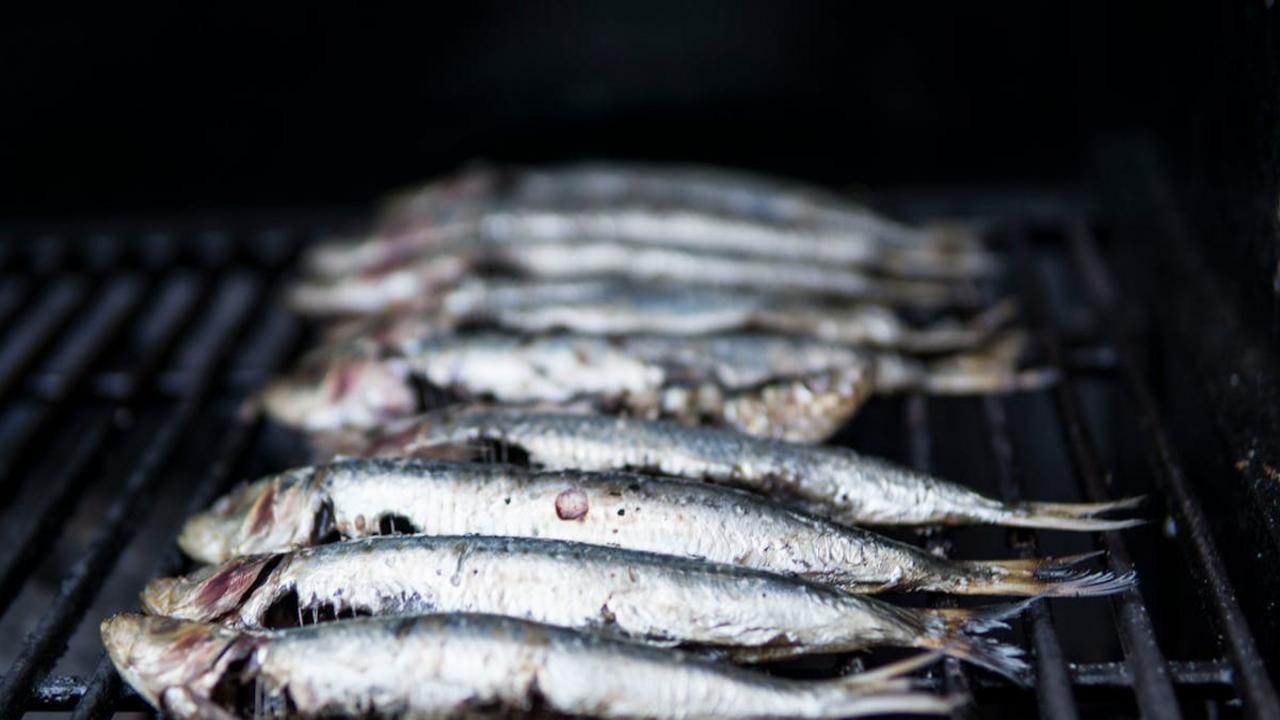
You know that moment when someone cracks open a tin of sardines and half the room evacuates while the other half practically drools? Welcome to one of America’s most polarizing pantry items! These tiny silver fish pack more drama per ounce than a reality TV show. Sardines are basically the ocean’s version of that friend who’s either absolutely amazing or completely unbearable—there’s no middle ground. Fun fact: these little swimmers are actually named after the Italian island of Sardinia, where they were first packed in large quantities. They’re nutritional powerhouses, loaded with omega-3s, calcium, and protein, making them the overachievers of the canned fish world.
The sardine divide runs deeper than family feuds over Thanksgiving dinner. Team Sardine will wax poetic about their briny, umami-rich flavor and how they transform a simple piece of toast into gourmet heaven. They’ll tell you about Portuguese sardine festivals and how these fish are sustainability superstars. Meanwhile, Team Anti-Sardine can’t get past that intense, fishy aroma that seems to linger in kitchens like an unwelcome houseguest. Here’s the thing though—if you’re brave enough to give them a shot, try mashing them with lemon juice, capers, and good olive oil on crusty bread. You might just discover that these polarizing little fish have been misunderstood all along!
Pineapple on Pizza
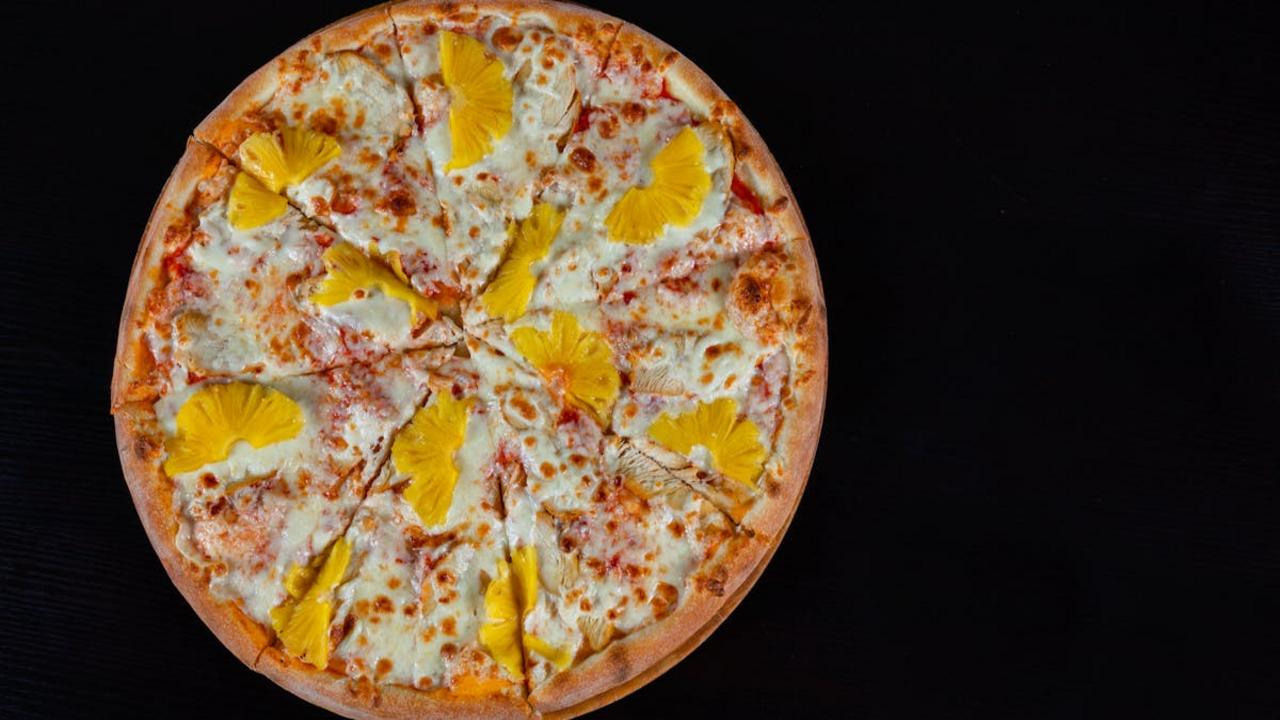
Ah, pineapple on pizza – the Mount Everest of food fights! You can’t mention Hawaiian pizza without watching people’s faces contort into expressions ranging from pure bliss to absolute horror. This tropical topping has been dividing dinner tables since 1962, when Greek-Canadian chef Sam Panopoulos first decided to slap some canned pineapple onto a pizza in Ontario. Fun fact: Hawaiians didn’t invent Hawaiian pizza, and many of them are just as baffled by this combination as anyone else. The sweet, tangy chunks create what supporters call a “perfect balance” with salty ham and melted cheese, while detractors insist fruit belongs nowhere near their sacred dough circles.
Here’s the thing though – pineapple pizza isn’t going anywhere, no matter how many internet memes mock it. Those golden rings pack serious flavor punch, and when they caramelize in the oven, they develop this gorgeous sweet-tart complexity that actually complements savory toppings beautifully. The moisture content does make the crust a bit soggier than purists prefer, but try patting those pineapple pieces dry before adding them, and you’ll get better results. Whether you’re team pineapple or team “absolutely not,” you’ve got to admit this humble topping has achieved legendary status in food culture. It’s the Marmite of the pizza world – nobody sits on the fence about this one!
Olives
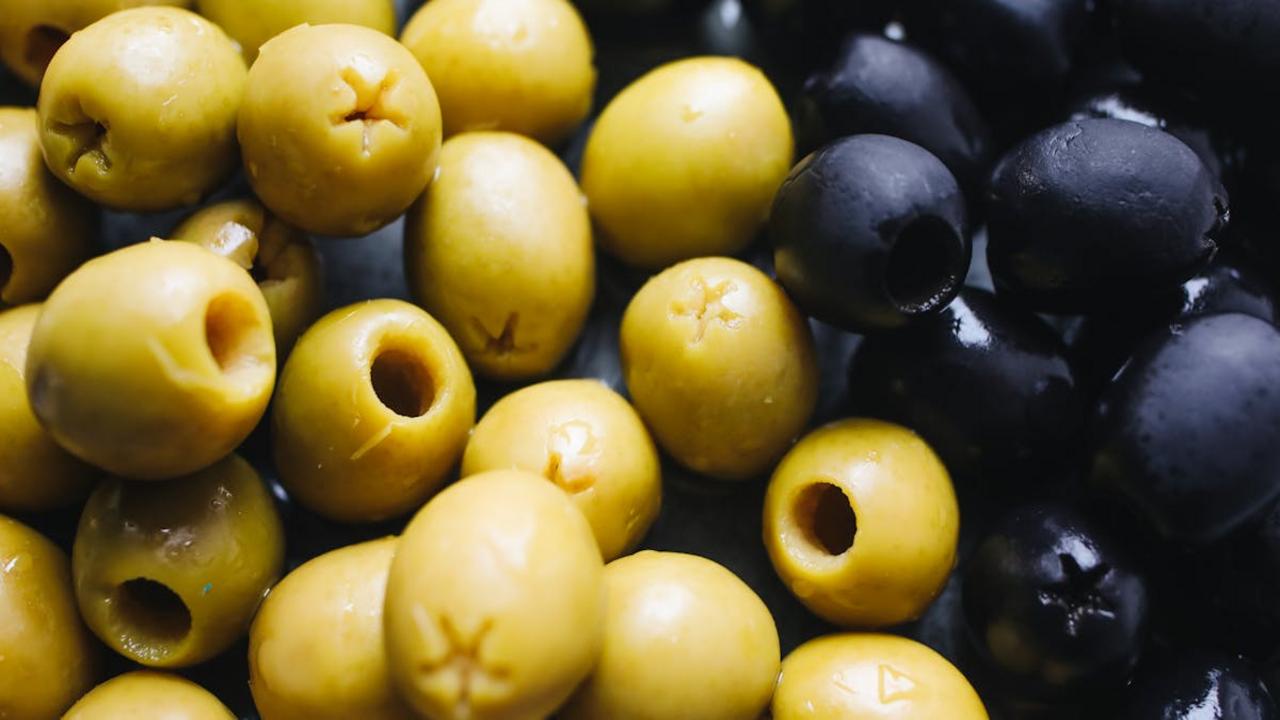
You either worship olives like tiny Mediterranean gods or recoil from them as if they personally wronged your ancestors. There’s absolutely no middle ground with these briny little orbs, and honestly, that’s what makes them so fascinating. I once watched a dinner party nearly descend into chaos when someone suggested adding olives to the pizza – half the room cheered while the other half looked genuinely betrayed. These polarizing fruits (yes, fruits!) have been causing food fights for over 6,000 years, which means humans have been arguing about olives since before we invented the wheel. Talk about staying power!
Here’s the thing about olives – they’re basically inedible straight off the tree because they’re packed with oleuropein, a compound so bitter it’ll make your face scrunch up like you just bit into a lemon wearing sour candy. That’s why they need to be cured in salt, brine, or lye before anyone can stomach them. Green olives are just unripe black olives, by the way, which always blows people’s minds at parties. If you’re team olive, try stuffing them with blue cheese and bacon for the ultimate savory bomb, or toss them into a warm pasta with garlic and olive oil. If you’re firmly in the anti-olive camp, I respect your stance – just know that you’re missing out on one of the world’s most ancient and dramatic foods.
Marmite
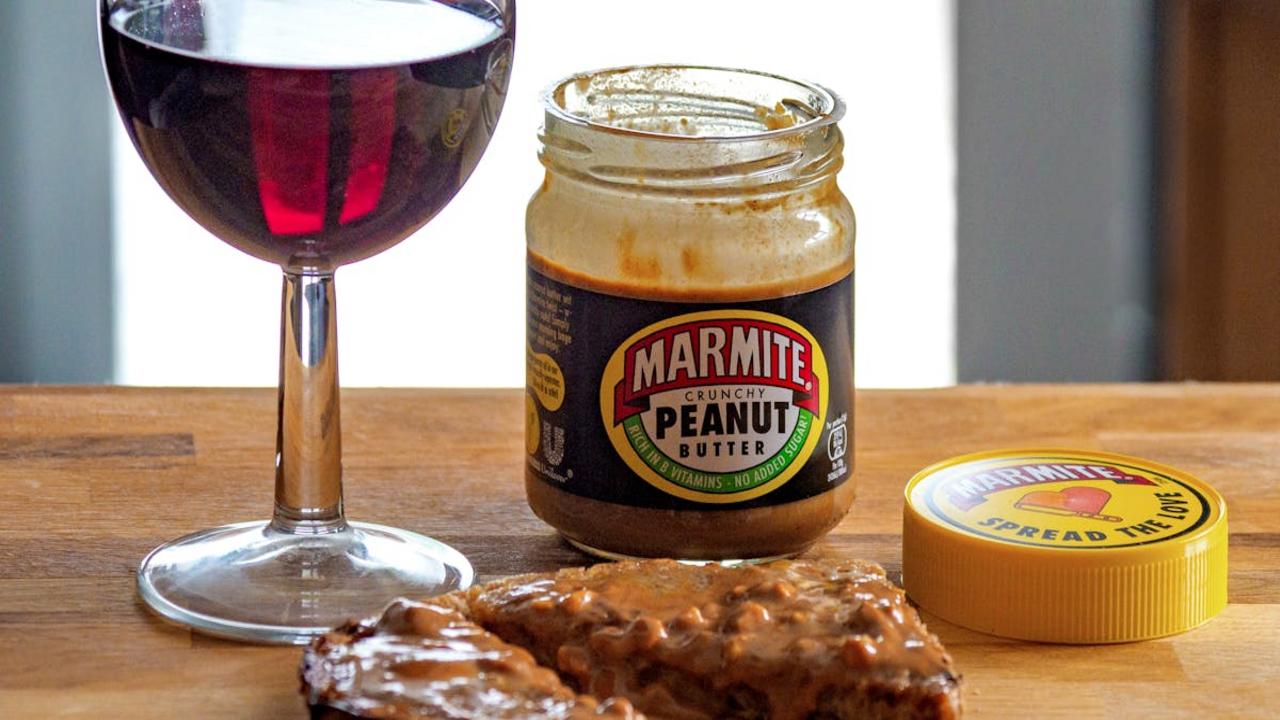
Ah, Marmite – the British spread that makes people choose sides faster than a presidential election! This dark, sticky concoction made from brewer’s yeast extract has been splitting households since 1902, and honestly, I’ve never seen anything quite like it. You either worship this salty, umami-packed paste or you’d rather eat cardboard. There’s absolutely no middle ground here, folks. The company even built their entire marketing campaign around this divisive nature with their brilliant “Love it or Hate it” slogan, which is probably the most honest advertising tagline in food history.
What cracks me up is watching Americans encounter Marmite for the first time – their faces go through more expressions than a soap opera actor! The stuff packs more vitamin B12 than a health food store and contains folate, but none of that matters when you’re staring down this mysterious black goo. Pro tip from someone who’s witnessed many Marmite disasters: spread it thinner than your patience during tax season. Most newbies slather it on like peanut butter and then wonder why their mouth feels like it’s been attacked by a salt lick. Start with just a whisper on buttered toast, and you might just join the cult of Marmite devotees who guard their jars like precious treasure.
Durian
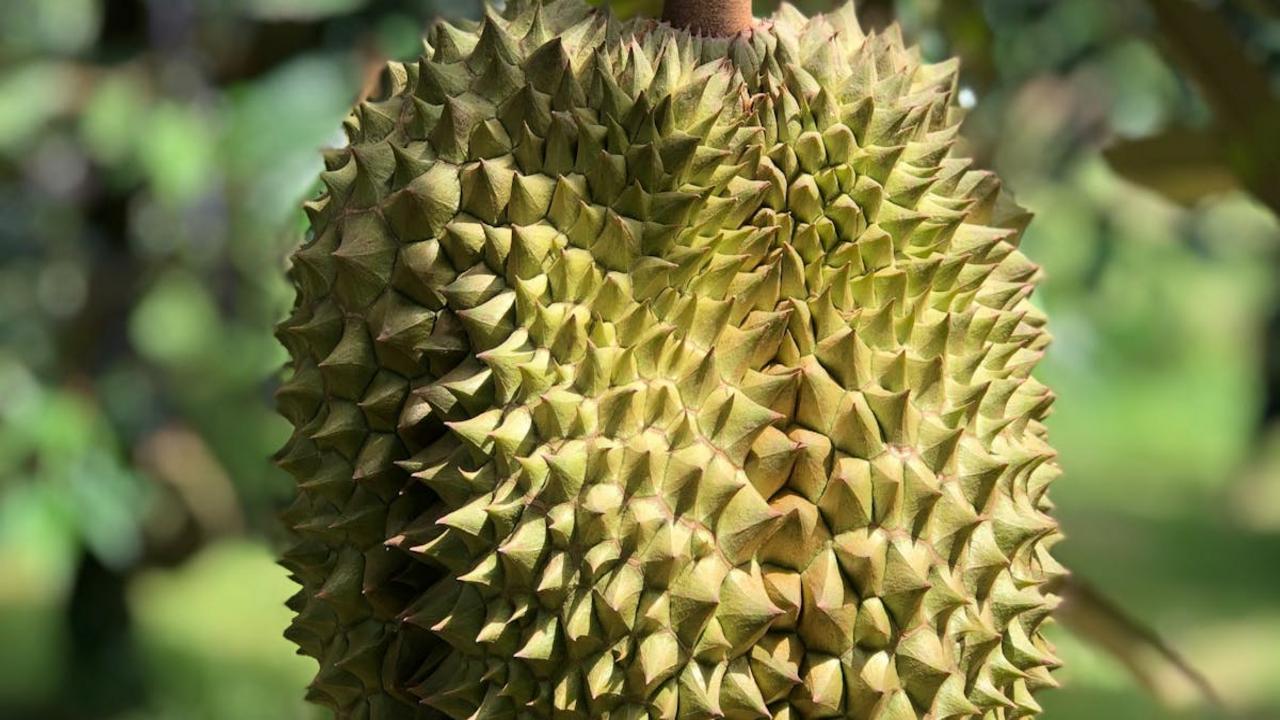
Picture this: you’re walking through a Southeast Asian market when suddenly your nose gets assaulted by what can only be described as a mixture of rotten eggs, sweaty gym socks, and onions that have seen better days. Congratulations, you’ve just met the durian! This spiky, football-sized fruit from Malaysia and Thailand has earned the nickname “king of fruits” – though I suspect it’s the kind of king who rules through fear rather than love. Hotels across Asia ban this pungent powerhouse from their premises, and Singapore’s public transportation system treats it like a biological weapon. The smell is so intense that durian vendors often work in open-air markets because no enclosed space can contain its aromatic assault.
But here’s where things get weird: bite through that custard-like flesh and you might discover what millions of Southeast Asians already know – durian tastes absolutely nothing like it smells. Fans describe it as a complex blend of vanilla, almonds, and tropical sweetness with hints of caramel. The fruit packs more protein than most other fruits and contains enough tryptophan to make you sleepy (which explains why some people call it nature’s sleeping pill). You either worship at the altar of durian or you run screaming in the opposite direction – there’s literally no middle ground. Pro tip: if you’re brave enough to try it, hold your nose for the first few bites and let your taste buds do the talking!
Cilantro
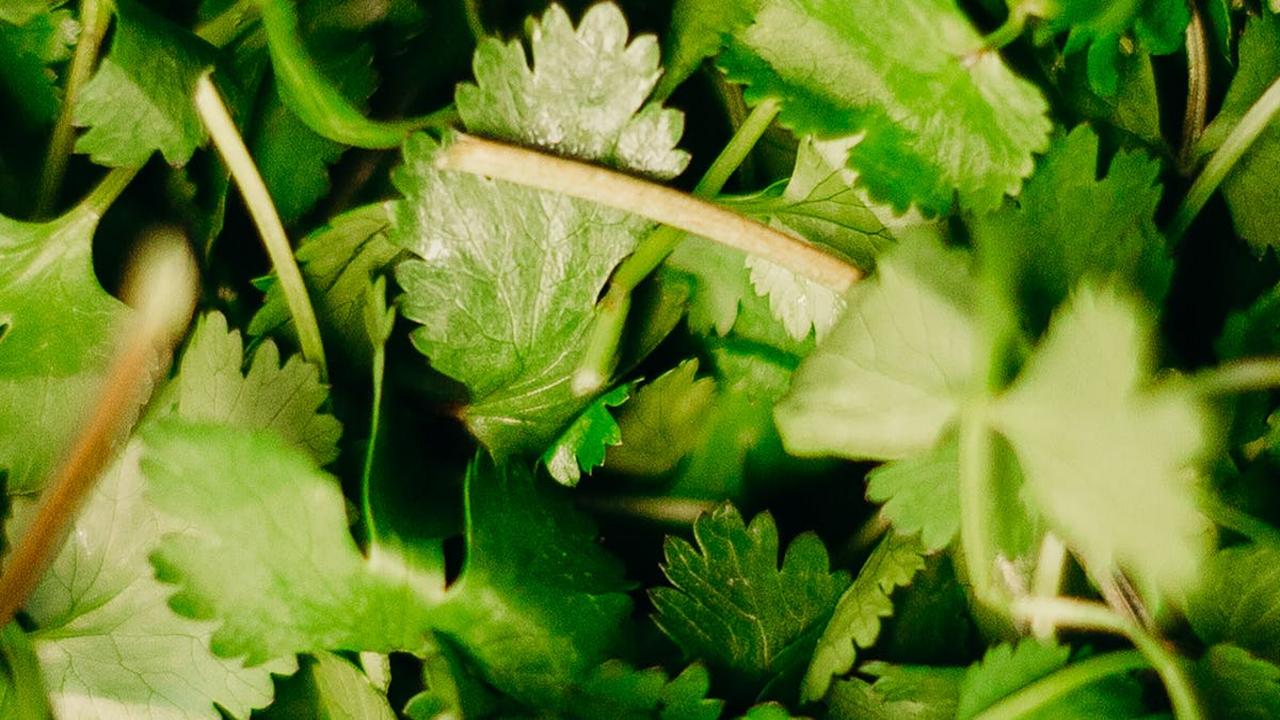
You know that moment when someone mentions cilantro and the entire room splits into two warring camps? Yeah, that’s the cilantro controversy in all its polarizing glory. This innocent-looking herb has managed to create more family dinner drama than pineapple on pizza ever could. Science actually backs up this divide – about 10-14% of people have a genetic variation that makes cilantro taste like soap, literally. So when your friend wrinkles their nose at your perfectly crafted guacamole, they’re not being dramatic – their DNA is actively betraying them. Meanwhile, the cilantro lovers are over here sprinkling it on everything from tacos to scrambled eggs, wondering how anyone could live without its bright, citrusy punch.
The soap-tasters aren’t completely out of luck, though. Some people find they can train their palates by starting with crushed cilantro seeds (coriander) or mixing tiny amounts into strongly flavored dishes. But honestly? Life’s too short to force yourself to like something that tastes like you’re licking a bar of Irish Spring. If you’re team cilantro, try growing your own – it’s ridiculously easy and bolts to seed faster than you can say “fresh salsa.” Pro tip: plant new seeds every two weeks for a continuous supply, because this stuff disappears from my fridge faster than leftover pizza. And for the cilantro-challenged folks out there, parsley, basil, or even mint can often step in as worthy substitutes in most recipes.
Brussels Sprouts
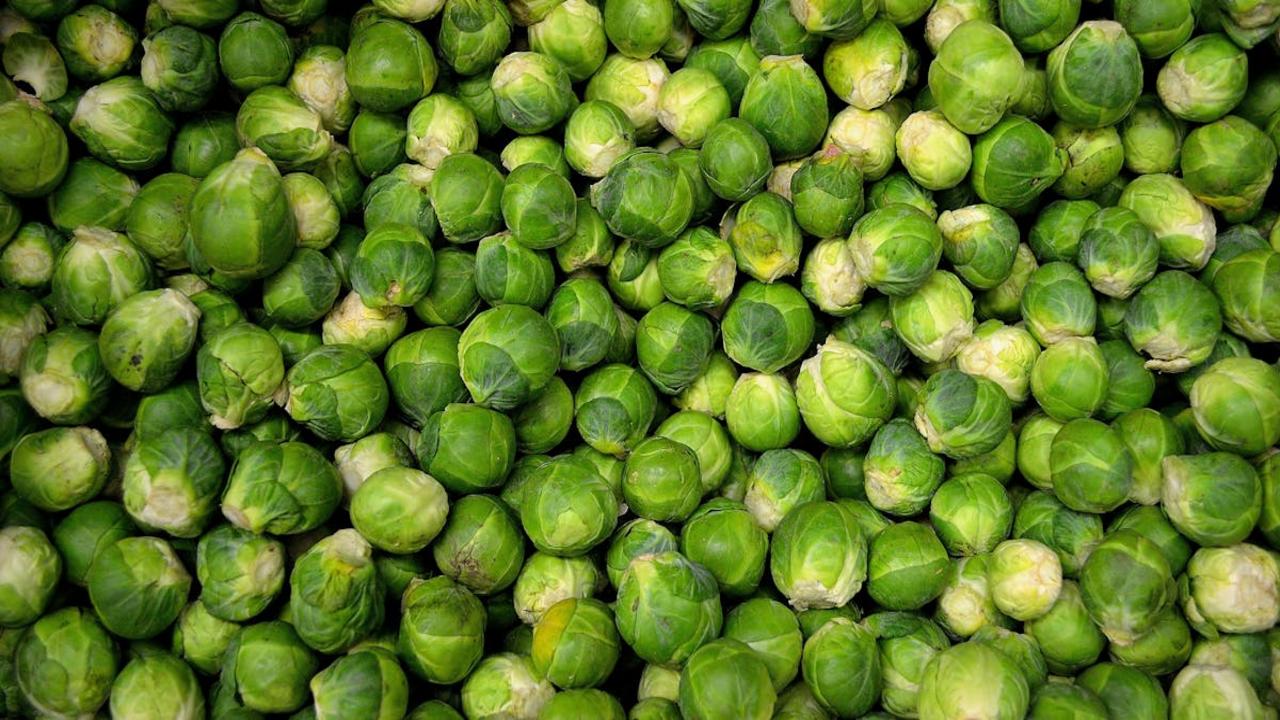
You either worship these tiny green orbs or you’d rather eat cardboard—there’s no middle ground with Brussels sprouts! These miniature cabbages have sparked more dinner table arguments than politics and religion combined. Here’s the wild part: Brussels sprouts actually taste different now than they did twenty years ago. Plant breeders have literally bred out the bitter compounds that made generations of kids gag, yet somehow the reputation lingers like a stubborn ghost. I know people who still shudder at the mention of them, scarred by memories of mushy, sulfurous school cafeteria disasters.
But here’s what Team Brussels Sprouts knows that the haters don’t: roast those babies with olive oil, salt, and a drizzle of balsamic glaze, and they transform into crispy, caramelized perfection. They’re basically nature’s potato chips if you do them right! Fun fact: Brussels sprouts grow on stalks that look like alien walking sticks, with dozens of sprouts spiraling up a two-foot stem. The Europeans have been munching on these for over 400 years, so they must be doing something right. Try shredding them raw into salads with cranberries and pecans, or toss them with bacon (because bacon fixes everything). Your Brussels sprouts trauma doesn’t have to define you forever!
Black Licorice
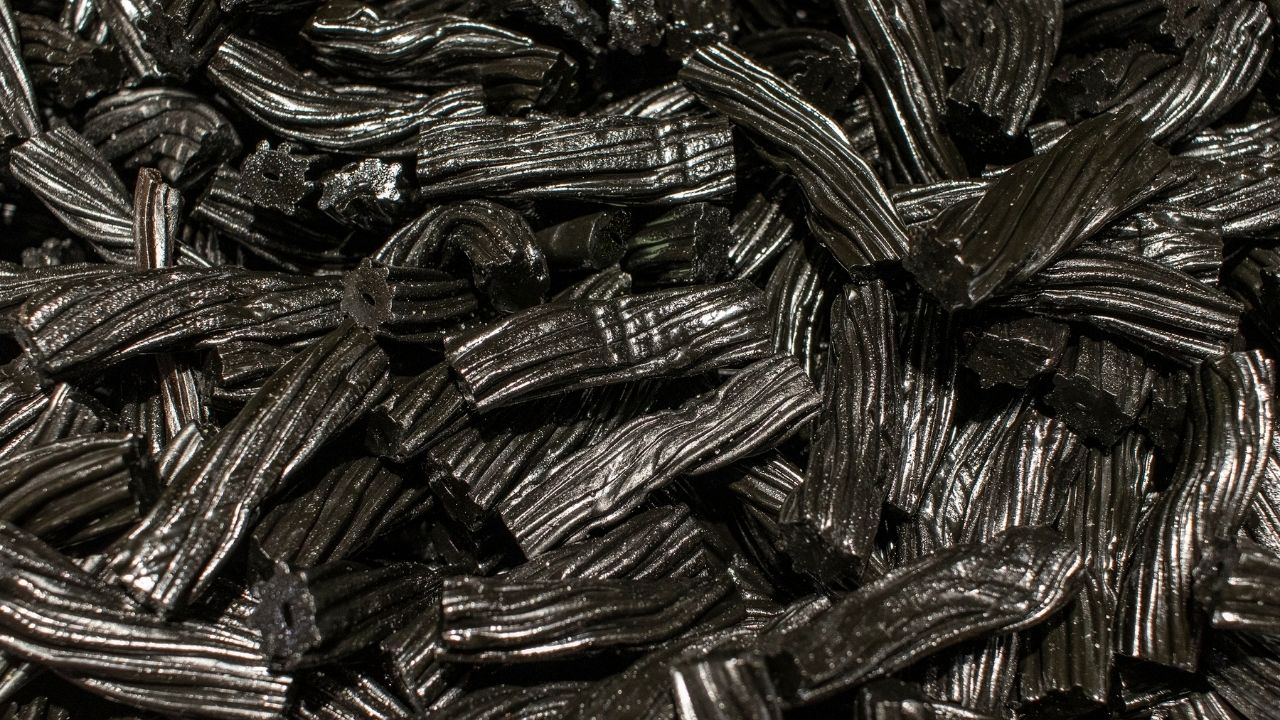
You either worship black licorice like it’s the nectar of the gods, or you recoil from it like it’s liquid evil wrapped in chewy candy form. There’s absolutely no middle ground with this polarizing treat that tastes like someone mixed fennel seeds with childhood memories and a dash of controversy. The flavor comes from anise oil, the same compound that makes ouzo and absinthe so distinctive, which explains why some people think black licorice tastes like cough medicine had a baby with a spice rack. Fun fact: the ancient Egyptians used licorice root as a cure-all, and Napoleon Bonaparte was so obsessed with black licorice that his teeth turned black from constant munching.
What makes this candy so divisive isn’t just the intense anise flavor – it’s also the fact that eating too much can actually mess with your potassium levels and blood pressure (thanks to a compound called glycyrrhizin). The FDA even issued warnings about people who eat more than two ounces daily, which honestly sounds like a challenge to die-hard black licorice fans. Meanwhile, the haters can’t understand how anyone voluntarily chooses to eat something that reminds them of black jelly beans, those Halloween candy rejects that always get left behind in the bowl. You’re either Team Anise or Team “Why Does This Exist,” and switching sides is about as likely as convincing a cat to bark.
Anchovies
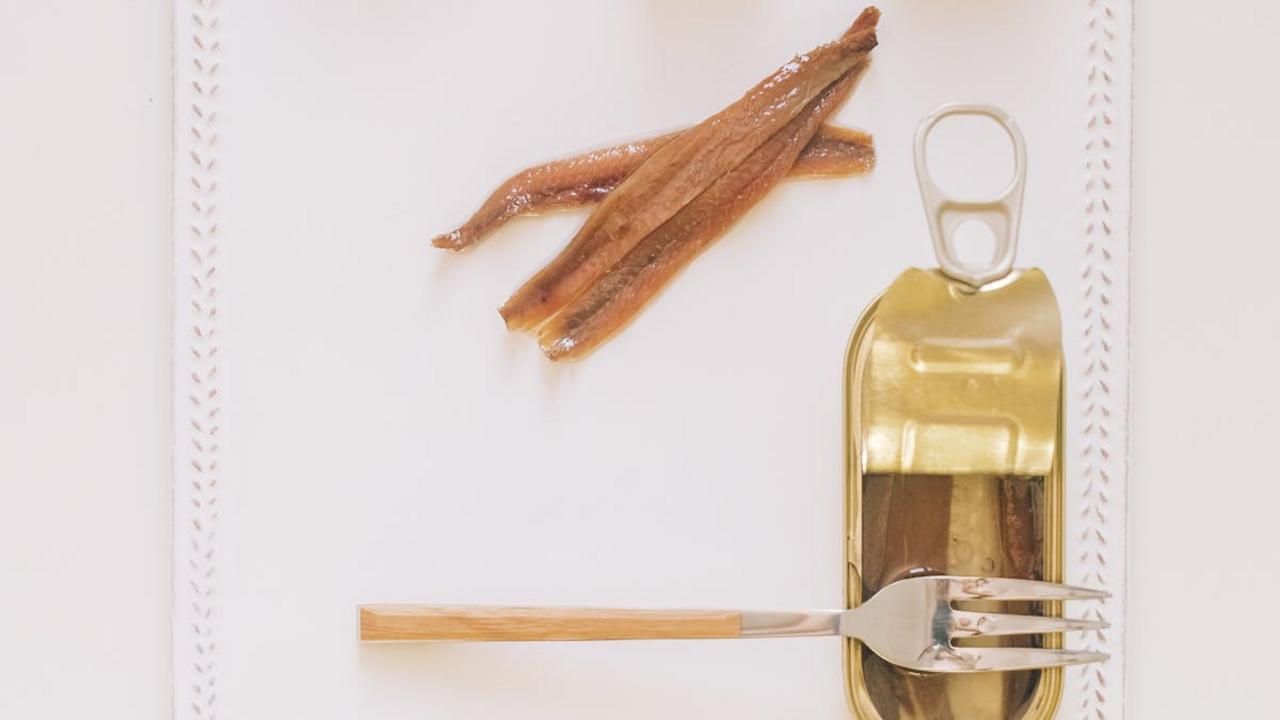
You either worship these tiny silver fish or you’d rather eat cardboard—there’s absolutely no middle ground with anchovies! These little Mediterranean powerhouses pack more umami punch per square inch than any other ingredient in your pantry. Fun fact: ancient Romans were so obsessed with anchovies they created garum, a fermented fish sauce that basically functioned as their ketchup. Today, you’ll find die-hard anchovy lovers sneaking them onto Caesar salads, dissolving them into pasta sauces, and yes, defending their honor on pizza with the passion of a food warrior.
Here’s the thing about anchovies—they’re like that friend who seems intimidating at first but turns out to be absolutely amazing once you get to know them. The fishy, aggressive flavor you fear? That mostly comes from cheap, poorly processed ones sitting in sketchy jars for months. Quality anchovies packed in good olive oil are buttery, complex, and surprisingly mellow. Try mashing one into your next batch of garlic butter for bread, or toss a few into your tomato sauce—they’ll disappear completely but leave behind this incredible depth that’ll have your dinner guests begging for your secret ingredient!