I Offered to Pay for the Uneaten Entree. They Said I ‘Ruined’ the Birthday Dinner.
There are certain rules of etiquette we all learn growing up. You don’t put your elbows on the table, you say please and thank you, and when someone graciously offers to pay for your meal, you accept it with a smile. It’s a simple sign of respect and gratitude.
However, one young man recently shared a story online that turns this simple courtesy on its head. What happens when the people paying for your dinner are the very same people who strong-armed you into ordering something you couldn’t possibly eat? It’s a messy situation that left him feeling hurt and his family giving him the silent treatment.
The Incident
The story begins at a familiar restaurant, the family’s traditional spot for birthday celebrations. A 19-year-old man, who is autistic, was out for his sister’s 24th birthday with her and their parents. For years, he has ordered the same meal at this restaurant—a “safe” option that accommodates his sensitivities to food textures and flavors.
This time, however, his family decided to intervene. His father, backed by his mother and sister, pushed him to be more adventurous and try something new. Despite his hesitation, he gave in to the pressure and ordered a dish his father recommended, after being assured he would be able to eat it.
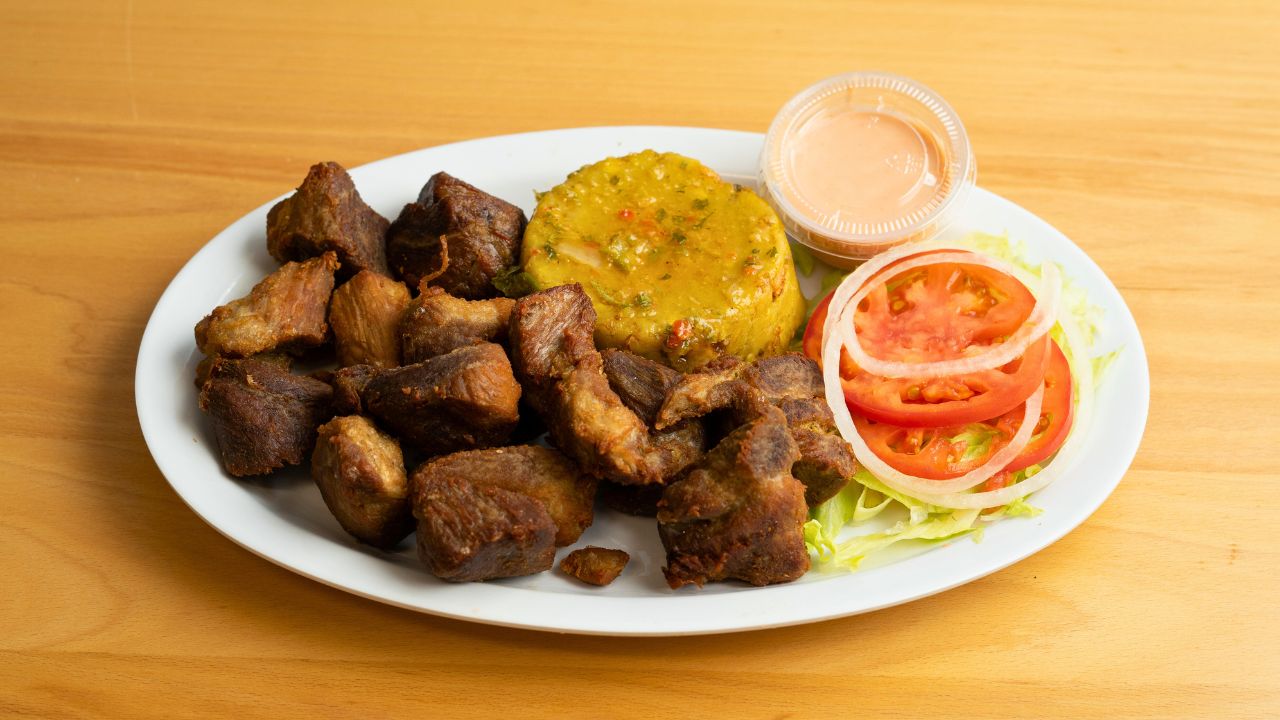
When the food arrived, his fears were realized. He made a genuine effort, picking at the meal for a while before giving up. As he described it, “It was just so ew, like I’m sure the food was so good but I just can’t eat it.” Being a gentleman, he even offered to pay for his own uneaten meal, but his parents dismissed the idea.
The real trouble started on the car ride home. The pleasant family atmosphere evaporated, replaced by palpable annoyance. His parents told him he “eat[s] like a kid and should just grow up.” To make matters worse, his sister, the birthday girl, declared that he had “ruined the day.” Since that disastrous dinner, his family has barely spoken to him.
The Internet Reacts
When the young man asked the internet if he was in the wrong, the response was a resounding chorus of support for him and sharp criticism for his family. Commenters were appalled by the family’s lack of empathy and sorted themselves into a few clear camps.
First, there was the “Absolutely Not” crowd, who were furious on the young man’s behalf. They saw the family as the clear villains who set their son up for failure. One person wrote, “It’s their fault that they pushed you on this ‘special occasion’ to try to eat something new, while knowing what your sensitivities are… It didn’t have to be such a big deal, but THEY made it so.” Another was even more direct, stating, “Your family sounds like bullies. Remember ‘No’ is a complete sentence.”
Then came the “Practical Solutions” camp. These readers agreed the family was wrong but focused on how terribly they handled the situation. Why, they wondered, would you choose a high-pressure public setting for a food experiment? One commenter wisely pointed out, “Trying something new at home is both cheaper and if it’s not palatable there’s less waste.”
Another suggested a far more gentle approach: “For picky eaters usually another person can order and allow them to sample the dish. If not to taste, it’s not a loss. If liked then they can order it the next time.”
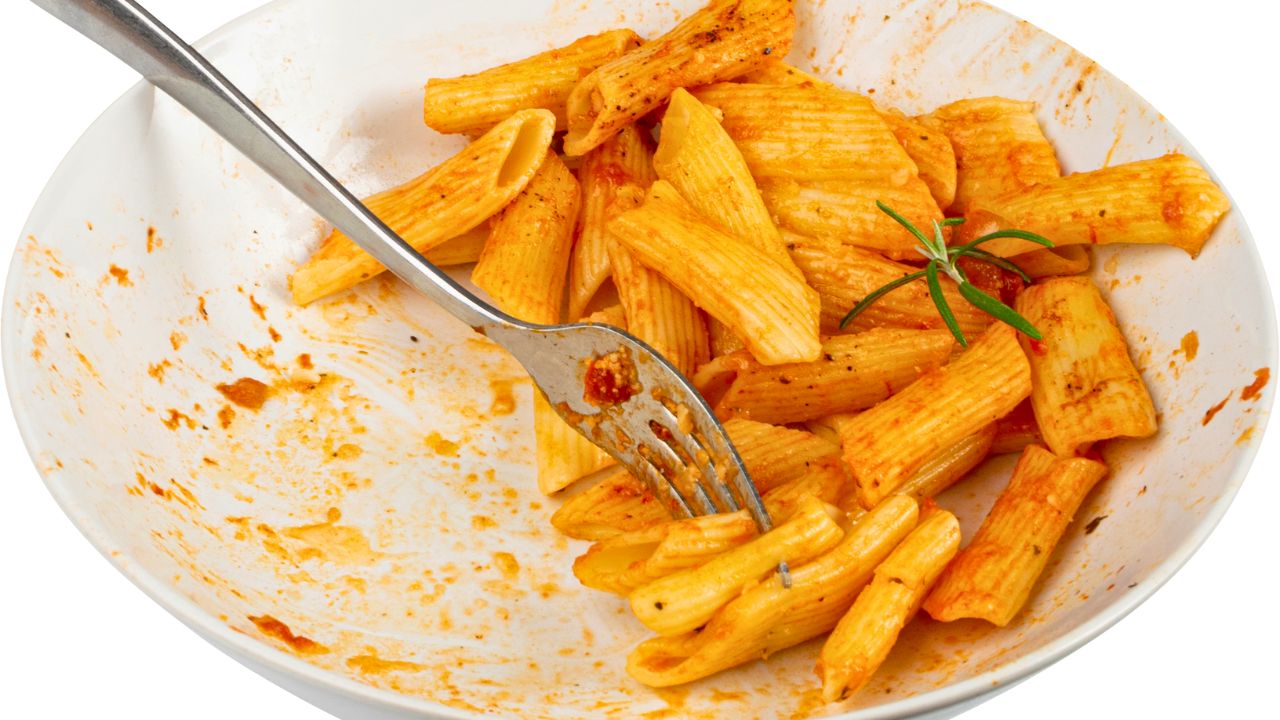
Finally, there was the “This Isn’t About the Food” camp. These commenters felt the family’s extreme reaction pointed to a deeper issue. How could someone quietly not eating their meal ruin an entire birthday? As one person put it, “I can’t even imagine a situation where sitting at a dinner table with someone who only picked at their food would ruin my day. OP’s family is being really over dramatic about this.”
Another user hit the nail on the head: “If your culinary choices can ruin a day you weren’t having much of a day to begin with.”
The Etiquette Verdict
Let’s be perfectly clear: the family’s behavior was inexcusable. Good manners are rooted in making others feel comfortable and respected. Pressuring someone—especially a loved one with known sensory challenges—to eat something against their will is the absolute opposite of good etiquette. It is unkind and frankly, a form of bullying.
To then shame him for the predictable outcome is simply cruel. The fact that they paid for the meal does not give them the right to dictate his choices or belittle him. A celebration is meant to be a joyous occasion, not a stressful test of someone’s palate.
What Do You Think?
Was the family trying to help their son in a clumsy way, or was their pressure just plain mean-spirited?
Ready for the next level of insight? Discover more in my latest article here.