He Invited Us to Dinner, Ordered Takeout, and Kept All the Leftovers. Then Billed Me $125. To Fund His Meal Prep.
There are certain unspoken rules of hospitality that we all learn growing up. When you invite guests into your home for dinner, you are the host, and the responsibility for the meal falls to you. It’s a simple, gracious gesture of friendship.
However, one man recently took to the internet to share a story about a “close friend” who seemed to have missed this fundamental lesson in manners, leaving him and his family with a very bitter aftertaste.
An Invitation With a Surprise Bill
After months of invitations, a man and his family finally accepted a dinner invitation from a close friend. They arrived expecting a pleasant evening, perhaps with a home-cooked meal. Instead, the host announced he’d rather get takeout.
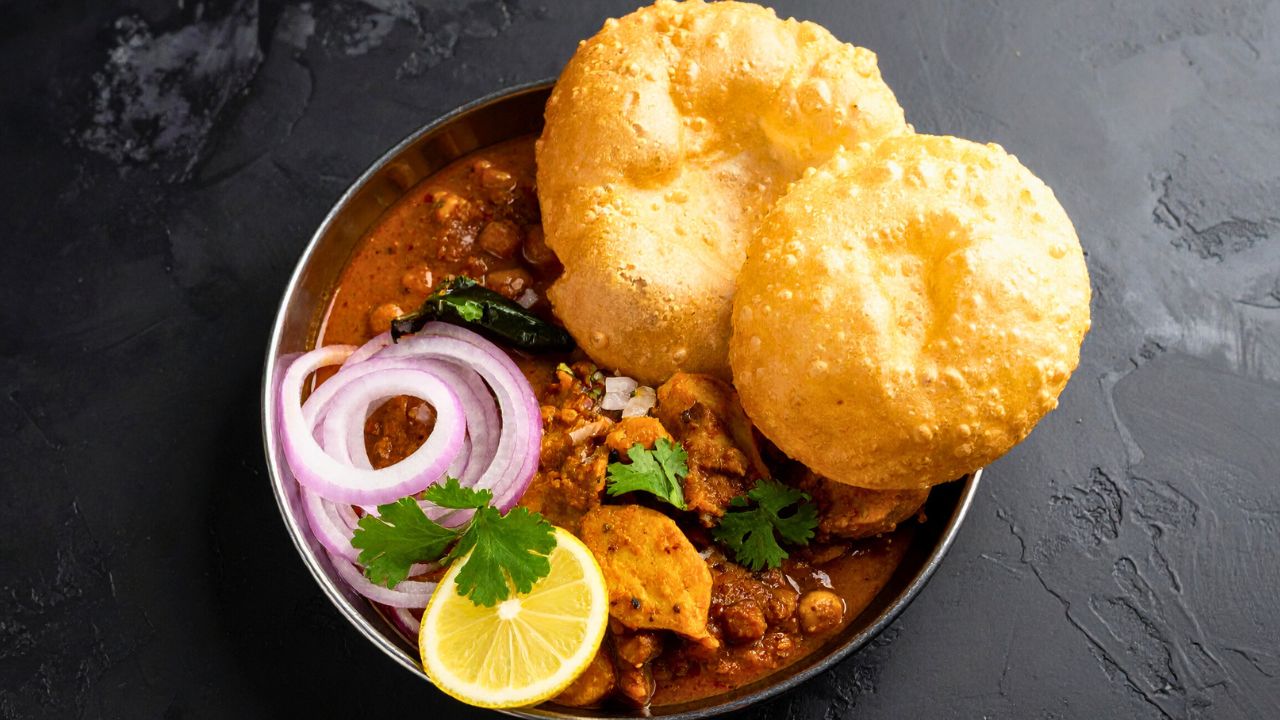
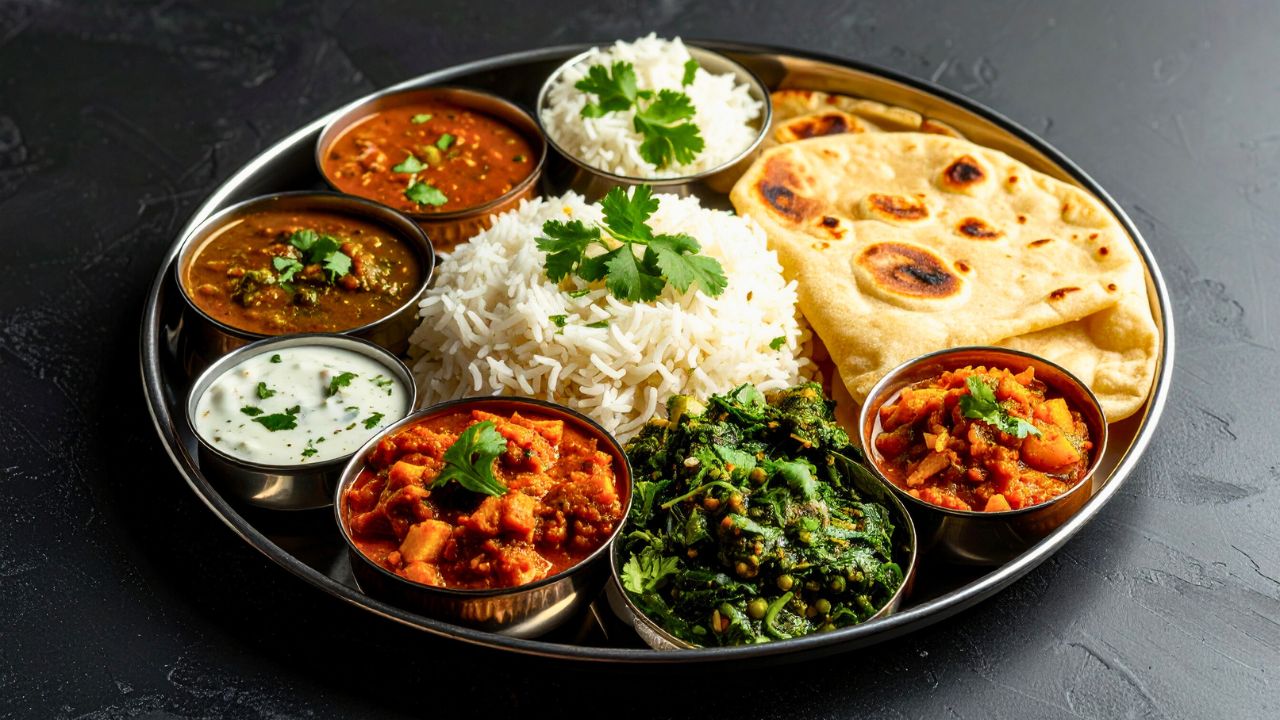
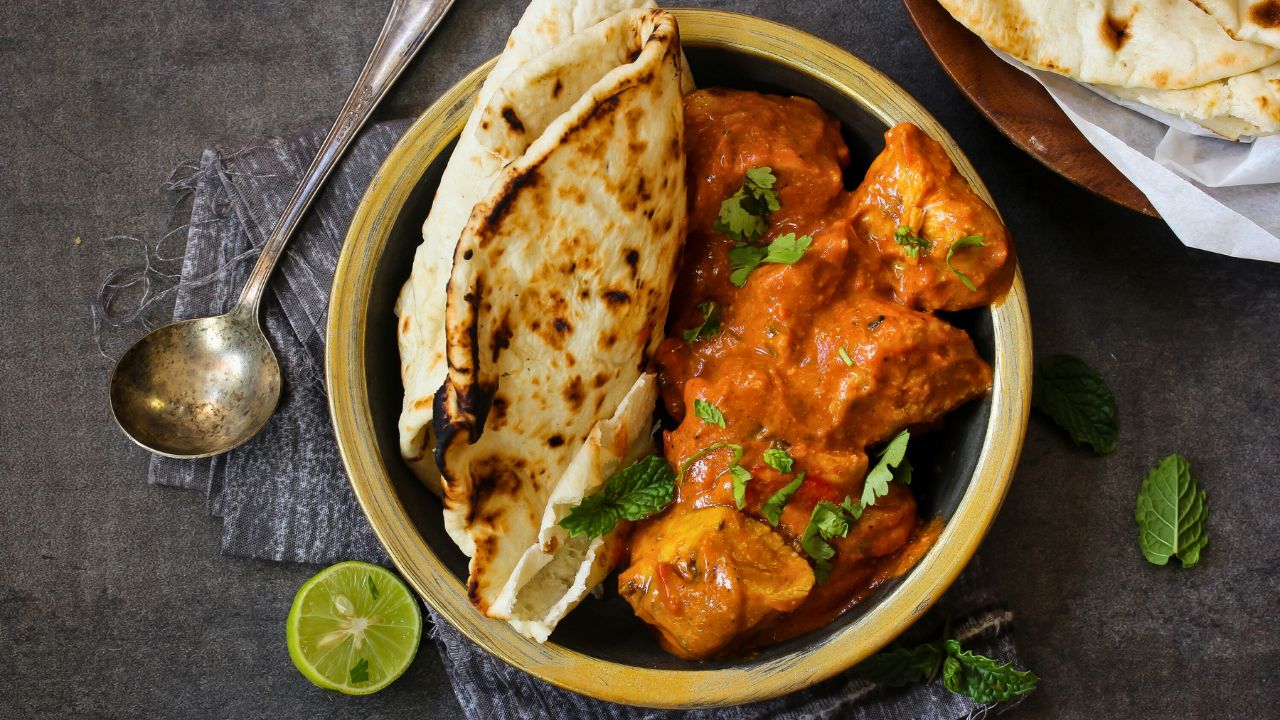
The guest, trying to be agreeable, even went along with his friend to a local Indian restaurant to pick up the food. He watched as his friend ordered a feast of “quite a few varieties of dishes, rice, naan etc.,” racking up a bill of $250.
The meal itself was lovely, and with so much food ordered, there were plenty of leftovers. But the pleasant evening came to a screeching halt as the family was saying their goodbyes. The host casually dropped a bombshell.
“When you get home, transfer half for the dinner,” he said. The man was so taken aback that he just agreed in the moment. It was only on the drive home that the request began to feel “weird.” As he explained, “We were invited because they wanted us to come over and host dinner.”
To add insult to injury, the host never offered to share the significant amount of leftover food; it all remained at his house. The guest was essentially being asked to pay $125 for his family’s dinner and to stock his friend’s fridge for the next few days.
The Internet Reacts
It’s no surprise that when the man shared his story, people online were absolutely floored by his friend’s audacity. The responses quickly fell into a few distinct camps.
First, there was the “Absolutely Not” crowd, who were furious on the guest’s behalf. They felt the host had committed a major social foul. One commenter summed it up perfectly: “It’s already tacky not to inform invited guests beforehand that they need to contribute to a meal financially… That’s not even tacky anymore, that’s just rude and greedy.”
Another put it even more bluntly, stating, “Invited means the people inviting pay. Inviting someone and then asking them to pay is scamming people.” The consensus was clear: the host changed the terms of the invitation without any warning, and that is simply not done.
Then came the more pragmatic group, who, while agreeing the host was wrong, worried about the social fallout. This camp advised caution, suggesting that refusing to pay might not be worth the trouble. “It may not be a hill worth dying on,” one person wisely noted, suggesting he could “offer to cover a portion you feel reasonable” and simply never accept an invitation again.
Another commenter pointed out the dilemma bluntly: “You could loose a friend… depends if this friend is worth 125…” This group saw the payment as a potentially necessary, albeit unfair, price to keep the peace.
Finally, there were those who were already thinking about how to handle future interactions, with some suggesting a little passive aggression was in order. Many felt the friendship itself needed a second look. “Maybe I’m sensitive, but such a thing would make me reevaluate the friendship,” one person admitted.
Others advised a ‘pay and ghost’ approach: “I’d suck it up and send the money. Then I would never dine at their home again.” And, of course, there was the simple, classic suggestion for payback: “Return the favor!”
The Etiquette Verdict
Let’s be perfectly clear: this behavior is a staggering breach of basic etiquette. When you extend an invitation to your home, you are the host. The costs—whether for groceries for a home-cooked meal or for takeout you choose to order—are entirely your responsibility.
If the plan is to split the cost, that must be communicated and agreed upon before the food is ever ordered. To present a guest with a bill on their way out the door is simply unacceptable. It turns a gesture of friendship into a crass transaction and puts your guest in an incredibly uncomfortable position.
Your Thoughts
This story certainly makes you think about the lines we draw with friends. It leaves us with a difficult question to ponder.
What would you have done? Would you have paid the $125 to preserve the friendship, or would you have stood your ground on principle, even if it meant causing a rift?