Cousin Racked Up an Expensive Steakhouse Bill on My Parents’ Tab, Then I Caught Her Telling Her Boyfriend to Splurge
Most of us grew up understanding that being a guest in someone’s home or at their table means conducting yourself with courtesy and appreciation. It’s one of those unspoken social codes: you don’t grab the biggest piece of cake, and you absolutely don’t select the priciest entrée when another person is picking up the tab. It’s just basic decency.
Yet, one individual recently went online to recount a childhood memory that demonstrates not everybody abides by these core principles of etiquette. Their cousin’s outrageous dining behavior resonated with many, serving as a powerful reminder that someone’s generosity should never be exploited like an unlimited credit line.
The Incident
The account starts when the narrator was only eight years old. Their 19-year-old cousin had come to stay with the household for several days. To make their young visitor feel welcome, the family chose to treat her to a lovely evening out at a steakhouse.
However, the enjoyable outing soured quickly once it came time to place orders. Knowing full well that her relatives were covering the cost, the cousin chose to exploit the situation completely. She selected the most premium steak available, piled on multiple side dishes, and racked up a string of drinks. And as a final flourish, she ordered a piece of cake—not to enjoy at the restaurant, but to box up and bring home.
As if that weren’t brazen enough, the situation escalated further. Several months down the road, the cousin essentially invited herself back for another stay, and this time she brought her boyfriend in tow. They showed up with barely any advance notice, and though the parents refused to let the couple sleep in the house, they nonetheless agreed to take them out for a meal.
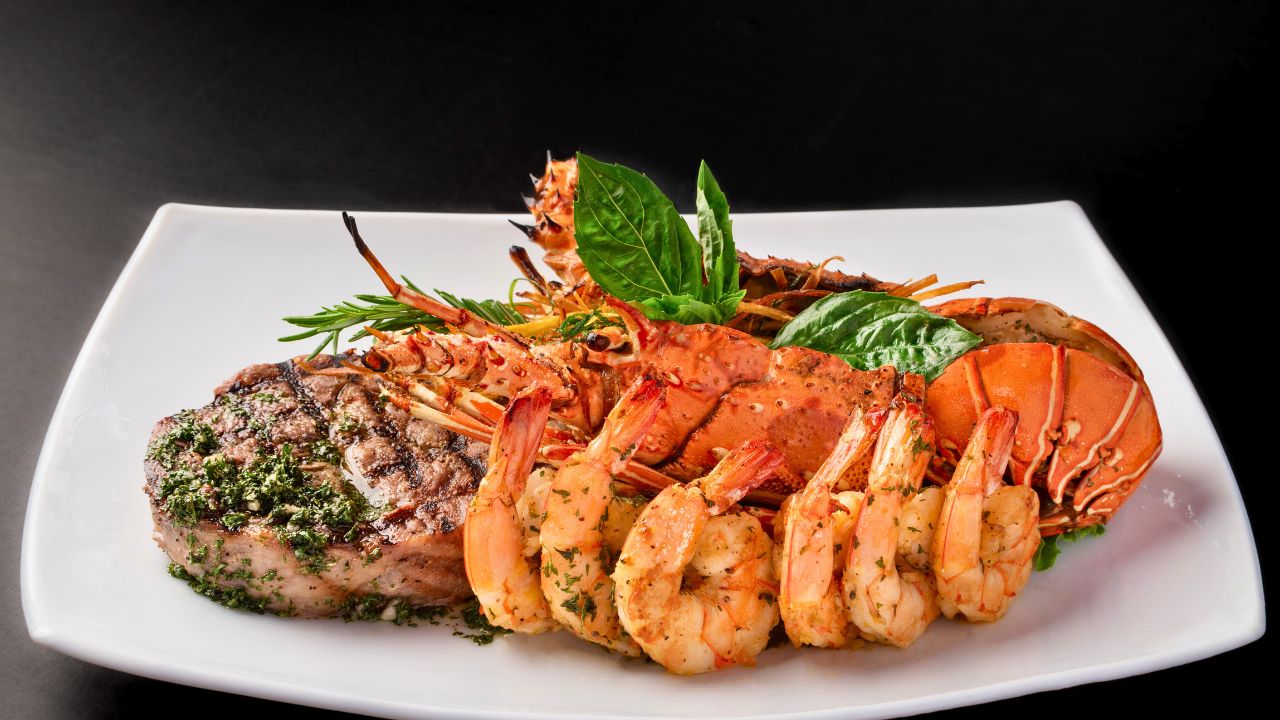
Once more, kindness was repaid with entitlement. The cousin and her boyfriend both chose the most expensive options on the menu and, true to form, tacked on desserts to take with them. The narrator was floored when they caught their cousin openly instructing her boyfriend to “splurge because my parents were paying.” It was obvious that being gracious guests was the furthest thing from their minds; they were simply there to cash in on a free meal.
The Internet Reacts
After the story appeared online, it unleashed a torrent of reactions. Readers were astonished by the cousin’s audacity, and the conversation rapidly broke down into several distinct groups, each picking apart this epic breach of dining etiquette.
Camp 1: The “Absolutely Not” Crowd
The overwhelming majority of commenters were outraged on the family’s behalf, declaring this behavior entirely out of line. They maintained that good manners aren’t something you can just discard, particularly when someone is showing you generosity. One commenter captured it flawlessly: “My parents taught me that when someone invites me out to eat… order something less expensive than the buyer’s meal. It’s good manners.”
Someone else chimed in, affirming that this is a non-negotiable rule of courteous society. “As an adult I simply thought it was simply bad manners to ever order the most expensive things, even if directed to do so,” they wrote. The overwhelming agreement was unmistakable: exploiting a host’s generosity is a grave social transgression. One individual wrapped it up neatly by declaring, “People who take an opportunity at the expense of others are not decent human beings.”
Camp 2: The “Devil’s Advocate”
Although nobody explicitly came to the cousin’s defense, a handful of readers attempted to consider the broader context of the family dynamics. The original poster had noted that other cousins in the family also had a habit of consuming “eat so much food” during visits, partly because their own mother, an artist, didn’t always have hearty meals available at home.
This prompted some to speculate whether the entitled conduct was rooted in a deeper, more complex family pattern around money and hospitality—one that may have originated from a background of scarcity.
Camp 3: The “Practical Advice” Crowd
This faction looked beyond the initial shock and began proposing savvy strategies for dealing with such scenarios. The most widely praised suggestion came from a user who shared their personal approach: “When I am going to pay for a group… I’ll never let them know beforehand.” They described how they would excuse themselves toward the end of dinner to discreetly pay the server, sidestepping the problem altogether.
Others recommended a more confrontational tactic. One commenter suggested that the parents should have immediately requested separate checks the instant those extravagant orders were placed. Another offered a handy phrase to deploy at future get-togethers: “Do you guys want to go out to eat? It’s Dutch so let us know.” This no-nonsense approach, where everyone covers their own meal, would eliminate any possibility of confusion.
The Etiquette Verdict
Let’s make one thing absolutely clear: the cousin was unequivocally in the wrong. Having someone treat you to a meal is a privilege, not a right. The cardinal rule when dining as someone’s guest is to be thoughtful and restrained in what you choose. Your order should express thankfulness, not avarice. Selecting the costliest steak, heaping on extra sides, and snagging a dessert to-go isn’t merely bad manners; it’s a deep disrespect toward the person footing the bill.
Genuine grace has nothing to do with what you can afford; it’s entirely about how you carry yourself. In this case, even a small amount of thoughtfulness would have made all the difference.
What Would You Do?
This tale poses a tough question about navigating family conflict over a dinner table. We’d love to hear your thoughts. Should the parents have called their niece out on her disrespectful behavior, or did they do the right thing by quietly paying the bill to keep the peace?