14 Italian Fall Dishes So Good They Make America’s Comfort Food Seem Bland
Italy’s fall cuisine puts our mac and cheese and meatloaf to shame. While we’re over here with our basic casseroles, Italians transform seasonal ingredients into masterpieces that warm both body and soul. These 14 dishes showcase why Italian grandmothers deserve their legendary status in the kitchen.
From the hearty bread-based Ribollita that wastes nothing to the rich, wine-braised Osso Buco that melts in your mouth, Italian autumn food tells stories of regional history through flavor. Each dish carries centuries of tradition – like Tortellini in Brodo, those tiny “Venus belly buttons” floating in golden broth, or Cotechino con Lenticchie, the sausage and lentil combo that promises good fortune.
American comfort food certainly has its charms, but Italian fall cooking operates on a different level. The slow-simmered Pasta e Fagioli transforms humble beans and pasta into something magical. The mushroom-topped polenta warms you from the inside out. Ready for a taste that’ll make your favorite comfort foods seem positively boring? Let’s dig in.
Cotechino con Lenticchie
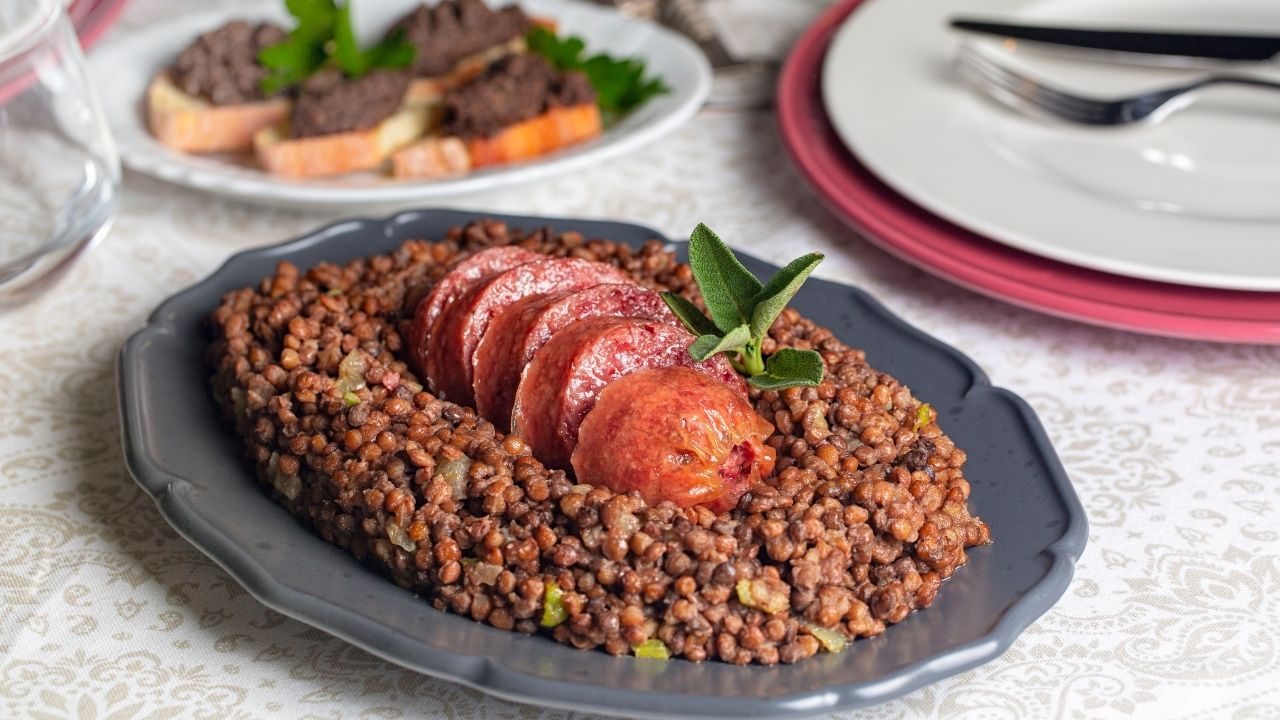
Picture this: you’re sitting at a rustic table in Emilia-Romagna while someone’s nonna slides a plate of cotechino con lenticchie in front of you, and suddenly every pork-and-beans combo you’ve ever had feels like amateur hour. This legendary pairing features cotechino—a thick, succulent sausage stuffed with pork, fat, and spices that’s been slow-cooked until it practically melts off your fork—nestled alongside a mound of tender lentils that have absorbed every drop of porky goodness. The sausage itself is a thing of beauty, with its characteristic gelatinous texture that might sound weird but tastes like heaven wrapped in natural casing.
Here’s the kicker: Italians traditionally eat this dish on New Year’s Eve because lentils supposedly bring good luck and prosperity (their coin-like shape is no accident). But honestly, you don’t need to wait for December 31st to treat yourself to what might be the most satisfying comfort food known to humanity. The cotechino takes about two hours to cook properly—it’s basically the marathon runner of sausages—but the wait is so worth it when you bite into that perfectly spiced, tender meat. Pair it with a glass of Lambrusco, and you’ll wonder why anyone ever settled for a hot dog when this masterpiece exists.
Vitello Tonnato
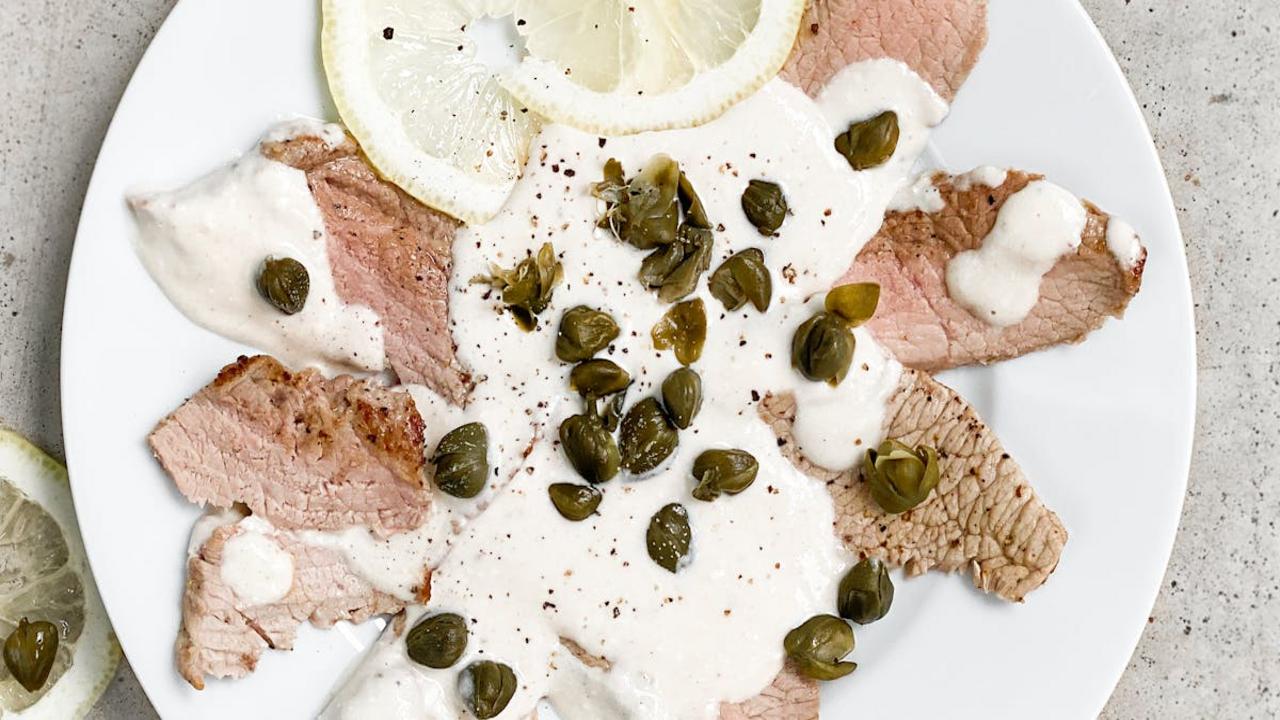
Picture this: you’re at an Italian dinner party, and someone brings out what looks like the most elegant cold cuts platter you’ve ever seen. Thin slices of pale veal draped like silk scarves, smothered in a creamy, golden sauce that makes you question everything you thought you knew about mayonnaise. That’s vitello tonnato, and trust me, it’s about to make your deli counter turkey sandwich weep with shame. This Piemontese masterpiece combines tender, poached veal with tonnato sauce – a brilliant concoction of tuna, anchovies, capers, and egg yolks that somehow creates pure magic instead of the fishy disaster you might expect.
Here’s the beautiful irony: Italians created this dish as a way to make expensive veal stretch further during celebrations, but the “filler” sauce became the star of the show. The tuna sauce clings to each slice like a luxurious blanket, creating this umami bomb that hits different than anything in your American comfort food repertoire. You know how we throw ranch dressing on everything? Italians perfected that concept centuries ago with tonnato sauce, except theirs actually has sophisticated flavor layers that build and surprise your palate. Serve this at your next gathering, and watch your guests abandon their usual small talk to discuss the genius who first thought to pair land and sea in such an unexpectedly perfect marriage.
Pasta al Forno
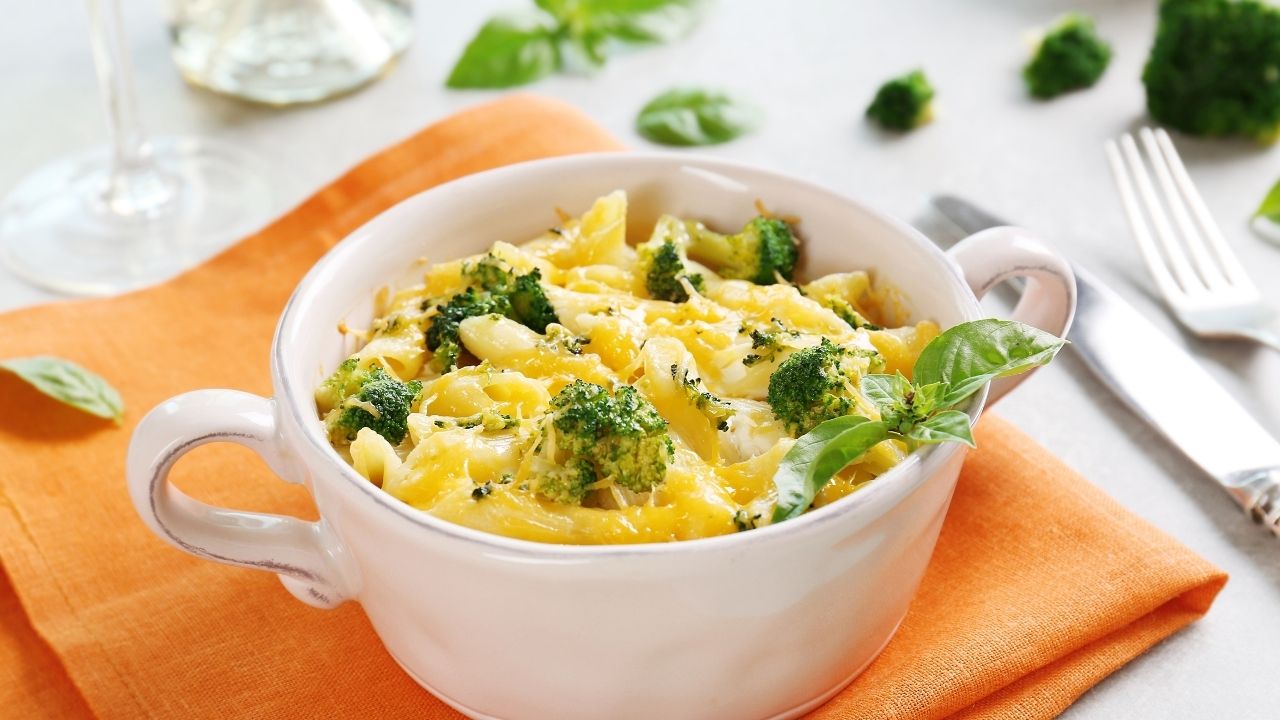
Picture this: you’re standing in your Italian grandmother’s kitchen (even if you don’t have one, pretend you do), and she’s pulling this magnificent, golden-bubbling masterpiece from the oven. That’s Pasta al Forno, folks – Italy’s answer to the question “What happens when you take regular pasta and give it the royal treatment?” This baked pasta dish transforms humble ingredients like rigatoni or penne into something so spectacular that your regular Tuesday night spaghetti will weep with envy. The magic happens when you layer cooked pasta with rich tomato sauce, creamy béchamel, and enough cheese to make a cow jealous, then bake it until the top forms a gorgeous, crispy crust that crackles under your fork.
Here’s what makes this dish absolutely brilliant: it’s basically Italy’s version of meal prep, except infinitely more glamorous than your sad desk lunch. Italians have been making this since the Middle Ages, proving that comfort food innovation isn’t just a modern concept – they were already perfecting the art of “throw everything delicious in a pan and bake it” centuries before we figured out microwaves. The secret lies in the layering technique, which creates pockets of molten cheese and sauce that surprise you with every bite. Pro tip from someone who’s burned their tongue more times than I care to admit: let it cool for exactly seven minutes after it comes out of the oven – any less and you’ll need a new tongue, any more and you’ll lose that perfect temperature contrast between the crispy top and the molten center.
Canederli
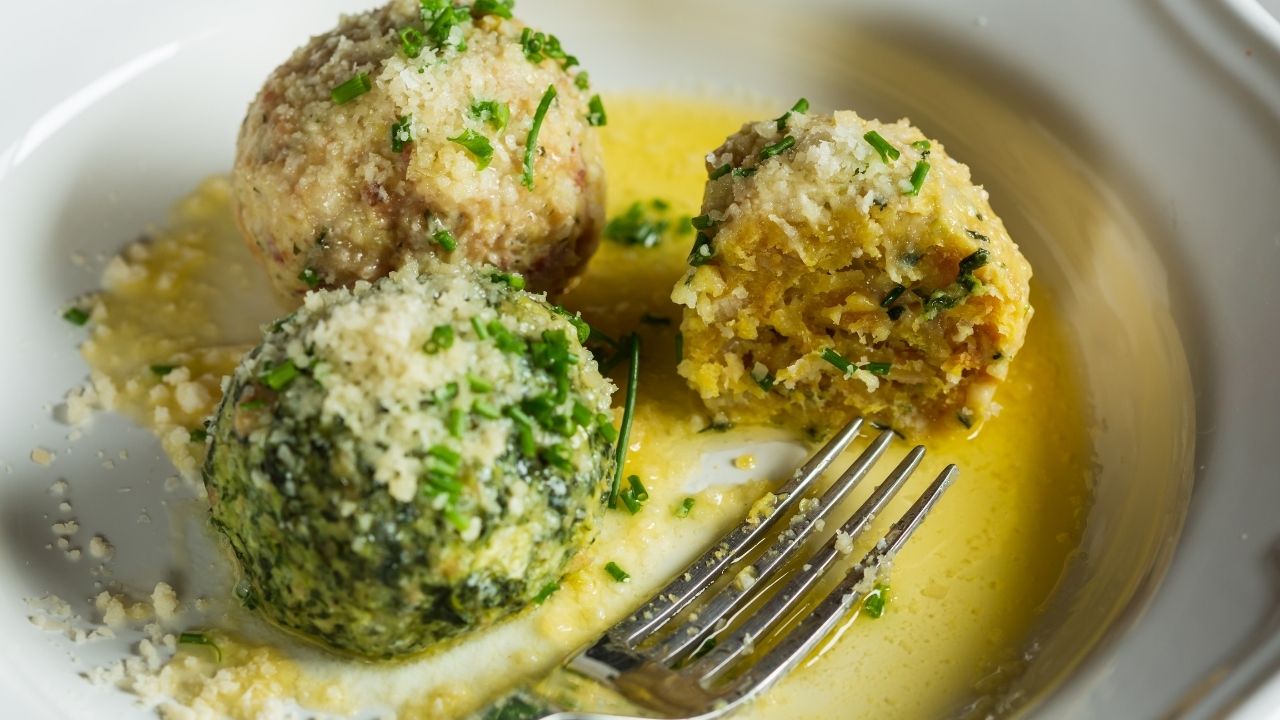
Picture this: you’re wandering through the Tyrolean Alps, and someone hands you what looks like a tennis ball made of bread. Before you can politely decline, you bite into these magical spheres called canederli, and suddenly your world shifts on its axis. These aren’t just dumplings – they’re edible clouds that somehow managed to pack more flavor than your average American casserole. Originating from the German-speaking regions of northern Italy, canederli prove that the Italians took Austrian knödel and said, “Hold my prosecco, we can do this better.”
What makes canederli absolutely brilliant is their genius use of stale bread – because Italians never waste anything, especially carbs. You soak old bread in milk, mix it with eggs, flour, and whatever leftovers you have lying around (speck, cheese, spinach, or herbs), then roll them into perfect spheres. They float in rich broth like little flavor bombs waiting to explode in your mouth. The texture hits different than any dumpling you’ve tried – simultaneously light and substantial, with a slightly chewy exterior that gives way to pillowy softness inside. Serve them in beef or vegetable broth, and watch people forget they ever cared about chicken and dumplings.
Brasato al Barolo
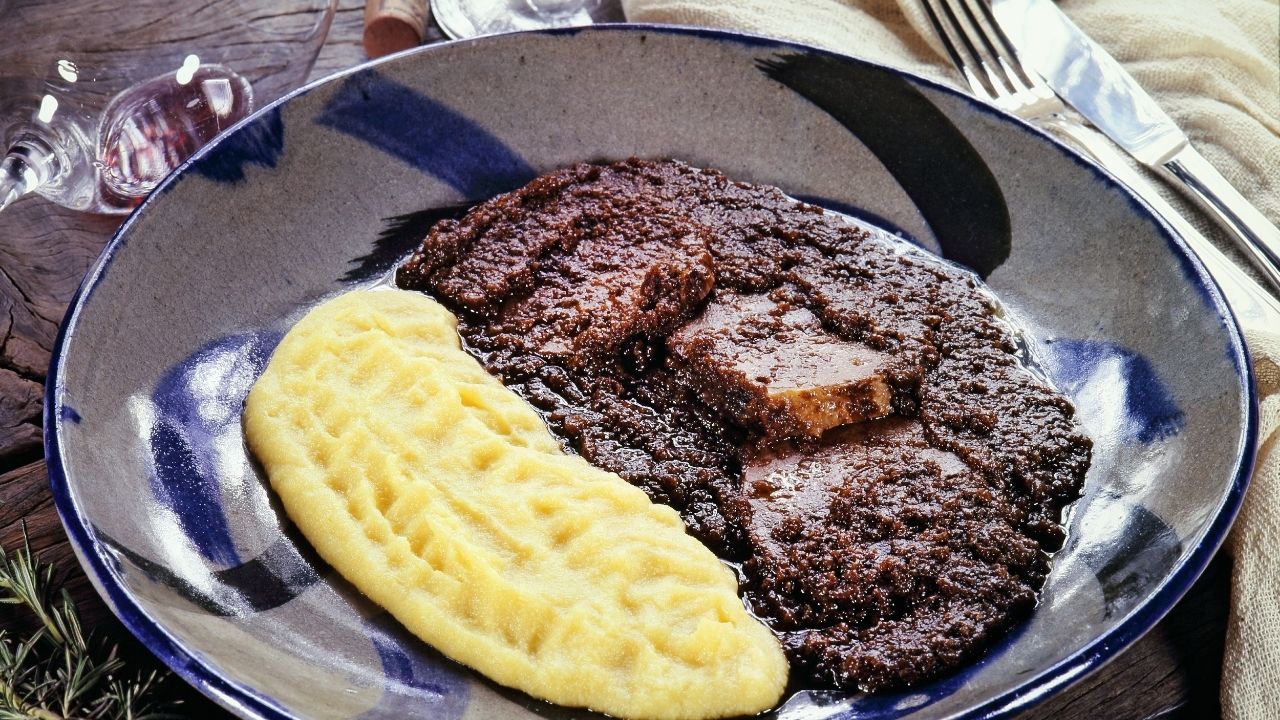
Picture this: you’re wandering through Piedmont on a crisp October evening, and suddenly you catch a whiff of something so intoxicating it stops you dead in your tracks. That, my friend, is Brasato al Barolo working its magic—beef braised in Italy’s most prestigious wine until it practically melts at the mere suggestion of a fork. This isn’t just dinner; it’s a love letter written in burgundy ink, where a tough cut of beef transforms into silk through hours of patient simmering in Barolo wine that costs more than most people’s weekly grocery budget.
The genius lies in the contradiction: you take a wine so fancy it makes sommeliers weep with joy, then you cook the heck out of it with some humble beef chuck. Italians have been perfecting this dish since the 1800s, and here’s the kicker—they often use wine that’s been sitting around for decades, because apparently even their leftovers are fancier than our best efforts. The meat emerges dark as midnight and tender enough to cut with a butter knife, while the wine reduces to a glossy, almost black sauce that tastes like concentrated autumn. Serve it over creamy polenta, and you’ve got a dish that makes American pot roast look like it’s trying way too hard at the school talent show.
Zuppa di Farro
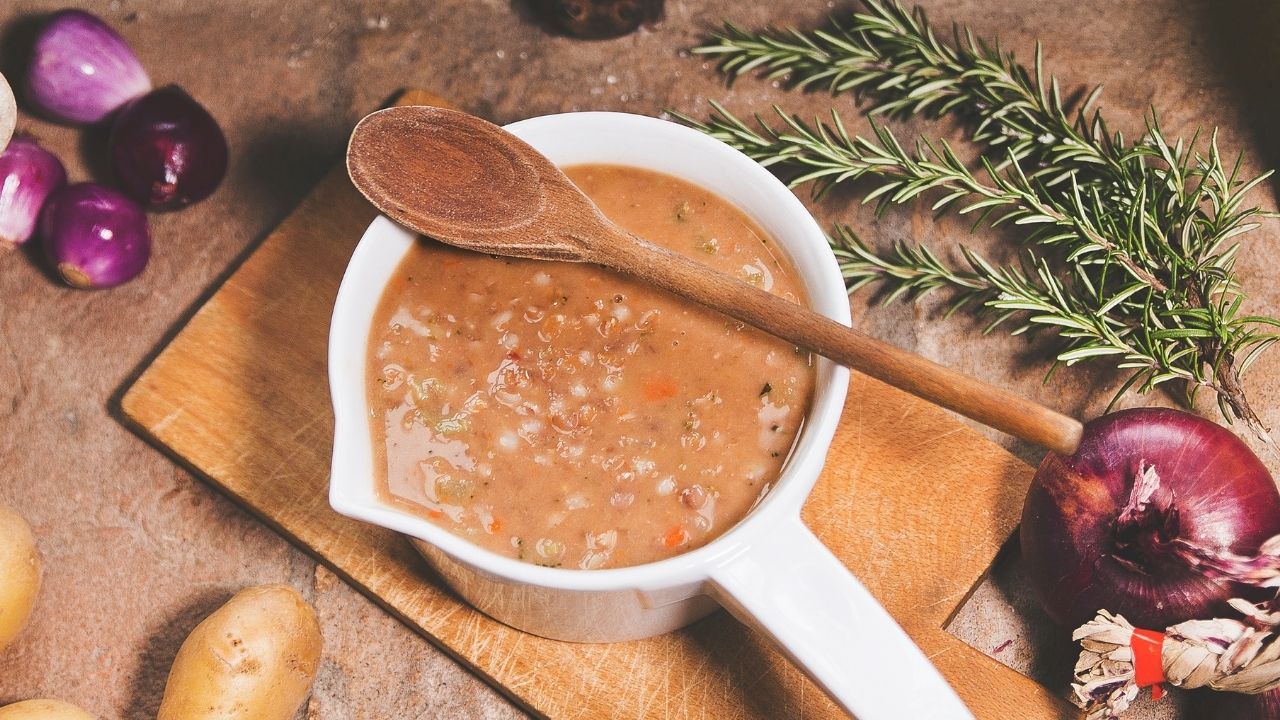
Picture this: you’re wandering through a Tuscan village on a crisp October morning, and suddenly you catch a whiff of something so magnificent it stops you mid-stride. That, my friend, is probably someone’s nonna stirring a pot of Zuppa di Farro, the soup that makes Campbell’s chicken noodle look like dishwater. This ancient grain soup transforms humble farro—those chewy, nutty pearls that Romans considered more precious than gold—into liquid comfort that’ll warm you from your toes to your soul. The beauty lies in its rustic simplicity: farro simmered with vegetables, beans, and whatever herbs happen to be growing in the garden.
Here’s what makes this soup absolutely genius—it gets better with age, just like Italian wine and George Clooney. Day one delivers hearty satisfaction, but day two? Pure magic happens as those farro grains absorb every drop of flavor while releasing their natural starches to create the silkiest, most luxurious texture imaginable. Italians have been perfecting this recipe since medieval times, back when farro kept entire communities alive during harsh winters. Today, you can recreate this masterpiece by simmering a cup of farro with diced vegetables, cannellini beans, and good stock for about an hour. Trust me, once you try this soul-warming elixir, you’ll wonder why Americans ever settled for canned soup.
Tortellini in Brodo
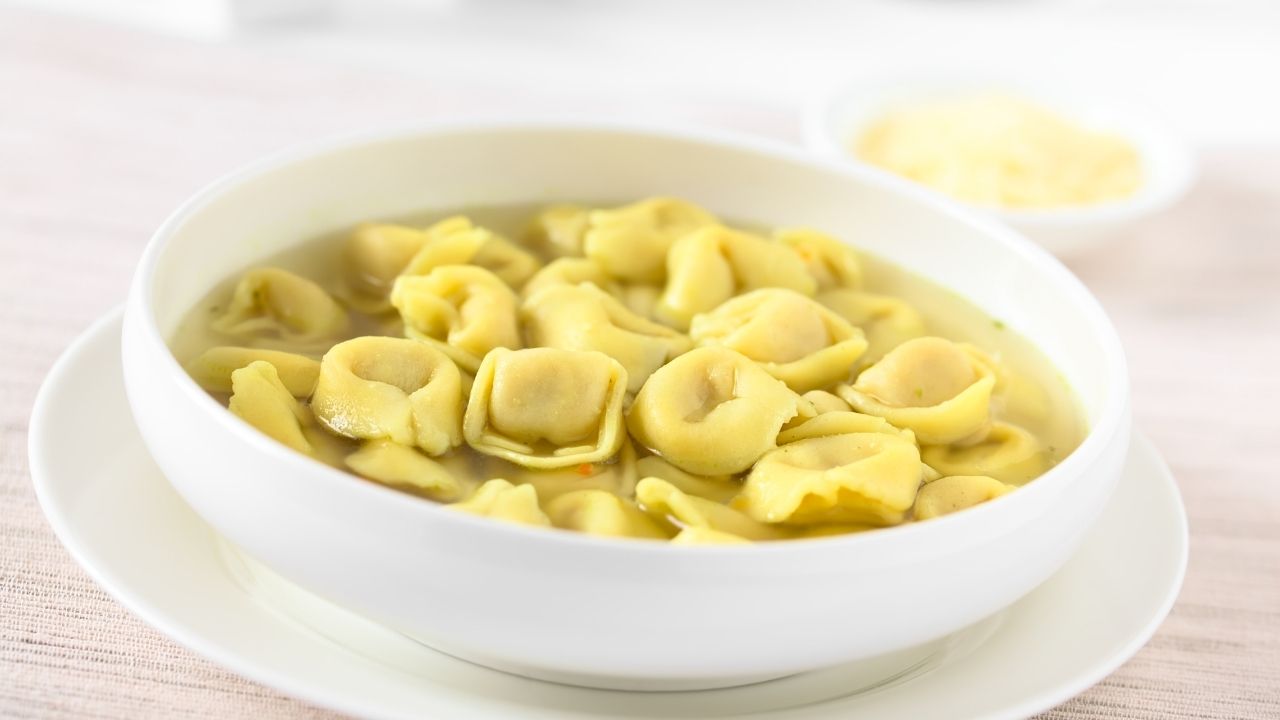
Picture this: you’re sitting in a cozy Italian kitchen while nonna carefully folds each tiny tortellini by hand, muttering under her breath about how your generation doesn’t appreciate real food anymore. That’s the magic of tortellini in brodo – these little pasta parcels swimming in golden, soul-warming broth that makes chicken noodle soup look like amateur hour. Legend says tortellini were inspired by Venus’s navel (because apparently even ancient Italians were obsessed with food and mythology), but I think they’re more like edible love letters from Italian grandmothers to the world.
The broth itself deserves its own standing ovation – we’re talking about liquid gold made from slowly simmered bones, vegetables, and enough time to make you question why you ever settled for store-bought stock. Each spoonful delivers tender pasta filled with a mixture of prosciutto, mortadella, and Parmigiano-Reggiano that practically melts on your tongue. Fun fact: in Emilia-Romagna, they take their tortellini so seriously that there’s an official recipe filed at Bologna’s Chamber of Commerce – because nothing says “we don’t mess around” like legally protecting your pasta. One bowl of this magnificent creation and you’ll wonder why you ever thought Campbell’s soup was acceptable comfort food.
Cassoeula
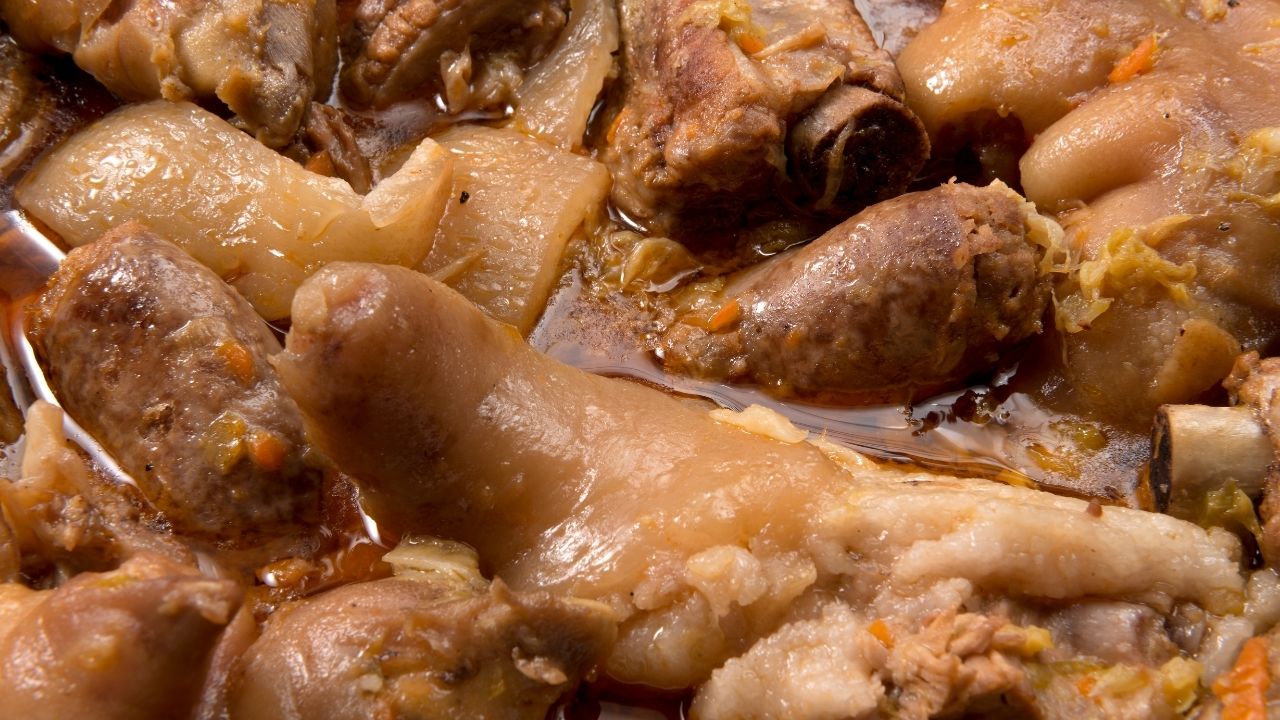
Picture this: you’re in Milan on a foggy November evening, and someone mentions cassoeula. Your Italian friend’s eyes light up like they just spotted Marcello Mastroianni at the local trattoria. This isn’t just dinner—it’s a full-contact sport between cabbage, pork ribs, sausages, and pig’s feet that somehow transforms into pure magic. The dish originated as peasant food, which really means “let’s throw everything we have into one pot and pray it doesn’t taste like sadness.” Spoiler alert: it tastes like heaven had a baby with comfort.
What makes cassoeula so ridiculously good? The slow-braised pork literally falls off the bone while the Savoy cabbage soaks up all those porky, herby flavors like a delicious sponge. You’ll need about four hours of cooking time, but trust me, your patience pays off when you take that first bite and suddenly understand why Italians get misty-eyed talking about their nonna’s recipe. Serve it with polenta that’s creamier than a Renaissance painting, and watch your American mac-and-cheese suddenly seem as exciting as watching paint dry. Pro tip: make extra because this tastes even better the next day, assuming you can resist demolishing the entire pot in one sitting.
Trippa alla Fiorentina
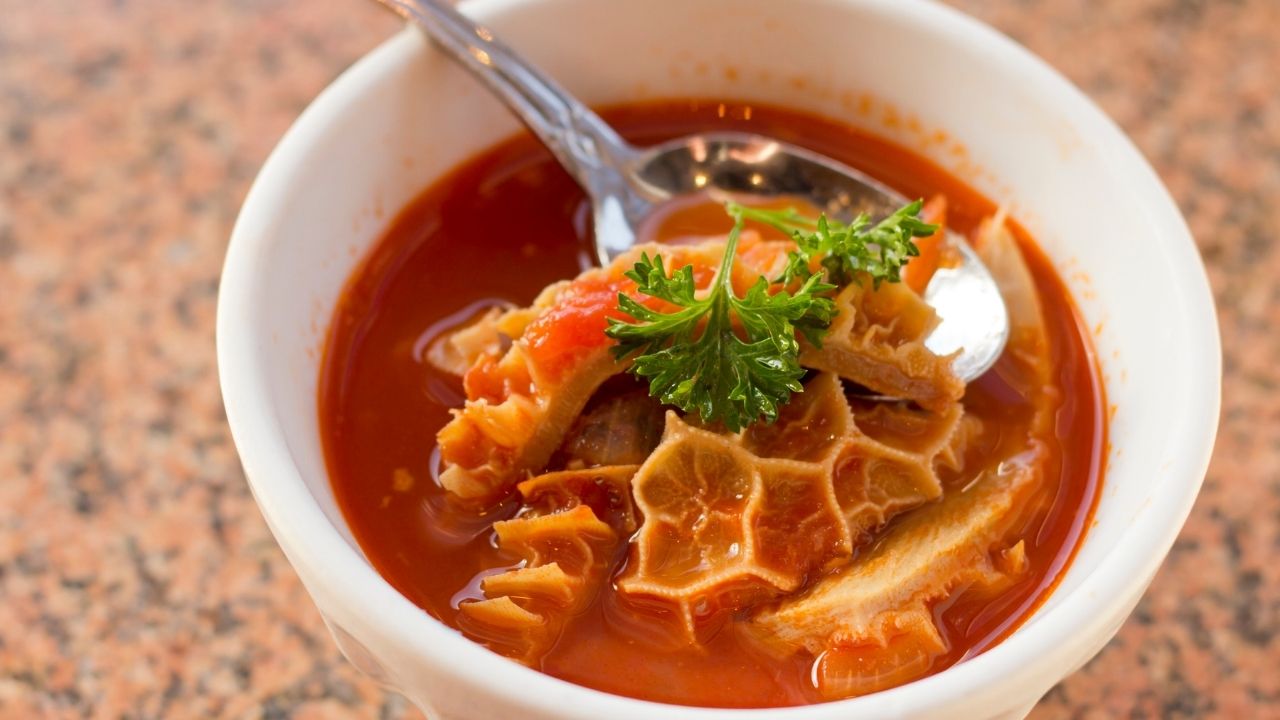
Listen, I know what you’re thinking – tripe? Really? But before you wrinkle your nose and click away, hear me out on this Florentine masterpiece that transforms humble beef stomach lining into something so spectacular it’ll make you question everything you thought you knew about comfort food. Trippa alla Fiorentina is basically Florence’s way of saying “hold my Chianti” to anyone who thinks organ meat can’t be absolutely divine. The dish takes those chewy, honeycomb-textured strips and slow-cooks them with tomatoes, onions, celery, carrots, and enough herbs to make your kitchen smell like an Italian grandmother’s dream.
Here’s the kicker – this isn’t some fancy restaurant creation dreamed up by a pretentious chef. Nope, this is pure working-class genius that emerged from Florence’s bustling markets, where vendors needed to make every part of the animal count. The tripe gets tender enough to cut with a fork after hours of patient simmering, absorbing all those rich tomato and vegetable flavors until it becomes this incredibly satisfying, warming bowl of pure autumn comfort. Florentines traditionally finish it with a generous shower of Parmigiano-Reggiano and serve it with crusty bread that’s perfect for sopping up every last drop of that incredible sauce. Trust me, once you try this properly made, you’ll understand why Italians have been perfecting this recipe for centuries.
Gnocchi alla Romana
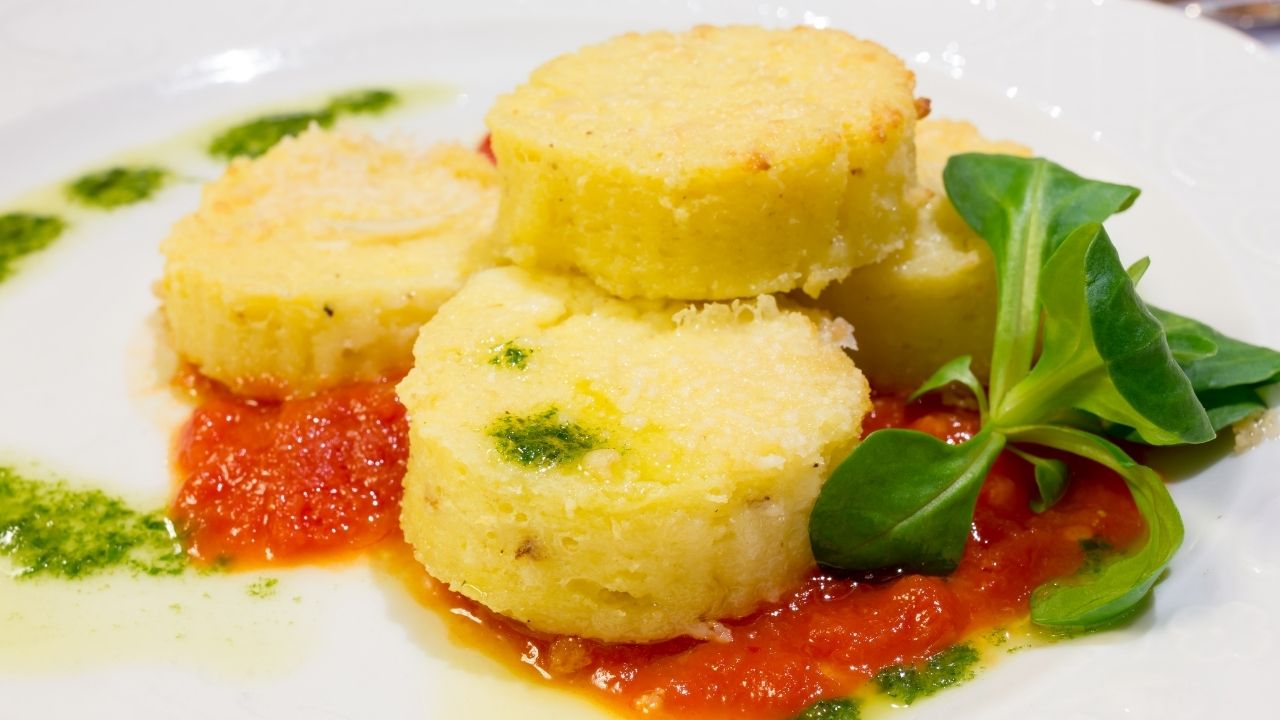
You know what’s wild about gnocchi alla romana? Most people think they know gnocchi, but then this Roman beauty shows up and completely flips the script. We’re not talking about those little potato pillows you’re used to – oh no, this is semolina territory, baby! Picture thick, creamy semolina cooked with milk until it’s so rich and luscious that you’ll question every carb choice you’ve ever made. The Romans take this golden mixture, spread it out like a canvas, then cut perfect circles that get layered in a baking dish like edible roof tiles. Each disc gets a generous shower of Parmigiano-Reggiano and butter dots before heading into the oven.
Here’s where things get seriously magical: that oven transforms these humble semolina rounds into something that would make angels weep. The top becomes gorgeously golden and slightly crispy while the underneath stays creamy and soft – it’s like getting the best of both worlds in one forkful. Romans have been perfecting this comfort food masterpiece since the 1930s, and honestly, they nailed it so hard that American mac and cheese should probably take notes. The beauty lies in its simplicity – just semolina, milk, eggs, cheese, and butter creating something so satisfying that you’ll wonder why you ever bothered with complicated recipes. Trust me, once you taste this golden goodness, your regular Tuesday night dinners will never feel the same again.
Pasta e Fagioli
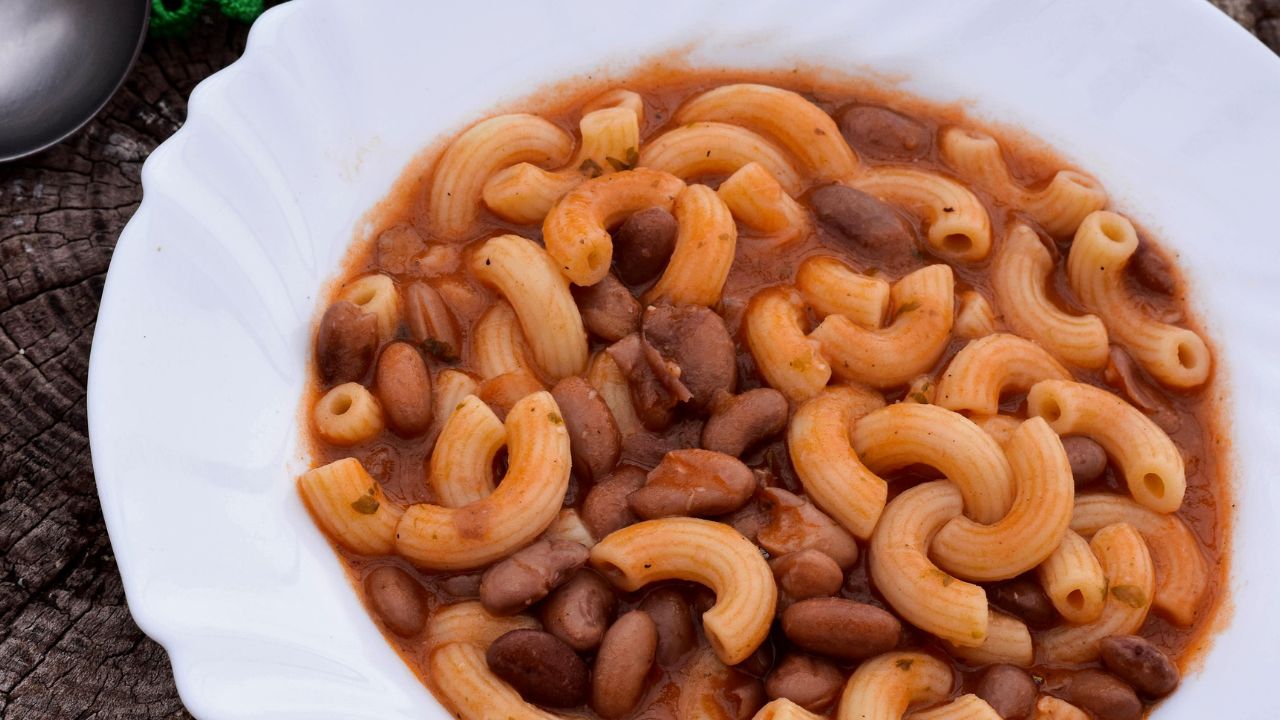
Picture this: you’re wandering through Venice on a drizzly October afternoon, and suddenly you catch a whiff of something so soul-warming that you practically float toward the nearest trattoria like a cartoon character following pie steam. That magical aroma? It’s Pasta e Fagioli, Italy’s answer to chicken noodle soup, except infinitely more sophisticated and about ten times more satisfying. This isn’t just pasta and beans thrown together—oh no, my friend—this is a masterclass in making humble ingredients sing opera.
The beauty of this dish lies in its beautiful simplicity and regional variations that could start friendly family feuds. In Veneto, they love their version thick and hearty with borlotti beans, while down south in Campania, they might add a generous handful of fresh herbs and a drizzle of peppery olive oil that makes your eyes water in the best possible way. Here’s the kicker: authentic Pasta e Fagioli often uses broken pasta pieces—those sad, shattered bits at the bottom of the box that you usually toss out. Italians figured out centuries ago that these irregular shapes actually grab onto the bean-thickened broth better than perfect tubes ever could. Smart cookies, those Italians!
Polenta con Funghi Porcini
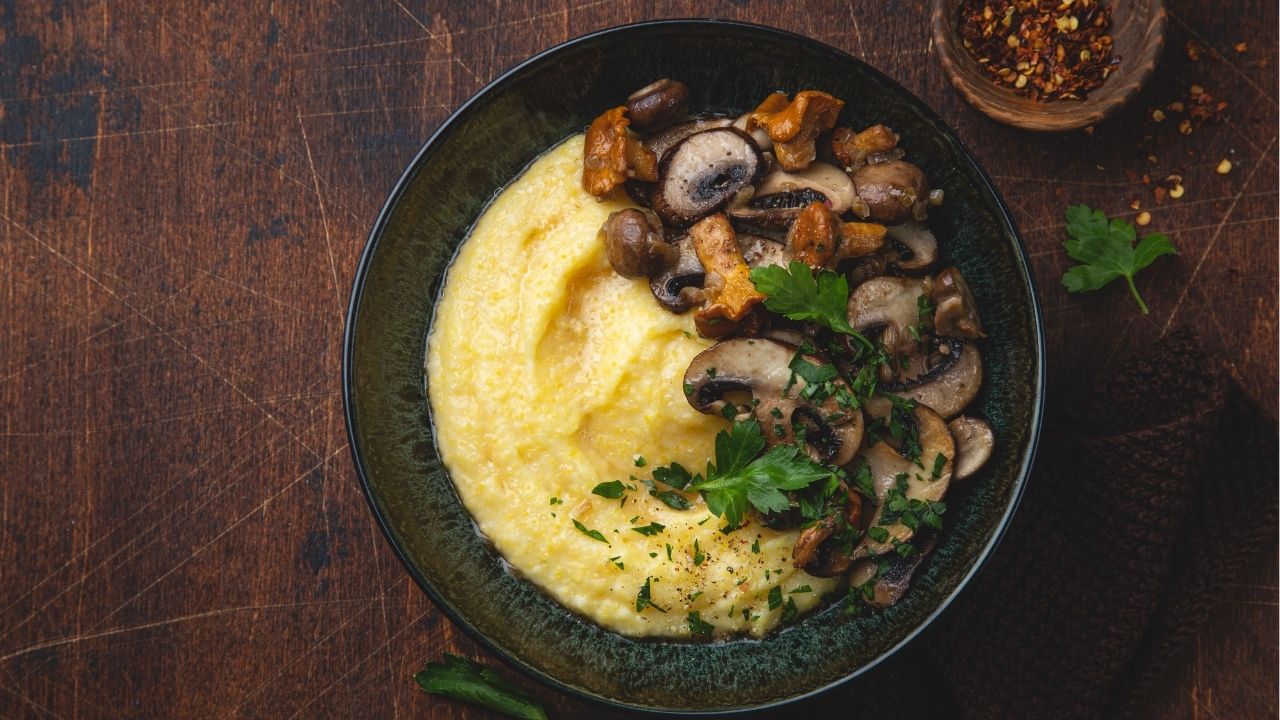
Picture this: creamy, golden polenta that’s been stirred with the devotion of an Italian nonna, topped with earthy porcini mushrooms that smell like autumn decided to take up residence in your kitchen. This dish transforms humble cornmeal into something so luxurious, you’ll wonder why Americans settled for instant mashed potatoes when this northern Italian masterpiece exists. The secret lies in patience – real polenta takes about 45 minutes of constant stirring, but trust me, your arm workout will be worth every silky spoonful.
Here’s a fun fact that’ll make you appreciate those porcini even more: these prized mushrooms can cost up to $50 per pound fresh, making them the truffles of the mushroom world. Italians hunt for them in the forests of Piedmont and Tuscany like treasure seekers, and once you taste their nutty, almost meaty flavor, you’ll understand the obsession. The mushrooms get sautéed with garlic, white wine, and fresh herbs, creating a sauce that makes polenta sing opera. Serve this with a glass of Barolo, and you’ve got yourself a dinner that’ll make your neighbors question why they’re heating up another frozen pizza.
Osso Buco alla Milanese
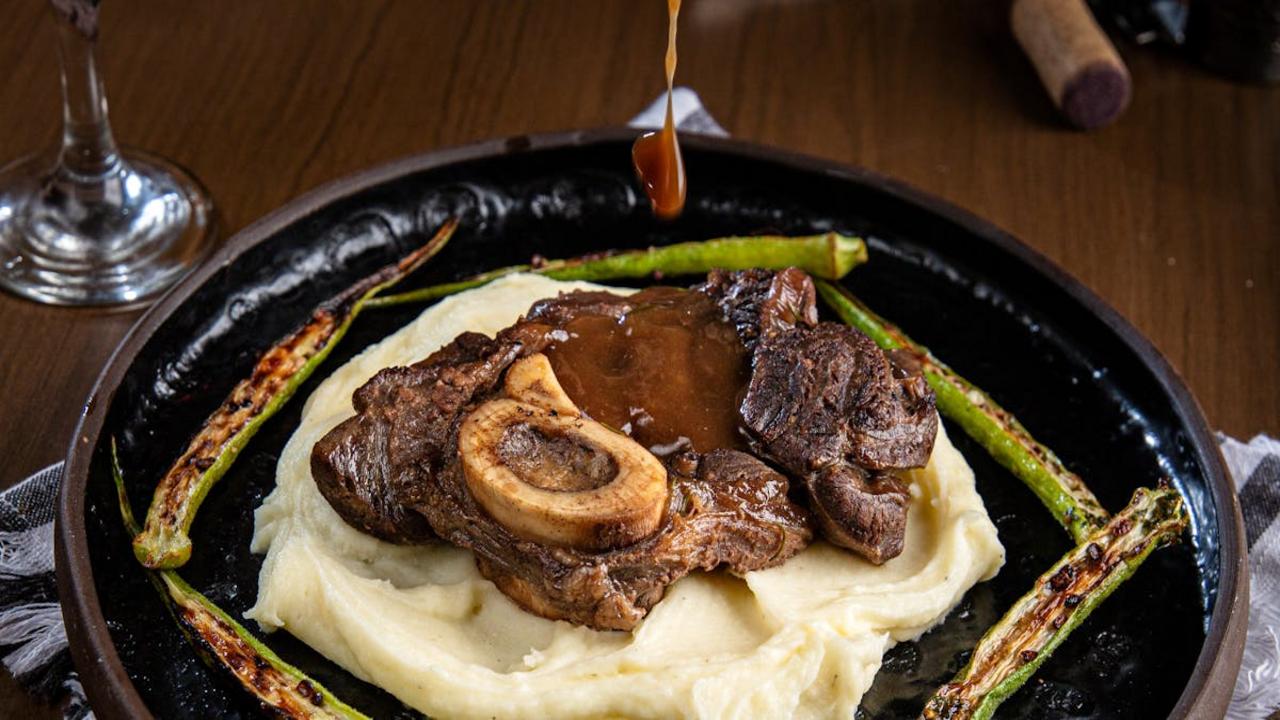
Picture this: you’re standing in a Milanese kitchen circa 1870, watching a cook slowly braise massive beef shanks until they practically fall off the bone. That’s osso buco alla Milanese, and it’s been making grown Italians weep tears of joy for over 150 years. This dish takes cross-cut veal shanks (though beef works beautifully too) and transforms them into something so tender you could cut it with a spoon. The magic happens in that marrow-filled bone center – “osso buco” literally means “bone with a hole” – where all the rich, gelatinous goodness lives. You braise these beauties with white wine, onions, carrots, celery, and stock until they reach that perfect point where the meat surrenders completely to your fork.
Here’s where things get interesting: authentic Milanese osso buco contains zero tomatoes. I know, I know – your Italian-American grandmother probably used them, but the original recipe predates tomatoes arriving in Italian kitchens. Instead, you finish this masterpiece with gremolata, a bright mixture of lemon zest, garlic, and parsley that cuts through all that rich, unctuous goodness. Serve it over creamy risotto alla milanese (the saffron one), and you’ve got a meal that makes your typical American pot roast look like sad cafeteria food. The best part? This dish actually improves overnight, so you can make it ahead and watch your dinner guests’ faces melt with pure bliss.
Ribollita
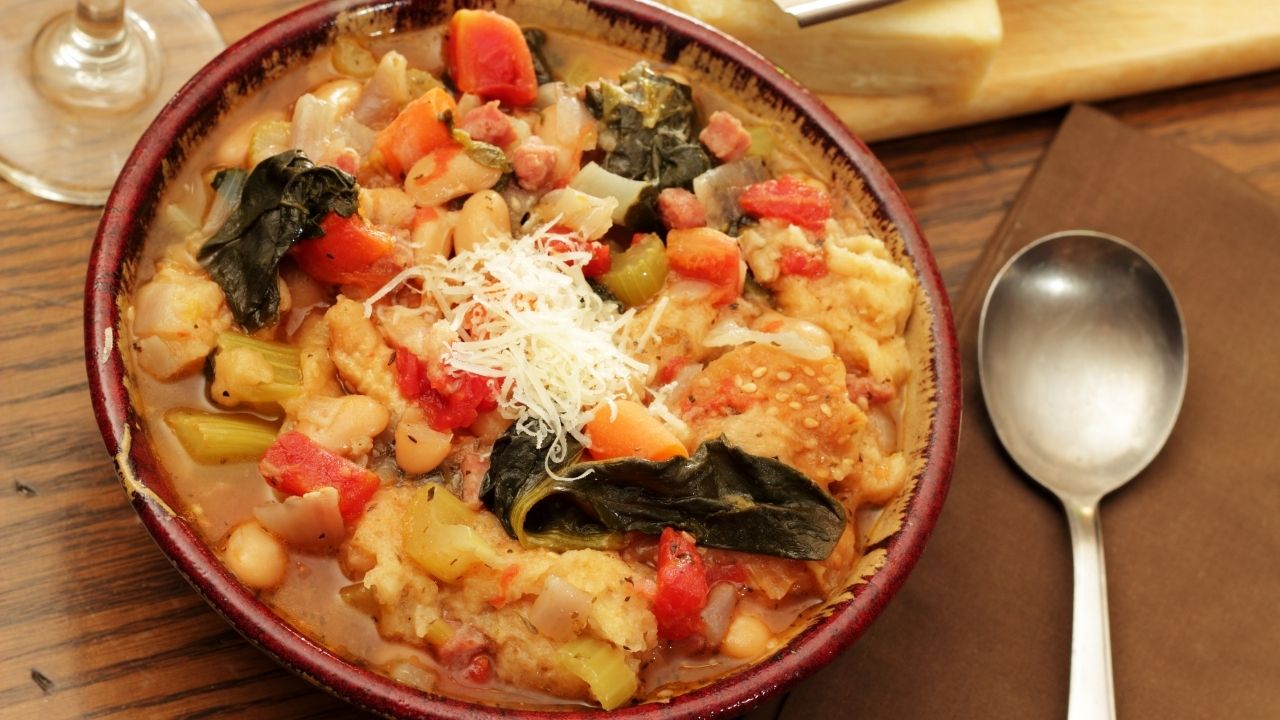
Picture this: you’re rummaging through your fridge on a Thursday night, staring at wilted vegetables and wondering if you should order pizza again. Meanwhile, somewhere in Tuscany, a nonna is transforming yesterday’s stale bread and leftover soup into pure magic called ribollita. This isn’t just soup – it’s edible archaeology, where each layer tells the story of Italian ingenuity. The name literally means “reboiled,” because Tuscan grandmothers discovered that day-old minestrone becomes exponentially better when you add chunks of crusty bread and simmer everything until it reaches the consistency of savory porridge.
What makes ribollita absolutely genius is how it turns frugality into luxury. You start with cannellini beans, kale, carrots, celery, and tomatoes, then add yesterday’s bread like you’re building edible architecture. The bread soaks up all those vegetable flavors and creates this incredibly satisfying texture that makes you forget you’re eating what’s essentially peasant food. I once watched an Italian friend make this with leftover pizza crust (sacrilege, she claimed, but delicious nonetheless), proving that ribollita adapts to whatever bread crisis you’re facing. Drizzle good olive oil on top, and suddenly your leftover situation becomes the most comforting meal you’ve had all week.