Chef Refuses to Serve Meals Outside Set Hours, and Tensions Boil Over
A chef working alone in a senior apartment complex’s private restaurant faced a conflict with a coworker regarding meal service timings.
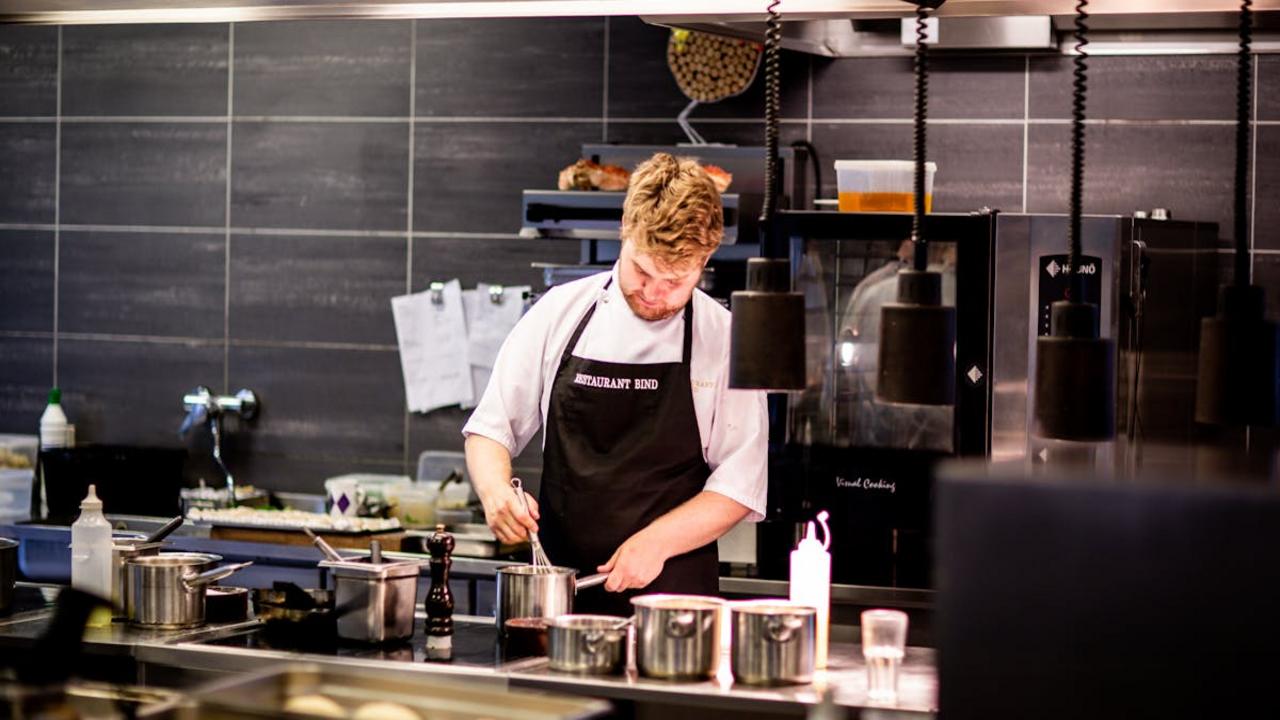
The chef serves lunch between 12 p.m. and 1 p.m. and dinner at 5 p.m., managing all kitchen duties solo during an 8-hour shift.
A coworker, responsible for marketing, repeatedly requested staff food outside of the designated lunch hours, leading to escalating tensions.
The story
The chef explained that staff meals are available only if ordered before or during lunch service hours.
The coworker first requested a cinnamon bun dessert before dinner, which the chef declined, stating meals are prepared only in needed quantities.
Later, she asked for bread and salad an hour after lunch, then a croissant that had sold out, and left frustrated, claiming she couldn’t get food.

On a subsequent occasion, the coworker attempted to order eggs and bacon five minutes after lunch, during kitchen cleanup.
The chef denied the request, prompting the coworker to confront the manager about being denied food.
The manager advised the chef to be more flexible and find solutions rather than denying requests outright.
The reactions
Many commenters supported the chef, emphasizing the impracticality of accommodating late or after-hours meal requests when responsible for solo kitchen operations.
Some noted that the chef is not a short-order cook and that staff must adhere to ordering schedules to maintain kitchen efficiency and service quality.
“You’re not your coworker’s personal chef. They need to order on time or bring their own food,” one commenter stated.
Others suggested that the coworker’s entitlement and disregard for established norms disrupted workflow and impacted the chef’s ability to serve paying customers properly.
Several commenters advised clear communication of meal ordering rules, ideally by management, to avoid confusion.
One commenter remarked, “If you have rules for meals, post them publicly so everyone knows when and how to order.”
There was criticism of the chef’s assumption that the rules were “implied” and that the coworker should know them without being explicitly informed.
Some suggested the chef should create a written policy or schedule and share it with both staff and management for enforcement.

“The right thing to do is to remove all doubt and simply tell the coworker the appropriate time and process for ordering food,” a top commenter advised.
Others emphasized that management must establish and communicate clear protocols and enforce appropriate behavior.
The takeaway
The conflict centers on unclear or uncommunicated expectations about staff meal ordering times in a solo-run kitchen environment.
The chef’s workload and service demands make handling late requests impractical and disruptive.
The coworker appears to have repeatedly disregarded the meal schedule, prompting justified frustration from the chef.
Clear communication, ideally standardized and mandated by management, is necessary to resolve confusion and prevent future conflicts.
Implementing posted rules and schedules for staff meals could balance staff needs and maintain kitchen efficiency.
The available details suggest both parties contributed to the tension—management’s lack of clear policies and the coworker’s disregard for timing rules.
Overall, commenters leaned toward supporting the chef’s stance while highlighting the importance of formal communication and workplace protocols.
“If you have rules for meals, post them publicly so everyone knows when and how to order,” one commenter wrote.
“You are not your coworker’s personal chef. They need to order on time or bring their own food,” another summarized the majority view.
“The right thing to do is to remove all doubt and simply tell the coworker the appropriate time and process for ordering food,” a common suggestion among responses.
The original story was published on Reddit.