12 Edible Plants That Indigenous Peoples Have Cooked With for Generations
Indigenous communities across North America have cultivated deep knowledge about native plants for thousands of years. These time-tested ingredients form the foundation of traditional cooking methods that sustained entire civilizations. From protein-rich wild rice to versatile cattails, these plants offer incredible nutritional value and connect us to ancestral wisdom.
Today’s home cooks can learn so much from these traditional ingredients. Many grow wild in backyards and local parks, waiting for curious food lovers to discover their potential. These plants teach us about seasonal eating, sustainable harvesting, and working with nature’s bounty.
Each plant carries stories of survival, celebration, and community gathering. By understanding how indigenous peoples prepared these foods, we gain practical skills and develop respect for the land that feeds us. Let’s discover twelve remarkable plants that have nourished generations.
Squash
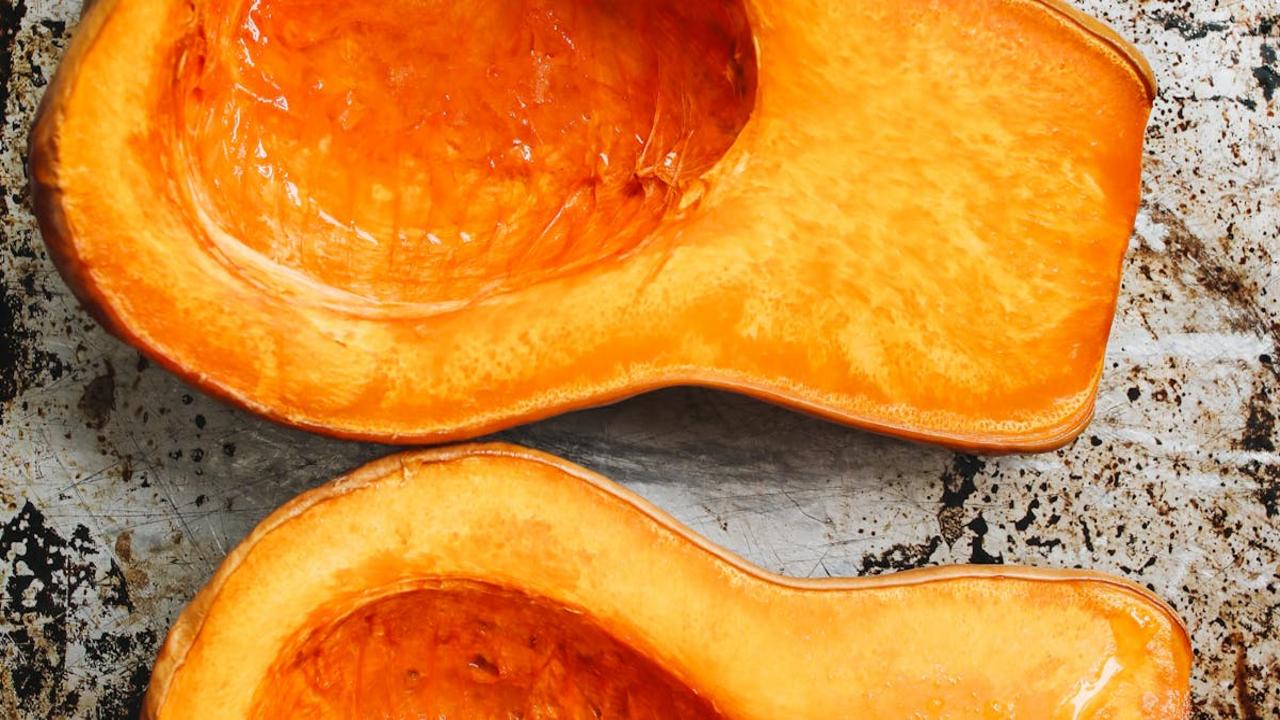
Squash has been a cornerstone of Indigenous cooking across North America for thousands of years, and honestly, it’s about time we give this incredible vegetable the recognition it deserves! From butternut to acorn, delicata to hubbard, Indigenous peoples developed countless varieties through careful cultivation and seed-saving practices. They understood that squash wasn’t just food – it was sustenance that could carry them through harsh winters. The entire plant served multiple purposes: the flesh provided nutrition, seeds became protein-rich snacks, and even the blossoms found their way into meals.
What I love most about traditional squash preparation is how Indigenous cooks maximized every single part of this generous plant. They roasted whole squash in earth ovens, dried strips for winter storage, and ground seeds into nutritious meal. The famous “Three Sisters” planting method – corn, beans, and squash grown together – shows the sophisticated agricultural knowledge these communities possessed. Today, you can honor these traditions by roasting your squash seeds with a sprinkle of salt, stuffing blossoms with wild rice, or simply roasting chunks with native herbs like sage. Each bite connects you to generations of cooks who knew that good food comes from respecting the whole plant.
Corn
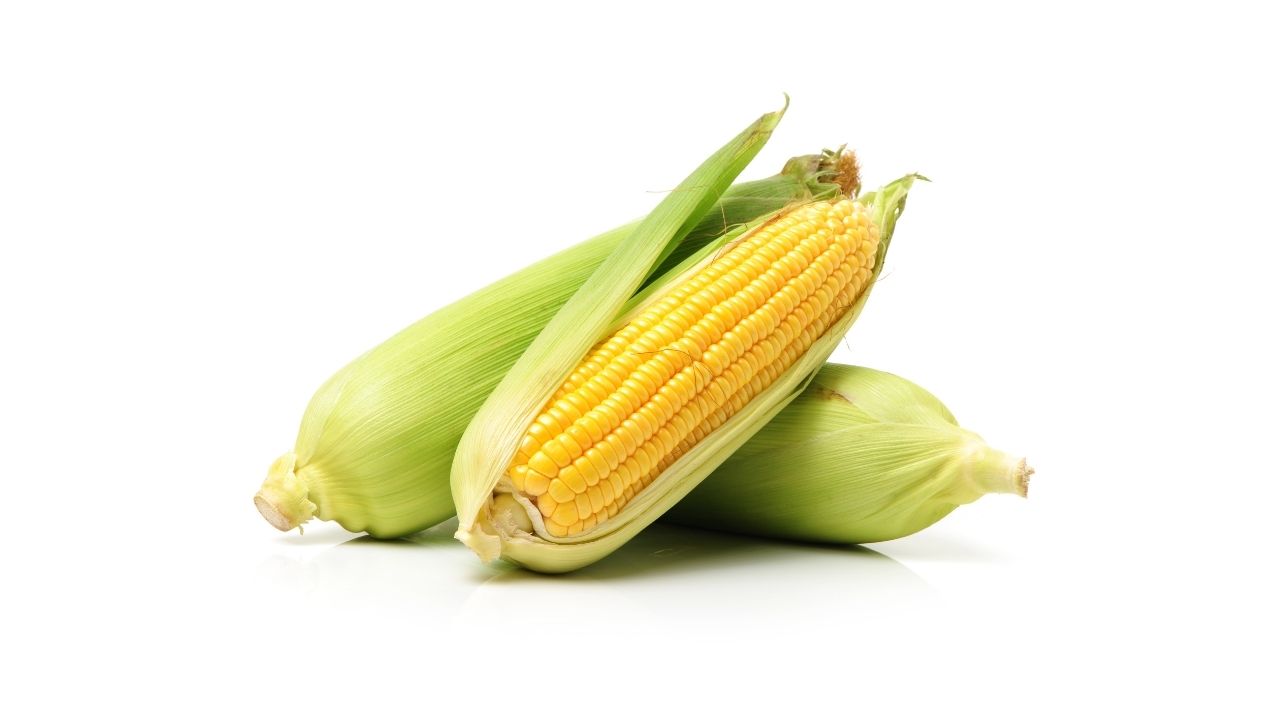
Corn stands as one of the most transformative gifts Indigenous peoples gave to the world, and honestly, I get excited just thinking about all the incredible ways they’ve cooked with it for thousands of years! Native American tribes across North and South America developed countless techniques to prepare this golden grain – from grinding dried kernels into masa for tortillas to creating hearty hominy by treating corn with wood ash or lime. The Three Sisters planting method, where corn grows alongside beans and squash, shows the brilliant agricultural wisdom that sustained entire civilizations. You can still use these time-honored approaches in your own kitchen today.
What fascinates me most about corn is how Indigenous cooks discovered ways to unlock its full nutritional potential through nixtamalization – a process that makes nutrients more bioavailable and creates that distinctive flavor we love in authentic tortillas and tamales. Try grinding your own cornmeal from whole dried kernels, or experiment with different varieties like blue corn or flint corn that Indigenous communities have preserved for generations. You’ll taste the difference immediately – there’s a depth and complexity that store-bought products simply can’t match. Plus, working with whole corn connects you directly to these ancient food traditions that nourished people for millennia.
Sunflowers
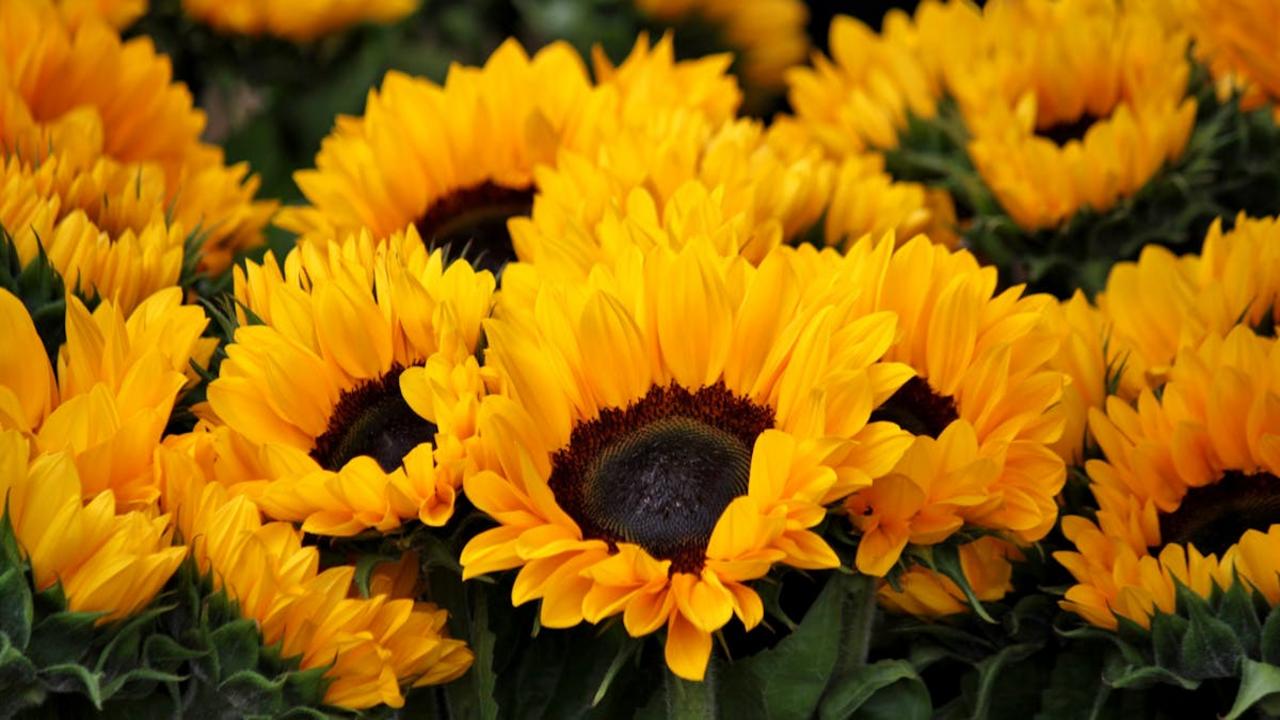
Native American tribes across North America have treasured sunflowers for thousands of years, and I can see why these golden giants became such an important food source! The Hopi, Lakota, and many other Indigenous communities discovered that sunflower seeds pack incredible nutritional power – they’re loaded with healthy fats, protein, vitamin E, and magnesium. You can roast the seeds just like our ancestors did, creating a satisfying snack that tastes nutty and rich. The oil from pressed sunflower seeds also served multiple purposes, from cooking to medicinal treatments.
What really amazes me about traditional sunflower preparation is how Indigenous peoples used every part of the plant. They ground the seeds into flour for bread and cakes, creating hearty meals that sustained families through long winters. The flower heads could be roasted whole and eaten like corn on the cob, while young flower buds were steamed as vegetables. Even the stalks had purpose – they were hollow and perfect for building materials. Try incorporating sunflower seeds into your modern kitchen by sprinkling them over salads, blending them into homemade granola, or making your own sunflower seed butter for a twist on traditional nut butters.
Wild Potatoes
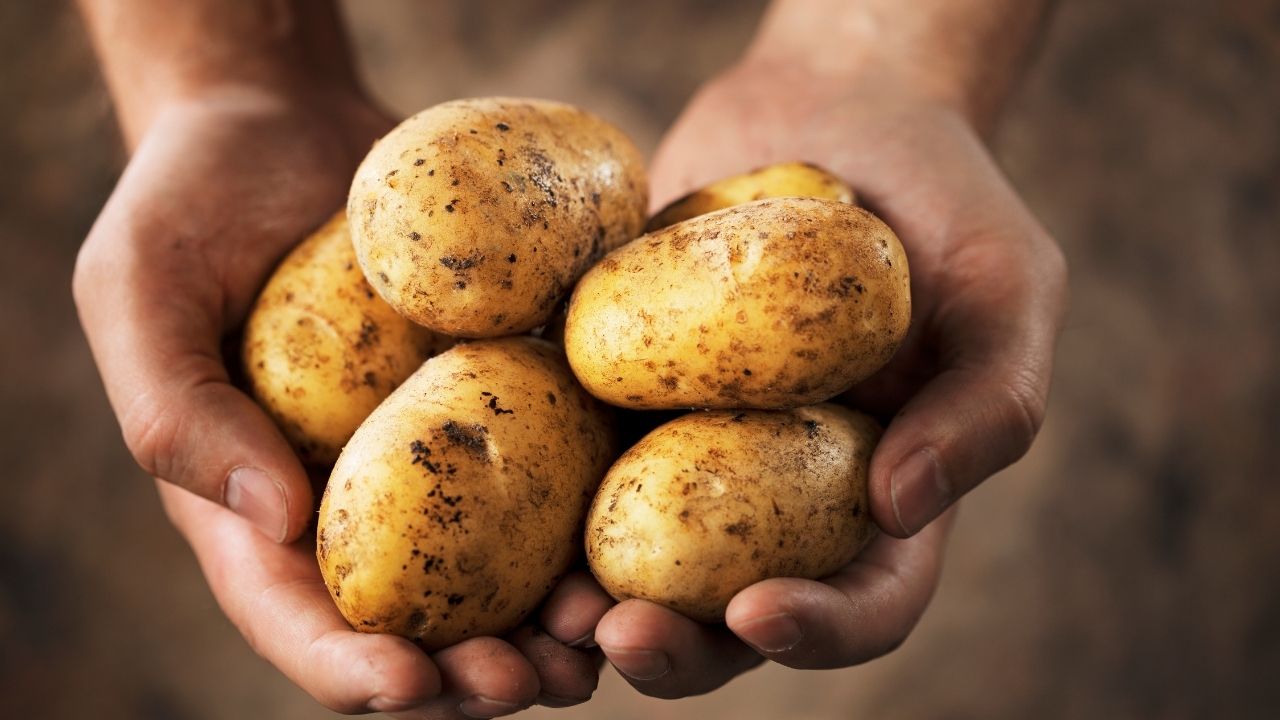
Wild potatoes have been nourishing Indigenous communities across the Americas for thousands of years, long before European varieties made their way to dinner tables worldwide. These hardy tubers grow naturally in mountainous regions and offer a completely different experience from their domesticated cousins. You’ll find them smaller, often more colorful, and packed with intense flavors that range from nutty to slightly bitter. Native peoples developed incredible techniques for preparing these wild varieties, including freeze-drying methods in high-altitude regions that preserved them for winter months.
What makes wild potatoes so special is their incredible nutritional density and natural resilience. Indigenous cooks understood how to properly process these tubers to remove any natural toxins while maximizing their health benefits. They’d roast them in earth ovens, boil them in woven baskets with hot stones, or grind them into flour for flatbreads. Today, you can sometimes find wild potato varieties at specialty farmers markets or through Indigenous food networks. If you’re lucky enough to get your hands on some, try roasting them simply with herbs – their complex flavors really shine when you keep the preparation straightforward and respectful of their natural character.
Pine Trees
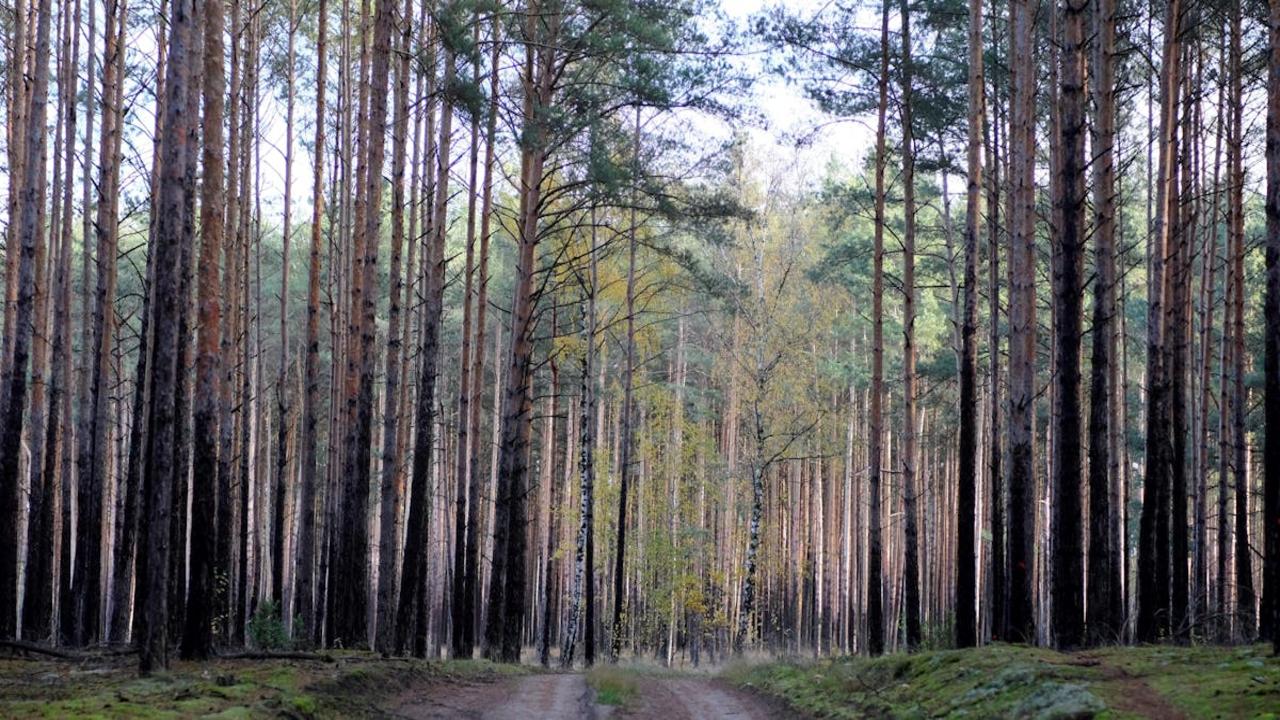
Pine trees offer far more than just timber and shade – they’re actually a treasure trove of edible goodness that Indigenous communities across North America have valued for thousands of years! The inner bark, called cambium, was traditionally harvested in spring when the sap runs high, providing a sweet and nutritious food source. You can peel away the rough outer bark to reveal this creamy white layer that tastes surprisingly mild and slightly sweet. Many tribes would dry the cambium into cakes or grind it into flour for winter storage, making it a reliable food source during harsh months.
But the bark isn’t the only edible part – pine needles make an incredible vitamin C-rich tea that can help ward off scurvy and boost your immune system. The young, tender tips that appear in spring are particularly delicious and packed with nutrients. You can also collect pine nuts from certain species, which are protein-rich and have a buttery, satisfying flavor. Try steeping fresh pine needles in hot water for 10-15 minutes to make a refreshing tea, or carefully harvest small amounts of inner bark from fallen branches to experiment with this ancient food source in your own kitchen.
Berries
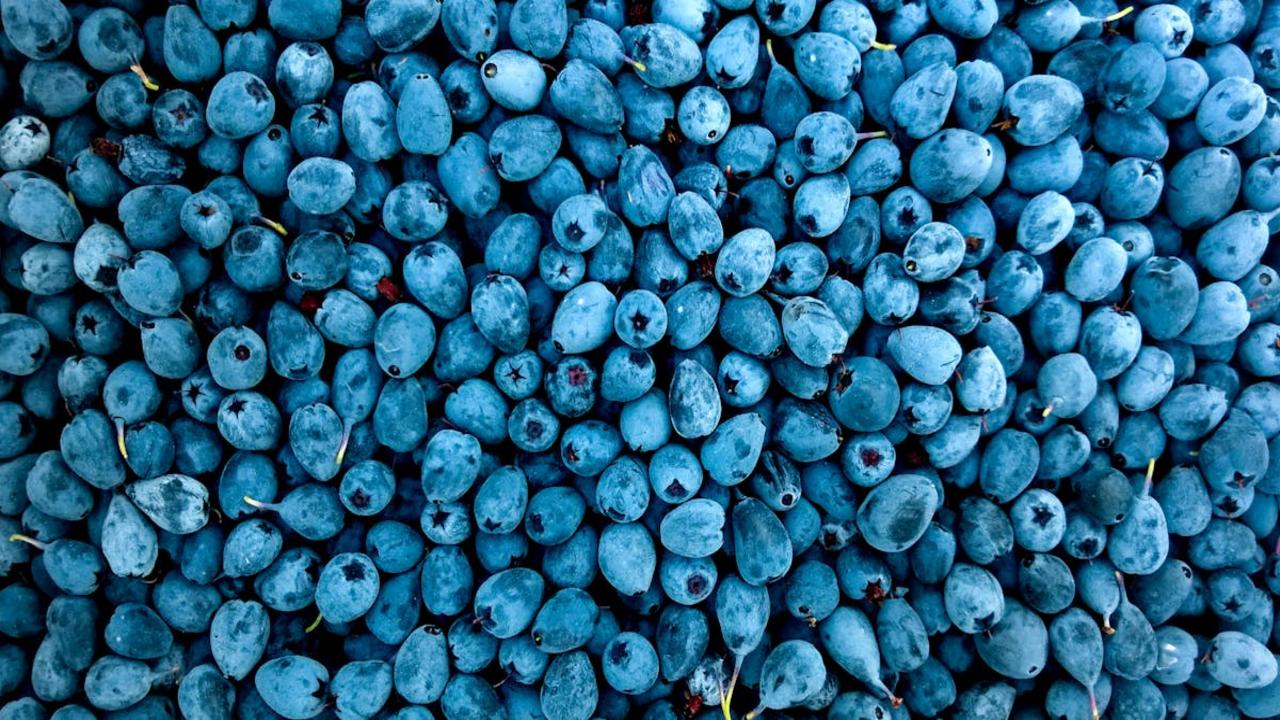
You can’t talk about indigenous foods without celebrating the incredible diversity of wild berries that have sustained communities for thousands of years! From the tart cranberries of the Northeast to the sweet huckleberries of the Pacific Northwest, these little powerhouses packed serious nutrition into traditional diets. Native peoples developed amazing preservation techniques – think dried berry cakes, pemmican mixed with buffalo meat, and fermented berry beverages that could last through harsh winters. Each region had its own berry treasures: elderberries for immune support, chokeberries for their antioxidants, and serviceberries that taste like a cross between blueberries and almonds.
What I love most about cooking with these traditional berries is how they transform simple dishes into something magical. Try adding dried elderberries to your morning oatmeal, or blend fresh huckleberries into pancake batter for a weekend treat that connects you to generations of wisdom. Many of these berries grow wild in your own backyard – you just need to know where to look! Start simple with familiar ones like wild strawberries or blackberries, then gradually expand your berry repertoire. The flavors are often more intense than their cultivated cousins, bringing a wild, earthy complexity that makes every bite an adventure.
Maple Trees
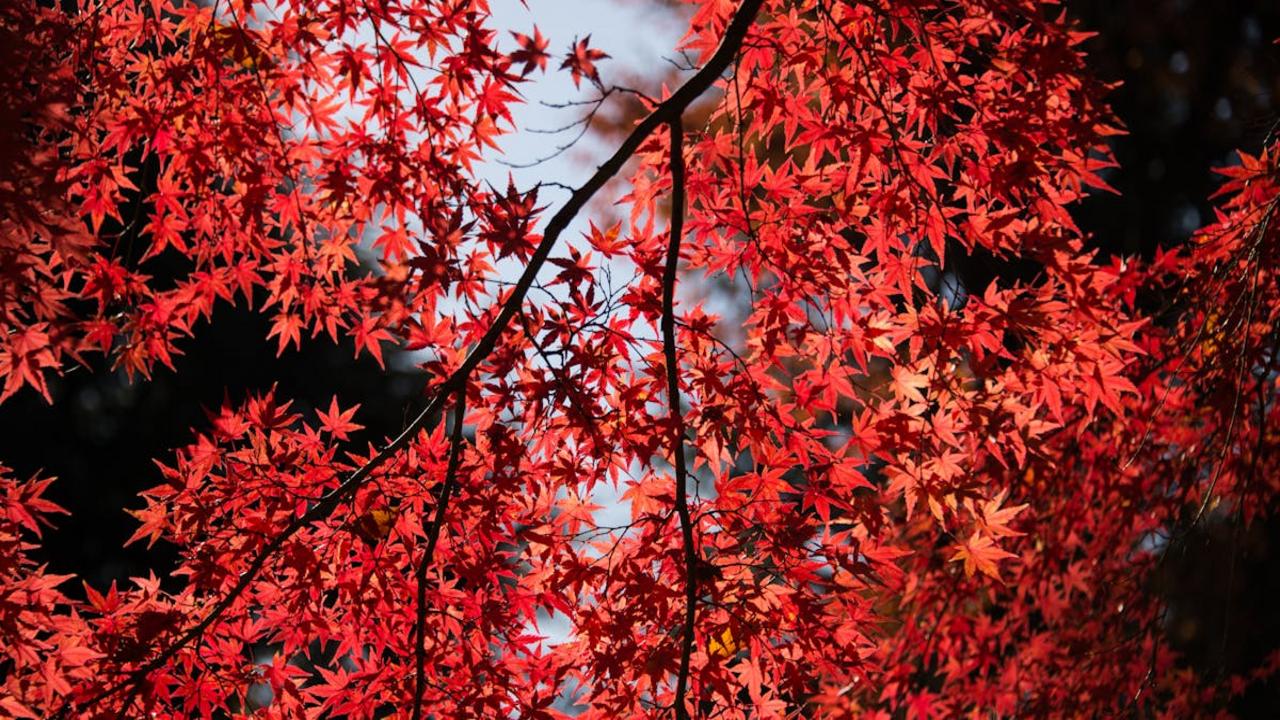
When you think about maple trees, your mind probably jumps straight to pancakes and syrup, right? But Indigenous peoples across North America have been tapping into the incredible sweetness of these magnificent trees for thousands of years, long before anyone ever thought about Sunday morning breakfast spreads. The Ojibwe, Haudenosaunee, and many other tribes developed sophisticated methods for collecting sap and transforming it into sugar, syrup, and even vinegar. They’d make cuts in the bark during late winter and early spring, then collect the clear, slightly sweet sap in birchbark containers. This wasn’t just about satisfying a sweet tooth – maple products became a cornerstone of their food preservation and trade systems.
What I love most about maple syrup production is how it brings families and communities together, just like it did for Indigenous peoples centuries ago. You can actually try making your own maple syrup if you have access to sugar maple trees! The process requires patience (it takes about 40 gallons of sap to make one gallon of syrup), but the reward is liquid gold that beats anything you’ll find in stores. Indigenous communities also used maple sugar as a seasoning for meats, vegetables, and beverages, creating complex flavor profiles that modern cooks are just beginning to rediscover. Try incorporating pure maple syrup into your savory dishes – it works beautifully in marinades, salad dressings, and even roasted vegetable preparations.
Wild Onions
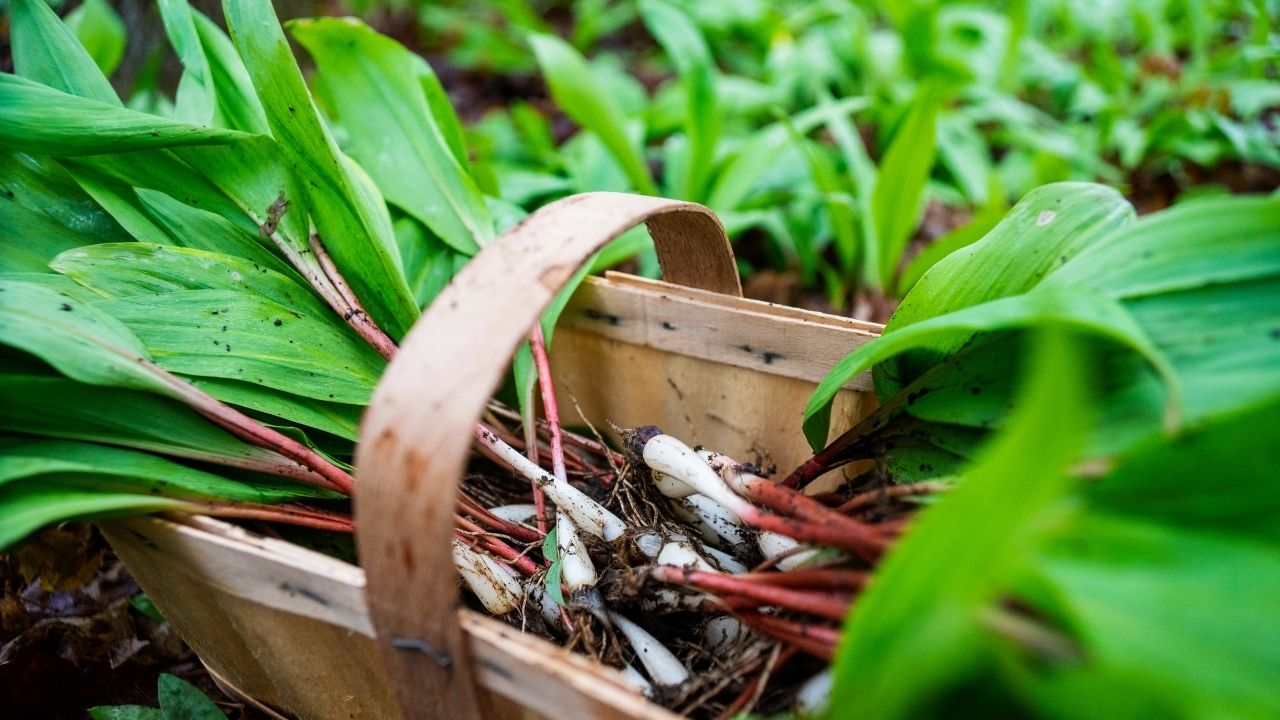
Wild onions have been feeding Indigenous communities across North America for thousands of years, and honestly, they’re one of nature’s most reliable gifts! These hardy little bulbs pop up in meadows, prairies, and woodland edges, offering that familiar sharp bite we all know and love. Native tribes like the Cherokee, Lakota, and many others knew exactly where to find these flavorful treasures and when to harvest them for peak taste. What makes wild onions so special is their incredible versatility – you can eat everything from the bulb to the green tops, and they pack way more punch than their grocery store cousins.
The beauty of wild onions lies in how Indigenous cooks used them to transform simple meals into something memorable. They’d slice them thin and mix them into corn cakes, roast whole bulbs in earth ovens alongside other vegetables, or dry them for winter storage when fresh food was scarce. You can follow their lead by treating wild onions just like regular onions in your kitchen – sauté them with wild rice, toss the greens into salads for a peppery kick, or pickle the small bulbs for a tangy condiment. If you’re lucky enough to forage your own (always with proper identification and permission!), you’ll discover that these little powerhouses bring an earthy intensity that store-bought onions just can’t match.
Dandelions
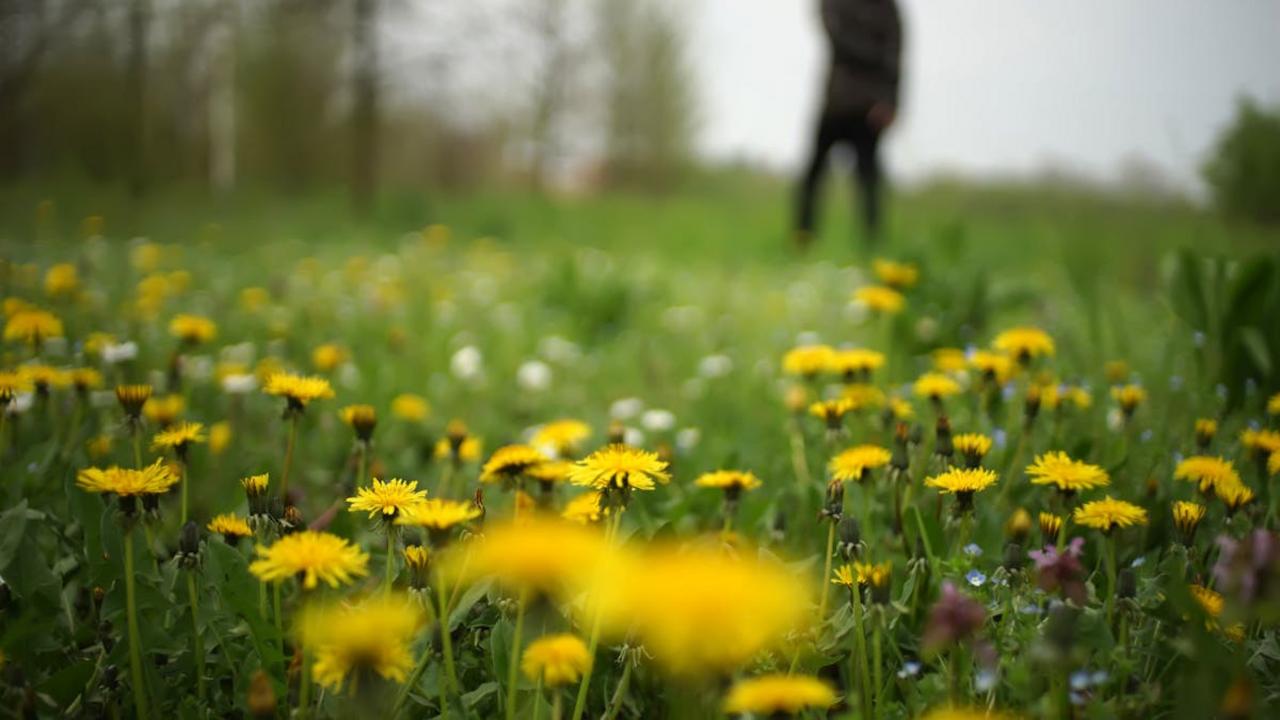
You know those bright yellow flowers that pop up everywhere in spring? Those “weeds” your neighbors spend hours trying to eliminate from their perfect lawns? Well, Indigenous communities across North America have been celebrating dandelions as a nutritious superfood for thousands of years! Every single part of this incredible plant serves a purpose in traditional cooking – from the bitter leaves that make fantastic salads and sautés to the sunny petals that transform into delicate fritters and teas. The roots get roasted and ground into a coffee-like beverage that’s naturally caffeine-free but packed with minerals.
What makes dandelions so special goes beyond their accessibility – they’re loaded with vitamins A, C, and K, plus iron, calcium, and potassium. Indigenous cooks have long understood that the slightly bitter taste of dandelion greens helps support digestion and liver function. Try adding young dandelion leaves to your next salad for a peppery kick, or sauté older leaves with garlic and olive oil just like you would spinach. The flowers make gorgeous golden jelly, and you can even pickle the unopened buds to create “poor man’s capers.” Next time you see these resilient plants, remember you’re looking at free, organic nutrition that’s been nourishing people for generations right in your own backyard!
Acorns
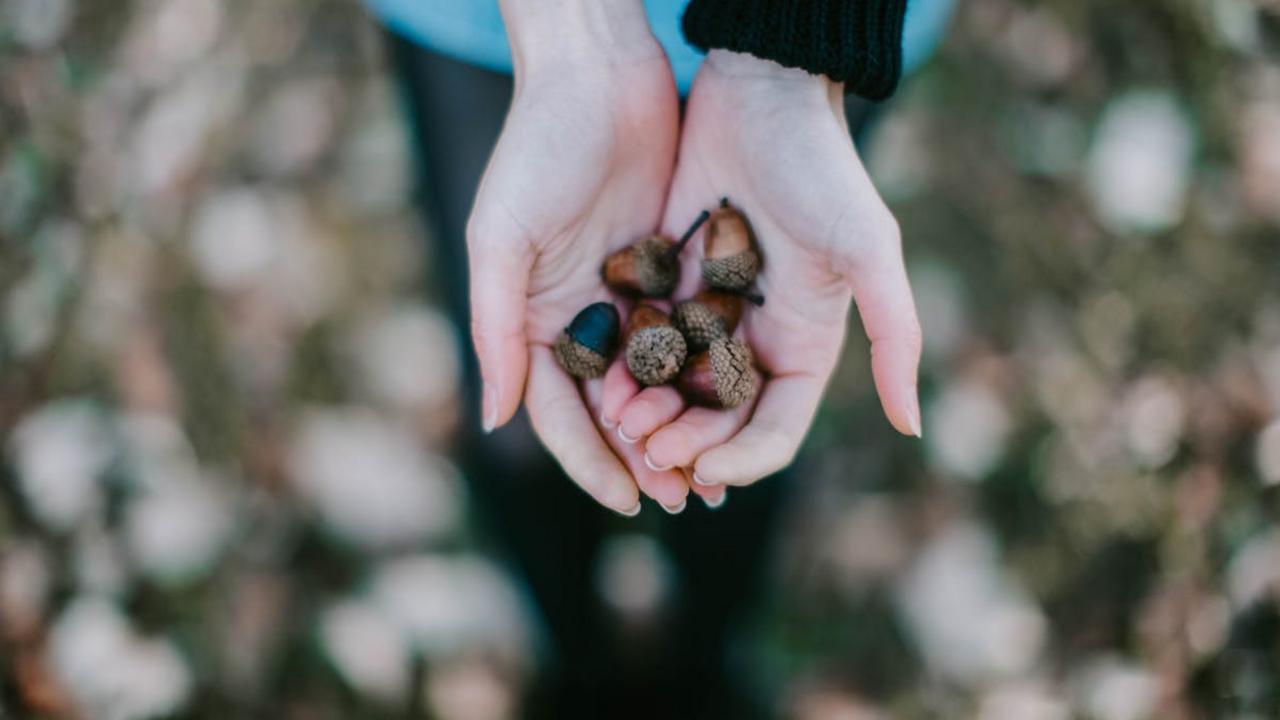
You know what’s incredible? Indigenous peoples across North America have been turning humble acorns into nutritious flour for thousands of years, and honestly, we’re missing out on something amazing! These little nuts pack a serious nutritional punch with healthy fats, protein, and complex carbohydrates. Sure, raw acorns taste pretty bitter due to their tannins, but Native American tribes developed brilliant techniques to process them into sweet, nutty flour that became a dietary staple.
The traditional method involves cracking the shells, grinding the nutmeat, then leaching out those bitter tannins with repeated water rinses – it’s like watching kitchen chemistry in action! Different tribes had their own special methods, from California’s Miwok people who used specially woven baskets for leaching, to Eastern Woodland tribes who created underground leaching pits. Once processed, acorn flour becomes this wonderfully versatile ingredient you can use for pancakes, bread, or even thick, porridge-like soups. Today, you can find acorn flour at specialty stores, or if you’re feeling adventurous, try processing your own – just make sure you’re collecting from clean areas and properly identifying your acorn varieties first!
Cattails
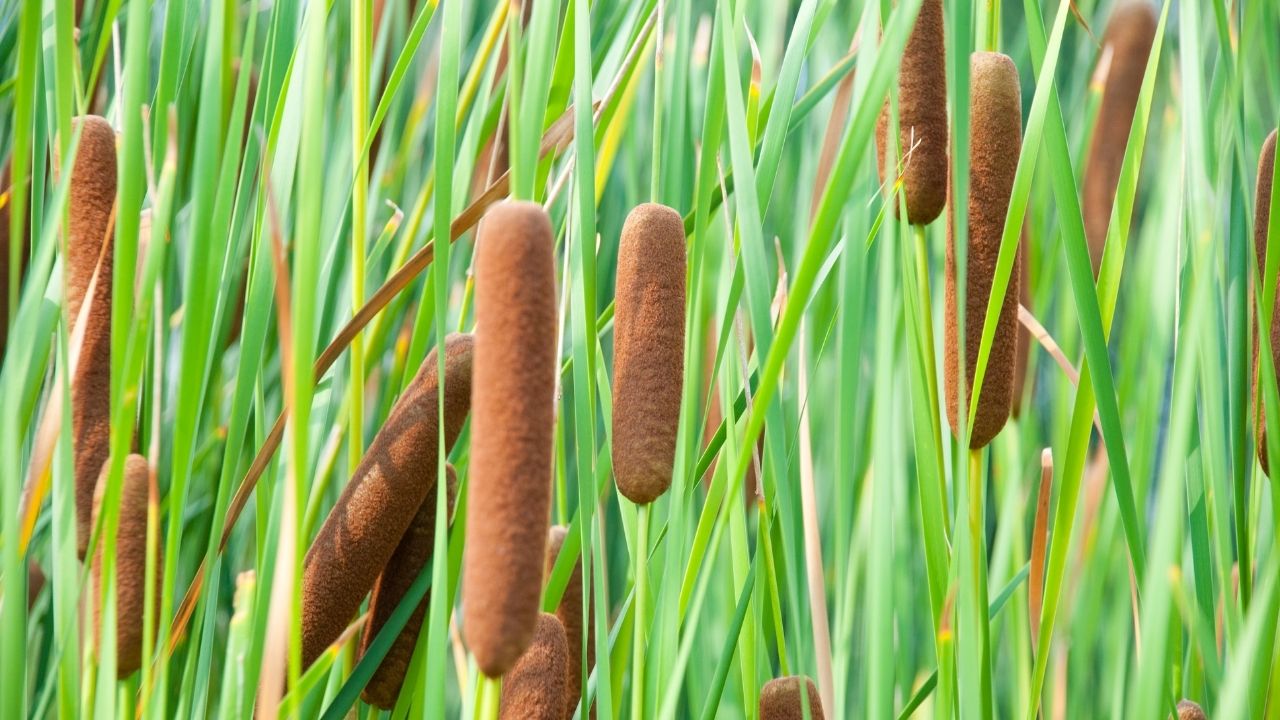
You might walk right past these tall, brown-spiked plants growing near wetlands without realizing you’re looking at nature’s grocery store! Cattails have been a reliable food source for Indigenous communities across North America for thousands of years, and honestly, they deserve way more credit than they get. Every single part of this amazing plant offers something edible – from the starchy roots that taste like potatoes when cooked, to the tender young shoots that remind me of asparagus, and even those iconic brown flower spikes that can be boiled and eaten like corn on the cob when they’re still green and developing.
What I love most about cattails is how they basically give you a complete meal from one plant. The roots can be dried and ground into flour for bread-making, while the young inner stems provide a crisp, cucumber-like crunch that’s perfect raw or lightly sautéed. Indigenous peoples would often harvest different parts throughout the growing season, maximizing this plant’s incredible potential. If you’re feeling adventurous and have access to clean wetlands (always check local regulations first!), try peeling back the outer layers of young cattail shoots to reveal the tender white core inside – it’s like discovering hidden treasure in your own backyard.
Wild Rice
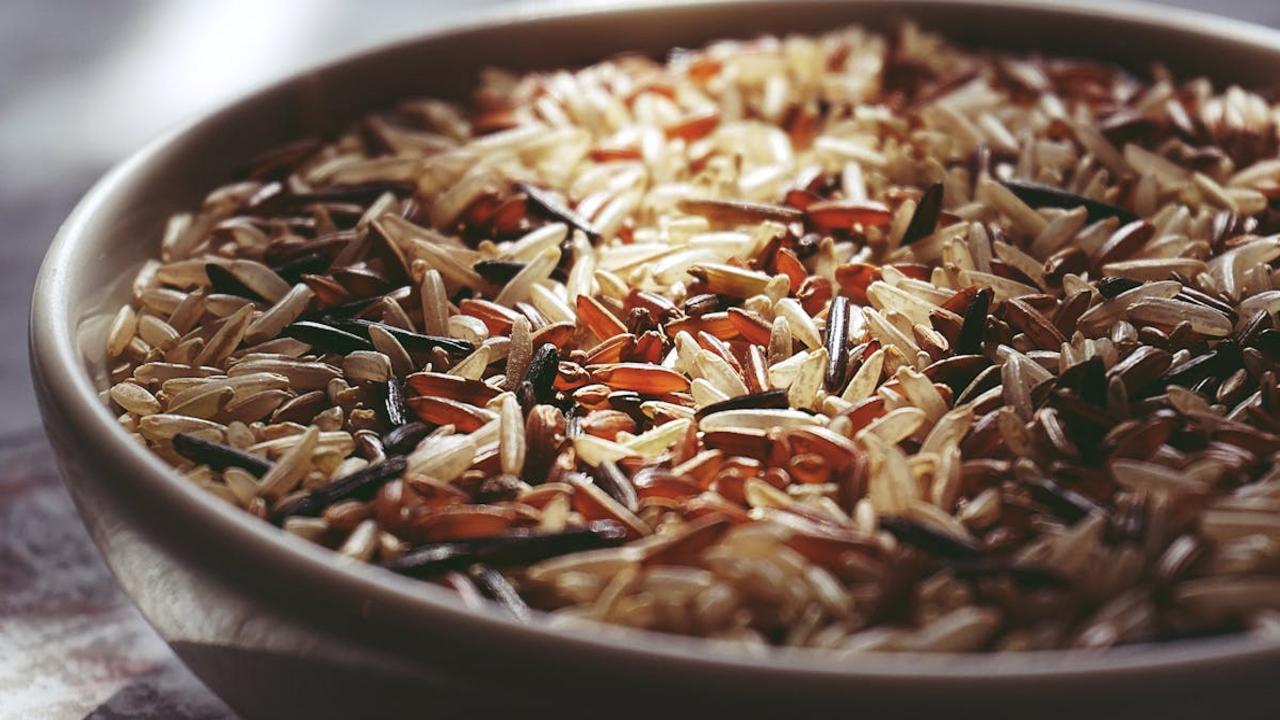
Wild rice holds a sacred place in the traditions of many Indigenous peoples across North America, particularly among the Anishinaabe (Ojibwe) communities around the Great Lakes region. This nutrient-dense grain, which technically isn’t rice at all but rather the seed of aquatic grass, has sustained communities for over a thousand years. You’ll find wild rice packed with protein, fiber, and B vitamins – making it a complete powerhouse that puts regular white rice to shame. The traditional harvesting process, called “ricing,” involves carefully canoeing through shallow waters and gently knocking the seeds into the boat with wooden sticks, ensuring the plants remain healthy for future seasons.
What I love most about wild rice is how it transforms any dish into something special with its nutty, earthy flavor and satisfying chewy texture. You can cook it just like regular rice, though it takes longer – about 45 minutes to an hour – but trust me, the wait is worth it! Try mixing cooked wild rice into soups, salads, or stuffing for a protein boost that keeps you full for hours. Many Indigenous cooks combine it with cranberries, nuts, and herbs for traditional dishes that celebrate the changing seasons. The next time you see wild rice at the store, grab a bag and honor this incredible food that has nourished communities for generations.