13 Superfoods That Boost Your Health Without Breaking the Bank
Looking for powerful superfoods that won’t drain your wallet? I’ve got great news – many of the most nutritious foods cost just pennies per serving. Through my years of cooking and recipe development, I’ve discovered budget-friendly ingredients that pack incredible health benefits into every bite.
From protein-rich lentils to omega-3 loaded sardines, these affordable superfoods deliver maximum nutrition without the premium price tag. I love incorporating these ingredients into my daily meals – they’re versatile, filling, and transform simple dishes into nourishing powerhouses.
My global cooking experience has shown me countless ways to make these budget-friendly superfoods shine. Whether you toss them into soups, sprinkle them on salads, or blend them into smoothies, these 13 ingredients prove that eating healthy doesn’t require spending big. Let me share my favorite affordable superfoods and creative ways to use them.
Pumpkin seeds
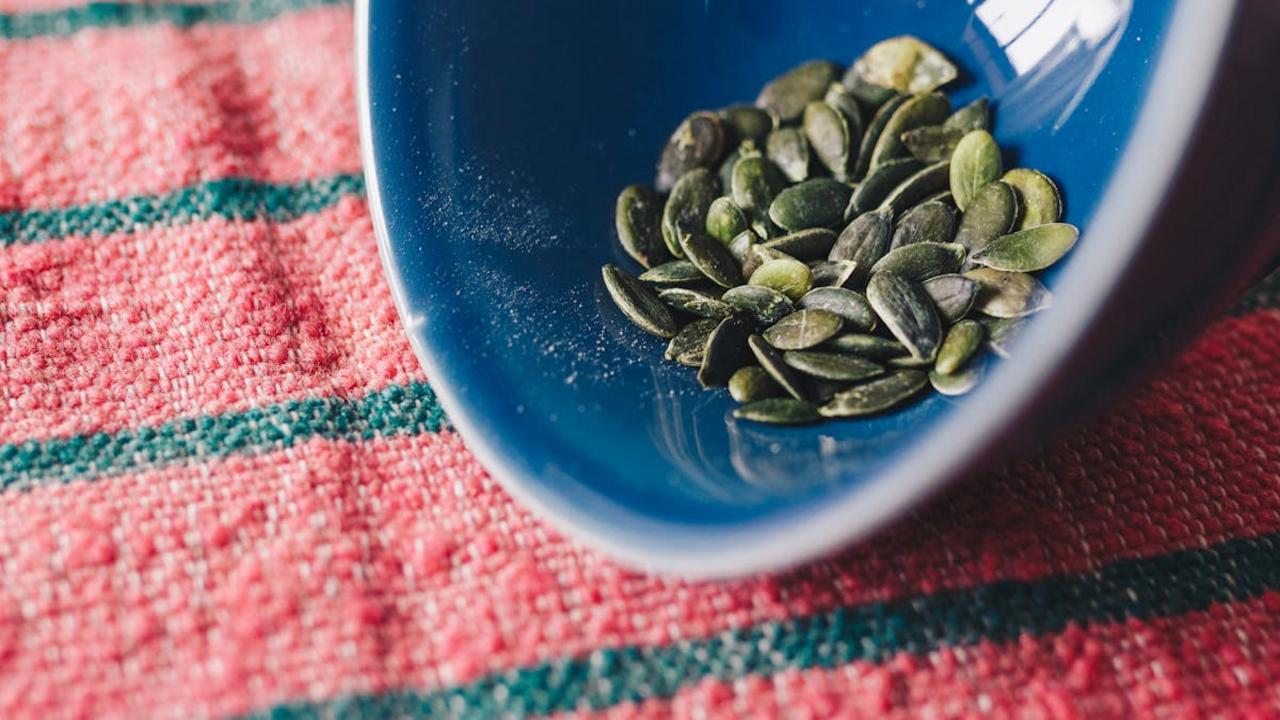
You’ll find pumpkin seeds packed with nutrients that make them a true health powerhouse. These small but mighty seeds contain high amounts of magnesium, which helps regulate blood pressure and supports bone health. They’re also rich in zinc for immune function, iron for energy, and protein for muscle building. I love adding them to my morning yogurt bowl or sprinkling them on salads for an instant nutritional boost without spending much money.
Raw or roasted, pumpkin seeds give you plenty of healthy fats, fiber, and antioxidants that protect your cells from damage. You can buy them in bulk at most grocery stores for a fraction of the cost of other nuts and seeds. For extra flavor, toast them in a dry pan until they start popping, then add a pinch of salt or your favorite seasonings. They make an excellent on-the-go snack, and you can even grind them into a nutrient-rich powder to thicken sauces or add to smoothies.
Black beans

Black beans rank among my favorite pantry staples because they pack incredible nutrition at just pennies per serving. These small but mighty beans deliver a whopping 15 grams of protein and 15 grams of fiber per cup, making them a fantastic meat alternative that keeps you full for hours. I love how their rich, creamy texture works beautifully in everything from spicy Cuban black bean soup to vegetarian burgers. The antioxidants in black beans, particularly their deep black skins, help fight inflammation and protect your cells from damage.
You’ll find endless ways to incorporate these budget-friendly beans into your weekly meals. I regularly toss them into salads, blend them into dips, or serve them simply seasoned with rice. For the best value and lowest sodium, buy dried black beans in bulk – they cost a fraction of canned versions and let you control the seasoning. Just remember to soak them overnight and cook until tender. Their mild, earthy flavor pairs wonderfully with bold spices like cumin, chili, and garlic, while their protein content rivals that of chicken or fish at a much lower cost.
Greek yogurt
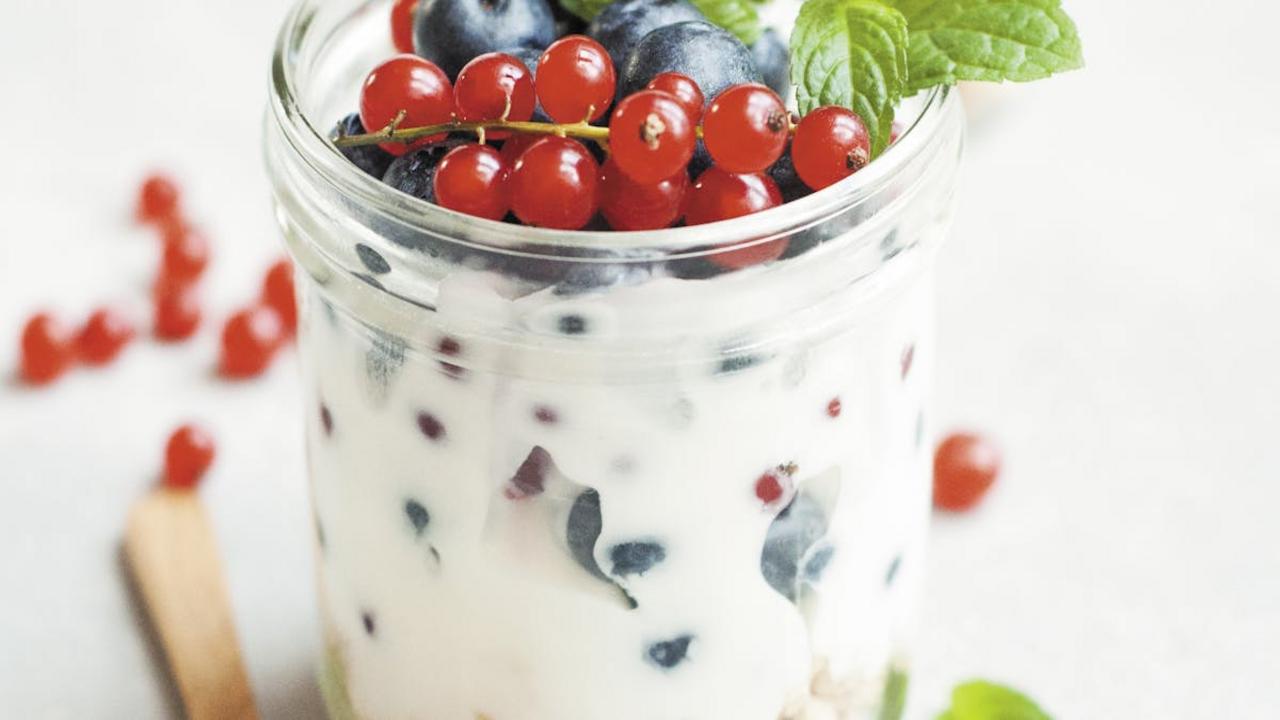
Greek yogurt has become my go-to breakfast staple and cooking ingredient because it packs twice the protein of regular yogurt while keeping the price reasonable. I love how its thick, creamy texture adds richness to both sweet and savory dishes. The tangy flavor brings depth to marinades, dips, and sauces, while also working beautifully in smoothies and desserts. Plus, the calcium and probiotics support gut health and keep your immune system strong.
You can find great deals on Greek yogurt at most grocery stores, making it an affordable way to boost your protein intake. I recommend buying plain, unflavored varieties and adding your own fresh fruit, honey, or nuts – this gives you control over sugar content while saving money. The versatility makes it perfect for breakfast parfaits, post-workout snacks, or as a substitute for sour cream and mayonnaise in recipes. One large container usually lasts me a full week of meals and snacks.
Barley
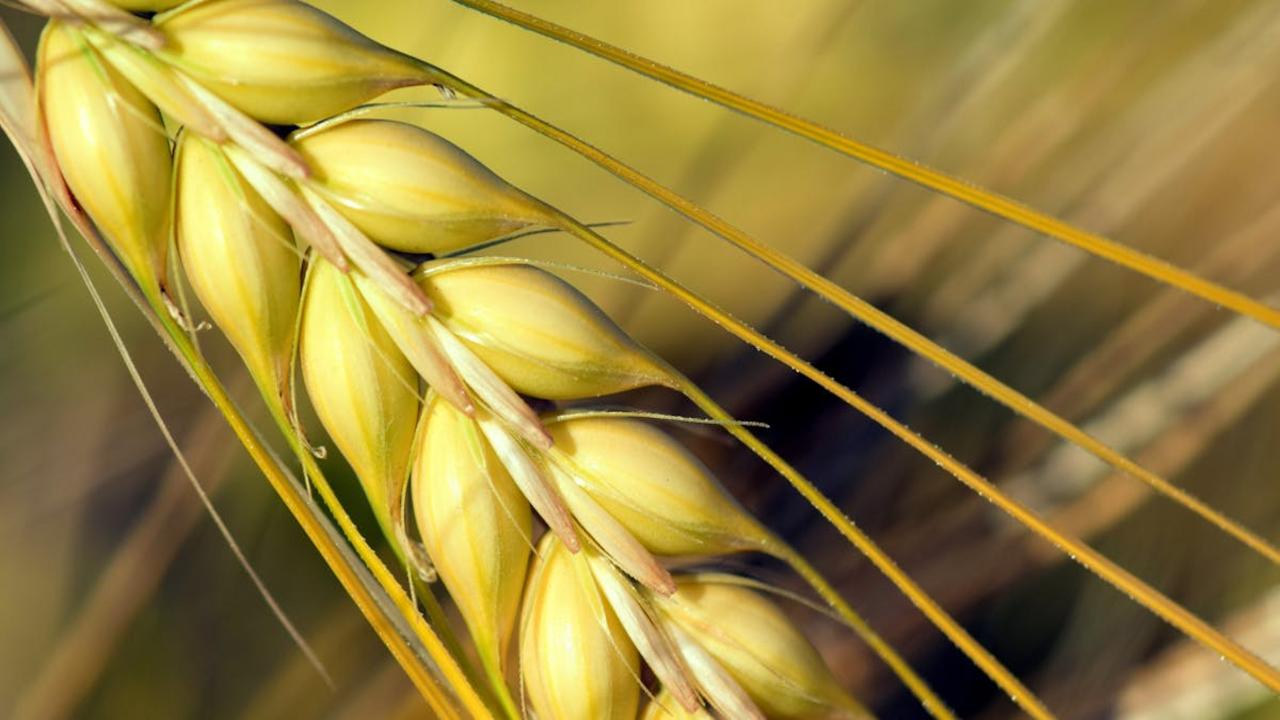
I adore adding barley to my weekly meal prep routine – this ancient grain brings incredible nutrition at just pennies per serving. Each chewy pearl contains loads of fiber, particularly beta-glucan, which helps lower cholesterol and keeps blood sugar steady. You’ll get a hefty dose of important minerals like selenium and manganese, plus B vitamins that boost your energy naturally. The mild, nutty flavor makes barley perfect for both sweet and savory dishes.
You can make barley the star of warm breakfast bowls topped with cinnamon and fresh fruit, or add it to hearty soups and stews where it soaks up all the delicious broth. I often cook a big batch on Sunday and keep it in the fridge – then I toss it into salads, use it as a rice substitute, or blend it into veggie burgers throughout the week. For the best value, buy barley in bulk from your local grocery store and store it in an airtight container. Just 1 cup of dry barley yields 3-4 cups cooked, making it an incredibly budget-friendly addition to your pantry.
Bananas
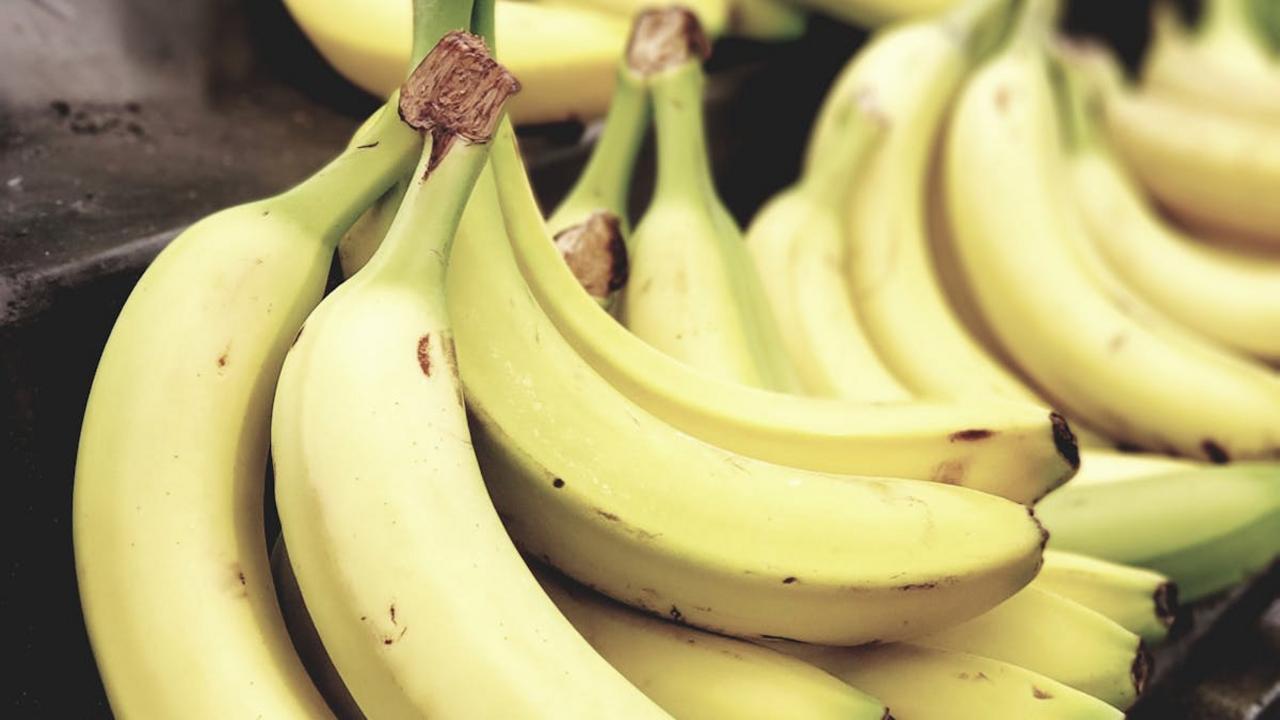
I keep bananas stocked in my kitchen year-round because they pack incredible nutrition at just pennies per serving. These sweet yellow fruits contain high amounts of potassium, which helps regulate blood pressure and supports heart health. One medium banana also gives you vitamin B6 for energy, vitamin C for immunity, and fiber for digestion – all for around 100 calories. The natural sugars in bananas make them perfect for satisfying sweet cravings while providing steady energy throughout the day.
You’ll find endless ways to enjoy bananas beyond just eating them plain. I love freezing overripe bananas to blend into creamy smoothies or “nice cream.” They add natural sweetness and moisture to baked goods like muffins and quick breads. For a quick breakfast, I’ll slice a banana over oatmeal or spread nut butter on a banana for a filling snack. The thick peel means bananas travel well in bags or lunch boxes too. Just remember to store them at room temperature and away from other fruits to prevent early ripening.
Spinach
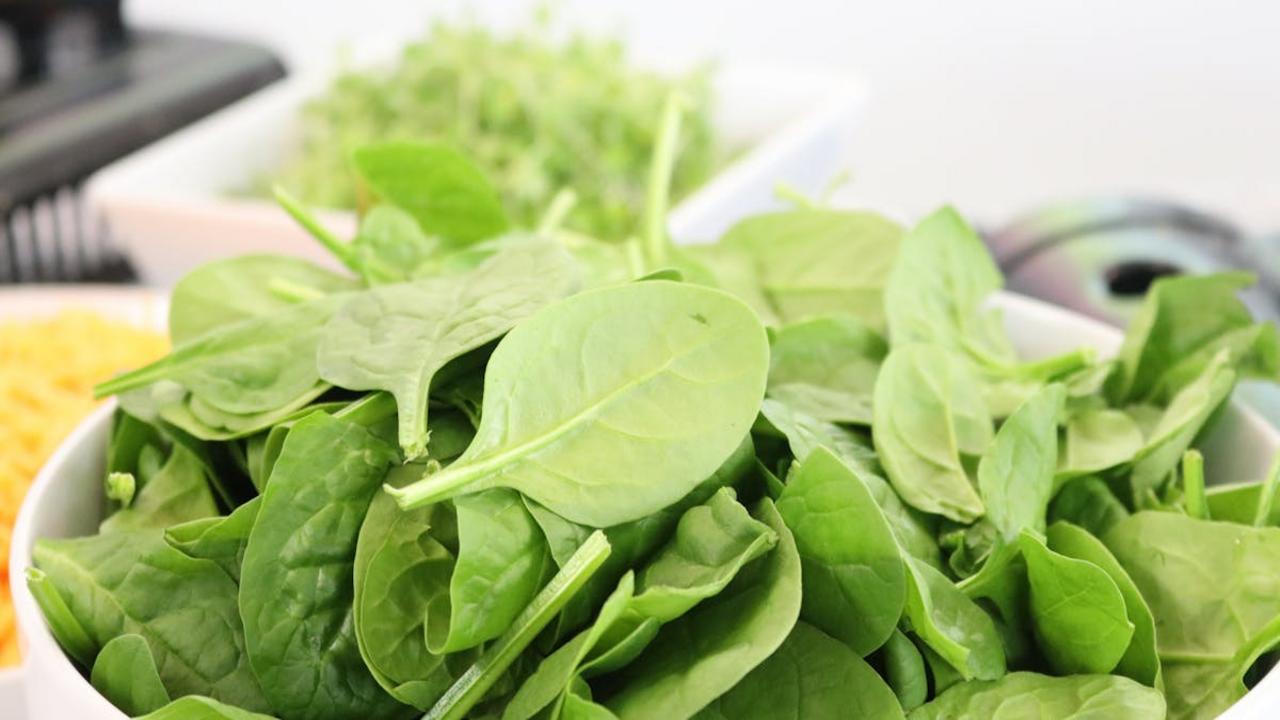
I always keep a big bag of spinach in my fridge – it’s one of the most budget-friendly powerhouse greens you can buy! This leafy green packs an incredible amount of nutrients into each serving, giving you iron, calcium, vitamins A, C, and K, plus fiber and antioxidants. You’ll get the most nutritional benefits from eating spinach raw in salads, but I also love adding handfuls to my morning smoothies or sautéing it with garlic and olive oil for a quick side dish.
The best part about spinach is how versatile it is in cooking. I toss it into pasta dishes, fold it into omelets, blend it into pesto, or wilt it into soups and stews. Fresh spinach shrinks dramatically when cooked, so don’t be afraid to add what seems like too much – a massive handful will cook down to just a few bites. To make your spinach last longer, store it in the fridge with a paper towel in the bag to absorb excess moisture. This simple trick helps prevent wilting and keeps your greens fresh for up to a week.
Sardines

I’ve found sardines to be one of the most underrated budget-friendly superfoods you can add to your weekly meals. These tiny fish pack a mighty nutritional punch with high amounts of omega-3 fatty acids, protein, calcium, and vitamin D. For just a few dollars per can, you’ll get quality protein that rivals more expensive fish like salmon. The best part? You can store them in your pantry for months, making them perfect for quick, impromptu meals.
You can eat sardines straight from the can, but I love turning them into Mediterranean-style toast by mashing them with olive oil, lemon juice, and fresh herbs. They also make an excellent addition to pasta dishes – just toss them with garlic, red pepper flakes, and your favorite whole grain pasta. If you’re new to sardines, start with the skinless and boneless varieties packed in olive oil – they have a milder flavor and smoother texture that most people enjoy. The small bones in regular sardines are completely edible and give you an extra boost of calcium.
Quinoa
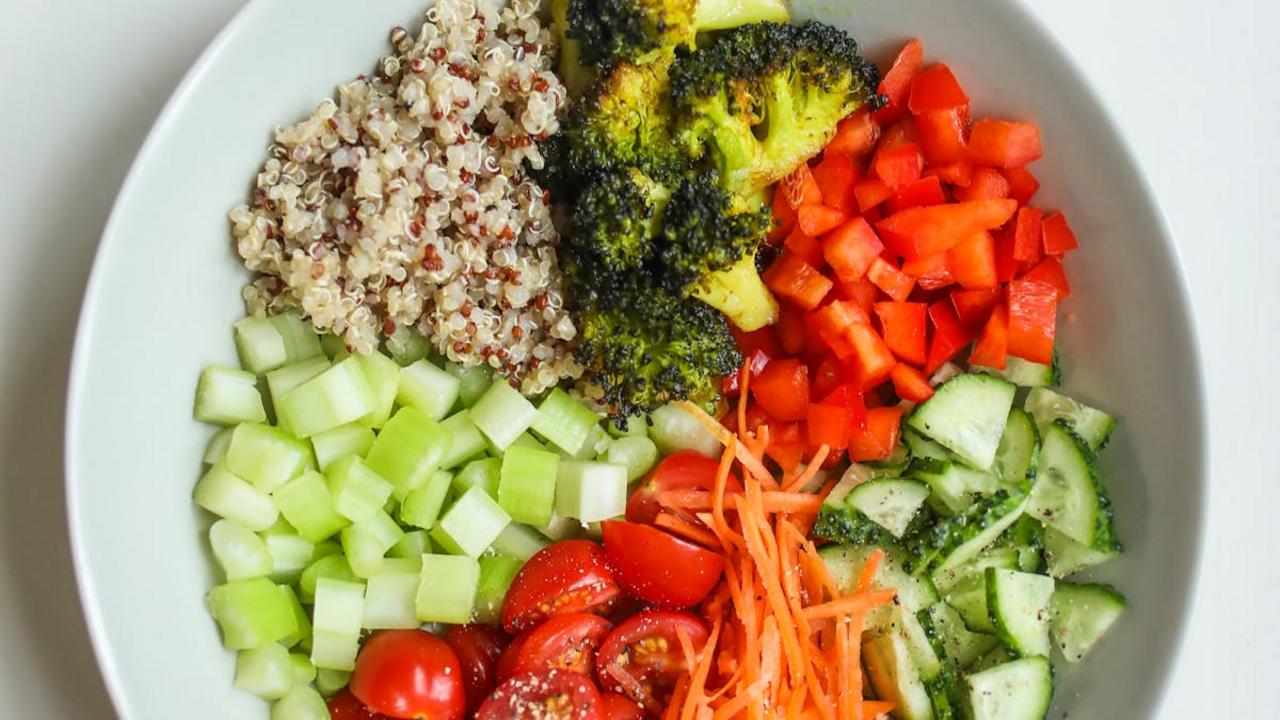
I’ve made quinoa a pantry staple in my kitchen because it packs incredible nutrition at a reasonable price point. This tiny seed (yes, it’s actually not a grain!) contains all nine essential amino acids your body needs, making it a complete protein source. You’ll get more protein from quinoa than from rice or corn, plus it’s rich in fiber, iron, and magnesium. What I really love about quinoa is how quick it cooks – just 15-20 minutes and you’ve got a versatile base for countless healthy meals.
My favorite way to keep quinoa budget-friendly is buying it in bulk from my local co-op or international market where prices tend to run lower. I prep a big batch on weekends to add to salads, soups, and stir-fries throughout the week. The nutty flavor works beautifully with roasted vegetables, fresh herbs, and citrus dressings. You can even use quinoa in breakfast bowls with fruit and nuts, or blend it into veggie burgers. The possibilities go far beyond basic side dishes, making this superfood a smart investment for your health and wallet.
Oats

You’ll find oats at the top of my budget-friendly superfood list because they pack incredible nutrition for just pennies per serving. I start most mornings with a warm bowl of steel-cut oats topped with fresh fruit and a drizzle of honey. Beyond their comforting taste, oats contain beta-glucan fiber that helps lower cholesterol and keeps you feeling full for hours. Plus, their high protein content makes them perfect for powering through busy mornings without energy crashes.
Many people don’t know that oats work brilliantly beyond breakfast – I love using them to create hearty veggie burgers, mixing them into smoothies for extra thickness, or grinding them into flour for baking. You can buy them in bulk to save even more money. The soluble fiber in oats also helps regulate blood sugar levels and supports digestive health. I recommend choosing plain rolled or steel-cut oats over instant varieties, which often contain added sugars and preservatives while costing more.
Sweet potatoes
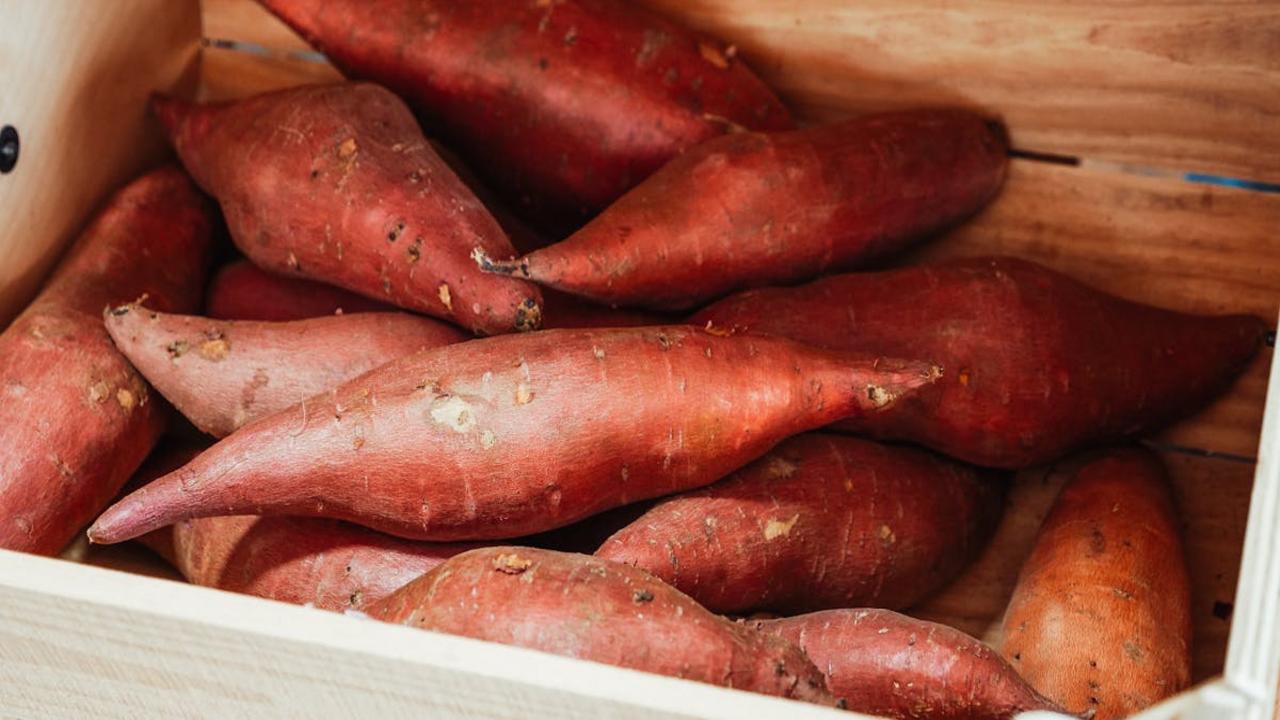
I cook sweet potatoes at least twice a week because they pack incredible nutrition at a budget-friendly price. These bright orange tubers overflow with beta-carotene for eye health, fiber for digestion, and potassium for heart function. What makes them extra special is their natural sweetness – they taste like dessert while acting like a superfood! You can find them year-round at most grocery stores for around $1-2 per pound, making them one of the most affordable nutrient-dense foods.
My favorite way to prepare sweet potatoes is to slice them into wedges, toss with olive oil and smoked paprika, then roast until caramelized. The natural sugars concentrate and create an amazing depth of flavor. Beyond roasting, you can mash them, stuff them, or blend them into soups. I often meal prep a big batch on weekends – they stay fresh in the fridge for quick healthy meals throughout the week. Sweet potatoes also pair wonderfully with both sweet and savory ingredients, from maple syrup to black beans.
Cabbage
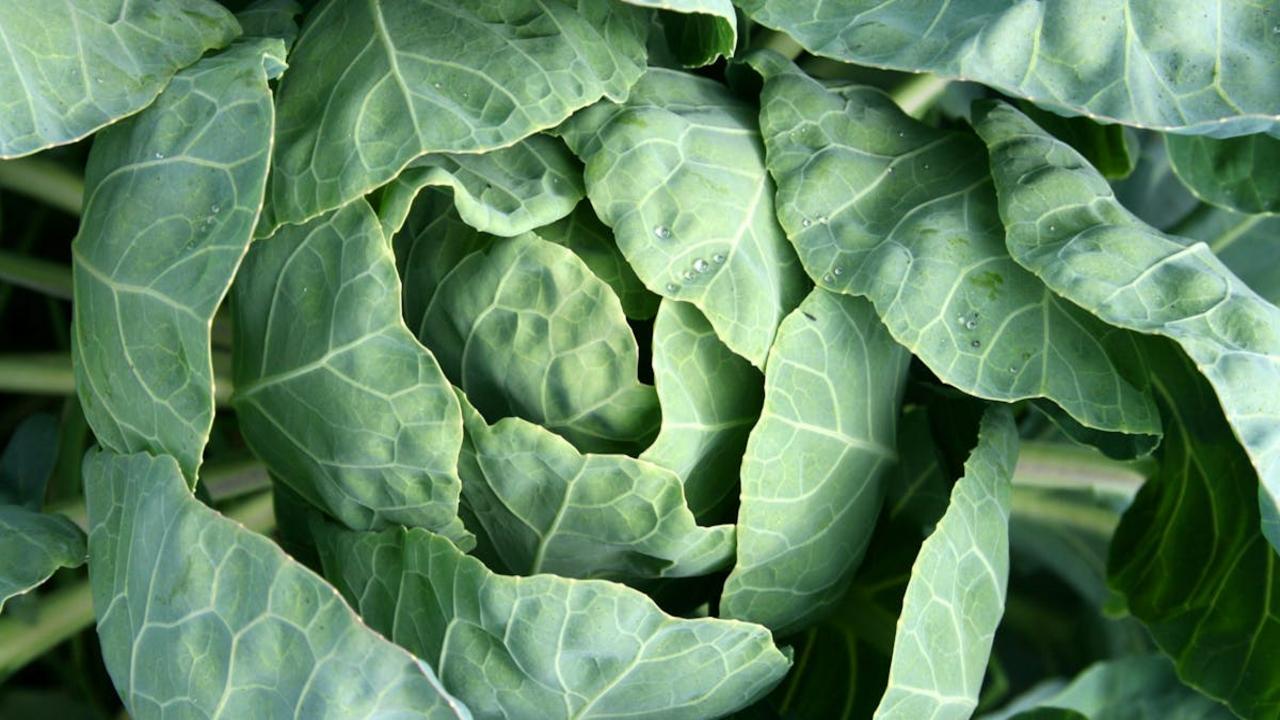
You’ll find cabbage in my kitchen nearly every week because this humble vegetable packs incredible value and versatility. For just a couple of dollars, you get loads of vitamin C, fiber, and antioxidants that help fight inflammation and boost your immune system. I love how cabbage transforms through different cooking methods – raw and crunchy in slaws, tender when braised with aromatics, or fermented into gut-healthy sauerkraut. The leaves also make perfect low-carb wraps for any filling you fancy.
Whether you pick green, red, or savoy cabbage, you’ll benefit from its cancer-fighting compounds and heart-healthy properties. I recommend storing your cabbage in the crisper drawer – it can last for weeks, making it a budget-friendly option that won’t spoil quickly. Add shredded cabbage to stir-fries, soups, or roast wedges with olive oil until the edges turn golden and crispy. The natural sweetness that develops through cooking makes cabbage a hit even with picky eaters. Remember to remove the tough core and outer leaves before preparing your cabbage.
Chia seeds
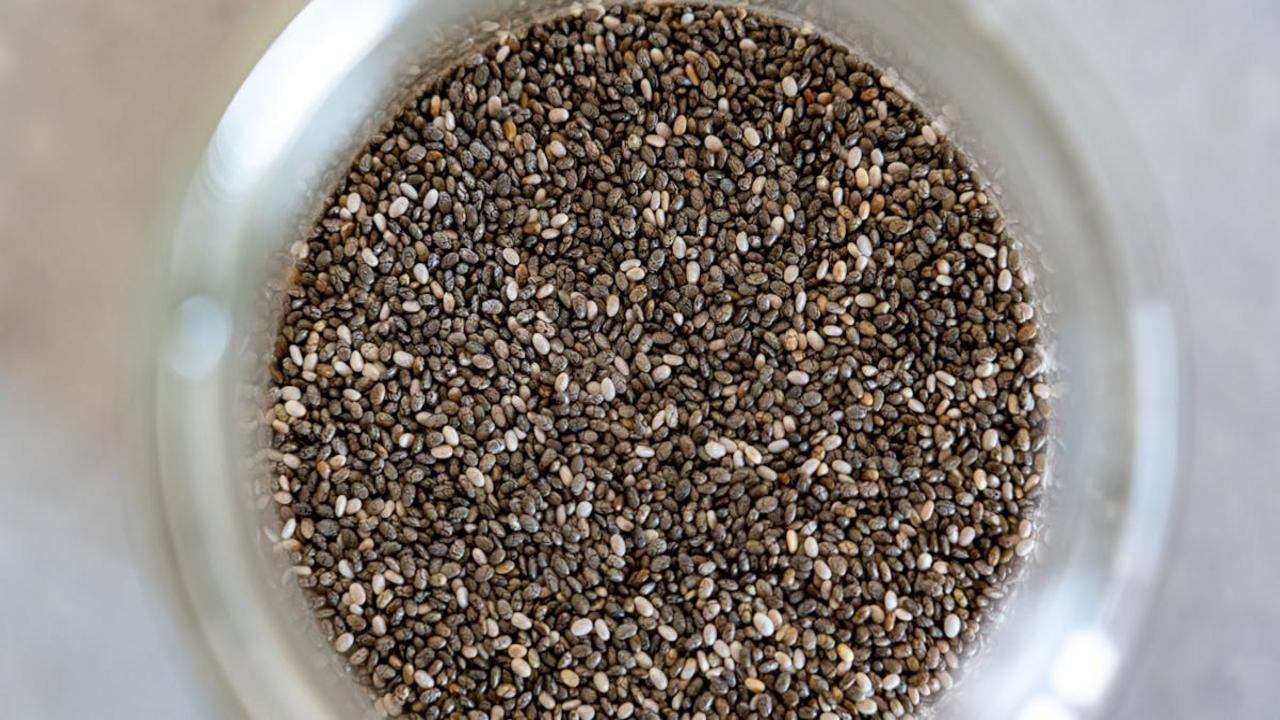
I started adding chia seeds to my morning smoothies and overnight oats years ago, and I couldn’t believe how much nutrition these tiny powerhouses pack. For just a few dollars per pound, you’ll get loads of omega-3 fatty acids, fiber, protein, calcium, and antioxidants. One of my favorite money-saving tricks is using chia seeds as an egg substitute in baking – just mix 1 tablespoon of seeds with 3 tablespoons of water and let it gel for about 15 minutes.
You can sprinkle these versatile seeds on yogurt, blend them into smoothies, or mix them into your homemade granola for an extra nutritional boost. I love how they absorb liquid and create a pudding-like texture, making them perfect for breakfast parfaits or healthy desserts. A little goes a long way – just two tablespoons provide 11 grams of fiber and 4 grams of protein, helping you stay full longer while supporting healthy digestion. Plus, chia seeds have a neutral flavor that works well in both sweet and savory dishes.
Lentils
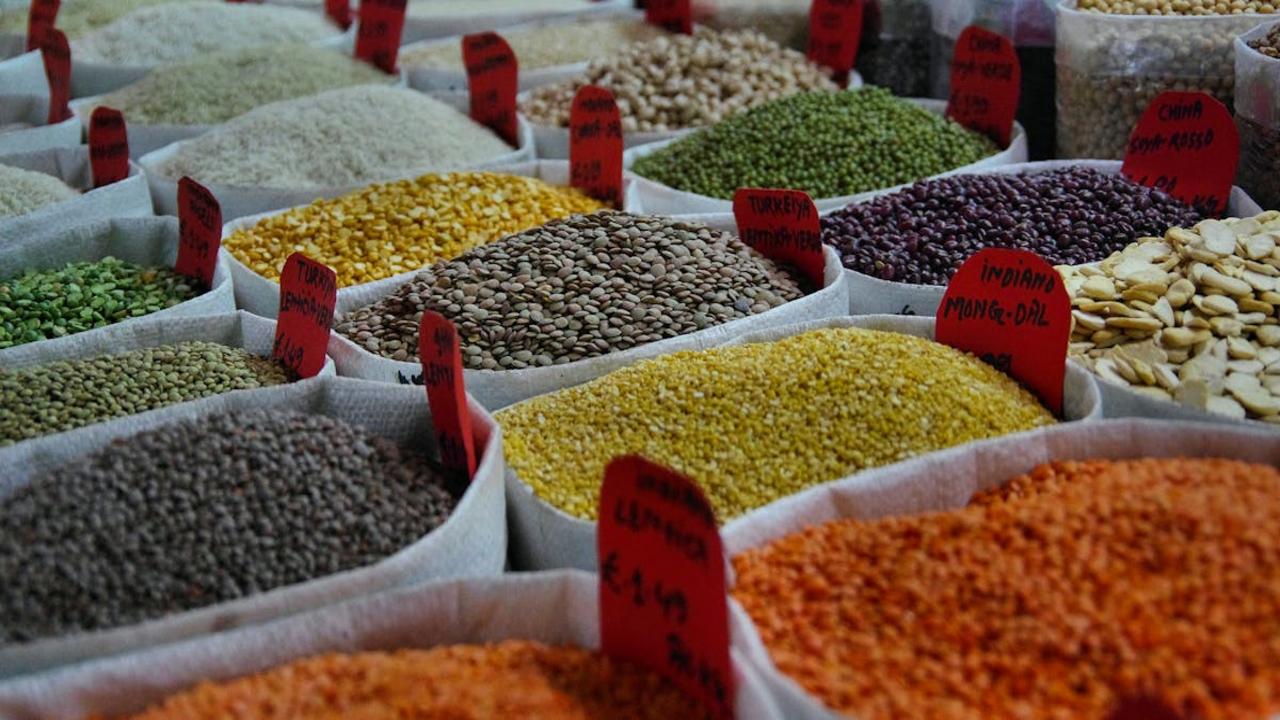
I keep bags of lentils in my pantry year-round because they pack so much nutrition into such a tiny, affordable package. These little powerhouses give you iron, protein, and fiber for just pennies per serving. Red lentils cook up quickly for Indian dals, while green and brown varieties hold their shape perfectly in hearty soups and stews. You’ll get about 18 grams of protein and 15 grams of fiber from just one cup of cooked lentils – that’s more protein than 2 eggs!
The best part about cooking with lentils is how adaptable they are to different flavor profiles. I love tossing them into Mediterranean salads with fresh herbs and lemon juice, using them as a meat substitute in tacos, or simmering them with coconut milk and curry spices. Unlike other dried beans, lentils don’t need pre-soaking – just rinse, add to liquid, and they’re ready in 15-20 minutes. Pro tip: Add a strip of kombu seaweed while cooking to make lentils more digestible and enhance their mineral content naturally.