BIL Accused Me of Trying to ‘Cheap Out’ on a $190 Steak for His Son. I made him pay for it after the teen barely touched it.
There are certain unspoken codes of conduct that most of us pick up as we grow older. If someone welcomes you into their home, you show up with a little something. If you’re dining as a guest, you keep any complaints about the meal to yourself. And if someone graciously offers to cover your dinner, you absolutely do not go straight for the priciest thing available. It’s a basic matter of courtesy.
Yet, one woman recently turned to the internet to recount a family dinner experience that shows not everybody abides by these fundamental principles of politeness, ultimately compelling her to take a very costly stand.
The Incident
The whole thing started with a thoughtful gesture. A woman without children of her own decided to treat her sister’s family to a lovely dinner during an uncommon visit. The group of eight—her sister, brother-in-law, his mother, and three kids—headed to a steakhouse the woman had long been eager to try. She cheerfully let everyone know the meal was on her.
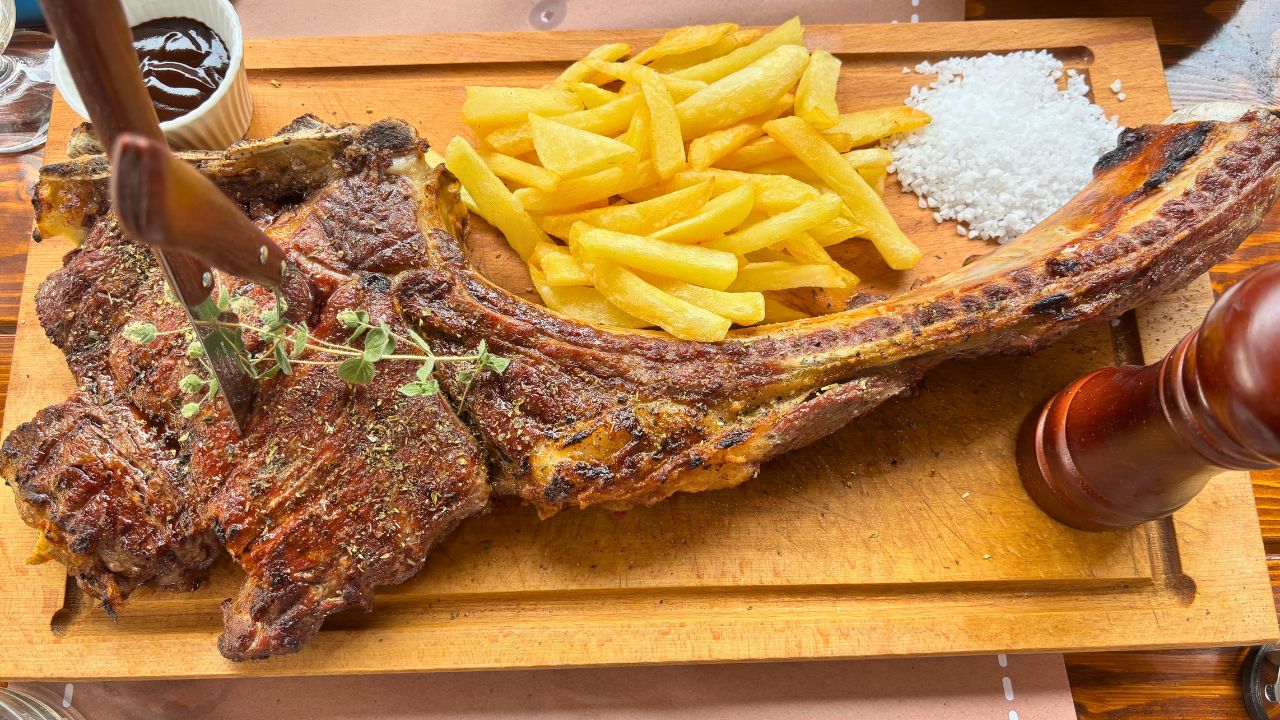
The evening shifted when her 15-year-old nephew noticed a tomahawk steak listed on the menu. His aunt kindly mentioned that it was an enormous three-pound portion accompanied by three generous sides, and suggested he consider something more modest. But her brother-in-law stepped in, declaring his son could handle the whole thing. He then had the nerve to accuse her of “trying to cheap out” when she balked at the $190 price tag.
Feeling cornered, the woman proposed a compromise. “I said fine,” she explained, “but if he doesn’t eat it all then you have to pay for it.” Her brother-in-law accepted the terms. Even after the waiter confirmed the steak was typically meant to be shared among multiple diners, the father held firm, grinning at his son and insisting it was “no problem.”
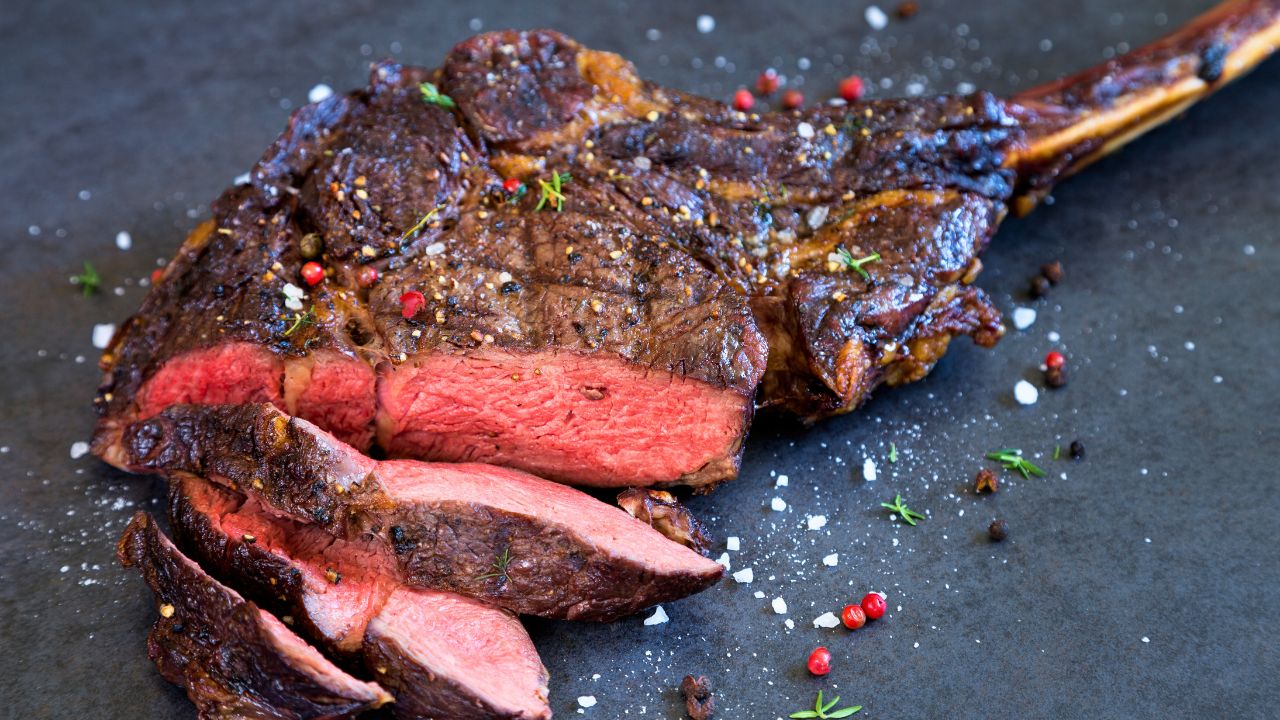
Predictably, the teenager hardly touched it, consuming less than a quarter of the enormous steak. When the check came, the aunt covered seven meals, every drink, and the full tip, but requested that the $190 steak be placed on a separate tab for her brother-in-law. He paid “with ill grace,” and her sister later attempted to make her feel guilty, revealing the money had come from their fund set aside to take the kids to the new Spider-Man movie.
The Internet Reacts
The online response was overwhelmingly supportive of the aunt, with thousands voicing their disbelief at the family’s sense of entitlement. The reactions generally fell into a few clear categories.
First up was the “Absolutely Not” Crowd, who were outraged on the woman’s behalf. They believed the brother-in-law and nephew had thoroughly taken advantage of her kindness. One commenter summed it up perfectly: “‘My treat’ does not mean abuse my generosity.”
Another was floored by the father’s brazenness, writing, “The audacity of the BIL to accuse OP of ‘trying to cheap out’ when his son picked a $190 dish. Who says that!?” Numerous others concurred that selecting such an extravagant item was simply disrespectful, no matter who was footing the bill.
Next came the Parenting Police, who focused less on the financial aspect and more on the dreadful example being set. These commenters were bewildered that neither parent intervened to steer their son toward a more reasonable selection. “What on earth was anyone thinking agreeing to let that kid order that steak?” one person questioned. “I don’t care who’s paying, my kid isn’t going to order a $190 meal.”
Someone else highlighted the contradiction, calling it “disgusting” for a father who needs to budget for a movie outing to let his son be so careless with another person’s money.
Lastly, there was the “Never Again” Crowd, who chimed in with practical advice going forward. Many believed this episode should mark the end of complimentary dinners for this family. “I think this would be my last ‘my treat’ meal,” a reader suggested. “Especially since they tried to take advantage of you.”
One other user offered a smart strategy to sidestep the whole problem entirely: “If you want to treat everyone to a meal, don’t say anything til the end! Announce it when the check comes!” This way, each person orders within their own budget, and the generous surprise stays genuinely delightful.
The Etiquette Verdict
Let’s make one thing abundantly clear: generosity is a gift freely given, not something anyone is owed. When someone volunteers to pay, it’s an act of kindness that deserves to be met with appreciation and consideration, not selfishness. The cardinal rule of dining as someone’s guest is to choose a moderately priced dish—something you’d feel comfortable ordering on your own dime. Deliberately selecting the most extravagant option is a serious breach of social etiquette that reveals a total lack of gratitude toward your host.
The brother-in-law was entirely in the wrong, both for encouraging his son’s thoughtless selection and for insulting his sister-in-law in the process. The woman wasn’t “cheaping out”; she was exercising common sense. She was absolutely justified in holding firm. An agreement is an agreement, and the fallout from this little episode landed precisely where it should have.
What Would You Do?
This scenario shines a light on a challenging family dynamic. Did the aunt make the right call by enforcing their agreement and holding her brother-in-law accountable, or would it have been better to simply cover the bill and preserve family harmony?