12 Common Foods That Can Turn Toxic if You Eat Too Much
Your kitchen pantry might look innocent enough, but lurking behind those cheerful labels are some sneaky troublemakers just waiting to cause chaos. That handful of Brazil nuts you’re munching? Those cinnamon rolls you devour weekly? Even your beloved tuna sandwich could turn against you if you go overboard.
Mother Nature has a wicked sense of humor – she packed some of our favorite foods with compounds that become dangerous in large doses. From the hallucinogenic properties hiding in your spice rack to the cyanide tucked away in bitter almonds, these everyday ingredients carry surprising secrets.
Before you panic and toss everything edible, remember that moderation is your best friend. These foods won’t hurt you in normal amounts, but knowledge is power when it comes to avoiding an accidental overdose of your favorite snacks.
Cinnamon (Cassia)
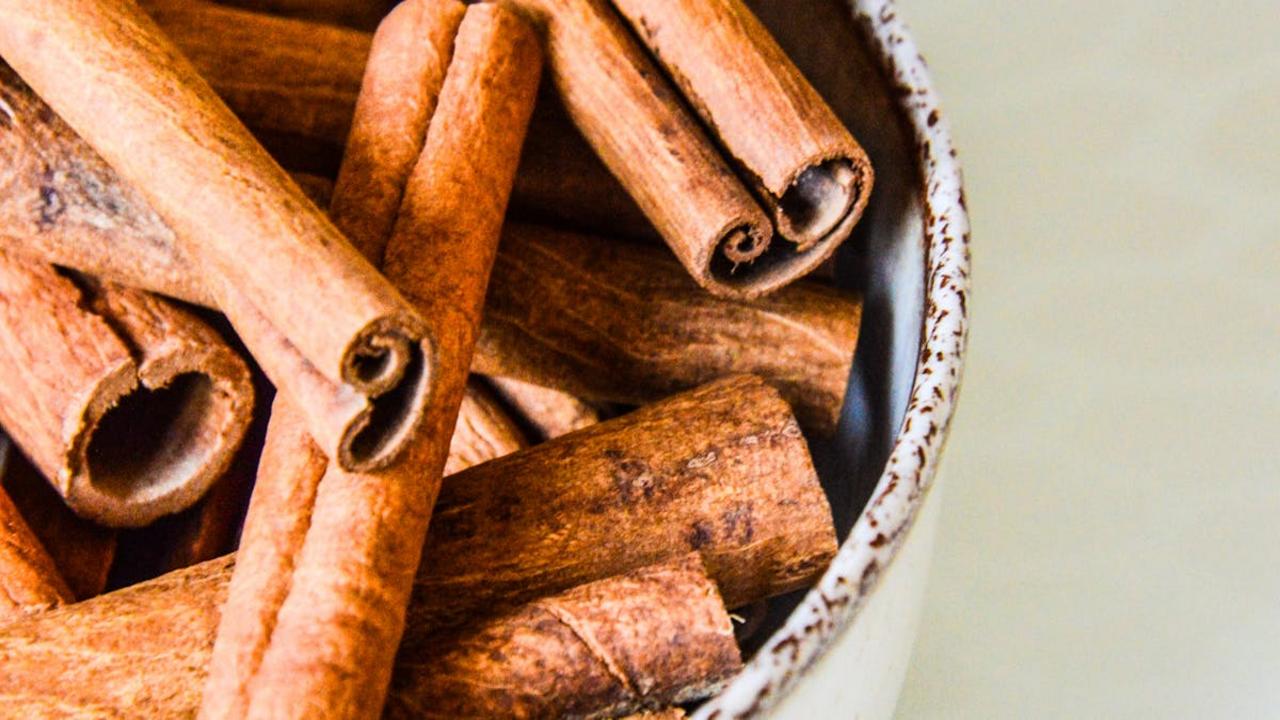
Picture this: you’re feeling fancy and decide to dust your morning latte with what feels like half the spice rack’s worth of cinnamon. Stop right there, sugar fiend! That warm, comforting spice you’re sprinkling with abandon contains coumarin, a compound that can mess with your liver faster than you can say “pumpkin spice everything.” Cassia cinnamon—the stuff you probably have sitting in your pantry right now—packs way more coumarin than its pricier cousin, Ceylon cinnamon. We’re talking about 250 times more! Your liver starts giving you the stink eye after just one teaspoon daily of the cassia variety.
Now, before you panic and toss your cinnamon collection in the trash, remember that moderation is your friend here. A sprinkle on your oatmeal or a dash in your cookies won’t send you to the emergency room, but chugging those viral cinnamon-heavy drinks or doing the infamous (and incredibly stupid) cinnamon challenge absolutely will cause problems. Your body processes coumarin slowly, so it builds up over time like that pile of laundry you keep ignoring. If you’re a serious cinnamon devotee, splurge on Ceylon cinnamon instead—it’s the Mercedes of the cinnamon world, with significantly less coumarin and a sweeter, more delicate flavor that’ll make your taste buds do a happy dance.
Kombucha
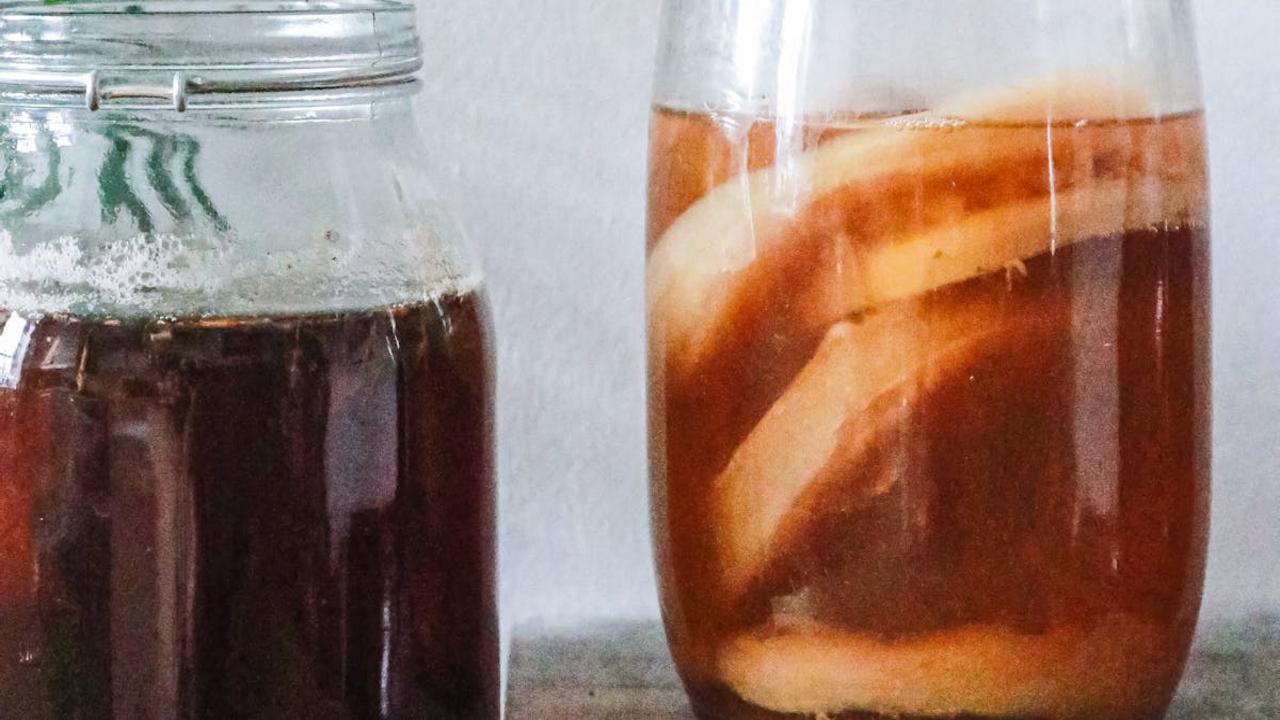
Picture this: you’re sipping that trendy fermented tea, feeling like the health guru you always knew you could be, when suddenly your stomach starts staging its own revolution. Yes, even kombucha—that fizzy, tangy drink your yoga instructor swears by—can turn against you if you go overboard. This probiotic powerhouse contains live bacteria and yeast cultures that work wonders for your gut in reasonable amounts, but chug too much and you might find yourself dealing with digestive chaos, bloating, and even potential liver issues from the alcohol content that naturally occurs during fermentation.
Here’s where things get interesting: kombucha typically contains anywhere from 0.5% to 3% alcohol, which means drinking massive quantities could actually get you tipsy (and not in a fun way). Plus, homemade versions can be wildly unpredictable—some batches pack more punch than others, and contamination risks multiply when Aunt Martha decides to brew her own without proper sterilization. The magic number? Most experts suggest sticking to 4-8 ounces per day, which gives you all the probiotic benefits without turning your digestive system into a science experiment gone wrong. Your wallet will thank you too, because let’s be honest, those fancy bottles add up faster than your grocery receipts!
Green Potato Parts
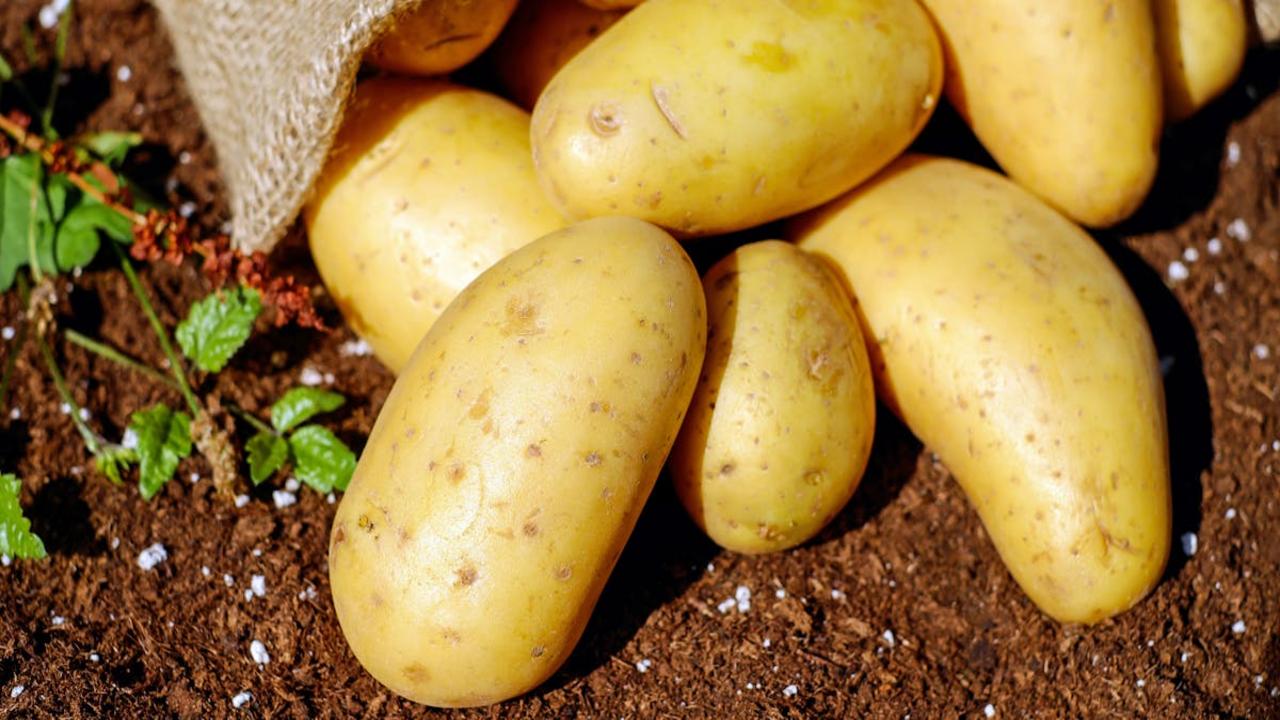
You know that moment when you’re peeling potatoes and notice those weird green patches? Your brain probably thinks, “Eh, it’s still a potato,” but hold up there, chef! Those green spots aren’t just unfortunate lighting—they’re your potato’s way of screaming “I’m toxic!” The green color comes from chlorophyll, which sounds innocent enough, but it’s actually a red flag signaling the presence of solanine, a naturally occurring poison that potatoes produce when exposed to light. This sneaky compound can cause nausea, vomiting, diarrhea, and in extreme cases, neurological problems that’ll make you wish you’d just ordered pizza instead.
Here’s the kicker: cooking doesn’t eliminate solanine, so don’t think you can just roast your way out of trouble. The rule of thumb? If more than a quarter of your potato has gone green, toss the whole thing—don’t be a hero and try to salvage it. Small green spots can be cut away generously (we’re talking at least an inch around the green area), but honestly, life’s too short for questionable potatoes. Store your spuds in a cool, dark place like they’re vampires, and they’ll stay their beautiful, non-toxic selves. Fun fact: potatoes and tomatoes are related, and both produce solanine—nature’s little reminder that just because something grows from the ground doesn’t mean it won’t try to take you down!
Almonds (Bitter)
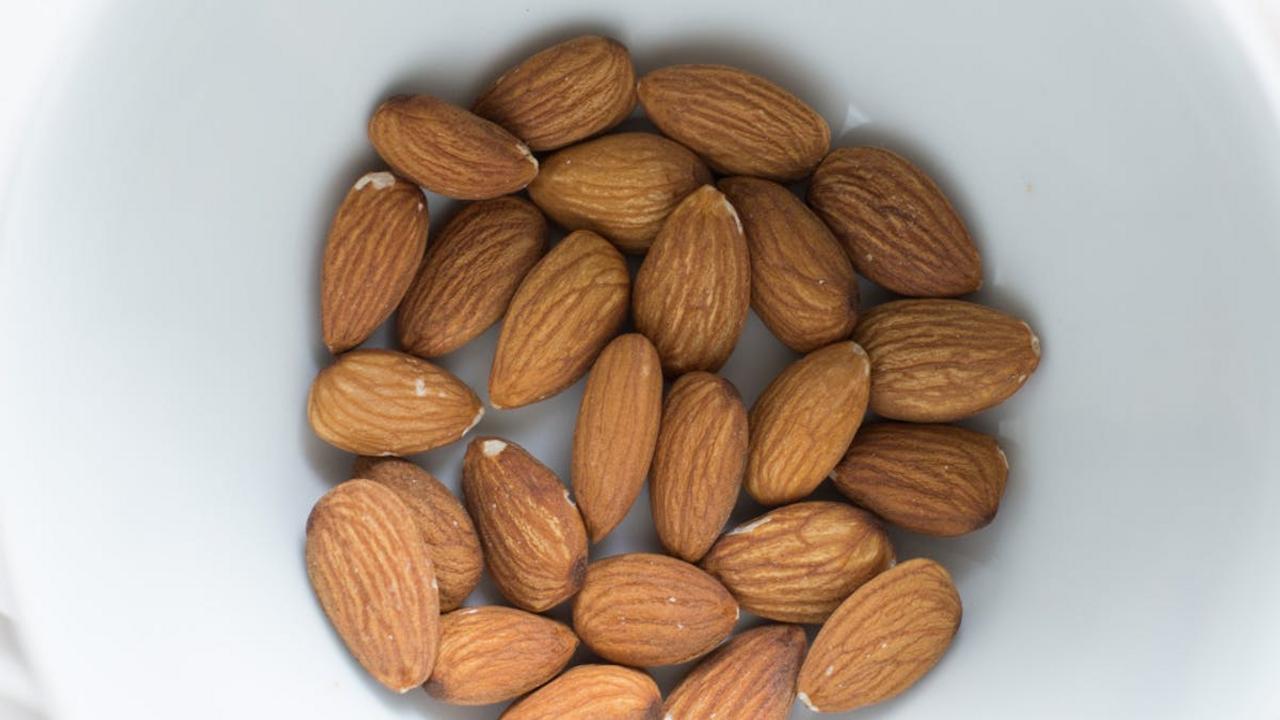
Sweet almonds are your snack drawer’s best friend, but their bitter cousins? They’re basically nature’s way of saying “proceed with extreme caution.” Bitter almonds contain amygdalin, which breaks down into hydrogen cyanide when you chomp on them – and trust me, that’s not the kind of nutty flavor you want dancing on your tongue. Just 7-10 bitter almonds can send an adult to the hospital, while a measly 2-5 can be dangerous for kids. The wild part? These dangerous nuts actually smell amazing, with an intense marzipan-like aroma that could fool you into thinking they’re some fancy European delicacy.
Here’s the plot twist that’ll blow your mind: bitter almonds are actually illegal to sell in the United States because of their toxicity levels. The almond extract sitting in your spice cabinet? That’s made from bitter almonds, but manufacturers steam-distill them to remove all the cyanide, leaving behind just that gorgeous flavor we associate with wedding cakes and fancy cookies. Raw bitter almonds look almost identical to sweet ones, so unless you’re buying from a certified source, stick to the regular variety. Your afternoon snack shouldn’t come with a side of poison control hotline numbers!
Rhubarb Leaves
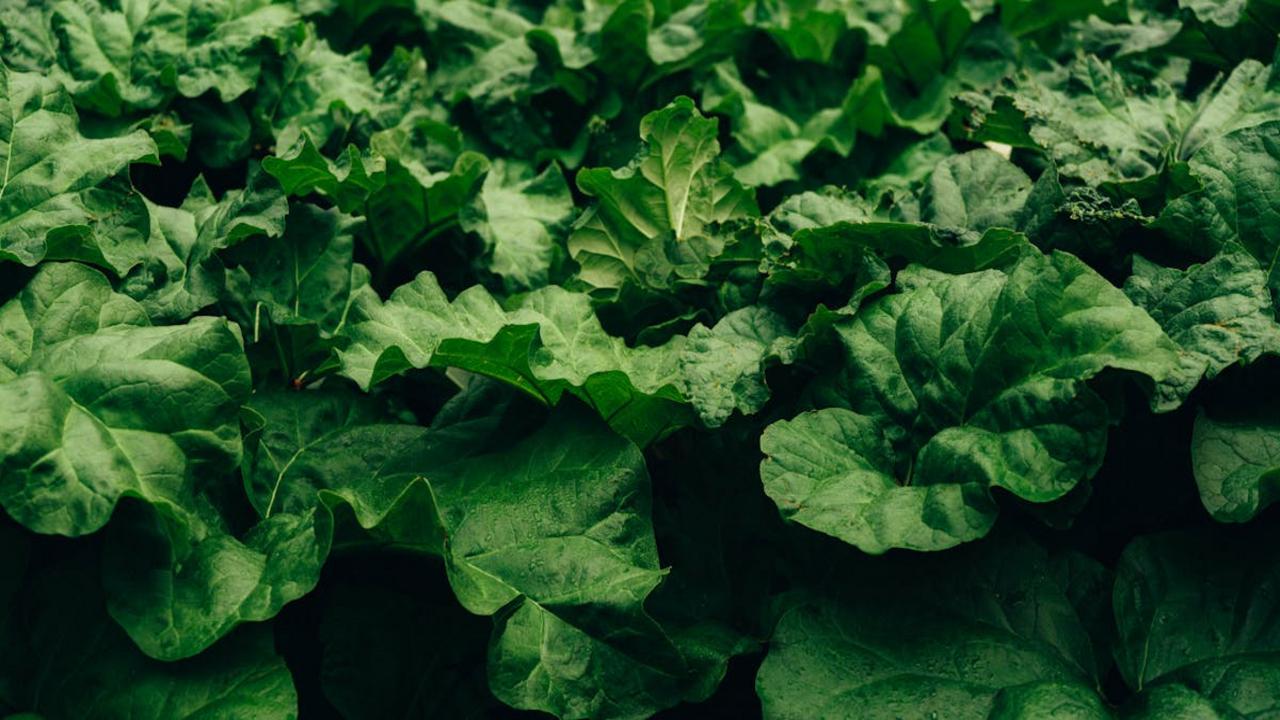
Picture this: you’re in your garden, admiring those gorgeous rhubarb stalks with their ruby-red stems practically begging to become your next strawberry-rhubarb pie. But wait—don’t even think about tossing those massive, tropical-looking leaves into your salad! Those innocent-seeming green giants pack enough oxalic acid to make your kidneys throw a serious tantrum. We’re talking about the same stuff that makes your teeth feel fuzzy after eating too much spinach, except cranked up to eleven. One decent helping of rhubarb leaves contains enough oxalates to send you straight to the emergency room with kidney failure, breathing problems, and a burning sensation in your mouth that’ll make you question every life choice that led to this moment.
Here’s the kicker—people actually used to eat these things! During World War I, when food was scarce, some folks mistakenly consumed rhubarb leaves thinking they were getting extra nutrition. Spoiler alert: they weren’t. The leaves contain roughly ten times more oxalic acid than the stalks, which means your body literally can’t process that much poison. Even your compost pile doesn’t want these bad boys—they’re toxic enough to kill beneficial soil bacteria. So stick to those beautiful pink and red stalks for your crumbles and jams, and treat those leaves like the botanical equivalent of a “Do Not Touch” sign. Your kidneys will thank you, and your desserts will still be absolutely divine.
Casava
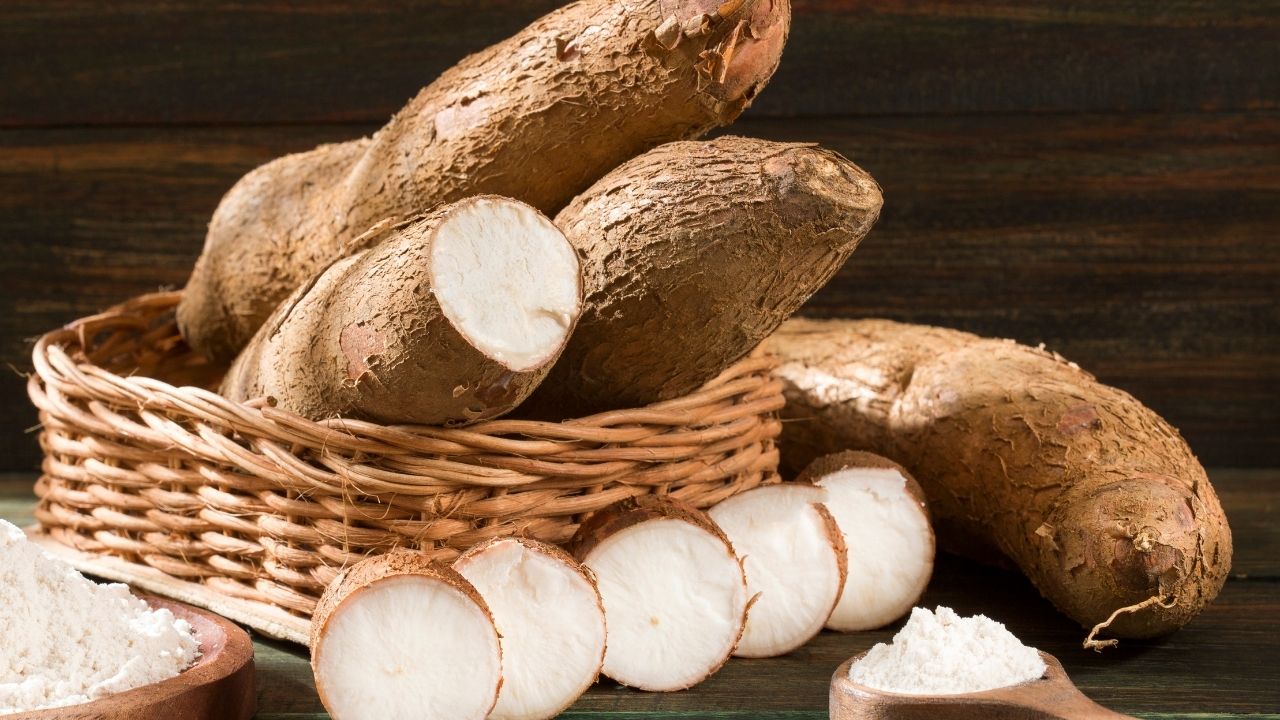
Cassava might look like an innocent, gnarly root sitting quietly in your grocery store’s exotic produce section, but this starchy tuber has a dark secret that would make even the most dramatic soap opera writers jealous. This tropical powerhouse contains naturally occurring compounds called cyanogenic glycosides, which your body cheerfully converts into hydrogen cyanide when you munch on raw cassava. Yes, you read that right – the same stuff used in old-timey spy movies! The bitter varieties pack the biggest punch, containing enough of these compounds to cause serious trouble if you decide to go full caveman and eat them unprocessed.
Before you swear off this versatile root forever, remember that millions of people worldwide enjoy cassava safely every single day by following one simple rule: cook it properly! Boiling, baking, or frying cassava breaks down those pesky cyanogenic compounds, transforming this potential troublemaker into a delicious, potato-like treat. Think of it as cassava’s way of teaching us patience – you can’t rush perfection, and you definitely can’t rush proper preparation. Whether you’re making crispy cassava chips, creamy cassava cake, or adding chunks to your favorite stew, just make sure you’ve given it the heat treatment it deserves, and this tropical treasure will reward you with its nutty, slightly sweet flavor.
Licorice Root
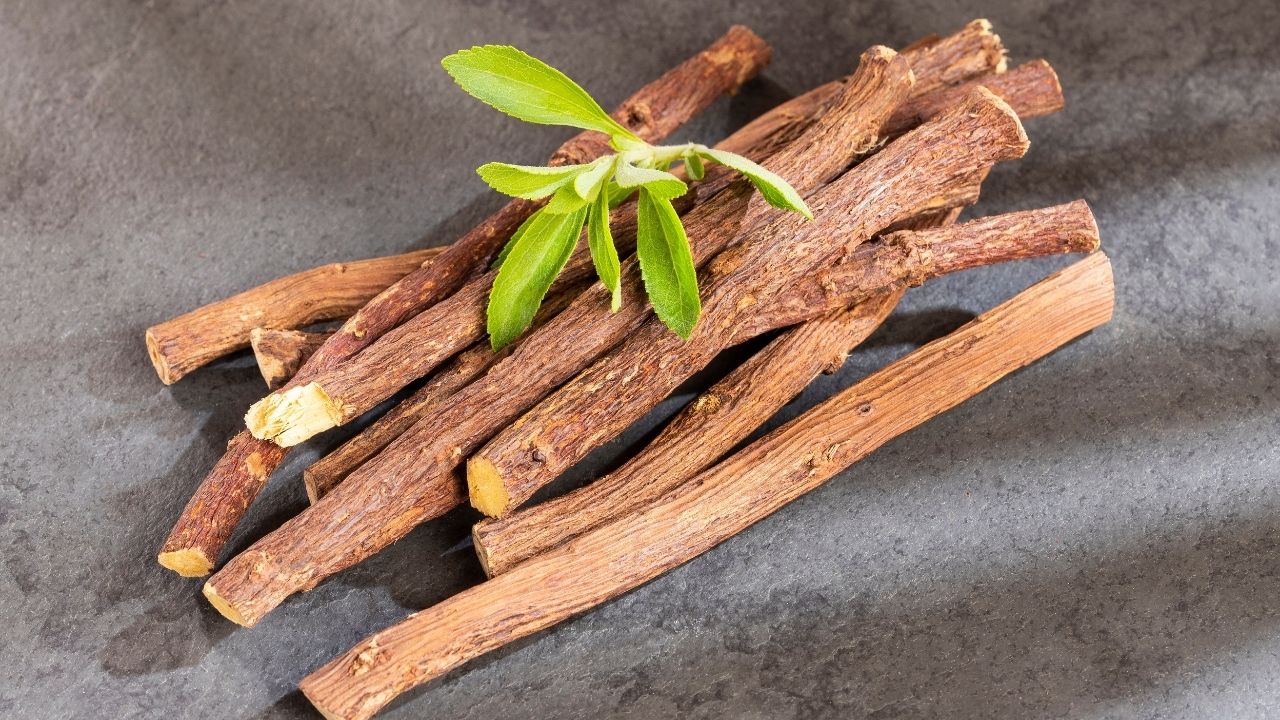
You know that black candy that divides humanity into two camps—those who adore it and those who think it tastes like liquid bandages? Well, licorice root is the star behind that polarizing flavor, and while it’s been sweetening our lives for centuries, this innocent-looking root can pack quite a punch if you go overboard. The compound glycyrrhizin gives licorice its distinctive flavor and also acts like a sneaky little troublemaker in your body, mimicking the hormone aldosterone and throwing your potassium levels completely out of whack.
Here’s where things get wild: eating too much black licorice can literally make your muscles weak, spike your blood pressure, and even mess with your heart rhythm. The FDA actually issued warnings after people ended up in hospitals from licorice overdoses—imagine explaining that to your doctor! Just two ounces of black licorice daily for a couple of weeks can send you straight to medical drama territory. So while that chewy, anise-flavored treat might be calling your name from the candy aisle, remember that moderation is key. Your heart will thank you for not turning every day into a licorice marathon!
Star Fruit
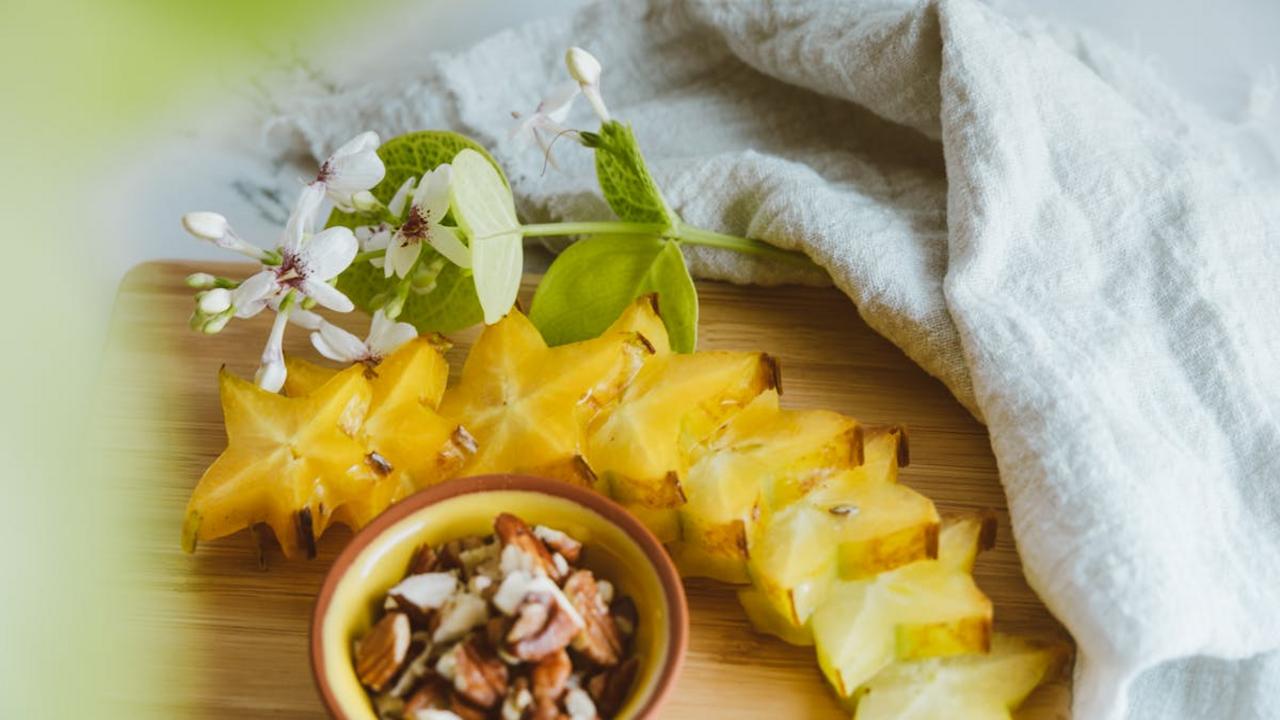
Star fruit might look like Mother Nature’s attempt at creating edible Christmas decorations, but this ridged tropical beauty packs a punch that goes way beyond its Instagram-worthy appearance. You know how your mom always said “everything in moderation”? Well, she was definitely thinking about star fruit, even if she didn’t know it at the time. This sunny yellow fruit contains oxalic acid – the same compound that makes rhubarb leaves dangerous – and for people with kidney problems, even small amounts can spell serious trouble. Your kidneys normally filter out oxalic acid like tiny bouncers at an exclusive club, but when they’re not working properly, this compound can build up and cause seizures, confusion, and even coma.
Here’s where things get really wild: star fruit toxicity doesn’t just affect people with existing kidney disease. Perfectly healthy folks who go overboard on these star-shaped treats can experience hiccups that last for hours, vomiting, and numbness. One case study documented a man who ate just one large star fruit and ended up in the hospital with severe neurological symptoms! The fruit’s neurotoxic effects are so potent that some countries actually put warning labels on star fruit sold in grocery stores. If you’re absolutely determined to try this tropical stunner, stick to small portions and definitely avoid it if you have any kidney issues – your neurons will thank you for not turning snack time into a medical emergency.
Lima Beans
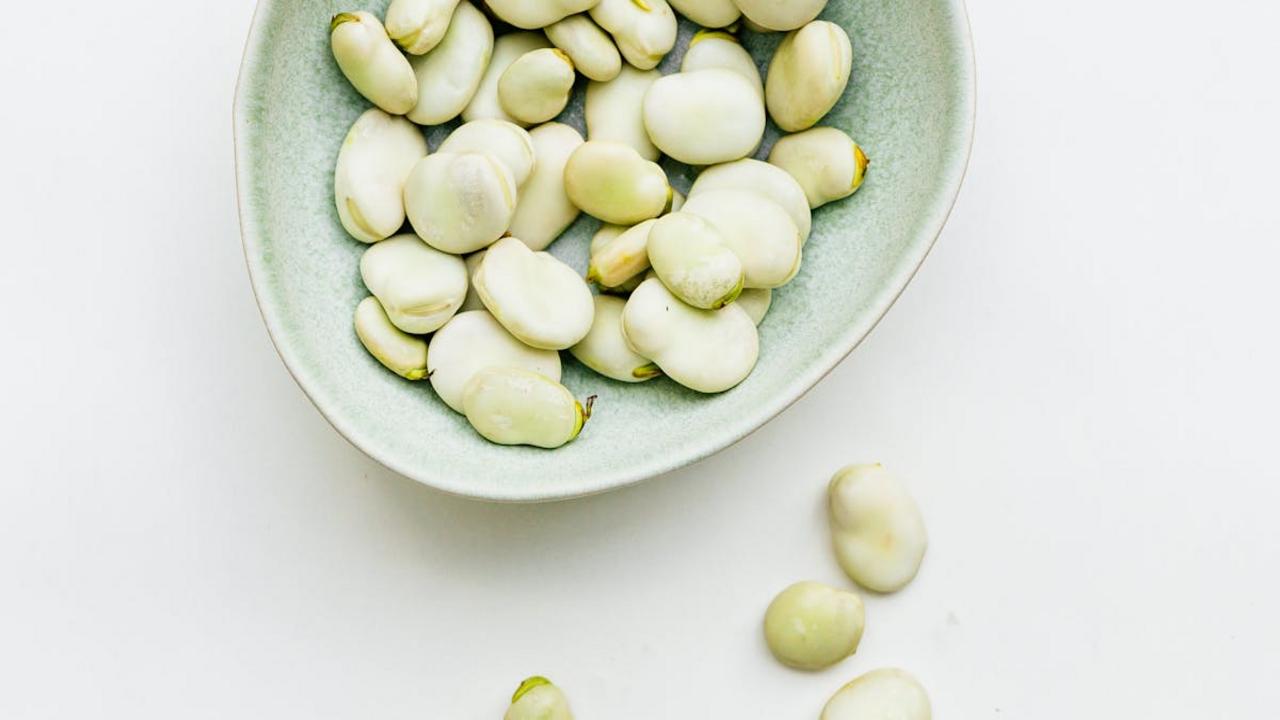
Oh, lima beans! Those chunky, pale green pods of controversy that divided elementary school cafeterias for decades. You either loved their buttery, starchy goodness or declared war on them faster than you could say “mystery meat Monday.” But here’s the plot twist that’ll make you rethink your childhood trauma: raw lima beans pack a secret weapon called linamarin, a compound that breaks down into hydrogen cyanide when you chomp down. Yes, the same stuff spy novels are made of! Your grandmother’s insistence on cooking them thoroughly wasn’t just about texture – she was literally saving your life one properly boiled bean at a time.
The good news? Cooking completely neutralizes this natural defense mechanism, so your weekly succotash habit won’t land you in the emergency room. The bad news? If you’re one of those raw food enthusiasts who thinks everything tastes better uncooked, lima beans should stay far away from your smoothie experiments. Commercial lima beans sold in stores contain much lower levels of these compounds than their wild cousins, but why risk turning your dinner into a chemistry experiment? Stick to properly cooked lima beans, and you can enjoy their creamy texture and mild flavor without any dramatic side effects – unless you count the inevitable family arguments about whether they belong in vegetable medleys.
Tuna
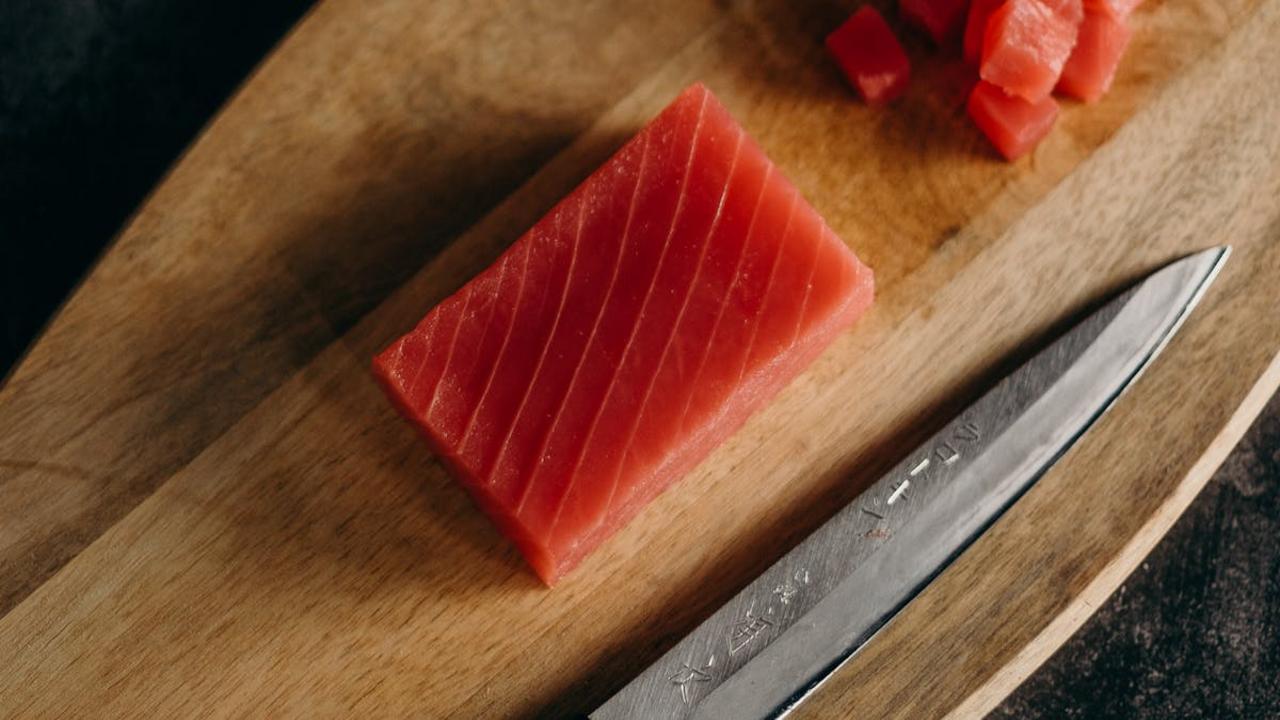
That beautiful, meaty tuna sitting pretty in your sushi roll or sandwich might seem innocent enough, but here’s the catch – this ocean superstar comes with a hidden passenger called mercury. The bigger and older the tuna, the more mercury it accumulates from smaller fish it devours during its underwater adventures. Bluefin tuna, those magnificent giants that can weigh as much as a small car, pack the highest mercury levels. Your favorite spicy tuna roll suddenly doesn’t look so harmless when you realize that too much mercury can mess with your nervous system, causing everything from memory problems to coordination issues.
Now, before you swear off tuna forever and dramatically toss your sashimi across the room, take a breath! The FDA suggests limiting yourself to about 6 ounces of albacore tuna per week, or roughly one can. Pregnant women get even stricter guidelines because mercury can affect developing brains. Light tuna generally contains less mercury than its albacore cousin, so you can enjoy a bit more of that. Think of it like dating – moderation keeps things exciting and safe. You can still enjoy that tuna melt or poke bowl, just don’t make it your daily ritual unless you want to turn your brain into a mercury thermometer!
Brazil Nuts
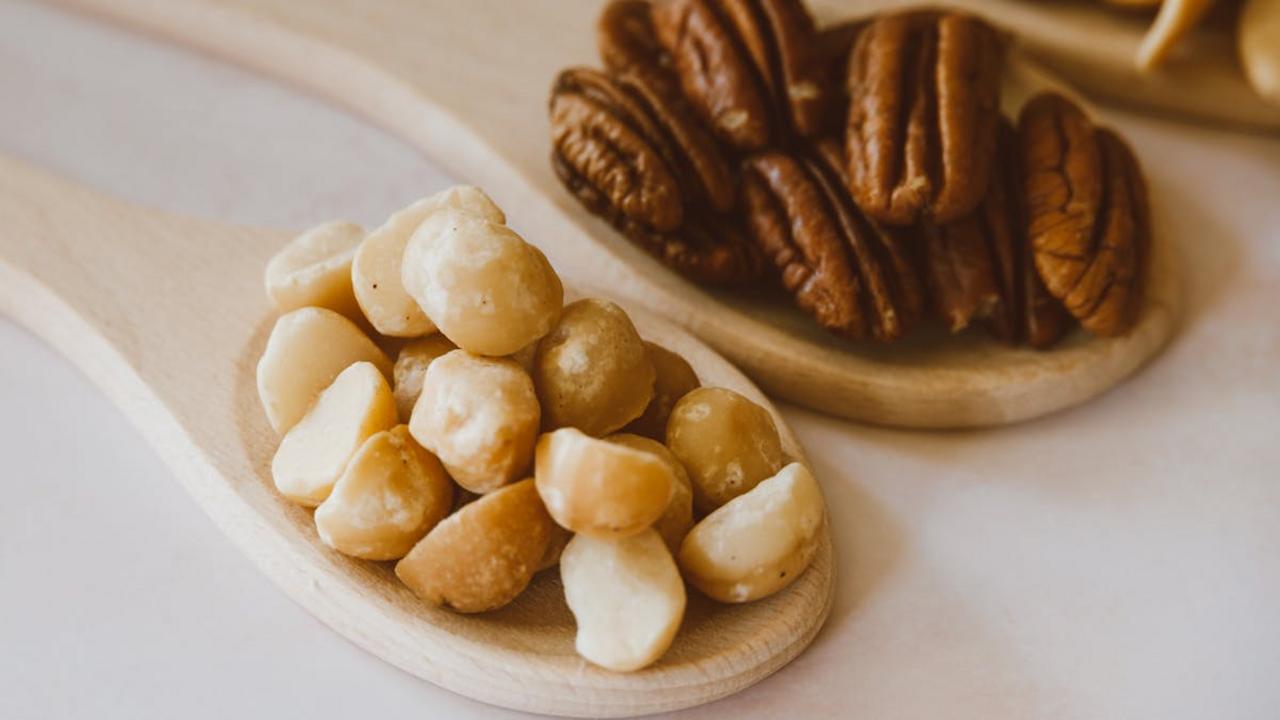
Brazil nuts might look like innocent little nuggets of tropical goodness, but these creamy, buttery powerhouses pack more selenium than your body knows what to do with. Just six of these Amazon rainforest gems contain about 544 micrograms of selenium – that’s nearly ten times your daily requirement! Your thyroid gland will thank you for one or two, but go overboard and you’ll be dealing with selenosis, a condition that brings hair loss, brittle nails, and a metallic taste that makes everything taste like you’ve been licking pennies.
I learned this the hard way after discovering a bag of Brazil nuts at my local health food store and deciding they’d make the perfect movie snack. Three handfuls later, I spent the next week wondering why my mouth tasted like a copper pipe. These nuts are basically nature’s way of saying “moderation, please!” – they’re so nutrient-dense that eating them daily is like taking selenium supplements without realizing it. Stick to two or three nuts per day, and save the rest for impressing dinner guests with your knowledge of South American superfood trivia.
Nutmeg
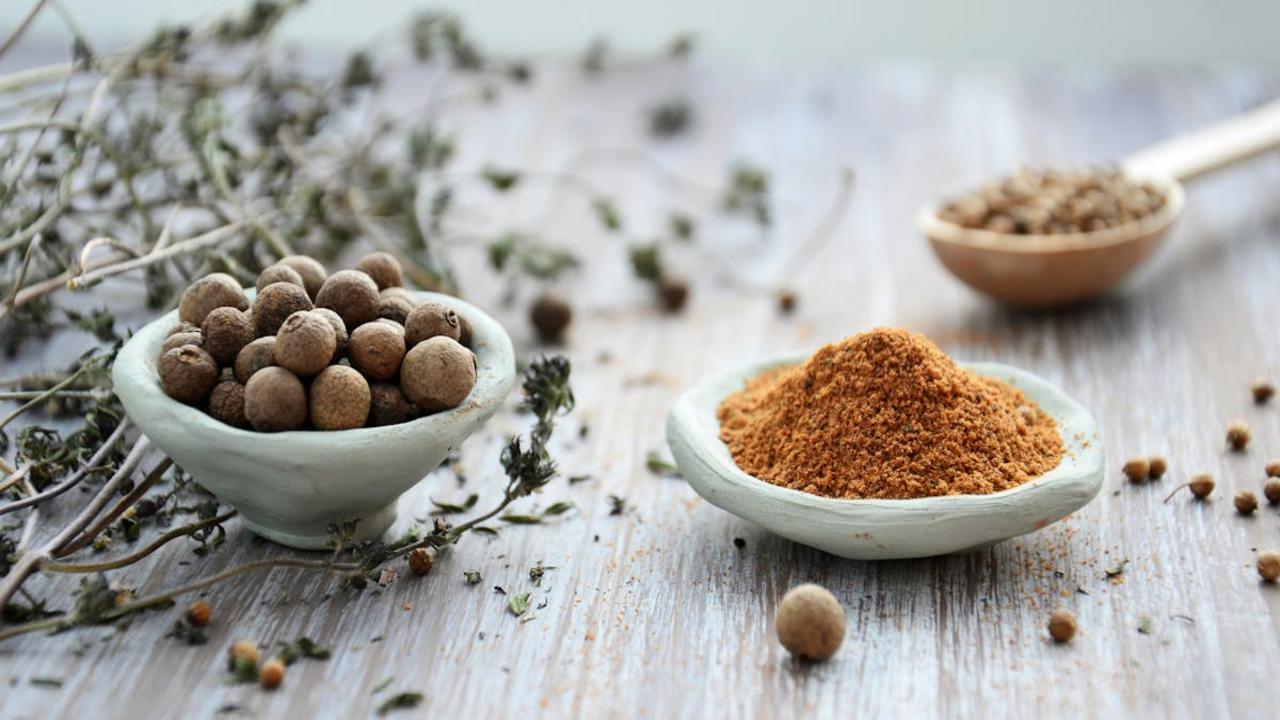
That innocent little jar of nutmeg sitting in your spice rack? It’s basically a culinary Jekyll and Hyde waiting to happen. Sure, a pinch of this warm, aromatic spice transforms your eggnog into liquid holiday magic and makes your grandmother’s apple pie worth fighting your cousins over. But here’s the plot twist nobody warns you about – consume more than a tablespoon of this seemingly harmless spice, and you’re signing up for what I like to call “the nutmeg nightmare.” We’re talking hallucinations, nausea, dizziness, and a heart that pounds like it just ran a marathon while you question every life choice that led you to this moment.
The villain behind this spicy chaos is myristicin, a compound that your body converts into something remarkably similar to MDMA. Medieval folks actually used nutmeg as a cheap hallucinogen, though I’m guessing they didn’t have better entertainment options back then. The effects can last up to 48 hours, turning what started as an adventurous cooking experiment into the longest weekend of your life. Stick to that classic “just a pinch” rule, and nutmeg remains your faithful kitchen companion – exceed it, and you’ll discover why this spice has such a dark reputation lurking beneath its cozy, Christmas-cookie exterior.