
13 Foods With Surprising Kitchen Uses and Flavor Tricks You Didn’t Know About
Your spice rack holds more secrets than you realize. Beyond their traditional roles, everyday ingredients can transform into unexpected flavor enhancers, natural colorants, and kitchen problem-solvers. I’ve spent years experimenting with global ingredients, discovering that turmeric doubles as a natural food coloring while sumac adds brightness to both savory dishes and desserts.
These thirteen ingredients will change how you cook. From using dragon fruit as a natural thickener to turning kefir into a meat tenderizer, each food offers multiple applications that go far beyond their conventional uses. You probably have several of these sitting in your pantry right now, waiting to reveal their hidden potential.
Home cooking becomes more exciting when you understand these versatile ingredients. Whether you’re looking to boost nutrition, create stunning presentations, or simply add unexpected flavors to familiar recipes, these foods will expand your cooking repertoire in ways that feel both innovative and authentically grounded in traditional wisdom.
Camu Camu
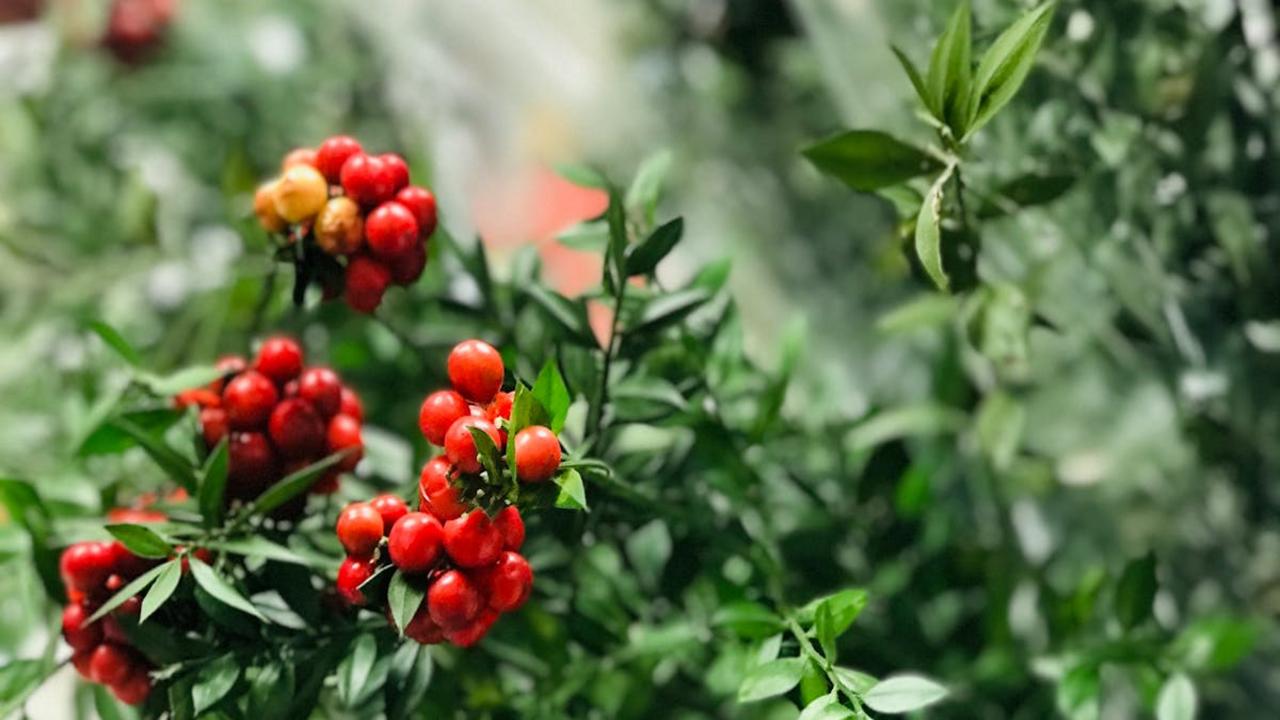
I discovered camu camu during a trip to a Peruvian market, and this tiny Amazonian fruit completely changed how I think about vitamin C in my kitchen. While most people reach for oranges or lemons, camu camu contains 30-50 times more vitamin C than citrus fruits! The tart, almost cranberry-like flavor might seem intense at first, but I’ve learned to work with its unique profile rather than against it. You can find freeze-dried camu camu powder at health food stores, and trust me, a little goes a long way.
My favorite trick is adding just a pinch of camu camu powder to smoothies with tropical fruits like mango or pineapple – the sweetness balances that sharp tang beautifully. I also whisk it into homemade vinaigrettes where its acidity brightens everything from roasted vegetables to grain salads. For desserts, I fold the powder into whipped cream or mix it with a touch of honey to create a vitamin-packed drizzle for fresh berries. The key is starting small – maybe 1/8 teaspoon – because this superfruit packs serious flavor intensity alongside its incredible nutritional punch.
Kefir

You know that tangy kefir sitting in your fridge? It’s not just for smoothies anymore. I’ve discovered this fermented powerhouse works magic as a marinade for chicken and fish – the natural acids break down proteins beautifully while infusing incredible depth. Mix kefir with herbs, garlic, and spices for an overnight marinade that creates the most tender, flavorful meat you’ve ever tasted. I also swap it for buttermilk in pancakes and quick breads, creating fluffy textures with that signature tang that makes everything taste more complex and satisfying.
Here’s where kefir really shines in unexpected ways: I use it as a base for creamy salad dressings that pack probiotics into every bite. Blend it with fresh herbs, lemon juice, and a touch of honey for a ranch-style dressing that’s actually good for your gut. Even better, kefir makes an incredible substitute for sour cream in baking – your cakes become more moist, your muffins develop this lovely tender crumb, and you’re adding beneficial bacteria to treats. I’ve even started using plain kefir in place of milk when making homemade cheese, creating a sharper, more interesting flavor profile that transforms simple dishes into something memorable.
Sumac

You know that tangy, lemony flavor you get from citrus but wish you could sprinkle it on everything? Meet sumac, the Middle Eastern spice that brings exactly that bright acidity without any liquid. I keep this deep red powder in my pantry because it transforms ordinary dishes into something special. Sprinkle it over roasted vegetables, mix it into yogurt for an instant dip, or dust it on grilled meats right before serving. The flavor hits different than lemon juice – it’s more concentrated and doesn’t make your salads soggy.
What really excites me about sumac is how it bridges different cooking traditions. I love mixing it with za’atar for a Middle Eastern vibe, but it also works beautifully in my grandmother’s Indian recipes where I might normally squeeze fresh lime. Try it on your morning eggs, blend it into homemade salad dressings, or even rim cocktail glasses with it for something unexpected. The color alone makes everything look more vibrant and appetizing. Plus, since it’s naturally tart, I find myself reaching for less salt when I cook with sumac – it’s one of those ingredients that makes healthy eating feel indulgent.
Natto
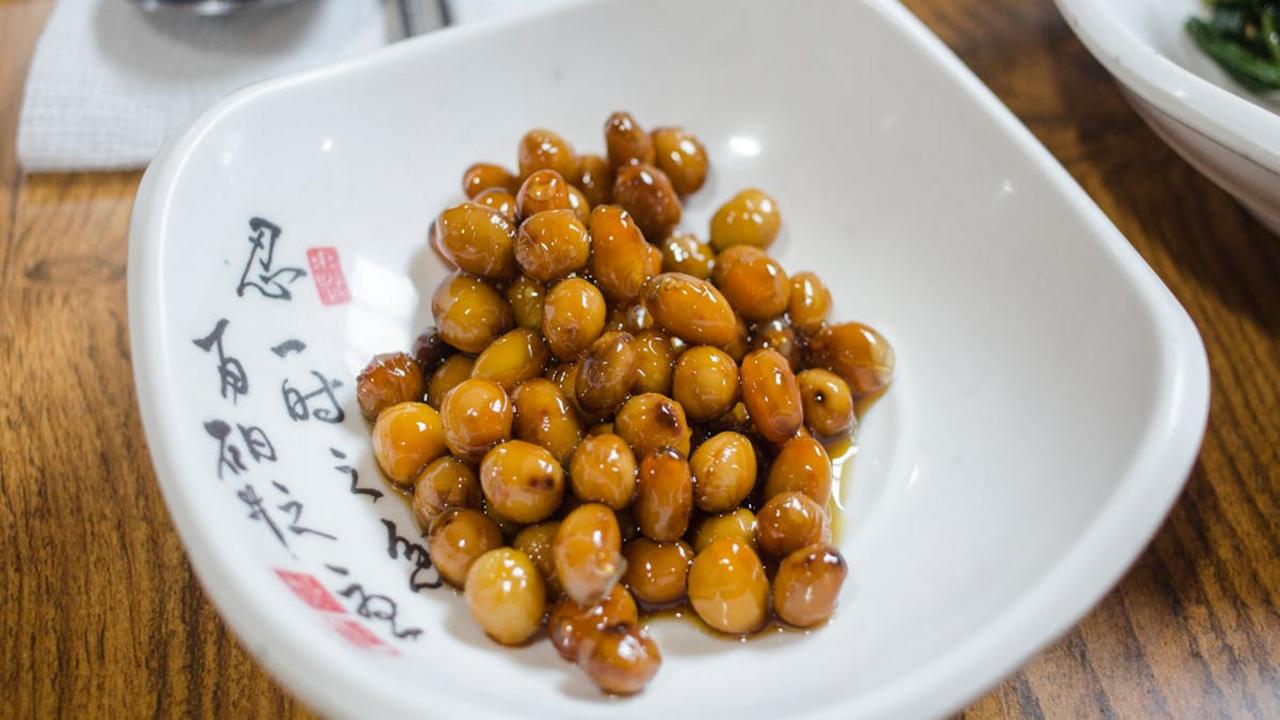
I know what you’re thinking – natto, that sticky, stringy fermented soybean dish from Japan, seems like an acquired taste that belongs only on rice bowls. But here’s what changed my perspective: this powerhouse ingredient can transform your cooking in ways you never imagined. The umami-rich, almost cheese-like flavor of natto makes it an incredible secret weapon for creating depth in broths, marinades, and even salad dressings. I’ve whisked it into miso-based vinaigrettes that blow people away, and mixed it into tempura batter for an extra layer of savory complexity that keeps guests guessing.
Beyond its flavor magic, natto serves as a natural thickener and protein booster that can replace eggs in many recipes. I’ve discovered that blending natto with a splash of dashi creates an instant soup base that rivals hours of simmering bones. Try incorporating small amounts into your homemade pasta sauces – the enzymes actually help break down other ingredients while adding incredible richness. The key is starting with tiny quantities until your palate adjusts, then gradually building up. Once you understand how to work with natto’s unique properties, you’ll find yourself reaching for it to add that mysterious something-special to dishes that need an extra dimension of flavor.
Dragon Fruit
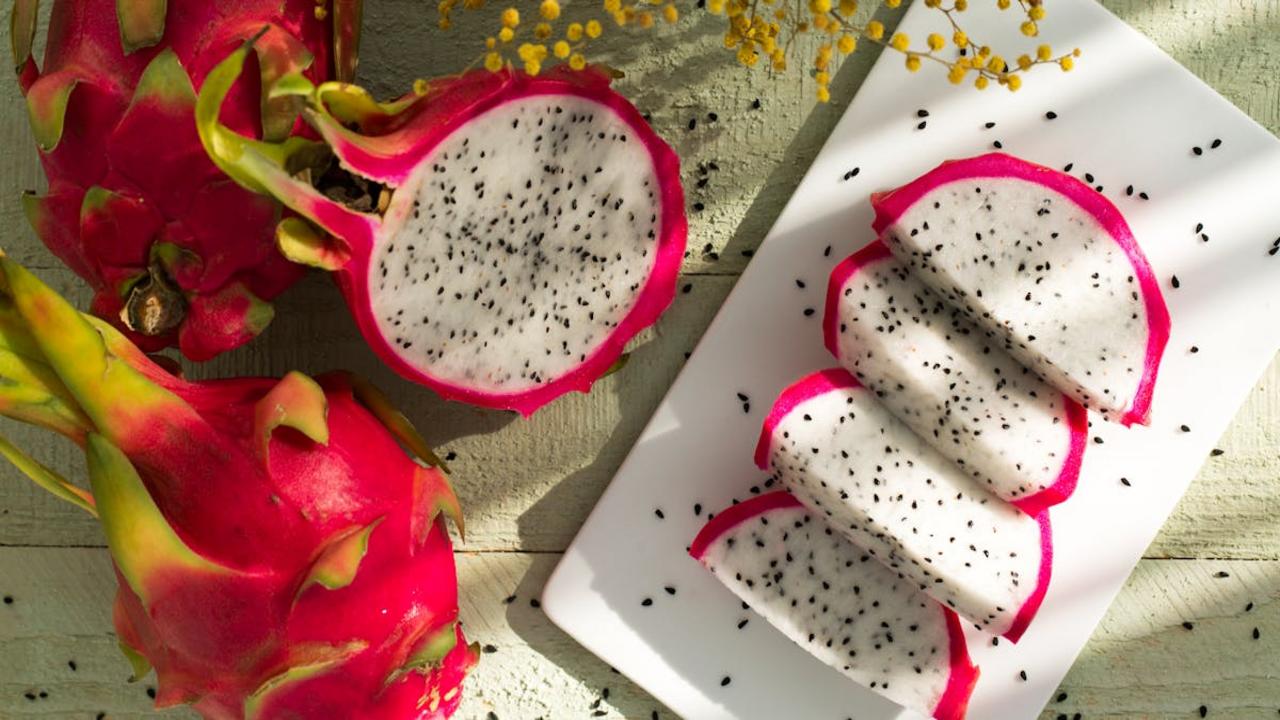
Dragon fruit brings way more to your kitchen than just its stunning Instagram-worthy appearance! I discovered this tropical beauty makes an incredible natural food coloring agent – the vibrant pink skin creates the most gorgeous natural dye for frosting, smoothie bowls, and even homemade pasta. Simply boil the peels in water for 15 minutes, strain, and you’ve got yourself a brilliant magenta liquid that beats any artificial coloring. The mild, refreshing flesh works beautifully as a neutral base in savory applications too. I love dicing it into summer salads with cucumber and mint, or using it in place of water chestnuts for that satisfying crunch in stir-fries.
Here’s where dragon fruit really shines in unexpected ways: those tiny black seeds pack a surprising peppery punch that adds texture and subtle heat to dishes. The flesh freezes beautifully and transforms into the creamiest smoothie base you can imagine – no banana needed! I often freeze cubes of dragon fruit pulp and blend them directly into coconut milk for an instant tropical ice cream. The fruit’s natural pectin content makes it perfect for quick jams and jellies without adding extra thickeners. Next time you see these exotic beauties at the market, grab a few and experiment beyond the typical fruit bowl – your creativity will thank you for it!
Amla
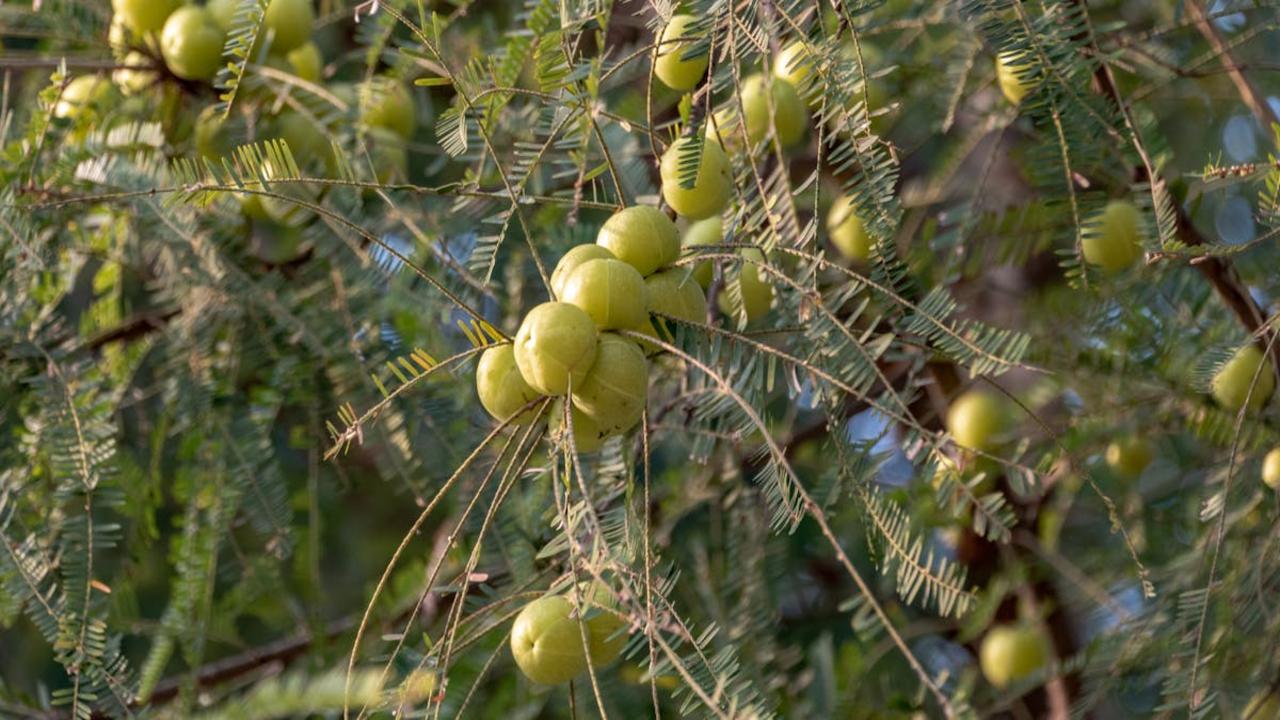
You know that tiny, green powerhouse sitting in your local Indian grocery store? Amla deserves a permanent spot in your kitchen arsenal. I’ve been cooking with this vitamin C-packed gem for years, and it never fails to surprise me with its versatility. Most people know amla for its intense tartness, but here’s what they don’t tell you: a small piece of fresh amla grated into your morning smoothie transforms it into an antioxidant bomb that puts expensive supplements to shame. The sourness mellows beautifully when blended with sweet fruits like mango or banana, creating this incredible balance that wakes up your entire system.
But amla’s real magic happens in savory cooking. I discovered this accidentally when I ran out of tamarind for a dal recipe – desperate times called for creative measures! A few thin slices of amla added to lentils during cooking created this bright, complex flavor that had my dinner guests asking for the secret ingredient. The fruit breaks down just enough to infuse the dish with subtle tartness while maintaining little bursts of texture. Try adding amla slices to your next curry base or pickle recipe – it acts like a natural preservative while adding layers of flavor that processed ingredients simply can’t match.
Schisandra Berries

I stumbled upon schisandra berries during my quest for functional ingredients that actually taste good in real food. These little ruby-red gems from traditional Chinese medicine pack what practitioners call “five flavors” – sweet, sour, bitter, pungent, and salty – all in one tiny berry. You can find them dried at Asian markets or health food stores, and they’re absolute magic for adding complexity to both sweet and savory dishes without overwhelming your palate.
I love steeping dried schisandra berries in hot water for fifteen minutes to create an intensely flavored concentrate that transforms ordinary dishes. This ruby-red liquid works beautifully in salad dressings, giving vinaigrettes an unexpected depth that guests can never quite identify. Try adding two tablespoons to your next batch of homemade kombucha or mix it into berry compotes for pancakes. The berries themselves, once rehydrated, become chewy little flavor bombs perfect for grain bowls or mixed into homemade granola. Their unique taste profile means you can reduce added sugars while still achieving that satisfying complexity your mouth craves.
Ashwagandha
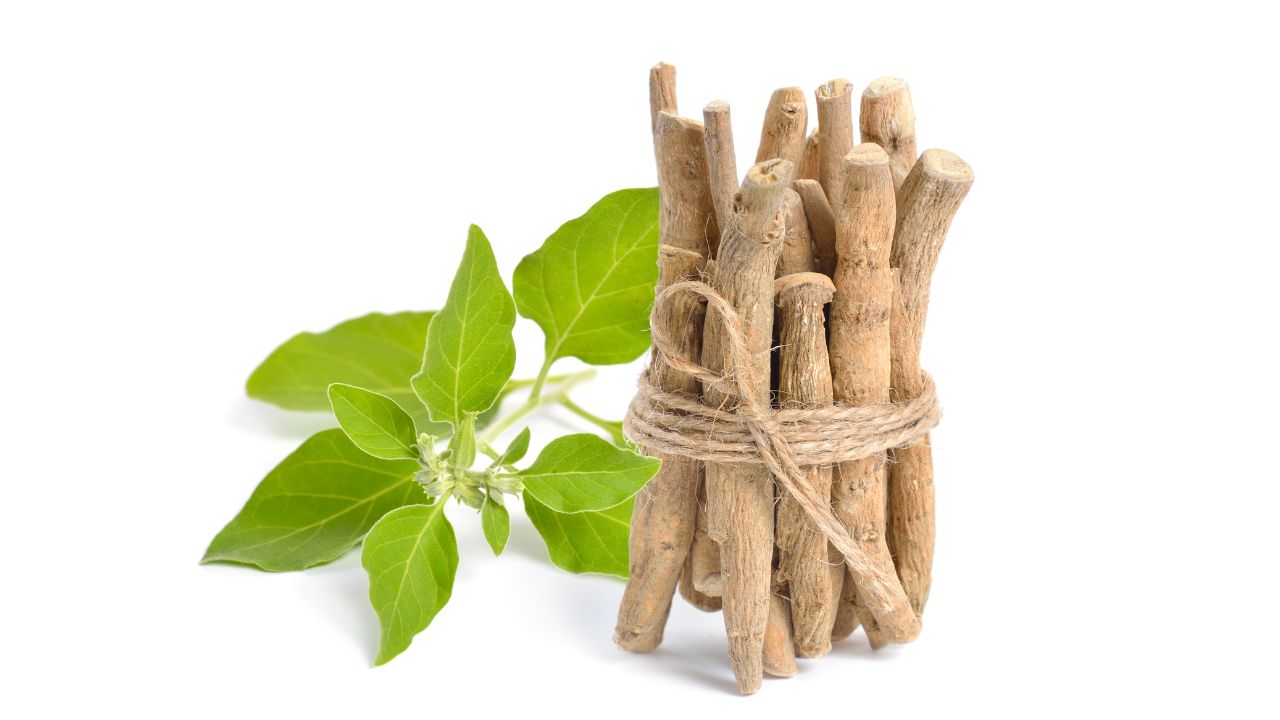
You know that earthy, slightly bitter herb sitting in your wellness cabinet? Ashwagandha deserves a spot in your spice rack too! I started experimenting with this adaptogenic root in my kitchen after realizing its complex flavor profile could add incredible depth to both sweet and savory dishes. The powder works beautifully in golden milk lattes, where its natural earthiness complements turmeric and ginger perfectly. I love whisking a pinch into my morning smoothies with banana and almond butter – it creates this grounding, almost nutty undertone that makes breakfast feel more substantial.
What really surprised me was how well ashwagandha works in baking. I’ve been adding small amounts to chocolate brownies and spiced cookies, where it enhances the cocoa without overpowering the sweetness. The key is starting small – maybe 1/4 teaspoon per batch – because its intensity can quickly dominate. For savory applications, try mixing it into homemade spice blends for roasted vegetables or stirring it into warm broths. The powder dissolves beautifully into liquids, making it perfect for soups and stews where you want that extra layer of complexity without adding processed seasonings.
Sea Buckthorn
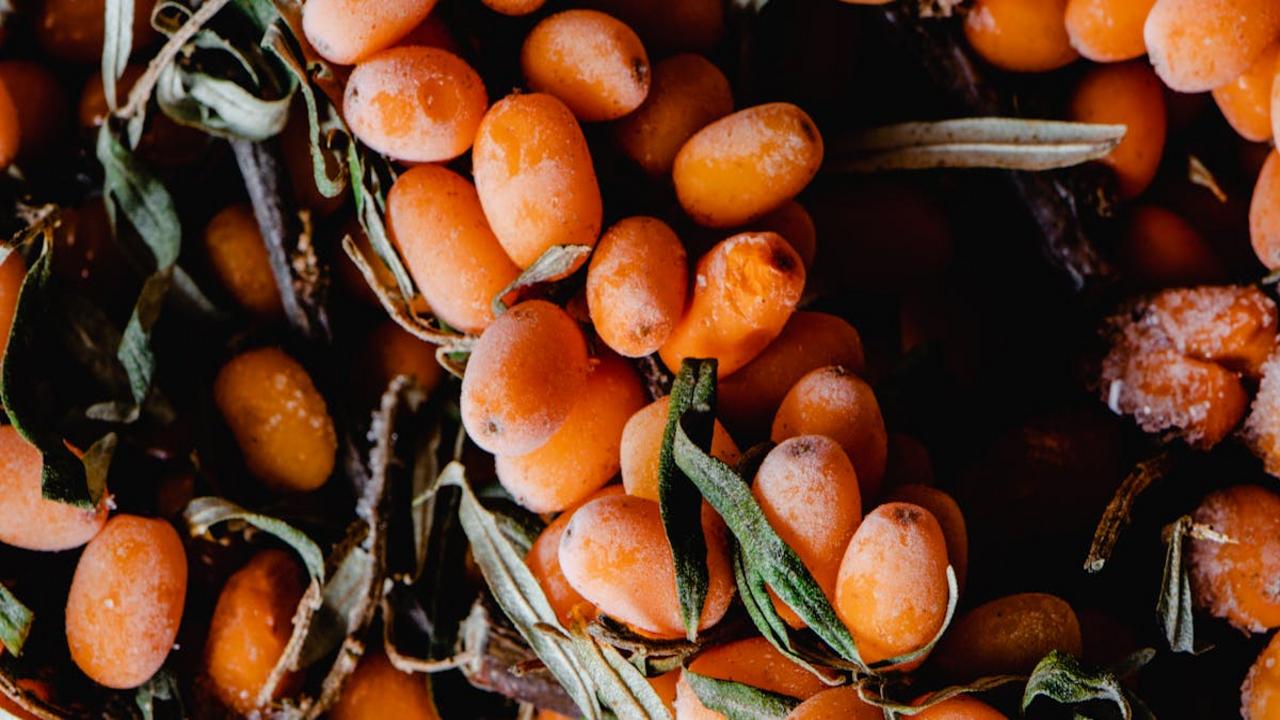
You know that bright orange berry that looks like tiny jewels scattered across thorny bushes? Sea buckthorn packs more vitamin C than oranges and brings this incredible tart-sweet flavor that transforms everything it touches. I started using these powerhouse berries after discovering them at a farmers market, and now I can’t imagine my pantry without them. Fresh or frozen, they add this beautiful golden hue and complex flavor to smoothies, but here’s my favorite trick: I simmer them into a quick sauce that works magic with both sweet and savory dishes.
The real kitchen secret lies in how sea buckthorn balances rich, fatty foods. I drizzle that golden sauce over roasted salmon or duck, and the berry’s natural acidity cuts through the richness perfectly. For desserts, I fold the berries into yogurt parfaits or blend them into ice cream for this gorgeous sunset color and bright flavor that makes people ask what my secret ingredient is. The seeds are edible too, adding this pleasant little crunch that reminds me of pomegranate. Trust me, once you start cooking with sea buckthorn, you’ll find yourself reaching for it constantly – it’s like having liquid sunshine in your kitchen.
Noni Fruit
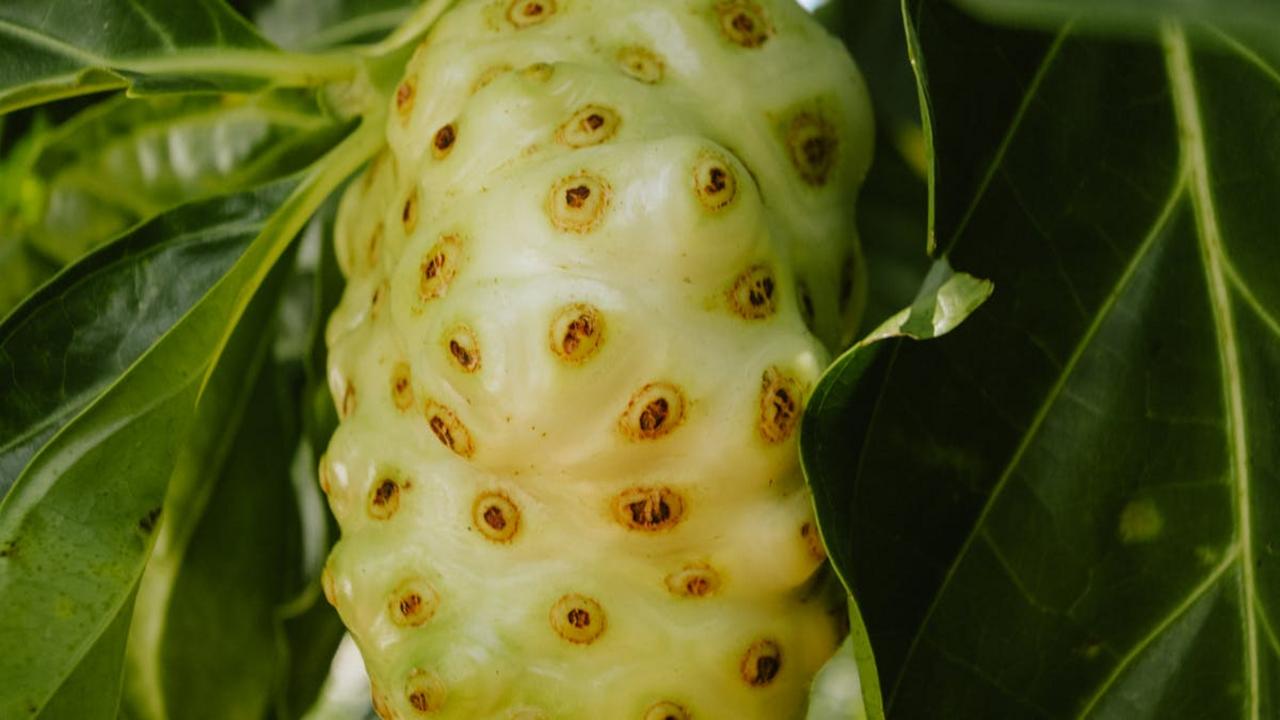
You probably know noni fruit for its reputation as a superfood supplement, but this bumpy, cheese-scented tropical fruit holds incredible potential in your kitchen that most home cooks never discover. I’ve been experimenting with noni in my cooking for years, and while its pungent aroma can intimidate beginners, the fruit transforms beautifully when you understand how to work with its unique properties. The secret lies in using noni as a natural meat tenderizer – those potent enzymes that give it such a strong smell actually break down tough proteins magnificently. Try grating a small amount of ripe noni into marinades for tougher cuts of beef or lamb, and watch how it creates the most tender, flavorful results you’ve ever achieved.
Beyond tenderizing, noni serves as an extraordinary umami booster in savory dishes when used sparingly. I add tiny amounts of pureed noni to curry bases, especially in Southeast Asian-inspired recipes where its funky depth complements coconut milk and spices perfectly. The trick is treating it like fish sauce or aged cheese – a little goes a long way, and it builds layers of complex flavor that guests can never quite identify. For adventurous cooks, try incorporating small amounts into fermented hot sauces or chutneys where its natural fermentation qualities shine. Remember, fresh noni works best when balanced with bright acids like lime juice or tamarind, which help tame its intensity while preserving those beneficial compounds.
Moringa

You know that friend who seems to have endless energy and glowing skin? They probably know about moringa. This powerhouse green powder comes from the leaves of the moringa tree, and I’ve been sneaking it into my family’s meals for months now. The flavor is surprisingly mild – think spinach meets green tea – which makes it perfect for those who want nutrition without the bitter punch of other superfoods. I love stirring a teaspoon into my morning smoothies with mango and coconut milk, or whisking it into salad dressings for an instant nutrient boost.
Here’s where moringa gets really exciting in the kitchen: it transforms ordinary dishes into nutritional powerhouses without changing the taste dramatically. I mix it into homemade pasta dough for vibrant green noodles that make my kids think they’re eating something special, or fold it into pancake batter for weekend breakfasts that fuel us all day. The trick is starting small – just half a teaspoon until your family gets used to the subtle earthiness. You can also create a simple moringa salt by mixing the powder with sea salt and garlic powder, perfect for seasoning roasted vegetables or grilled fish. Trust me, once you start cooking with moringa, you’ll wonder how you ever made meals without this green magic.
Reishi Mushrooms

You know those moments when you discover an ingredient that completely shifts your perspective on cooking? That’s exactly what happened when I first started working with reishi mushrooms in my kitchen. These glossy, woody fungi aren’t your typical mushroom—they’re incredibly bitter and tough when raw, which means you can’t just sauté them like button mushrooms. Instead, I’ve learned to treat them more like a spice or tea ingredient. I grind dried reishi into a fine powder and add tiny amounts to my morning smoothies, homemade chocolates, or even savory broths where that earthy bitterness adds incredible depth without overpowering the dish.
The real magic happens when you make reishi tea by simmering the whole mushrooms for hours, creating this rich, coffee-like concentrate that I store in my fridge. I use this liquid gold in so many unexpected ways—mixing it into salad dressings for an umami boost, adding it to braising liquids for meat, or even incorporating it into homemade ice cream for the most sophisticated flavor profile. The key is understanding that reishi works best as a background player, supporting and enhancing other flavors rather than taking center stage. Once you master this approach, you’ll find yourself reaching for reishi powder the same way you’d grab vanilla extract or soy sauce.
Turmeric
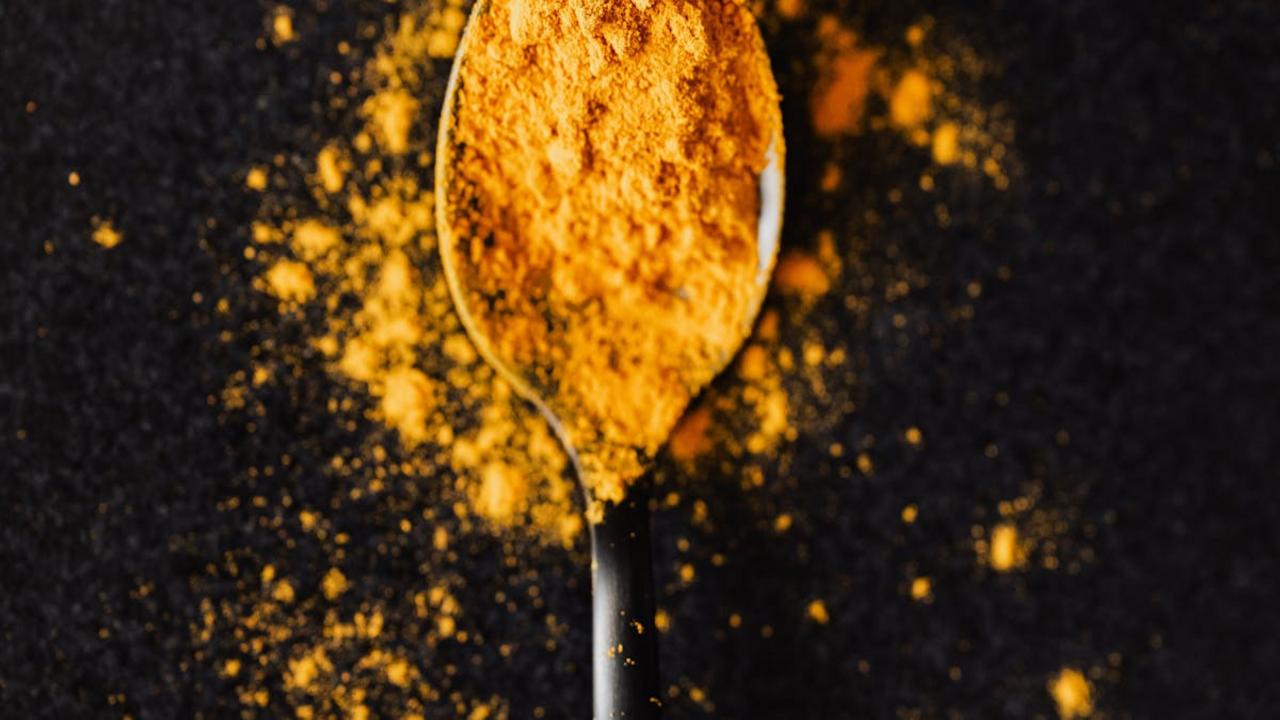
You know that golden spice sitting in your cabinet? Turmeric does way more than just color your curry dishes. I use it as my secret weapon for creating the most gorgeous golden milk lattes – just whisk a teaspoon into warm coconut milk with a pinch of black pepper and honey. The pepper isn’t random; it actually helps your body absorb turmeric’s beneficial compounds better. But here’s where it gets interesting: turmeric works magic as a natural food preservative and can keep your homemade pickles bright and fresh for months.
Beyond the kitchen, this vibrant root becomes your natural cleaning ally. I mix turmeric powder with lemon juice to create a paste that removes stubborn stains from cutting boards and countertops – just remember to wear gloves unless you want golden fingers! When I’m making rice, I add just a pinch of turmeric to the cooking water for the most beautiful golden color without any strong flavor. Try rubbing fresh turmeric root directly onto wooden spoons and cutting boards; it naturally sanitizes while leaving behind a subtle, earthy aroma that makes your kitchen smell like a spice market.