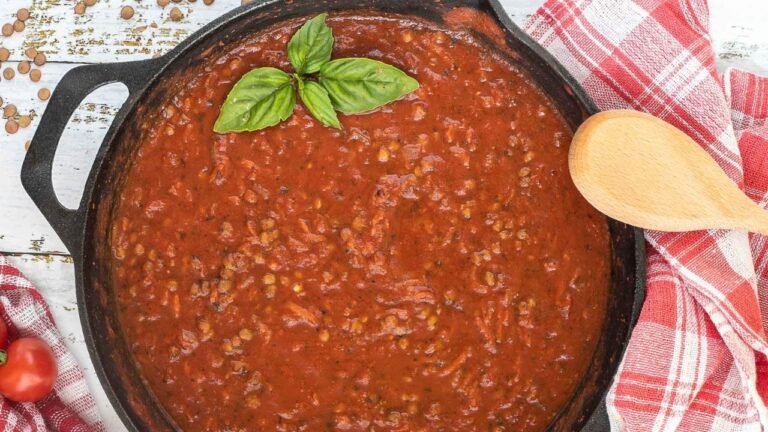
13 Cheap Flavor Packed Ingredients Anyone Can Afford
Budget cooking doesn’t mean sacrificing flavor or nutrition. These thirteen powerhouse ingredients prove you can create incredible meals without breaking the bank. I’ve built countless satisfying dishes around these affordable staples, each one bringing unique textures and bold tastes to your kitchen.
From protein-rich lentils that transform into hearty stews to versatile sweet potatoes that shine in both savory and sweet preparations, these ingredients work harder than their modest price tags suggest. You’ll discover how simple pantry items like oats and barley become foundations for creative, nourishing meals.
Every ingredient on this list delivers maximum impact for minimal cost. Whether you’re stretching groceries between paychecks or simply want to cook smarter, these reliable ingredients will revolutionize how you approach budget-friendly cooking while keeping your meals exciting and wholesome.
Pumpkin seeds
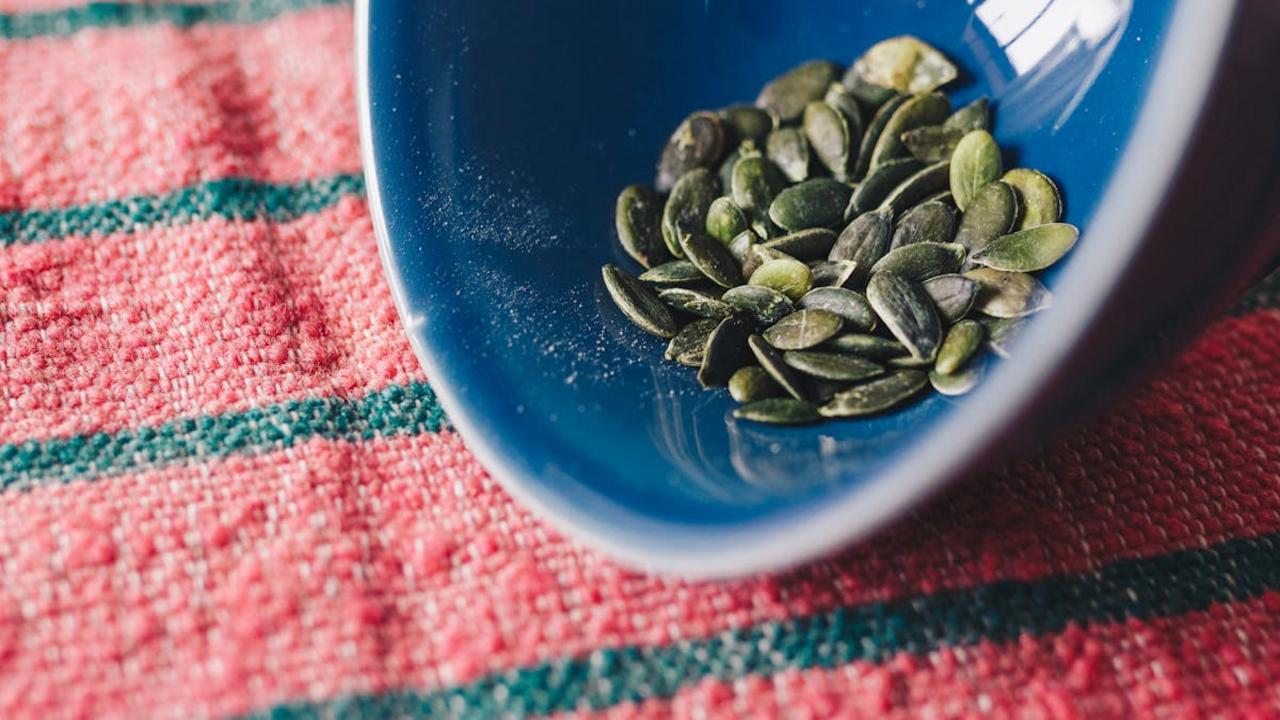
Don’t toss those pumpkin seeds when you’re carving jack-o’-lanterns or making fresh pumpkin puree! These little powerhouses pack incredible flavor and nutrition for practically nothing. I always save mine and transform them into crunchy, savory snacks that rival any expensive store-bought option. Simply rinse them clean, toss with olive oil and your favorite spices, then roast at 300°F until golden. The result? A nutty, satisfying crunch that adds texture to salads, soups, and grain bowls.
What I love most about pumpkin seeds is their versatility across different flavor profiles. Try them with curry powder and a pinch of cayenne for an Indian-inspired twist, or go Mediterranean with za’atar and lemon zest. I’ve even made sweet versions with cinnamon and maple syrup that work beautifully sprinkled over yogurt or oatmeal. These seeds contain healthy fats, protein, and minerals like zinc and magnesium, making them a nutritious addition to your pantry. Store them in an airtight container, and they’ll stay crispy for weeks, giving you an affordable ingredient that transforms ordinary dishes into something special.
Black beans
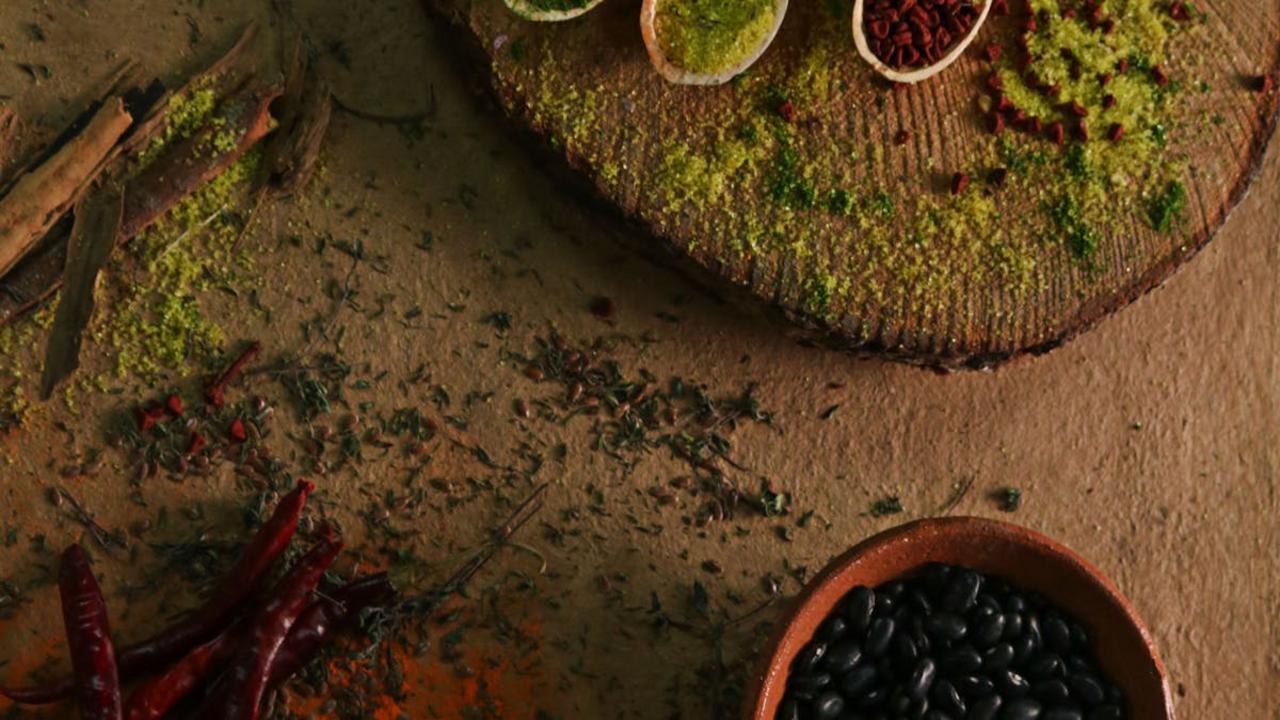
Black beans transform into magic in your kitchen, and I can’t stress enough how much bang you get for your buck with these little powerhouses. At around a dollar per can or even less when you buy them dried, they pack serious protein, fiber, and that satisfying earthiness that makes any meal feel complete. I reach for black beans constantly because they adapt to whatever flavor direction I’m heading – whether I’m making a smoky Cuban-inspired rice bowl, a spicy Mexican salsa, or even folding them into a Mediterranean grain salad with herbs and lemon.
What I love most about cooking with black beans is how they soak up whatever seasonings you throw their way while maintaining their creamy texture and rich flavor. You can mash them into burgers, blend them into soups, toss them into salads, or simply season them with cumin, garlic, and lime for an instant side dish. I keep both canned and dried versions on hand – canned for weeknight convenience and dried for weekend projects when I want that deeper, more complex flavor that only comes from cooking them slowly with aromatics. They’re proof that eating well doesn’t require expensive ingredients, just a little creativity and confidence in your kitchen.
Greek yogurt
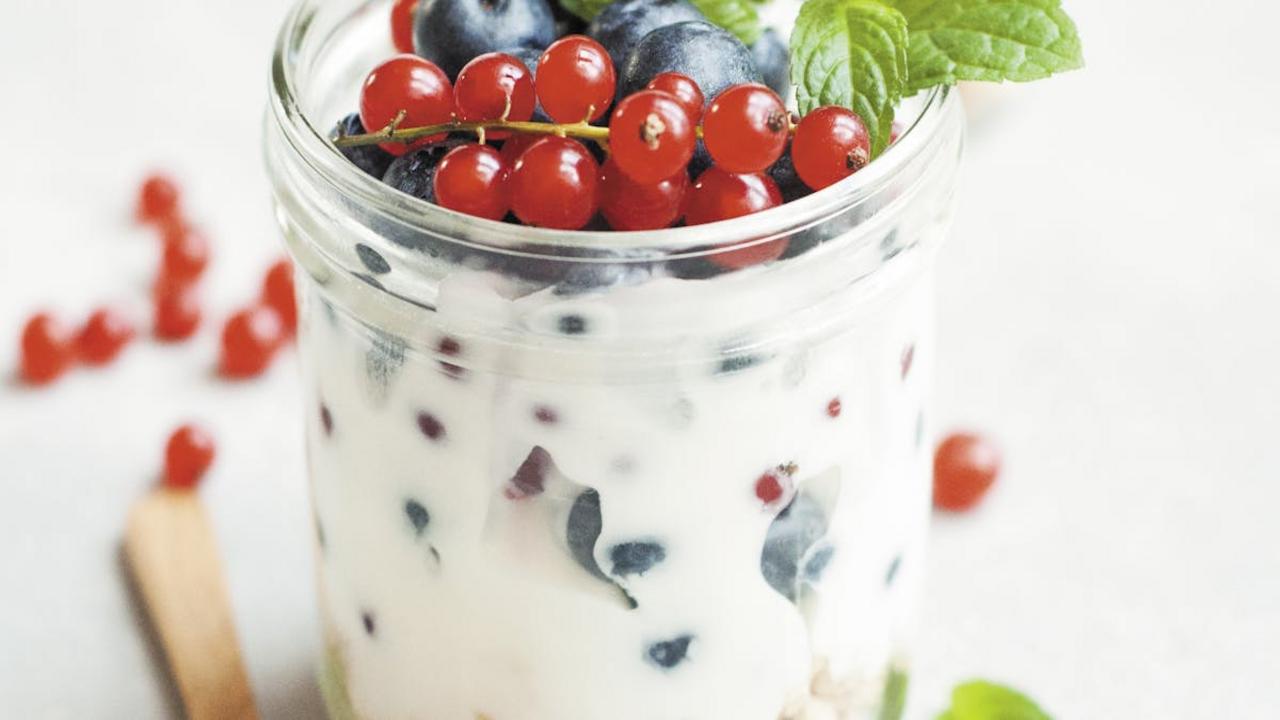
Greek yogurt sits quietly in my refrigerator like a culinary superhero waiting for its moment to shine. This thick, creamy powerhouse transforms everything it touches – from breakfast bowls to dinner marinades. I reach for it constantly because it brings protein, probiotics, and that distinctive tang that brightens dishes in ways regular yogurt simply cannot match. At roughly two dollars for a large container, Greek yogurt delivers exceptional value while opening doors to countless flavor possibilities. You can find it at any grocery store, and unlike many specialty ingredients, it keeps well for weeks.
What makes Greek yogurt extraordinary is its versatility across sweet and savory applications. I whip it into fluffy pancakes for weekend mornings, then use it as a base for herb-packed marinades that tenderize chicken beautifully. Mix it with honey and vanilla for an instant dessert, or stir in garlic and lemon juice for a Mediterranean-inspired sauce that pairs perfectly with roasted vegetables. The natural acidity brightens heavy dishes while adding moisture to baked goods without extra fat. Greek yogurt becomes your secret weapon for creating restaurant-quality meals at home without breaking your budget or compromising on nutrition.
Barley

You know how I always talk about finding those hidden gems in the grain aisle? Barley is one of those ingredients that deserves so much more attention than it gets. This nutty, chewy grain costs less than rice in most stores, yet it brings incredible depth to soups, stews, and grain bowls. I love how barley transforms from these small, pearl-like nuggets into tender, satisfying bites that soak up whatever flavors you throw at them. Whether you’re making a hearty mushroom barley soup or mixing it into a Mediterranean salad with herbs and lemon, this grain never disappoints.
What really excites me about barley is how it makes you feel full and satisfied without weighing you down. The fiber content is amazing – your digestive system will thank you for choosing this over processed grains. I often cook a big batch on Sunday and use it throughout the week in different ways: stirred into morning porridge with cinnamon and fruit, tossed into salads for extra texture, or even mixed into meatballs as a stretcher that adds nutrition. The versatility is endless, and at around a dollar per pound, you can feed a family without breaking the bank while keeping everyone happy and nourished.
Bananas
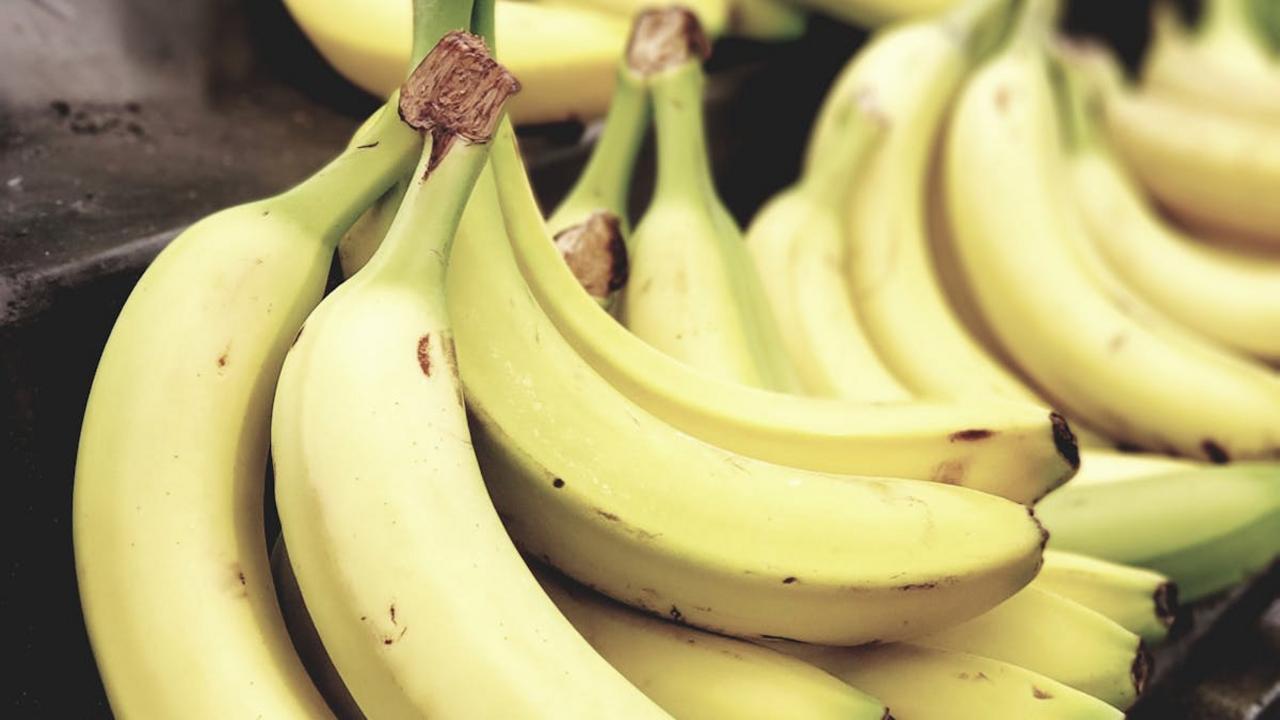
You probably think of bananas as just a quick snack or smoothie add-in, but these golden beauties can transform your cooking in ways that will surprise you. I keep a bunch on my counter at all times because they bring natural sweetness and incredible versatility to both sweet and savory dishes. Overripe bananas become the foundation for the most tender pancakes, muffins, and my favorite one-bowl banana bread that requires no mixer. But here’s where it gets interesting – green bananas cook up like potatoes and work beautifully in curries, stews, and even as crispy chips when sliced thin and pan-fried.
The magic happens when you start thinking beyond the obvious uses. Mashed banana replaces eggs in vegan baking, creates creamy nice cream with just a food processor, and adds body to smoothies without any dairy. In Caribbean and African cooking, green bananas simmer alongside beans and spices, soaking up flavors while adding satisfying starch to the meal. At under a dollar per pound, bananas give you natural sugars, potassium, and fiber while keeping your grocery budget happy. I love how they ripen at different stages throughout the week, giving me fresh eating bananas early on and perfect baking bananas by the weekend.
Spinach
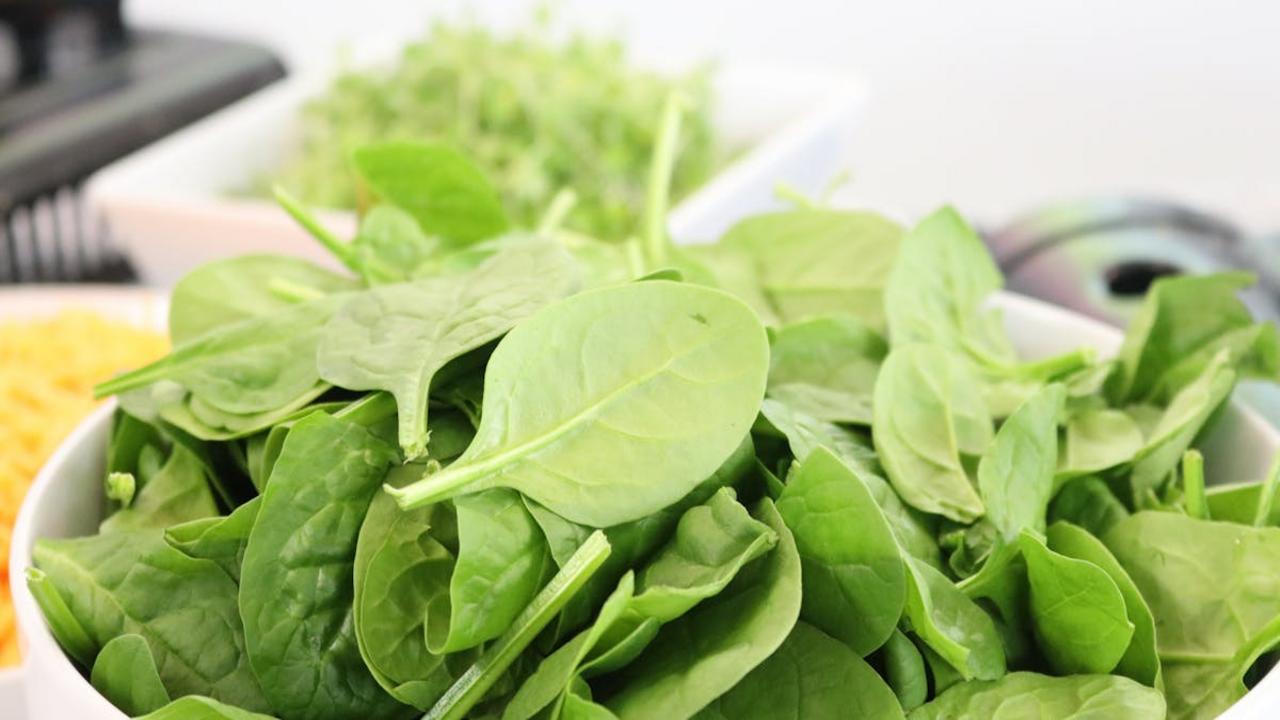
Spinach transforms any dish from ordinary to extraordinary, and I can’t think of a more versatile green that delivers such incredible nutrition for pennies. Fresh spinach wilts beautifully into pasta sauces, curries, and scrambled eggs, while frozen spinach becomes your secret weapon for adding iron-rich goodness to smoothies, soups, and homemade meatballs. I love how spinach adapts to any flavor profile—whether you’re making a Mediterranean-inspired dish with garlic and lemon, or folding it into Indian dal with turmeric and cumin.
The magic happens when you stop treating spinach as just a salad base and start seeing it as a flavor enhancer that brings earthy depth to your cooking. I often buy the large bags of baby spinach and use them throughout the week—sautéing handfuls with onions as a side dish, blending them into green smoothies with bananas and ginger, or stirring them into grain bowls for extra nutrients. Fresh spinach stores well in the refrigerator, and frozen spinach keeps for months, making it one of the most budget-friendly ways to boost the nutritional value of any meal without breaking the bank.
Sardines

I know what you’re thinking – sardines get a bad reputation, but hear me out! These tiny silver fish pack more flavor and nutrition per dollar than almost any protein you can buy. When I first started cooking on a tight budget, sardines became my secret weapon for creating satisfying meals that didn’t break the bank. One small can contains enough high-quality protein and omega-3 fatty acids to fuel your body properly, and at under two dollars per can, they’re incredibly accessible to everyone.
The beauty of sardines lies in their versatility – you can transform them into countless dishes that sing with Mediterranean and global flavors. I love mashing them into a quick pasta sauce with garlic, lemon, and fresh herbs, or mixing them with capers and olives for a robust salad topping. Their rich, briny taste works beautifully in grain bowls, on toast with avocado, or even blended into a creamy dip with cream cheese and herbs. Don’t shy away from the bones – they’re completely edible and provide extra calcium. Start with higher-quality brands packed in olive oil, and you’ll discover how these humble fish can elevate your cooking while keeping your wallet happy.
Quinoa
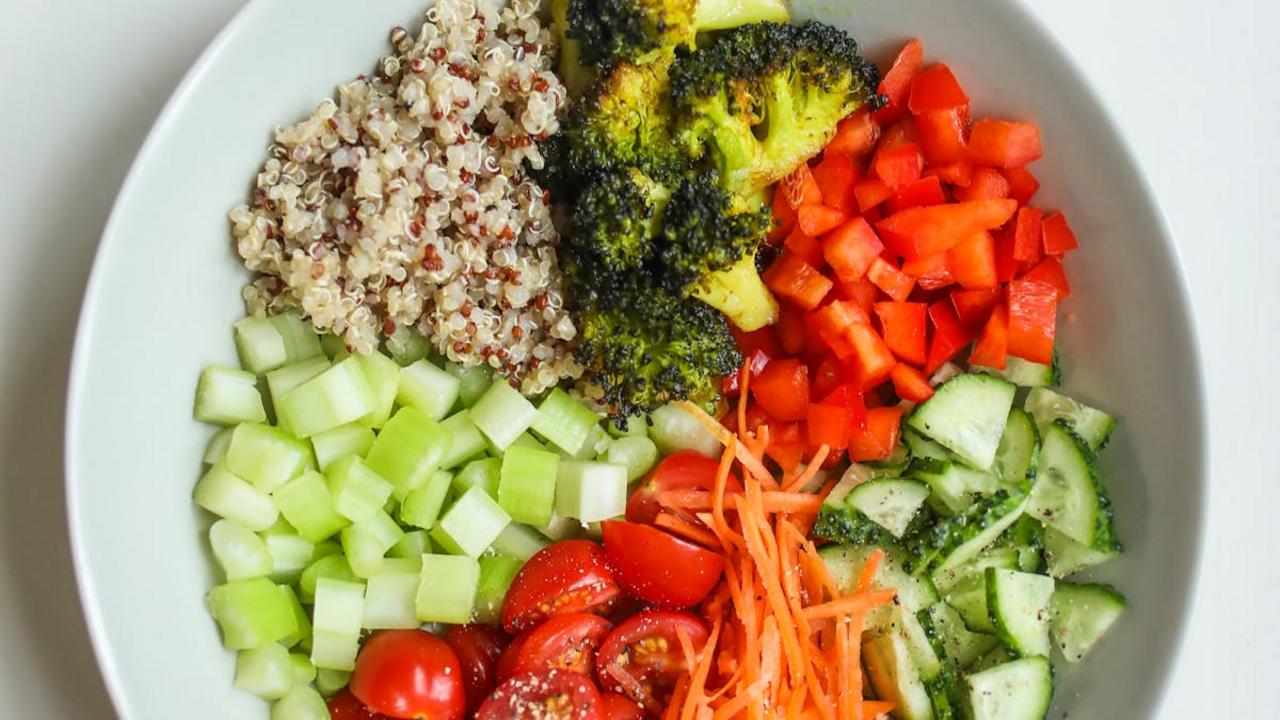
You know that moment when you’re staring at your pantry, wondering how to stretch your grocery budget without sacrificing nutrition? That’s exactly when quinoa becomes your best friend. This tiny seed—yes, it’s technically a seed, not a grain—packs more protein than most people realize, containing all nine essential amino acids your body needs. I love how quinoa transforms from these small, almost insignificant-looking pearls into fluffy, nutty goodness that can anchor any meal. At around $3-4 per pound, it might seem pricier upfront, but remember that quinoa doubles in volume when cooked, making each serving incredibly economical.
What really excites me about quinoa is its chameleon-like ability to adapt to whatever flavors you throw at it. I’ve tossed it with roasted vegetables and tahini for a Mediterranean-inspired bowl, mixed it with black beans and cumin for a Latin twist, and even stirred it into coconut milk with cardamom for a breakfast porridge that feels like a warm hug. The key is treating quinoa like a blank canvas—toast it dry in your pan for a few minutes before adding liquid, and watch how that simple step deepens its nutty character. Whether you’re making a hearty salad that lasts for days or a quick weeknight pilaf, quinoa delivers satisfying substance that keeps you full and energized.
Oats

You probably think of oats as boring breakfast food, but I’m here to change your mind completely! These humble grains pack serious nutritional punch at an incredibly low price point – we’re talking pennies per serving. Beyond their obvious porridge destiny, oats transform into versatile ingredients that work magic across sweet and savory applications. I grind them into flour for pancakes and breads, blend them into smoothies for creamy thickness without dairy, and even use them as a binding agent in veggie burgers and meatballs.
My favorite discovery happened when I started treating oats like rice or quinoa in savory dishes. Steel-cut oats make an incredible risotto base – just toast them first, then slowly add warm broth while stirring. The result? Creamy, satisfying comfort food that costs less than two dollars to feed four people. I also love mixing rolled oats into my homemade granola with whatever spices and nuts I have on hand. The beauty of oats lies in their neutral flavor profile that accepts bold seasonings beautifully, whether you’re going Mediterranean with herbs and olive oil or warming things up with cinnamon and cardamom for something more exotic.
Sweet potatoes

Sweet potatoes have become my go-to ingredient when I want maximum flavor impact without breaking the bank. These vibrant orange beauties cost practically nothing yet deliver incredible versatility and natural sweetness that transforms any meal. I love how they work equally well roasted with Middle Eastern spices, mashed into creamy African-inspired stews, or even spiralized into noodles for a healthy pasta alternative. Their creamy texture and earthy sweetness create the perfect canvas for both savory and sweet preparations.
What really excites me about sweet potatoes is how they adapt to different cooking methods and global flavor profiles. Cube them up with curry powder and coconut milk for a quick Thai-inspired soup, or roast them whole and stuff with black beans and cilantro for a Mexican-style dinner. They caramelize beautifully when roasted, becoming candy-like around the edges while staying fluffy inside. Plus, they’re packed with nutrients like beta-carotene and fiber, making them a wholesome foundation for nourishing meals that actually satisfy your body’s needs.
Cabbage
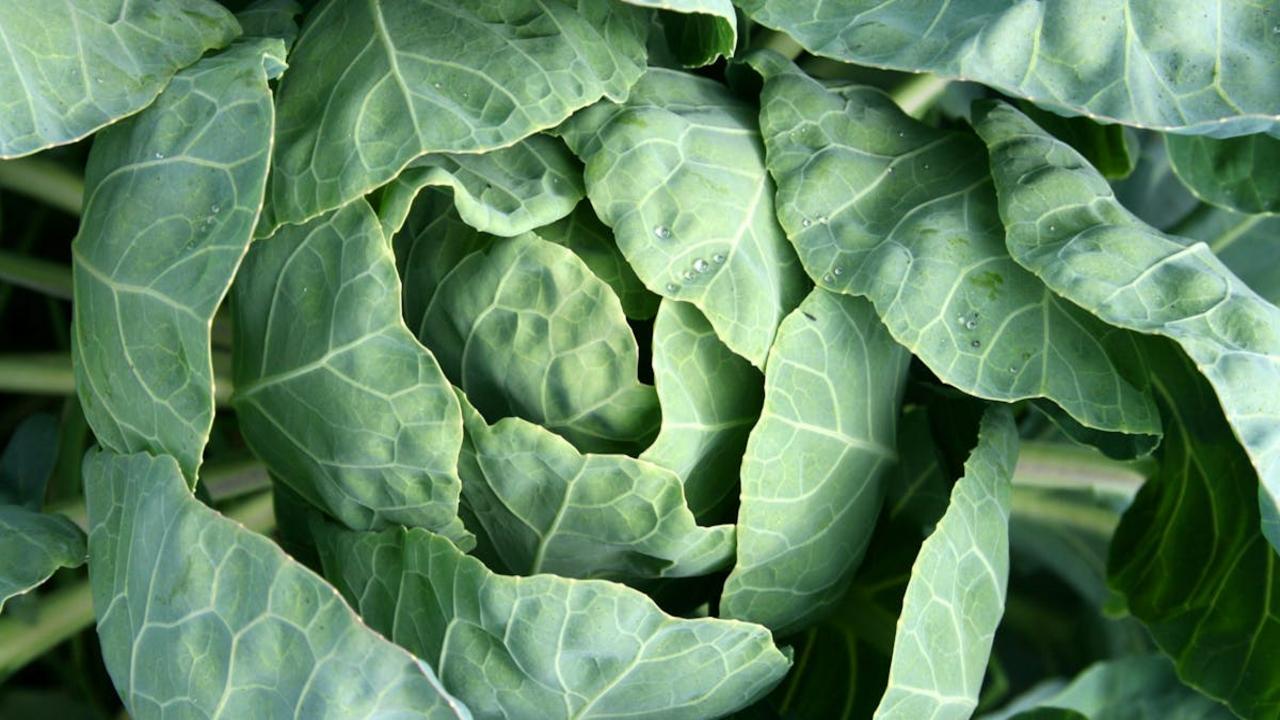
You know what? Cabbage might just be the most underestimated vegetable sitting in your grocery store right now. For less than two dollars, you can grab a whole head that feeds your family for days. I use cabbage in everything from my grandmother’s Nigerian pepper soup to quick weeknight stir-fries, and honestly, it never disappoints me. The beauty lies in its versatility—shred it raw for crunchy slaws that brighten heavy meals, or slow-cook it until tender and sweet in hearty stews that warm you from the inside out.
What really excites me about cabbage is how it transforms depending on your cooking method. Roast thick wedges with olive oil and garlic until the edges caramelize, and you’ve got something that rivals any fancy restaurant side dish. Massage thinly sliced cabbage with salt and lime juice, then toss with fresh herbs and chili flakes for an instant pickle that cuts through rich foods beautifully. The sulfur compounds that give cabbage its distinctive flavor actually mellow and sweeten with heat, so don’t shy away from longer cooking times. Plus, one head gives you enough for multiple meals—use half for tonight’s soup and save the rest for tomorrow’s tacos.
Chia seeds
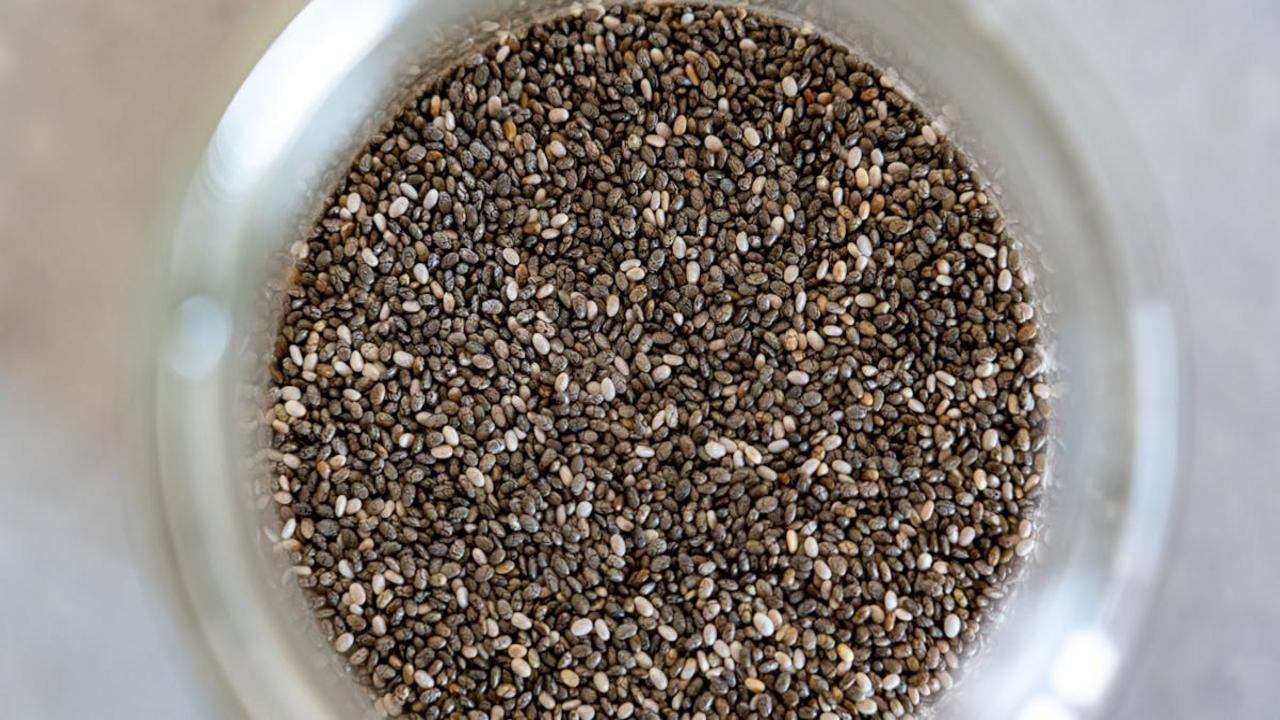
You know those tiny black specks that transform into gel-like magic when soaked? Those are chia seeds, and they’re about to become your kitchen’s most versatile secret weapon. I grab a bag for just a few dollars and it lasts me weeks—talk about stretching your grocery budget! These little powerhouses absorb liquid like nobody’s business, creating puddings that rival expensive desserts or binding ingredients in place of eggs when you’re cooking plant-based. I love how they take on whatever flavors you pair them with, from vanilla and cinnamon in morning puddings to savory herb blends in crackers.
What gets me excited about chia seeds is their incredible nutritional punch packed into something so affordable. They’re loaded with omega-3 fatty acids, fiber, and protein—basically everything your body craves in one tiny package. I sprinkle them into smoothies for extra thickness, mix them into homemade energy balls, or create overnight puddings that become breakfast gold. You can even use them as a natural thickener for soups and sauces, eliminating the need for processed alternatives. Trust me, once you start experimenting with these seeds, you’ll wonder how you ever cooked without them.
Lentils
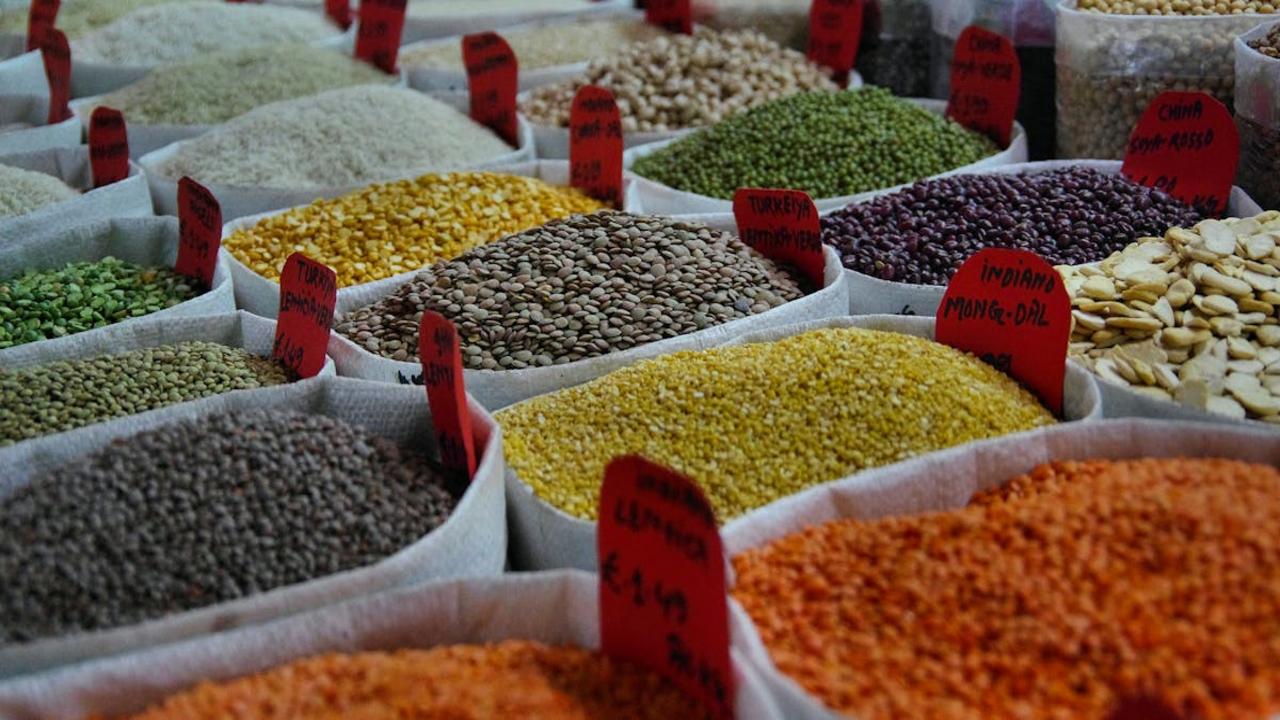
I keep bags of red, green, and black lentils in my pantry because they transform simple weeknight dinners into something magical. These protein-packed legumes cost pennies per serving yet deliver more nutrition than many expensive ingredients combined. Red lentils break down beautifully into creamy curries and soups, while green lentils hold their shape perfectly in salads and grain bowls. I love how they absorb whatever spices you pair them with – whether that’s warming turmeric and cumin for a Indian-inspired dal or earthy herbs for a Mediterranean preparation.
The beauty of lentils lies in their versatility and how quickly they cook compared to other legumes. You don’t need to soak them overnight like beans, making them perfect for those spontaneous cooking moments when you open your fridge and wonder what to make. I often simmer them with aromatic vegetables like onions, carrots, and celery, then finish with fresh herbs and a splash of lemon juice. They stretch meals beautifully too – adding a cup of cooked lentils to pasta sauce or vegetable stir-fries creates satisfying, nutrient-dense meals that keep you full for hours without breaking your budget.