15 Chef-Approved Toppings to Make Your Home Cooking Taste Like Dining Out
Restaurant-quality meals start with smart finishing touches that transform ordinary dishes into something special. These chef-approved toppings bridge the gap between home cooking and professional kitchens, adding layers of flavor and texture that make every bite memorable.
I’ve spent years perfecting these simple additions that pack maximum impact. From caramelized onions that add sweet depth to truffle parmesan crumbs that bring luxury to pasta, each topping serves a purpose beyond decoration. They’re your secret weapons for turning weeknight dinners into restaurant-worthy experiences.
The beauty lies in their versatility and simplicity. You can prepare most of these toppings ahead of time, storing them for quick meal upgrades throughout the week. Whether you’re finishing a simple salad or elevating roasted vegetables, these flavor boosters will change how you approach home cooking forever.
Lemon Herb Breadcrumbs

You know that magical moment when you sprinkle something crispy on top of your dish and suddenly it transforms from home cooking to restaurant-worthy? That’s exactly what lemon herb breadcrumbs do for your kitchen creations. I make these golden gems by toasting day-old bread with fresh herbs like parsley, thyme, and oregano, then finishing with bright lemon zest and a pinch of garlic powder. The combination creates this incredible texture contrast that makes even the simplest pasta dish feel special.
What I love most about these breadcrumbs is how they bridge the gap between rustic and refined cooking. Sprinkle them over roasted vegetables, creamy risottos, or grilled fish, and watch your guests’ faces light up with that first satisfying crunch. The herbs bring earthiness while the lemon adds brightness that cuts through rich sauces beautifully. I always keep a jar in my fridge because they turn leftover soup into something that tastes like you spent hours perfecting it. Trust me, once you start making your own seasoned breadcrumbs, you’ll never go back to the store-bought plain ones.
Spicy Mayo Drizzle
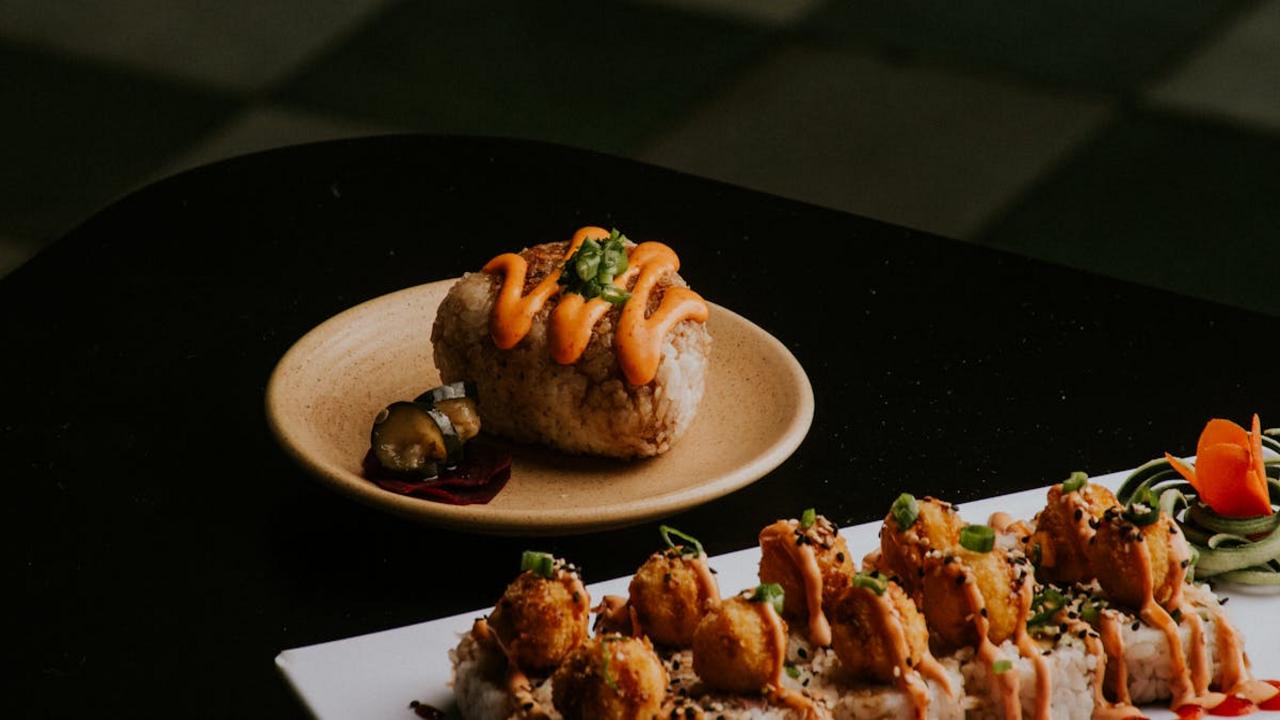
You know that creamy, fiery sauce that makes your favorite sushi roll absolutely irresistible? That’s spicy mayo, and I’m here to show you how this simple condiment can transform your home cooking into restaurant-quality dishes. I mix mayonnaise with sriracha, a touch of rice vinegar, and sometimes a squeeze of fresh lime juice to create this magical drizzle that adds both richness and heat to practically everything. The beauty lies in its versatility – you can adjust the spice level to match your preference and experiment with different hot sauces like gochujang or harissa for unique flavor profiles.
This creamy condiment works wonders on far more than just sushi. I drizzle it over roasted vegetables, use it as a dipping sauce for sweet potato fries, or squeeze it onto grain bowls for an instant flavor boost. When I’m making fish tacos at home, spicy mayo becomes the secret weapon that ties all the components together beautifully. The contrast between the cool creaminess and the fiery kick creates that perfect balance your palate craves. Store it in the refrigerator for up to a week, and you’ll find yourself reaching for it constantly to add that restaurant-style finish to your everyday meals.
Truffle Parmesan Crumbs
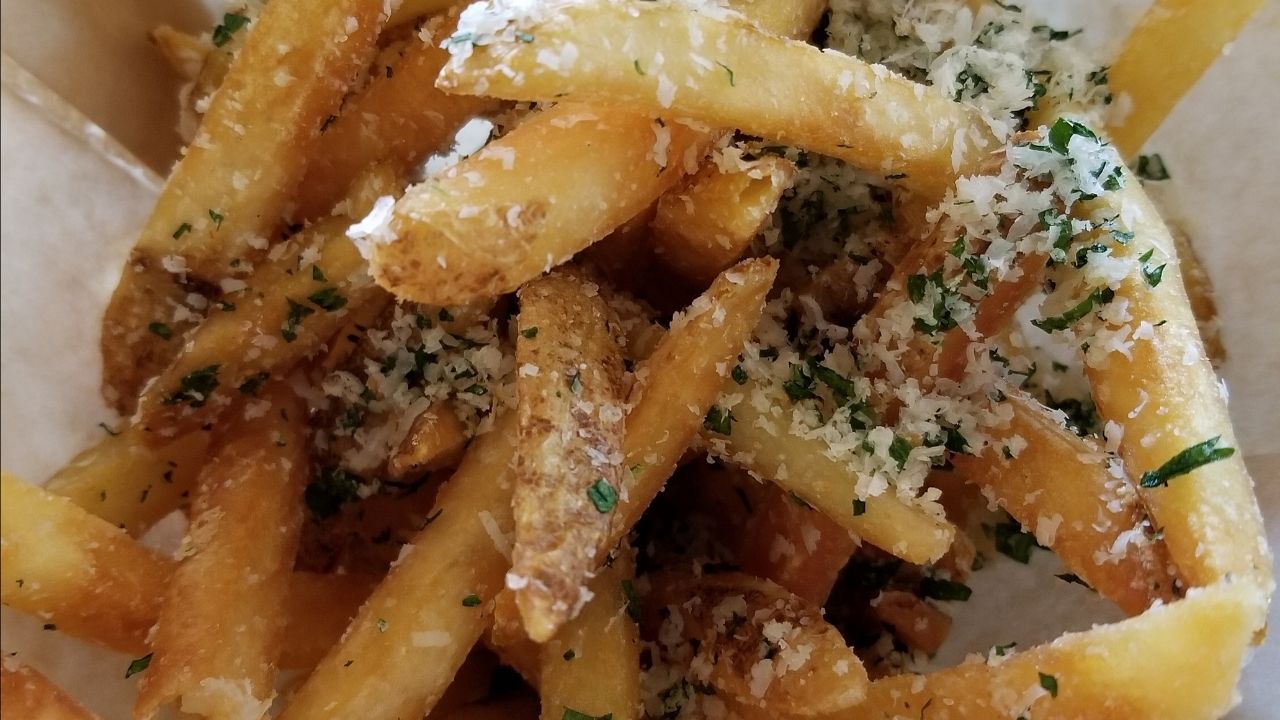
Picture this: you’re sprinkling pure magic over your pasta, risotto, or roasted vegetables. Truffle Parmesan crumbs transform ordinary weeknight dinners into restaurant-worthy experiences that’ll have your family wondering if you’ve been secretly taking cooking classes. I make these by pulsing day-old bread with freshly grated Parmigiano-Reggiano and a generous drizzle of truffle oil in my food processor until I get those perfect, golden crumbs. The earthiness of truffle paired with the sharp, nutty notes of aged Parmesan creates an umami bomb that elevates everything it touches.
What I love most about this topping is how it bridges the gap between humble home cooking and fancy dining without breaking the bank. You don’t need actual truffles—a good quality truffle oil does the trick beautifully. I keep a batch in my freezer because these crumbs work their magic on everything from simple buttered noodles to creamy soups and even scrambled eggs. Toast them lightly in a dry pan for extra crunch, or use them straight from the container for instant sophistication. Your guests will think you’ve spent hours perfecting your technique, but really, you’ve just discovered the secret weapon that professional chefs have been using for years.
Pickled Red Onions
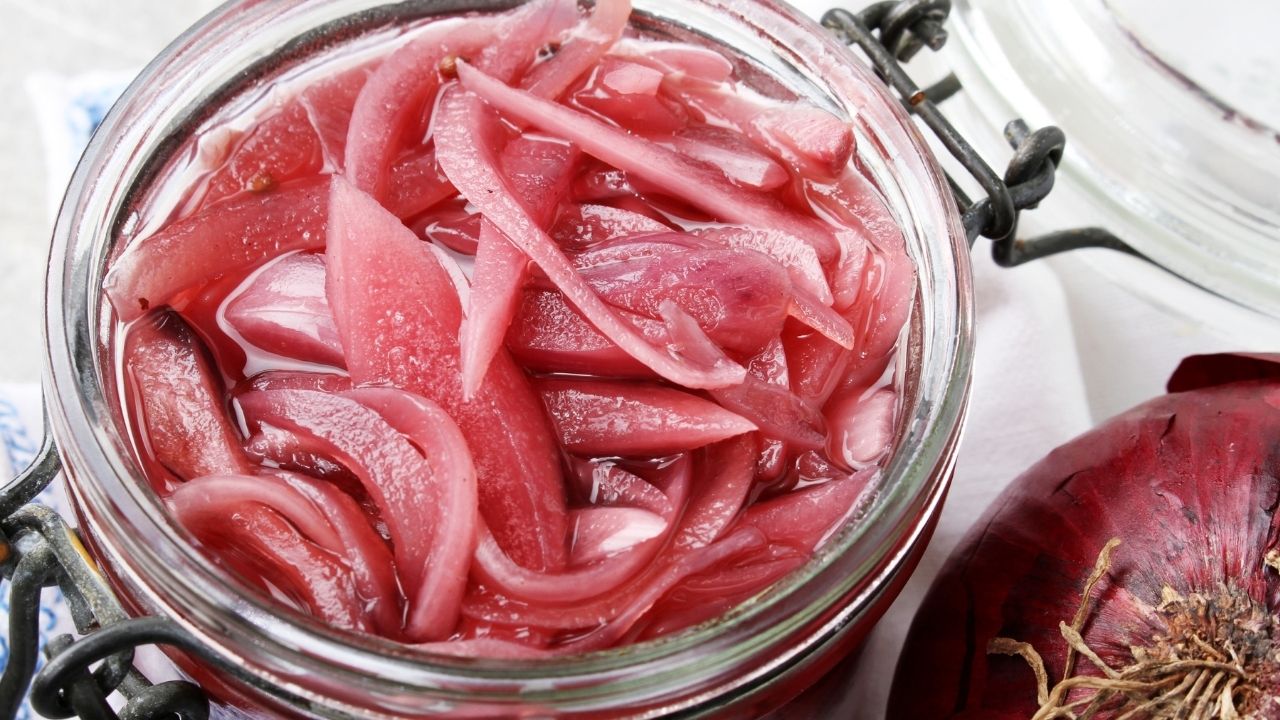
You know that tangy, vibrant pop you get from pickled vegetables at your favorite restaurant? You can recreate that magic at home with pickled red onions, and trust me, once you start making these, you’ll wonder how you ever cooked without them. I keep a jar in my fridge at all times because they transform ordinary dishes into restaurant-quality meals. The process couldn’t be simpler – slice red onions thin, pour hot vinegar mixed with a touch of sugar and salt over them, and wait just thirty minutes for the magic to happen.
These ruby-colored beauties bring brightness to everything they touch, from grain bowls and tacos to grilled meats and rich curries. I love how they cut through fatty foods like avocado toast or pulled pork, adding that perfect acidic balance that makes your mouth water for the next bite. The best part? They stay fresh in your refrigerator for weeks, ready to elevate any meal you’re preparing. Whether you’re building a simple salad or plating an elaborate dinner, these pickled onions add that professional chef touch that makes people ask for your secret.
Green Goddess Sauce
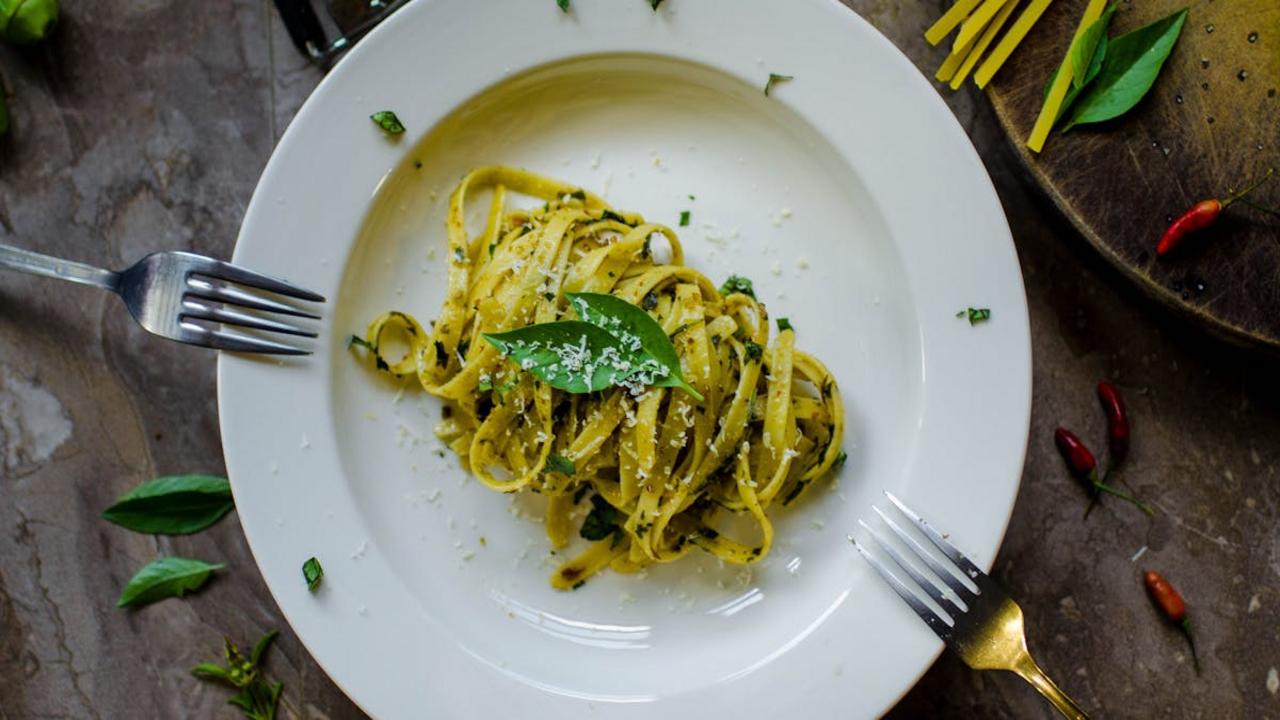
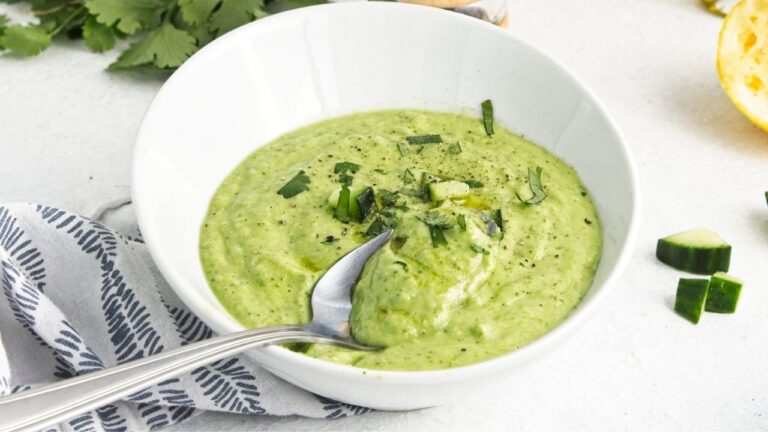
You know what transforms any ordinary dish into something restaurant-worthy? Green Goddess sauce – that vibrant, herbaceous condiment that makes everything taste more sophisticated. I discovered this gem years ago when I was experimenting with ways to use up fresh herbs before they wilted, and now it’s become my secret weapon for home cooking that rivals any upscale bistro. This creamy, verdant sauce combines fresh herbs like parsley, chives, and tarragon with anchovies, garlic, and a tangy base of mayonnaise and lemon juice. The result? A complex flavor profile that’s simultaneously rich, bright, and deeply savory.
What I love most about Green Goddess is how it instantly elevates simple ingredients into something extraordinary. Drizzle it over grilled chicken, toss it with roasted vegetables, or use it as a dip for fresh crudités – every application feels intentional and refined. I make mine with Greek yogurt instead of all mayonnaise for a lighter texture that doesn’t compromise on flavor. The beauty lies in its versatility and the way it brings restaurant-quality depth to your home kitchen without any fancy techniques or hard-to-find ingredients. Trust me, once you start keeping a jar of this in your refrigerator, you’ll find yourself reaching for it constantly.
Roasted Red Peppers
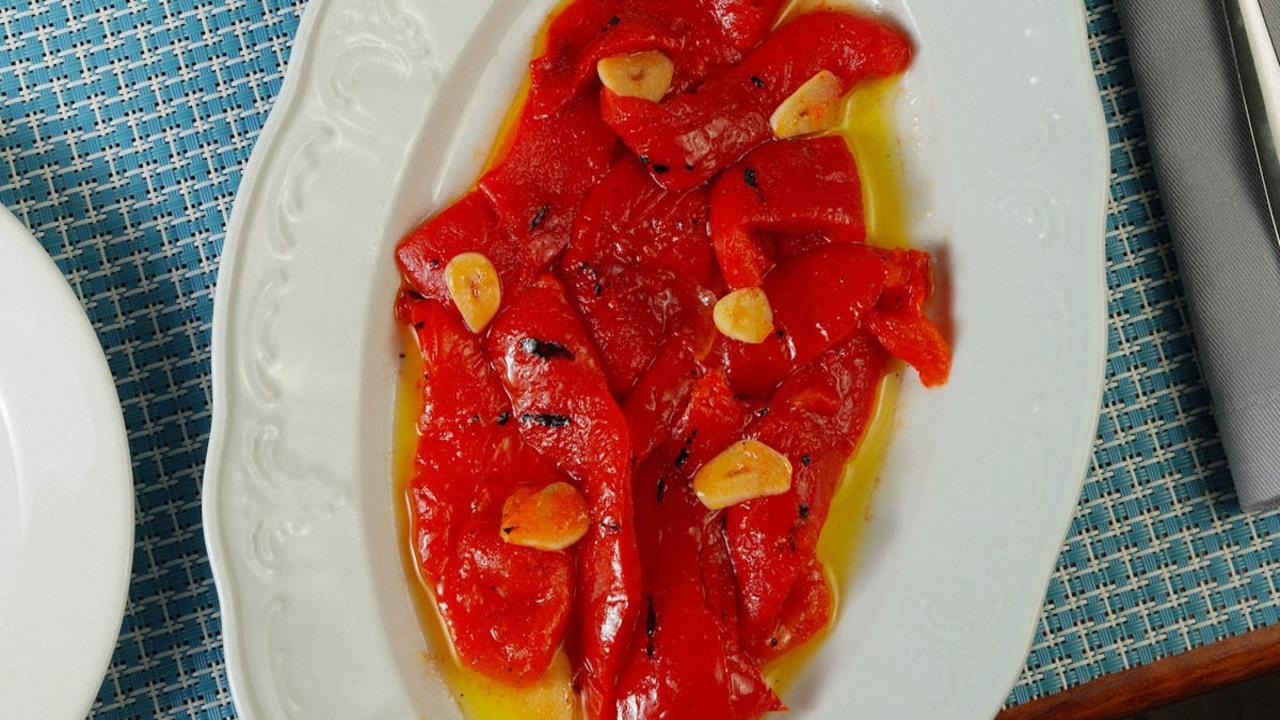
You know that smoky-sweet flavor that makes restaurant dishes taste so sophisticated? Roasted red peppers deliver exactly that magic to your home kitchen. I keep jars of these ruby gems in my pantry at all times, but honestly, roasting your own peppers transforms them into something extraordinary. The charred skin gives way to silky, concentrated sweetness that adds instant depth to everything from pasta dishes to grain bowls. When you roast peppers yourself, you control the char level and can infuse them with whatever herbs speak to you that day.
These versatile beauties work across so many global cuisines – think Mediterranean mezze platters, Middle Eastern rice pilafs, or even as a surprising addition to Asian-inspired stir-fries. I love how they bridge the gap between raw and cooked vegetables, offering that perfect tender texture without being mushy. Slice them into ribbons for salads, blend them into creamy sauces, or stuff them with herbed grains for a complete meal. The natural sugars concentrate during roasting, creating an almost jam-like sweetness that balances acidic ingredients beautifully and makes even simple weeknight dinners feel restaurant-worthy.
Candied Pecans
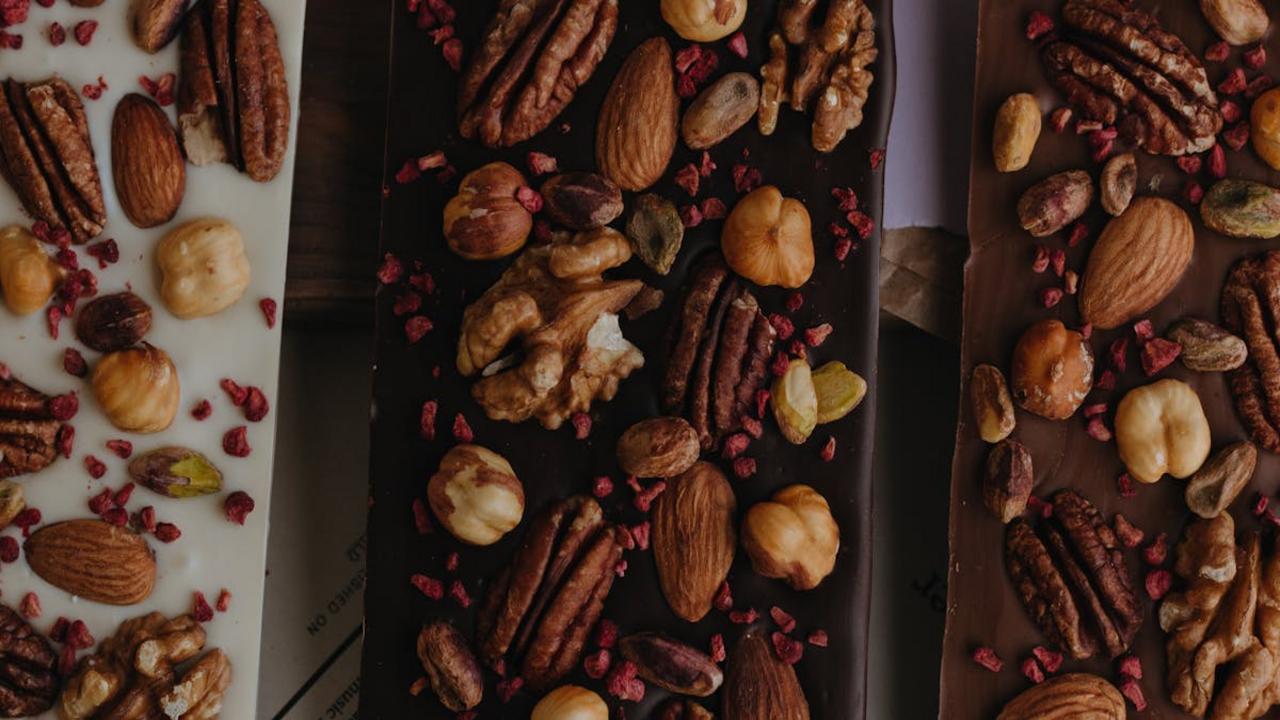
You know that moment when you bite into something at a fancy restaurant and think, “How did they make this so incredibly good?” That’s exactly what candied pecans bring to your home cooking. I discovered this magic years ago when I was experimenting with ways to add texture and sweetness to salads without reaching for processed croutons. The transformation is remarkable – raw pecans become glossy, caramelized gems that add both crunch and sophisticated sweetness to any dish.
Making them yourself is surprisingly simple and infinitely better than store-bought versions loaded with artificial ingredients. I heat a skillet over medium heat, toss in pecans with a touch of maple syrup, a pinch of sea salt, and sometimes a whisper of cinnamon or cayenne for complexity. The nuts caramelize in minutes, filling your kitchen with an intoxicating aroma. These golden treasures work magic sprinkled over roasted Brussels sprouts, mixed greens with goat cheese, or even vanilla ice cream. They transform simple ingredients into restaurant-quality experiences, proving that the most impressive touches often come from the most wholesome, straightforward techniques.
Honey Whipped Goat Cheese
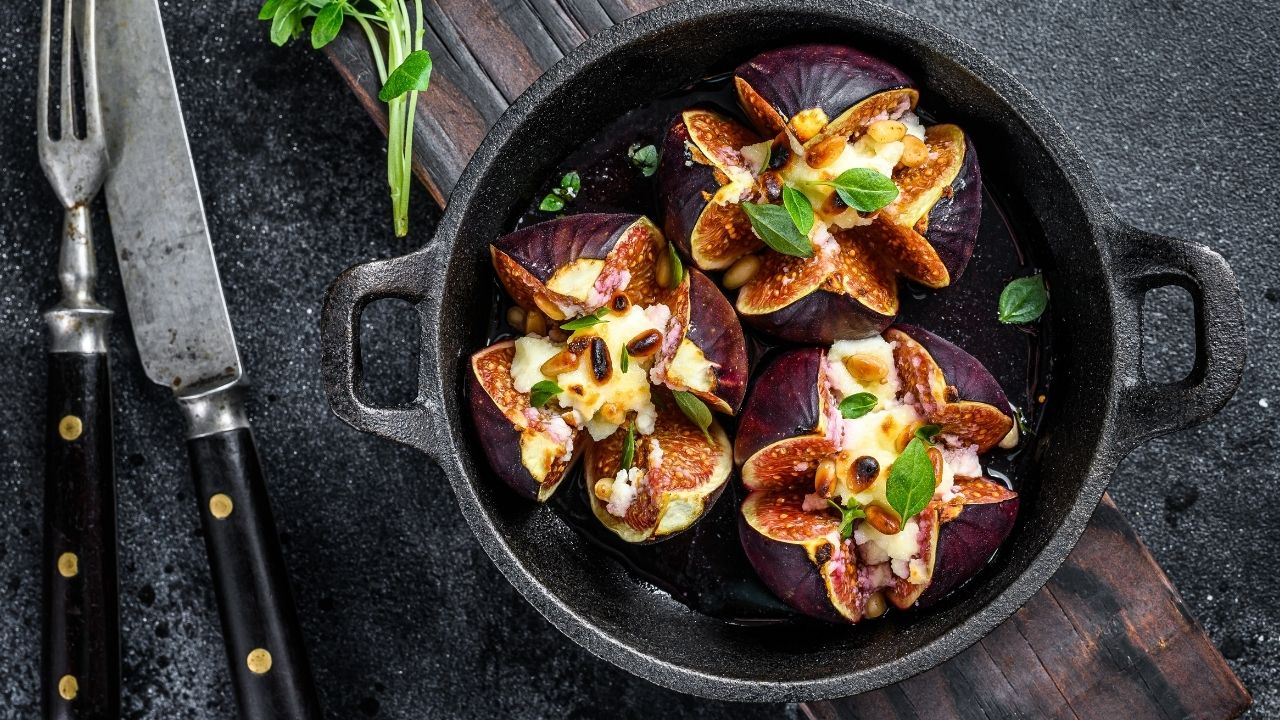
You know that moment when you taste something at a restaurant and think, “How did they make this so incredibly creamy and complex?” Nine times out of ten, it’s honey whipped goat cheese doing all the heavy lifting. I discovered this magical combination during my early days of experimenting with Mediterranean flavors, and it completely transformed how I think about simple ingredients. The tangy sharpness of goat cheese mellows beautifully when you whip it with just a touch of raw honey, creating this cloud-like texture that makes everything it touches taste more expensive.
Making this at home takes literally three minutes – just room temperature goat cheese, a drizzle of good honey, and your hand mixer working overtime. I love spooning it over roasted vegetables, spreading it on warm flatbread with za’atar, or dolloping it onto grain bowls for instant richness. The beauty lies in its versatility: swap the honey for maple syrup when you want earthier notes, or fold in fresh herbs like thyme or rosemary for a savory twist. This simple topping bridges the gap between everyday cooking and restaurant-quality presentation, proving that sometimes the most impressive flavors come from the most uncomplicated combinations.
Sundried Tomato Spread
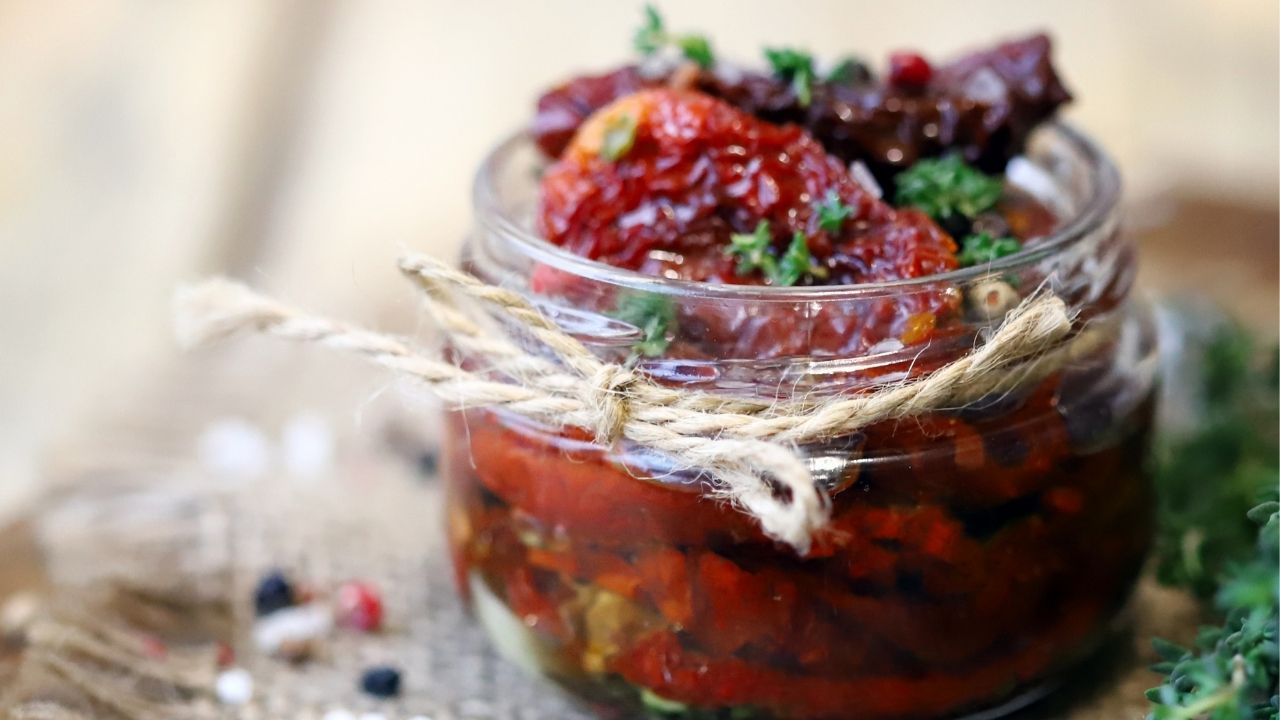
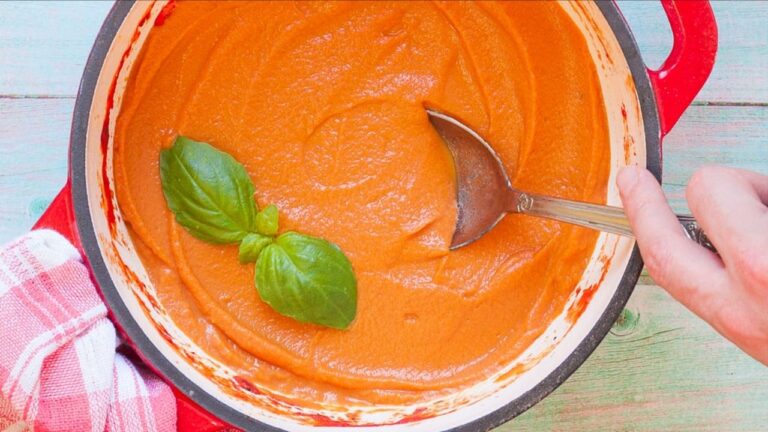
You know that moment when you open a jar of sundried tomatoes and catch that intense, concentrated aroma? That’s pure Mediterranean magic right there. I discovered this spread completely by accident when I had leftover sundried tomatoes from a pasta dish and couldn’t bear to waste them. Now I keep a batch in my fridge at all times because it transforms absolutely everything it touches. The beauty lies in how those tomatoes get intensely sweet and almost jammy when blended with good olive oil, garlic, and fresh herbs.
This spread works wonders on everything from grilled chicken to roasted vegetables, but my favorite trick is using it as a base for flatbread or mixing it into scrambled eggs for an instant gourmet breakfast. The umami depth it brings reminds me of those incredible antipasti platters you get at upscale Italian restaurants. I love making my own version by blending sundried tomatoes with a splash of their oil, fresh basil, a clove of garlic, and sometimes a handful of pine nuts for extra richness. Trust me, once you start keeping this in your refrigerator, you’ll wonder how you ever cooked without it.
Toasted Pine Nuts
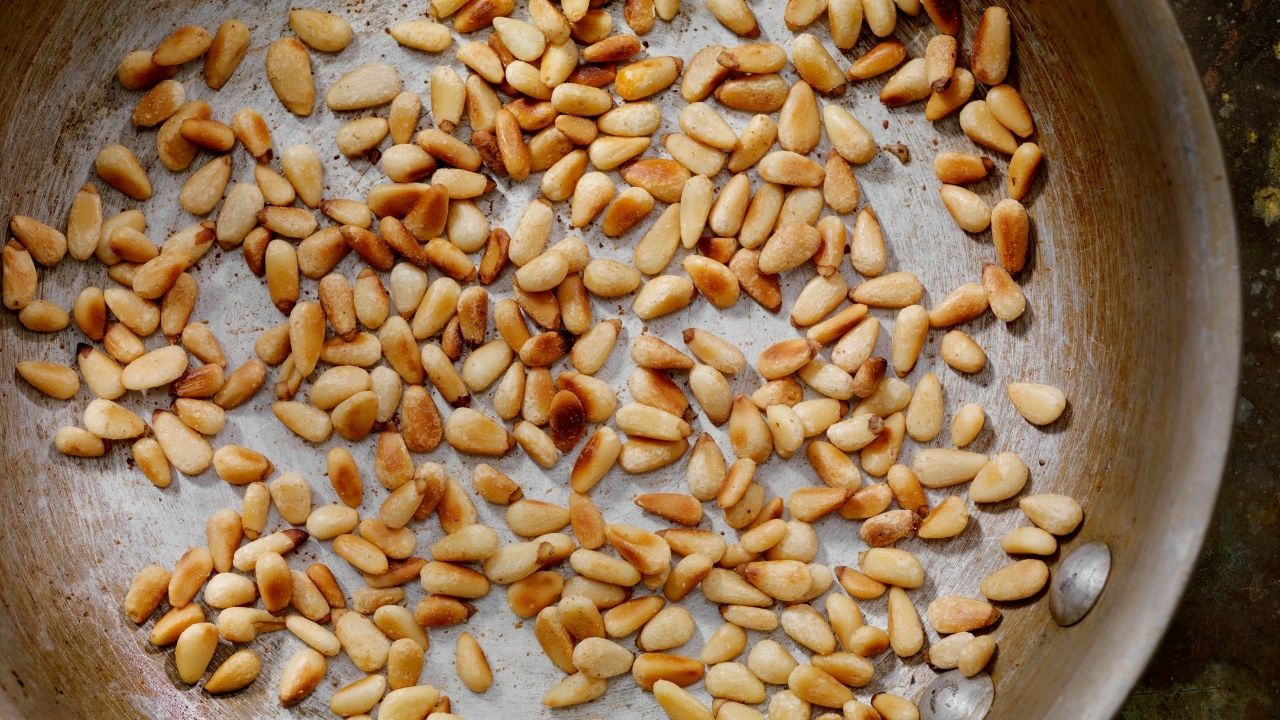
You know that moment when you take a bite of something at a fancy restaurant and wonder what magical ingredient makes it taste so incredible? More often than not, it’s toasted pine nuts doing the heavy lifting. These little golden gems transform ordinary dishes into restaurant-quality experiences with their buttery richness and delicate crunch. I always keep a jar of raw pine nuts in my pantry because they’re like having a secret weapon ready to deploy at any moment.
Toasting them yourself takes just three minutes in a dry skillet over medium heat, and the aroma alone will make your kitchen smell like a Mediterranean bistro. Sprinkle them over your homemade pesto pasta, toss them into roasted vegetables, or scatter them across a simple arugula salad with lemon vinaigrette. They work beautifully in both sweet and savory applications – I love adding them to honey-drizzled ricotta toast or mixing them into grain bowls with roasted chickpeas and tahini dressing. The key is buying them fresh and storing them in the freezer to prevent rancidity, then toasting small batches as needed.
Balsamic Glaze
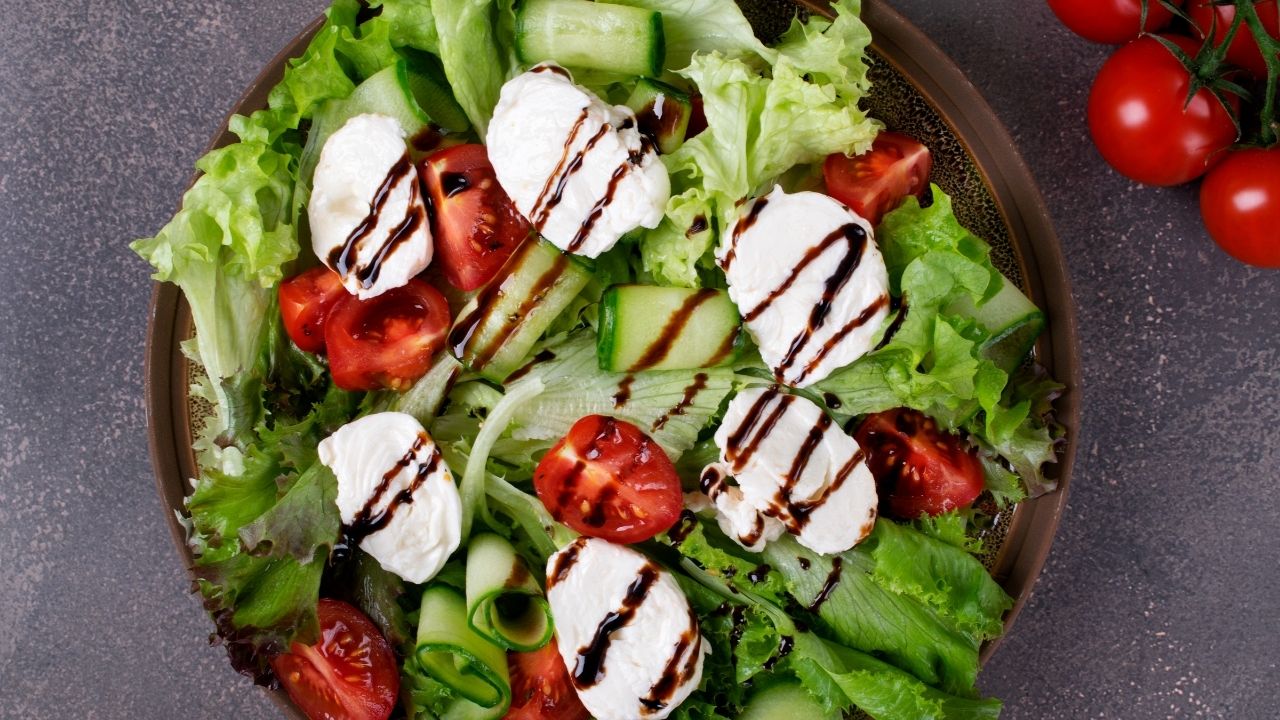
You know that glossy, deep mahogany drizzle you see on restaurant plates that makes everything look like fine art? That’s balsamic glaze, and I’m going to share why this simple ingredient transforms your home cooking from ordinary to extraordinary. I make mine from scratch by gently simmering good-quality balsamic vinegar until it reduces to a syrupy consistency – no additives, no corn syrup, just pure concentrated flavor. The magic happens when those complex notes of sweet and tangy intensify, creating this beautiful balance that makes your mouth water before you even take a bite.
What I love most about balsamic glaze is how it bridges different flavor profiles across cuisines. Drizzle it over fresh strawberries and creamy burrata for an Italian-inspired appetizer, or brush it on grilled chicken with a sprinkle of za’atar for a Mediterranean twist. I even use it on roasted vegetables – imagine carrots or Brussels sprouts finished with this glossy coating that adds both visual appeal and depth. The beauty lies in its versatility; whether you’re plating a simple caprese salad or finishing a piece of salmon, this glaze gives you that restaurant-quality presentation while keeping your ingredients wholesome and unprocessed.
Crispy Bacon Bits
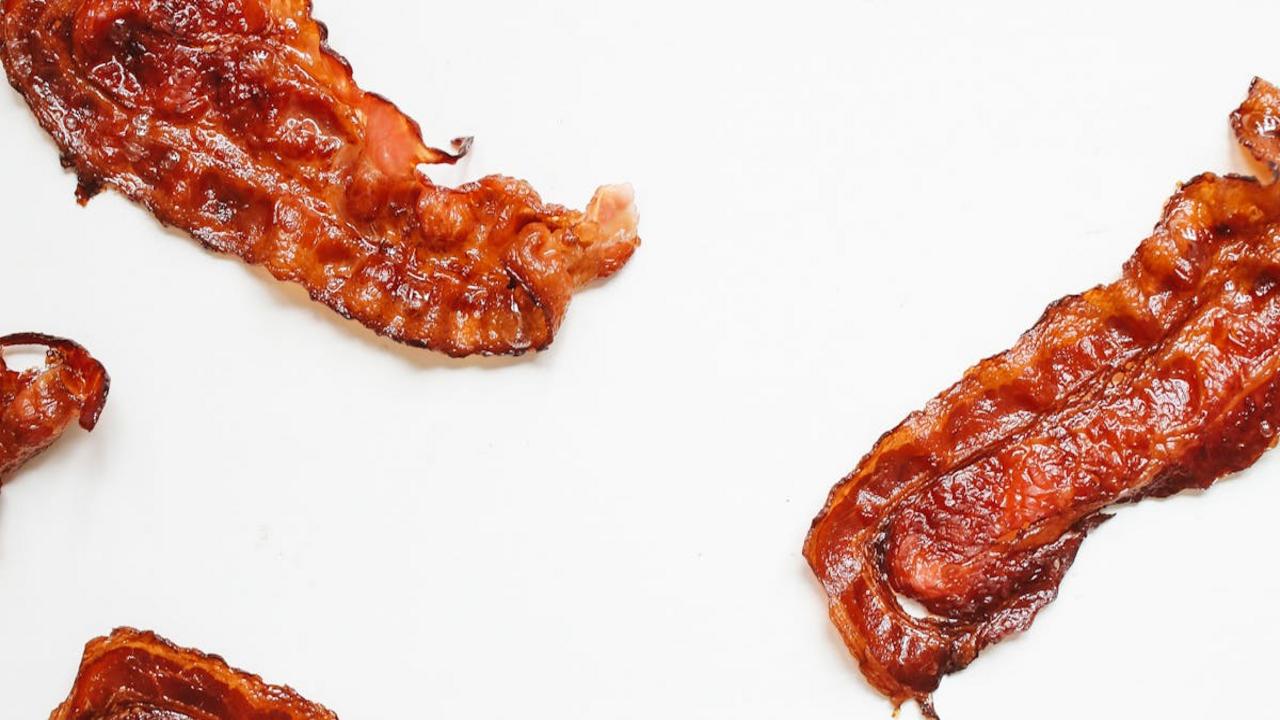
You know that moment when you’re tasting a restaurant dish and thinking, “What makes this so incredibly good?” Nine times out of ten, it’s those golden, crispy bacon bits scattered on top. I’ve watched countless home cooks skip this step, thinking bacon is just bacon, but friend, the magic happens in how you prepare it. Instead of buying those processed store-bought bits that taste like cardboard, I cook my own bacon low and slow until each piece becomes a perfect amber jewel. The key is rendering the fat completely – this creates bacon so crispy it practically shatters when you bite it, releasing that smoky, salty burst that transforms any dish.
These little nuggets of joy work their magic on everything from creamy pasta dishes to fresh salads, hearty soups to loaded baked potatoes. I always make extra because they keep beautifully in the fridge for up to a week – though honestly, they never last that long in my kitchen. The rendered bacon fat? Don’t you dare throw that liquid gold away! I save it for roasting vegetables or frying eggs. This simple topping bridges the gap between home cooking and restaurant quality because it adds that textural contrast and depth of flavor that makes your mouth sing. Trust me, once you start making your own crispy bacon bits, you’ll wonder why you ever settled for anything less.
Garlic Butter Mushrooms
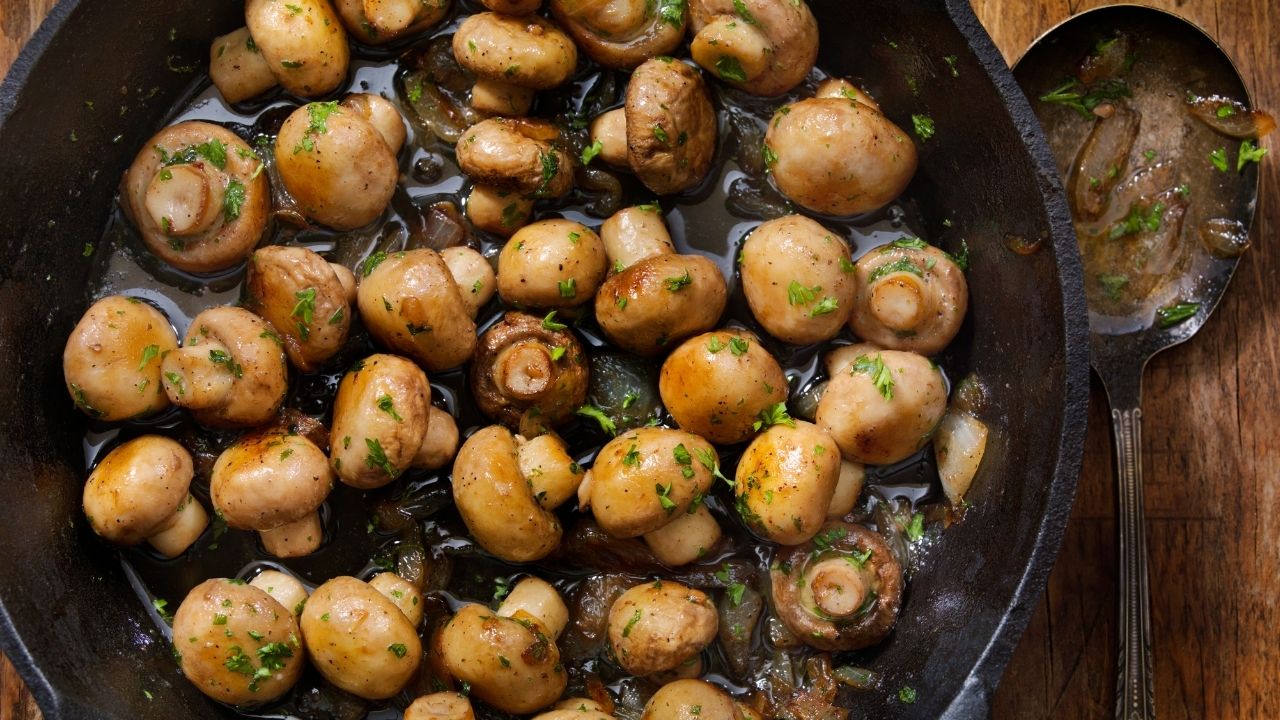
I remember the first time I tasted garlic butter mushrooms at a French bistro – that perfect balance of earthy mushrooms swimming in fragrant, golden butter made me realize why this combination appears on menus worldwide. You can recreate this restaurant magic at home with just a few quality ingredients and the right technique. Start with mixed mushrooms like cremini, shiitake, or oyster varieties, slice them thick so they hold their shape, and cook them in batches to avoid overcrowding. The secret lies in getting your pan screaming hot before adding the mushrooms – this creates that beautiful caramelization that restaurants achieve.
Once your mushrooms develop those gorgeous brown edges, reduce the heat and add minced fresh garlic with a generous knob of butter. Watch as the butter melts and mingles with the mushroom juices, creating an instant pan sauce that rivals any expensive restaurant. I love finishing mine with fresh thyme, a splash of white wine, and a pinch of sea salt. These garlic butter mushrooms transform everything they touch – spoon them over grilled chicken, fold them into omelets, or pile them on toast for an elegant appetizer. The best part? They take less than ten minutes but deliver the kind of rich, complex flavor that makes people think you’ve been cooking all day.
Fresh Herb Pesto
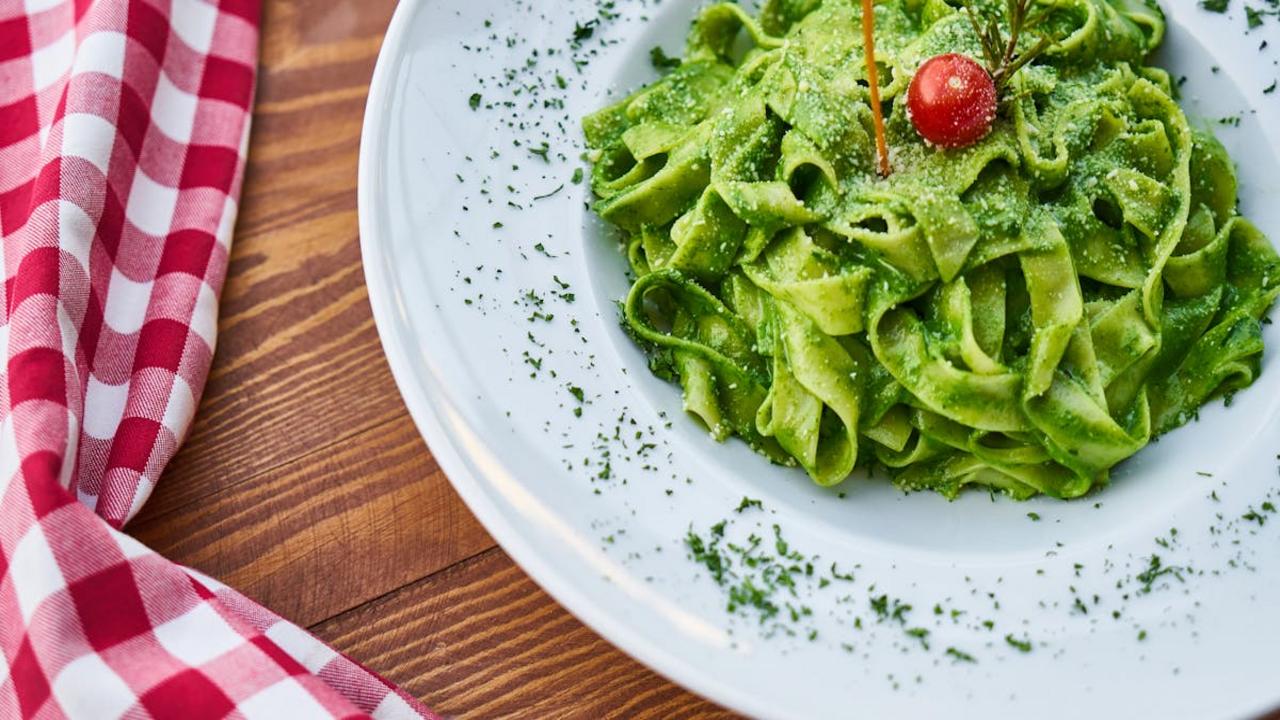
You know that moment when you taste restaurant pasta and wonder how they make their sauce so bright and alive? Fresh herb pesto holds that secret. I make mine with whatever herbs are thriving in my garden or looking vibrant at the market – basil, parsley, cilantro, or even spinach mixed with mint. The magic happens when you combine these fresh greens with good olive oil, garlic, nuts, and cheese, creating a sauce that transforms ordinary dishes into restaurant-quality meals. Skip the jarred versions and make your own – the difference will blow your mind.
What I love about pesto is how adaptable it becomes once you understand the basic ratio. I often swap pine nuts for walnuts or almonds, add a squeeze of lemon for brightness, or throw in some roasted red peppers for sweetness. This vibrant green sauce works on everything from grilled chicken and fish to roasted vegetables and grain bowls. Make a big batch and freeze portions in ice cube trays – you’ll have instant flavor boosters ready whenever you need to turn a simple weeknight dinner into something special. Fresh herbs contain so many nutrients that get lost in processed sauces, so you’re nourishing your body while treating your palate.
Caramelized Onions
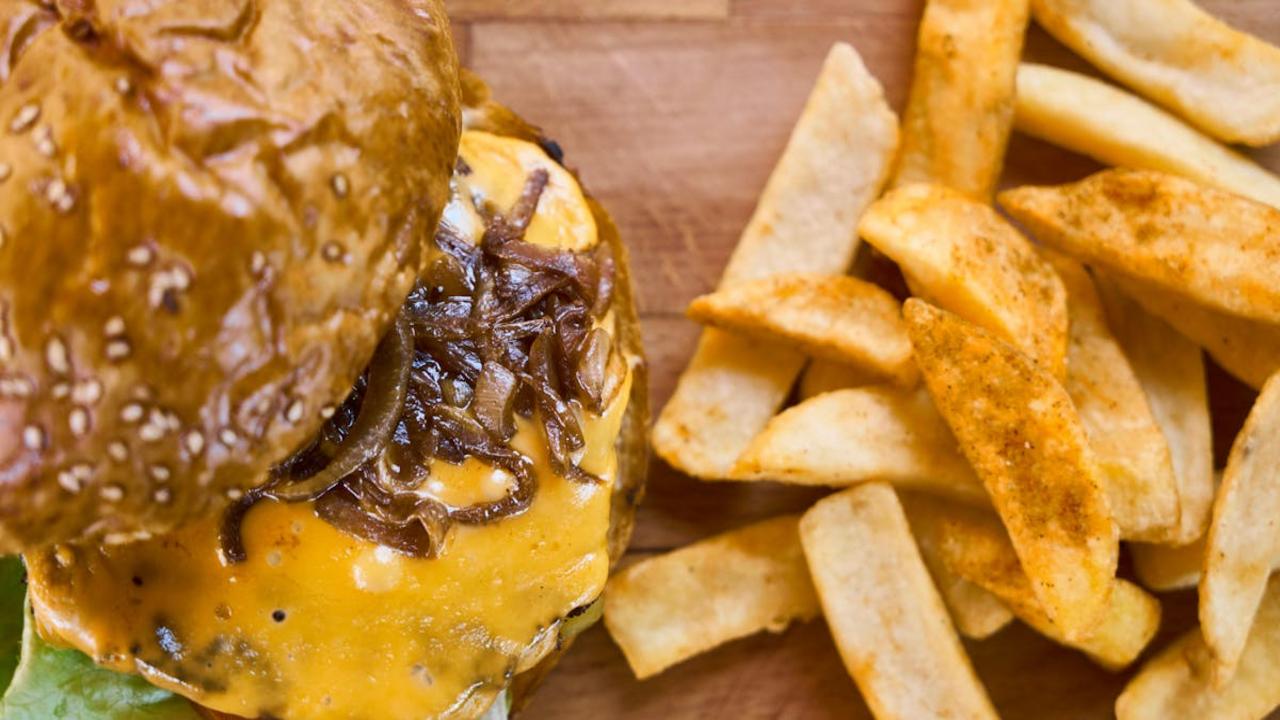
Caramelized onions transform your everyday cooking into something extraordinary, and I promise you, this simple technique will become your secret weapon in the kitchen. When you slowly cook sliced onions over low heat for 30-45 minutes, their natural sugars develop into deep, rich sweetness that adds incredible depth to almost any dish. I keep a batch in my fridge at all times because they work magic on everything from scrambled eggs and grilled cheese to pasta and pizza.
The key lies in patience – don’t rush the process by cranking up the heat, or you’ll end up with burnt edges instead of silky, golden strands. Start with a mix of yellow and sweet onions, add just a pinch of salt to draw out moisture, and stir occasionally while they work their magic. I love how these beauties bridge so many global flavors too – they’re perfect in French onion soup, Indian biryanis, or simply spooned over roasted vegetables. Once you master this technique, you’ll wonder how you ever cooked without having caramelized onions ready to elevate your home meals to restaurant quality.