Son Cut Out Gluten, Dairy, and Eggs. I’m Worried His ‘Fussy Eater’ Daughter Will Copy Him.
There is a special kind of magic that exists between a grandmother and her grandchild. It’s a bond woven from shared stories, warm hugs, and often, the simple comfort of a lovingly prepared meal. It is a relationship built on a foundation of unconditional love and acceptance.
But what happens when modern worries begin to fray those precious threads? For one grandmother, a simple conversation in her own home has sparked a deep and heartbreaking concern, not just for her son, but for the little girl who holds her heart.
The Incident
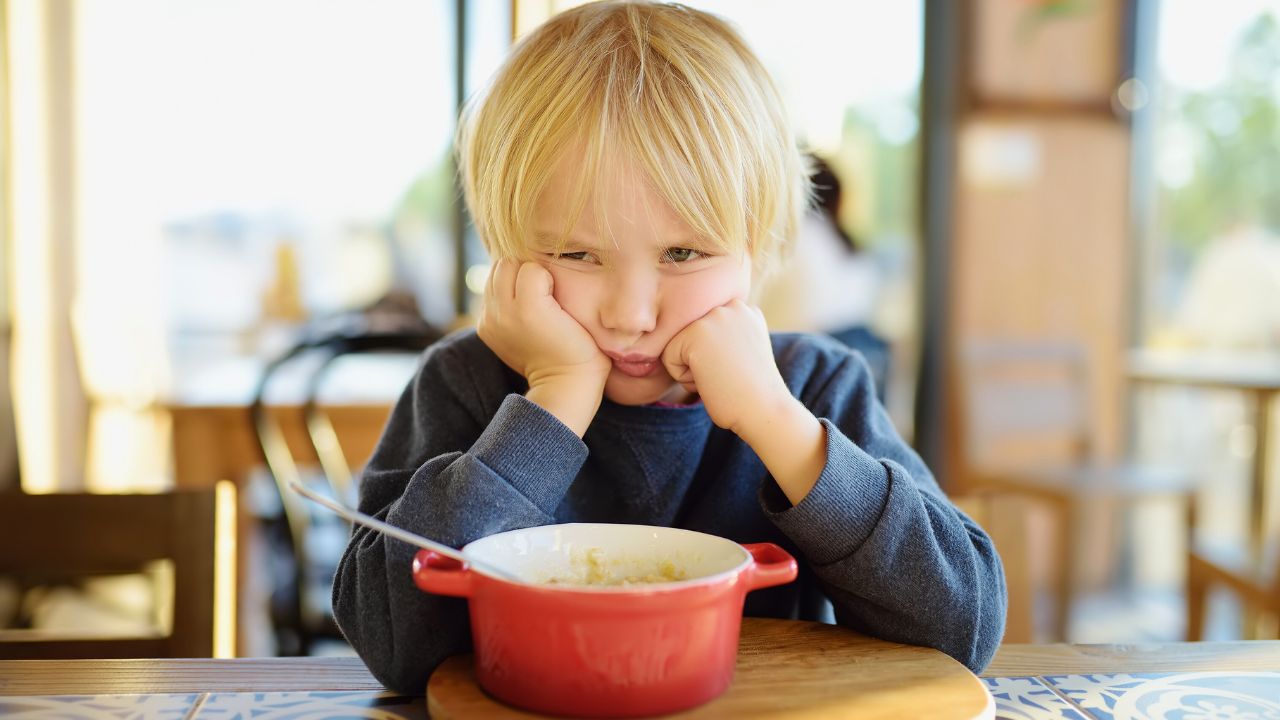
The story, shared by a grandmother named Lyndy, begins with a scene familiar to so many of us. Her eight-year-old granddaughter was sitting quietly, coloring, while her 45-year-old son began talking about his health.
He had, he announced, taken an online test and discovered he has intolerances to gluten, dairy, and eggs. He wasn’t suffering from terrible symptoms; rather, he explained that he simply thought his “skin will look better” if he cut these foods out of his diet. He listed all the things he could no longer eat, a litany of restriction and denial.
All the while, his young daughter, already known to be a “fussy eater,” was listening. Every word sank in. For her grandmother, a quiet panic began to set in. As she later wrote, her heart ached with worry. “I am concerned that all this talk about excluding food groups when NOT allergic to them is harmful,” she confided, “and doesn’t promote a healthy balanced diet. Am I being unreasonable?”

The thoughtlessness of the conversation, the casual planting of food-related fears into a young child’s mind, felt like a quiet betrayal of the simple joys of childhood. It’s a new kind of family pain, one born not of anger, but of a modern obsession that can have unintended consequences for the little ones we love so dearly.
The Community Weighs In
Lyndy’s quiet cry for guidance did not go unheard. A community of women, many of whom have faced similar heartaches, quickly gathered to offer their wisdom and support. Their responses fell into several distinct camps.
The Sympathetic Supporters
Many rushed to validate Lyndy’s feelings, sharing their own stories and confirming her fears. One woman recalled her own granddaughter, at age seven, asking “how many calories is this?” at the dinner table. Her perfect reply? “Over here, Nan doesn’t count calories.”
Another supporter was direct, expressing the fear that so many grandparents feel. “And yes, the child will be taking all this in and may end up with an eating disorder.” The sentiment was clear: Lyndy was not being unreasonable at all. As one person put it, “I fully understood your concerns! I would feel exactly the same, children take everything in!”
The Hard Truths
Others, however, offered a dose of difficult but perhaps necessary advice. They cautioned Lyndy against stepping in, reminding her of the delicate boundaries that exist with grown children and their families. One commenter, Zues, laid it out in stark terms.
“I think you should avoid the temptation to micromanage your middle-aged son’s parenting,” she wrote. “No matter what, his diet is his own business… Your granddaughter’s eating is the purview of her own mum and dad.” She urged the grandmother to trust that her son and his daughter would be fine, reminding her that “even grandparents must know when to intervene and when to stay quiet.” It was a painful truth, but one that resonated with many others who agreed.
The Tactical Strategists

A third group offered gentle, practical advice for navigating this tricky situation. Several people questioned the validity of the son’s online test, calling it “Dr. Google” and suggesting it was likely “a load of rubbish.” The consensus was that real medical advice was needed.
The most popular advice was to lead by example. One wise woman suggested Lyndy “show your grandchild a very matter of fact eating regime” where meals are enjoyed without fuss. The goal, she explained, is to “show the pleasure of eating a meal with others” and make the loving company, not the food itself, the focus.
Another suggested a “quiet word in your son’s ear” about the dangers of such talk. The strategies were all about gentle influence, not direct confrontation.
The Family Verdict
At the end of the day, a grown man is entitled to eat however he wishes, whether based on a doctor’s orders or a questionable online quiz. But that right ends where his child’s well-being begins. The words spoken at the family table have power, and they can shape a child’s relationship with food for a lifetime.
Children should not be burdened with adult anxieties about calories, skin clarity, or food restrictions. A grandparent’s home should be a sanctuary of simple joys, where a cookie is a treat to be savored, not a source of guilt. It is a parent’s duty to protect that innocence, and a grandparent’s quiet heartbreak when they see it threatened.
What Do You Think?
Have you ever worried about the adult conversations your grandchildren are overhearing? Is it a grandparent’s place to gently intervene when they see a potential harm, or must they always stay quiet?
Ready for the next level of insight? Discover more in my latest article here.