14 Shockingly Expensive Groceries That Blow Up Your Budget
Ever grabbed something at the supermarket only to gasp at checkout? Imagine spending your entire grocery budget on a single spice. That’s the reality with luxury ingredients like saffron and white truffles – tiny splurges that can hijack your food budget faster than you can say “premium pricing.”
Your morning coffee seems cheap compared to Kopi Luwak, which sells for up to $600 per pound. And while regular honey costs a few dollars, Manuka honey commands $50+ for a small jar. These aren’t just groceries – they’re status symbols disguised as food.
The most shocking part? People actually buy these items! From $100/oz Beluga caviar to $200/lb pine nuts, the world’s priciest foods create a bizarre parallel universe where a single melon (Yubari King) costs more than your weekly grocery haul. Ready to discover which extravagant foods make your splurge on organic strawberries look downright frugal?
Pine nuts
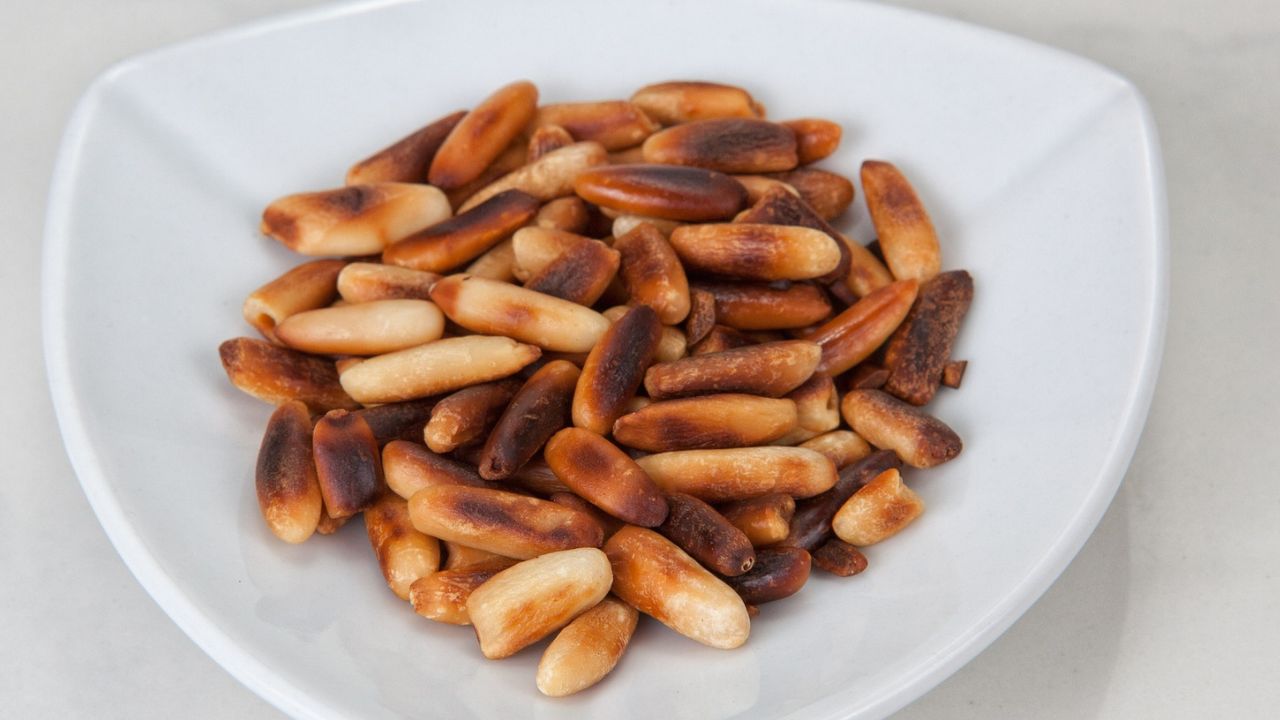
Pine nuts make your wallet weep faster than watching a rom-com marathon. These tiny, buttery nuggets cost more per pound than some premium steaks, and honestly, it’s enough to make you question everything you thought you knew about nuts. The culprit behind their sky-high price tag? These little devils take forever to mature – we’re talking 15 to 25 years for a pine tree to start producing cones, and then another two years for those cones to ripen. It’s like nature decided to play the longest practical joke in agricultural history. Plus, harvesting them requires actual human hands (shocking, I know), making the whole process as labor-intensive as teaching your cat to fetch.
Here’s the kicker: most pine nuts you buy aren’t even from North America. They’re jet-setting from places like China, Russia, and Europe, racking up frequent flyer miles that get passed directly to your grocery bill. And don’t get me started on “pine mouth” – a real condition where some people develop a bitter, metallic taste that lasts for weeks after eating certain varieties of pine nuts. It’s like your mouth is holding a grudge against your bank account. My advice? Save these expensive little treasures for special occasions, or better yet, toast some sunflower seeds with a drizzle of olive oil and pretend they’re pine nuts. Your pesto might not win any authenticity awards, but your budget will thank you.
Beluga Caviar
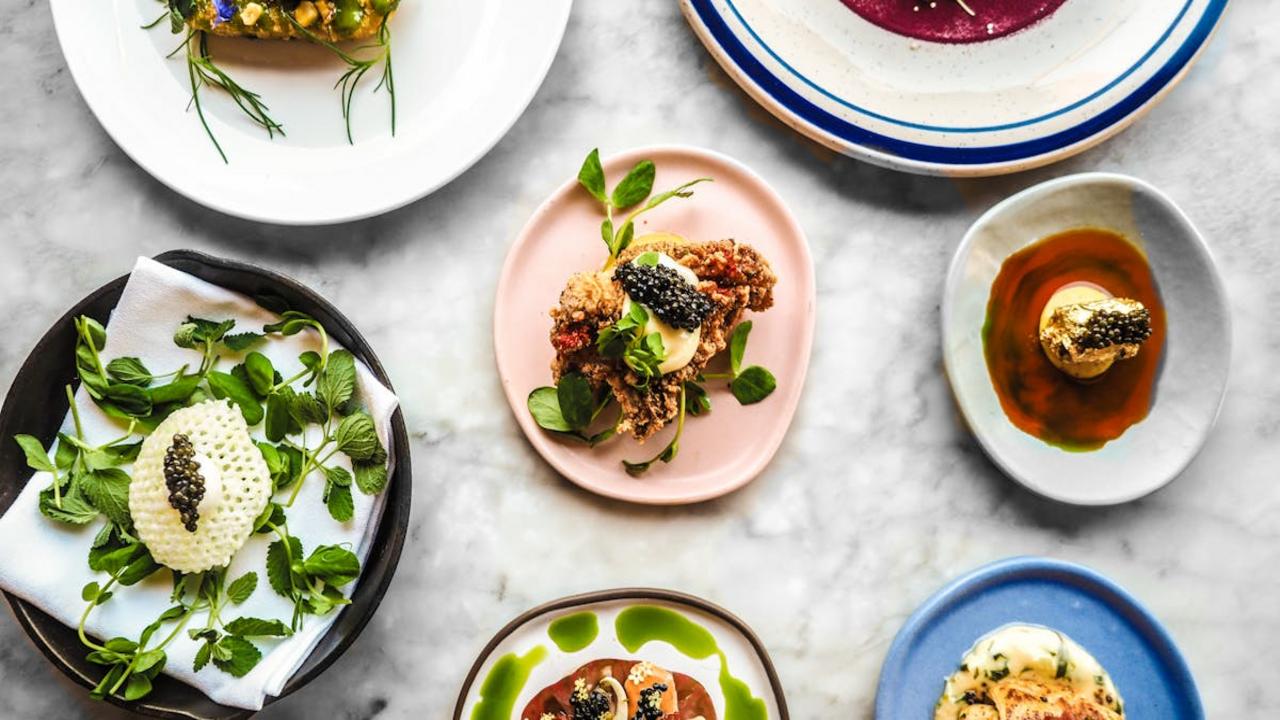
Want to know what it feels like to eat your car payment? Try Beluga caviar! This tiny black treasure from the Caspian Sea can cost anywhere from $200 to $500 per ounce, making it more expensive per gram than gold. We’re talking about fish eggs here, people – but not just any fish eggs. These pearls come from the mighty Beluga sturgeon, ancient creatures that can live over 100 years and grow longer than a pickup truck. The fish don’t even start producing their precious cargo until they’re around 20 years old, which explains why your wallet starts crying just thinking about it.
Here’s the kicker: true Beluga caviar has been banned in the United States since 2005 due to overfishing concerns, so what you’re buying is likely farm-raised or imported varieties that still cost more than most people’s rent. The real deal has a buttery, oceanic flavor that melts on your tongue like expensive sea butter, but honestly, at those prices, you could probably achieve the same satisfaction by licking a twenty-dollar bill while imagining the ocean. Save your money for something more reasonable – like a small island or a vintage Ferrari. Your bank account will thank you, and you can still tell people you’re cultured by pronouncing it “cah-vee-AHR” at parties.
White Alba Truffles
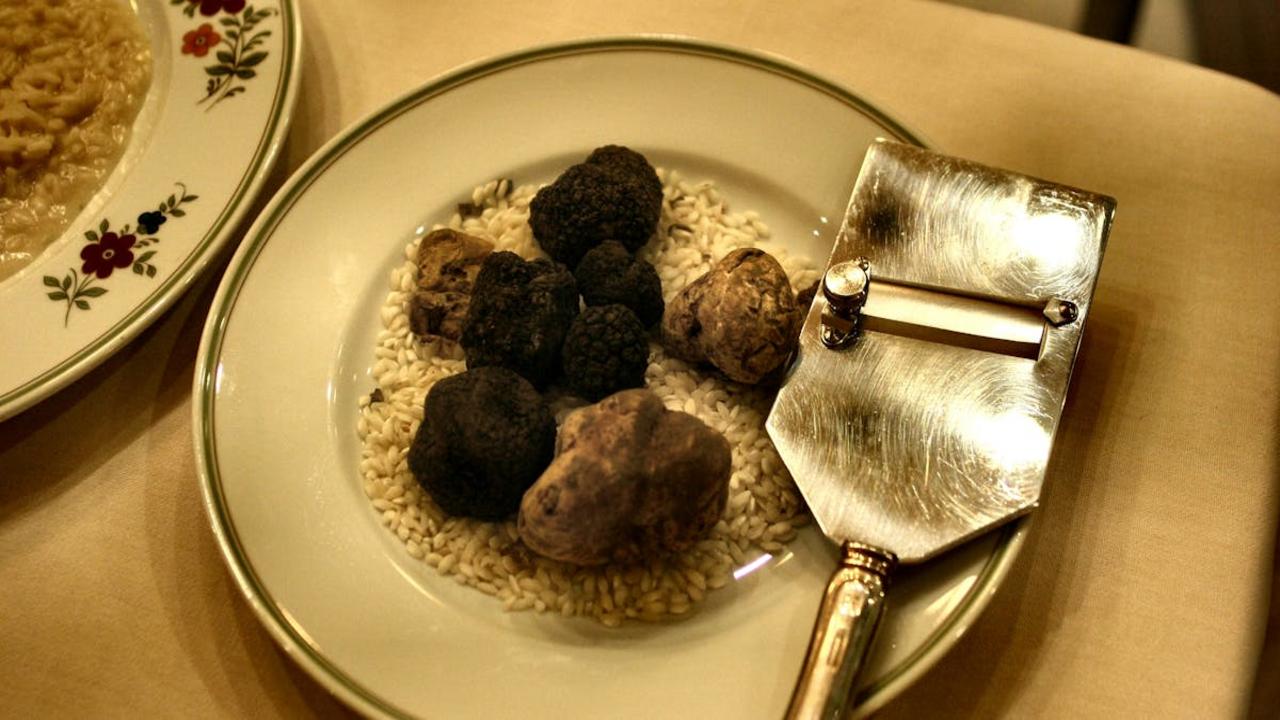
Picture this: you’re casually browsing the farmer’s market when suddenly you spot a wrinkled, dirt-colored lump that costs more than your monthly rent. Meet the white Alba truffle, nature’s most expensive practical joke! These Italian fungi can command prices ranging from $6,000 to $10,000 per pound, making them roughly 200 times more expensive than gold by weight. What makes these subterranean treasures so ridiculously pricey? They grow wild only in specific regions of Northern Italy, refuse to be cultivated (stubborn little things!), and can only be sniffed out by specially trained dogs or pigs during a brief autumn season.
The irony gets even better – these astronomical prices are for something that looks like a dirty potato and smells like a cross between garlic and old socks. Yet one tiny shaving over your pasta transforms an ordinary dish into liquid gold on your plate. I once watched a chef nearly cry while grating a $300 truffle, treating each precious flake like diamond dust. The flavor? Imagine the earthiest, most intoxicating aroma you’ve ever experienced, concentrated into something that makes your brain short-circuit with pleasure. Pro tip: if you ever splurge on one, keep it simple – just butter, pasta, and maybe some tears of joy (or financial regret).
Yubari King Melons
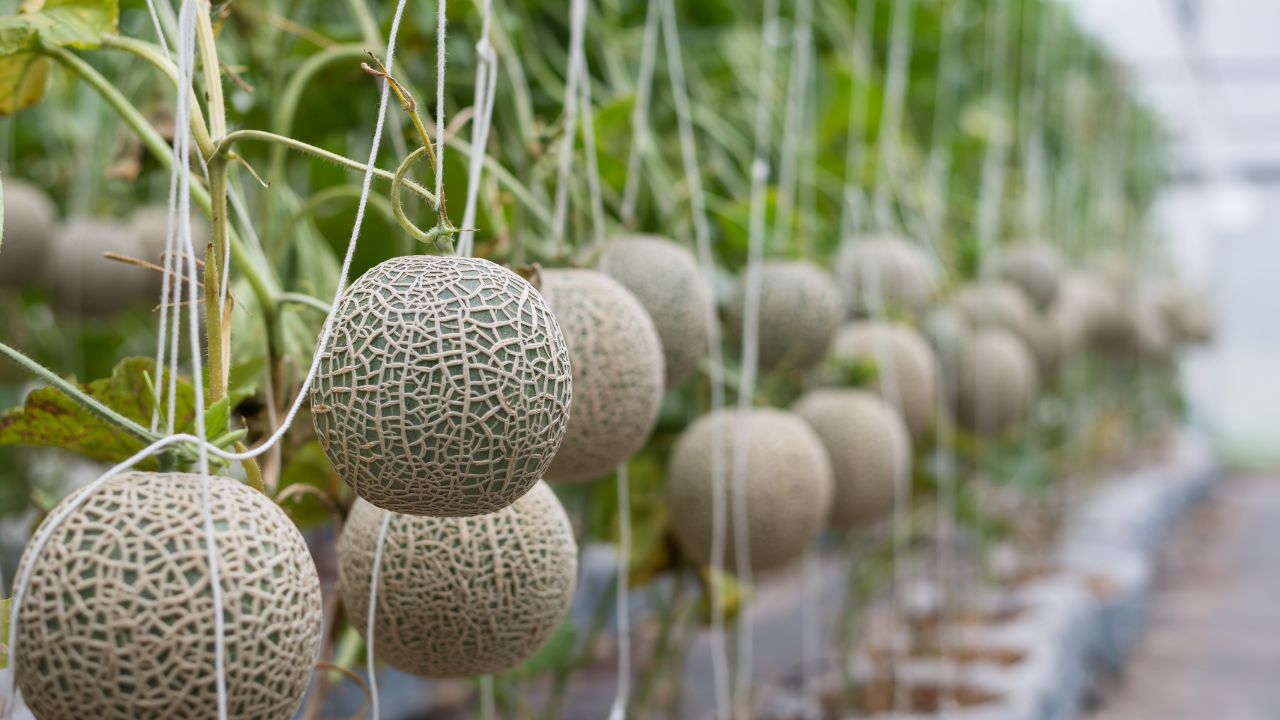
Picture this: you’re strolling through a Japanese fruit market when you spot what looks like the most perfect cantaloupe you’ve ever seen, sitting in its own little velvet-lined box like precious jewelry. That’s a Yubari King melon, and before you even think about picking it up, know that you’re looking at a piece of fruit that can cost more than your monthly rent. These legendary melons from Hokkaido regularly sell for thousands of dollars each, with record-breaking auctions reaching over $45,000 for a pair. Yes, you read that right – forty-five thousand dollars for two melons that you could probably finish in one sitting if you had zero self-control.
What makes these spherical beauties so astronomically expensive? Japanese fruit perfection is no joke – each Yubari King gets pampered like royalty throughout its growing process, hand-pollinated, individually massaged (seriously!), and grown in precisely controlled greenhouse conditions. The farmers check sugar content, shape, and that distinctive perfect netting pattern that makes these melons look like they’re wearing designer stockings. Only the cream of the crop makes it to market, and even then, most are given as extremely generous gifts rather than eaten. If you’re budget-conscious, maybe stick to the regular cantaloupe at your local grocery store – it won’t bankrupt you, and honestly, your taste buds probably won’t know they’re missing out on a five-figure fruit experience.
Fugu (Pufferfish)
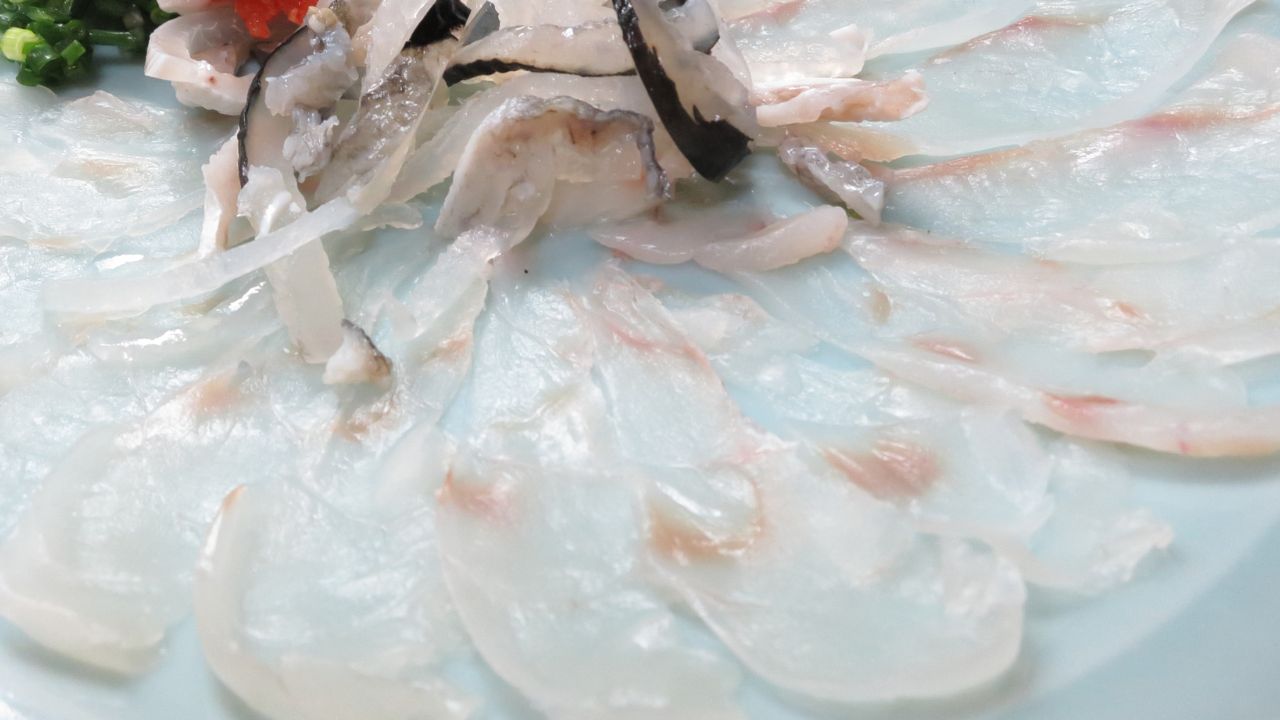
You know that friend who always orders the most dangerous thing on the menu? Well, fugu is their ultimate prize. This Japanese delicacy can literally kill you if prepared incorrectly, which explains why a single meal can cost anywhere from $200 to $500 per person. The tetrodotoxin in fugu organs is 1,200 times more poisonous than cyanide, and there’s no antidote. Yet people line up for the privilege of eating something that could be their last supper. Only licensed chefs who’ve trained for years can legally prepare this spiky little death fish, and even they sometimes get it wrong.
The irony? Fugu doesn’t even taste that spectacular. Most people describe it as subtle, almost bland, with a slightly chewy texture. You’re basically paying hundreds of dollars for the thrill of Russian roulette with your dinner plate. The lips might tingle slightly from trace amounts of the toxin, which diners consider part of the authentic experience. Meanwhile, I’m over here panicking about whether my chicken is cooked through. If you’re determined to blow your grocery budget on potentially lethal seafood, at least make sure your chef has all their fingers – it’s usually a good sign they know what they’re doing.
Moose Milk Cheese
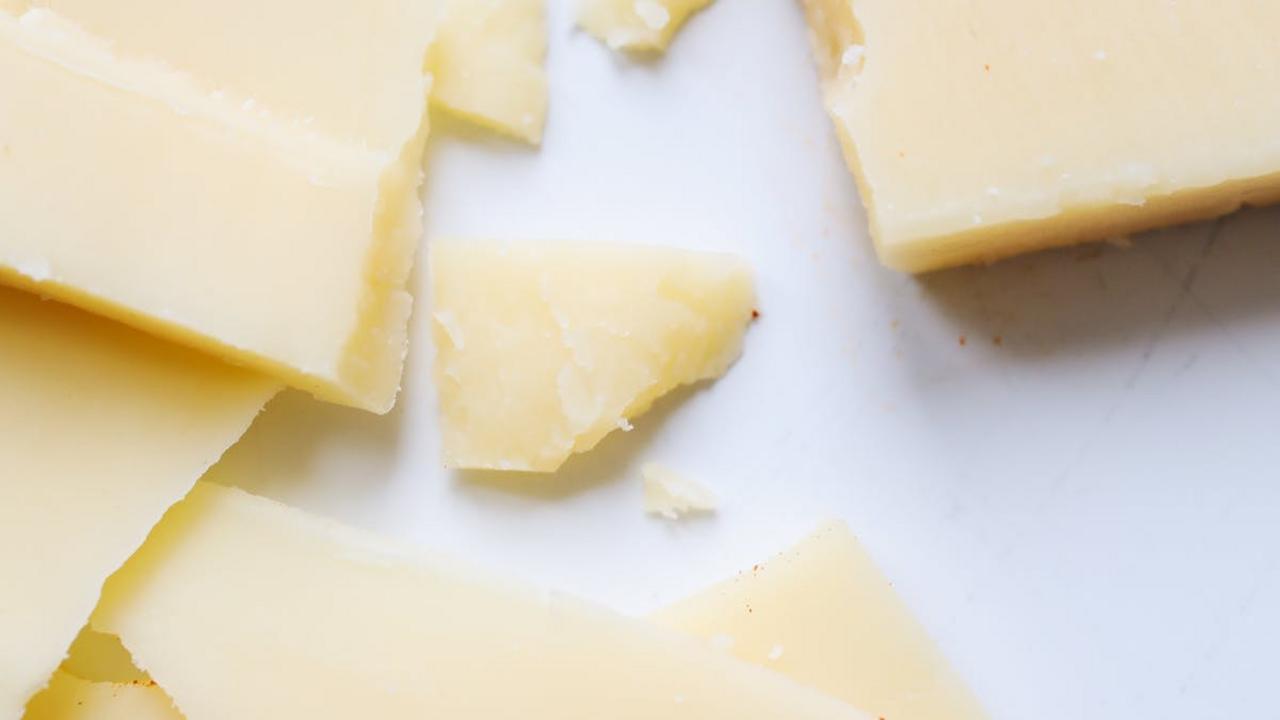
Picture this: you’re strolling through a fancy gourmet shop, and suddenly you spot a wedge of cheese with a price tag that makes your mortgage payment look reasonable. Meet moose milk cheese, the Rolls-Royce of dairy products that can cost upwards of $500 per pound. This rare delicacy comes from exactly where you’d expect – actual moose! These majestic creatures produce milk with an incredibly rich fat content (around 20% compared to cow’s milk at 3-4%), creating cheese so dense and creamy it practically melts into butter on your tongue. The catch? A single moose only produces about 1-2 liters of milk per day, making this cheese rarer than finding a parking spot at Whole Foods on Sunday.
Only a handful of farms worldwide dare to milk moose, with most located in Sweden and Russia where these gentle giants roam more freely. The process requires incredible patience and trust-building since moose aren’t exactly known for their cooperative nature during milking time. The resulting cheese has a uniquely gamey, almost wild flavor with hints of herbs and forest berries – imagine if regular cheese went on a camping trip and came back with stories. While you probably won’t be serving moose cheese at your next dinner party (unless your guests have trust funds), it represents the ultimate example of how scarcity and difficulty transform ordinary ingredients into extraordinary luxuries that make your wallet weep.
Bluefin Tuna
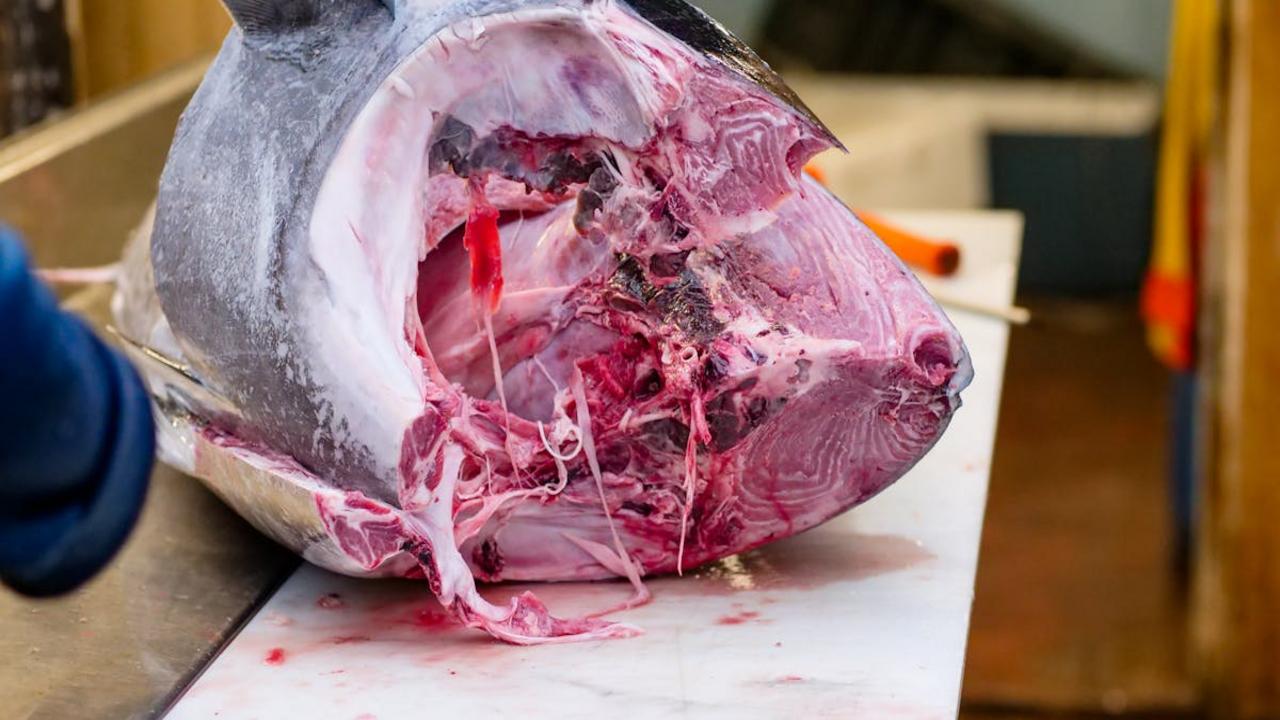
Picture this: you’re standing at the fish counter, casually eyeing some protein for dinner, when you spot that gorgeous ruby-red bluefin tuna gleaming under the lights. Then you see the price tag and nearly faint – we’re talking $40 to $200 per pound for the good stuff! These magnificent ocean athletes can live up to 40 years, grow to the size of a small car, and swim at speeds that would make your Honda jealous. The most prized bluefin comes from the Mediterranean and can fetch astronomical prices at auction. In 2019, a single 612-pound bluefin sold for $3.1 million in Tokyo – that’s roughly $5,000 per pound, making it more expensive per ounce than gold!
What makes this fish so ridiculously pricey? For starters, bluefin tuna populations have declined by over 80% due to overfishing, making them rarer than finding a parking spot at Costco on a Saturday. The fat content in their belly (called otoro) creates that buttery, melt-in-your-mouth texture that sushi lovers worship. Plus, these fish are basically the marathon runners of the sea – their constant swimming develops incredibly dense, flavorful muscle. If you’re determined to try some without selling a kidney, look for smaller portions at high-end sushi restaurants during happy hour, or opt for yellowfin tuna instead. Your wallet will thank you, and honestly, most of us can’t tell the difference anyway after a sake or two!
Kobe Beef
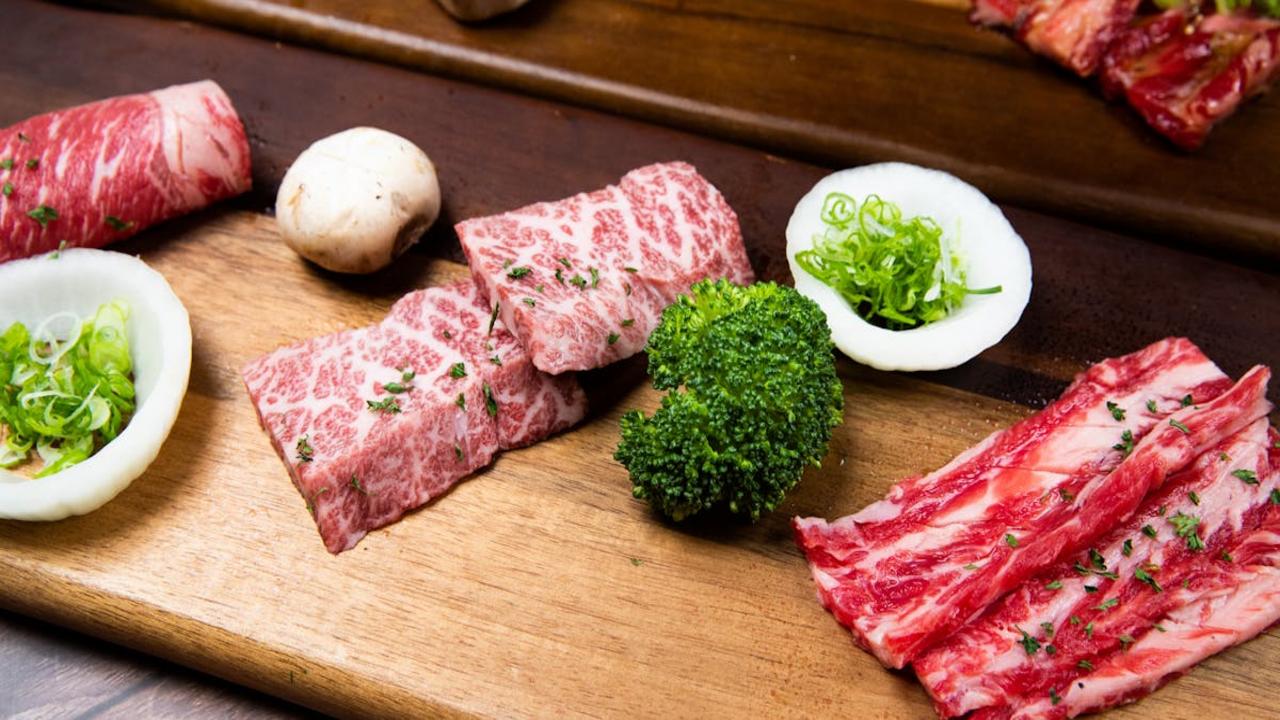
You know that moment when you’re scrolling through a fancy restaurant menu and see “Kobe beef” listed at $200 per ounce? Yeah, that’s not a typo – that’s just what happens when cows get the five-star treatment. This legendary Japanese beef comes from Wagyu cattle raised in the Hyogo Prefecture, where these pampered bovines live better than most of us. We’re talking daily massages, beer in their diet, and classical music playing in their barns. The marbling in authentic Kobe beef looks like abstract expressionist paintings, with fat so perfectly distributed it practically melts at room temperature.
Here’s the kicker: real Kobe beef was actually banned in the United States until 2012, so if someone claimed they served it before then, they were either lying or had some serious black market connections. Even now, only a handful of restaurants in America can legally serve the genuine article. Most “Kobe” you see is actually American Wagyu or other high-grade beef playing dress-up. If you’re dead set on trying the real deal, prepare to drop anywhere from $300-600 for a small steak. Pro tip: save up for a special occasion, because at those prices, you’ll want to savor every microscopic bite while questioning your life choices.
Iberico Ham
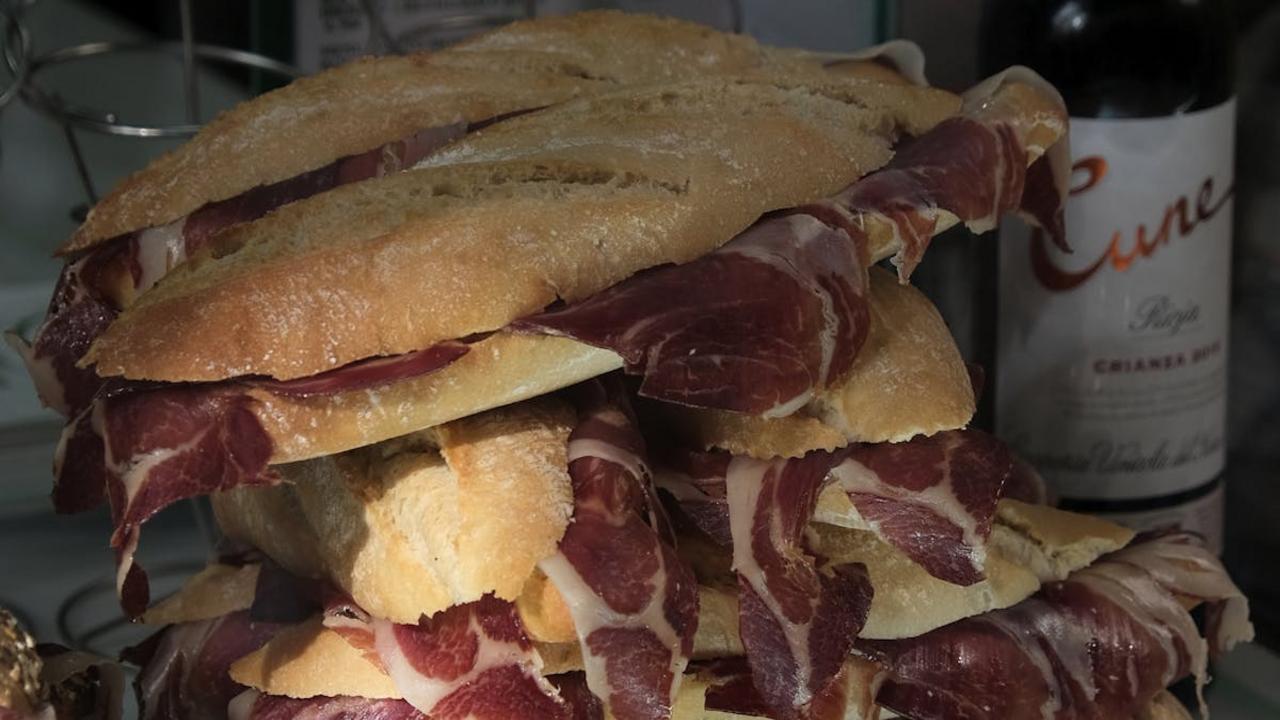
You think your grocery bill is already crying? Wait until you meet Iberico ham, the Rolls-Royce of cured meats that can cost anywhere from $100 to $300 per pound. This isn’t your average deli counter situation – we’re talking about ham from Spanish black pigs that live better lives than most humans. These pampered porcines roam oak forests, munching on acorns like they’re at an all-you-can-eat buffet, which gives their meat that distinctive nutty flavor and marbled texture that makes food enthusiasts weak in the knees.
The price tag reflects years of careful aging – sometimes up to four years – in Spanish caves where the ham develops its complex, almost wine-like character. One thin slice melts on your tongue like savory butter, releasing layers of flavor that justify why Spanish families pass down whole legs like heirlooms. Sure, you could buy a decent used car for the price of a premium Iberico leg, but can your Honda give you that transcendent moment of pure pork perfection? The math might not make sense to your wallet, but your mouth will understand every expensive penny.
Manuka Honey
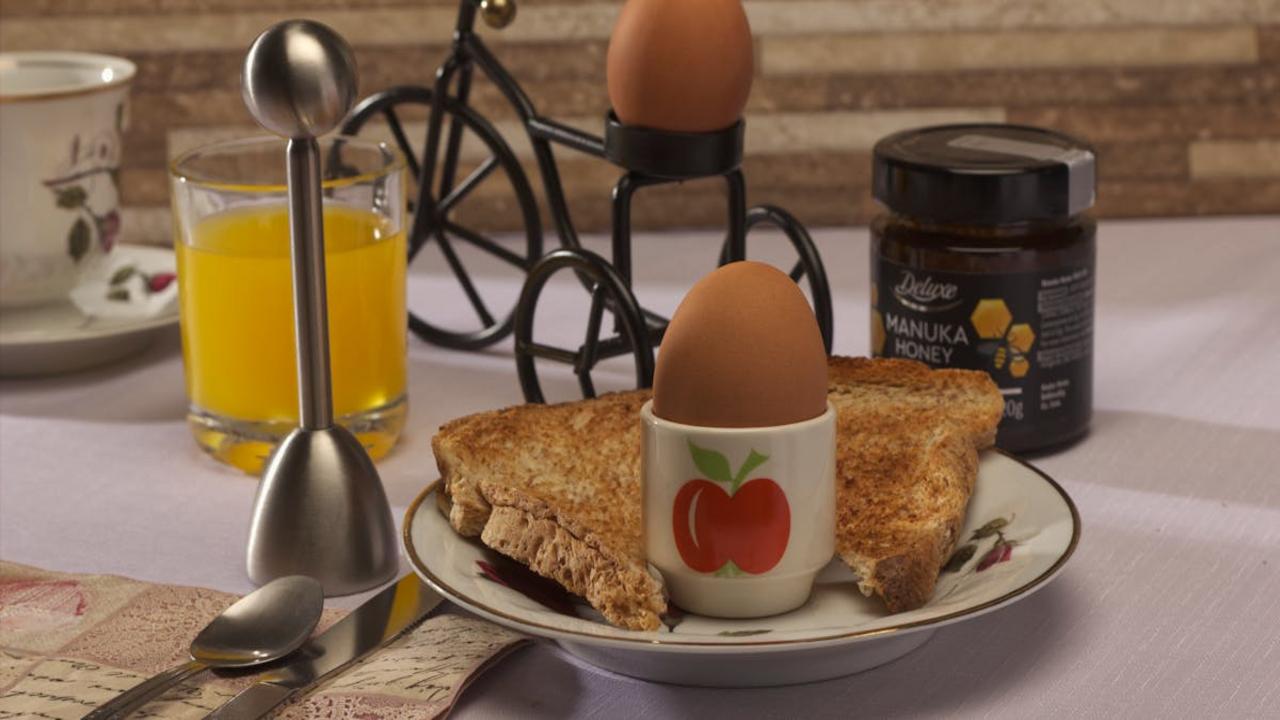
Picture this: you’re standing in the honey aisle, innocently reaching for your usual squeeze bear, when suddenly you spot a tiny jar of Manuka honey with a price tag that makes your wallet weep. At $40-100 for a measly 8-ounce jar, this liquid gold from New Zealand makes regular honey look like pocket change. The bees that create this sweet nectar exclusively feast on the Manuka bush flowers for just 2-6 weeks per year, making it rarer than a unicorn at a petting zoo. The UMF (Unique Manuka Factor) rating system determines its potency – and your bank account’s doom – with higher ratings commanding prices that could fund a small vacation.
What makes this honey so expensive? Beyond its scarcity, Manuka honey contains methylglyoxal, a compound that gives it antibacterial superpowers that regular honey can only dream about. New Zealand producers guard their Manuka sources like secret family recipes, and each batch gets tested more thoroughly than a NASA space mission. Sure, you could drizzle it on toast like some kind of millionaire, but most people treat each spoonful like a precious medicine cabinet staple. My advice? Start with a lower UMF rating (5-10) before graduating to the wallet-crushing premium grades – your taste buds won’t know the difference, but your budget definitely will thank you.
Kopi Luwak Coffee
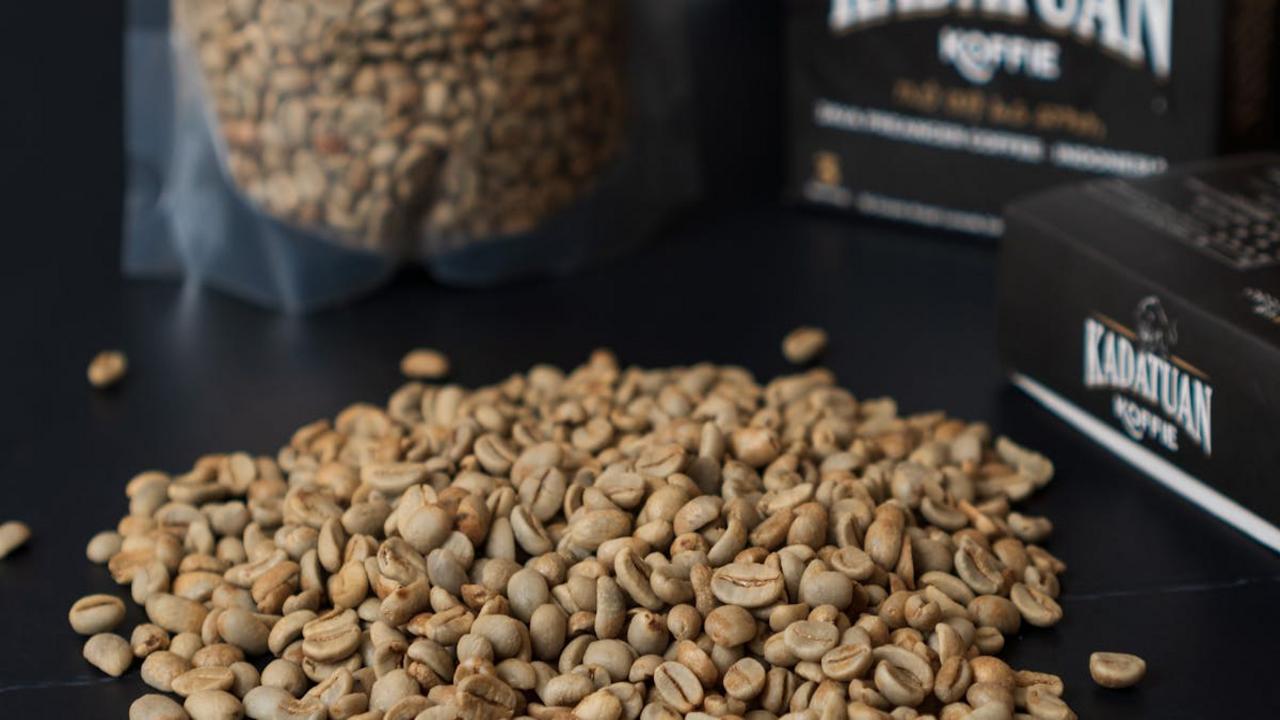
You know that friend who always orders the most expensive thing on the menu just to say they did it? Well, Kopi Luwak coffee is basically that friend in bean form, except it costs anywhere from $100 to $600 per pound and has the most bizarre origin story you’ve ever heard. This Indonesian coffee gets its premium price tag because it’s literally been through the digestive system of a civet cat – yes, you read that right, you’re drinking coffee made from beans that have been pooped out by a small mammal. The civets eat the coffee cherries, their stomach acids supposedly break down proteins that make regular coffee bitter, and then farmers collect the “processed” beans from their droppings.
Now, before you start questioning every life choice that led you to consider buying poop coffee, many coffee experts argue that the whole thing is more marketing hype than actual flavor revolution. The original wild civet coffee might have had some unique characteristics, but most of what you’ll find today comes from caged civets who are force-fed coffee beans – which is pretty awful and definitely doesn’t improve the taste. You’re essentially paying luxury car prices for what might taste like slightly smoother regular coffee with a side of animal welfare concerns. Save your money and buy a really good single-origin coffee instead – your wallet and your conscience will thank you, and honestly, you probably won’t be able to tell the difference in a blind taste test anyway.
Vanilla Beans
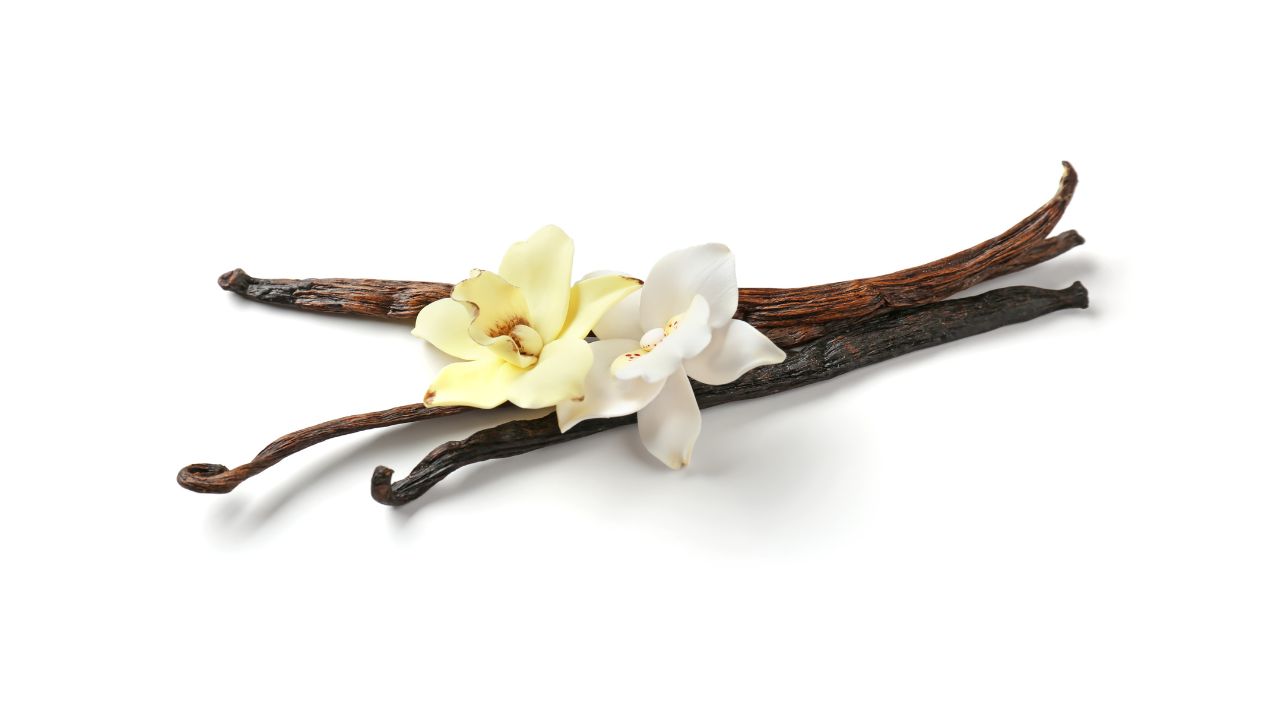
Picture this: you’re standing in the spice aisle, innocently reaching for vanilla extract, when your eyes land on those mysterious little pods sitting in their fancy glass tubes. At $15-20 for just two beans, vanilla pods make saffron look like a bargain! These wrinkled black beauties are basically the Ferraris of the baking world, and honestly, they have every right to be. Each bean represents months of hand-pollinating vanilla orchids in Madagascar, Mexico, or Tahiti, followed by a curing process that takes longer than most Hollywood marriages.
But here’s the thing about real vanilla beans – they’re worth every penny if you’re serious about your dessert game. Split one open and scrape out those tiny black specks (vanilla caviar, if you will), and suddenly your homemade ice cream transforms from “nice try” to “where did you learn to cook like this?” The difference between artificial vanilla and the real deal is like comparing a crayon drawing to the Mona Lisa. Pro tip: after you’ve scraped out the seeds, toss that empty pod into your sugar jar – it’ll perfume your sugar for weeks and make you feel fancy every time you add it to your coffee.
Matsutake Mushrooms
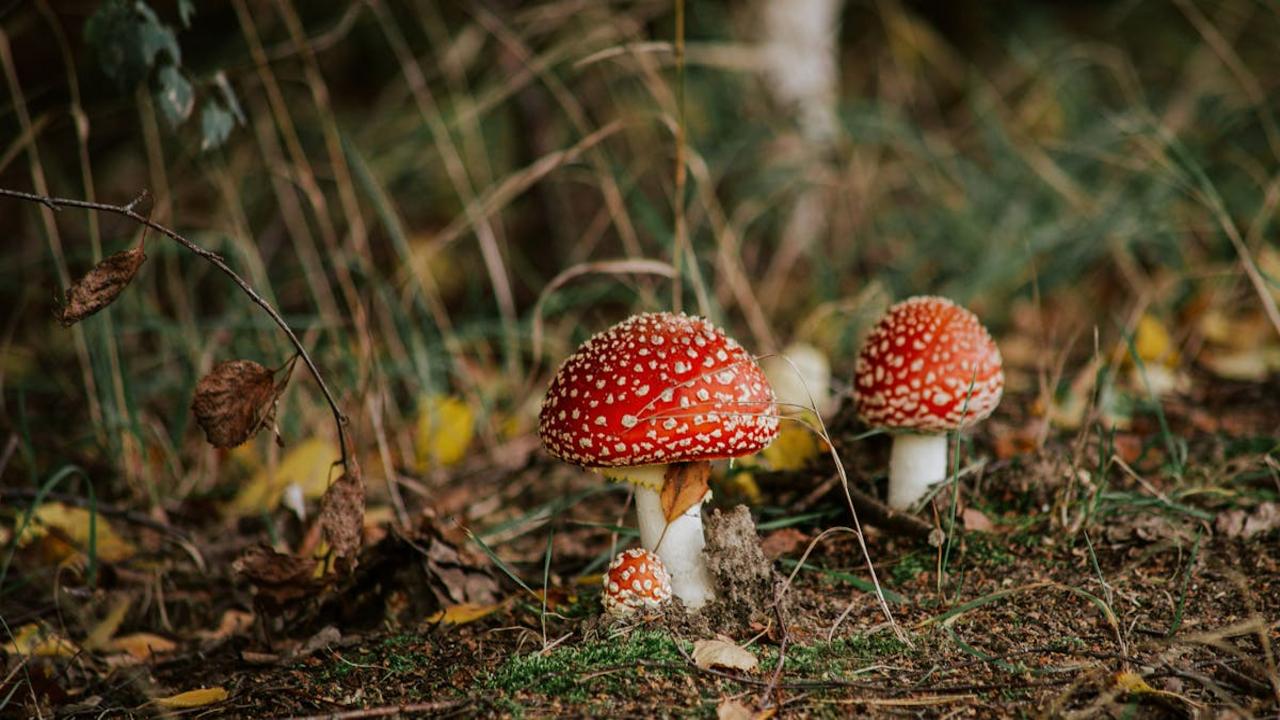
Picture this: you’re strolling through a fancy grocery store when you spot what looks like ordinary brown mushrooms sitting pretty in the specialty section. Then you see the price tag and nearly choke on your overpriced kombucha – we’re talking $400 to $1,000 per pound for matsutake mushrooms! These pine-scented beauties from Japan have turned grocery shopping into an extreme sport for your wallet. The reason? They grow wild only under specific red pine trees and refuse to be cultivated, making them about as cooperative as a toddler at bedtime.
What makes these fungi so special that people mortgage their homes for a single mushroom? Matsutake have this incredible spicy-cinnamon aroma that hits you like a fragrant slap in the face – in the best possible way. In Japan, they’re so revered that finding a perfect specimen can make grown men weep tears of joy. The season lasts just a few precious weeks each fall, and each mushroom gets hand-picked by foragers who guard their secret spots like treasure maps. You’ll pay through the nose, but one bite of that firm, meaty texture with its unique piney kick will have you understanding why Japanese emperors once reserved these exclusively for royalty.
Saffron
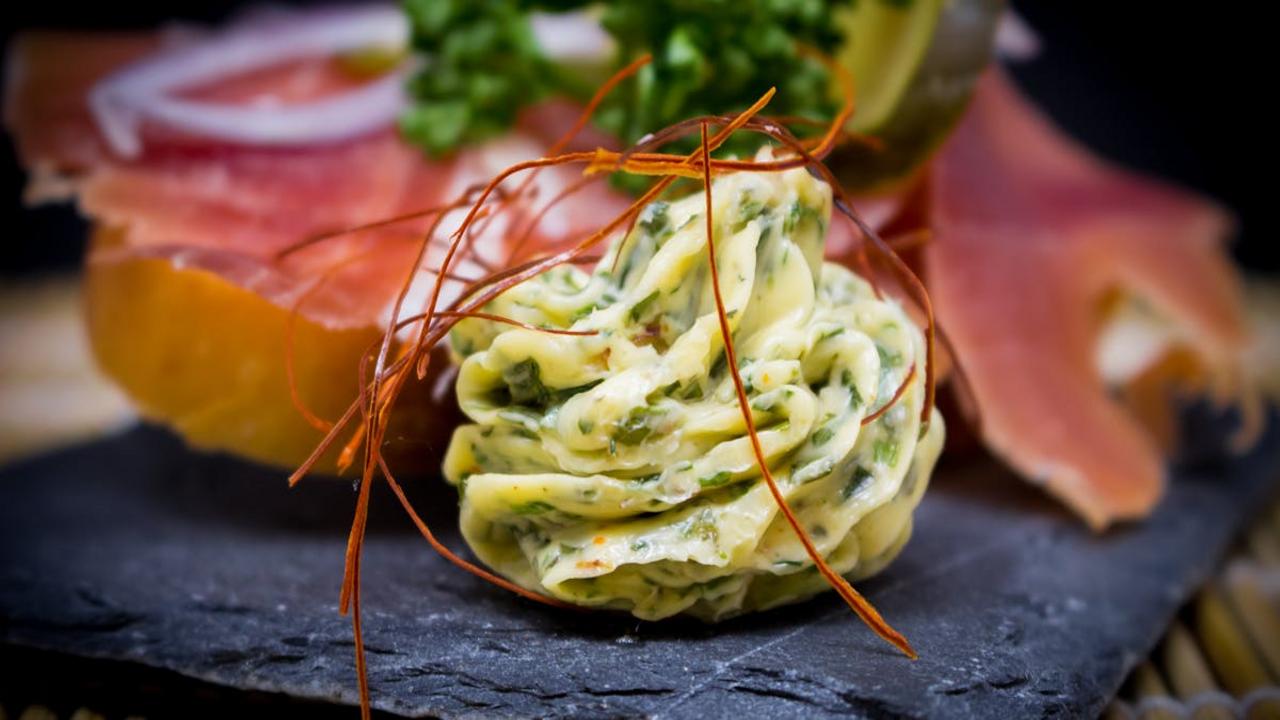
You know that moment when you’re casually browsing the spice aisle and spot a tiny glass jar labeled “saffron” with a price tag that makes you wonder if someone accidentally added extra zeros? Nope, that’s the real deal! This crimson treasure costs more per ounce than gold, and I’m not being dramatic here. We’re talking about $500 to $5,000 per pound, depending on quality. Why? Because each delicate thread comes from the flower stigmas of Crocus sativus, and you need about 150 flowers to produce just one gram. That’s some serious flower power right there, and those Persian farmers hand-pick each strand at dawn like they’re collecting fairy dust.
Here’s the kicker – you only need a pinch (literally!) to transform your entire dish. I once watched my grandmother use maybe ten threads in her paella, and the whole kitchen filled with this otherworldly aroma that was somehow floral, metallic, and honeyed all at once. Smart shoppers buy saffron in those tiny containers because a little goes incredibly far, and storing it properly means your investment lasts for years. Pro tip: always buy whole threads instead of powder – you’ll avoid the disappointment of paying premium prices for turmeric mixed with food coloring. Trust me, your risotto will thank you, and your wallet will only cry a little bit.