Restaurant Overcharged Me $40 After a 2-for-1 Special. Waiter Claimed the Bartender ‘Poured Doubles,’ So I Left No Tip.
We all understand that tipping is a customary part of dining out, a way to show our gratitude for a pleasant experience and attentive service. It’s a simple transaction of appreciation.
However, one man recently shared a story online that asks a very tricky question: what do you do when the service isn’t just bad, but downright deceptive? When a restaurant overcharges you and refuses to fix it, is withholding the tip fair game, or is it always a breach of etiquette?
The Incident
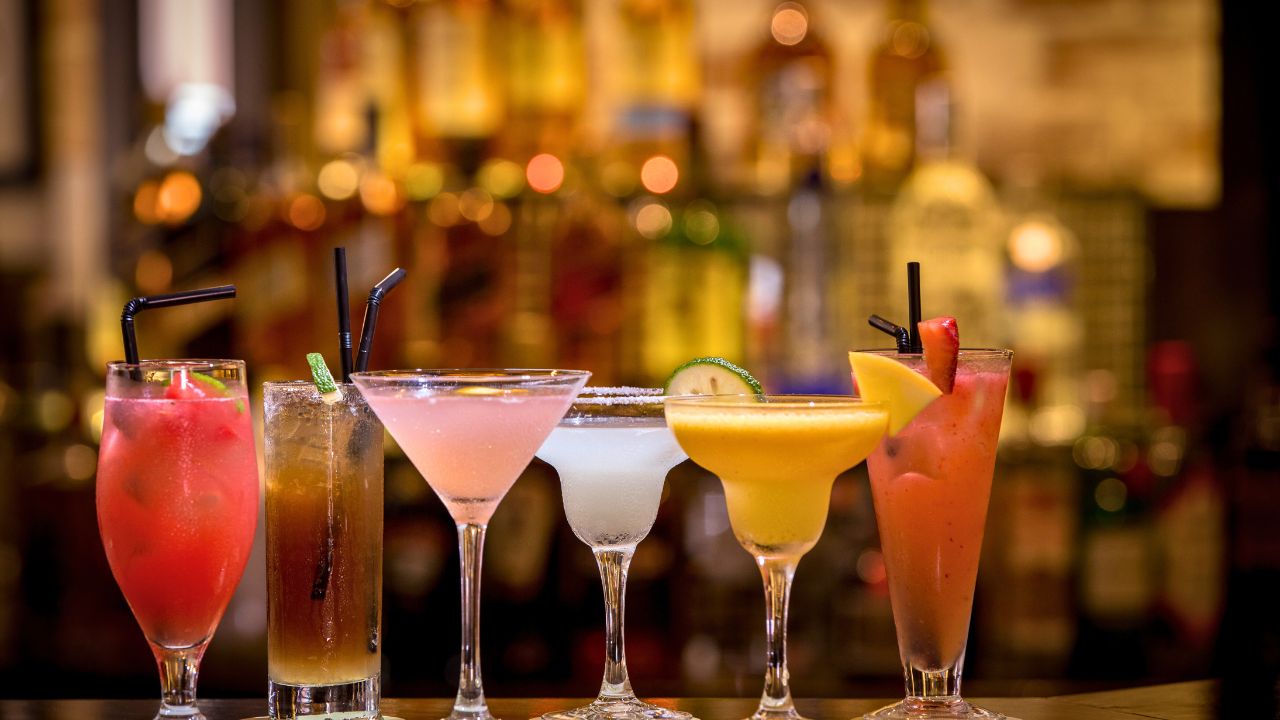
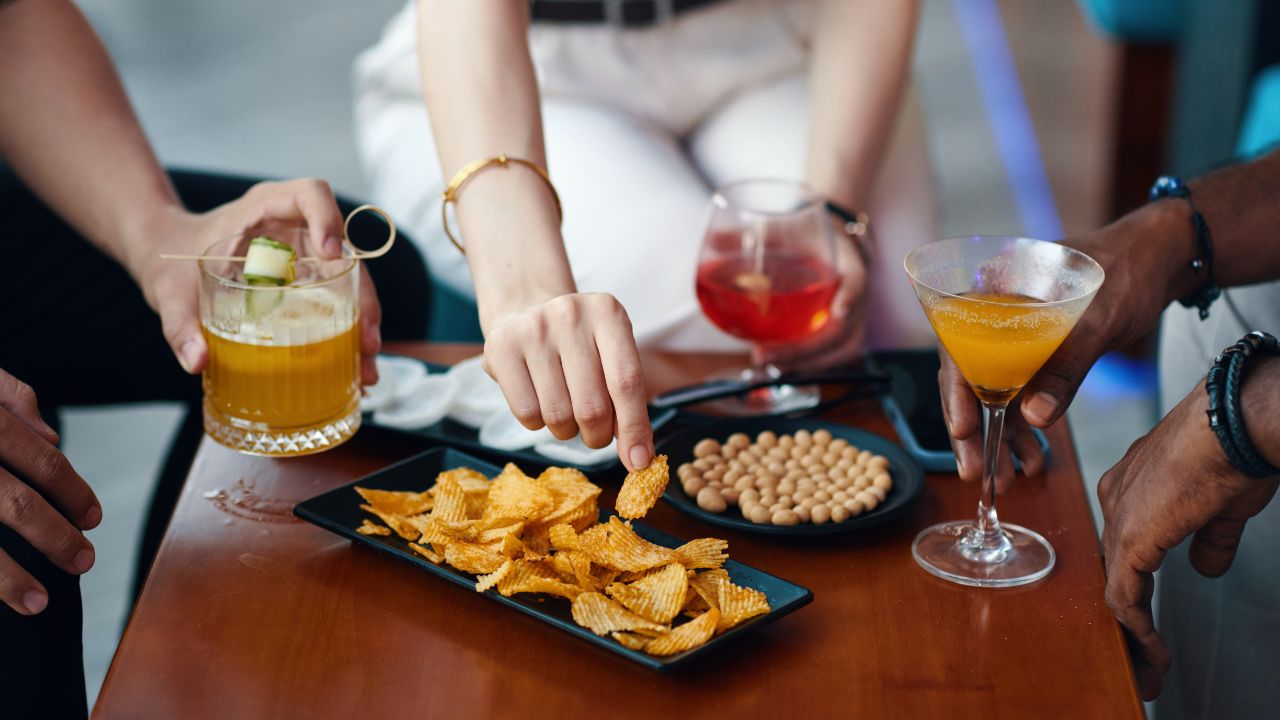
A gentleman and his girlfriend decided to enjoy a nice evening out, drawn in by a promising happy hour special: two-for-one drinks. Thinking this was a wonderful opportunity to try some of the nicer cocktails, he ordered their drinks in pairs, just as the special implied. It was supposed to be a relaxing date night, a simple pleasure that we can all appreciate.
But the mood soured when the bill arrived. Instead of the expected $100, the total was a shocking $140. The restaurant had failed to apply the two-for-one discount, resulting in a $40 overcharge. When the man politely pointed out the error to their waiter, he was met not with an apology, but with a baffling excuse.
The waiter claimed that even though the special said “2-4-1,” the bartender had been “pouring doubles” all night, so the customer had already received his money’s worth.
This explanation simply didn’t sit right. The man countered that the drinks seemed quite weak, noting, “In fact, they seemed weaker than single shots.” Still, the waiter refused to adjust the bill. Not wanting to cause a bigger scene and ruin the evening further, the man made a decision.
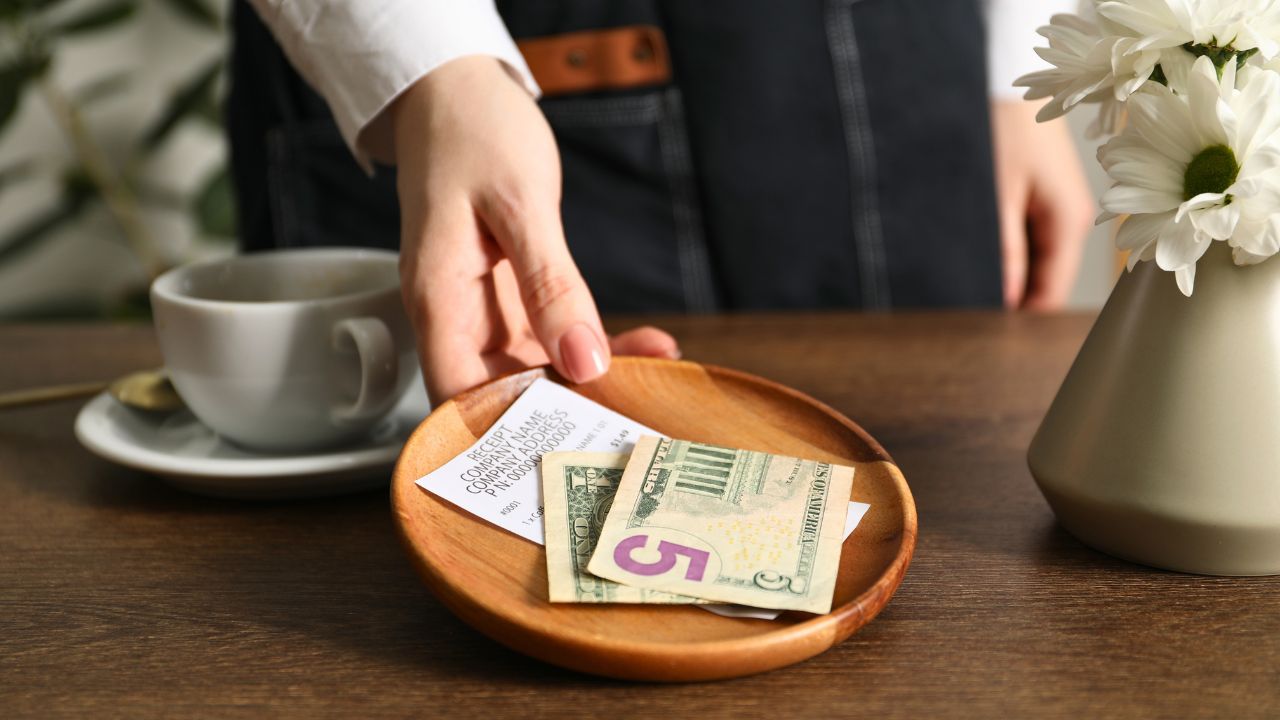
He paid the inflated bill but left no tip at all, believing the $40 overcharge more than covered it. His girlfriend, however, felt this was wrong, arguing that waiters rely on tips to make a living, regardless of the situation.
The Internet Reacts
When the man shared his story, the internet had plenty to say, with people quickly forming their own opinions on the matter.
The first and largest group was the “Absolutely Not” Crowd, who were furious on the man’s behalf. They felt the waiter’s behavior was completely out of line. One commenter, who identified as a server, wrote, “I am a server and was prepared to go off, but yeah this guy was an idiot. You should have told his boss.”
Another was more blunt about the obligation to tip, stating, “If a person takes a service job… that does not make them entitled to always get extra money when they provide poor service.” The consensus was clear: the waiter’s actions voided any expectation of a gratuity.
Then there was the “Devil’s Advocate” camp, though few people defended the waiter directly. Instead, they tried to understand the motive behind the bait-and-switch. The man’s girlfriend was the primary voice here, worried about the server’s livelihood.
Online, others speculated it was a systemic issue. “Chances are the manager is pushing this on his waiters as a way to increase the profit margins,” one person suggested. Another thought the waiter might be acting alone, trying to inflate the bill because “20% of $140 is more than 20% of $100.”
Finally, the “Petty Revenge” Crowd chimed in with what they would have done differently. Many felt the man was too passive and should have taken stronger action right then and there. “You should’ve tried to escalate this situation to a manager,” one user advised.
Another was far more assertive, declaring, “No way in hell I would’ve paid this.” Some even suggested taking the complaint to a higher authority, with one person recommending he “call the local liquor authorities/commission and complain about a false advertisement.”
The Etiquette Verdict
Let’s be perfectly clear: a tip is a reward for good service, not a mandatory fee to be paid under duress. This restaurant engaged in what sounds an awful lot like a classic bait-and-switch. They advertised a special to lure customers in and then refused to honor it with a nonsensical excuse. The waiter’s job was to correct the error, or at the very least, get a manager involved. By refusing, he failed at the most basic level of customer service.
Withholding the tip was not poor etiquette in this case; it was a direct and understandable consequence of the restaurant’s actions. You are never obligated to reward dishonest behavior. The golden rule of dining is that a business must be honest with its patrons. When they break that trust, they can’t expect you to thank them for it.
Your Thoughts
What do you think? Was withholding the tip the right way to handle the $40 overcharge, or should he have demanded to see a manager before paying the bill?