10 Budget-Friendly Hacks to Recreate Fine-Dining Meals at Home
Want to turn your kitchen into a five-star restaurant without breaking the bank? I’ve got your back! You don’t need fancy culinary school credentials or a celebrity chef’s budget to wow your dinner guests. With some simple tricks and a dash of creativity, you can transform those basic ingredients lurking in your pantry into Instagram-worthy gourmet meals.
Remember that time you paid $40 for a pasta dish you could barely pronounce? Or the steak that cost more than your monthly streaming subscriptions combined? Those restaurant markups are no joke! But here’s the good news – many high-end restaurant techniques use surprisingly affordable ingredients and methods you can master at home.
I’ve rounded up ten budget-friendly hacks that’ll make your home-cooked meals rival those fancy spots where they charge extra for bread. From making fresh pasta (way easier than it sounds!) to creating rich chocolate desserts that’ll make your friends think you’ve been secretly training with pastry chefs, these tips will revolutionize your home cooking game without demanding your entire paycheck.
Chocolate Desserts
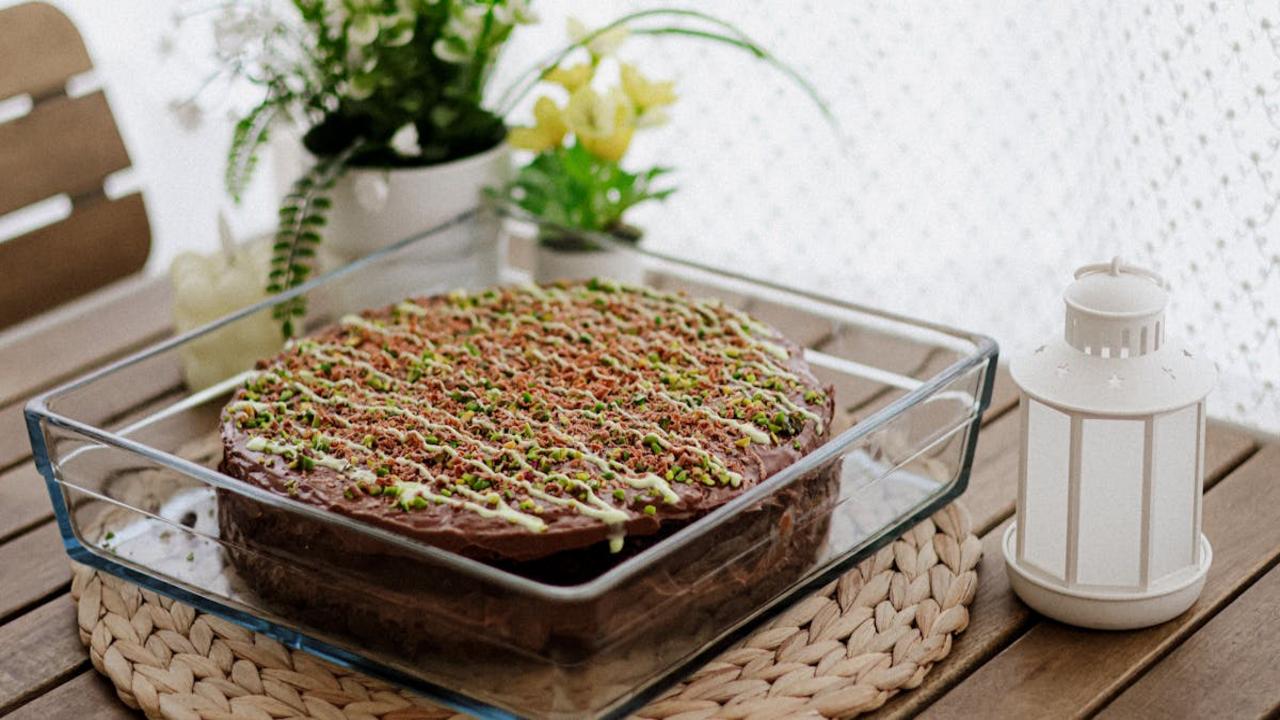
You know what separates fancy restaurant chocolate desserts from sad grocery store cake? It’s not some secret ingredient locked away in a Swiss vault—it’s all about temperature contrast and texture play. That molten chocolate cake that costs $14 at your favorite bistro? You can nail it at home with a $2 muffin tin and some butter magic. The trick is underbaking slightly and serving immediately while the center stays gloriously gooey. I once made these for a dinner party and watched grown adults literally swoon over what was essentially a glorified brownie with commitment issues.
Here’s the kicker: professional chocolatiers spend years learning to temper chocolate, but you can fake that glossy, snap-worthy finish with a simple double boiler setup using a bowl and saucepan you already own. Ganache sounds intimidating, but it’s just hot cream poured over chocolate—basically a fancy hot chocolate that forgot how to be a drink. Add a pinch of sea salt or a splash of espresso, and suddenly your humble kitchen creation rivals those $20 desserts that come with a single raspberry and a pretentious drizzle. The secret ingredient restaurants don’t want you to know? Good chocolate matters more than fancy technique, so skip the baking aisle chips and grab a decent bar.
Slow Roasted Meats
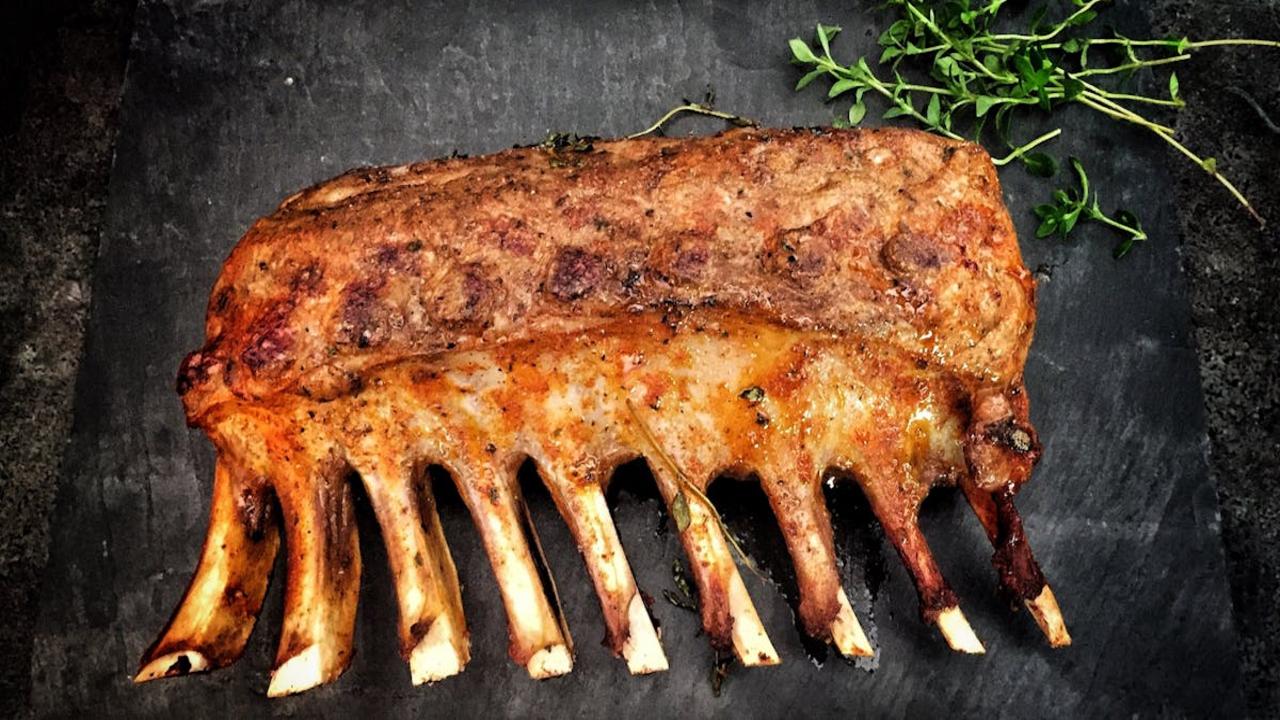
You know that magical moment when you walk into a fancy steakhouse and catch a whiff of perfectly roasted beef that makes your wallet weep? Here’s the secret those high-end restaurants don’t want you to know: slow roasting is basically the lazy person’s ticket to meat nirvana. Chuck that cheaper cut of beef, pork shoulder, or even chicken thighs into your oven at a gloriously low 275°F, and time becomes your sous chef. The beauty lies in the fact that tougher, more affordable cuts actually benefit more from this gentle treatment than their expensive cousins – the collagen breaks down into silky gelatin, creating that melt-in-your-mouth texture that makes people think you’ve got Michelin-star skills.
Here’s where it gets fun: slow roasting is so forgiving that you could probably set it and forget it while binge-watching an entire Netflix series (though maybe check on it during commercial breaks if you’re feeling responsible). A three-pound pork shoulder that costs a fraction of a tenderloin will transform into something so tender you can shred it with a fork, while a humble chuck roast becomes restaurant-worthy prime rib’s cooler, more approachable sibling. The best part? Your house will smell like a five-star restaurant for hours, and your neighbors will start mysteriously appearing at your door around dinner time. Season generously, add some herbs, maybe throw in some root vegetables, and watch cheap cuts become the star of your dinner party.
Gourmet Soups
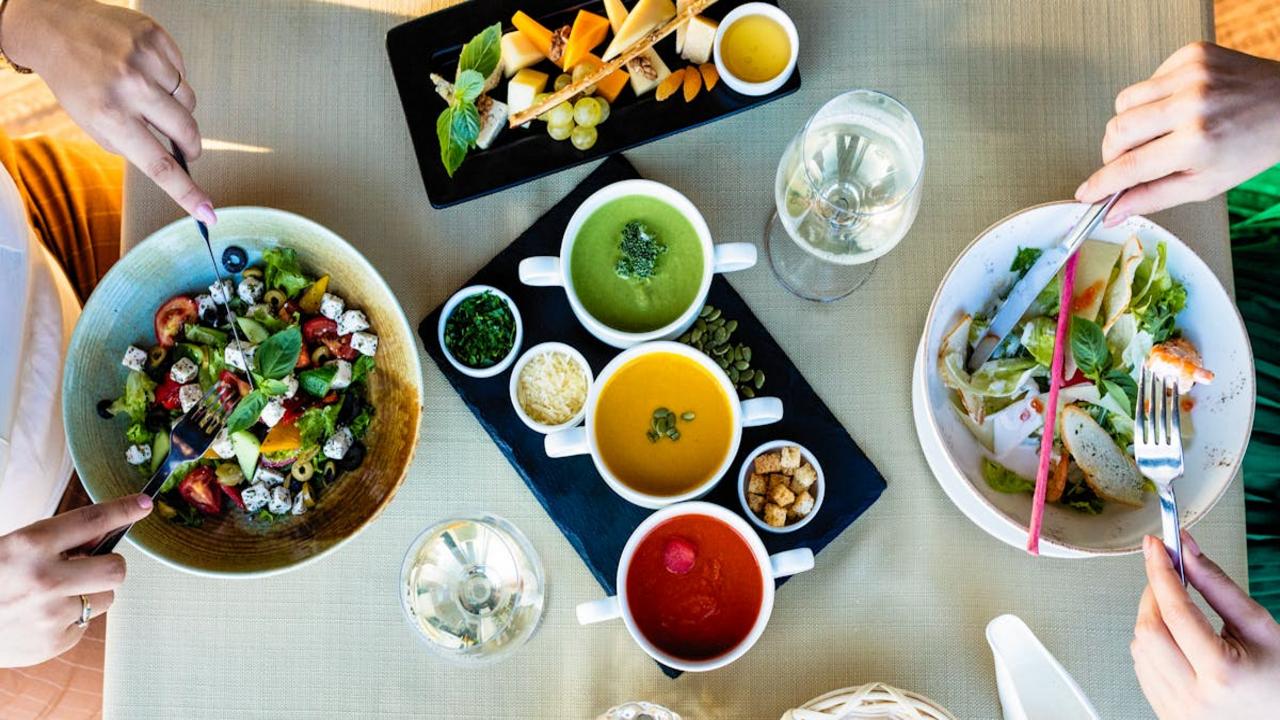
You know what separates fancy restaurant soups from your average Campbell’s can? It’s not some secret chef magic or ingredients that cost more than your rent—it’s all about building layers of flavor like you’re constructing a delicious edible skyscraper. Start with a proper base by roasting your bones (if making stock) or caramelizing your vegetables until they’re golden brown and smell like heaven decided to open a kitchen. Here’s a fun fact: the French have a term called “fond,” which literally means “foundation,” referring to those beautiful brown bits stuck to your pan after sautéing. Those crusty little flavor bombs are pure gold, so deglaze that pan with wine or stock and scrape up every last bit. Your soup will thank you by tasting like it came from a restaurant that charges thirty dollars for a bowl.
The real secret weapon in your soup arsenal? Time and patience, plus a few sneaky tricks that’ll make your guests think you’ve been secretly attending culinary school. Add a parmesan rind to any vegetable soup for instant umami depth, or drop in a splash of cream and a knob of butter at the end for restaurant-level richness. Want to feel fancy? Blend half your soup and leave the rest chunky for texture contrast, then garnish with something unexpected like toasted seeds, herb oil, or even a dollop of Greek yogurt swirled with honey. I once turned leftover roasted vegetables into a soup so good that my neighbor literally knocked on my door asking what smelled so incredible. The best part? The whole thing cost me less than eight dollars to make, and it fed four people generously.
Handmade Pizza
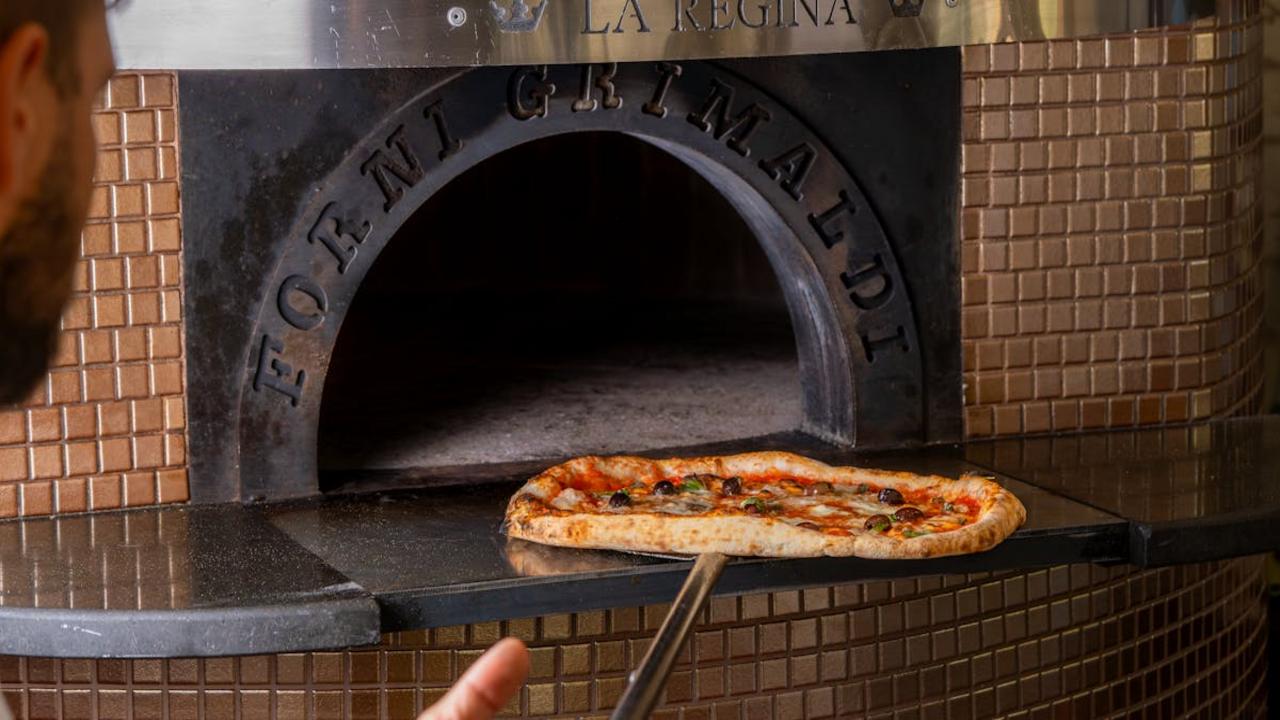
You know that moment when you’re scrolling through Instagram at 11 PM and suddenly your feed is flooded with those impossibly perfect Neapolitan pizzas from that trendy spot downtown? The ones with the leopard-spotted crusts and buffalo mozzarella that costs more than your monthly Netflix subscription? Well, here’s a secret that would make those fancy pizzaiolos weep into their San Marzano tomatoes: you can create restaurant-quality pizza at home for about the same price as a sad frozen disc from the grocery store. The magic isn’t in some ancient Italian grandmother’s secret recipe passed down through generations—it’s in understanding that great pizza starts with time, not money. Your basic flour, water, salt, and yeast combo transforms into something extraordinary with just 24 hours of patience and a screaming hot oven.
Here’s where things get deliciously sneaky: you don’t need a $3,000 wood-fired oven to achieve pizza perfection. Crank your regular oven to its maximum temperature (usually around 500°F), slide in a pizza stone or even an upside-down baking sheet, and watch the magic happen. The key is creating intense heat that mimics those professional ovens that reach temperatures hot enough to melt your eyebrows off. Pro tip from someone who learned this the hard way: less is absolutely more when it comes to toppings. That Instagram-worthy pizza with seventeen different ingredients? It’s a soggy disaster waiting to happen. Stick to high-quality basics—good tomato sauce, fresh mozzarella, a drizzle of olive oil, and maybe some fresh basil if you’re feeling fancy. Your homemade creation will have that perfect char on the bottom, bubbly cheese on top, and the kind of satisfaction that comes from knowing you just saved $25 while creating something infinitely better than delivery.
Caramelized Vegetables
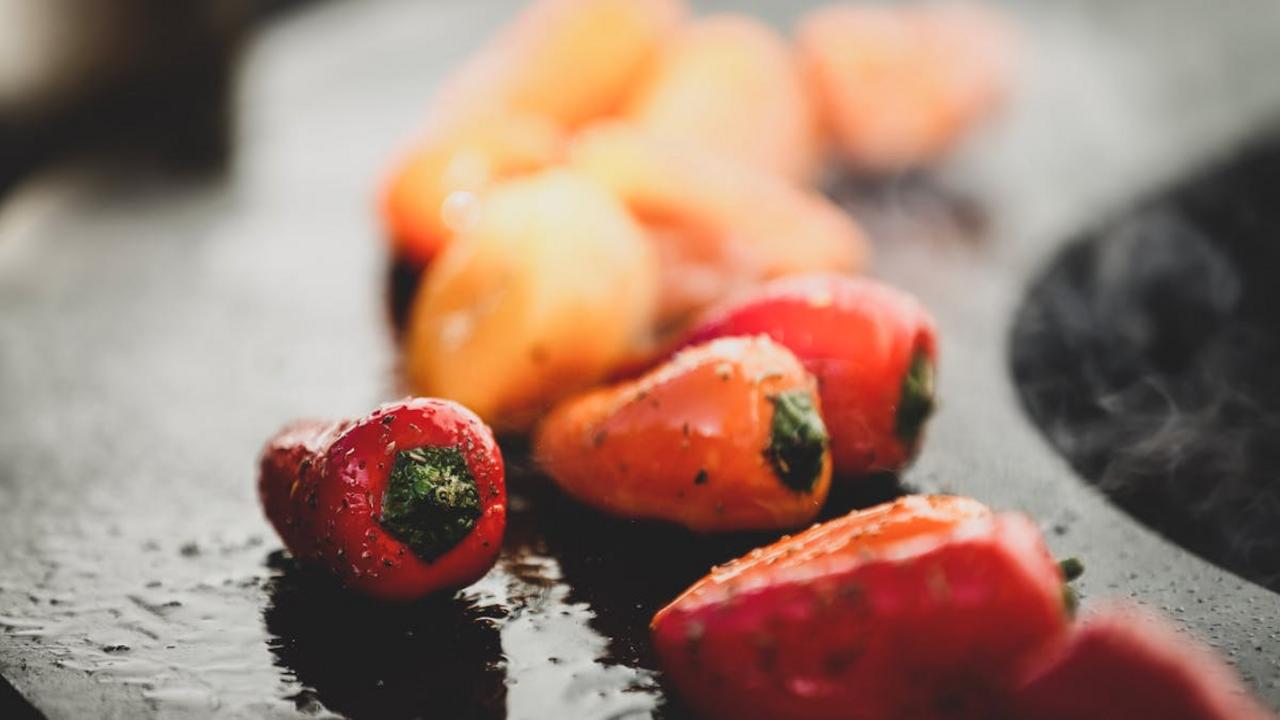
Listen, I used to think caramelized vegetables were just fancy restaurant nonsense until I discovered the magic happens when you stop babying your produce and let time work its sweet, sweet magic. The secret isn’t some mysterious chef technique—it’s patience and a hot pan. When you cook onions, carrots, or Brussels sprouts low and slow, their natural sugars transform into golden, jammy perfection that makes your kitchen smell like a five-star establishment. I remember the first time I properly caramelized onions; I stood there mesmerized as they went from sharp and pungent to candy-like and mellow, thinking I’d accidentally discovered alchemy.
The beauty of caramelization lies in its simplicity and versatility. Throw some sliced onions in a pan with butter, add a pinch of salt, and let them cook for thirty minutes while you binge-watch your favorite show. Those same onions that cost you fifty cents will taste like they belong on a $40 steak. Root vegetables like parsnips and carrots become dessert-worthy when roasted until their edges turn golden and slightly crispy. Fun fact: the Maillard reaction responsible for this magic happens at around 280°F, which is why patience beats high heat every time. Once you master this technique, you’ll find yourself adding caramelized vegetables to everything from scrambled eggs to pizza, turning ordinary meals into restaurant-quality experiences.
Seafood Risotto
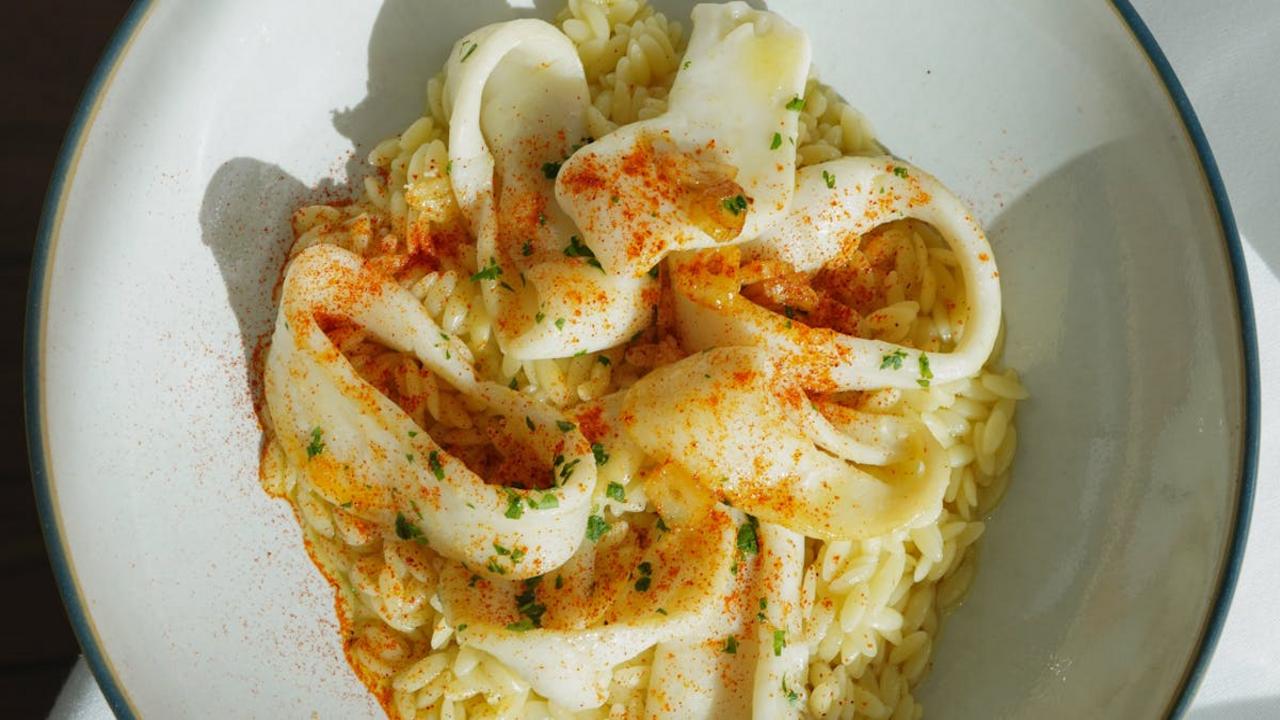
You know what makes restaurant seafood risotto cost $35? Those gleaming prawns lounging on top like they’re sunbathing in Monaco. But here’s your secret weapon: frozen mixed seafood from the grocery store freezer section. I’m talking about those humble bags of baby shrimp, calamari rings, and mussel meat that cost less than a fancy coffee drink. Toast your arborio rice in butter (not olive oil – butter makes everything better), then gradually add warm fish stock while stirring like you’re conducting a very important orchestra. The key? Don’t rush it. Each ladleful of stock needs to be absorbed before the next one joins the party.
Here’s where you get sneaky: buy one fresh scallop per person and sear it golden for the grand finale presentation. Nobody will notice that the supporting cast came from the freezer aisle when that beautiful scallop takes center stage. Add a splash of white wine (or whatever’s open in your fridge), finish with parmesan and a squeeze of lemon, then crown each bowl with your show-stopping scallop. Fun fact: Italians actually prefer their risotto slightly al dente, not creamy soup consistency like most restaurants serve. Your guests will think you spent hours at the fish market when really you just mastered the art of strategic shopping and patient stirring.
Pan Seared Steaks
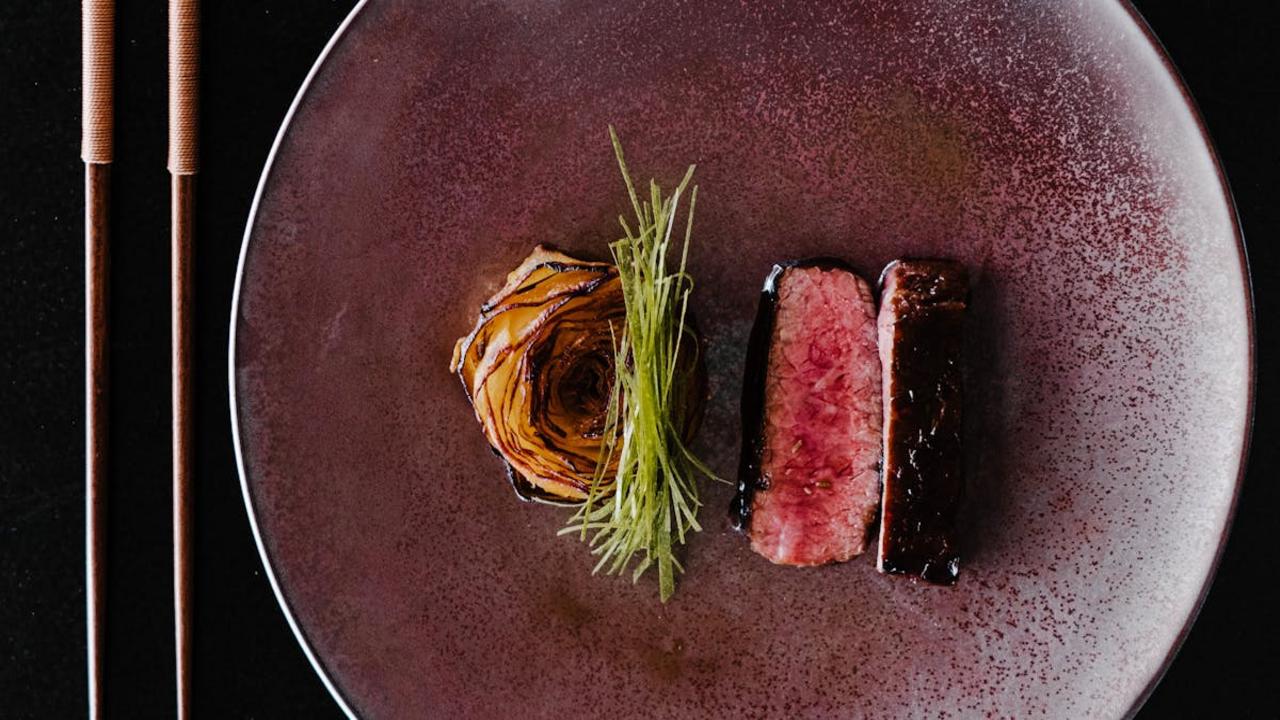
You know that moment when you walk past a fancy steakhouse and catch a whiff of perfectly seared beef that makes your wallet weep? Well, grab your favorite cast iron pan because I’m about to blow your mind with this little secret: restaurant-quality steaks don’t require a culinary degree or a second mortgage. The magic happens right in your kitchen with a technique so simple it’ll make you question why you ever paid $45 for a ribeye. Here’s the kicker – most restaurants use the exact same method I’m about to share, except they charge you triple and make you wear pants that aren’t sweatpants.
Start with room temperature steaks (patience, grasshopper!), season them generously with salt and pepper about 30 minutes before cooking, then heat your cast iron pan until it’s smoking hot – we’re talking surface-of-the-sun hot here. Sear those beauties for 2-3 minutes per side, then finish them in a 400°F oven while you make a quick pan sauce with butter, garlic, and fresh herbs. Fun fact: the Maillard reaction that creates that gorgeous brown crust happens at exactly 280°F, which is why your pan needs to be screaming hot. Your kitchen might get smoky, your smoke alarm might have opinions, but trust me – that’s just the sound of deliciousness being born.
Wine Based Sauces
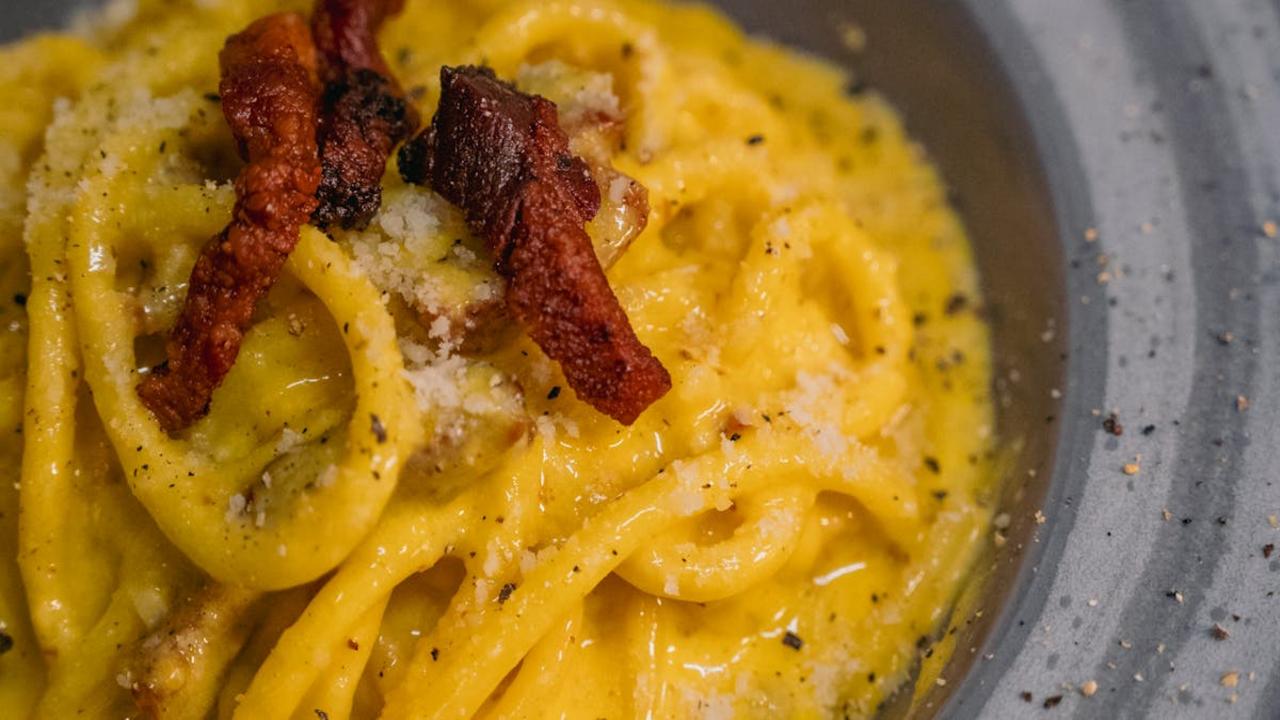
You know what separates fancy restaurants from your Tuesday night pasta routine? Wine-based sauces that make you question everything you thought you knew about flavor. Here’s the secret they don’t want you to know: these magical elixirs don’t require a sommelier’s salary or a degree in French cooking. A decent bottle of wine (and by decent, I mean anything that doesn’t come with a screw cap and cost less than your morning coffee) can transform your humble chicken breast into something that would make Gordon Ramsay weep tears of joy. The alcohol cooks off, leaving behind concentrated flavor compounds that make your regular pan drippings look like dishwater.
Start with a simple pan sauce: after cooking your protein, throw some minced shallots into the same pan, add half a cup of wine, and watch the magic happen as it reduces to syrupy perfection. Red wine pairs beautifully with beef and creates this gorgeous burgundy sauce that looks like liquid velvet, while white wine transforms into golden silk that makes fish and chicken sing opera. Fun fact: the French have been doing this for centuries, and they didn’t become the world’s most pretentious food snobs by accident. Add a pat of butter at the end, swirl it around like you’re conducting a tiny orchestra, and suddenly your $3 chicken thighs taste like they cost $30 at a bistro.
Homemade Pasta
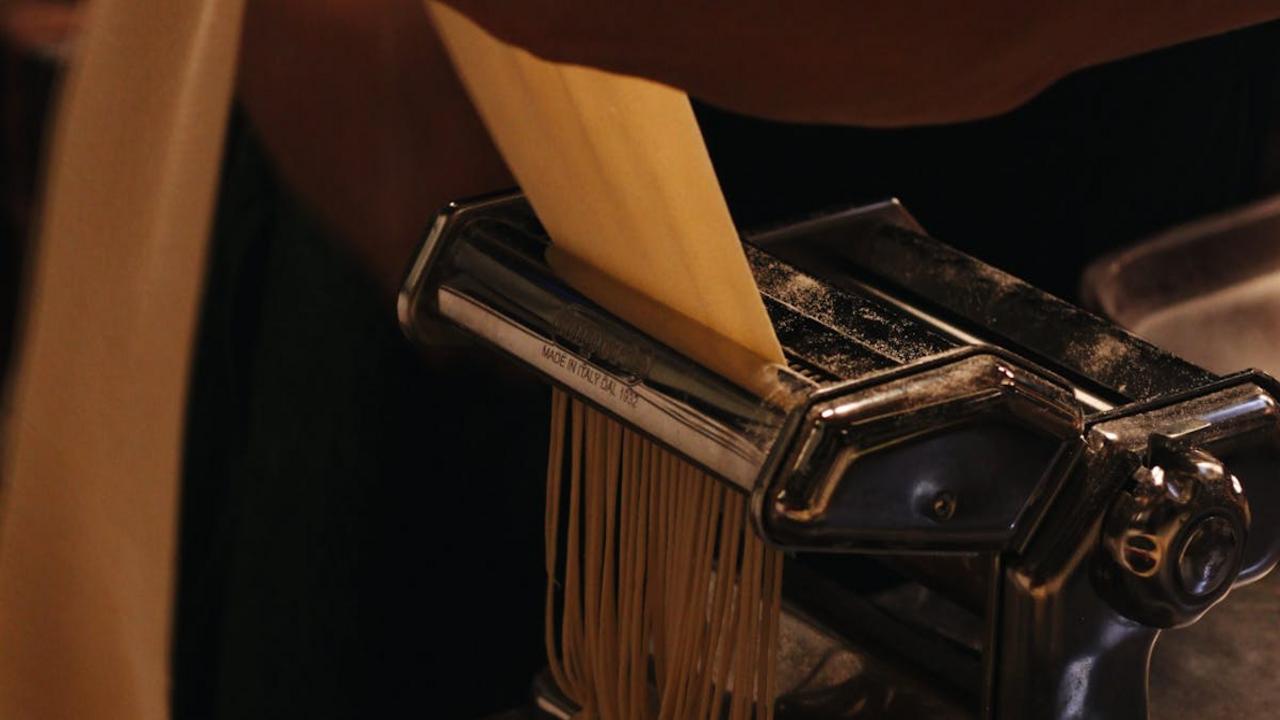
You know that moment when you’re staring at a $28 pasta dish on a restaurant menu and thinking, “It’s literally flour and eggs”? Well, grab your rolling pin because I’m about to blow your mind with the simplest kitchen magic trick ever. Making pasta from scratch costs pennies compared to restaurant prices, and here’s the kicker – it takes just four ingredients: flour, eggs, a pinch of salt, and a splash of olive oil. The Italians have been doing this dance for centuries, and fun fact: the average Italian household makes fresh pasta at least once a week. No fancy gadgets required – your hands and a clean counter are all you need to create silky ribbons of perfection.
The best part? Fresh pasta cooks in literally two minutes, compared to the eight to twelve minutes for dried stuff from a box. This means you can whip up fettuccine faster than you can say “expensive restaurant markup.” Start with a simple 3:2 ratio – three cups flour to two eggs – and watch as the dough transforms from shaggy mess to smooth, elastic heaven under your hands. Roll it thin (think credit card thickness), cut into whatever shape makes your heart sing, and toss it straight into boiling salted water. Pro tip: save some pasta water – that starchy gold will make your sauce cling like it’s getting paid to do so. Your wallet and your dinner guests will thank you for this ridiculously simple upgrade.
Fresh Herbs and Garnishes
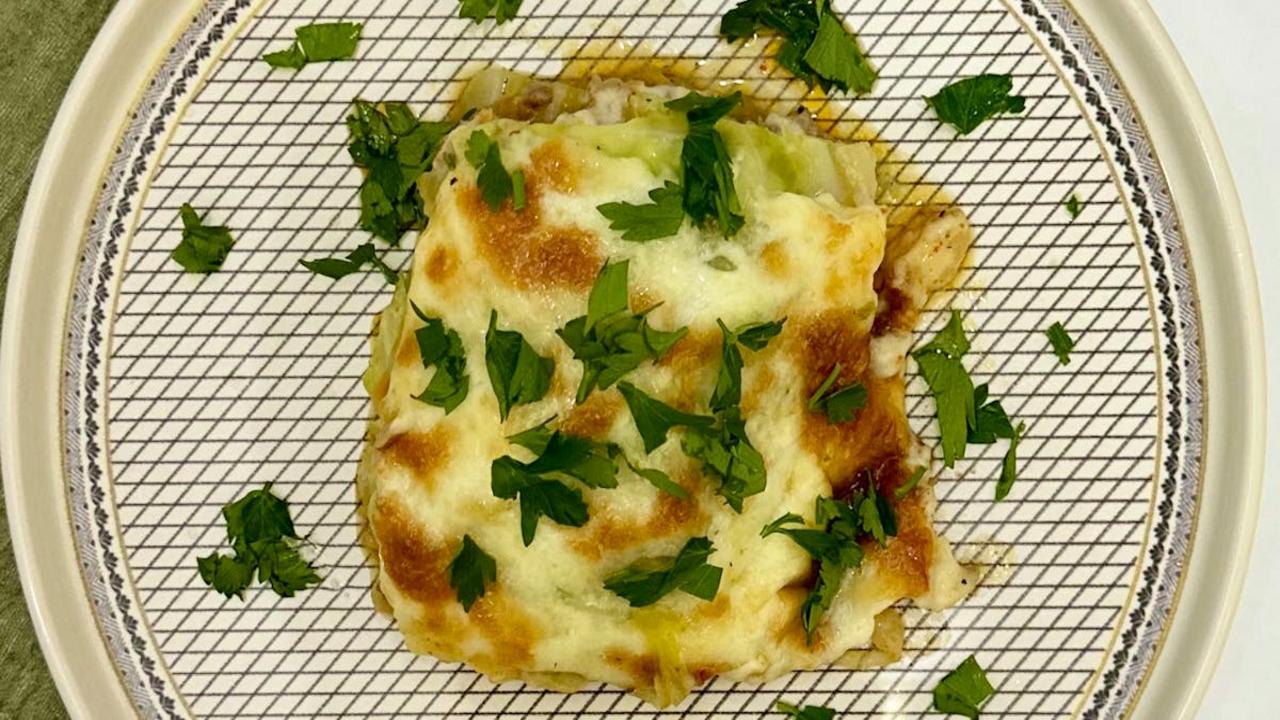
You know what separates your Tuesday night pasta from a $40 restaurant dish? Those delicate microgreens perched on top like tiny green confetti! Fresh herbs and garnishes are basically the jewelry of the food world – they make everything sparkle without breaking the bank. I once watched a chef transform my sad-looking scrambled eggs into Instagram-worthy perfection by sprinkling chives and paprika on top. The eggs tasted exactly the same, but suddenly I felt fancy enough to drink orange juice from a wine glass. Growing your own herb garden on a windowsill costs less than one fancy dinner out, and you’ll have enough basil, cilantro, and parsley to garnish your way through months of home cooking adventures.
The secret lies in understanding that restaurants don’t use magic – they just know how to make ordinary food look extraordinary. A simple sprinkle of fresh dill can turn your homemade salmon into something that belongs in a cookbook photoshoot. Even the most basic garnishes work wonders: a swirl of olive oil, a few pomegranate seeds, or strategically placed herb leaves can fool anyone into thinking you spent hours perfecting your presentation. Pro tip from my grandmother, who could make canned soup look like fine dining: always add color contrast and height to your plates. She’d scatter edible flowers (yes, you can buy them at grocery stores now!) on everything from salads to desserts, proving that beauty doesn’t require a culinary degree – just a little creativity and confidence.