14 Long-Lasting Foods You’ll Want to Stockpile in Your Pantry
Picture this: you’re standing in your pantry at 2 AM, stomach growling, staring at empty shelves like they’ve personally betrayed you. We’ve all been there! Building a rock-solid pantry arsenal isn’t just smart—it’s your ticket to never facing that midnight food desert again.
These fourteen pantry superheroes will outlast your last relationship and probably your next one too. From honey that could survive the apocalypse (seriously, archaeologists found edible honey in Egyptian tombs!) to dried beans that laugh in the face of expiration dates, these foods are the reliable friends your kitchen desperately needs.
Think of this list as your edible insurance policy. While fresh produce comes and goes faster than weekend plans, these shelf-stable champions stick around through thick and thin. Stock up now, and future-you will thank present-you when dinner inspiration strikes at the most inconvenient moments possible.
Dried Pasta
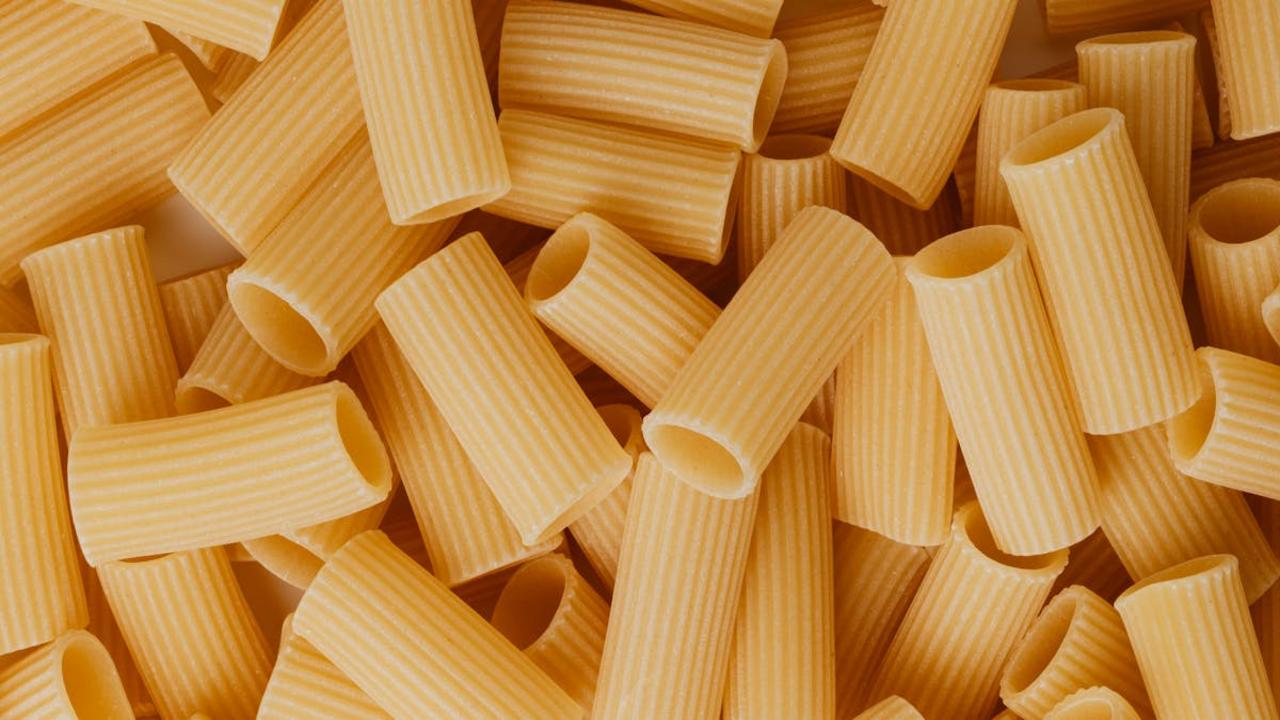
You know that moment when you open your pantry at 9 PM, completely defeated by the day, and suddenly spot that trusty box of penne sitting there like a carbohydrate superhero? Dried pasta doesn’t judge your life choices or demand fancy ingredients – it just wants to transform into dinner with whatever random stuff you’ve got lurking in your fridge. This Italian gift to humanity can sit happily in your pantry for two to three years, which means you could theoretically survive the apocalypse on spaghetti alone (though I wouldn’t recommend telling your nutritionist about this plan). The magic happens because pasta makers remove nearly all moisture during production, creating these golden, shelf-stable tubes and twirls that laugh in the face of time.
Here’s something that’ll blow your mind: Americans consume about 6 billion pounds of pasta annually, which breaks down to roughly 20 pounds per person – we’re basically a nation of pasta-powered humans! The beauty of dried pasta lies in its chameleon-like personality; it transforms completely depending on what you pair it with. Monday night calls for simple aglio e olio with garlic and olive oil, Tuesday demands a robust marinara, and by Wednesday you’re throwing leftover roasted vegetables and whatever cheese survived the weekend into the mix. Keep different shapes on hand because, contrary to what your college self believed, not all pasta shapes are created equal – those ridges on rigatoni aren’t just for show, they’re tiny sauce-catching highways that make every bite more delicious.
Canned Pumpkin
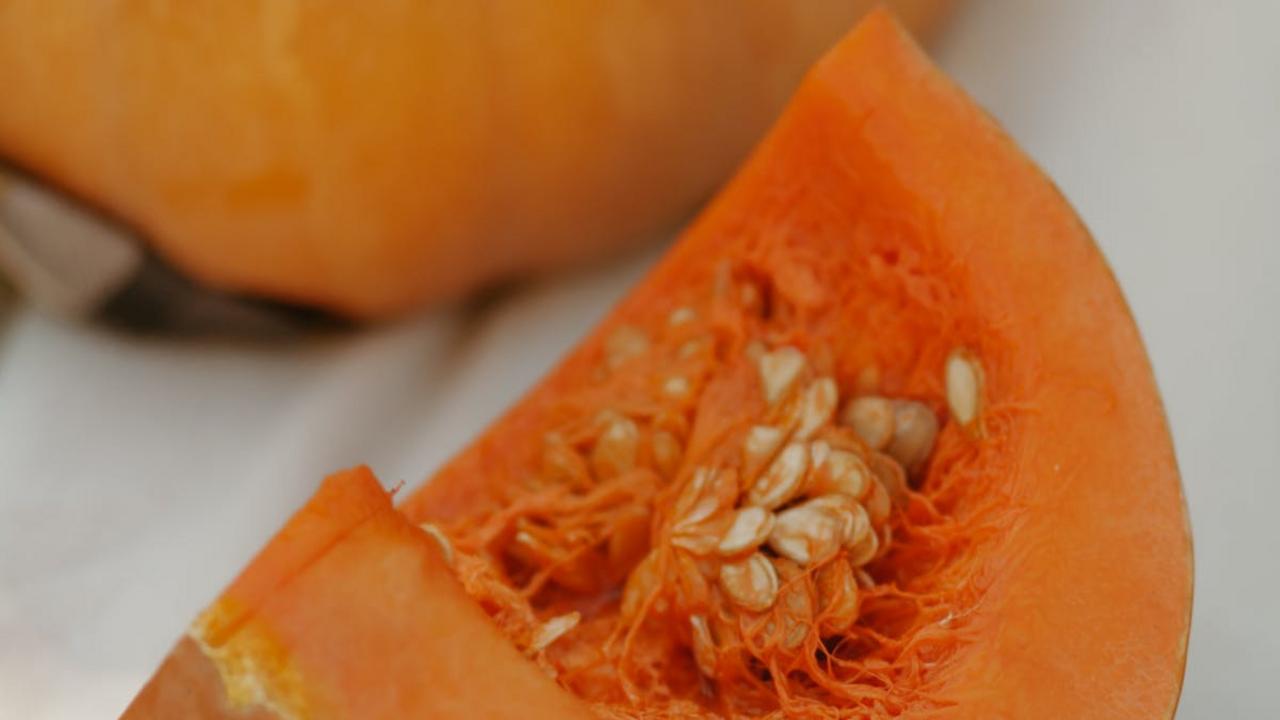
Here’s your secret weapon for year-round autumn magic: canned pumpkin! This orange superhero sits quietly on your shelf for up to five years, just waiting to transform your kitchen into a cozy wonderland. I keep at least six cans stashed away because nothing beats the panic of wanting pumpkin pancakes in July and discovering you’re fresh out. The beauty of canned pumpkin lies in its versatility – you can whip up everything from creamy soups to decadent cheesecakes, and it’s actually more consistent than fresh pumpkin (which can be watery and unpredictable, like that friend who always cancels plans last minute).
Fun fact: most “pumpkin” in cans isn’t actually pumpkin at all – it’s usually Dickinson squash, which tastes better and has a smoother texture than traditional jack-o’-lantern pumpkins. Smart move, food industry! Mix a can with Greek yogurt, cinnamon, and maple syrup for an instant dessert dip that’ll make you forget store-bought treats exist. Or fold it into your morning oatmeal with some pecans and brown sugar for breakfast that tastes like pie but won’t make your pants too tight. The fiber content will keep you satisfied for hours, and the beta-carotene gives your skin that healthy glow year-round.
Powdered Milk
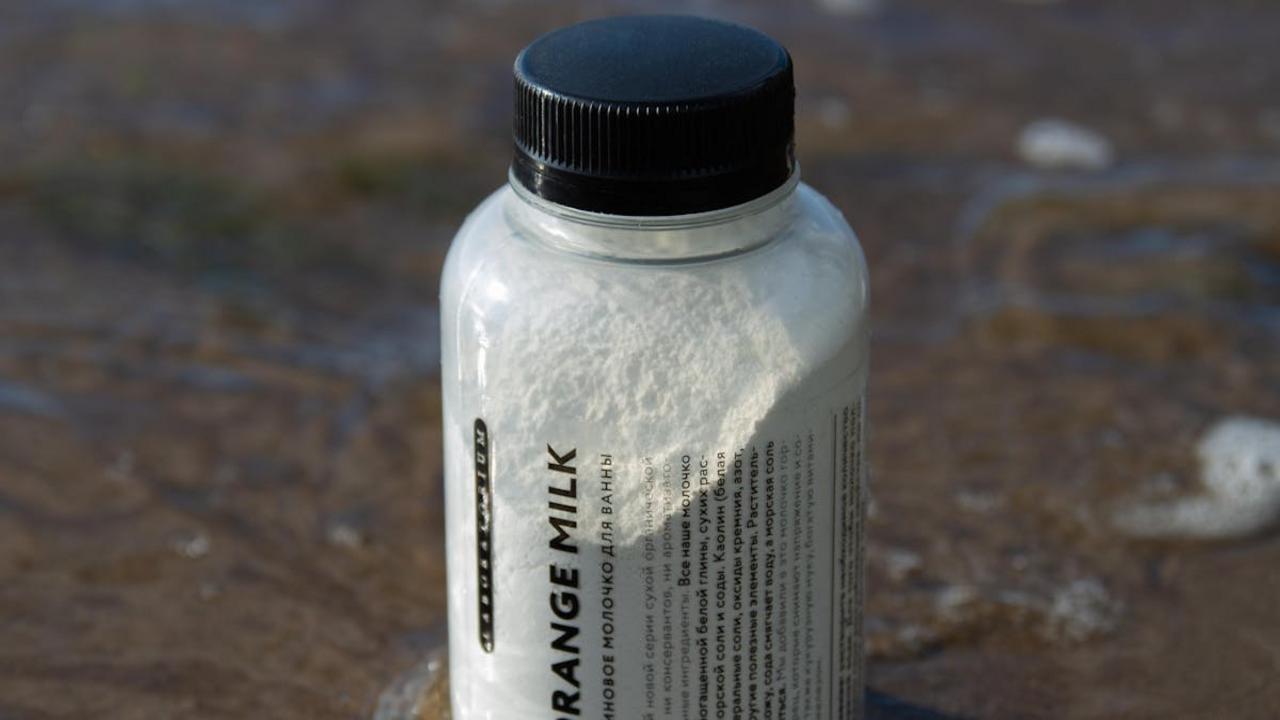
Picture this: you’re standing in your kitchen at 7 AM, desperately craving cereal, only to discover your milk carton contains nothing but regret and that sour smell of disappointment. Enter powdered milk, the unsung hero of breakfast emergencies and apocalypse preparation alike! This chalky white powder transforms into surprisingly decent milk with just a splash of water and some vigorous whisking. Sure, it won’t win any taste contests against fresh dairy, but it’ll save your morning coffee from becoming a tragic black affair. The best part? This stuff laughs in the face of expiration dates, sitting pretty in your pantry for up to 20 years when stored properly.
Don’t underestimate this humble powder’s versatility beyond emergency cereal salvation. Bakers absolutely swear by powdered milk for creating rich, tender breads and pastries because it adds protein and helps with browning without the extra liquid that fresh milk brings. You can sneak it into soups for extra creaminess, blend it into smoothies for protein power, or even make your own evaporated milk by mixing it with less water than the package suggests. Pro tip: buy the whole milk powder version rather than skim – your taste buds will thank you later. Store it in airtight containers away from light and heat, and you’ll have a dairy backup plan that puts even the most prepared Boy Scout to shame.
Popcorn Kernels

Here’s something that’ll make you feel like a prepping genius without breaking the bank: popcorn kernels! These tiny golden nuggets can sit in your pantry for literally years – we’re talking 10 to 15 years if stored properly – and still pop into fluffy, satisfying snacks faster than you can say “movie night.” I keep mine in airtight containers because moisture is popcorn’s biggest enemy, and trust me, nobody wants to bite into a sad, chewy kernel that forgot how to pop. The beauty of these little powerhouses lies in their simplicity: just heat, oil, and a covered pot, and boom – you’ve got entertainment food that costs pennies per serving.
What blows my mind about popcorn is that each kernel contains a tiny drop of water that turns to steam and literally explodes the starch inside when heated to around 400°F – it’s like having miniature fireworks in your kitchen! Beyond the obvious movie marathon applications, I’ve discovered that popcorn kernels are surprisingly versatile: you can season them with everything from nutritional yeast and garlic powder to cinnamon sugar, or even grind them into cornmeal for baking. Plus, popcorn is actually a whole grain packed with fiber and antioxidants, so you can feel slightly less guilty about that third bowl while binge-watching your favorite show. Keep a few pounds of these shelf-stable gems around, and you’ll never be without a quick snack that satisfies both your hunger and your need for something fun to munch on.
Molasses
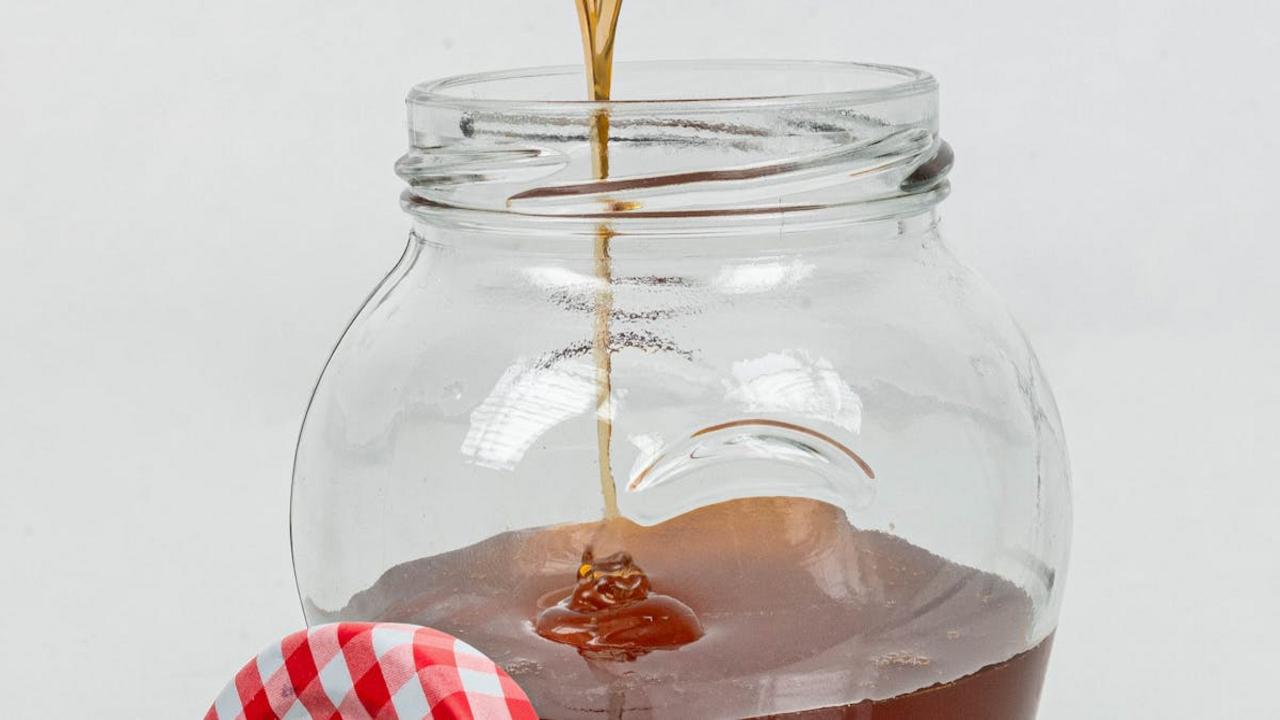
Picture this: you’re digging through your great-grandmother’s pantry and discover a dusty jar of molasses that’s older than disco music—and guess what? It’s still perfectly good to eat! This thick, dark syrup laughs in the face of expiration dates, staying fresh for literally decades when stored properly. Molasses is basically the superhero of sweeteners, created when sugar cane gets processed and all the good stuff (minerals, vitamins, and that distinctive robust flavor) gets concentrated into liquid gold. While other sweeteners throw tantrums and crystallize or go rancid, molasses just sits there being awesome, ready to spring into action whenever you need it.
Here’s where molasses gets really fun—it’s like the Swiss Army knife of your baking arsenal. You can whip up gingerbread cookies that’ll make your neighbors weep with joy, create barbecue sauce that puts store-bought versions to shame, or even use it as a secret weapon in savory dishes like baked beans or glazed ham. The sulfured variety packs more punch and works great for robust recipes, while unsulfured molasses plays nice in delicate desserts. Pro tip: if your molasses gets thick enough to double as cement (which happens sometimes), just warm the jar in hot water and watch it transform back into pourable perfection. Keep a jar stashed away, and you’ll always have backup for those midnight baking emergencies!
Bouillon Cubes
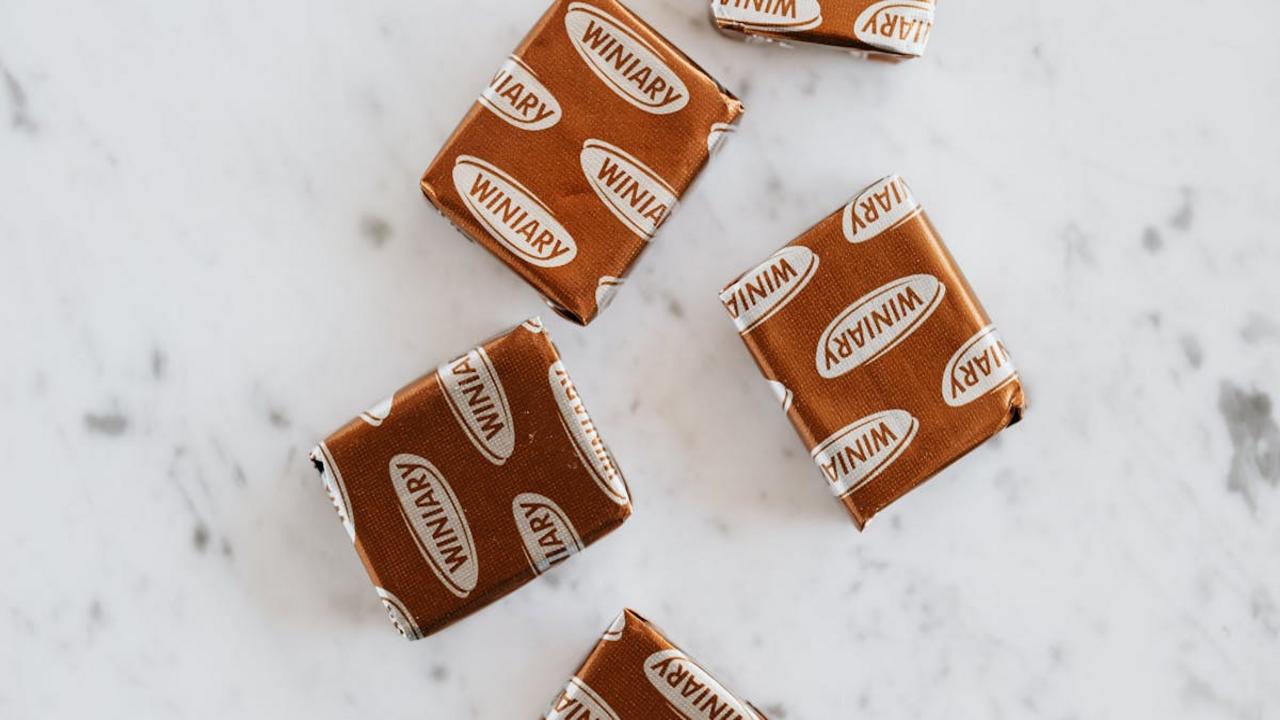
Those tiny, concentrated flavor bombs sitting quietly in your pantry are basically the MacGyver of the food world—small, unassuming, yet capable of transforming water into liquid gold. Bouillon cubes pack an incredible punch, turning boring rice into pilaf paradise or rescuing that sad pot of vegetables from flavorless doom. I keep a stash of these salty squares because they laugh in the face of expiration dates, staying good for years while maintaining their ability to make everything taste like it came from a fancy restaurant kitchen. Plus, they take up less space than a deck of cards but deliver more flavor than a whole spice cabinet.
Here’s what makes bouillon cubes your pantry’s secret weapon: they’re ridiculously versatile and practically indestructible. Drop one into boiling water for instant broth, crumble half a cube over roasted potatoes for umami magic, or mix one with butter to create the most addictive compound butter your bread has ever met. The French have been obsessing over these concentrated flavor cubes since the 1860s, and honestly, they were onto something brilliant. Stock up on chicken, beef, and vegetable varieties—they’ll survive apocalypses, power outages, and that weird phase where you only eat cereal for dinner, ready to transform any meal from “meh” to “more please!”
Cornstarch
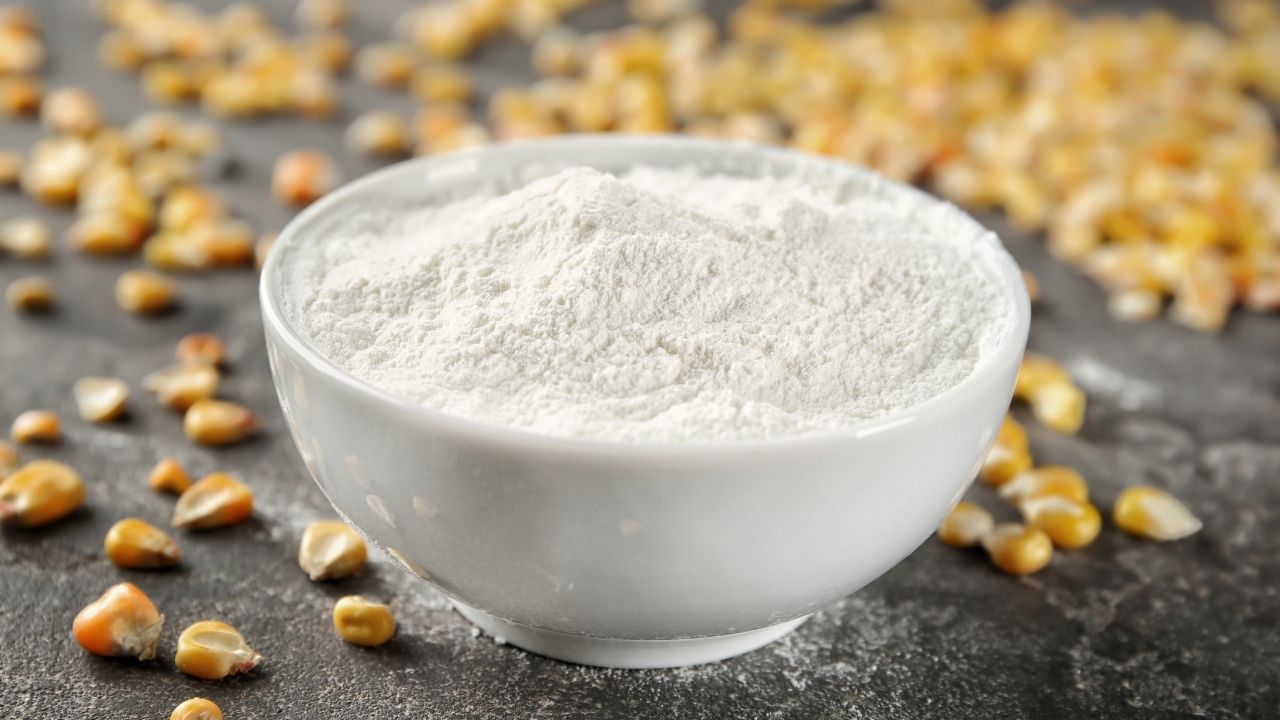
Meet cornstarch, the unsung hero of your pantry that’s been quietly sitting there since you bought it for that one recipe three years ago. This fine white powder might look innocent, but it’s basically the superhero of thickening agents—with a shelf life that’ll outlast your gym membership and probably your car warranty too. We’re talking decades here, people! As long as you keep it dry and away from moisture, cornstarch will be ready to spring into action whenever you need it. I once found a container in my grandmother’s pantry that was older than my youngest cousin, and it still worked perfectly for making gravy.
Beyond its legendary staying power, cornstarch is like that reliable friend who shows up for everything—from thickening soups and sauces to creating the crispiest fried chicken coating you’ve ever dreamed of. Mix it with cold water first (never hot, unless you want lumpy disappointment), and watch it transform your watery disasters into silky perfection. But here’s where it gets fun: cornstarch isn’t just for cooking. You can use it to make homemade play dough, remove grease stains, and even create that weird non-Newtonian fluid that acts like both liquid and solid. Stock up on this magical powder—your future self will thank you when you’re whipping up perfect gravies while everyone else is crying over their lumpy mistakes.
Instant Coffee
Listen, I know what you’re thinking—instant coffee is the villain of the coffee world, right? Wrong! This freeze-dried miracle worker deserves a spot in your pantry hall of fame. With a shelf life that laughs in the face of time (we’re talking 10-20 years if stored properly), instant coffee becomes your caffeinated superhero during power outages, camping disasters, or those mornings when your fancy espresso machine decides to take a vacation. Fun fact: instant coffee was actually invented in 1901 by a Japanese scientist named Satori Kato, who probably never imagined his creation would save countless sleepy souls from decaffeinated doom.
Before you wrinkle your nose, consider this: instant coffee has come a long way from its bitter, mysterious origins. Today’s freeze-dried versions pack surprising flavor punch, and you can jazz them up with a dash of cinnamon, a splash of vanilla extract, or even whip it into that trendy Dalgona coffee that took over social media. Plus, it’s incredibly versatile—throw it into brownie batter for mocha magic, mix it into homemade ice cream, or create coffee-rubbed steaks that’ll make your neighbors peek over the fence. Stock up on quality brands, store them in airtight containers, and you’ll have liquid motivation ready at a moment’s notice for years to come.
Dried Beans
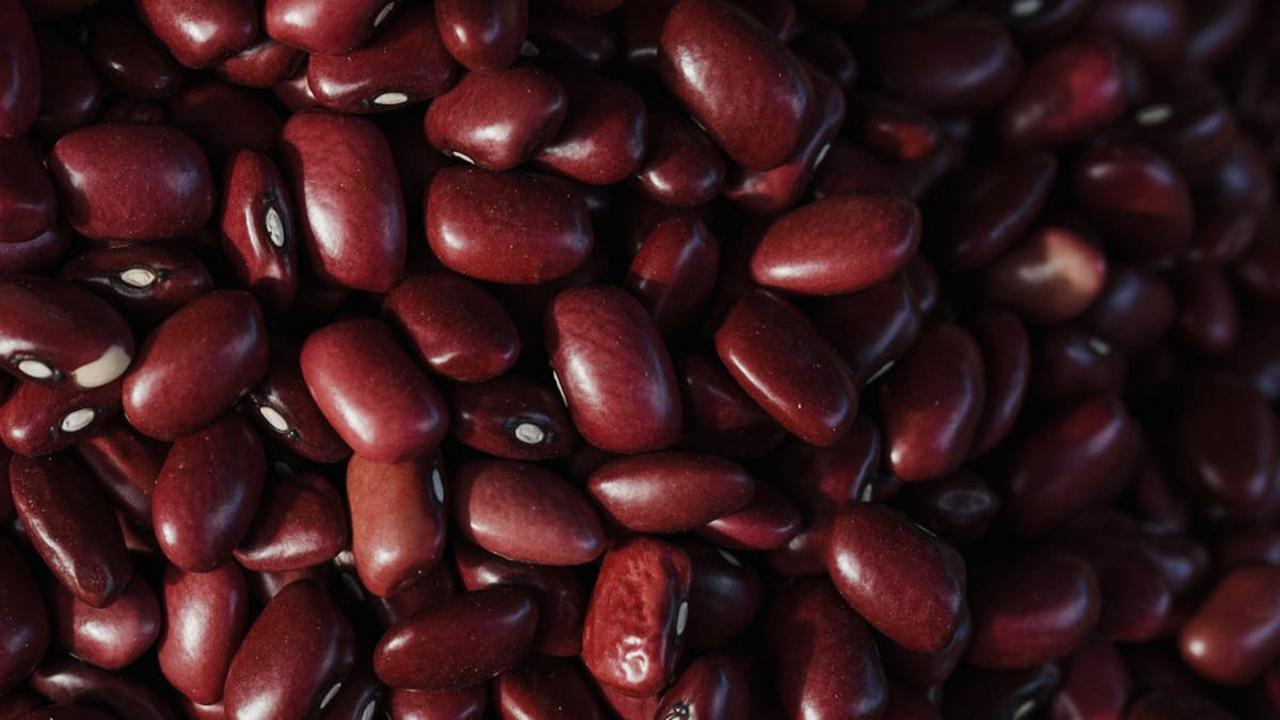
Picture this: you’re rummaging through your great-aunt Mildred’s pantry after she moves to Florida, and you discover a mason jar filled with mysterious, rock-hard nuggets. Before you toss them thinking they’re decorative stones, take a closer look – those little gems are dried beans, and they’ve probably been sitting there since the Clinton administration, still perfectly good to eat! Dried beans are the ultimate pantry MVP, lasting anywhere from 10 to 30 years when stored properly. I once found a bag of navy beans in my own cupboard with a “best by” date from 2015, cooked them up, and they were absolutely divine – just needed a longer cooking time and a good overnight soak.
Here’s the magical thing about dried beans: they’re basically protein-packed time capsules that transform from sad, shriveled pebbles into creamy, satisfying meals with nothing more than water and patience. A single cup of dried beans expands into roughly three cups of cooked goodness, making them incredibly economical for feeding a crowd or meal-prepping like a champion. Black beans become the star of your burrito bowls, chickpeas morph into hummus heaven, and kidney beans anchor the most soul-warming chili you’ve ever made. Store them in airtight containers away from light and moisture, and these little powerhouses will outlast most relationships, three presidential terms, and probably your commitment to that gym membership you bought in January.
Vinegar
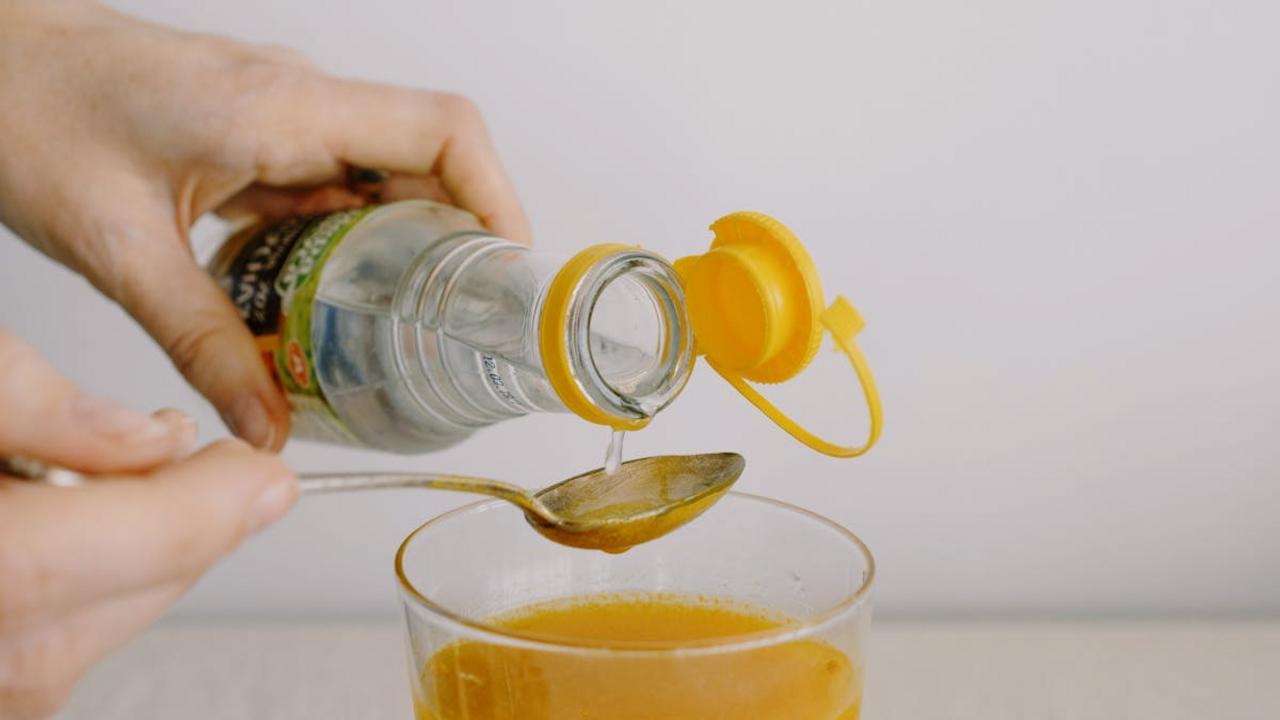
Vinegar is basically the immortal vampire of your pantry—it never dies, it just gets better with age, and it has an impressive ability to preserve everything around it. This acidic superstar can last indefinitely when stored properly, making it the ultimate pantry champion. White vinegar, apple cider vinegar, balsamic—they’re all ready to serve you for decades without breaking a sweat. Fun fact: archaeologists have found vinegar that’s over 10,000 years old, and it was still perfectly good! Your great-great-grandchildren could probably inherit your bottle of white vinegar and use it to clean their flying cars.
Beyond its supernatural shelf life, vinegar pulls double duty as both a cooking ingredient and a household superhero. You can pickle vegetables, brighten salad dressings, tenderize meat, or clean your coffee maker with equal success. I once used apple cider vinegar to rescue a batch of overly sweet barbecue sauce, and it transformed from candy-like disaster to tangy perfection in seconds. Keep several types on hand—white for cleaning and pickling, apple cider for health shots and marinades, and balsamic for those moments when you want to feel fancy while drizzling something over literally anything.
Honey
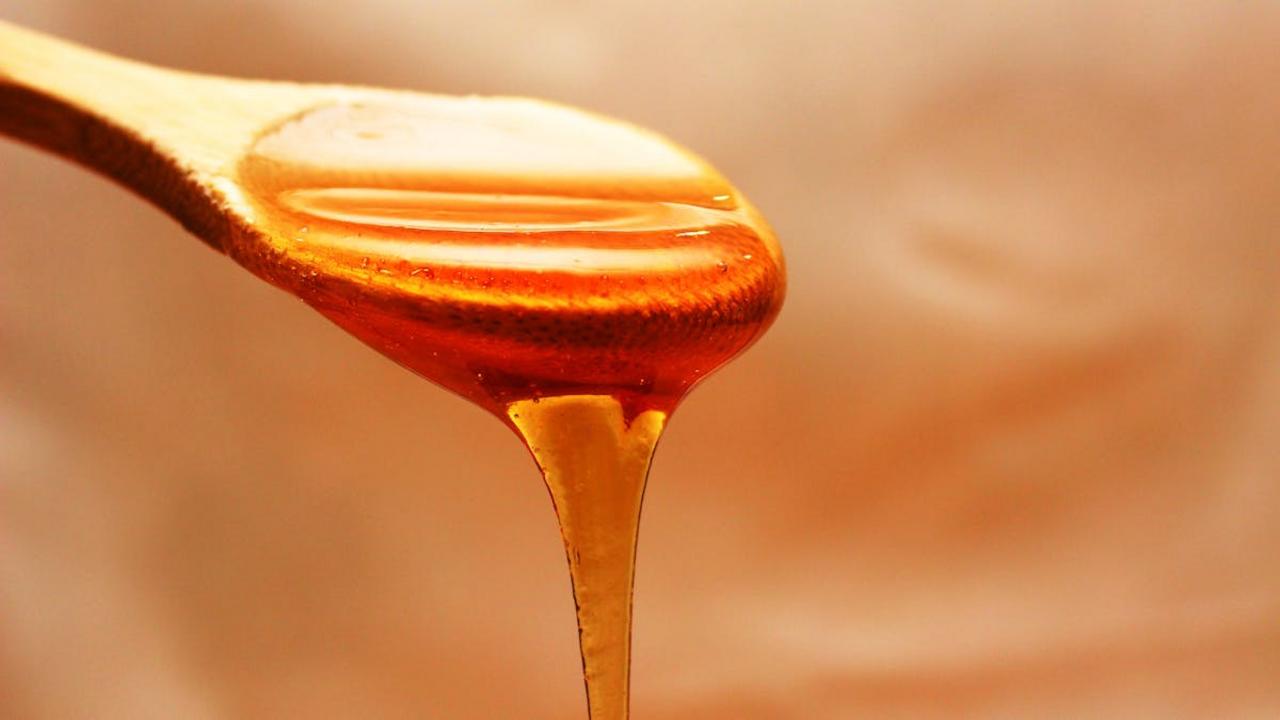
Honey stands as nature’s most impressive preservative, literally lasting forever when stored properly. Archaeologists have discovered 3,000-year-old honey in Egyptian tombs that’s still perfectly edible – talk about impressive shelf life! This golden treasure owes its immortality to its low water content and acidic pH, which create an environment where bacteria simply can’t survive. You’ll find yourself amazed by honey’s natural antibacterial properties, making it both a pantry superstar and a medicine cabinet must-have. Raw honey contains enzymes, antioxidants, and pollen that processed versions lack, so grab the good stuff when you can.
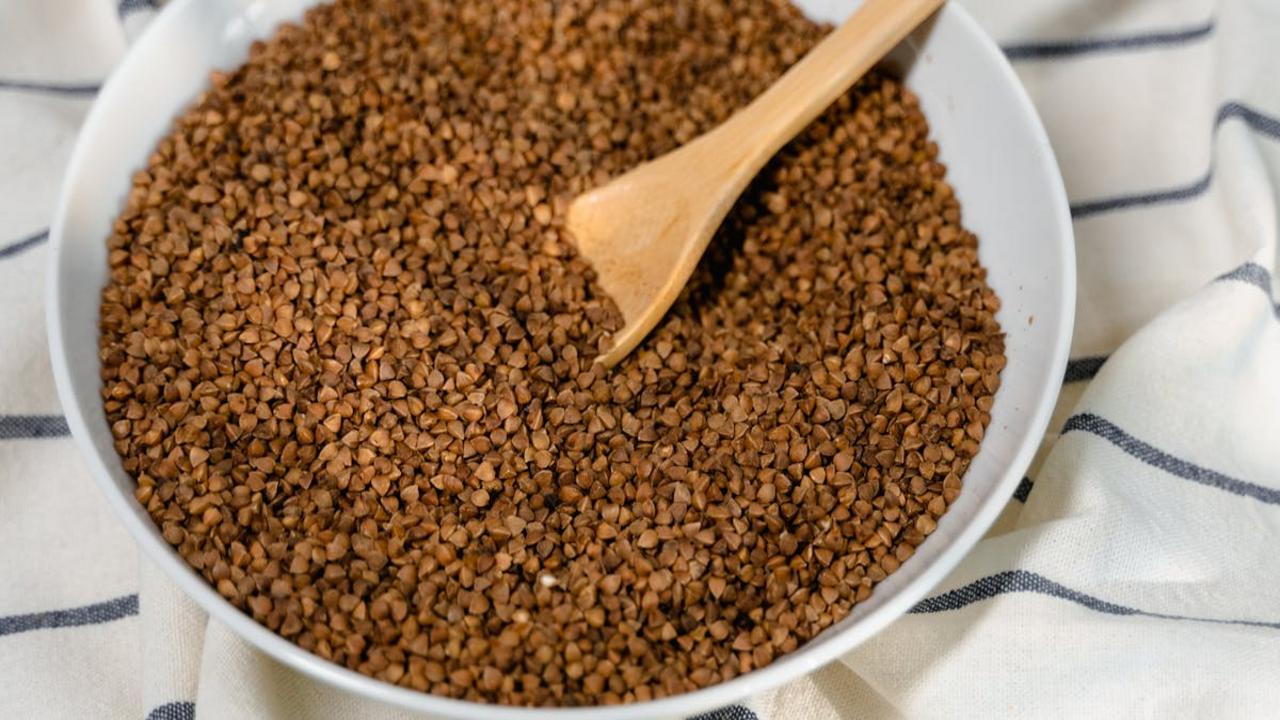
Beyond its legendary longevity, honey transforms ordinary pantry staples into something magical. Drizzle it over Greek yogurt with nuts for an instant dessert, or use it to glaze roasted vegetables for caramelized perfection. I keep several varieties on hand – wildflower for everyday sweetening, buckwheat for its robust molasses-like flavor in baking, and orange blossom for special occasions. Store your honey at room temperature in a sealed container, and don’t panic if it crystallizes – just warm it gently in a water bath, and it’ll return to its liquid gold glory. One tablespoon contains about 64 calories of pure, natural energy.
Hard Candy
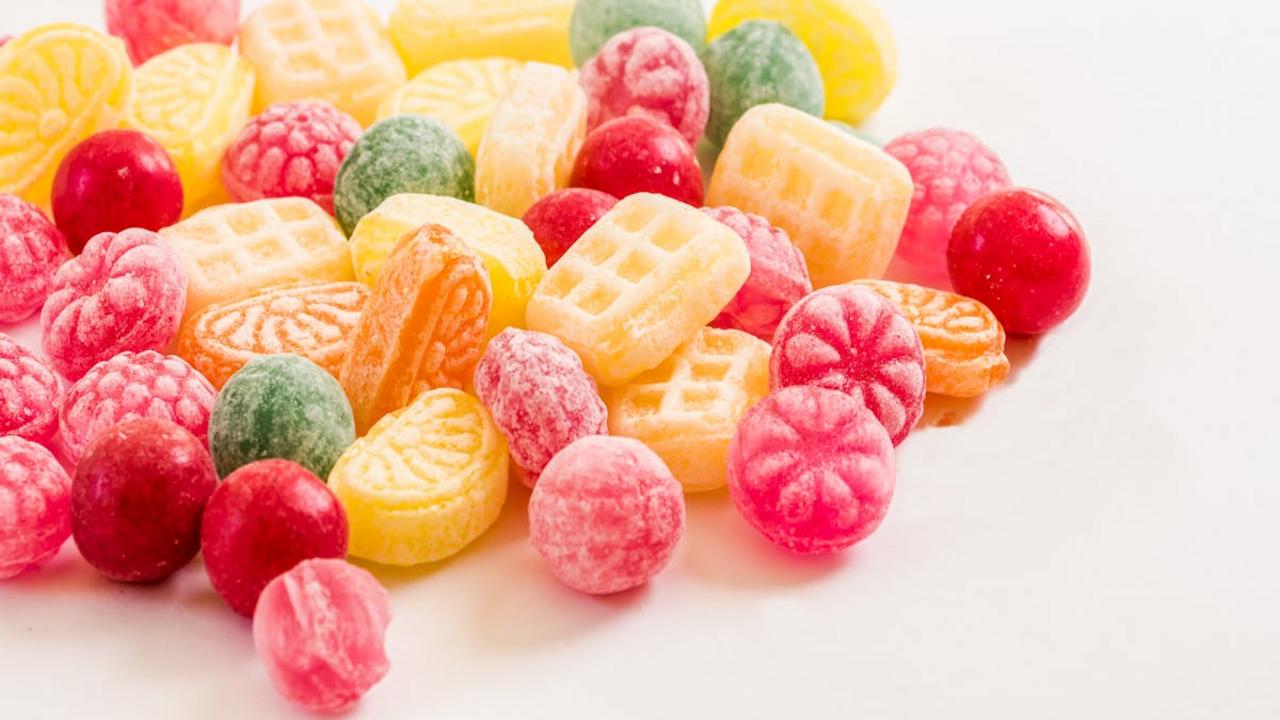
Picture this: you’re digging through your grandmother’s purse and discover a dusty butterscotch candy from 1987 that still tastes perfectly fine. That’s the magic of hard candy—it’s basically edible amber that preserves sweetness for decades! These crystallized sugar bombs can last virtually forever when stored properly, making them the cockroaches of the confectionery world (but infinitely more delicious). The secret lies in their incredibly low moisture content, which prevents bacterial growth and keeps them stable at room temperature. Your pantry stockpile of hard candies becomes your personal time capsule of sugar euphoria.
Beyond their impressive longevity, hard candies serve multiple survival purposes that go way beyond satisfying your sweet tooth during apocalyptic scenarios. They provide quick energy when your blood sugar crashes, soothe sore throats better than expensive lozenges, and can even help stave off motion sickness during long car rides. I keep peppermints in my emergency kit because they double as breath fresheners and nausea fighters—talk about multitasking! Plus, hard candies take up minimal storage space and won’t attract ants like other sugary treats. Stock up on classic flavors like lemon drops, cinnamon discs, and root beer barrels, and you’ll have a rainbow of sweetness that outlasts most relationships.
Powdered Eggs
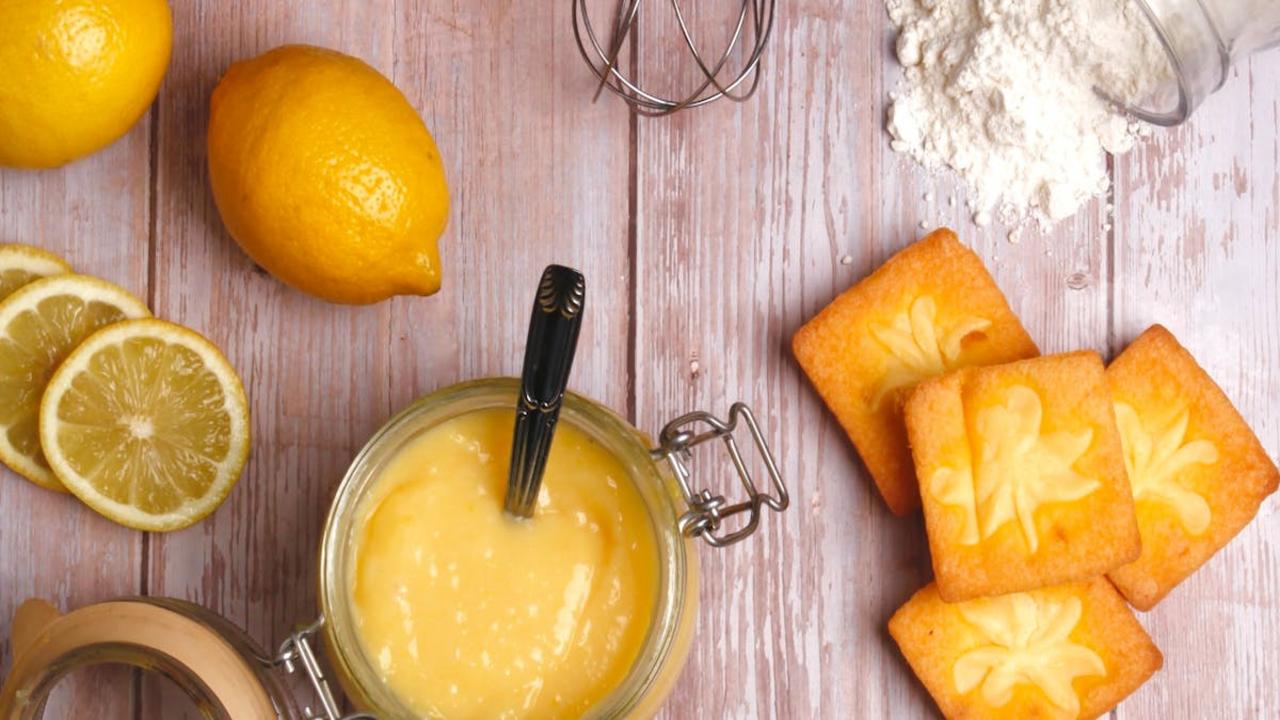
You know what? Powdered eggs get a bad rap, and frankly, I think it’s time we gave these dehydrated darlings the respect they deserve. Sure, they look like yellow dust that might have fallen from some alien spaceship, but don’t let their appearance fool you – these little packets of protein pack a serious punch in your pantry arsenal. Originally developed for the military during World War II (because nothing says “patriotic breakfast” quite like reconstituted eggs), powdered eggs can sit pretty on your shelf for up to 10 years if stored properly. That’s longer than most Hollywood marriages! The magic happens when manufacturers remove about 95% of the water content, leaving behind all the nutritional goodness in a form that laughs in the face of spoilage.
Here’s where things get interesting – powdered eggs aren’t just for emergency situations or camping trips where you’ve forgotten actual food. These versatile beauties work wonders in baking, adding richness to cakes and cookies without the fuss of cracking shells or worrying about salmonella. Mix them with a little water, and boom – scrambled eggs that taste surprisingly close to the real deal. I’ve thrown them into pancake batter, used them for quick quiches, and even whipped up French toast batter in record time. Pro tip: add them dry to your flour mixture when baking, or reconstitute them with warm (not hot) water for the fluffiest results. One tablespoon of powder plus two tablespoons of water equals one fresh egg – math has never been more delicious!
Maple Syrup
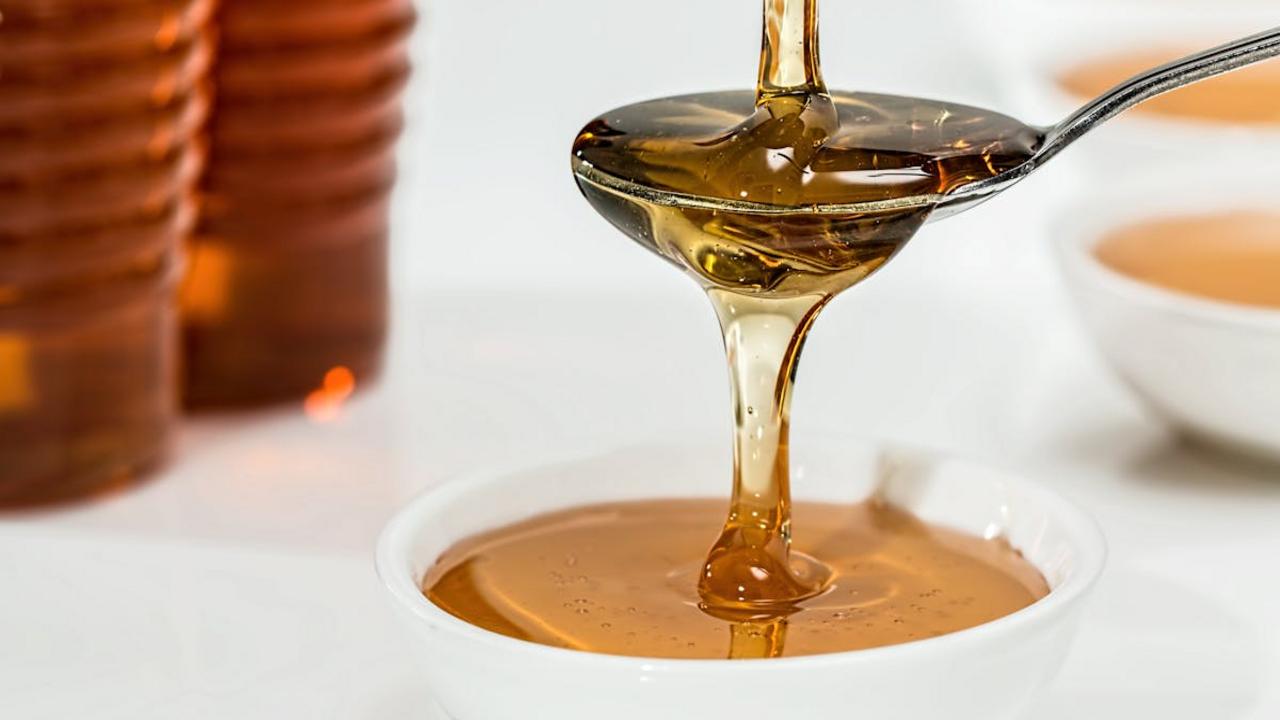
Pure maple syrup practically laughs at expiration dates – this liquid gold can outlast your houseplants, your New Year’s resolutions, and probably your favorite jeans. Stored properly in your pantry, unopened maple syrup maintains its quality for years, while opened bottles stay fresh for at least a year in the refrigerator. You know those crystallized patches that sometimes form? That’s not spoilage – that’s maple syrup showing off its natural sugars, and you can simply warm it gently to restore its smooth texture. The darker grades pack more mineral content and robust flavor, making them perfect for baking adventures or drizzling over everything from pancakes to roasted vegetables.
Here’s something that’ll make you appreciate your breakfast companion even more: it takes roughly 40 gallons of maple sap to produce just one gallon of syrup. Those maple trees work overtime during their brief spring season, and producers boil that precious sap for hours to concentrate it into the amber treasure we pour on our morning stacks. Beyond pancakes, maple syrup transforms ordinary dishes into something special – try it glazed on salmon, whisked into salad dressings, or stirred into your coffee for a cozy twist. Keep a bottle in your stockpile, and you’ll always have a natural sweetener that brings warmth and comfort to any meal, whether you’re facing a regular Tuesday or riding out a snowstorm.