15 Stomach-Soothing Foods to Eat When Diarrhea Hits
Dealing with diarrhea can turn your day upside down, but choosing the right foods can help settle your stomach and get you back on your feet faster. I’ve personally found that simple, bland foods work wonders during these uncomfortable episodes. The 15 gentle options in this list have saved me countless times when my digestive system needed some TLC.
Your body needs easy-to-digest foods that won’t irritate your already sensitive gut. The BRAT diet (Bananas, Rice, Applesauce, Toast) forms the foundation, but there’s more you can safely add to your plate. Each food on this list provides comfort while giving your body necessary nutrients during recovery.
I’ve gathered these stomach-soothing options from years of cooking for friends and family with sensitive digestion. From creamy yogurt to plain white rice, these foods won’t overwhelm your system. Think of this as your go-to guide for what to eat when your stomach rebels against you – simple ingredients that help restore balance naturally.
Gelatin

I know gelatin might sound like an odd choice when your stomach is doing backflips, but trust me on this one! Plain, unflavored gelatin dissolved in warm water creates one of the gentlest remedies for digestive distress. You can make your own soothing gelatin drink by dissolving a packet of unflavored gelatin in hot water, then adding a touch of honey once it cools slightly. Skip the artificial colors and flavors found in store-bought versions – your irritated digestive system will thank you for keeping things simple and pure.
What makes gelatin so effective is its unique ability to coat and protect your digestive tract while providing easy-to-absorb nutrients. I love making homemade bone broth gelatin by simmering chicken bones for hours until the liquid sets into a wobbly, nutrient-dense gel when cooled. This traditional approach gives you natural electrolytes and amino acids that help repair your gut lining. You can sip it warm like tea or eat it cold in small spoonfuls – both methods deliver the same gentle, healing benefits that have comforted upset stomachs for generations.
Apple Cider Vinegar (diluted)
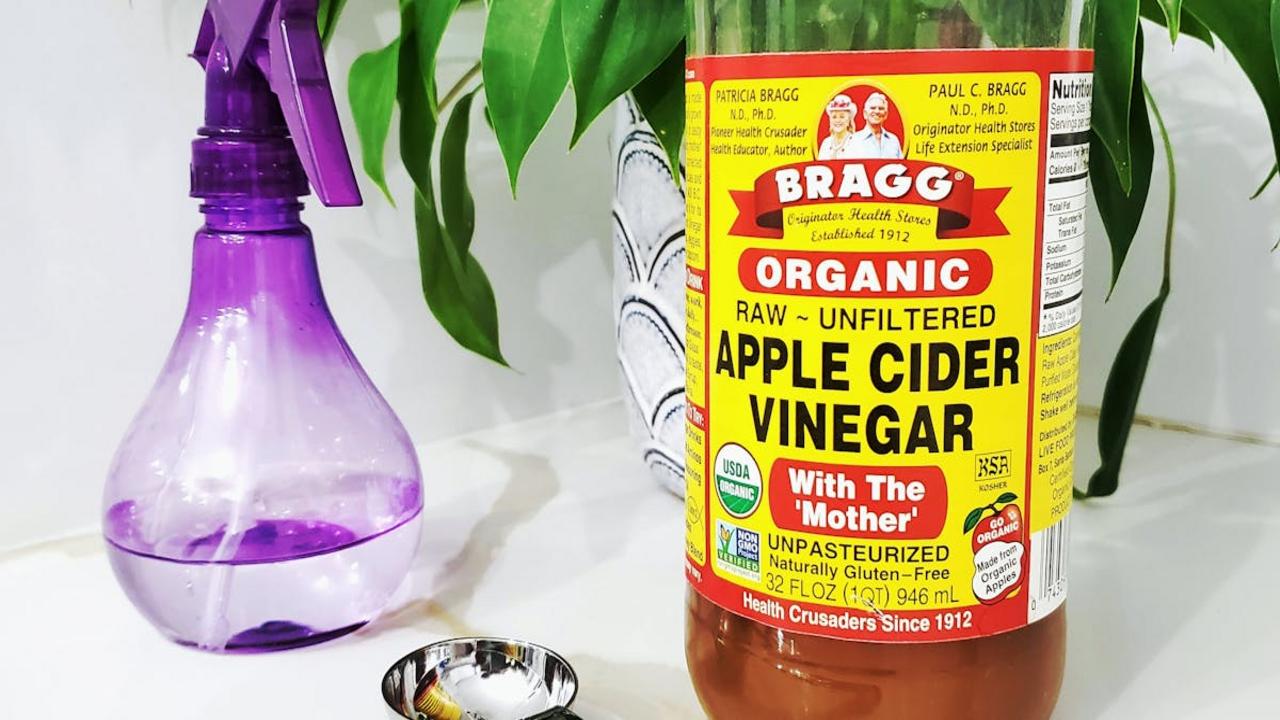
When diarrhea strikes, your gut needs gentle restoration, and diluted apple cider vinegar becomes your quiet ally in this recovery process. I always keep a bottle of raw, unfiltered apple cider vinegar in my pantry—not just for cooking, but for moments like these when your digestive system needs support. The key lies in proper dilution: mix one tablespoon of apple cider vinegar into a full glass of warm water, creating a mild, soothing drink that won’t shock your already sensitive stomach. This simple remedy helps restore your gut’s natural pH balance while providing beneficial probiotics that support healthy digestion.
You’ll want to sip this mixture slowly throughout the day, treating it like a medicinal tea rather than gulping it down quickly. The acetic acid in apple cider vinegar works to create an environment where harmful bacteria struggle to thrive, while simultaneously encouraging the growth of beneficial gut flora. I recommend starting with just half a tablespoon if you’re new to this remedy—your stomach will guide you toward what feels right. Remember, we’re aiming for gentle healing, not aggressive treatment, so listen to your body’s response and adjust accordingly. This traditional remedy has helped countless home cooks restore their digestive balance naturally.
Crackers
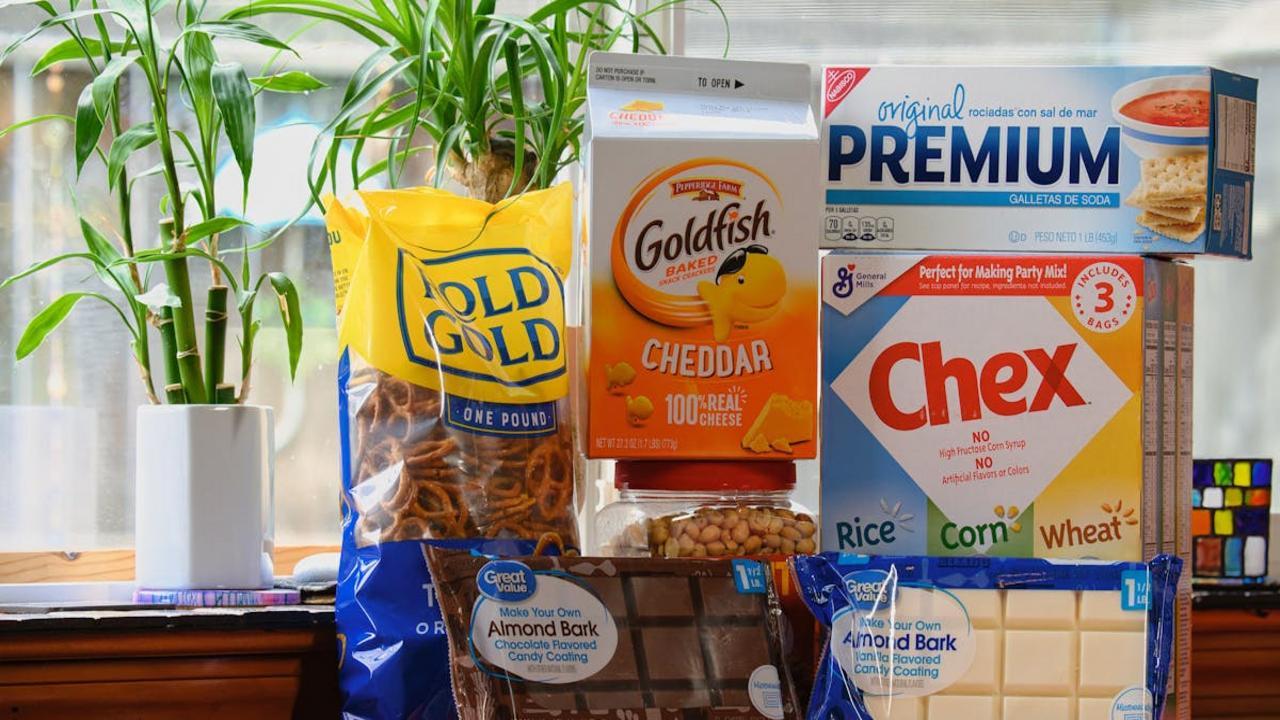
When your stomach feels like it’s staging a rebellion, plain crackers become your gentle allies in the fight for digestive peace. I always keep a stash of simple saltines or plain water crackers in my pantry because they’re bland enough to calm an upset stomach while providing just enough carbohydrates to give you a bit of energy. The key is choosing crackers without too many additives, spices, or oils that might irritate your already sensitive digestive system. Think of them as a blank canvas that won’t overwhelm your gut while it’s working to heal itself.
I’ve learned from years of cooking for my family that timing matters with crackers during digestive distress. Start with just a few at a time, chewing them slowly and thoroughly to help your stomach process them easily. You can pair them with a small sip of clear broth or herbal tea, but avoid loading them up with butter, cheese, or other rich toppings that might set you back. The beauty of crackers lies in their simplicity – they’re processed just enough to be easily digestible while still giving your body the gentle fuel it needs to recover. Keep them at room temperature and eat them plain for the best results.
Herbal Tea

When your stomach decides to stage a rebellion, herbal tea becomes your gentle ally in the recovery process. I always keep chamomile, peppermint, and ginger tea in my pantry because these three work like magic for settling an upset digestive system. Chamomile brings its calming properties to soothe inflammation, while peppermint helps relax your stomach muscles and reduces cramping. Ginger, my absolute favorite, tackles nausea head-on and gets your digestion back on track. The warm liquid also helps you stay hydrated, which becomes incredibly important when diarrhea threatens to leave you depleted.
I brew these teas fresh whenever possible, steeping dried chamomile flowers or fresh ginger slices in hot water for about 10 minutes to extract maximum benefits. Skip the milk and honey during acute episodes – your sensitive stomach needs simple, pure flavors right now. Fennel tea deserves a special mention too; it reduces bloating and gas that often accompany digestive distress. Sip these teas slowly throughout the day, letting each warm cup provide comfort while supporting your body’s natural healing process. The ritual of preparing and drinking tea also brings a meditative quality that helps you slow down and focus on recovery.
Carrots
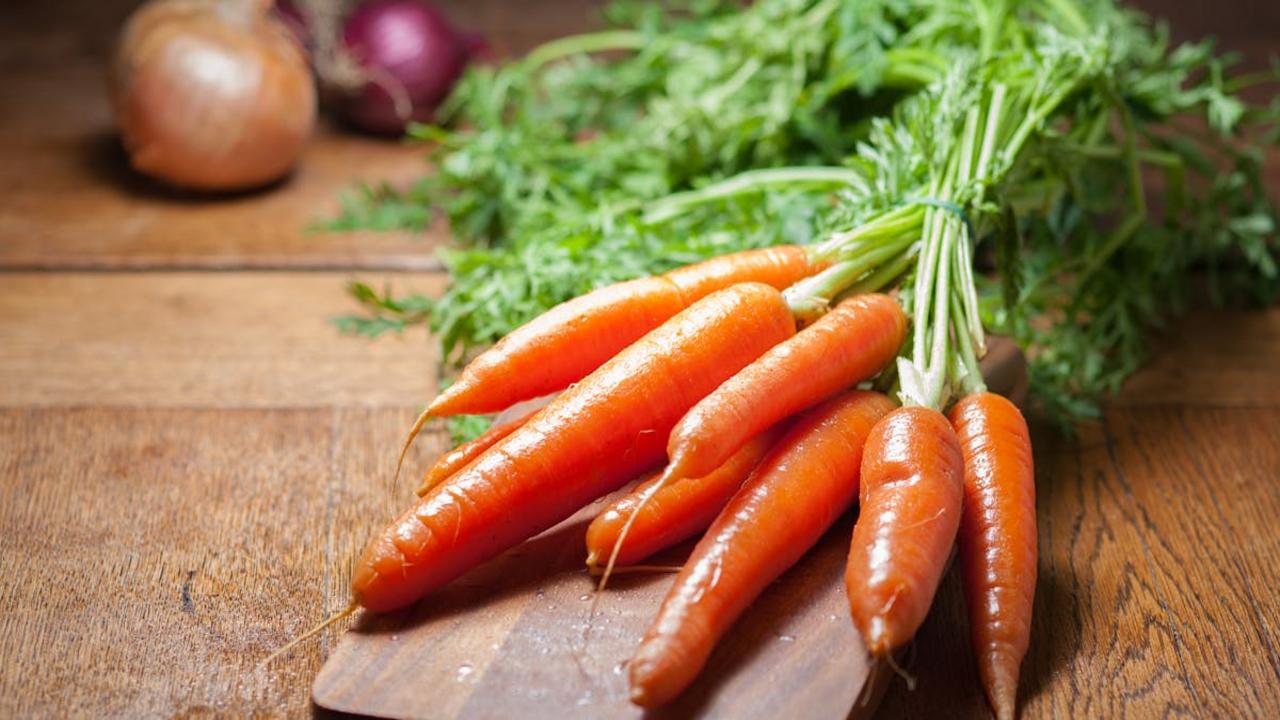
When diarrhea strikes, your digestive system needs gentle, soothing foods that won’t aggravate an already sensitive stomach. Carrots become your ally during these uncomfortable moments, offering a perfect balance of nutrition and digestibility. I always keep carrots on hand because they’re incredibly versatile and naturally sweet, making them appealing even when your appetite feels shaky. The key lies in how you prepare them—cooking breaks down the fiber structure, transforming these vibrant orange roots into easily digestible comfort food that your gut will actually thank you for.
The magic happens when you cook carrots until they’re completely tender, whether you steam, boil, or roast them with just a pinch of salt. Their natural pectin content helps firm up loose stools while providing your body with beta-carotene and potassium—nutrients you desperately need when dealing with digestive upset. I love making a simple carrot puree with a touch of ginger, blending cooked carrots until silky smooth. This creates an incredibly gentle food that slides down easily and provides sustained energy without overwhelming your recovering digestive system. The natural sweetness also helps replace lost electrolytes, making carrots both medicinal and satisfying during your recovery.
Oatmeal
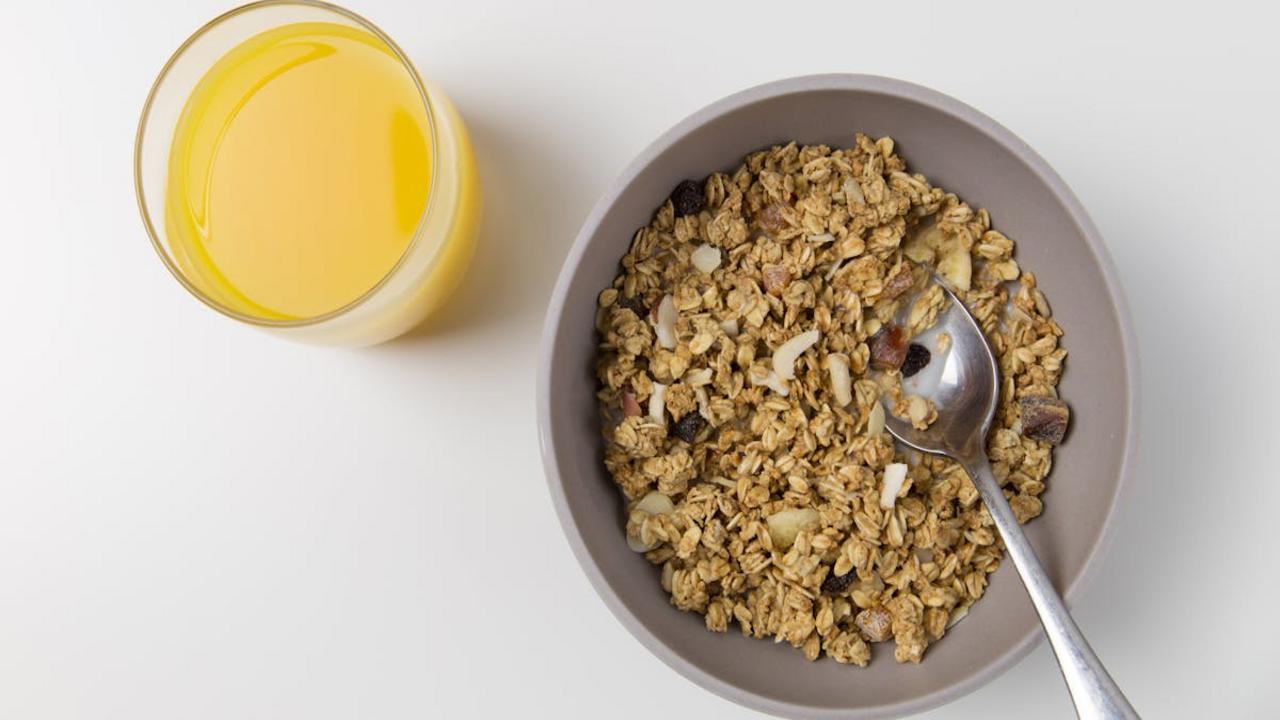
When diarrhea strikes, your digestive system craves gentleness, and oatmeal delivers exactly that comfort your body needs. I always keep rolled oats in my pantry because they transform into the most soothing, easy-to-digest meal that won’t irritate your already sensitive stomach. The soluble fiber in oats works like magic—it absorbs excess water in your intestines while adding bulk to loose stools, helping restore normal bowel function naturally. You don’t need fancy instant packets loaded with sugar and preservatives when simple, whole oats do the job perfectly.
Start with plain rolled oats cooked in water rather than milk, since dairy can worsen digestive upset for many people. I like adding a pinch of salt and maybe a drizzle of honey once you’re feeling better, but during acute episodes, keep it simple and bland. The creamy texture goes down easily, providing steady energy without overwhelming your system. Cook your oats a bit longer than usual to make them extra soft and gentle—this isn’t the time for al dente grains! Room temperature or slightly warm oatmeal often feels more soothing than piping hot, so let it cool before eating.
Broth-Based Soups
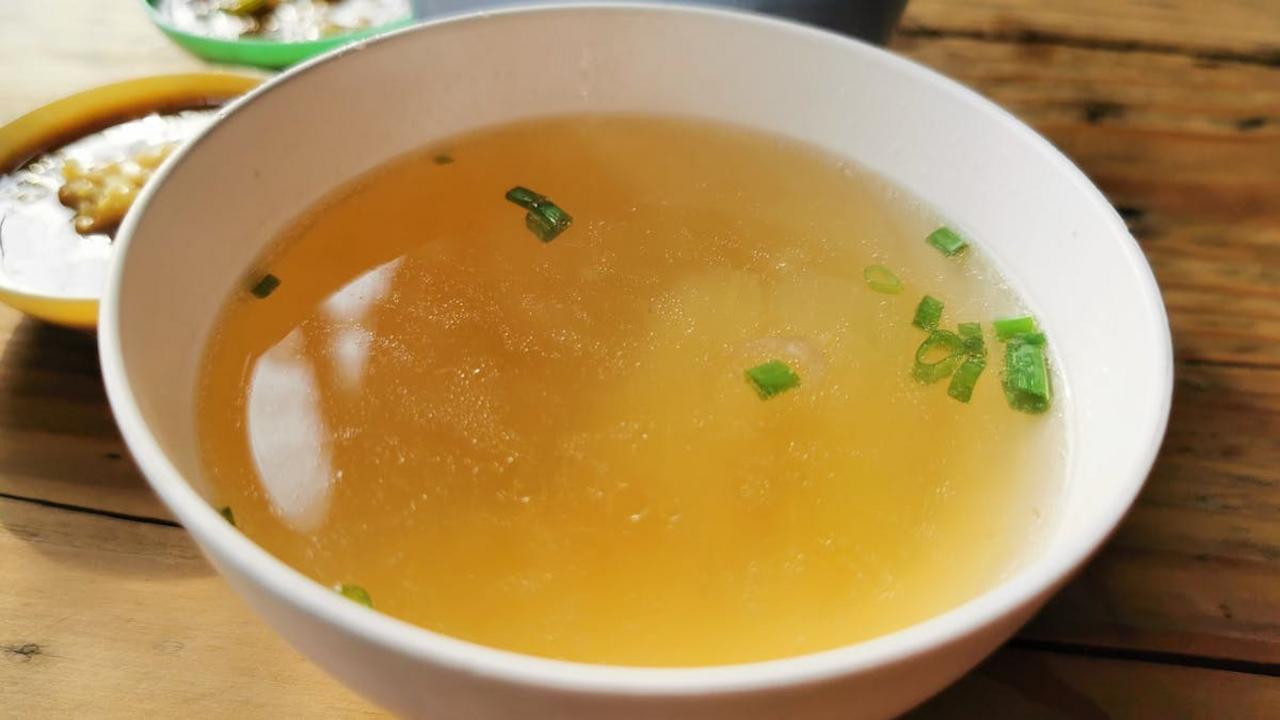
When diarrhea strikes, your digestive system craves simplicity, and broth-based soups deliver exactly that—gentle nourishment without overwhelming your sensitive stomach. I always keep homemade chicken or vegetable broth in my freezer because it becomes my go-to remedy during digestive distress. The clear, warm liquid provides hydration while replenishing lost electrolytes, and the mild saltiness helps your body retain fluids more effectively. You can start with plain broth and gradually add soft ingredients like well-cooked rice, tender carrots, or shredded chicken as your stomach begins to settle.
What I love about broth-based soups is how adaptable they are to your current tolerance level. Start simple with just warm broth sipped slowly throughout the day, then build complexity as you feel better. A basic miso broth with soft tofu cubes offers probiotics for gut health, while a gentle chicken and rice soup provides easily digestible protein and carbohydrates. The key lies in keeping ingredients minimal and cooking times long—this breaks down fibers and proteins into their most digestible forms. Skip heavy cream, strong spices, or fibrous vegetables initially, focusing instead on creating a soothing liquid meal that hydrates and heals simultaneously.
Tapioca
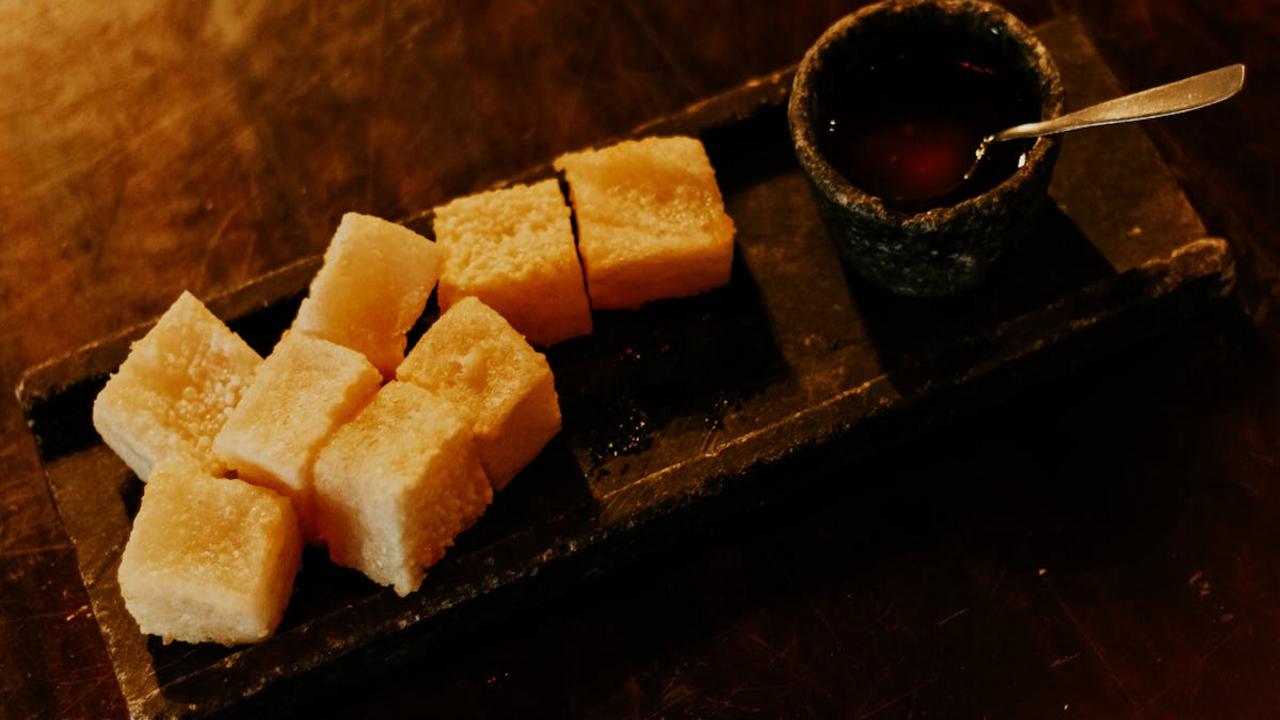
You know that childhood memory of tapioca pudding? Well, those little pearls hiding in your pantry are actually digestive superheroes! Tapioca comes from the cassava root, and I’ve discovered it’s one of nature’s gentlest starches for upset stomachs. The beauty of tapioca lies in its simplicity—it’s almost pure carbohydrate, which means your digestive system doesn’t have to work overtime processing it. When diarrhea strikes, your gut needs foods that slip through easily without causing more irritation, and tapioca does exactly that.
I love making a simple tapioca pudding with coconut milk and a touch of honey when my stomach feels off. Start with small pearl tapioca, soak it for about 30 minutes, then gently simmer until translucent. The result is creamy, soothing, and surprisingly satisfying. You can also find instant tapioca, which cooks faster and works beautifully in a pinch. What makes tapioca special is its binding quality—it actually helps firm things up while being incredibly easy to digest. Plus, it’s naturally gluten-free, so you’re avoiding any potential inflammatory triggers while giving your system the gentle fuel it needs to recover.
Kefir

Picture this: you’re dealing with digestive upset, and your gut needs some serious TLC. That’s where kefir swoops in like a probiotic superhero! This tangy, slightly effervescent fermented milk drink contains millions of beneficial bacteria that work overtime to restore balance in your digestive system. Unlike regular yogurt, kefir packs around 12 different strains of probiotics, making it a powerhouse for gut health. I love how it tastes like a cross between yogurt and buttermilk, with that signature slight fizz that tells you the good bacteria are alive and kicking.
When diarrhea strikes, your intestinal flora takes a beating, but kefir helps replenish those good guys fast. I always keep homemade kefir in my fridge because it’s incredibly easy to make with just milk and kefir grains. Start with small amounts—maybe half a cup—since your sensitive stomach needs time to adjust. The beauty of kefir lies in its gentle approach to healing; it soothes inflammation while simultaneously rebuilding your gut microbiome. Mix it with a pinch of salt or blend it with banana for extra potassium, creating a healing elixir that tastes way better than any store-bought remedy.
Mashed Potatoes

When your stomach feels like it’s doing somersaults, mashed potatoes become your gentle companion in recovery. I always reach for russet or Yukon potatoes during these moments – their high starch content works wonders for binding loose stools while providing easy-to-digest carbohydrates that won’t stress your digestive system. The creamy, smooth texture makes them perfect when you can barely think about chewing anything substantial. I skip the butter and cream during flare-ups, instead using a splash of low-sodium chicken broth or even just the starchy potato water to create that comforting consistency we all crave.
What makes mashed potatoes particularly brilliant for upset stomachs is their ability to slow down bowel movements naturally while replenishing lost electrolytes, especially potassium. I’ve learned to prepare them simply – just boiled potatoes with a pinch of salt – because your gut needs that bland, soothing foundation to rebuild its strength. The warm temperature also provides comfort that cold foods simply can’t match during digestive distress. Keep portions moderate at first; your stomach will thank you for this gentle approach to getting back on track with solid foods.
Skinless Chicken
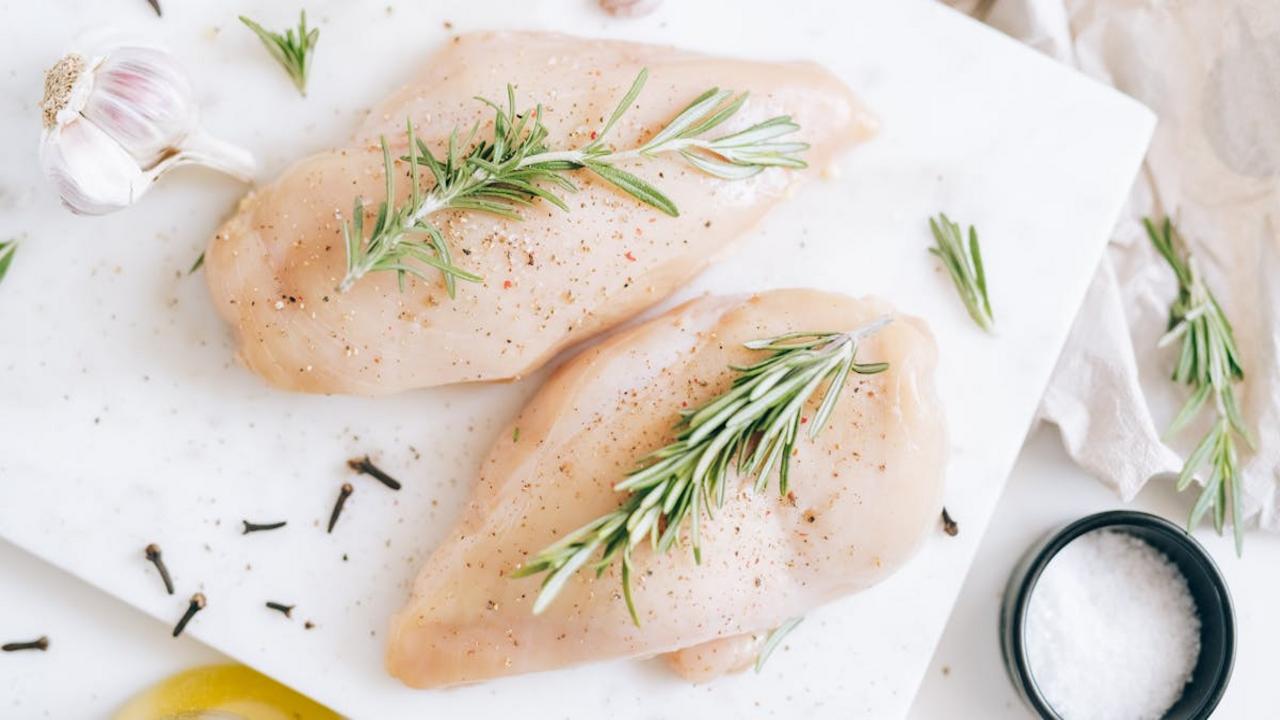
When your stomach feels like it’s staging a rebellion, skinless chicken becomes your gentle ally in the kitchen. I always reach for this protein powerhouse because it offers exactly what your digestive system craves during tough times – lean, easily digestible nourishment without any unnecessary fat that might aggravate an already sensitive belly. The key lies in how you prepare it: I like to poach mine in a simple broth with ginger and a pinch of salt, creating something that’s both healing and satisfying.
What makes skinless chicken so perfect for upset stomachs is its mild flavor and tender texture when cooked properly. I’ve learned that shredding the cooked chicken and mixing it into plain rice or serving it alongside some steamed carrots creates a meal that feels like a warm hug from the inside. You can also simmer it slowly in a clear broth to make your own healing chicken soup – just skip the heavy seasonings and let the natural flavors shine. This approach gives your body the protein it needs to recover while being incredibly gentle on your digestive system.
Plain Yogurt
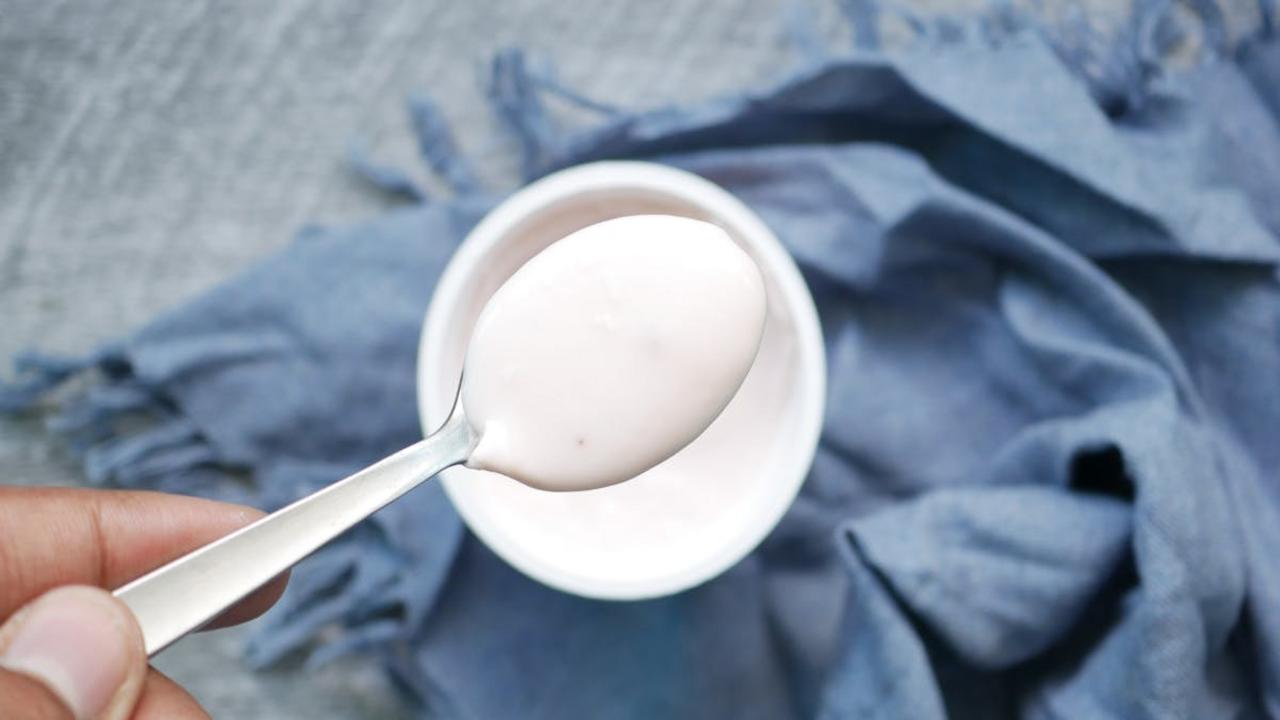
When your stomach feels like it’s staging a rebellion, plain yogurt becomes your gentle ally in the healing process. I always keep a container of good-quality, unsweetened yogurt in my fridge because it contains beneficial probiotics that help restore balance to your digestive system. These live cultures work quietly to replenish the good bacteria that diarrhea often washes away, giving your gut the support it needs to recover. The smooth, creamy texture goes down easy when you’re feeling queasy, and unlike flavored varieties packed with sugar, plain yogurt won’t aggravate your already sensitive system.
Choose Greek yogurt if you can handle the slightly thicker consistency—it offers more protein and probiotics per serving. Start with just a few spoonfuls and see how your body responds before having a full serving. I sometimes mix in a tiny pinch of salt or a drizzle of honey if I need something more palatable, but keep additions minimal during the worst of your symptoms. Room temperature yogurt often feels more comfortable than cold, so let it sit out for a few minutes before eating. This simple, unprocessed food has helped countless people find relief, and it might just become your go-to comfort food when digestive troubles strike.
Bananas
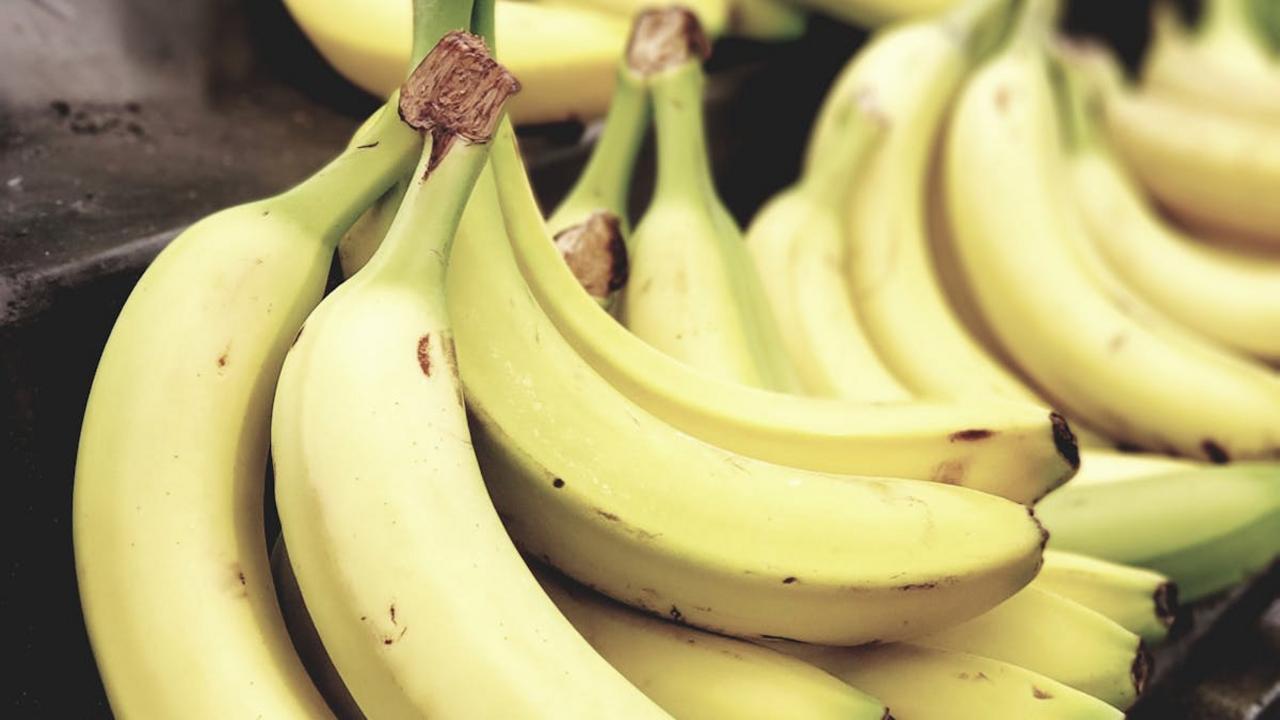
You know that moment when your stomach feels like it’s staging a rebellion? I reach for bananas every single time. These golden beauties pack a gentle punch of soluble fiber that works magic on your digestive system, helping firm things up naturally without shocking your already sensitive gut. The pectin in bananas acts like nature’s own binding agent, while their mild sweetness gives you quick energy when you’re feeling drained from frequent bathroom trips. I keep ripe bananas on my counter specifically for these moments – they’re so much gentler than green ones, which can actually make things worse.
What makes bananas truly brilliant for upset stomachs is their potassium content. When diarrhea strikes, your body loses precious electrolytes faster than you can say “bathroom break,” and bananas help restore that balance beautifully. I love mashing them into a simple puree with a touch of honey, or blending them into a gentle smoothie with plain yogurt and a pinch of cinnamon. The natural sugars give you sustained energy without the crash, and the creamy texture feels soothing going down. Plus, they’re one of those foods that actually taste good when you’re feeling rough – unlike some other “healthy” options your well-meaning friends might suggest.
White Rice
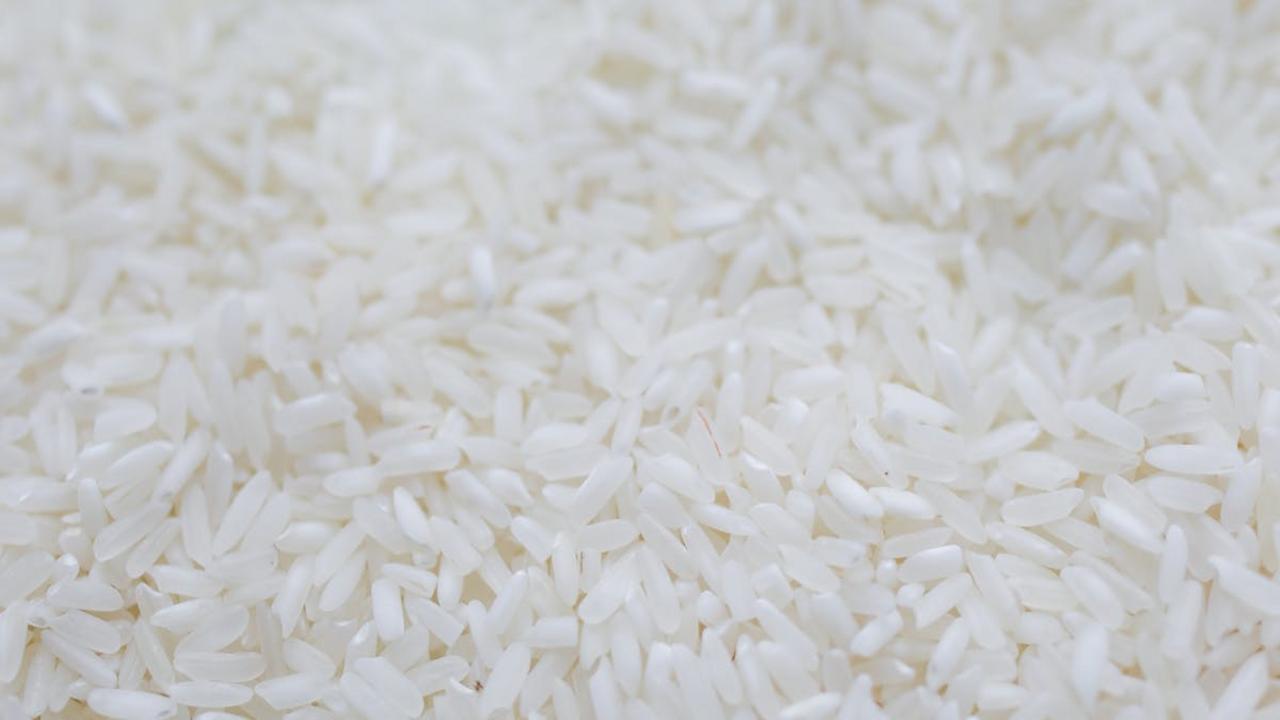
When your stomach feels like it’s staging a rebellion, white rice becomes your most reliable ally in the kitchen. I always keep a bag of jasmine or basmati rice in my pantry because it’s one of those ingredients that transforms from simple grain to gentle comfort food with just water and heat. White rice works so beautifully for upset stomachs because it’s bland, easy to digest, and helps bind loose stools naturally. The starch content provides your body with quick energy without demanding much from your digestive system, making it perfect for those moments when even thinking about food makes you queasy.
I cook my rice with a little extra water to make it softer and more soothing – think of it as creating a gentle hug for your insides. You can eat it plain, or if you’re feeling adventurous, add a pinch of salt or a few drops of lemon juice for subtle flavor. What I love about rice is how it pairs with other stomach-friendly foods like boiled chicken or steamed carrots as you start feeling better. The beauty lies in its simplicity – no fancy techniques required, just patience and the understanding that sometimes the most basic ingredients offer the greatest healing power.
Apple sauce
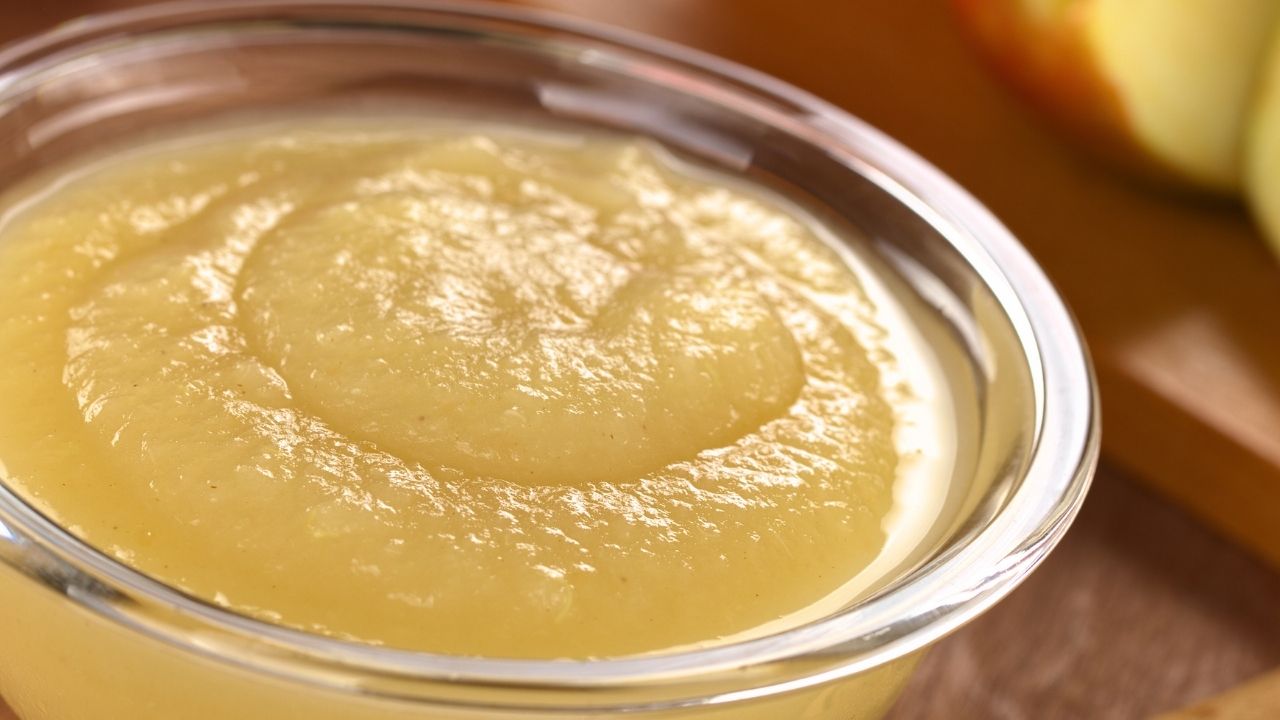
When diarrhea strikes, your stomach craves gentle comfort, and homemade applesauce becomes your kitchen’s most reliable ally. I always keep a batch ready in my fridge because this smooth, naturally sweet remedy works wonders for upset digestion. The pectin in apples acts as a natural binding agent, helping firm up loose stools while providing your body with easily absorbed nutrients. Unlike store-bought versions loaded with added sugars and preservatives, making your own applesauce means you control exactly what goes into your healing bowl.
Creating homemade applesauce couldn’t be simpler – just peel and core a few sweet apples, simmer them with a splash of water until tender, then mash to your preferred consistency. I sometimes add a pinch of cinnamon for warmth, but keep it plain during digestive distress. The beauty lies in its simplicity: no artificial additives, no high-fructose corn syrup, just pure apple goodness that your irritated digestive system can handle with ease. Serve it at room temperature or slightly warm, and watch how this humble fruit transforms from pantry staple to stomach-soothing medicine.