13 One-Off Ingredients You Bought for One Recipe That Now Haunt Your Pantry
We’ve all been there – spotting an exciting recipe that calls for one exotic ingredient you’ve never used before. You buy the full container, use a teaspoon, and now that jar of dried hibiscus petals or yuzu kosho sits in your pantry, silently judging your impulse purchase. Those specialty ingredients represent our culinary ambitions, but too often become expensive dust collectors.
Your kitchen probably holds several of these one-hit wonders right now. That packet of blue spirulina powder you needed for Instagram-worthy smoothie bowls? Or perhaps the asafoetida you bought for that authentic Indian curry? Each bottle and package takes up valuable shelf space while you struggle to find ways to use them again.
The good news? You can rescue these ingredients from obscurity! Instead of letting sumac, preserved lemons, or liquid smoke haunt your pantry for years, I’ll show you creative ways to incorporate them into everyday cooking. These neglected flavor bombs deserve a second chance to shine in your kitchen creations.
Liquid smoke

You bought that little bottle of liquid smoke for your ambitious homemade barbecue sauce recipe, and now it sits there like a mysterious potion you’re not quite sure how to use again. Don’t worry – you’re definitely not alone in this predicament! Liquid smoke might seem like a specialty ingredient, but it’s actually one of the most versatile flavor enhancers hiding in your pantry right now.
Here’s the beautiful thing about liquid smoke: just a few drops can transform ordinary dishes into something spectacular. Try adding a tiny splash to your next batch of roasted vegetables, especially root vegetables like carrots or sweet potatoes. You can also mix it into marinades for grilled chicken, stir it into your favorite chili recipe, or even add a drop or two to homemade salad dressings for an unexpected smoky depth. I love using it in vegetarian dishes to add that rich, meaty flavor without any actual meat. The key is starting small – liquid smoke packs a powerful punch, so begin with just a quarter teaspoon and build from there until you find your perfect balance.
Amchur (dried mango powder)
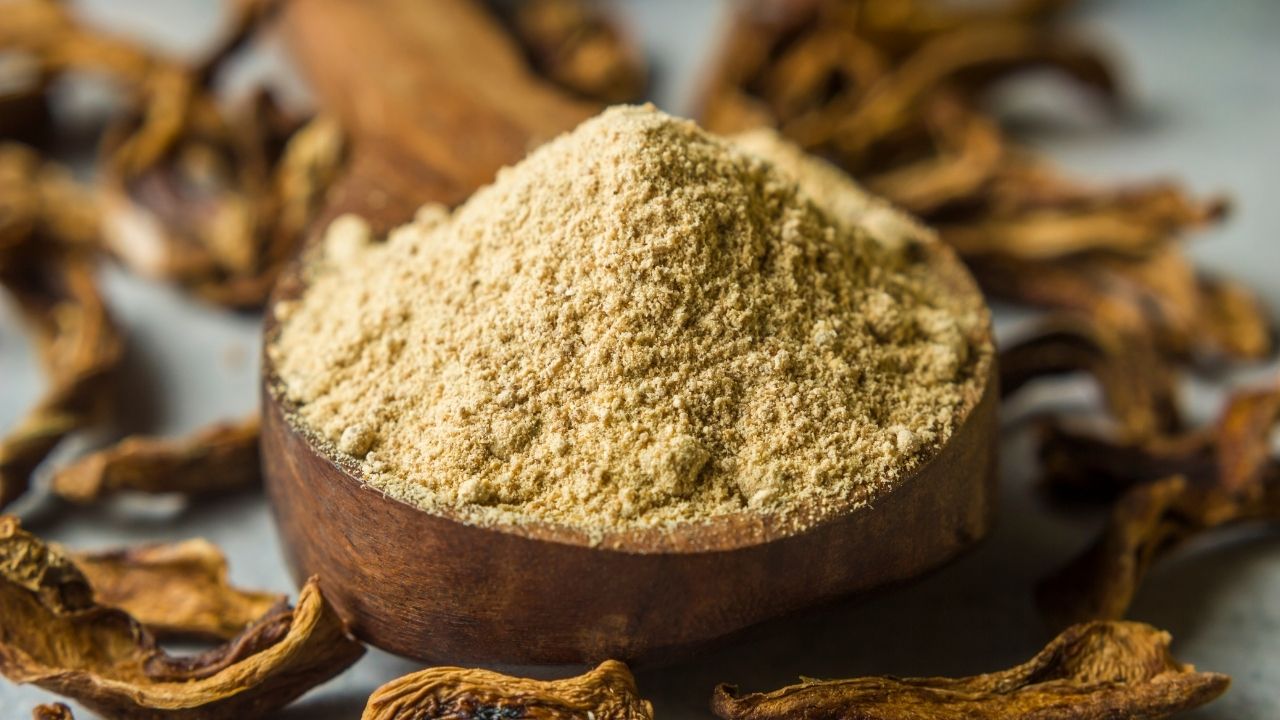
That little packet of amchur sitting in your spice rack probably made its debut in your kitchen for an authentic Indian dal or chana masala recipe. This tangy, sweet-sour powder made from dried unripe mangoes brings a bright acidity that transforms ordinary dishes into something special. You grabbed it with such enthusiasm, imagining all the Indian dishes you’d master, but now it’s become one of those mysterious ingredients you walk past daily without a clue how to use it.
Here’s the beautiful truth about amchur – this golden powder works magic far beyond Indian cuisine! Sprinkle it over roasted vegetables for an unexpected tang, mix it into salad dressings instead of lemon juice, or add a pinch to your marinades for grilled chicken or fish. I love using it in fruit salads where it enhances the natural sweetness while adding complexity. You can even dust it over fresh fruit like apples or pears for a quick snack with a twist. This versatile powder keeps for years when stored properly, so don’t let it intimidate you – start with small amounts and watch how it brightens everything it touches!
Szechuan peppercorns
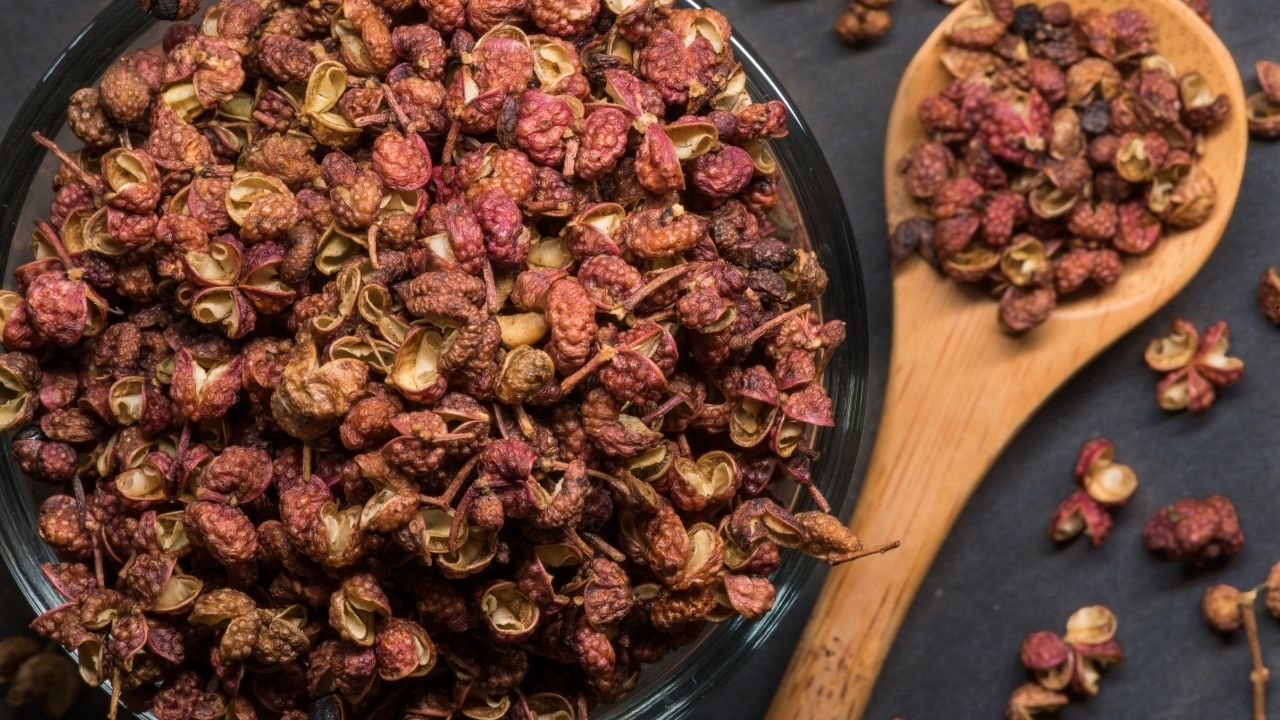
You bought that tiny jar of Szechuan peppercorns for an authentic mapo tofu recipe, and now they’re sitting there like mysterious little time capsules from your ambitious cooking phase. These aren’t actually peppercorns at all – they’re dried berries that create the most incredible tingling, numbing sensation on your tongue that’s completely different from regular black pepper heat. I get it though – after using maybe a teaspoon for that one dish, you’re left wondering what to do with the rest of this unique spice that costs more per ounce than some fancy teas.
Here’s the thing about Szechuan peppercorns: they’re actually incredibly versatile once you understand their magic. Try toasting them in a dry pan until fragrant, then grinding them fresh over roasted vegetables, chocolate desserts, or even vanilla ice cream for an unexpected flavor twist. They work beautifully in spice blends for grilled meats, and just a pinch transforms simple stir-fries into restaurant-quality dishes. The numbing effect pairs wonderfully with citrus flavors, so experiment with adding ground Szechuan peppercorns to lemon vinaigrettes or grapefruit salads. Trust me, once you start playing with these little flavor bombs, you’ll understand why they’re so prized in Chinese cuisine.
Preserved lemons
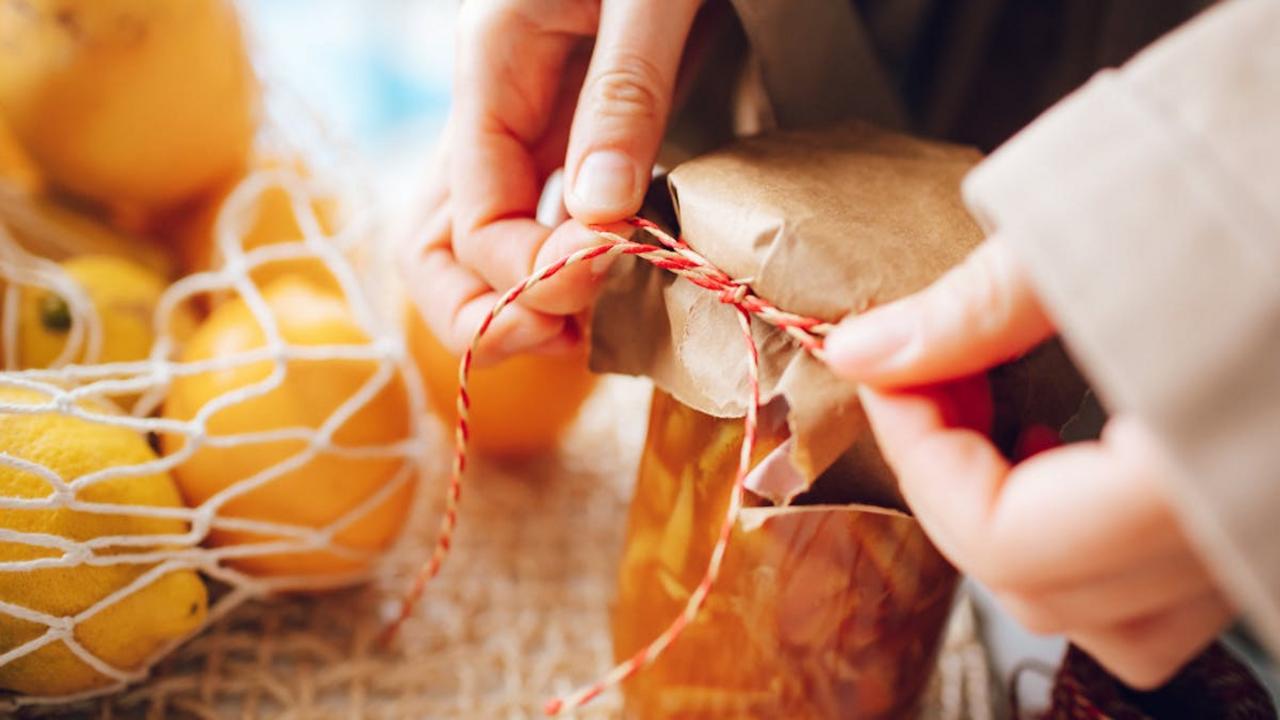
You spotted that gorgeous Moroccan tagine recipe online, got swept up in the excitement, and rushed to the specialty store for those mysterious preserved lemons. Now they sit in your fridge like little golden orbs of guilt, taunting you every time you open the door. These intensely flavored, salt-cured beauties pack an incredible punch of bright, complex citrus flavor that can transform your cooking – if you know what to do with them!
Here’s the thing about preserved lemons: they’re actually incredibly versatile once you get the hang of using them. Rinse off the excess salt, discard the pulp, and chop up that tender rind to add instant Mediterranean flair to roasted vegetables, grain salads, or simple pasta dishes. You can also blend them into salad dressings, mix them into herb butter for fish, or stir them into yogurt-based sauces. The salty, fermented intensity brightens everything it touches, making your everyday meals feel restaurant-worthy. Don’t let these flavor bombs go to waste – they keep for months and deserve to become your secret weapon for adding depth to weeknight dinners!
Asafoetida
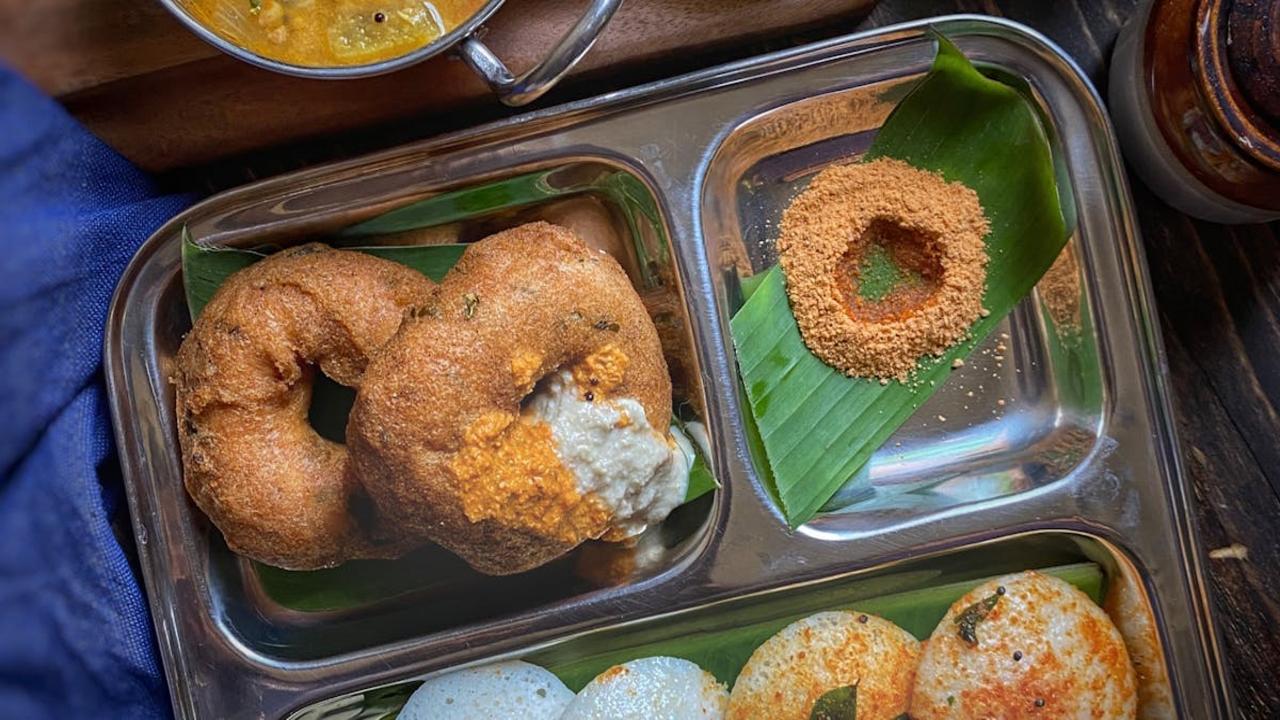
You bought that tiny jar of asafoetida for one ambitious Indian dish, and now it sits in your spice cabinet like a pungent mystery box. This intensely aromatic resin might smell like sulfur when raw, but don’t let that fool you – it transforms into pure magic when cooked. Just a pinch adds incredible depth to dal, curries, and vegetable dishes, creating that authentic restaurant flavor you’ve been chasing. The thing is, most recipes only call for a tiny amount, so that one jar could literally last you years.
Instead of letting this powerhouse ingredient collect dust, start experimenting with it in your everyday cooking. Add a small pinch to roasted vegetables, scrambled eggs, or even homemade pickle recipes – it brings an umami-rich complexity that’s hard to replicate with other spices. The key is using it sparingly and always cooking it first to mellow that strong aroma. Your future self will thank you for turning this one-time purchase into a regular pantry star that elevates simple dishes into something truly special.
Kaffir lime leaves
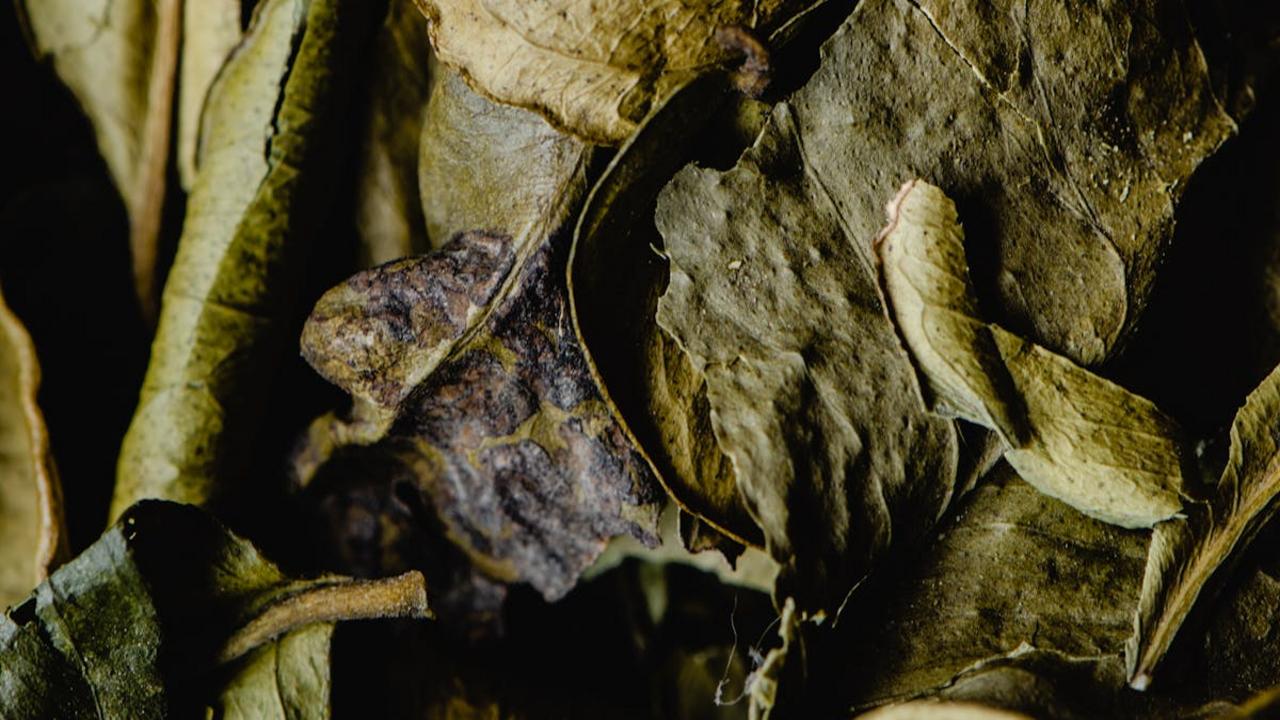
Those glossy, double-lobed kaffir lime leaves seemed like the perfect addition to your homemade Thai curry adventure, didn’t they? You bought that little plastic container, used exactly two leaves for your green curry masterpiece, and now the rest sit in your fridge like aromatic green reminders of good intentions. These intensely fragrant leaves pack such a punch that even a single leaf can transform an entire dish with their citrusy, floral notes that regular lime zest just can’t match.
Don’t let those beautiful leaves go to waste! You can freeze them whole in a freezer bag for months, ready to add instant Southeast Asian flair to soups, stir-fries, or even homemade rice. Try tearing a few into your next coconut milk-based soup or infusing them in simple syrup for cocktails. Their unique flavor profile works wonderfully in marinades for grilled chicken or fish, and you can even muddle them into a refreshing iced tea. Once you start experimenting with their bright, zesty character, you’ll wonder why you waited so long to use them up.
Blue spirulina powder
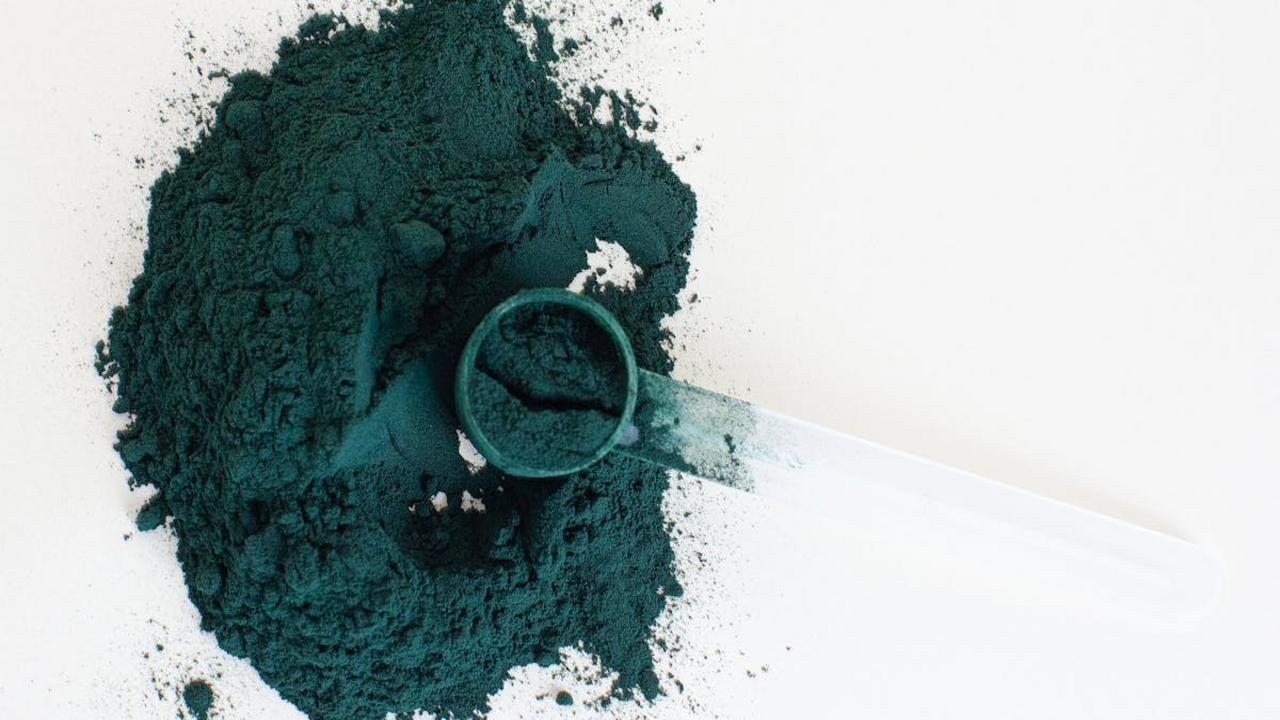
You bought that gorgeous blue spirulina powder for those trendy smoothie bowls that were all over Instagram, didn’t you? I totally get it – the vibrant ocean-blue color was absolutely irresistible, and you pictured yourself creating those stunning breakfast masterpieces. But now that tiny jar sits in your pantry like a forgotten treasure, probably wedged between your regular protein powder and that expired vanilla extract.
Here’s the thing about blue spirulina – it’s actually incredibly versatile once you get creative with it! Beyond those photogenic smoothie bowls, you can whisk it into homemade energy balls, blend it into coconut ice cream for a natural blue hue, or even mix it into pancake batter for weekend breakfast fun. The powder packs serious nutritional punch too, loaded with protein, antioxidants, and B vitamins. Try adding just a quarter teaspoon to your next batch of overnight oats or yogurt parfait. Your pantry ghost can finally become your secret weapon for creating beautiful, nutrient-dense treats that’ll make your friends wonder how you became such a kitchen wizard!
Yuzu kosho
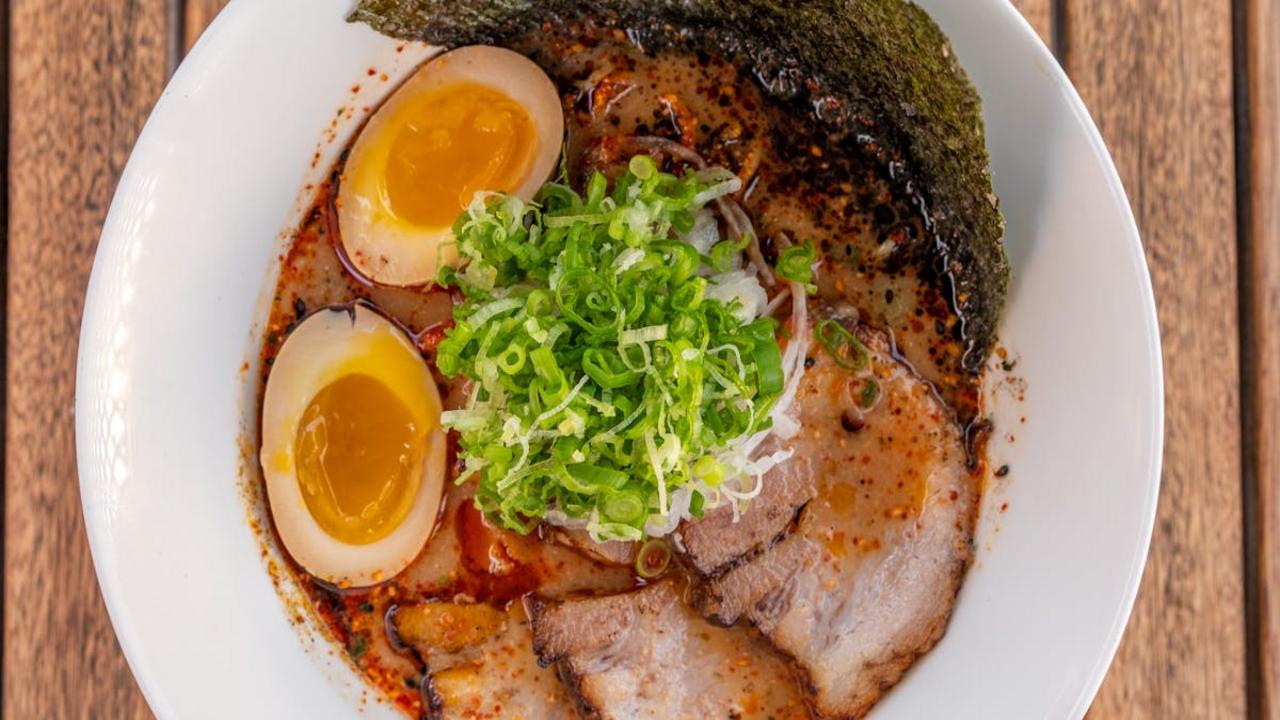
You spotted that tiny jar of yuzu kosho at the specialty food store, drawn to its promise of bright citrus heat that would transform your ramen bowl. The vibrant green paste looked so exotic and intriguing – a perfect blend of yuzu zest, chili peppers, and salt that whispered of Japanese authenticity. You paid the premium price without hesitation, imagining yourself creating restaurant-quality dishes that would impress your dinner guests. That single recipe called for just a teaspoon, and now you’re left staring at nearly a full jar wondering what else could possibly need this specific condiment.
Here’s the beautiful truth about yuzu kosho: this fragrant paste deserves a permanent spot in your refrigerator rotation! Mix a small amount into mayonnaise for the most incredible sandwich spread you’ve ever tasted, or stir it into salad dressings for an instant flavor boost. You can add it to marinades for grilled chicken or fish, swirl it into soups beyond ramen, or even mix tiny amounts into cream cheese for a knockout bagel topping. The complex flavor profile – floral citrus with gentle heat – works magic in so many applications once you start experimenting. Your pantry ghost just became your secret weapon for adding sophisticated flavor to everyday meals.
Lavender buds

Those tiny purple lavender buds seemed like such a brilliant idea when you spotted that lavender honey cake recipe on Pinterest. You bought a whole container, used maybe a teaspoon, and now they’re sitting there like fragrant little reminders of your ambitious baking phase. Don’t worry – you’re definitely not alone in this one! Lavender can be tricky because it’s so potent that most recipes only call for the tiniest amounts, leaving you with enough floral goodness to perfume your entire neighborhood.
Here’s the good news: those lavender buds are actually incredibly versatile once you know what to do with them. Try making lavender simple syrup for cocktails or lemonades – just simmer equal parts water and sugar with a tablespoon of buds, then strain. You can also blend a pinch into your morning tea, add them to homemade shortbread cookies, or create a relaxing lavender salt for roasted vegetables. My personal favorite trick is mixing a tiny amount into vanilla ice cream while it’s still soft – the floral notes pair beautifully with creamy desserts and turn an ordinary treat into something special.
Fermented bean paste
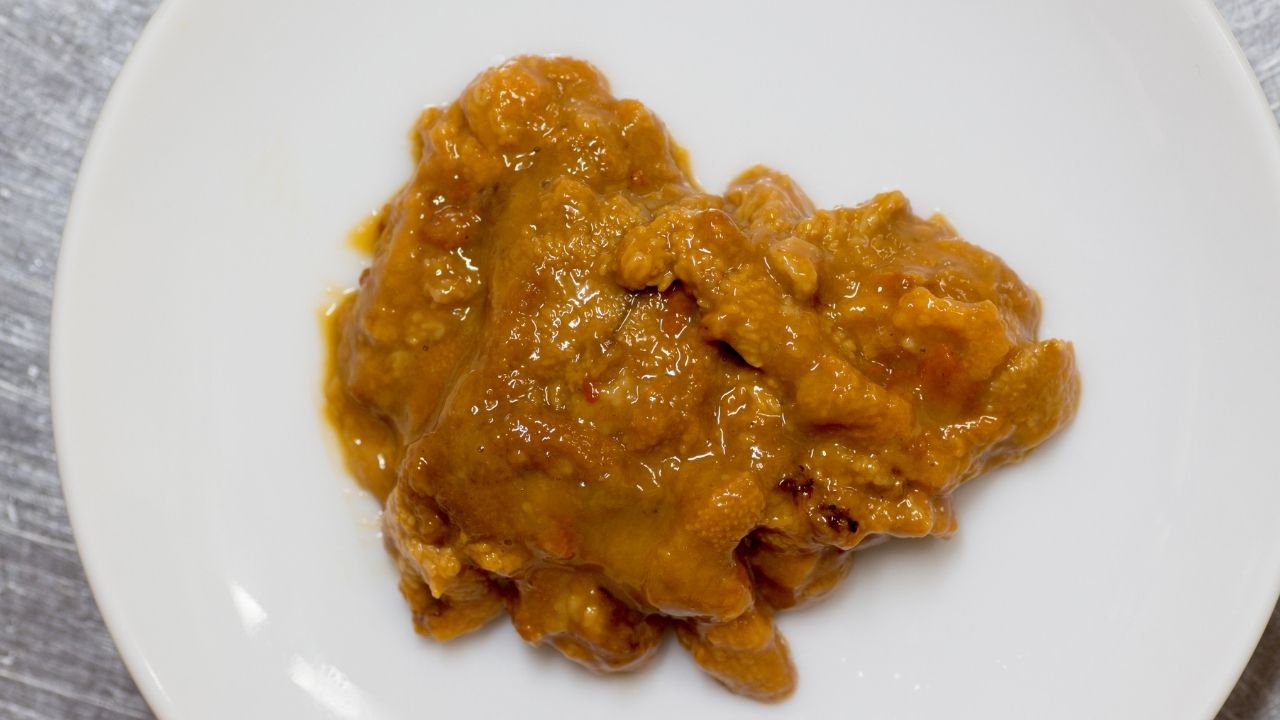
That jar of fermented bean paste sitting in your fridge door probably came home with you after you discovered an amazing Korean or Chinese recipe that absolutely required it. You bought it with such enthusiasm, imagining all the incredible dishes you’d make with this umami powerhouse. Now it stares at you every time you open the fridge, and you wonder if it’s still good after sitting there for months (spoiler alert: it probably is – fermented foods are incredibly shelf-stable).
Here’s the beautiful truth about fermented bean paste: it’s your secret weapon for adding instant depth to so many dishes beyond that original recipe. Try stirring a spoonful into your next stir-fry, mixing it into marinades for grilled vegetables, or even adding a small amount to salad dressings for an unexpected savory kick. The salty, rich flavor works magic in soups, braises, and even as a glaze for roasted tofu or tempeh. Stop feeling guilty about that lonely jar and start treating it like the flavor treasure it truly is – your pantry ghost just became your new best friend!
Black garlic
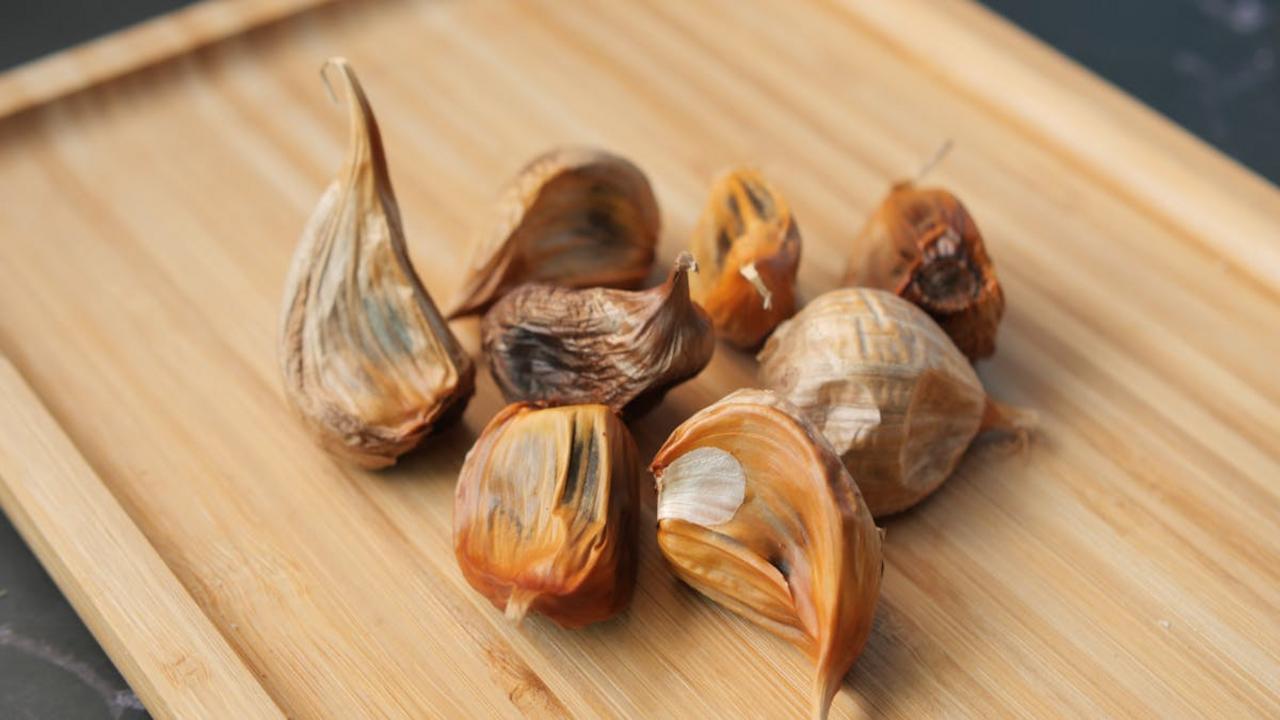
You spotted black garlic at that fancy grocery store and thought, “This looks so gourmet, I absolutely need it!” The price tag made you wince a little, but you justified the purchase for that one sophisticated recipe you bookmarked. Fast forward three months, and those mysterious dark cloves still sit in your pantry, looking like tiny burnt onions that mock your cooking ambitions every time you open the door.
Here’s the thing about black garlic – it’s actually fermented regular garlic that develops this incredible sweet, molasses-like flavor with hints of balsamic vinegar. Instead of letting those expensive cloves go to waste, try mashing them into compound butter for steaks, whisking them into salad dressings, or even spreading them on toast with goat cheese. The complex umami flavor works beautifully in marinades, and you can easily incorporate it into stir-fries or pasta sauces. Don’t let this pantry phantom intimidate you – black garlic is surprisingly versatile once you start experimenting!
Sumac
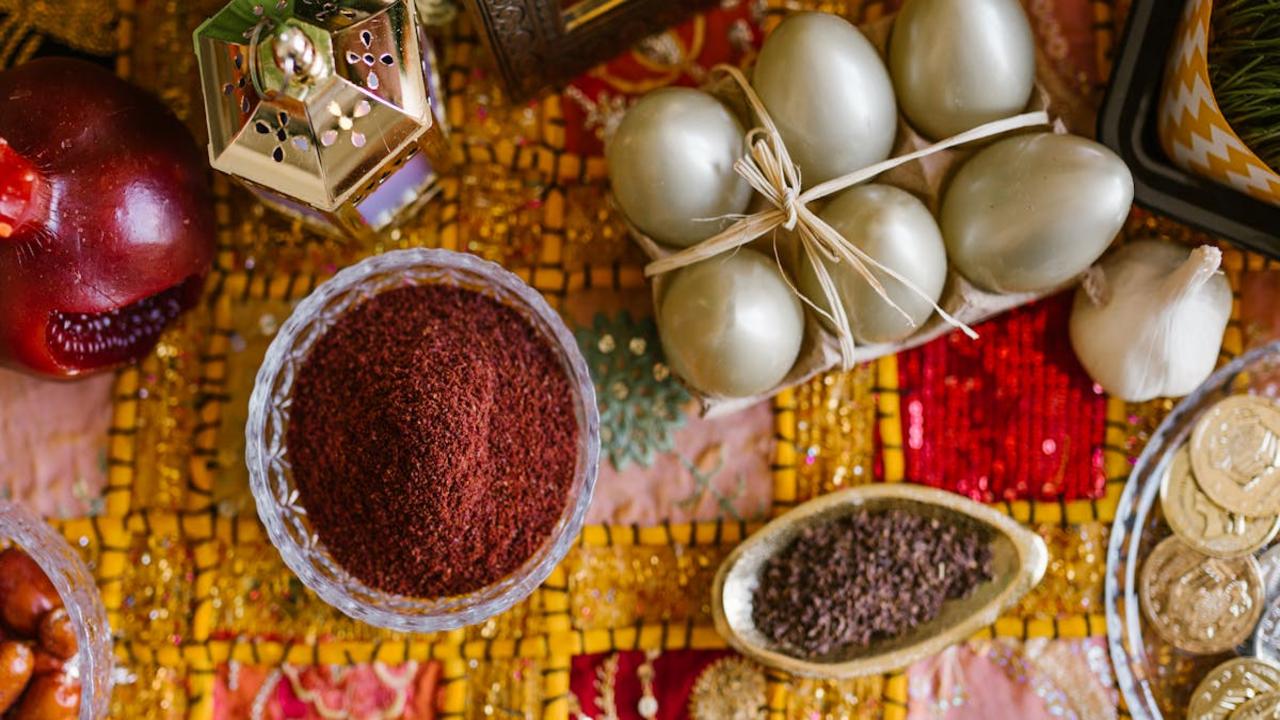
You spotted that gorgeous crimson powder at the spice shop, instantly drawn to its vibrant color and tangy promise. Maybe you needed it for a specific Middle Eastern dish or that trendy fattoush salad recipe you bookmarked months ago. Now this beautiful spice sits in your pantry, looking lonely while you wonder what else you can possibly do with it. Don’t worry – sumac deserves way more credit than being a one-recipe wonder!
This gorgeous berry powder brings a bright, lemony tartness that transforms ordinary dishes into something special. Sprinkle it over roasted vegetables, mix it into yogurt for an instant dip, or dust it on grilled chicken for a pop of color and flavor. I love adding sumac to simple salad dressings – it gives that perfect acidic kick without adding liquid like lemon juice would. Try mixing it with olive oil and za’atar for a fantastic bread dip, or blend it into your next batch of homemade hummus. Your taste buds will thank you for giving this Middle Eastern gem the attention it deserves!
Dried hibiscus petals
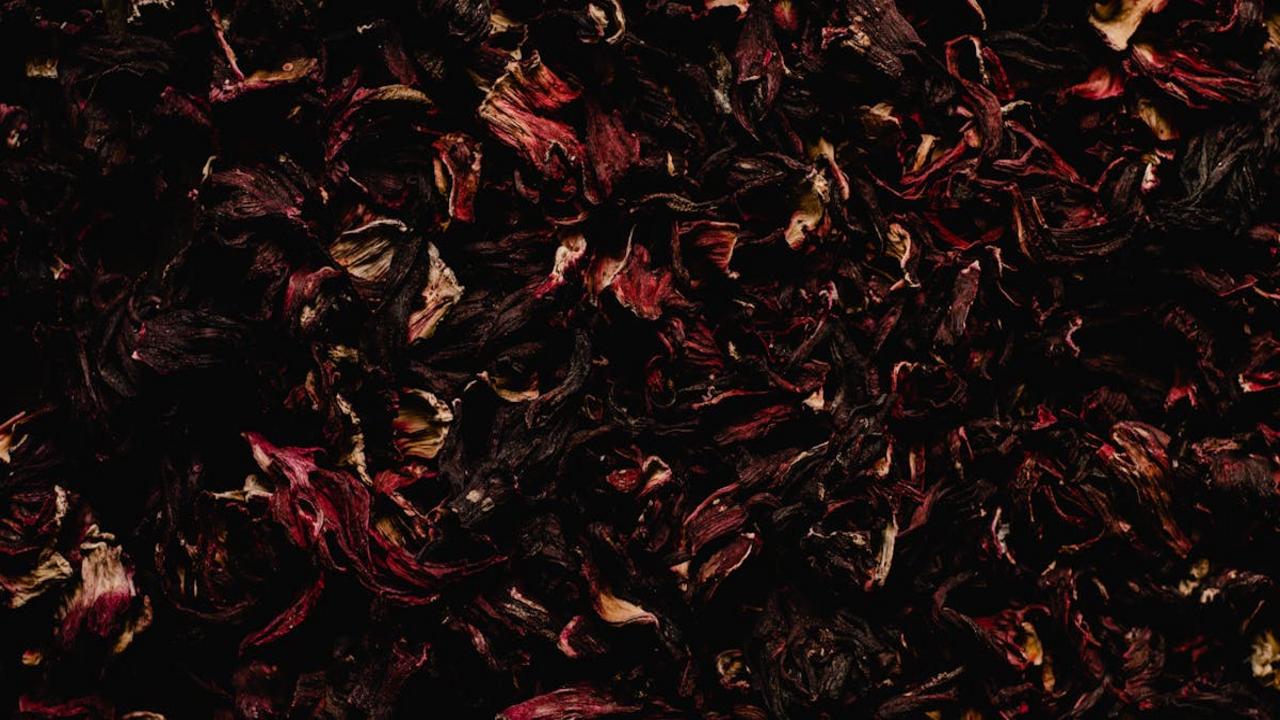
Remember that time you spotted a recipe for agua de Jamaica and thought, “How hard can it be?” You grabbed those gorgeous crimson dried hibiscus petals, brewed one perfect pitcher of that tangy, floral drink, and then… they’ve been staring at you from your pantry ever since. Those beautiful petals pack such a punch – they’re loaded with vitamin C and antioxidants, plus they create the most stunning ruby-red color that makes any drink look Instagram-worthy. But now you’re wondering what else you can possibly do with a whole bag of these botanical beauties.
Here’s the exciting news: hibiscus petals are incredibly versatile once you know their secrets! You can steep them into herbal tea (hot or iced), blend them into smoothies for a tart kick, or even grind them into a powder to add to homemade granola or yogurt bowls. I love mixing them with other dried fruits to create custom tea blends, and they work wonderfully in marinades for grilled chicken – that natural acidity helps tenderize the meat while adding a unique floral note. Try infusing them in simple syrup for cocktails, or steep them in warm milk for a gorgeous pink latte that tastes like a cozy hug in a mug.