12 Common Foods That Pack a Toxic Punch When You Overeat
You know those everyday ingredients sitting innocently in your kitchen right now? Some of them have a secret dark side when you go overboard. From the nutmeg in your pumpkin spice latte to those Brazil nuts in your trail mix, common foods can turn from friendly to fierce if you don’t watch your portions.
Think you can munch on star fruit all day or add heaps of cinnamon to everything? Think again! Mother Nature packed some surprising toxic compounds into these seemingly innocent foods. The good news? You’d need to eat a ridiculous amount of most of these foods to get into real trouble.
I’ve rounded up 12 common foods that could make you regret your overeating adventures. Don’t worry – I’m not here to scare you away from your favorite snacks. Consider this your friendly heads-up on which foods deserve a bit more respect and moderation.
Cinnamon (Cassia)
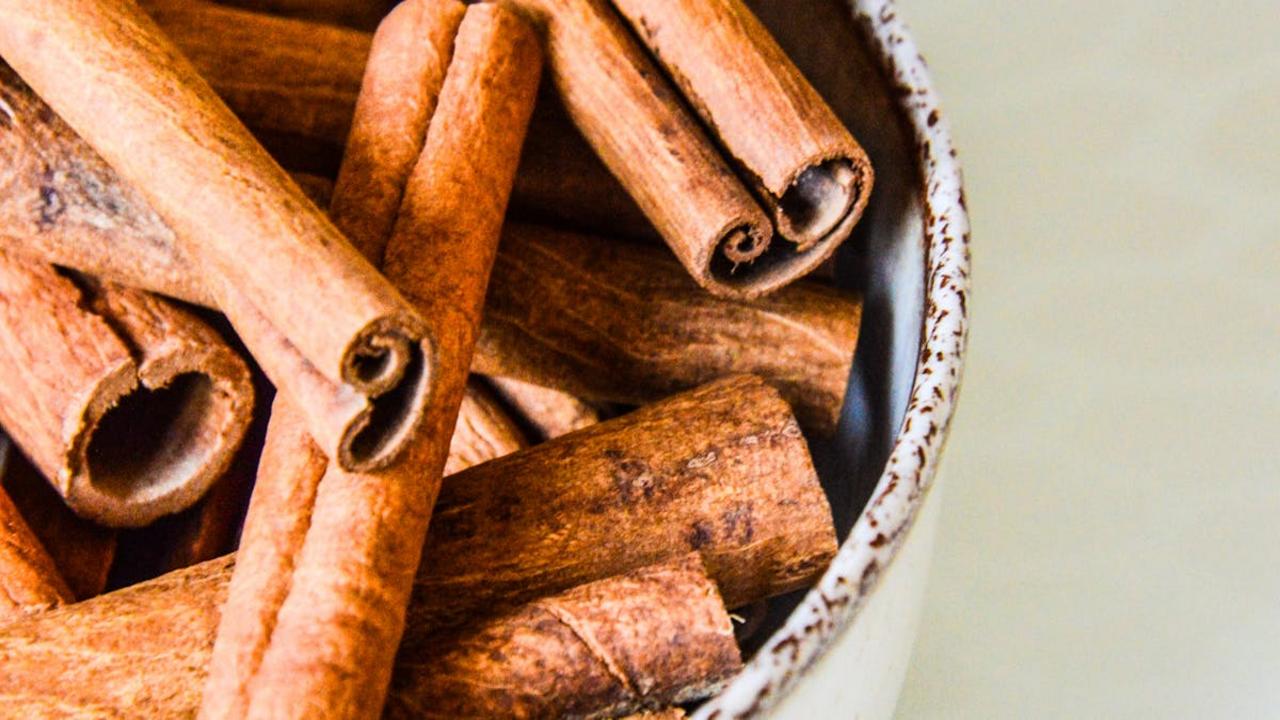
You might think your morning cinnamon bun addiction is harmless, but hold onto your rolling pins! The most common type of cinnamon in your kitchen – Cassia cinnamon – contains high levels of coumarin, a natural compound that can damage your liver when you eat too much. While a sprinkle here and there won’t hurt, consuming more than a teaspoon daily could spell trouble. I’ve seen countless baking enthusiasts go overboard with this warming spice, especially during the holiday season when everything from cookies to lattes gets a generous dusting.
Here’s the spicy truth: Cassia cinnamon’s coumarin content is roughly 1,000 times higher than its fancy cousin, Ceylon cinnamon (aka “true” cinnamon). Think of coumarin like that friend who’s fun in small doses but becomes a total nightmare if they stay too long. The FDA recommends keeping your daily coumarin intake below 0.1 mg per kg of body weight. To put that in perspective, a 150-pound person should limit themselves to about 1-1.5 teaspoons of cassia cinnamon per day. So maybe reconsider that viral TikTok “cinnamon challenge” – your liver will thank you!
Kombucha
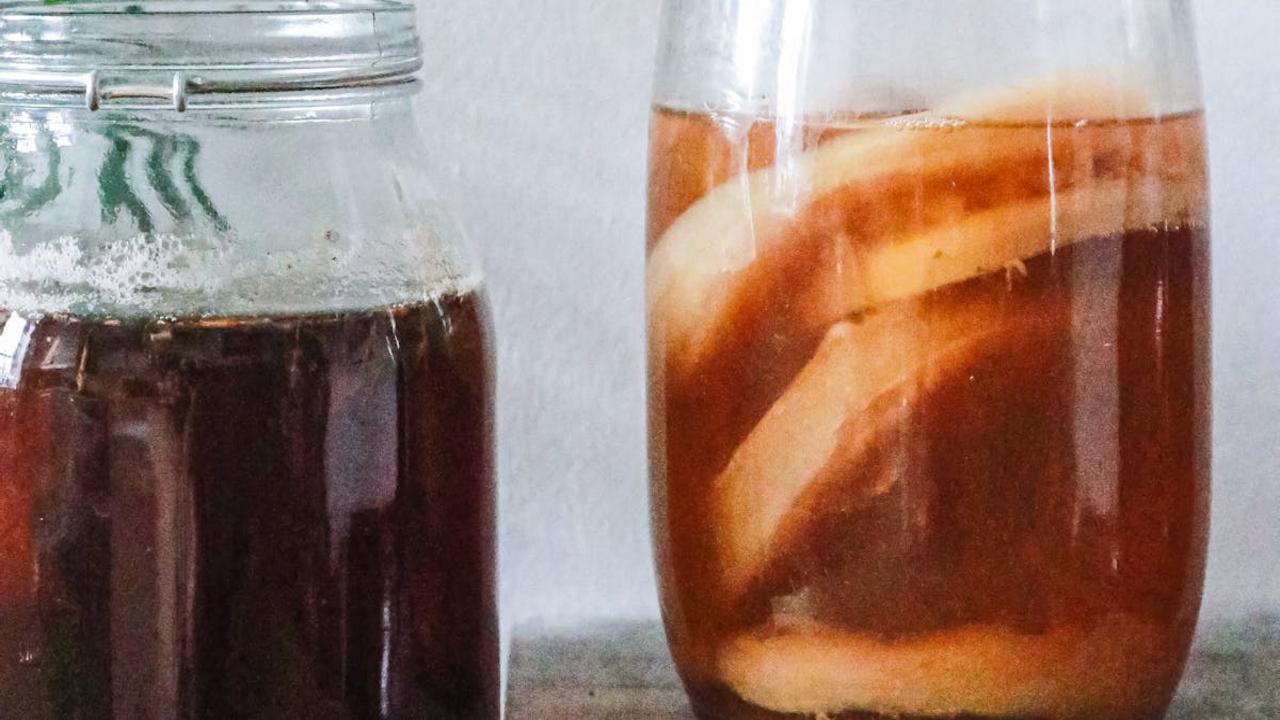
You’ve probably seen this fizzy fermented tea everywhere lately, but before you go chugging bottles of kombucha like there’s no tomorrow, let’s chat about moderation. While this probiotic-rich drink can boost your gut health, drinking too much packs a surprisingly toxic punch. The fermentation process creates small amounts of alcohol and acid that, in large quantities, can upset your stomach, trigger headaches, and even cause kidney problems. Plus, some commercial kombuchas contain up to 28 grams of sugar per serving – that’s like sneaking in an extra dessert!
Here’s something wild – kombucha’s natural carbonation can build up so much pressure that bottles have been known to explode! That same fizzy action in your stomach can lead to bloating and nausea if you overdo it. The CDC recommends limiting intake to 4 ounces daily for newbies and no more than 12 ounces even for seasoned kombucha fans. And if you brew your own, watch out – incorrect fermentation can create harmful compounds that might send you running to the bathroom faster than you can say “SCOBY” (that’s the weird-looking bacteria culture that makes kombucha possible).
Green Potato Parts
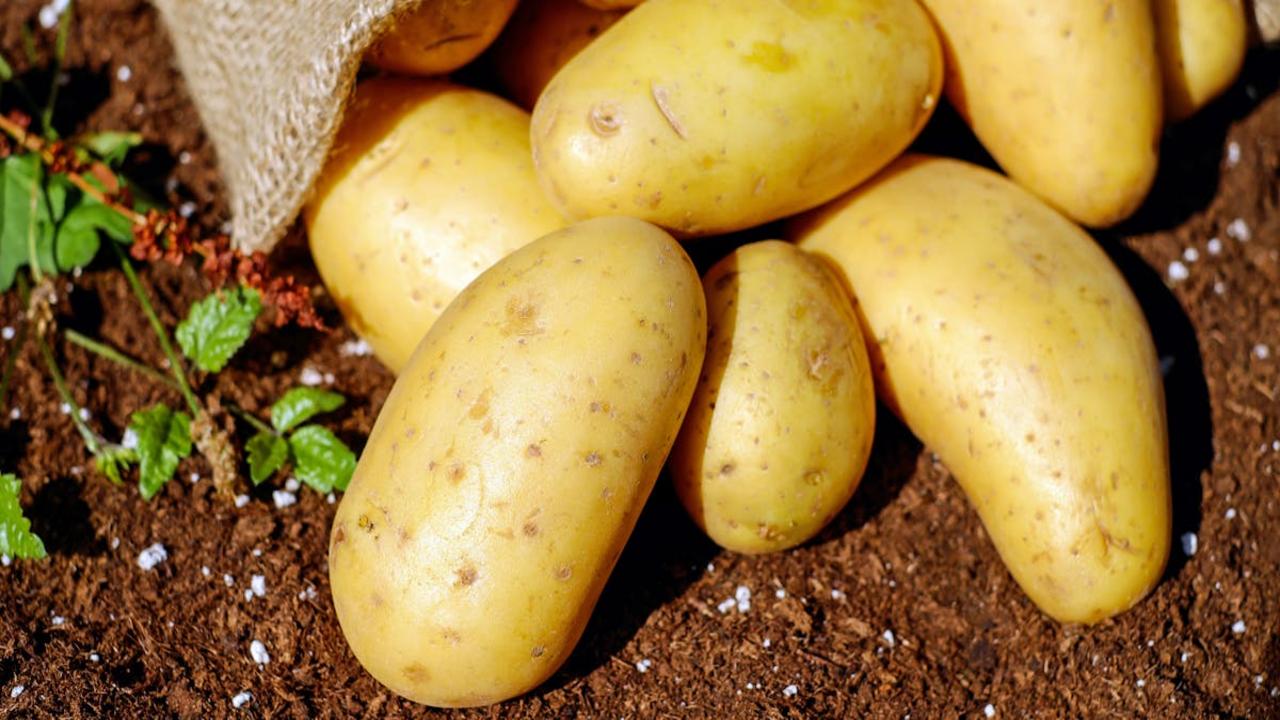
You know those green patches and sprouts that pop up on your potatoes when they’ve been hanging around too long? They’re not just unsightly – they pack a sneaky toxic compound called solanine that can make you seriously ill. While a small bite won’t send you to the emergency room, eating large amounts of these green parts could leave you with a nasty case of vomiting, headaches, and diarrhea. I learned this the hard way after ignoring those green spots on my forgotten basement spuds last winter!
The good news? You can still save your potatoes by properly cutting away the green parts and any sprouts. Store your potatoes in a cool, dark place to prevent them from developing these toxic compounds in the first place. And here’s a fun fact – potatoes turn green when exposed to light because they start producing chlorophyll (just like plants), but this process also triggers solanine production. Mother Nature has her ways of warning us – those green patches are basically your potato’s way of saying “Don’t eat me!” So next time you spot a greenish spud, grab your knife and trim away those trouble spots.
Almonds (Bitter)
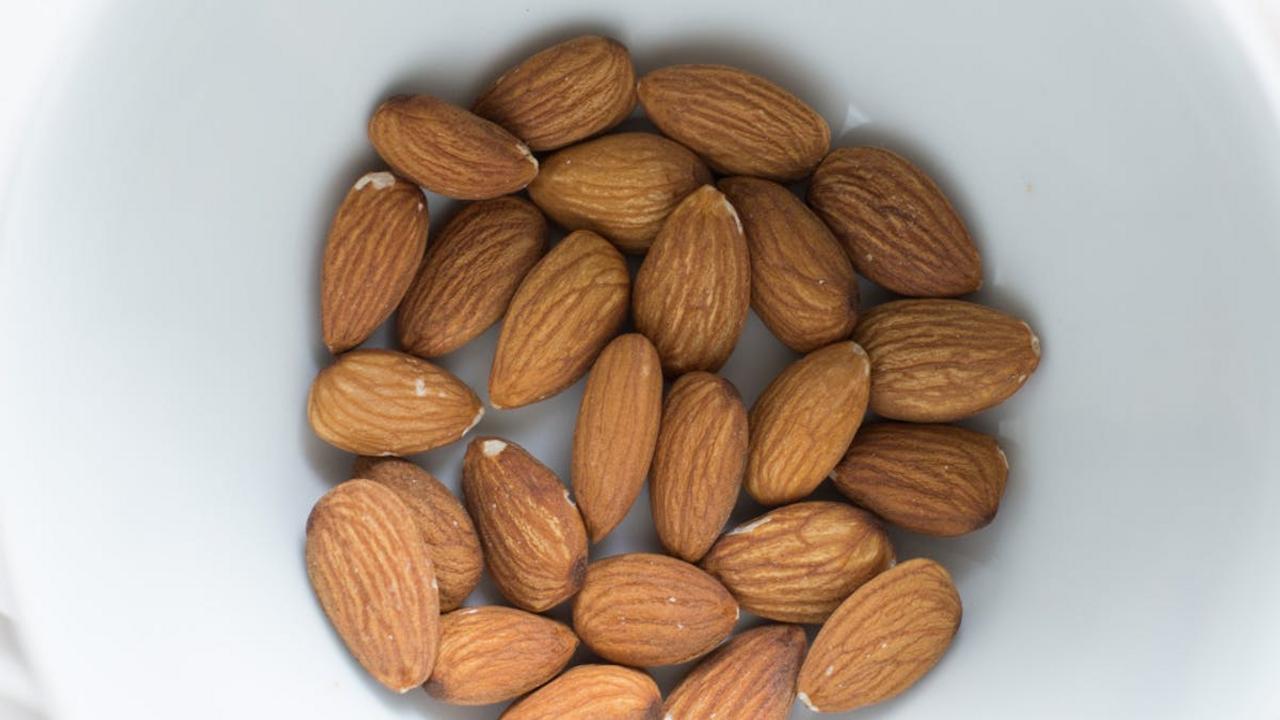
Hey, did you know those innocent-looking bitter almonds could pack a deadly punch? Unlike their sweet cousins that we munch on daily, bitter almonds contain high amounts of amygdalin – a compound that turns into cyanide when your body processes it. Just 50 raw bitter almonds could kill you! That’s why you won’t find these dangerous nuts at your local grocery store. In fact, the FDA banned their sale in raw form across the United States. The wild part? Some cultures still use tiny amounts in traditional medicine and cooking, though they must process them extensively first.
If you’ve ever wondered why your almond extract smells so potent, here’s a fun fact: it’s made from bitter almonds! But don’t worry – the commercial process removes all the dangerous compounds. The extract you buy is perfectly safe to use in your baking adventures. Think of bitter almonds as nature’s reminder that not everything natural is automatically good for you. Regular sweet almonds? Go nuts (pun intended)! But their bitter relatives deserve serious respect and should stay far away from your shopping cart.
Rhubarb Leaves
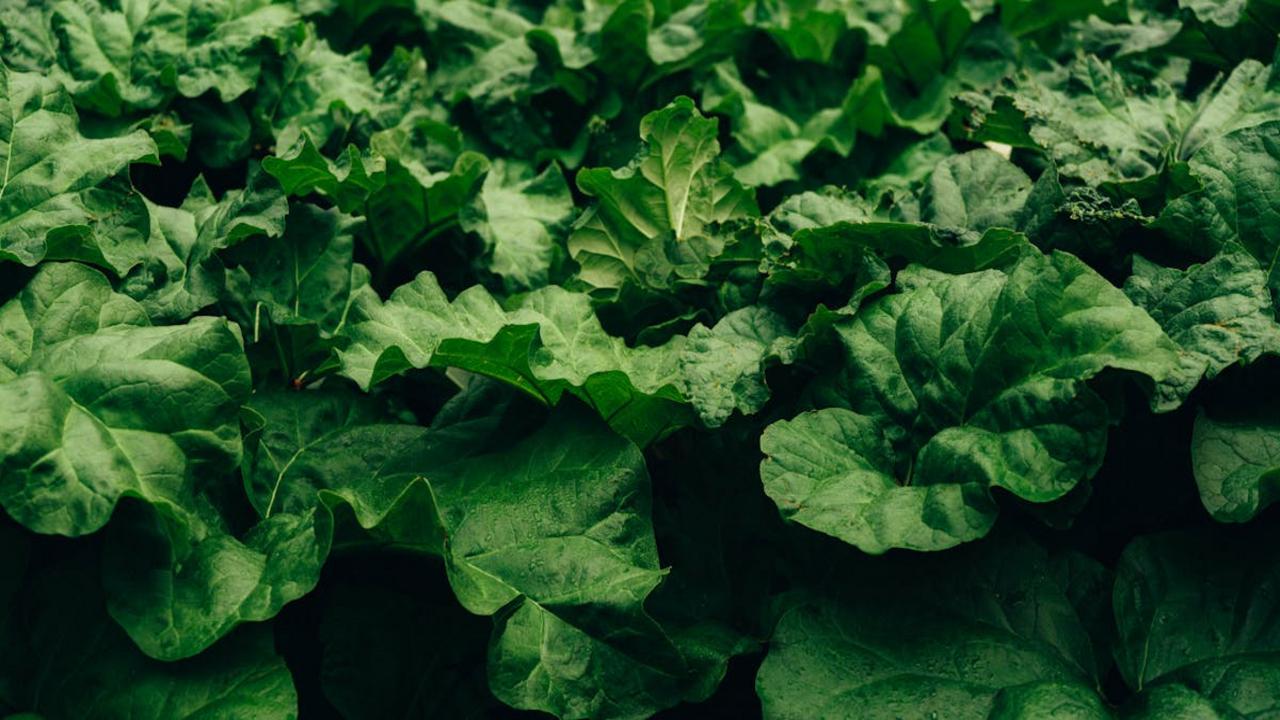
Your grandmother’s rhubarb pie might be heavenly, but those leafy greens at the top of the stalks could send you straight to the emergency room! While the stalks make fantastic desserts, rhubarb leaves pack a dangerous punch of oxalic acid – a toxic compound that can cause severe kidney damage, burning in your mouth and throat, and even death. I once watched my neighbor nearly add these leaves to her “garden-fresh” smoothie before I frantically waved her down from across the fence. Yikes!
Here’s the scary math: just 11 pounds of rhubarb leaves contain enough oxalic acid to kill an adult human. Even a smaller amount can make you seriously sick with symptoms like difficulty breathing, nausea, and diarrhea. The good news? You can still enjoy those tart, pink stalks in your favorite recipes – just make sure to chop off those leaves and toss them in the compost bin (where they won’t poison anyone’s smoothies). Your kidneys will thank you, and your pie will still be the star of the summer potluck!
Casava
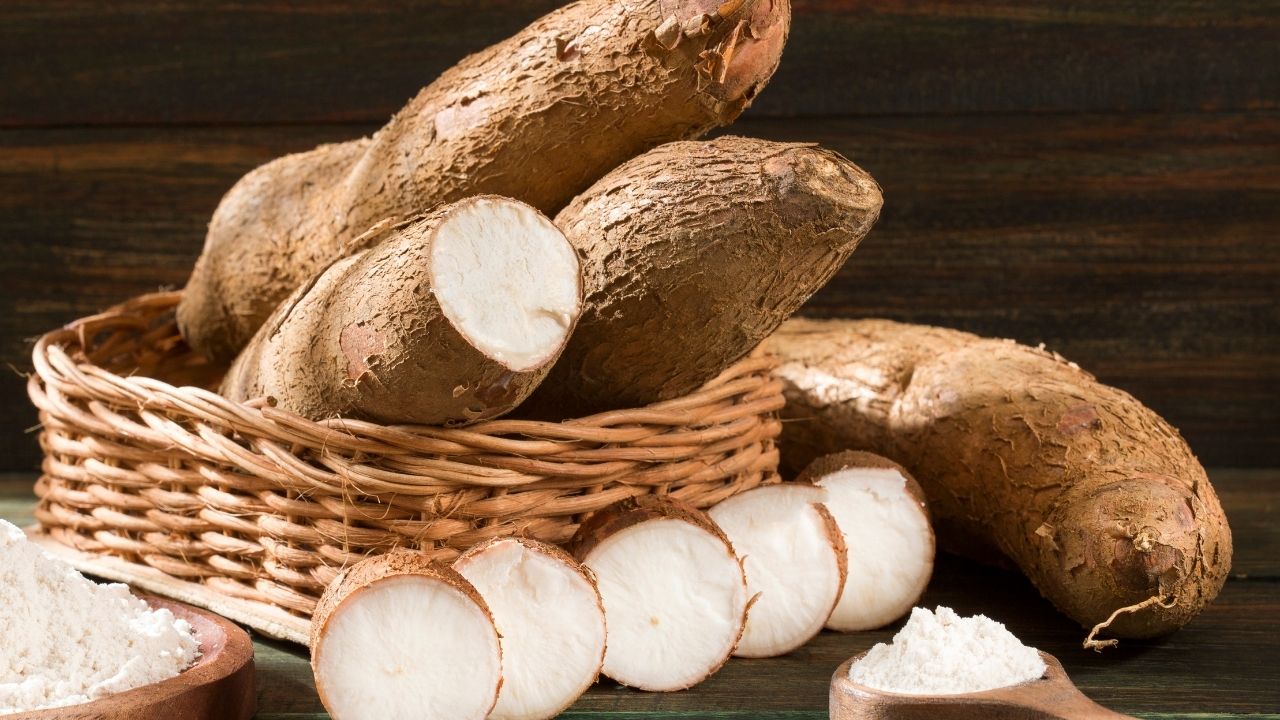
You’ve probably munched on some tapioca pudding or boba tea pearls without realizing they come from cassava root. While this starchy vegetable feeds millions worldwide, you’ll want to watch your portions! Raw cassava contains compounds called cyanogenic glycosides that can convert to hydrogen cyanide in your body – yes, the same stuff you’ve heard about in spy movies. Your body can handle small amounts just fine, but eat too much raw or improperly prepared cassava and you might find yourself with symptoms ranging from dizziness to serious illness.
The good news? You can totally enjoy cassava safely – just cook it properly! Traditional preparation methods like soaking, fermenting, and thorough cooking break down those troublesome compounds. I’m a huge fan of crispy cassava fries or the Brazilian cheese bread pão de queijo made with cassava flour. Just stick to properly prepared versions and avoid going overboard. Think of cassava like that friend who’s great in small doses but gets a bit overwhelming if you spend too much time together. Keep your portions reasonable and you’ll get all the yummy benefits without the toxic drama!
Licorice Root
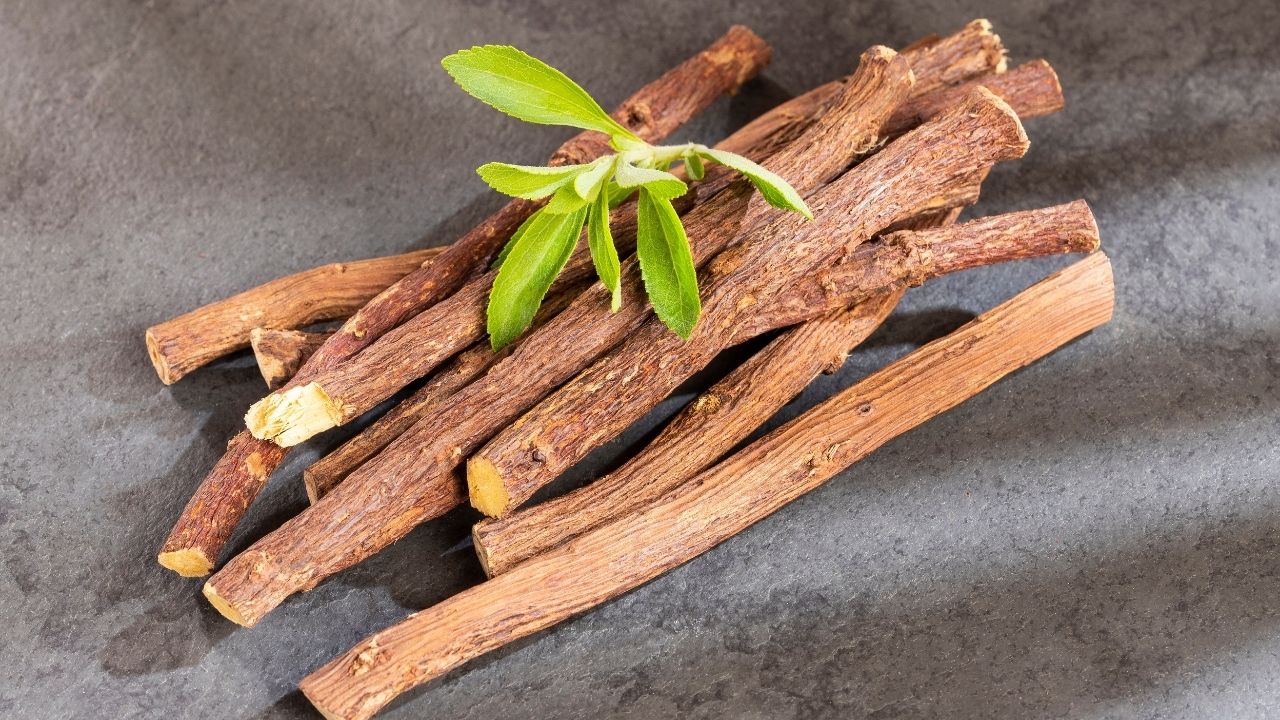
I bet you didn’t know that sweet, innocent licorice root could turn into a troublemaker! While this natural candy and tea ingredient adds a unique sweetness to treats, going overboard with it can lead to some scary health issues. Too much licorice root contains glycyrrhizin, a compound that messes with your body’s potassium levels and blood pressure. Even a two-week binge on real licorice candies could land you in hot water, causing irregular heartbeats, muscle weakness, and high blood pressure.
Here’s the kicker – you don’t need to munch on raw licorice root to run into problems. Many teas, supplements, and candies pack this powerful ingredient. The FDA warns that eating just 2 ounces of black licorice daily for two weeks can trigger heart problems, particularly in folks over 40. And if you’re pregnant or have heart issues, you’ll want to keep your distance from licorice root altogether. Stick to small amounts of licorice treats, or better yet, opt for artificial licorice flavoring that doesn’t contain the real stuff – you’ll get all the yummy flavor without the scary side effects!
Star Fruit
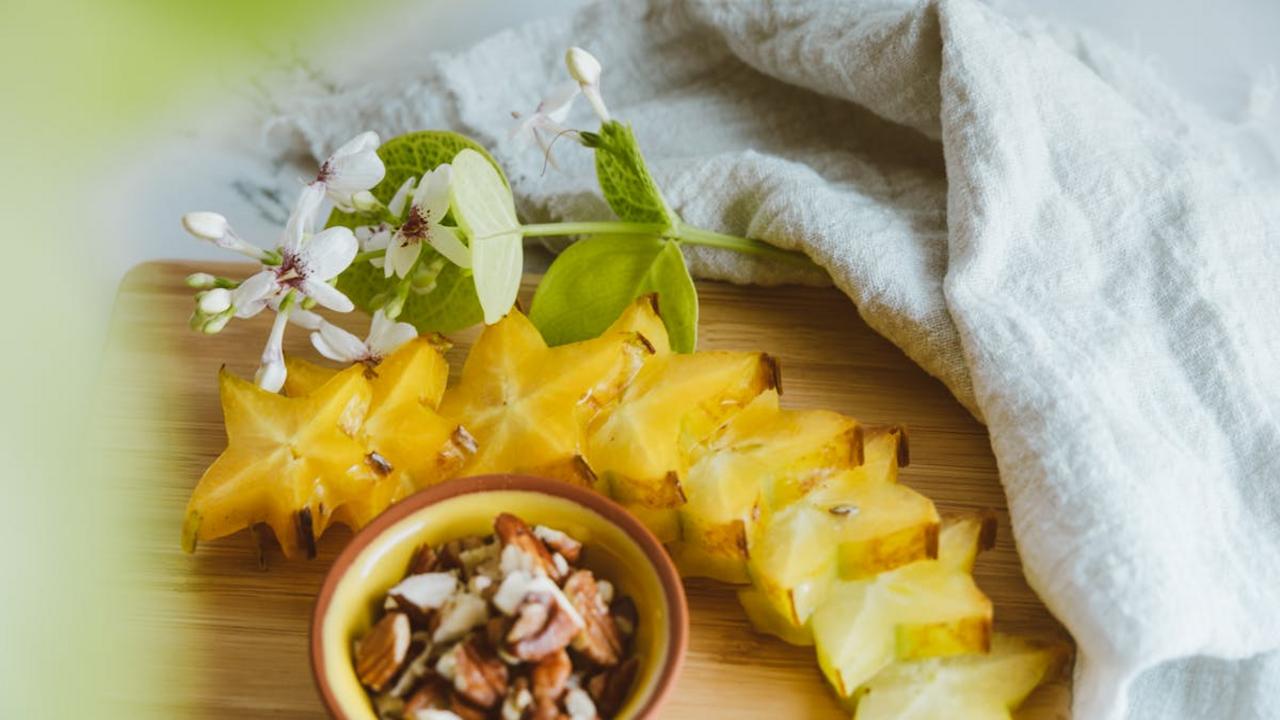
You might think star fruit looks adorable with its perfect little star-shaped slices, but don’t let its Instagram-worthy appearance fool you! While nibbling on a few pieces won’t hurt, going overboard with this tropical treat can spell serious trouble, especially if you have kidney problems. Star fruit contains neurotoxins that your kidneys usually filter out, but when you eat too many, these toxins can build up and cause confusion, seizures, and in extreme cases, even death.
I once met a Florida gardener who bragged about eating star fruit daily from his backyard tree – until his doctor gave him a stern warning about his declining kidney function. The fruit’s toxic compound, called caramboxin, doesn’t play nice with compromised kidneys. So while these yellow beauties make gorgeous garnishes and add a tart zip to fruit salads, stick to small portions. If you have any kidney issues or take prescription medications, check with your doctor before snacking on these stellar-shaped fruits. The general rule? Keep it to one small fruit per day, and you’ll stay safely in the sweet spot.
Lima Beans
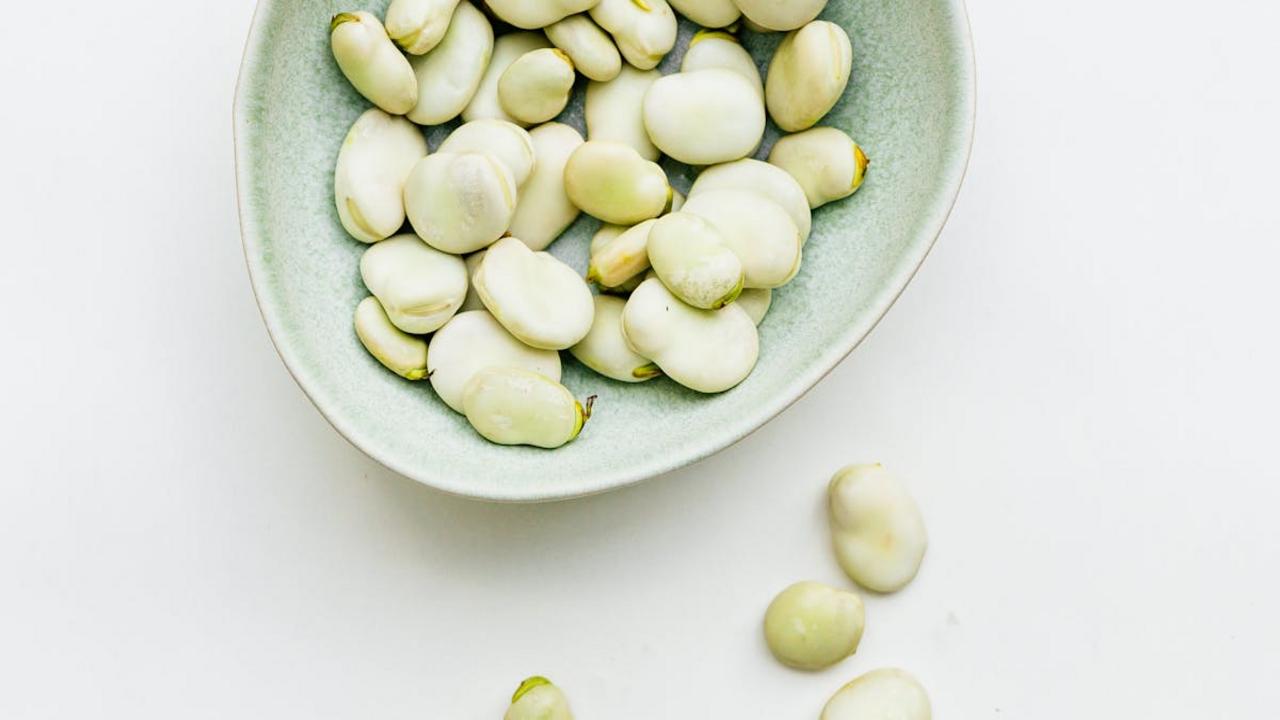
Those innocent-looking lima beans sitting in your pantry have a secret – they contain compounds called linamarin that can convert to hydrogen cyanide in your body. While cooking them properly breaks down these toxins, eating large amounts of raw or undercooked lima beans could make you seriously ill. You’d need to consume about 1/3 cup of raw lima beans to reach dangerous levels, but why take the risk? I always make sure to boil my limas thoroughly for at least 15 minutes until they’re tender and creamy.
Beyond their hidden toxic potential, lima beans pack quite a nutritional punch when prepared correctly. One cup gives you 12 grams of protein, 9 grams of fiber, and loads of minerals like iron and potassium. I love tossing them into soups or making classic succotash. My grandma used to trick us kids into eating them by calling them “butter beans” – a sweeter, more appealing name that actually worked! Just remember to stick to properly cooked lima beans and you’ll get all the benefits without any unwanted cyanide drama.
Tuna
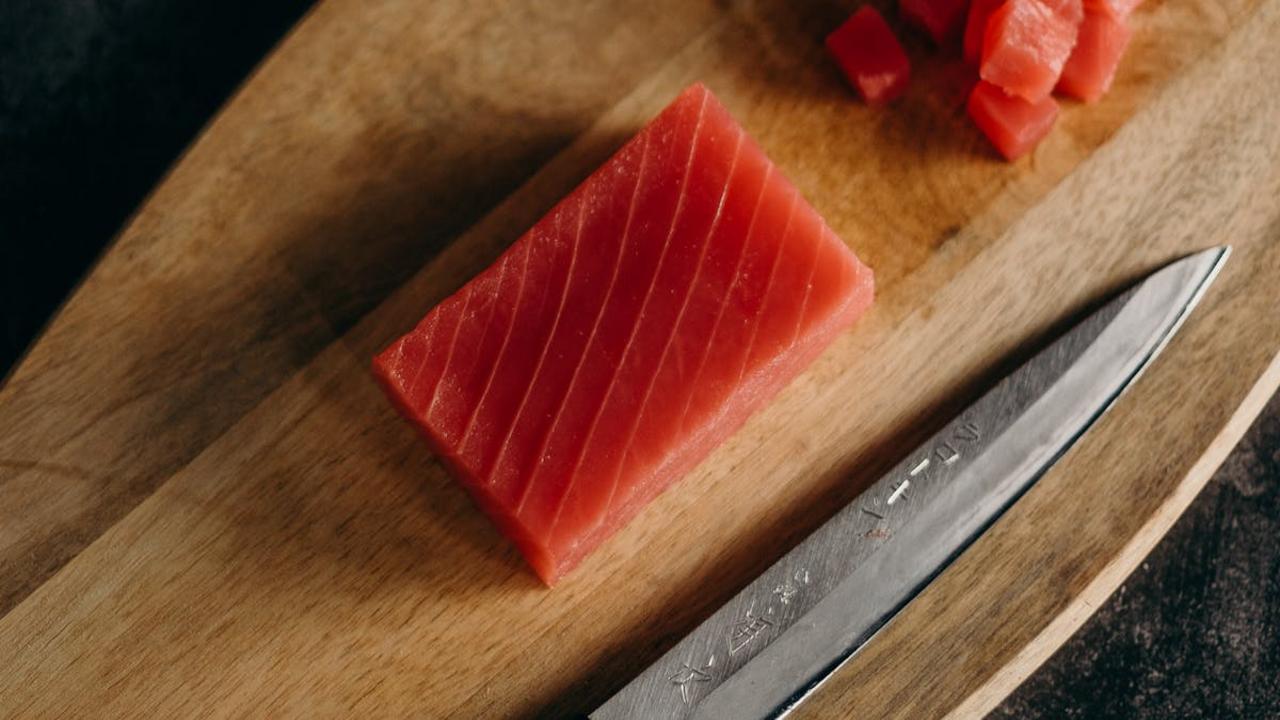
You might think your tuna sandwich habit is the picture of health, but this popular fish has a sneaky dark side if you overdo it. Mercury builds up in tuna’s flesh over time, and the bigger the fish, the higher the concentration. Albacore and yellowfin tuna pack more mercury than their smaller skipjack cousins – those little guys you’ll find in most canned light tuna. I once went through a phase of eating tuna daily (hello, budget-friendly protein!), only to have my doctor raise an eyebrow and remind me that moderation is key.
The FDA suggests limiting your tuna intake to 6 ounces per week for albacore and 12 ounces for light tuna. Too much mercury can mess with your nervous system and cause some nasty symptoms like headaches, vision problems, and mood changes. If you’re pregnant or planning to be, you’ll want to be extra careful with your tuna consumption. The good news? You don’t need to break up with tuna completely – just keep your portions in check and mix up your protein sources. Try salmon, sardines, or mackerel for those omega-3s without the mercury worry.
Brazil Nuts
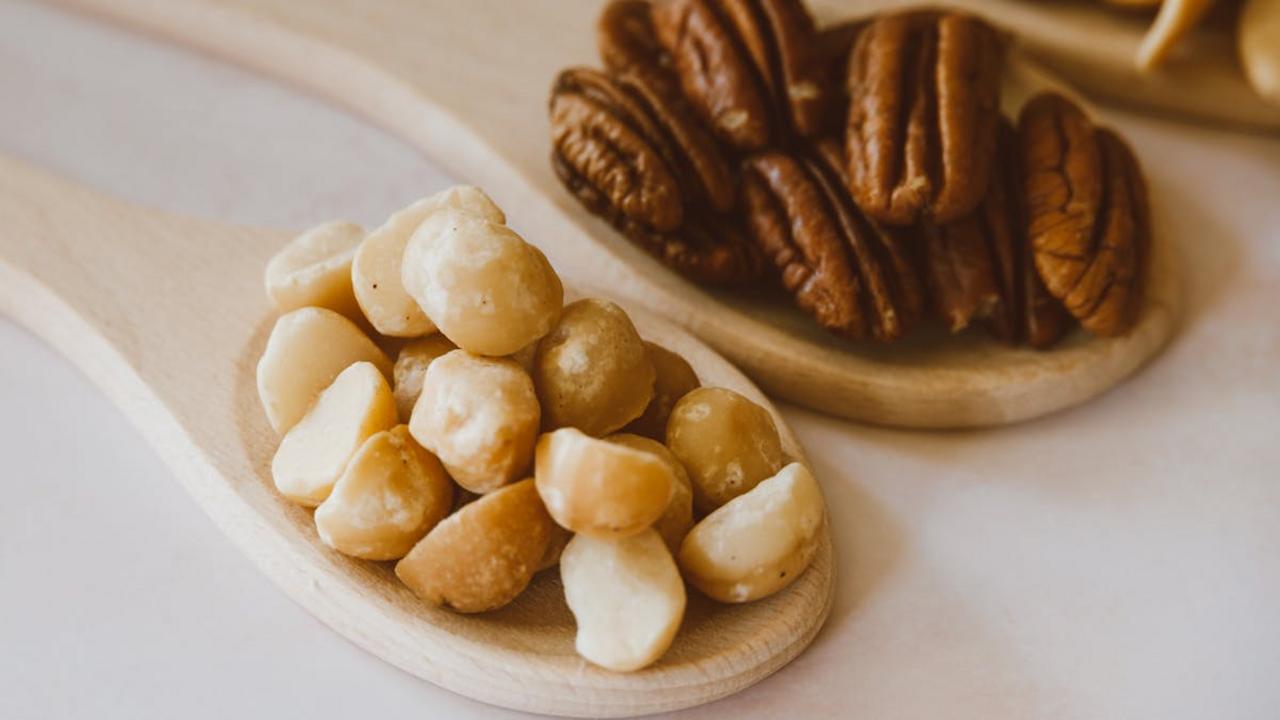
Let me drop a nutty truth bomb on you – Brazil nuts pack a serious selenium punch that’ll knock your socks off! While selenium helps your thyroid and immune system work smoothly, munching on more than 8 Brazil nuts daily can send your selenium levels through the roof. Too much selenium can trigger hair loss, brittle nails, garlic breath (yes, really!), and even nerve damage. I once got carried away snacking on these creamy nuggets during a Netflix marathon and woke up feeling like I’d been hit by a truck.
Despite their toxic potential when overdone, Brazil nuts remain nutritional superstars in small doses. Each nut contains about 96 micrograms of selenium – that’s more than your entire daily requirement! They also deliver healthy fats, protein, and minerals like copper and magnesium. Just stick to 1-2 nuts per day to get all the good stuff without the scary side effects. Store them in your freezer to keep them fresh longer, and always check for any mold before eating since they’re prone to fungal growth in humid conditions.
Nutmeg
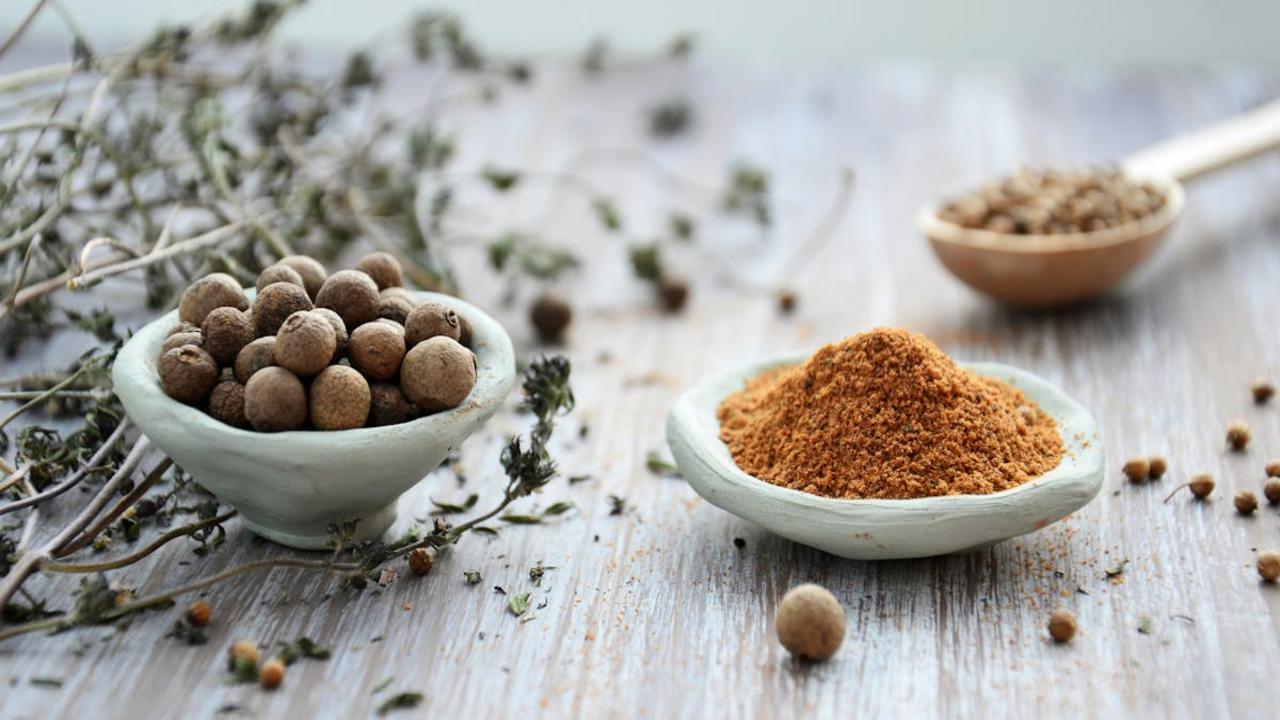
You might sprinkle nutmeg on your eggnog or pumpkin spice latte without thinking twice, but this innocent-looking spice has a wild side! While small amounts add warmth and comfort to your baked goods, going overboard with nutmeg can turn your cozy evening into an unexpected trip. The compound myristicin in nutmeg acts like a natural hallucinogen when consumed in large quantities (typically more than 2 tablespoons), causing symptoms ranging from dizziness and nausea to full-blown delirium. Talk about spicing things up a bit too much!
Ancient sailors knew about nutmeg’s psychoactive properties and often carried it on long voyages for more than just seasoning their food. Today, you’ll want to stick to the recommended 1/4 teaspoon per recipe to keep things safe and delicious. Fun fact: a single nutmeg seed can season up to 50 different dishes! I keep mine locked away in a special spice drawer after my roommate once mistook “tablespoons” for “teaspoons” in a cookie recipe and spent the next six hours convinced her cat was speaking French. Trust me, that’s one holiday baking story we won’t forget!