15 Unusual Foods That Became Everyday Staples
Remember when sushi meant raw fish and seemed totally weird? Now you’ll find California rolls at grocery stores next to sandwiches. The same goes for foods like kimchi and kombucha – once considered exotic or “health food store only” items that now fill mainstream supermarket shelves.
What changed? Our growing interest in global cuisines, plus research showing the health benefits of fermented and plant-based foods, transformed these ingredients from unusual to everyday. Social media played a huge role too, with home cooks sharing creative ways to use ingredients like jackfruit as meat substitutes or cauliflower as rice.
These 15 foods went from unfamiliar to must-have kitchen staples. Each one brings unique flavors and nutrients to your meals. From protein-packed quinoa to antioxidant-rich matcha, they’re proof that the best food innovations often come from centuries-old traditions around the world.
Jackfruit
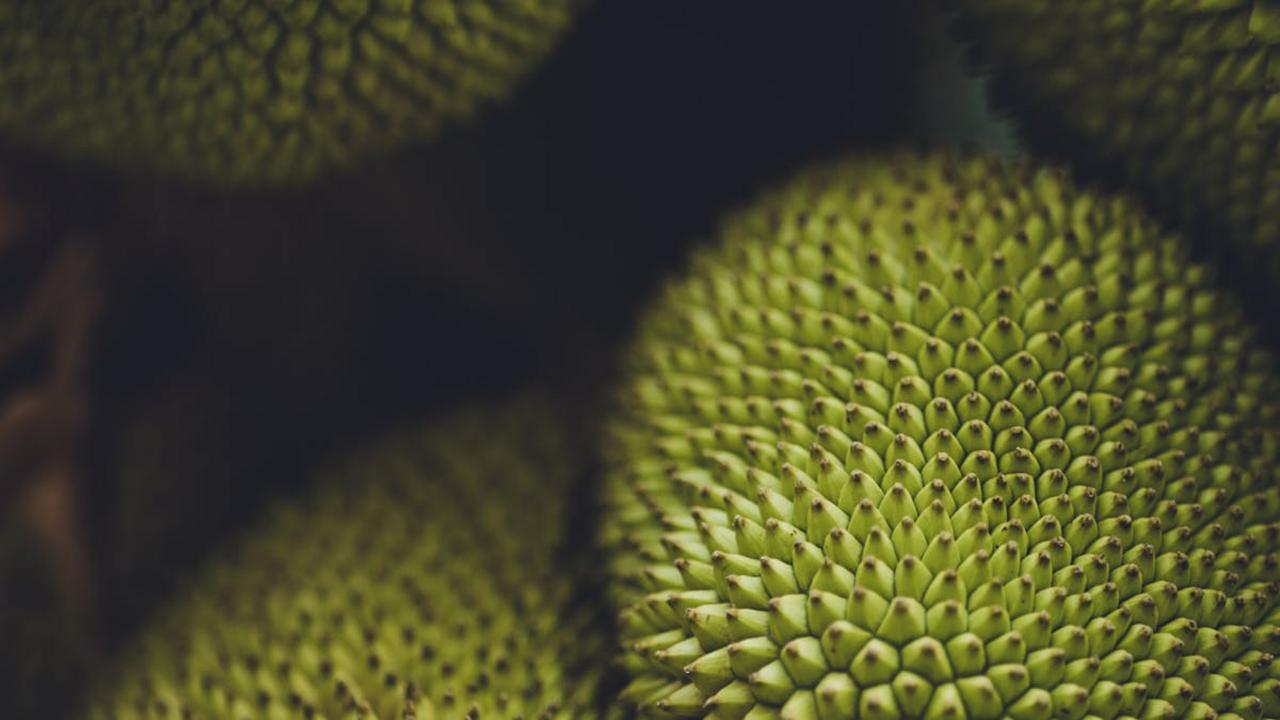
I discovered jackfruit during a local farmers market visit, where its enormous size and spiky exterior immediately caught my eye. This Southeast Asian fruit can grow up to 100 pounds and has transformed from an exotic novelty into a mainstream meat substitute. The young, unripe jackfruit closely mimics pulled pork’s texture, absorbing flavors beautifully in dishes like vegan BBQ sandwiches, tacos, and curries. Its neutral flavor makes it perfect for both savory and sweet applications, while its high fiber and nutrient content adds significant health benefits.
You’ll find jackfruit in various forms at grocery stores now – canned, frozen, or fresh. The canned version offers convenience for quick meals, while fresh jackfruit rewards you with a sweet, tropical flavor similar to a mix of pineapple, mango, and banana. Raw jackfruit contains natural latex, so wear disposable gloves when handling it fresh. I regularly add it to my plant-based recipes, from mock crab cakes to hearty stews. This versatile fruit has truly earned its place in modern kitchens, moving beyond its traditional roots to become a go-to ingredient for creative cooking.
Tempeh
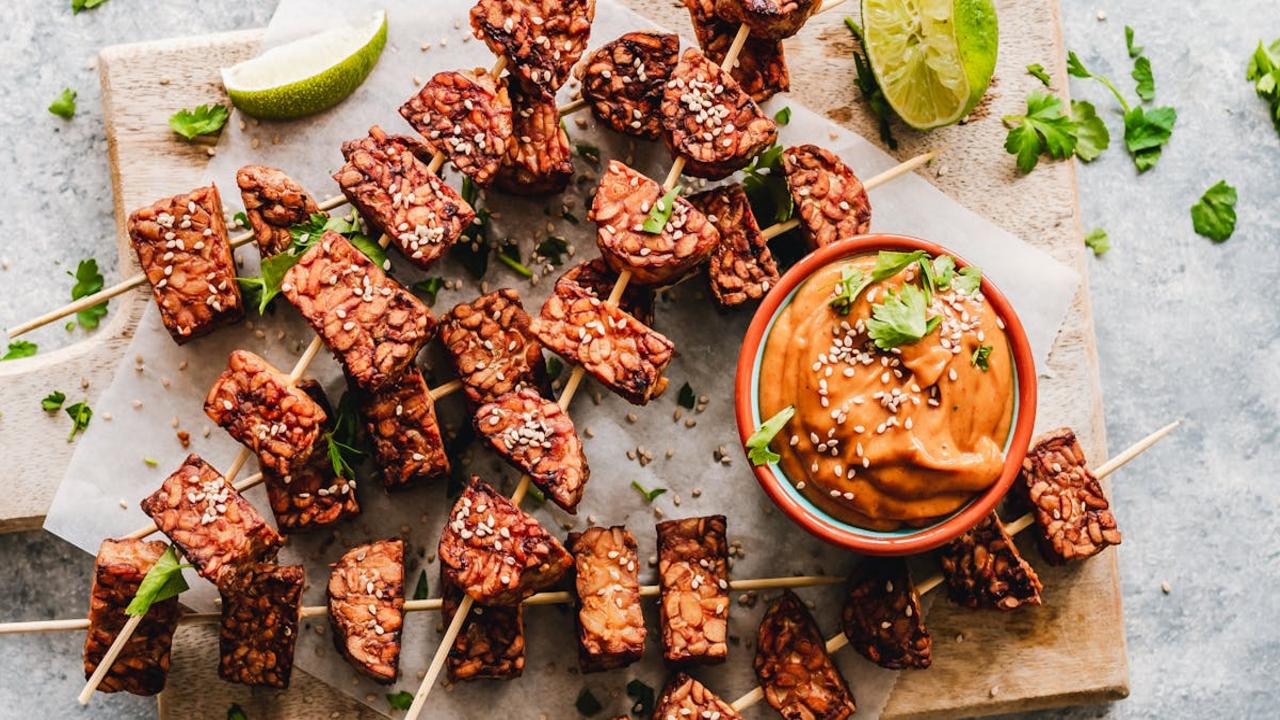
I discovered tempeh while searching for plant-based protein alternatives, and this Indonesian fermented soybean cake quickly became my go-to meat substitute. The dense, nutty blocks pack more protein per serving than tofu and offer a satisfying, chewy texture that works beautifully in stir-fries, sandwiches, and marinades. What makes tempeh unique is the fermentation process – whole soybeans get bound together by a natural culture, creating white threads of beneficial probiotics throughout the cake.
You’ll find tempeh in most grocery stores now, but this wasn’t always the case. This traditional Indonesian staple only gained mainstream popularity in Western countries over the past few decades as more people adopted plant-based diets. I love how versatile tempeh is – you can crumble it into “meat” sauces, slice it thin for sandwiches, or cube it for hearty grain bowls. The key to delicious tempeh lies in proper preparation – steaming it first removes any bitterness and helps it absorb marinades better. My favorite way to serve it? Sliced thin, marinated in tamari and maple syrup, then pan-fried until golden brown.
Matcha
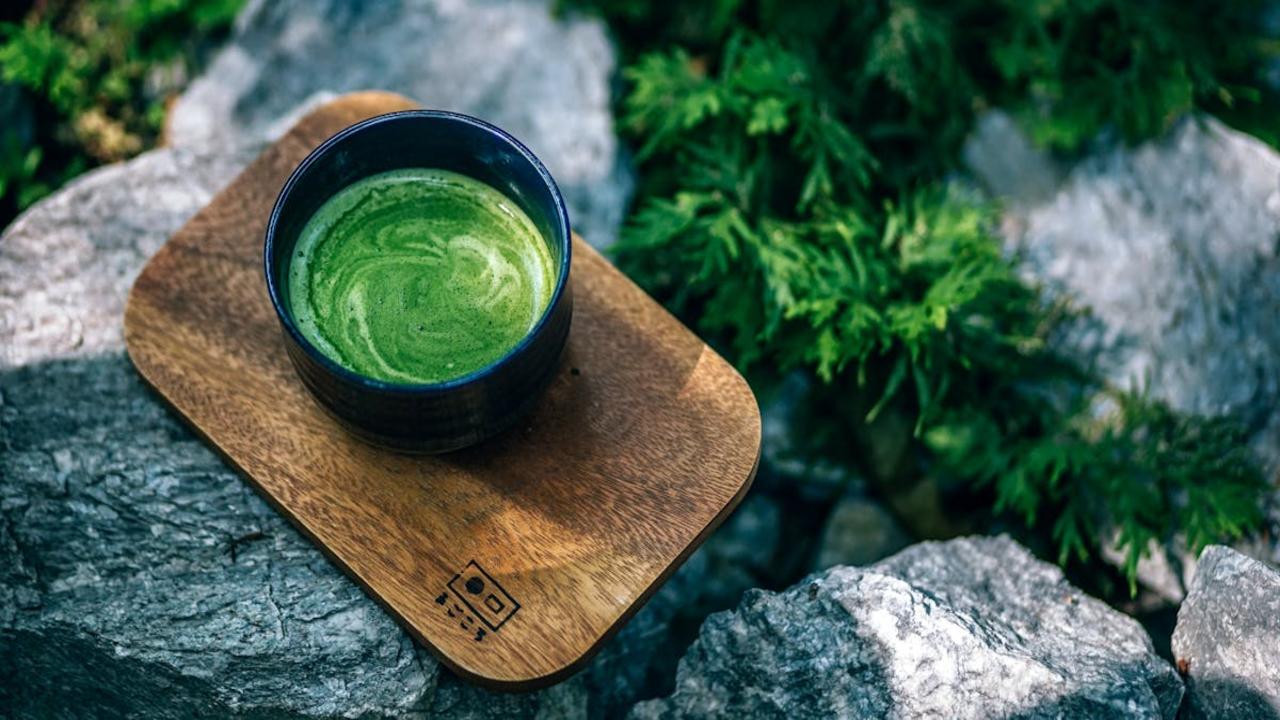
I remember discovering matcha long before it became a café menu regular. This finely ground green tea powder from Japan packs incredible flavor and health benefits into every vibrant green spoonful. Unlike regular green tea where you steep and discard the leaves, matcha gives you the whole leaf in powdered form, maximizing its antioxidants and natural caffeine content. The traditional preparation involves whisking the powder with hot water using a special bamboo whisk called a chasen, creating that signature frothy texture many now love.
Today, you’ll find matcha in everything from lattes to ice cream, cookies to smoothie bowls. Its earthy, slightly sweet flavor adds depth to both sweet and savory dishes. I often add a teaspoon to my morning smoothies or yogurt for an energy boost without the jitters of coffee. The ceremonial grade matcha remains best for traditional tea preparation, while culinary grade works perfectly for baking and cooking. This versatile ingredient moved from traditional Japanese tea ceremonies to becoming a mainstream superfood that many people now include in their daily routines.
Spirulina

I’m always excited to share how this bright blue-green algae transformed from an ancient Aztec superfood into a modern kitchen powerhouse. Raw spirulina packs more protein than beef, contains all essential amino acids, and brings incredible nutrients to your daily meals. You’ll find this nutrient-dense ingredient in smoothie bowls, protein bars, and even natural food colorings, adding both nutrition and a striking color to dishes.
Many home cooks start with spirulina powder in their morning smoothies – just a teaspoon adds significant nutritional value without changing the taste much. I recommend mixing it with sweet fruits like bananas or mangoes to balance its mild oceanic flavor. My favorite way to use spirulina is in homemade energy balls combined with dates, nuts, and coconut – they make perfect post-workout snacks and keep well in the fridge for quick boosts throughout the week.
Edamame
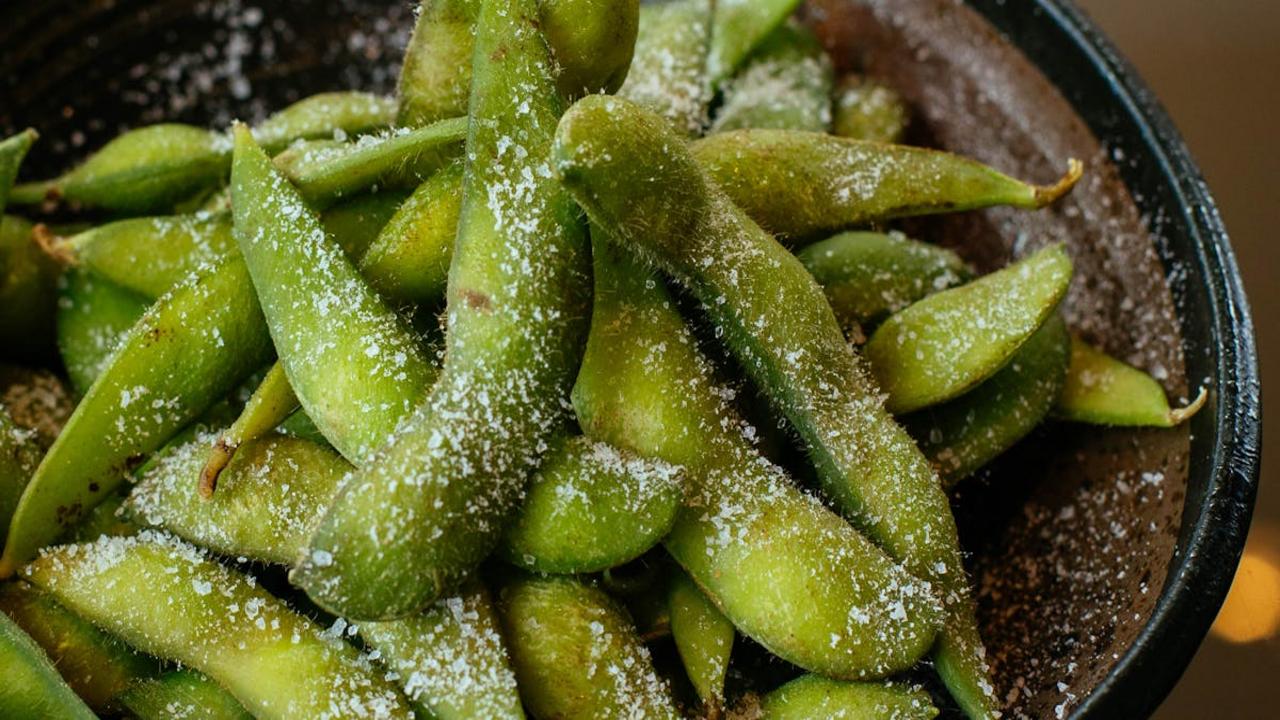
I remember my first encounter with edamame at a local Japanese restaurant in 2005 – these bright green soybeans still in their pods seemed so foreign to me then. Now, you’ll find edamame everywhere from supermarket freezer sections to school lunch boxes. The transformation of this traditional East Asian appetizer into a mainstream American snack happened gradually through the early 2000s, driven by the growing popularity of Japanese restaurants and increased awareness of plant-based proteins.
What makes edamame special is its incredible nutritional profile combined with a naturally sweet, mild flavor that appeals to almost everyone. Each serving packs complete protein, fiber, and essential vitamins while remaining low in calories. I often add them to grain bowls, stir-fries, or simply steam them with a sprinkle of sea salt for a quick snack. The pods also make eating them fun – you get to squeeze out each bean while savoring their tender texture. This interactive element made them particularly appealing to kids, helping cement their place in many American households.
Cauliflower rice
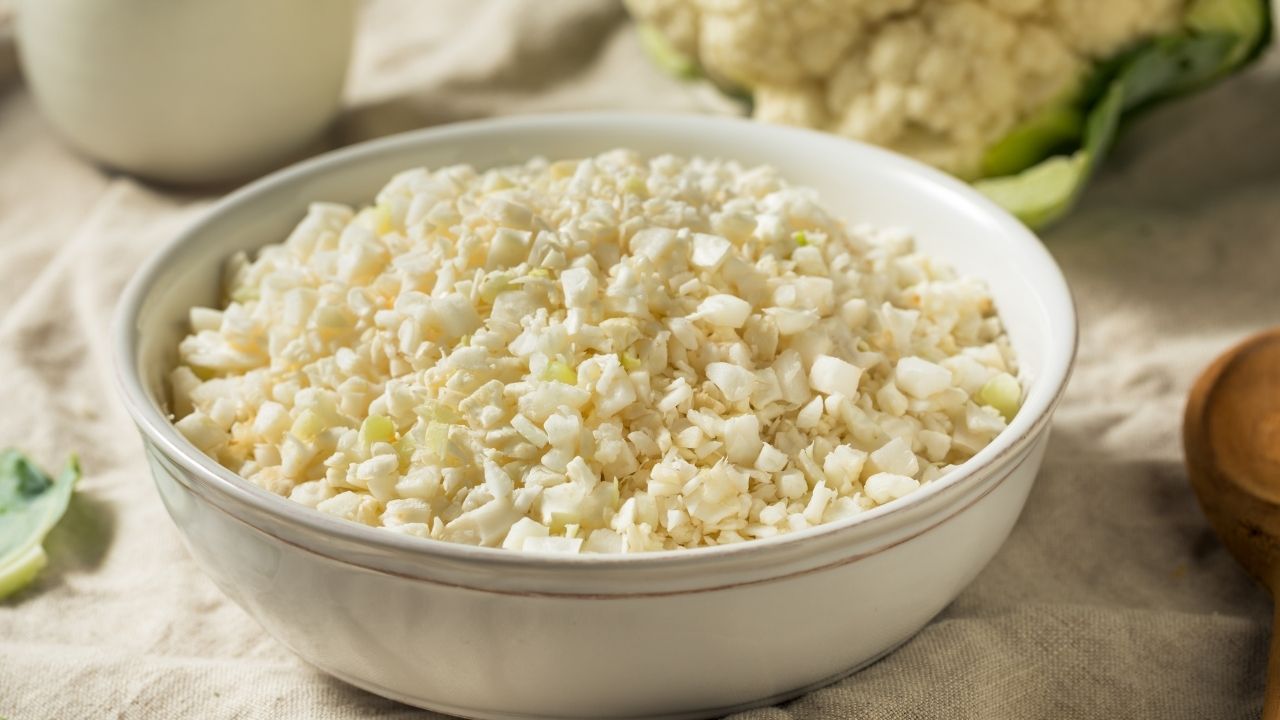
Remember when cauliflower rice felt like a strange concept? Now I find this veggie-based alternative in every grocery store, from fresh produce sections to frozen aisles. The transformation happened gradually – what started as a low-carb substitute gained momentum through food blogs and social media until it became mainstream. You’ll spot cauliflower rice in stir-fries, Buddha bowls, and even traditional rice-based dishes where people want extra vegetables without sacrificing texture or satisfaction.
Making cauliflower rice at home gives you the freshest results – just pulse cauliflower florets in your food processor until they reach a rice-like consistency. The magic lies in its versatility: season it with herbs for Mediterranean dishes, add coconut milk for Asian-inspired meals, or mix it with regular rice for a nutrition boost. The mild flavor makes it perfect for absorbing whatever seasonings you choose. Plus, one cup contains only 25 calories compared to 200 in white rice, while adding fiber, vitamins, and minerals to your meals.
Tofu
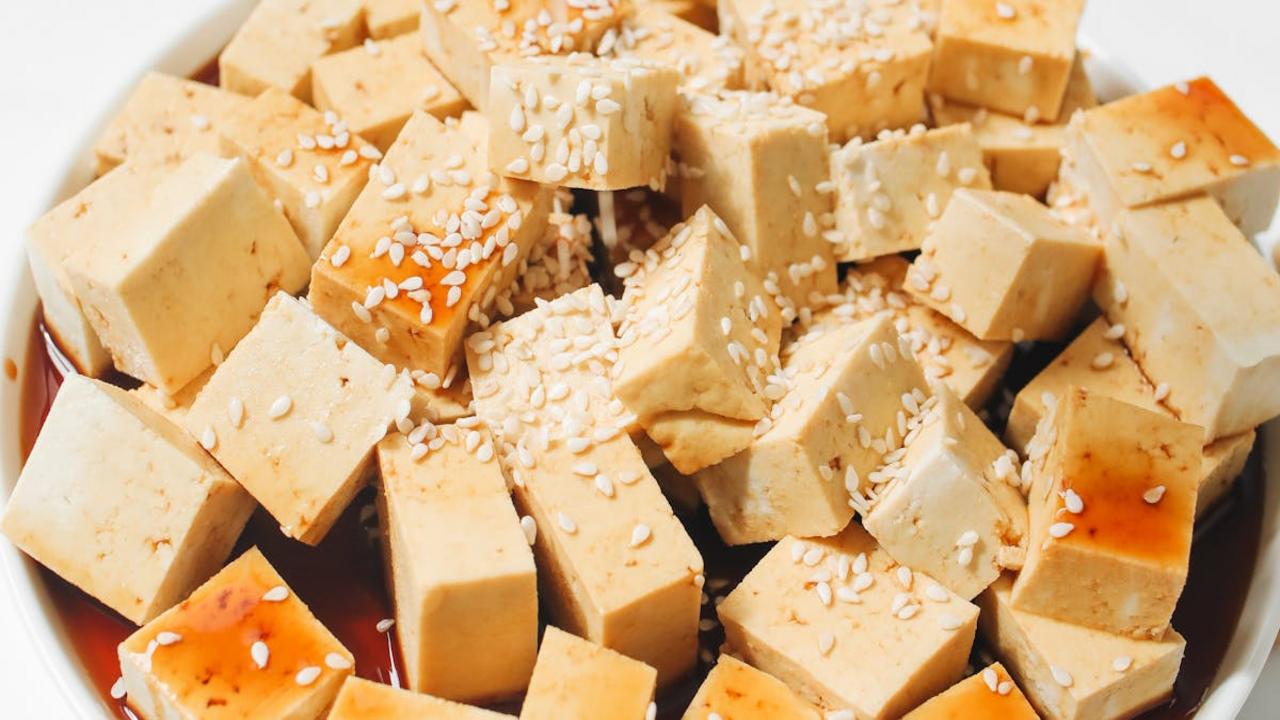
You might find it hard to imagine, but tofu was once considered a bizarre, exotic food in Western kitchens. This protein-rich soybean product originated in China over 2,000 years ago and slowly made its way across Asia before reaching American shores in the 1960s. Back then, you’d need to hunt through specialty Asian markets just to find a block of tofu. Now, you’ll spot numerous tofu varieties in regular grocery stores – from silken to extra firm – as more people discover its incredible versatility and health benefits.
I love how tofu transforms completely based on how you prepare it. Press it well and pan-fry it for a crispy exterior and meaty bite, or blend silken tofu into smoothies and desserts for creamy richness. The mild flavor makes tofu perfect for soaking up marinades and sauces. My favorite quick dinner involves cubing firm tofu, coating it in cornstarch, and stir-frying until golden brown before adding vegetables and a ginger-garlic sauce. Once viewed as “hippie food,” tofu now shows up in everything from breakfast scrambles to chocolate mousse.
Seaweed

I remember the first time I brought seaweed into my kitchen – many of my friends raised their eyebrows at this mysterious sea vegetable. Now, seaweed has found its way into countless pantries across America, moving far beyond its traditional roles in Japanese and Korean cuisine. From the crispy nori sheets wrapping your favorite sushi rolls to the wakame floating in miso soup, seaweed adds a rich umami flavor and packs an incredible nutritional punch. The naturally salty, mineral-rich profile makes it a perfect seasoning alternative while providing essential iodine and other trace minerals.
You’ll find seaweed in many forms at your local grocery store – dried sheets, flakes, or even fresh varieties in specialized markets. I love sprinkling dulse flakes over popcorn or roasted vegetables for an instant savory boost. Kombu adds depth to broths and bean dishes while helping make them more digestible. Seaweed also shines in simple Japanese-inspired salads dressed with sesame oil and rice vinegar. The versatility of this ancient food continues to grow as more home cooks discover creative ways to incorporate its unique flavors into everyday cooking.
Avocado
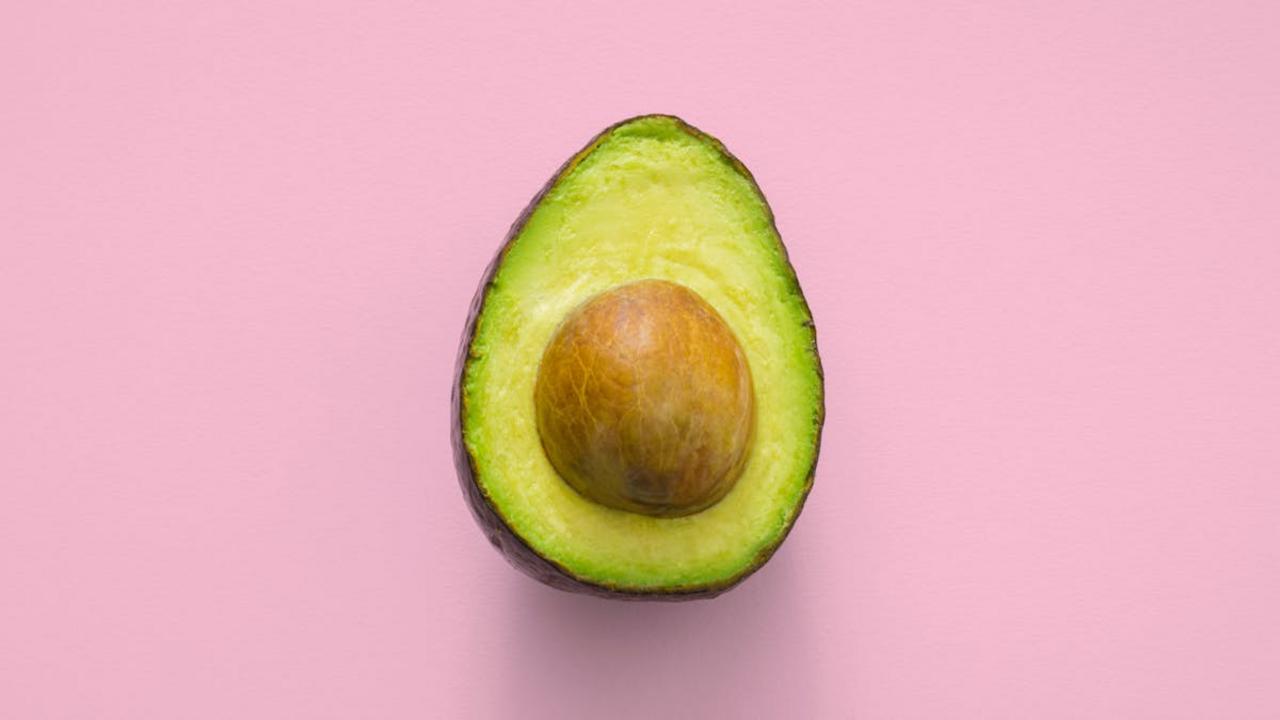
I remember a time when finding avocados at the grocery store meant searching specialty markets or waiting for rare shipments. Now, these creamy green fruits fill produce sections year-round and appear on countless restaurant menus. The transformation from exotic import to everyday necessity happened gradually through the 1990s and early 2000s, driven by growing awareness of their health benefits and versatility. Your grandparents might have seen them as strange “alligator pears,” but today you’ll spot avocado toast on breakfast menus nationwide.
The avocado’s rise reflects changing American tastes and nutrition priorities. Rich in healthy fats, fiber, and potassium, avocados moved from occasional garnish to superfood status. Their buttery texture makes them perfect for smoothies, sandwiches, salads, and dips – most famously guacamole. Mexican and California cuisine helped popularize avocados, but creative home cooks keep finding new ways to incorporate them into meals. From chocolate mousse to face masks, avocados now transcend their produce aisle origins into countless areas of daily life.
Kombucha

You might remember kombucha as that weird fermented tea your health-conscious friend kept raving about years ago. Now you’ll find entire refrigerated sections dedicated to this fizzy, probiotic-rich drink in grocery stores nationwide. This ancient beverage, which originated in Northeast China around 220 B.C., combines sweetened tea with a SCOBY (symbiotic culture of bacteria and yeast) to create a naturally carbonated drink packed with beneficial compounds.
I love brewing kombucha at home – it’s much cheaper than store-bought versions and you can control the sweetness and flavoring. Through fermentation, the SCOBY transforms plain tea into a complex, slightly tart beverage with notes of apple cider vinegar. Many commercial brands add fruit juices or botanicals during a second fermentation, creating flavors from ginger-lemon to raspberry-hibiscus. The drink’s rise from obscure health food store offering to mainstream beverage shows how traditional fermented foods have found their place in modern diets.
Kale
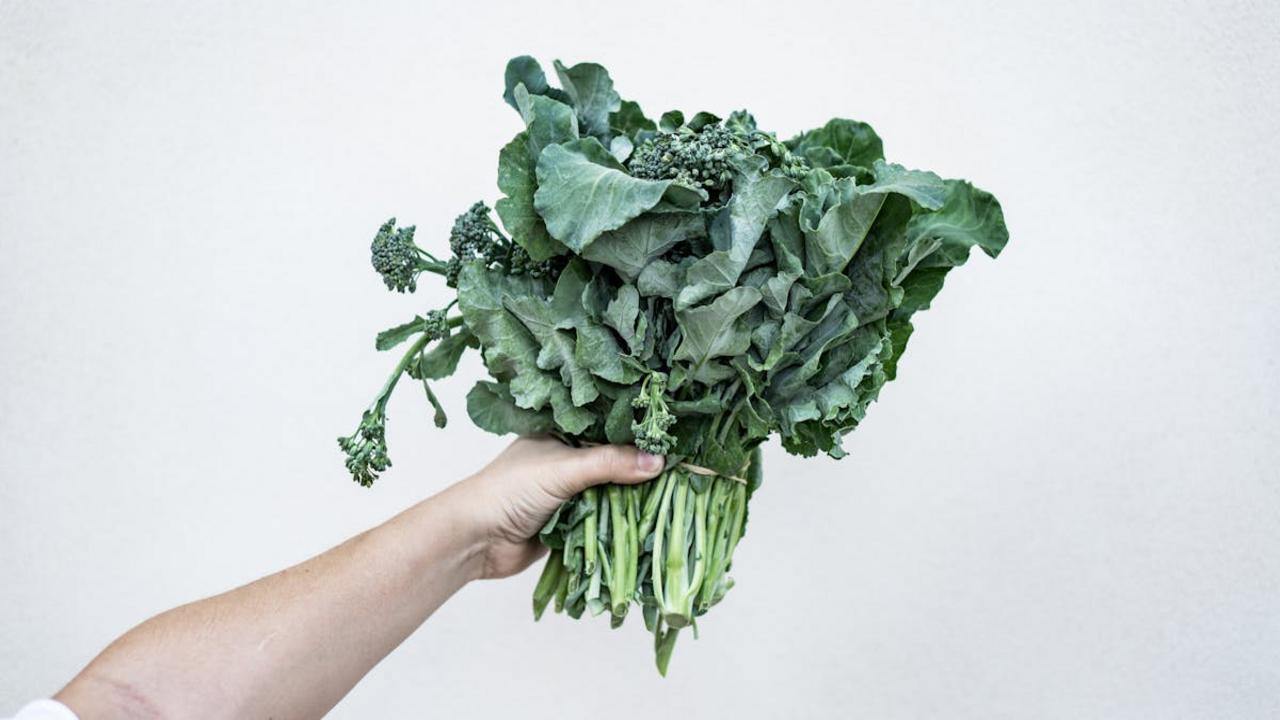
I remember seeing kale only as a garnish on restaurant plates back in the 1980s and 1990s – nobody actually ate it! Fast forward to today, and this leafy green has completely transformed from decorative afterthought to superfood superstar. The shift happened gradually through the early 2000s as people discovered kale’s incredible nutritional benefits, including high levels of vitamins A, K, and C, plus minerals like calcium and potassium. You’ll now find it everywhere from smoothies to chips, salads to pesto.
What makes kale particularly special is its versatility in the kitchen. Raw kale adds a hearty crunch to salads, especially after a quick massage with olive oil to soften its texture. I love sautéing it with garlic and chili flakes for a quick side dish, or adding chopped leaves to soups and stews where they maintain their structure better than other greens. The curly varieties catch dressings beautifully, while the flatter Tuscan kale (also called dinosaur or lacinato) works wonderfully in warm dishes. Even my kids enjoy kale chips – a far cry from its days as mere plate decoration!
Chia seeds
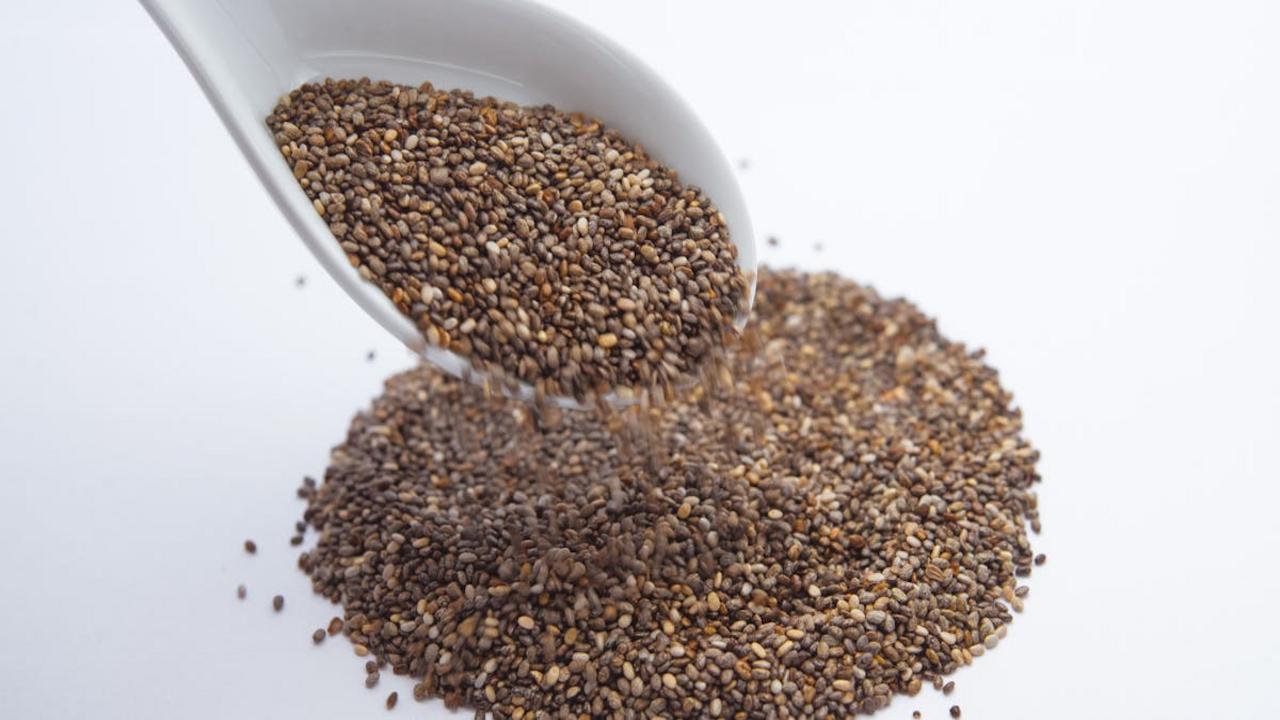
I remember my first encounter with chia seeds at a local market in 2010 – those tiny black and white specks didn’t look like much. Now, you’ll find these nutrient-dense seeds in my smoothies, overnight oats, and baked goods daily. Originally grown by the Aztecs as a staple crop, chia seeds pack an impressive nutritional punch with omega-3 fatty acids, fiber, and protein. Their ability to absorb liquid and create a gel-like consistency makes them perfect for creating healthy puddings or as an egg substitute in vegan baking.
What I love most about chia seeds is their versatility in the kitchen. You can sprinkle them raw on yogurt or salads for extra crunch, blend them into smoothies for thickness, or mix them with plant-based milk for a creamy pudding base. The seeds’ mild, nutty flavor won’t overpower your dishes but will boost their nutritional value significantly. Many of my readers have shared how adding just a tablespoon of chia seeds to their morning routine has improved their energy levels and digestion. These tiny powerhouses have truly earned their place in modern pantries.
Quinoa
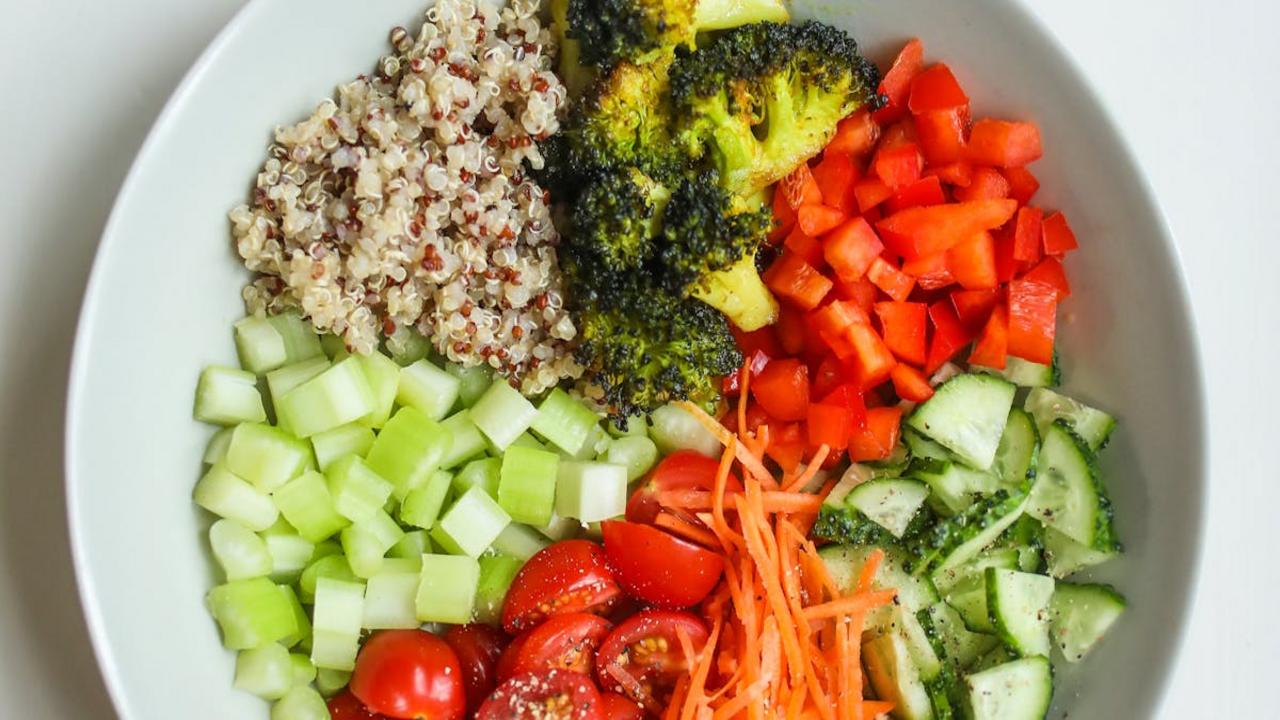
I remember discovering quinoa back in 2008 when this South American superfood started making waves in North American kitchens. What began as an obscure ancient grain from the Andes Mountains has now found its way into countless family meals across the globe. The tiny seeds pack incredible protein content – containing all nine essential amino acids – making them a complete protein source that rivals meat. Their nutty flavor and fluffy texture have won over even the most skeptical eaters in my household.
My favorite way to prepare quinoa involves toasting it lightly in a dry pan before cooking, which brings out deeper flavor notes and adds a wonderful crunch. You can swap quinoa for rice in almost any dish – from breakfast porridge to dinner bowls. The versatility makes it perfect for meal prep since you can cook a big batch and use it throughout the week. I often toss it into salads cold or heat it up with roasted vegetables and a drizzle of olive oil for a quick, satisfying meal that keeps me energized for hours.
Kimchi
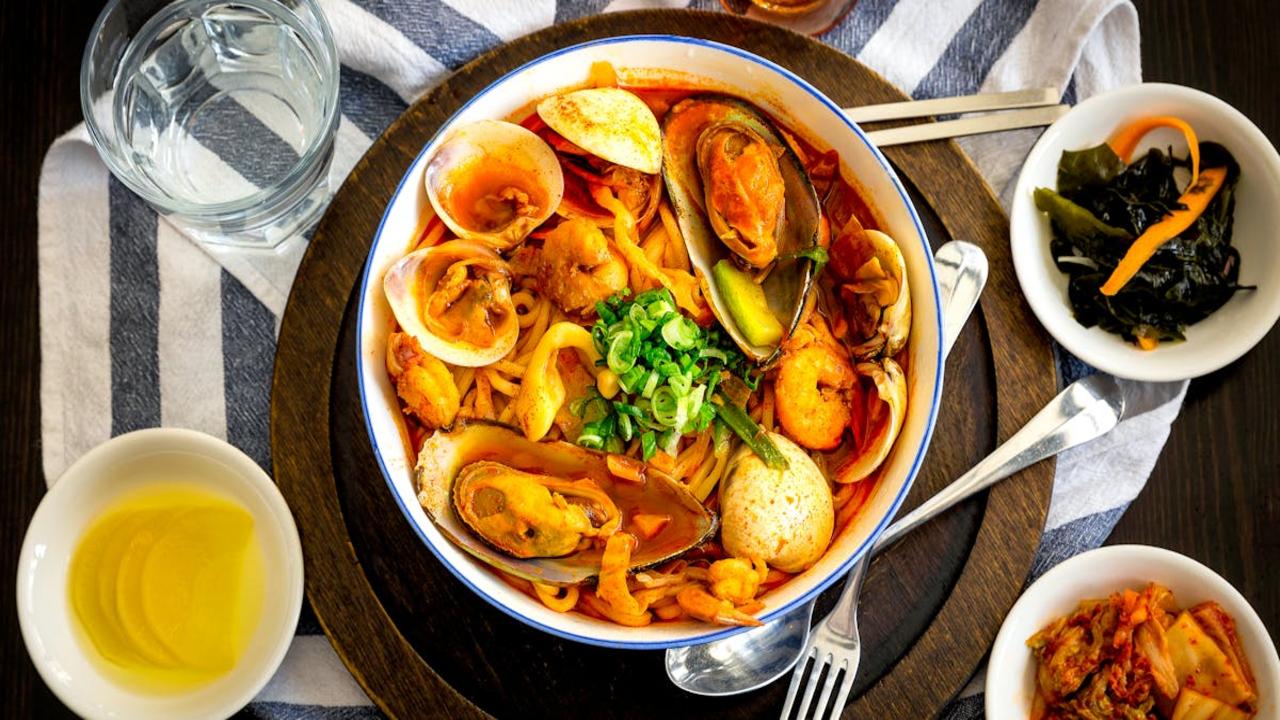
I remember my first encounter with kimchi at a small Korean market in my neighborhood – the vibrant red fermented cabbage that’s now a daily staple in my kitchen. This traditional Korean side dish combines Napa cabbage, Korean red pepper flakes (gochugaru), garlic, ginger, and fish sauce into a complex symphony of flavors. Through fermentation, these simple ingredients transform into a probiotic-rich condiment that adds depth and brightness to any meal, from rice bowls to sandwiches.
What makes kimchi truly special goes beyond its bold taste – it’s a food preservation method Korean families have passed down through generations. The fermentation process creates beneficial bacteria that support gut health while developing deep umami notes and that signature tangy kick. My fridge always holds at least two jars: one fresh and crisp, another aged and mellowed. I add it to scrambled eggs, stir-fries, and even grilled cheese sandwiches. The versatility of kimchi makes it an indispensable ingredient that brightens up countless dishes.
Sushi
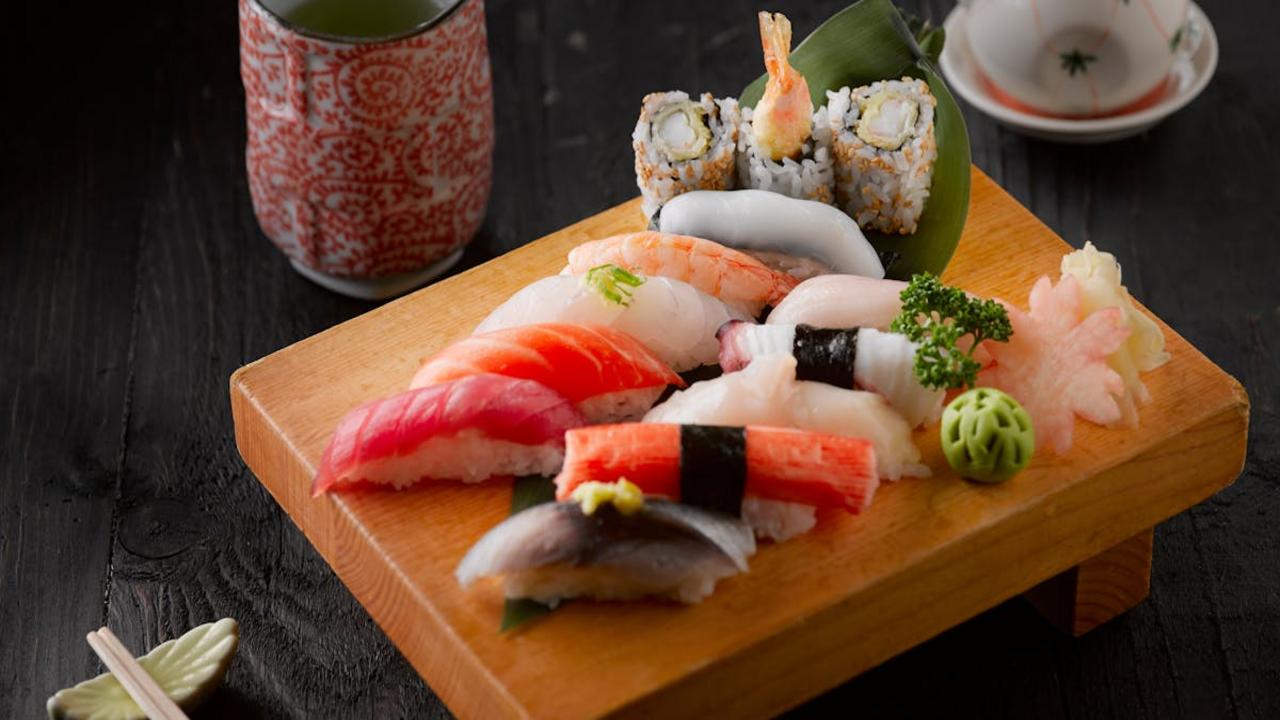
You might think sushi has always been part of Japanese cuisine, but the modern rolls we know today only gained popularity in the 1970s. Raw fish with rice originated as a preservation method in Southeast Asia, where people would ferment fish in rice to keep it fresh. The Japanese adapted this technique, eventually creating nigiri – hand-pressed rice topped with raw fish. The California roll, created in Los Angeles by chef Ichiro Mashita, sparked the sushi revolution in America by substituting avocado for tuna, making raw fish more approachable for Western palates.
Today, sushi stands as a go-to meal option, with convenience stores and supermarkets offering fresh rolls alongside traditional sushi restaurants. The transformation from an obscure Japanese dish to a global phenomenon happened through smart adaptations – combining local ingredients with traditional techniques. Modern sushi chefs continue this innovation, creating fusion rolls with ingredients like cream cheese, mango, and even fried chicken. This flexibility helped sushi transition from an exotic food to an everyday meal choice for millions worldwide.