14 Coffee Chain Purchases You Should Never Make
I’ve spent countless mornings in coffee shops watching people throw away money on overpriced items they could easily make at home for a fraction of the cost. As someone who values both quality coffee and smart spending, I want to share which purchases to skip at your local coffee chain.
Your daily coffee run shouldn’t leave you with buyer’s remorse. Many popular coffee shop items come with massive markups, questionable nutritional value, or both. The good news? You can create better versions of these products in your own kitchen while saving serious cash.
Through years of testing homemade alternatives and analyzing coffee shop menus, I’ve identified 14 items you should never buy at chain cafes. These simple swaps will help you build better coffee habits and keep more money in your wallet without sacrificing your caffeine fix.
Protein boxes
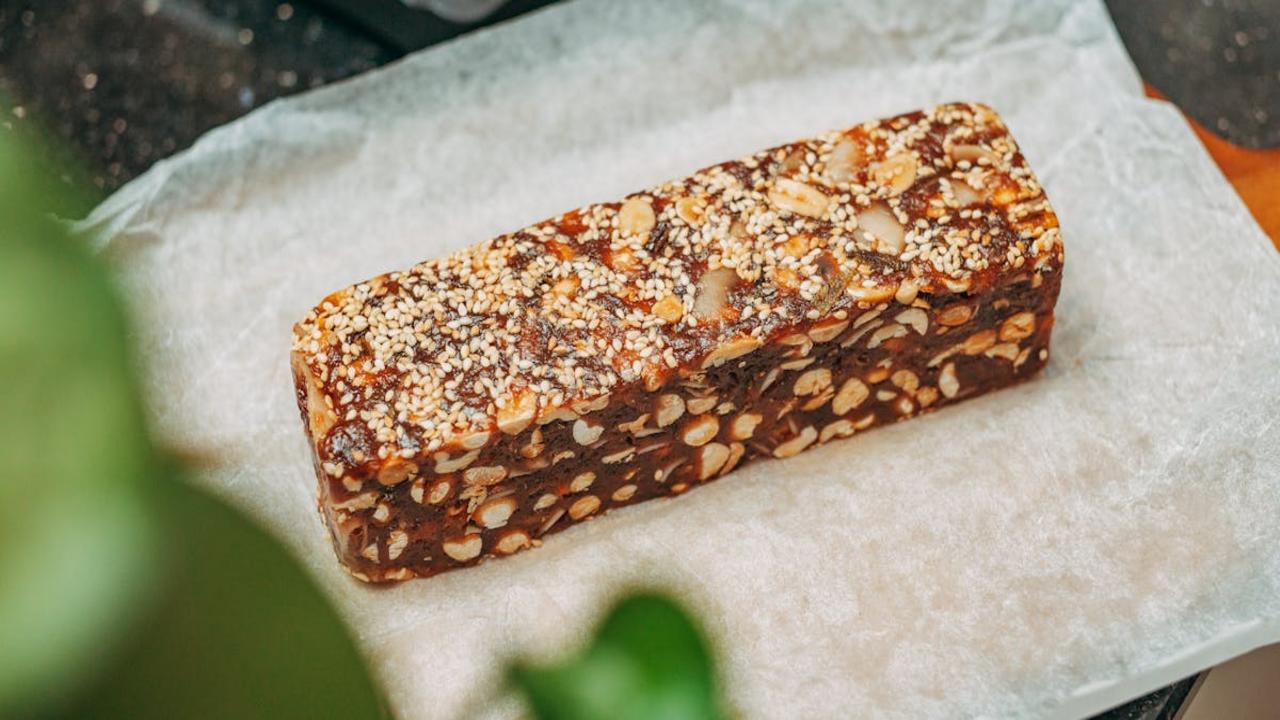
I know those protein boxes at coffee chains look appealing with their neat compartments of cheese, fruit, and hard-boiled eggs. But here’s the truth – you’re paying a huge markup for basic ingredients you can buy and prep at home for a fraction of the cost. A typical coffee chain protein box runs $8-10, while the same ingredients from your local grocery store might cost you $3-4 total. Plus, the pre-packaged items often sit in those boxes for days, losing freshness and nutritional value.
Instead of grabbing these overpriced boxes, spend 10 minutes on Sunday night making your own protein-packed snack boxes for the week. Buy quality cheese, fresh seasonal fruits, and cook your eggs just how you like them. Pack everything in reusable containers – you’ll save money and reduce plastic waste. I recommend mixing up the contents based on what’s fresh and on sale: swap in different nuts, add some crunchy vegetables, or include hummus for variety. Your wallet and taste buds will thank you.
Low-fat muffins
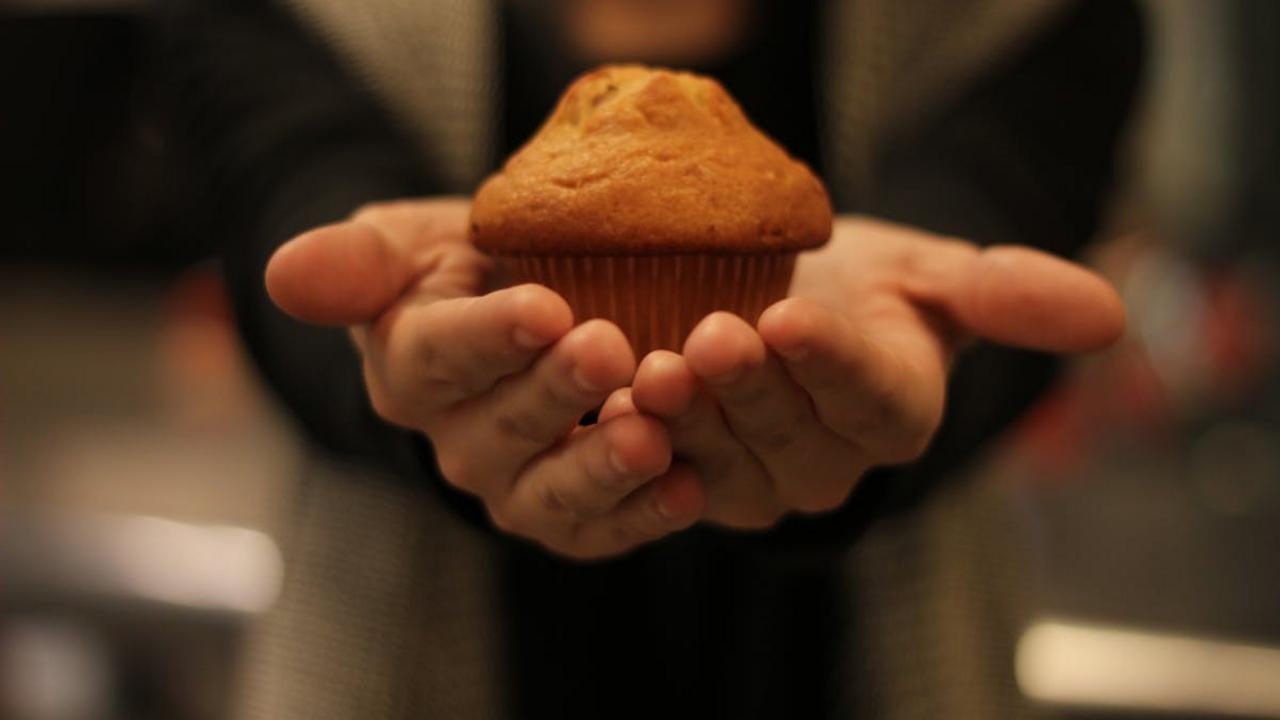
Don’t get fooled by those “healthier” low-fat muffins at coffee chains – they’re often packed with more sugar and artificial ingredients than their regular counterparts! Coffee shops add extra sugar and modified starches to make up for the missing fat, which means you’ll end up consuming more calories while getting less satisfaction from your treat. The artificial sweeteners and preservatives in these muffins can leave you feeling hungry shortly after eating them, leading to more snacking throughout the day.
Instead of reaching for a low-fat muffin, I recommend going for the regular version and splitting it with a friend, or saving half for later. You’ll get more enjoyment from eating real ingredients, and the natural fats will help keep you fuller longer. If you want a truly healthy breakfast option at coffee chains, grab a plain oatmeal and add fresh fruits or nuts. Your body will thank you for choosing whole, unprocessed foods over marketing tricks that make processed foods seem healthier than they are.
Personalized tumblers

I get the appeal of those shiny, personalized tumblers at coffee chains – they look gorgeous with your name or a cute design printed on them. But here’s the truth: you’ll pay a hefty markup for that personalization, often 2-3 times more than a regular tumbler. The same high-quality, insulated tumbler without customization costs significantly less at retail stores. Plus, many coffee chains use basic materials for their personalized products, making them less durable than premium brands like Yeti or Hydro Flask.
Your money goes much further if you buy a quality tumbler elsewhere and add your own personal touch. You can find local artists on Etsy who create beautiful custom decals, or grab some waterproof stickers to make it uniquely yours. Many retail stores now offer professional personalization services at a fraction of coffee chain prices. This DIY approach gives you more creative freedom and saves you money while still getting that personal flair you want in your daily coffee companion.
Spices or condiments

I need to warn you about buying spices and condiments from coffee chains – they’re marked up significantly compared to grocery stores. You’ll pay triple or quadruple the price for basic items like cinnamon, nutmeg, or vanilla syrup that you can easily find elsewhere. Many coffee shops stock these items primarily for their own drink-making needs and price them accordingly. Plus, the portions are often smaller than what you’d get at a regular store, making the cost per ounce even more inflated.
Instead of splurging on overpriced coffee shop seasonings, stock up at your local supermarket or bulk food store. You can create your own flavored syrups at home by simmering sugar and water with fresh ingredients like vanilla beans, cinnamon sticks, or fruit peels. Not only will you save money, but you’ll have control over the quality and quantity of ingredients. For the price of one bottle of coffee chain vanilla syrup, you could make several batches of homemade syrup with real vanilla beans.
Decaf coffee
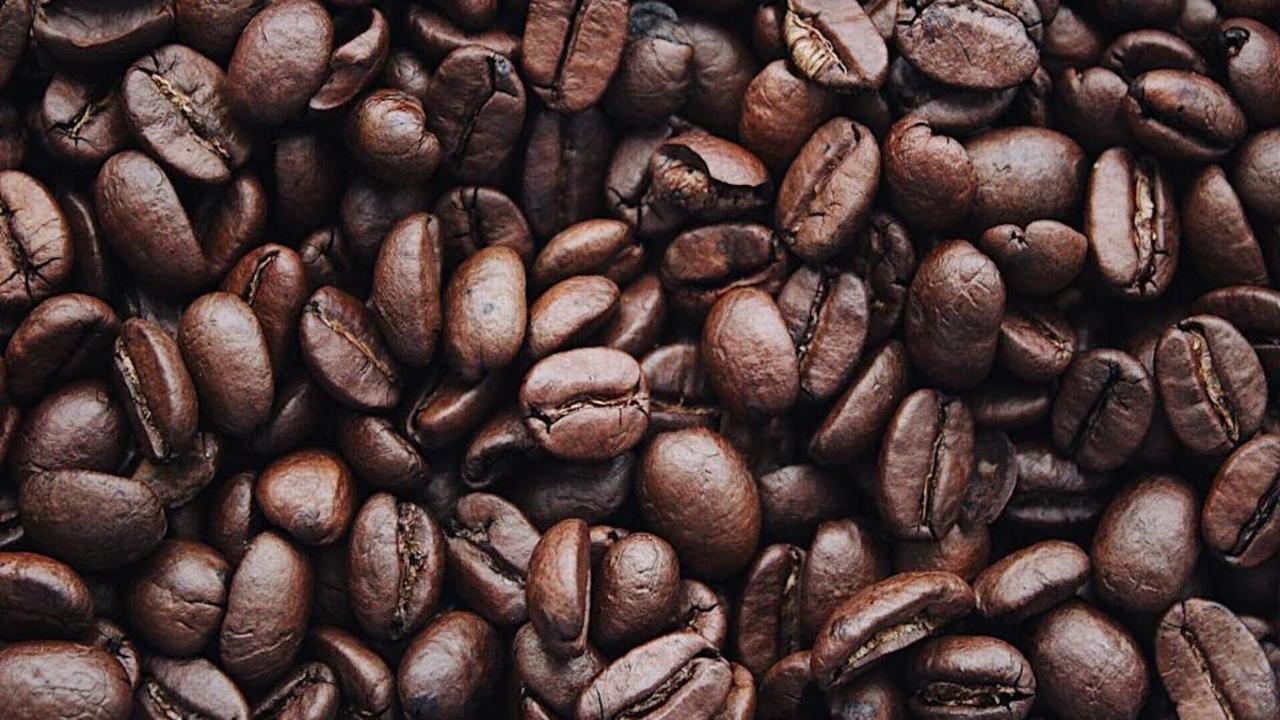
I need to burst your bubble about decaf coffee from chain stores – it’s often not worth the premium price you’ll pay. Many chains use cheaper decaf beans and process them heavily with chemicals to remove the caffeine, which can leave you with a brew that tastes flat and bitter. Plus, the decaf beans might sit around longer than regular coffee beans since they’re less popular, resulting in a stale cup that lacks the rich flavors you deserve.
If you want to skip caffeine, you’ll get better value and taste by making decaf at home with high-quality beans from your local roaster. Look for beans that use the Swiss Water Process – a chemical-free method that keeps the coffee’s natural flavors intact. You can brew it fresh whenever you want and control the strength to match your preferences. Skip the chain store decaf and invest in some good beans for your home coffee setup instead.
Bottled juices

You’ll pay a hefty premium for those bottled juices at coffee chains – often 3-4 times what you’d spend at your local grocery store. I’ve noticed many coffee shops stock their fridges with the same brands you’ll find elsewhere, just marked up significantly. The worst part? These juices usually contain added sugars and preservatives, negating any health benefits you might seek from drinking juice in the first place.
If you want a refreshing drink alongside your coffee, I recommend bringing your own fresh-pressed juice from home or sticking to water. You could even blend fruits and vegetables at home for a fraction of the cost, controlling exactly what goes into your drink. For example, a simple carrot-apple-ginger combination costs about $2 to make at home versus $8-9 at most coffee chains. Your wallet and body will thank you for skipping these overpriced, sugar-laden beverages.
Breakfast sandwiches
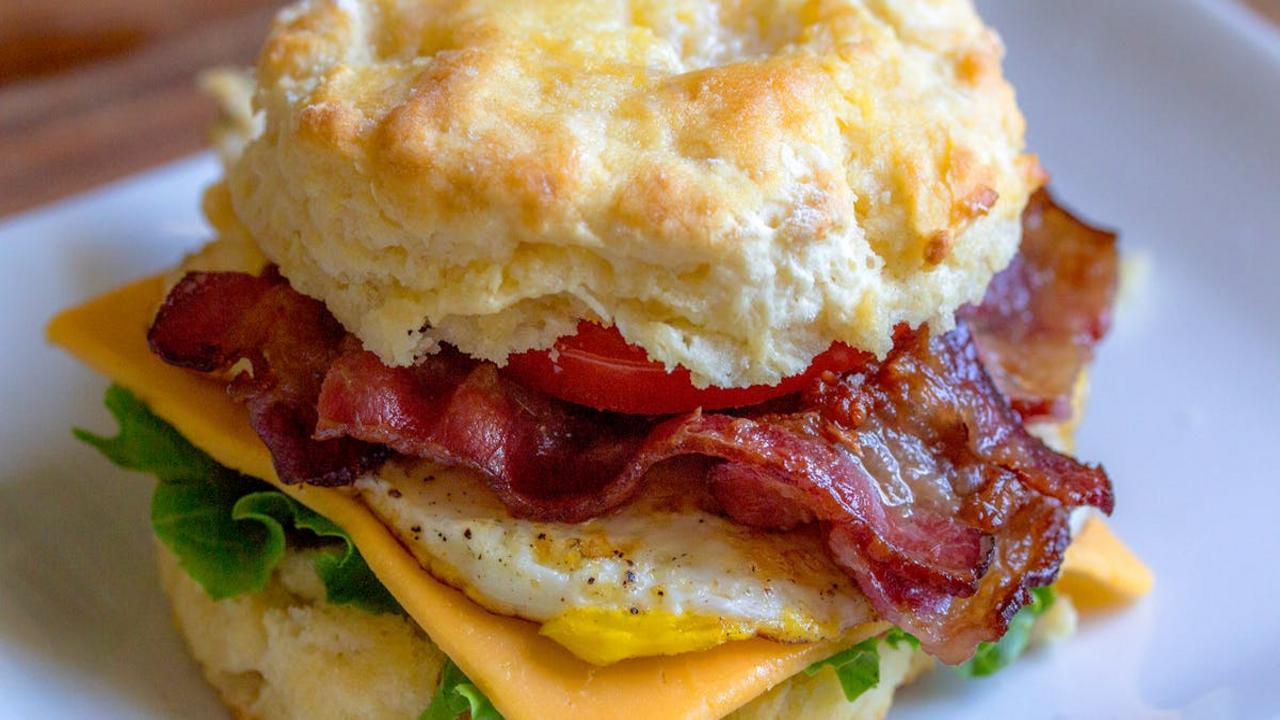
I know those breakfast sandwiches at coffee chains look tempting, especially during busy mornings. But here’s the truth – they often sit under heat lamps for hours, resulting in rubbery eggs, soggy bread, and dry meat that’s lost most of its flavor. Plus, these pre-made sandwiches pack loads of sodium, preservatives, and processed ingredients that you don’t need first thing in the morning. The prices keep climbing too – you’ll pay $5-7 for something that costs pennies to make at home.
Make your own breakfast sandwiches instead! Toast an English muffin, fry a fresh egg, add real cheese and quality meat if you want – it takes just 5 minutes. You can even prep several ahead on Sunday, wrap them individually, and freeze them for super quick reheating during the week. Your homemade version will give you better ingredients, more customization options, and major savings. Skip the coffee shop sandwiches and treat yourself to something fresher and tastier from your own kitchen.
Hot chocolate
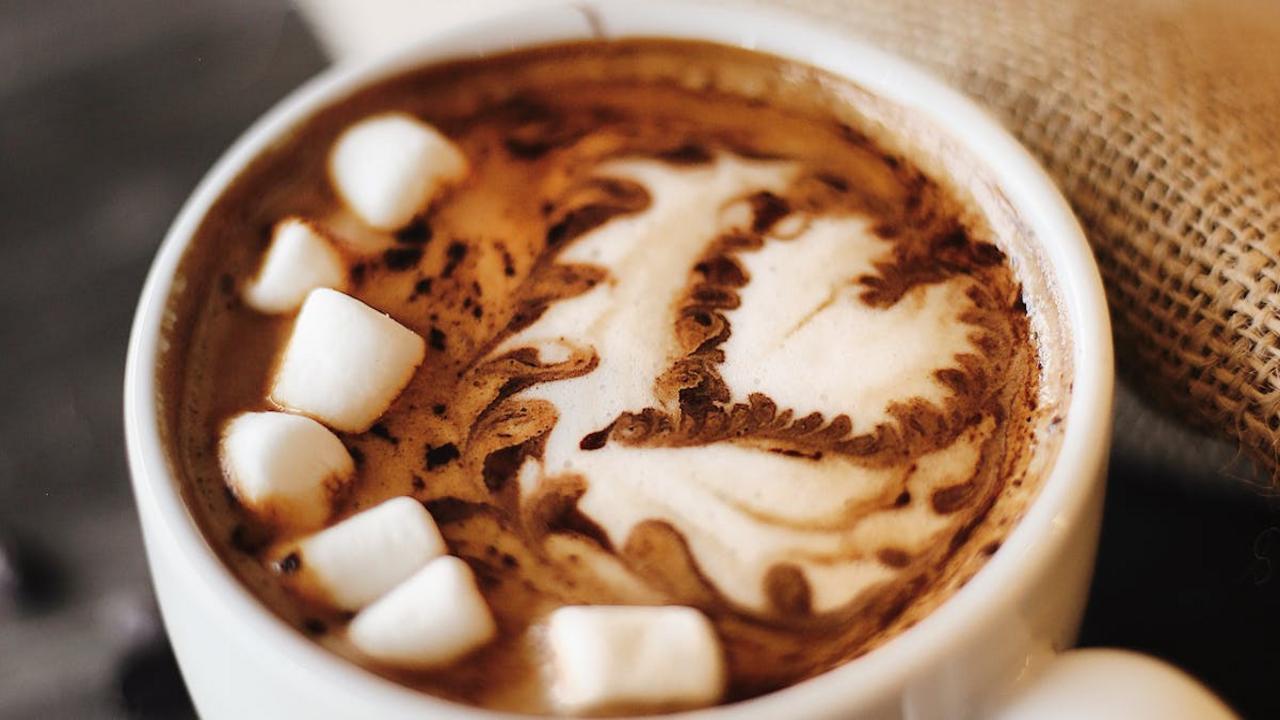
I’ll be straight with you – hot chocolate from coffee chains is one of the biggest money drains and sugar bombs you can order. Most chains load their hot chocolate with cheap, processed chocolate syrup and excessive sweeteners rather than using real, high-quality cocoa. You’re often paying $4-5 for what amounts to warm milk with artificial flavoring and a mountain of whipped cream. Making rich, creamy hot chocolate at home with pure cocoa powder, your choice of milk, and natural sweeteners costs just cents per cup.
Beyond the price markup, chain hot chocolate can pack 40-50 grams of sugar per serving – that’s more than a can of soda! The artificial ingredients and preservatives in commercial chocolate syrups can also trigger headaches and digestive issues in some people. Skip the overpriced chain version and treat yourself to homemade hot chocolate instead. Mix high-quality cocoa powder with warm milk, add a touch of maple syrup or honey, and top with real whipped cream if you’d like. You’ll get a more satisfying drink without the sugar crash.
Smoothies
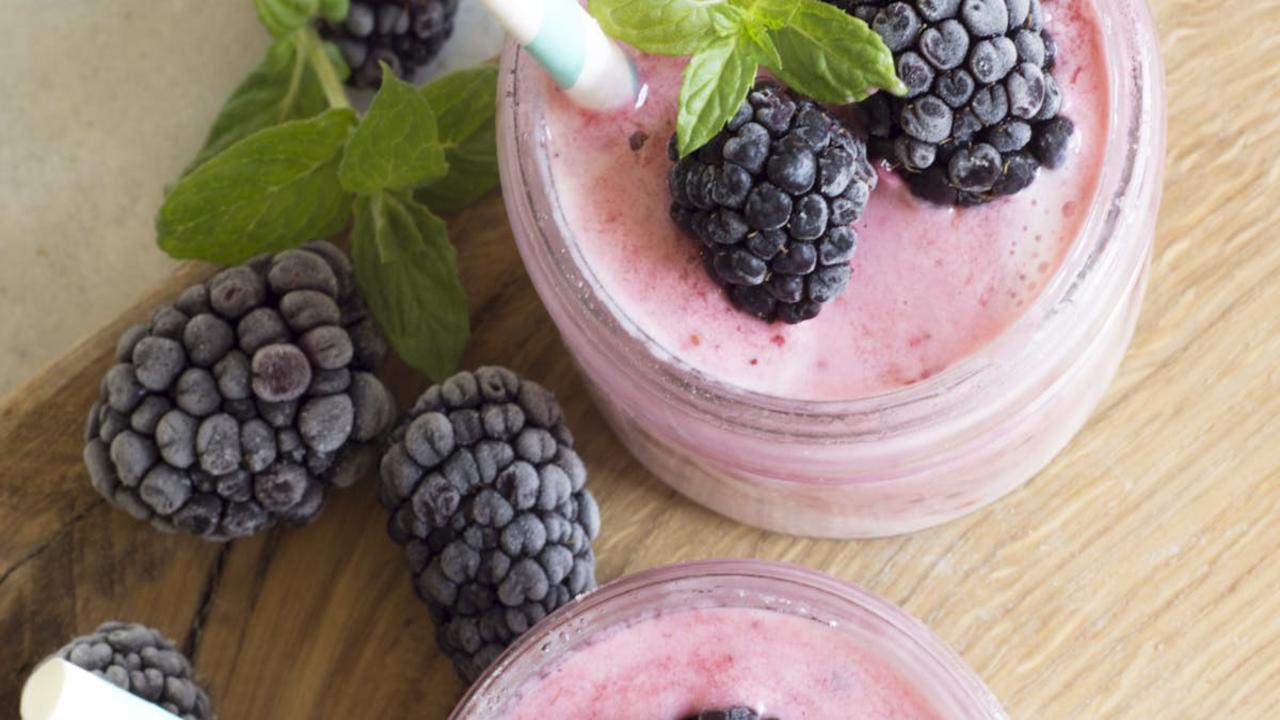
I need to be straight with you about those tempting smoothies at coffee chains – they’re often sugar bombs masquerading as health drinks. Many chain smoothies pack 50-80 grams of sugar per serving, which equals about 12-20 teaspoons! The fruit they use typically comes from sweetened purees or concentrates rather than fresh produce, and they frequently add artificial syrups, preservatives, and thickeners to achieve that perfect consistency.
You’ll save money and boost your health by making smoothies at home instead. Mix fresh or frozen fruits with Greek yogurt, a splash of honey if needed, and perhaps some spinach or protein powder for extra nutrition. Your homemade version will cost about $2-3 versus $6-8 at chains, plus you control exactly what goes in. Want that coffee kick? Add a shot of cold brew or instant coffee to your blender – you’ll get genuine coffee flavor without all those hidden sugars and additives.
Pastries
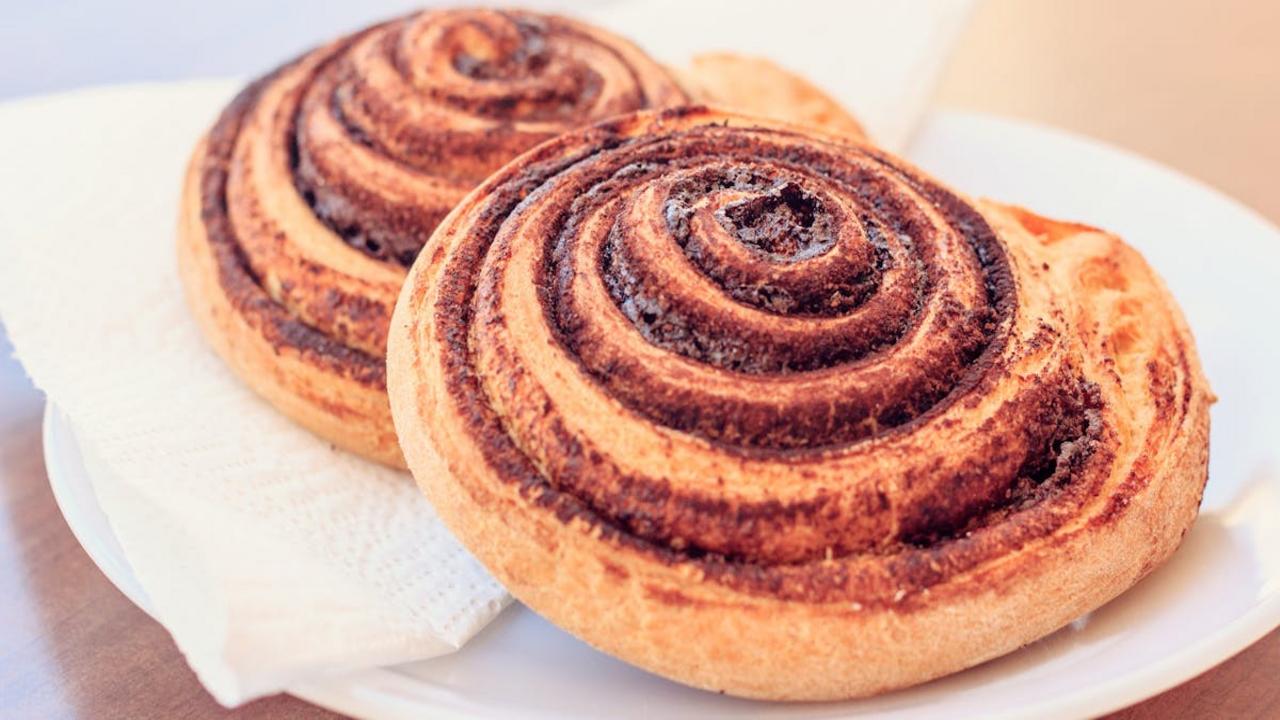
I get it – those gleaming pastry cases at coffee chains can draw you in with their flaky croissants and sugar-dusted danishes. But here’s the truth: most chain coffee shops receive their pastries frozen from mass distributors, then simply reheat them before serving. You’re paying premium prices for items that sat in a freezer for weeks or months. The quality and freshness simply can’t compare to what you’ll find at a local bakery, where skilled bakers create everything from scratch daily.
Beyond the freshness factor, coffee chain pastries often pack shocking amounts of hidden calories, saturated fats, and refined sugars. A single cheese danish can contain over 400 calories and 20 grams of fat – that’s before you even sip your coffee! Instead, seek out neighborhood bakeries where you can watch bakers pull fresh pastries from the oven. You’ll support small businesses while getting authentic, handcrafted treats made with real butter, seasonal fruits, and quality ingredients. Your taste buds and wallet will thank you.
Instant coffee blends
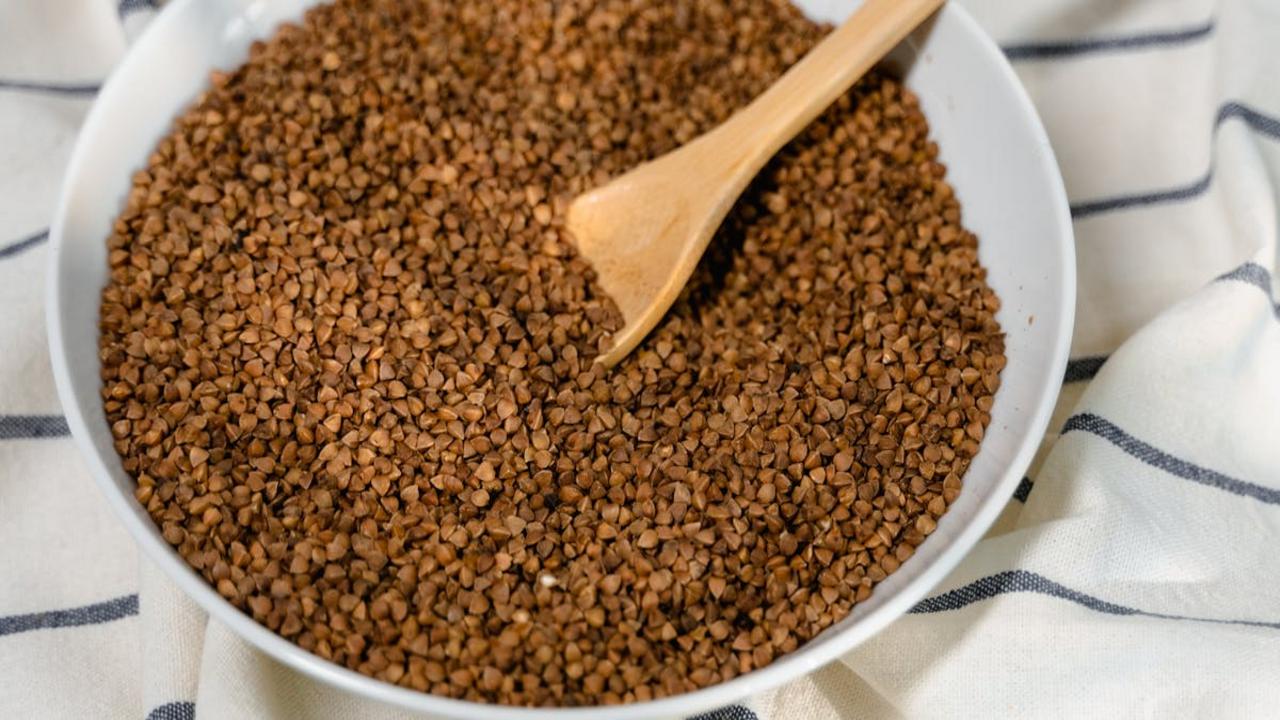
I get it – those fancy instant coffee blends at chain stores look tempting with their colorful packaging and promises of coffee-shop quality at home. But here’s the truth: you’re paying premium prices for a vastly inferior product. Most chain store instant blends contain low-grade coffee mixed with artificial flavors, excessive sugars, and chemical additives to mimic the taste of fresh-brewed coffee. You’ll spend around $8-12 for a small jar that makes maybe 20 cups, while quality whole beans cost about the same and make triple the amount.
Skip these overpriced instant blends and invest in simple brewing equipment like a French press or pour-over setup. Buy fresh whole beans from local roasters or quality grocery stores – they’ll give you infinitely better coffee for less money per cup. If you need convenience, cold brew concentrate keeps well in your fridge for quick drinks. The minimal extra effort of brewing real coffee rewards you with superior flavor, better value, and none of those mystery ingredients hiding in instant blends. Your morning coffee deserves better than artificially flavored powder from a jar.
Plastic bottled water

I regularly see people spending $3-4 on plastic water bottles at coffee chains, which makes zero sense financially and environmentally. You’ll pay a huge markup for the same water you can get practically free from your tap at home. Plus, those single-use plastic bottles create unnecessary waste that often ends up in landfills or oceans, hurting wildlife and polluting our environment for hundreds of years before breaking down.
Instead of buying bottled water at coffee shops, invest in a quality reusable water bottle – you’ll save money and help the planet. I keep my stainless steel bottle filled with filtered tap water and bring it everywhere. Many coffee chains now offer water filling stations, so you can refill for free while grabbing your coffee. You’ll cut down on plastic waste and keep more money in your pocket. For the cost of just 2-3 plastic water bottles at a coffee chain, you can buy a durable reusable bottle that will last for years.
Pre-packaged snacks
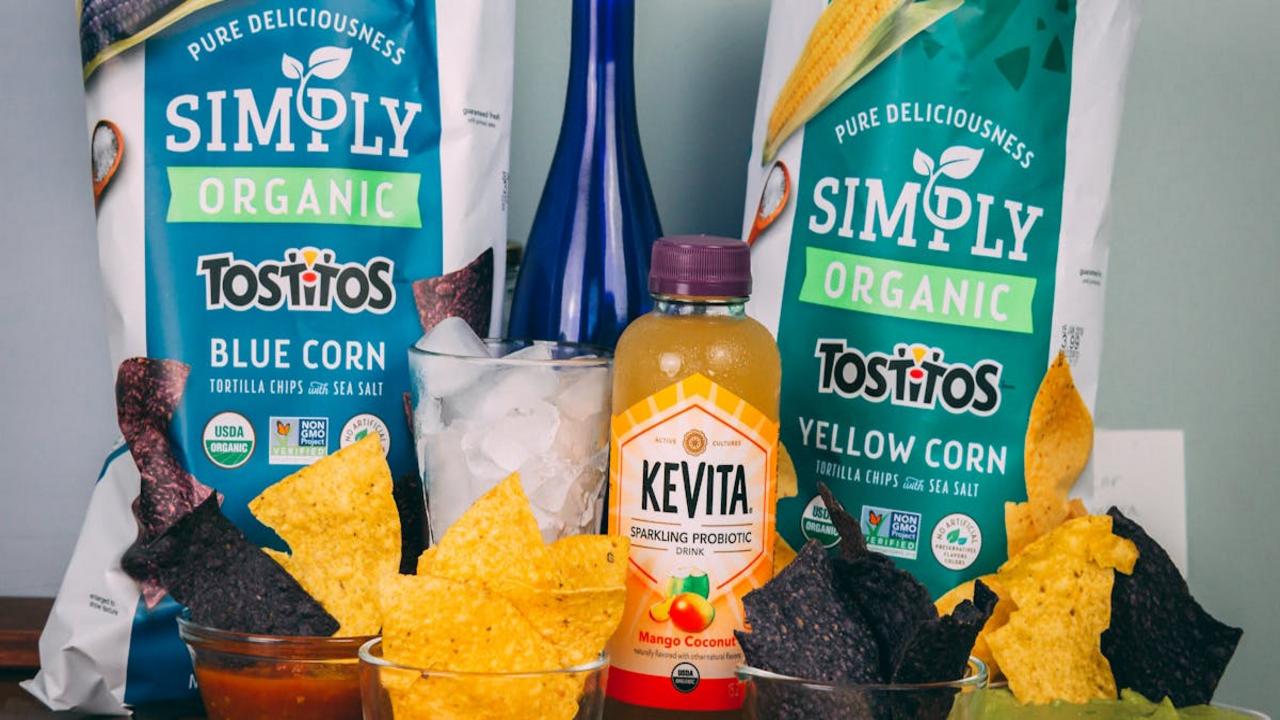
I know those tempting display cases of pre-packaged cookies, muffins, and protein boxes at coffee chains catch your eye. But these items often cost 3-4 times more than what you’d pay at a grocery store for the same products. A banana at Starbucks runs around $1.25, while you can grab a whole bunch at the supermarket for that price. The same goes for packaged nuts, granola bars, and other snacks that sit in those glossy glass cases.
Beyond the inflated prices, many pre-packaged coffee shop snacks pack hidden sugars, preservatives, and artificial ingredients you don’t need. Instead, stock your bag with fresh fruit, homemade trail mix, or wholesome energy bars you’ve prepared ahead. You’ll save money and fuel your body with real, nourishing food. Consider this – a $4 coffee shop muffin could buy ingredients for a dozen freshly baked ones at home. Make smart choices by planning ahead and keeping healthy snacks handy.
Flavored syrup add-ons

Those tempting bottles of flavored syrups behind the coffee counter might look appealing, but they’re packed with artificial ingredients and unnecessary sugars that can turn your morning coffee into a health hazard. A regular shot of vanilla or hazelnut syrup contains around 20-25 grams of sugar – that’s equivalent to 6 teaspoons! Plus, most commercial syrups use high fructose corn syrup and chemical preservatives that your body doesn’t need. If you order these add-ons regularly, you’re basically drinking liquid candy with your coffee.
Instead of spending extra money on these synthetic sweeteners, try making your own coffee flavorings at home. You can create natural vanilla syrup by simmering real vanilla beans with pure maple syrup, or add a dash of cinnamon and nutmeg directly to your grounds before brewing. These natural alternatives will give you the sweet, aromatic coffee you want without the artificial ingredients. Your wallet and your body will thank you for skipping those expensive syrup add-ons at coffee chains.