12 Supermarket Traps Draining Your Food Budget and the Smart Swaps to Make
Your grocery bill doesn’t have to break the bank! Supermarkets design their stores with sneaky tactics that tempt you into spending more than planned. From those impulse candy buys at checkout to the convenience tax on pre-sliced produce, these marketing strategies silently drain your wallet every shopping trip.
I’ve spotted these budget-busting traps during countless grocery runs and found simple ways to outsmart them. That fancy imported cheese might call your name, but your bank account will thank you for choosing local alternatives. Those grab-and-go deli meals? You can make them at home for a fraction of the cost.
Saving at the supermarket isn’t about depriving yourself—it’s about making smarter choices. By recognizing these 12 common spending traps and learning easy swaps, you’ll slash your grocery bill while still enjoying delicious, healthy meals. Your food budget has more breathing room than you think!
Imported cheeses

Those fancy imported cheeses sitting in the specialty section can make your wallet cry faster than chopping onions! Sure, that aged Parmigiano-Reggiano from Italy looks tempting at $28 per pound, but you’re paying a premium for transportation costs, import duties, and that exotic appeal. Many imported varieties cost two to three times more than their domestic counterparts, yet the flavor difference often isn’t worth the hefty price tag.
Instead of splurging on expensive imports, seek out local creameries and domestic artisan cheese makers who craft incredible varieties right here at home. You’ll discover amazing aged cheddars, creamy bries, and sharp blues that rival any European option at half the cost. Many grocery stores now feature dedicated sections for regional cheese makers, and farmers markets offer direct access to these local treasures. Your taste buds will thank you, your budget will breathe easier, and you’ll support small businesses in your community while enjoying fresh, high-quality cheese that doesn’t need to travel thousands of miles to reach your kitchen.
Meal kits
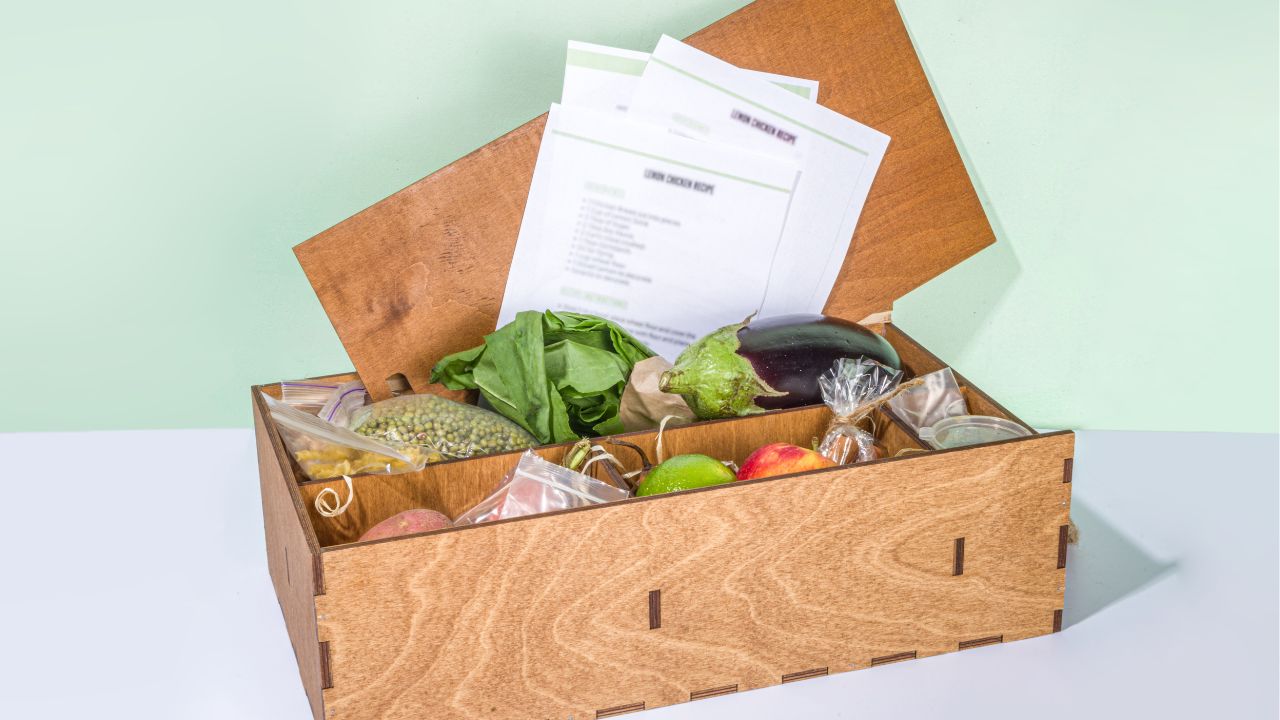
Those colorful meal kit displays at the front of the store might look convenient, but they’re secretly one of the biggest budget busters in your shopping cart! I see so many friends grabbing these $12-15 boxes thinking they’re getting a deal, but here’s what really happens: you’re paying premium prices for basic ingredients that cost a fraction when bought separately. That “gourmet” pasta kit with sauce packets and dried herbs? You could make three times the amount for the same price by buying pasta, canned tomatoes, and fresh herbs individually.
Instead of falling for the meal kit trap, try this money-saving approach: pick one day each week to plan three simple meals using ingredients you can mix and match. Buy a pound of ground turkey, a bag of rice, some frozen vegetables, and basic seasonings – you’ve just created the foundation for stir-fries, stuffed peppers, and rice bowls for less than the cost of one meal kit! Keep a running list of your family’s favorite 10-minute meals, and you’ll never feel tempted by those overpriced convenience boxes again. Your wallet will thank you, and honestly, your meals will taste so much fresher when you control every ingredient that goes into them.
In-store bakery goods

Walking past those freshly baked muffins and croissants in your supermarket’s bakery section feels like pure temptation, doesn’t it? I totally get it – the warm aromas and beautiful displays make everything look irresistible. But here’s what I’ve learned after years of grocery shopping: those bakery items often carry premium price tags that can seriously impact your food budget. A single muffin might cost you $2-3, while a loaf of artisan bread can easily run $5-7. When you multiply that across your weekly shopping trips, you’re looking at some hefty expenses for what are often simple baked goods with lots of sugar and processed ingredients.
Instead, I encourage you to think of your own kitchen as your personal bakery! Baking at home gives you complete control over ingredients while saving you serious money. You can whip up a dozen homemade muffins for the same cost as buying just two from the store, and they’ll taste fresher too. Start with simple recipes like banana bread, basic dinner rolls, or weekend pancakes. If you’re pressed for time during busy weekdays, try batch baking on Sunday afternoons – make extra portions and freeze them for grab-and-go breakfasts throughout the week. Your wallet will thank you, and your family will love the homemade touch!
Overpriced organic options

Those bright green “organic” labels can make your wallet feel lighter faster than you’d expect! While organic produce certainly has its benefits, supermarkets often charge premium prices that can double or triple your grocery bill. The truth is, not every item needs to be organic to keep you and your family healthy. You’re paying extra for certification processes and marketing, but sometimes conventional options offer the same nutritional value at a fraction of the cost.
Here’s your money-saving strategy: focus on the “Dirty Dozen” list for organic purchases – these are fruits and vegetables with higher pesticide residues like strawberries, spinach, and apples. For everything else, conventional produce works perfectly fine! Wash all your fruits and veggies thoroughly, and you’ll get the same vitamins and minerals. Consider shopping at farmers markets where local growers often use organic practices without the expensive certification. You can also grow your own herbs and simple vegetables like lettuce or tomatoes – it’s incredibly rewarding and costs pennies compared to store prices!
Travel-sized toiletries

You know how convenient those tiny bottles of shampoo and toothpaste look at the grocery store checkout? I get it – they seem perfect for weekend trips or gym bags. But here’s the thing: you’re paying premium prices for miniature amounts! Those travel-sized toiletries can cost three to five times more per ounce than their full-sized counterparts. It’s like buying gold-plated convenience, and your wallet feels the pinch every single time.
Instead of falling into this expensive trap, grab some reusable travel containers from the dollar store and fill them with your regular-sized products. You can find adorable little bottles and jars that meet airline requirements for under a dollar each. This smart swap saves you serious money while reducing plastic waste – it’s a win-win! Keep a set of these containers ready to go, and you’ll never need to buy overpriced minis again. Your future self will thank you when you see those extra dollars staying in your food budget where they belong.
Seasonal-themed treats

Those adorable Halloween cookies, Valentine’s chocolates, and Christmas-themed snacks seem irresistible, but they’re secretly sabotaging your grocery budget! Supermarkets stock these seasonal goodies months in advance and price them at premium rates because they know we associate special occasions with special treats. You’re paying extra for fancy packaging and holiday shapes that add zero nutritional value to your family’s diet. These impulse buys can easily add $15-25 to each shopping trip during peak seasons.
Instead of falling for the seasonal marketing trap, create your own festive treats at home using basic baking ingredients you already have. Buy regular chocolate chips, vanilla wafers, and colorful sprinkles year-round when they’re on sale, then transform them into holiday magic with cookie cutters and food coloring. Your homemade pumpkin cookies will taste infinitely better than those mass-produced orange ones, and you’ll save at least 60% while controlling the sugar and ingredients. Plus, your kids will remember the fun of decorating cookies together far longer than they’ll remember any store-bought package!
Name-brand spices

You know that moment when you reach for the familiar McCormick or Spice Islands container and your wallet practically whimpers? Those name-brand spices can cost three to four times more than their generic counterparts, and here’s the kicker – they’re often identical in quality! Major grocery chains source their store-brand spices from the same facilities that produce the fancy labels. I’ve done countless side-by-side taste tests in my own kitchen, and honestly, the difference is so minimal that your family will never notice the swap.
The smart move? Head straight to the ethnic food aisle or visit your local international market where you can score incredible deals on bulk spices that are fresher and more potent than anything sitting on those main aisles. Indian and Middle Eastern grocers especially offer amazing prices on staples like cumin, turmeric, and coriander. For everyday cooking, store-brand oregano, garlic powder, and paprika work just as beautifully in your favorite recipes. Pro tip: buy smaller quantities more frequently rather than hoarding large containers – spices lose their punch over time, so fresher is always better regardless of the brand name on the label.
Bottled water

You’re paying premium prices for something that flows freely from your tap! Bottled water costs roughly 1,000 times more than tap water, yet in most areas, municipal water meets the same safety standards. Those fancy labels and sleek packaging trick us into thinking we’re getting superior hydration, but you’re mostly paying for marketing and plastic. A single bottle can cost $1-3, while the same amount of tap water costs less than a penny.
Make the smart swap by investing in a good water filter and reusable bottles. A quality pitcher filter or faucet attachment costs $20-50 upfront but saves you hundreds annually while reducing plastic waste. Keep several BPA-free bottles in your fridge for grab-and-go convenience. If your tap water tastes off, add a slice of lemon, cucumber, or fresh mint for natural flavor. Your wallet will thank you, and you’ll feel good about making an environmentally conscious choice that doesn’t compromise your health or hydration goals.
Prepared deli meals

Those tempting pre-made meals from the deli counter might look convenient, but they’re silently sabotaging your grocery budget! A single serving of prepared lasagna or chicken parmesan can cost you $8-12, while the same dish made at home feeds your entire family for that price. I’ve watched countless shoppers grab these ready-to-heat options without realizing they’re paying premium prices for ingredients that often include preservatives, excess sodium, and fillers you’d never add to your own cooking.
Transform your meal prep game by dedicating just one Sunday afternoon to batch cooking your favorite comfort foods. Make a big pan of homemade lasagna for under $15 that serves eight people, or whip up a slow-cooker chicken dish that creates multiple meals throughout the week. You control every ingredient, boost the nutritional value, and save serious money while creating meals that actually taste better than their deli counterparts. Store individual portions in glass containers for the same grab-and-go convenience, but with flavors made exactly how you love them!
Gourmet condiments

Those fancy mustards, artisanal ketchups, and truffle-infused oils sitting pretty on the specialty condiment aisle might look tempting, but they’re secretly gobbling up your grocery budget faster than you can say “small-batch aioli.” I get it – we all want to feel like fancy home chefs, and these gorgeous bottles promise to transform our everyday meals into restaurant-quality experiences. The problem? You’re often paying three to five times more for what amounts to basic ingredients with prettier packaging and clever marketing.
Here’s your smart swap: become your own condiment creator! Making your own flavored mustards, herb oils, and specialty sauces takes just minutes and costs pennies compared to store-bought versions. Mix Dijon mustard with honey and fresh herbs for a gourmet spread, or blend olive oil with garlic and rosemary for an instant flavor booster. Keep a few high-quality base ingredients like good olive oil, vinegar, and basic spices on hand, and you can whip up any condiment your heart desires. Your wallet will thank you, and honestly, homemade versions often taste fresher and more vibrant than their expensive counterparts!
Pre-sliced fruits and vegetables
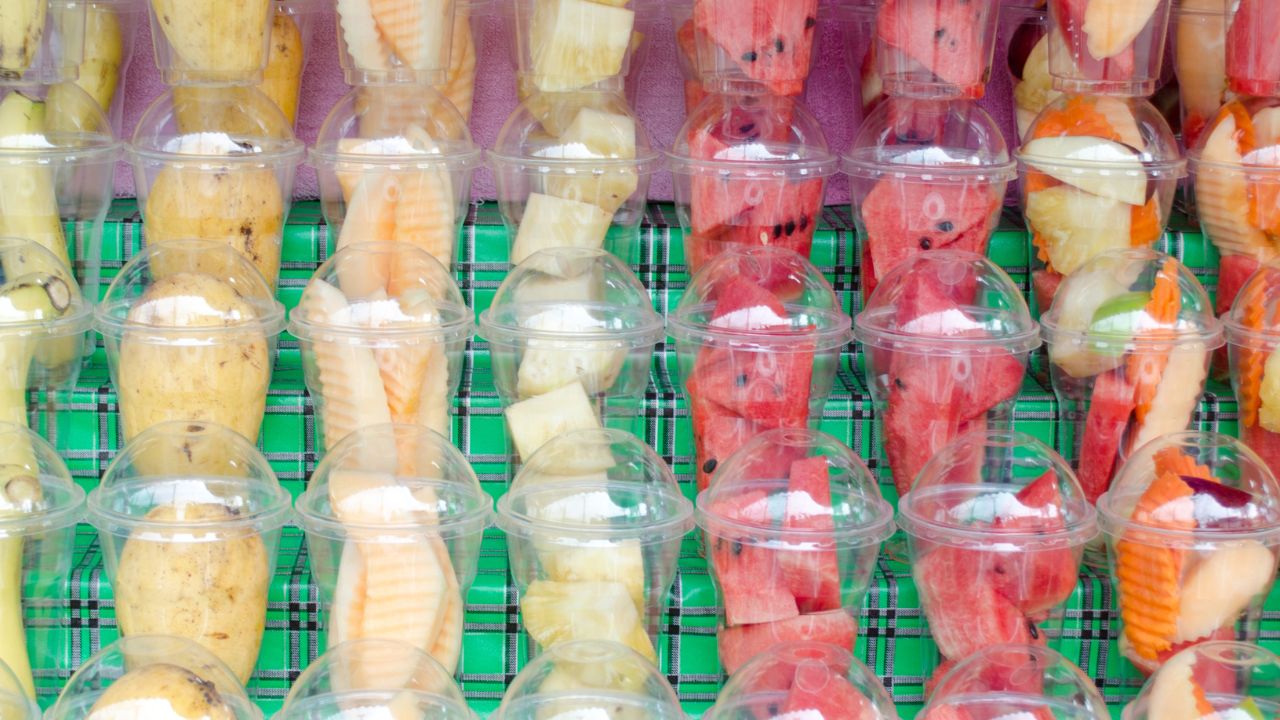
Those perfectly portioned apple slices and pre-cut bell pepper strips might save you a few minutes, but they’re costing you serious money! Pre-sliced produce typically costs 300-400% more than whole fruits and vegetables. That $5 container of sliced strawberries? You could buy two full pounds of whole berries for the same price. I always tell my friends that supermarkets charge premium prices for the convenience of doing what takes you literally two minutes with a knife. Plus, pre-cut produce loses nutrients faster due to increased surface area exposure to air and light, meaning you’re paying more for less nutritional value.
The smart swap here is simple: buy whole fruits and vegetables, then spend 10-15 minutes on Sunday prepping your week’s snacks. Wash, slice, and store your produce in airtight containers – you’ll get the same convenience while keeping more money in your pocket. I love making this prep time fun by putting on music and getting the whole family involved. Your kids will learn valuable kitchen skills while you save hundreds of dollars annually. Store cut vegetables in glass containers with paper towels to absorb excess moisture, and your homemade pre-cut produce will stay fresh just as long as the expensive store-bought versions.
Candy at the checkout

You know that moment when you’re standing in line, feeling proud of your budget-friendly cart, and suddenly those colorful candy displays start calling your name? Grocery stores strategically place these sweet temptations right at eye level where you can’t miss them. They’re counting on impulse purchases during those few minutes you’re waiting to pay. These checkout treats often cost three times more per ounce than candy you’d find in the regular candy aisle, and they’re designed to catch you when your willpower might be running low after a long shopping trip.
Instead of falling into this sugary trap, try packing a small snack before you head to the store. Keep a granola bar, some nuts, or even a piece of fruit in your pocket or purse. If you’re shopping with kids who always beg for checkout candy, give them a small job like helping you organize the cart or counting items. You can also satisfy sweet cravings more affordably by buying your favorite treats from the candy aisle during your regular shopping, then portioning them into small containers at home. This way, you’re making intentional choices about treats rather than expensive impulse decisions that can easily add $5-10 to every grocery trip.