14 American Food Favorites That Didn’t Even Exist 100 Years Ago
Have you ever considered that many foods we take for granted today were completely unknown to your great-grandparents? The American food landscape has changed dramatically since the 1920s, with innovation and convenience reshaping what fills our pantries and refrigerators.
Your daily coffee routine might include instant coffee, your sandwich likely features sliced bread, and ranch dressing probably sits in your fridge door right now. Yet none of these existed a century ago! Food technology boomed after World War II, bringing us everything from quick-prep frozen pizzas to grab-and-go snacks like Cheetos.
This transformation reflects broader changes in American life – busier schedules, working parents, and new food preservation methods. The 14 items in this list showcase how recent many “traditional” American foods actually are, proving our food culture continues to evolve rapidly before our eyes.
American Singles Cheese
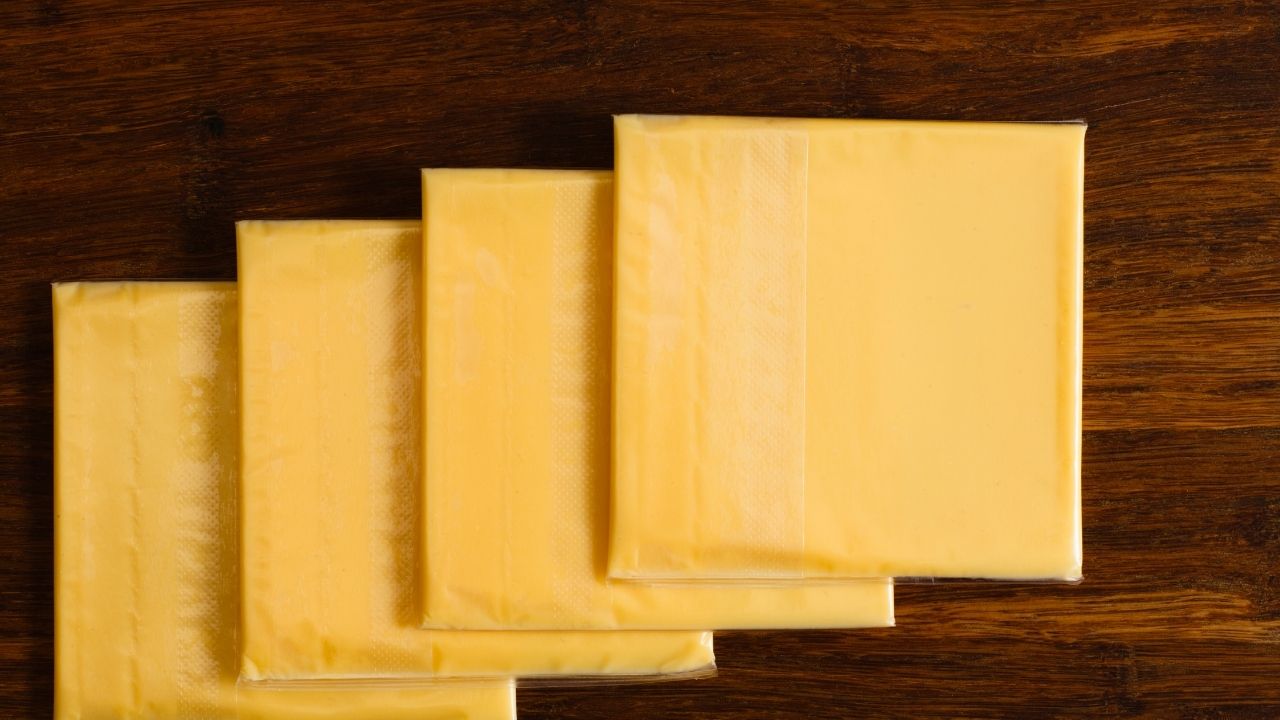
You know, American cheese gets such a bad rap these days, but here’s the thing – this processed wonder didn’t even exist until 1916 when James Lewis Kraft figured out how to blend different cheeses with emulsifiers and stabilizers. Before then, cheese was just cheese – natural, aged, and often unpredictable. Kraft’s innovation created something entirely new: a consistent, meltable product that could sit on shelves without spoiling. While I’m usually the first person to champion whole foods over processed ones, I can’t deny the genius behind this invention that transformed how Americans eat.
Now, I’m not saying you should build your meals around singles cheese – trust me, there are so many beautiful, aged cheeses that bring incredible depth to your cooking. But sometimes you need that perfect melt for a grilled cheese sandwich or that creamy consistency for a quick mac and cheese when you’re feeding hungry kids. The key is balance and understanding what you’re eating. When I do reach for processed cheese, I look for versions with fewer additives and pair them with fresh vegetables, whole grain bread, or homemade soups. It’s about making informed choices while still enjoying the foods that bring comfort and nostalgia to our tables.
Cool Whip
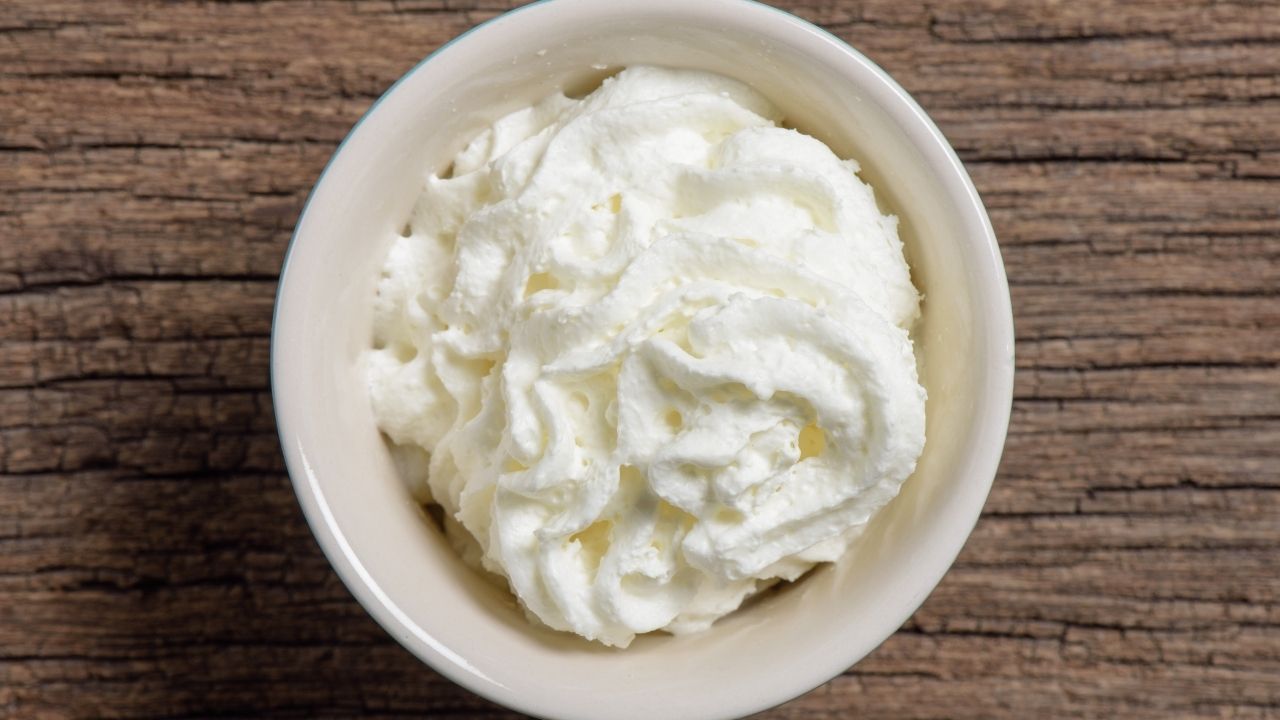
You know, when I think about Cool Whip, I can’t help but shake my head a little. This petroleum-based whipped topping hit American shelves in 1967, and somehow convinced millions of home cooks that they needed a plastic tub of chemicals instead of simply whipping some heavy cream. The irony hits me hard—we took something as pure and simple as cream and sugar, then replaced it with hydrogenated oils, corn syrup, and a bunch of unpronounceable stabilizers. Cool Whip became the go-to topping for everything from pies to fruit salads, and I get it—the convenience factor was huge for busy families.
But here’s what really gets me excited: making real whipped cream takes literally two minutes and tastes infinitely better! I always keep heavy cream in my fridge because fresh whipped cream transforms any dessert into something special. You can add vanilla, a touch of maple syrup, or even some cardamom for an unexpected twist. When you make it yourself, you control every ingredient, and your family gets to experience what whipped cream actually tastes like—light, airy, and genuinely creamy. Trust me, once you start making your own, you’ll never go back to that artificial stuff. Your desserts deserve better, and so do you.
Pop Tarts
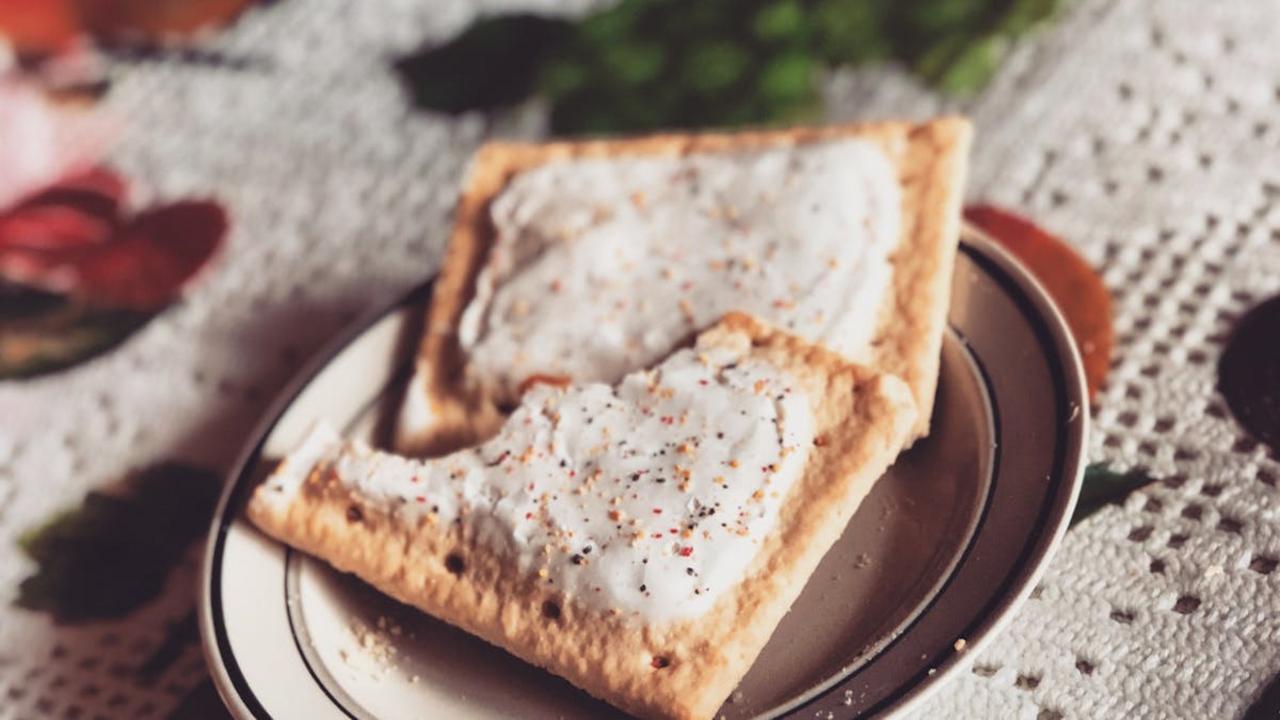
You know, when I think about Pop Tarts hitting grocery store shelves in 1964, I can’t help but shake my head at how far we’ve moved away from real breakfast food. These rectangular pastries filled with sugary jam and coated in artificial frosting became an instant hit because they promised busy families something quick and convenient. But here’s what gets me—we traded actual nourishment for speed, and somehow convinced ourselves that a processed rectangle wrapped in foil counted as a proper morning meal.
Now, I’m not here to completely bash Pop Tarts, because I understand the appeal of grab-and-go convenience. But imagine if we channeled that same energy into making real food accessible! I’ve experimented with creating homemade versions using whole grain pastry, real fruit preserves, and natural sweeteners. The difference in flavor is incredible—you get that same satisfying sweetness but with ingredients your great-grandmother would actually recognize. When you make them yourself, you control what goes into your body, and trust me, your morning energy levels will thank you for choosing real food over processed convenience every single time.
Veggie Burgers
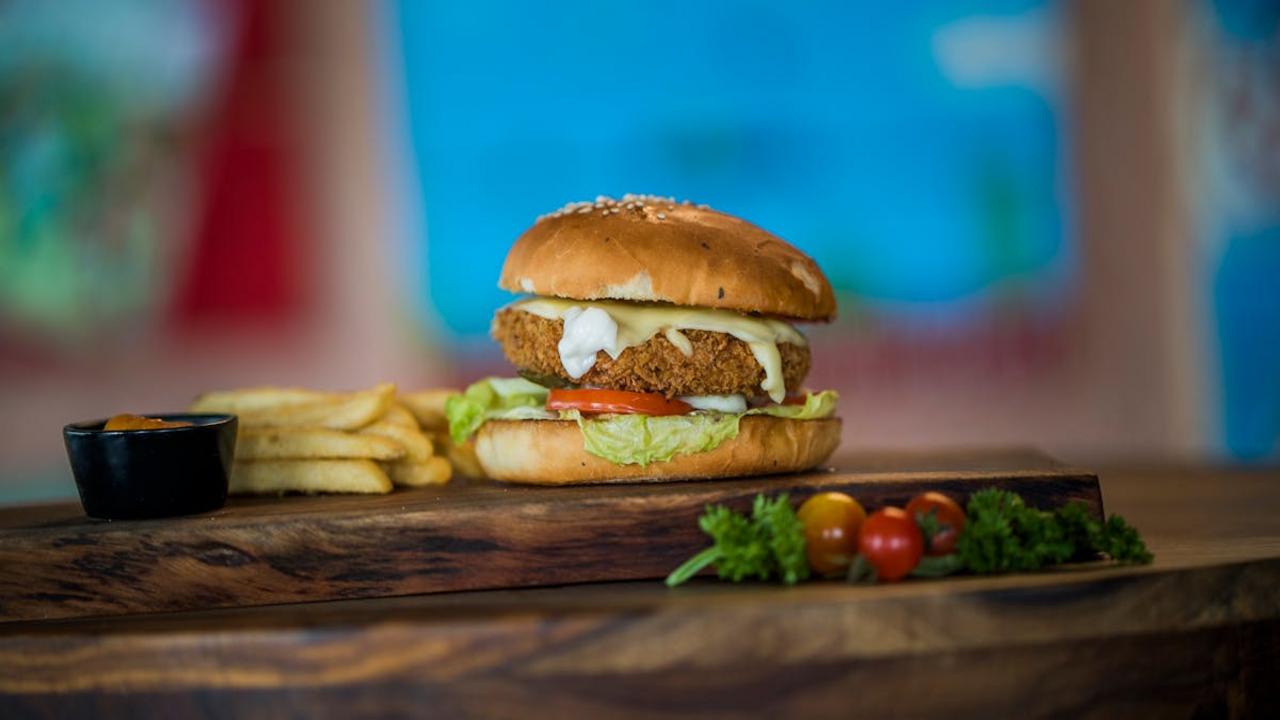
You know what amazes me? The veggie burger we know and love today didn’t exist a century ago! Back then, if you wanted plant-based protein, you were looking at simple bean patties or grain cakes that frankly didn’t resemble anything burger-like. The modern veggie burger revolution started in the 1980s when food innovators began creating patties that actually mimicked the texture and satisfaction of meat. I love how this opened up a whole new world for home cooks like us who want to experiment with plant-based meals without sacrificing that satisfying, hearty experience we crave.
What I find most exciting about veggie burgers is how they’ve become a canvas for creativity in the kitchen. You can blend black beans with quinoa and roasted vegetables, or mix lentils with mushrooms and fresh herbs to create something completely your own. I’ve made patties using everything from chickpeas and sweet potatoes to beets and walnuts – each combination tells a different flavor story. The beauty lies in building layers of taste and texture from scratch, knowing exactly what goes into your food. These aren’t just meat substitutes; they’re celebrations of vegetables in their most satisfying form, proving that plant-based eating can be both nourishing and incredibly delicious.
Chicken Nuggets
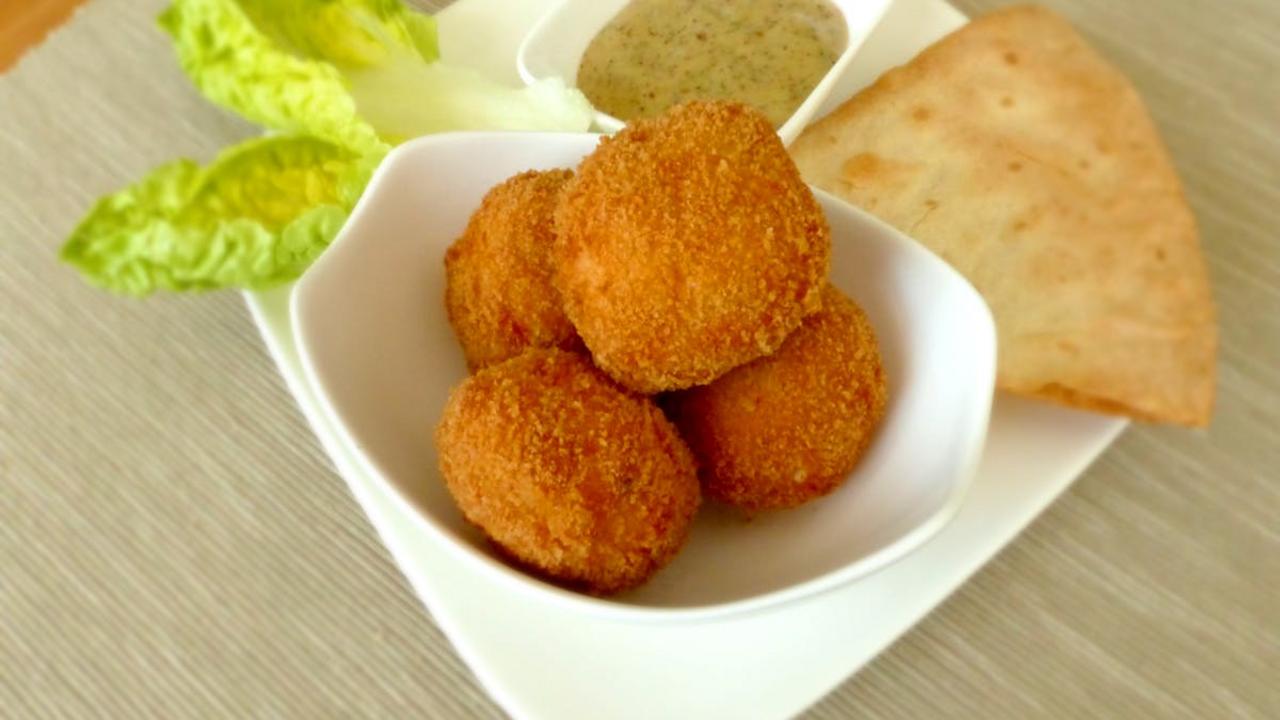
You know what fascinates me about chicken nuggets? This crispy, bite-sized phenomenon that kids everywhere go crazy for didn’t exist until the 1950s. Robert C. Baker, a food science professor at Cornell University, created the first chicken nugget in 1950 as part of his mission to find new ways to make chicken more convenient and appealing to families. Before Baker’s innovation, chicken came whole or in basic cuts – no fun, portable pieces that could disappear into tiny hands within seconds!
What started as a simple solution to help chicken farmers sell more product became a fast-food empire foundation. Baker’s original recipe used ground chicken formed into shapes, coated in batter, and breaded – pretty much the same process we see today. I always encourage you to make your own version at home using real chicken breast, almond flour coating, and your favorite spices. Skip the processed versions loaded with fillers and preservatives. When you control the ingredients, you create something that nourishes your family while still giving them that satisfying crunch they crave. Plus, homemade nuggets taste infinitely better and you can experiment with different seasonings from around the world.
Energy Drinks
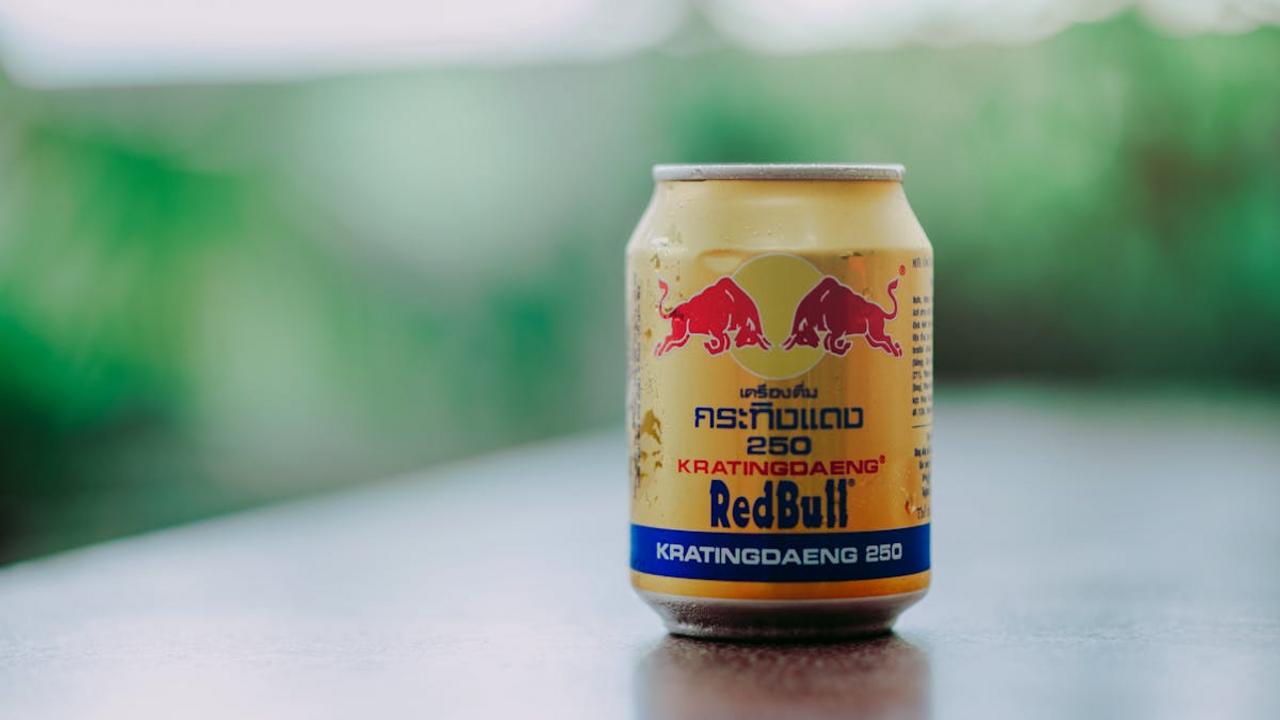
You know, when I think about energy drinks, I can’t help but shake my head a little. These brightly colored, heavily caffeinated beverages didn’t appear on American shelves until the 1990s, yet now they’re everywhere – from gas stations to grocery stores. Red Bull kicked off this trend in 1997, followed by Monster and countless other brands promising instant energy boosts. What strikes me most is how we’ve moved so far from natural energy sources that our grandparents relied on – fresh fruits, nuts, herbal teas, and wholesome meals that sustained them throughout long working days.
As someone who believes deeply in nourishing our bodies with real food, I find it fascinating yet concerning how quickly we’ve accepted these synthetic solutions. Instead of reaching for a can filled with artificial ingredients and excessive caffeine, I love creating my own energizing drinks at home. A simple blend of green tea, fresh ginger, honey, and a splash of lemon gives me sustained energy without the crash. Or try my favorite morning boost: matcha mixed with coconut milk and a pinch of cinnamon. These homemade alternatives connect us back to ingredients our bodies actually recognize, providing genuine nourishment rather than temporary stimulation that leaves us more depleted than before.
Tater Tots
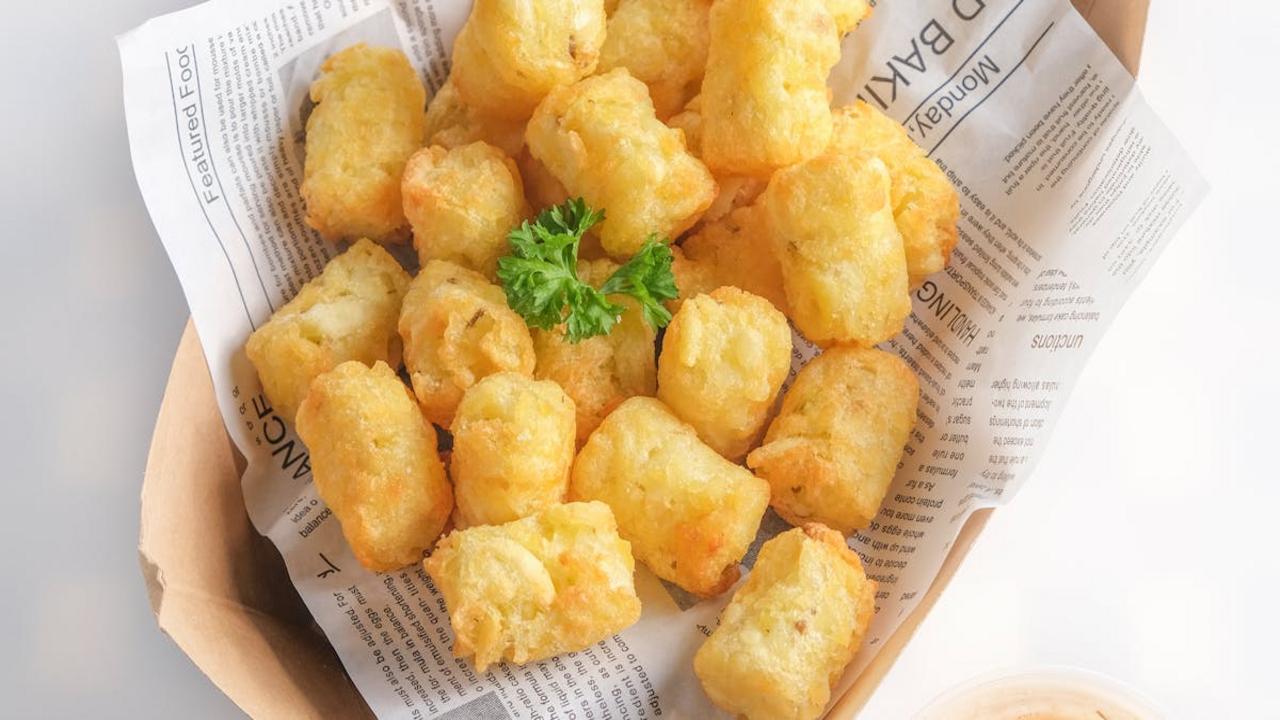
You know those golden, crispy little potato cylinders that make your heart skip a beat? Tater tots didn’t grace American plates until 1953, when the Grigg brothers at Ore-Ida figured out what to do with leftover potato scraps from their French fry production. They mixed those scraps with flour and seasoning, formed them into small cylinders, and created what would become a frozen food phenomenon. Before this brilliant invention, those potato pieces would have been discarded – what a waste that would have been!
Now, I’m all about making food from scratch, and homemade tater tots are absolutely worth the effort. I grate russet potatoes, squeeze out excess moisture, mix with a touch of cornstarch and your favorite seasonings – maybe some garlic powder, paprika, or even a hint of nutritional yeast for that umami depth. Form them into small logs, then bake or air-fry until they’re crispy outside and fluffy inside. The beauty of making them yourself means you control every ingredient, avoiding the processed additives found in store-bought versions. Plus, you can experiment with sweet potatoes or add finely diced herbs for a fresh twist on this American classic.
Instant Coffee
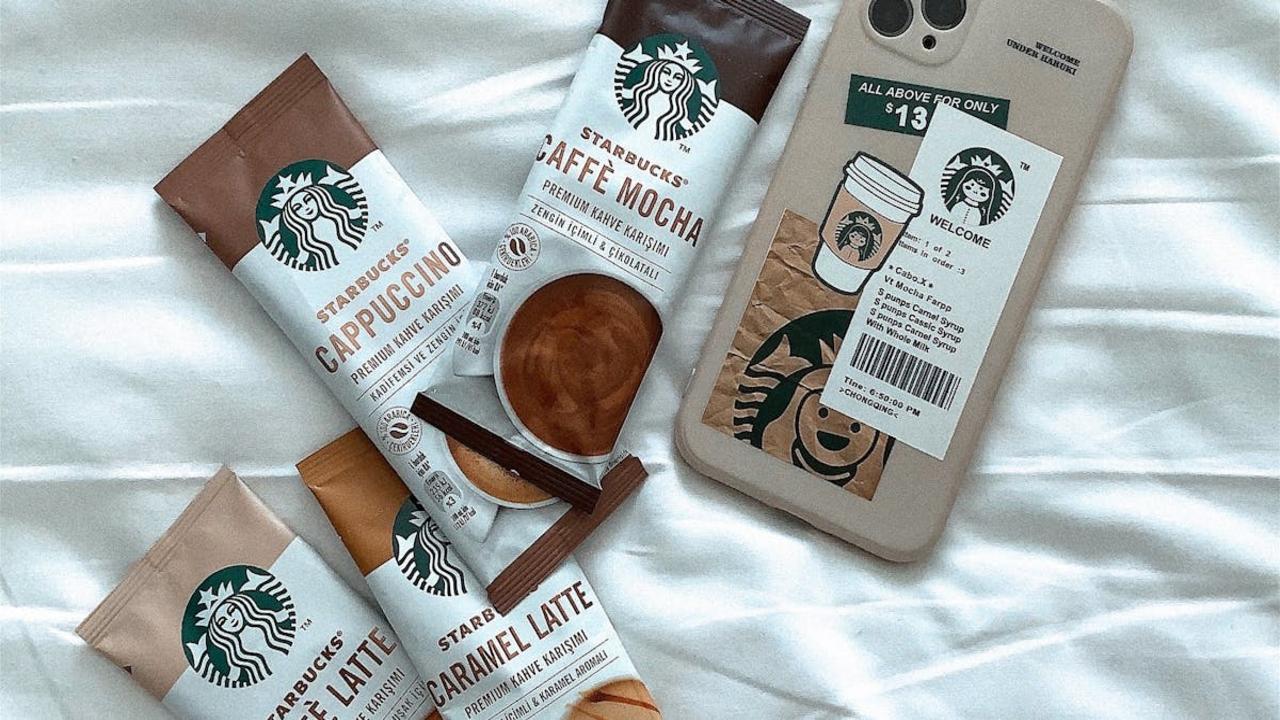
You know, I have to admit something that might shock you as someone who preaches cooking from scratch – instant coffee actually has a fascinating place in American food history! This quick-dissolving wonder didn’t exist until 1901, when Japanese scientist Satori Kato first figured out how to dehydrate brewed coffee into powder form. Before then, Americans had to grind beans and brew their coffee the slow way, which honestly sounds pretty appealing to me now. But back then, the convenience factor was revolutionary, especially as people moved into busier urban lifestyles.
Now, I’m not going to pretend that instant coffee gives you the same rich, complex flavors you get from freshly ground beans – we both know better than that! But I’ve learned to appreciate it for what it is: a reliable pantry staple that can save the day when you need caffeine fast or when you’re cooking. I actually keep some around for baking because it adds incredible depth to chocolate desserts and marinades without any liquid. Plus, during camping trips or power outages, instant coffee becomes your best friend. While I always encourage you to choose quality whole foods over processed options, sometimes practicality wins, and that’s perfectly okay in our real-life kitchens.
Frozen Pizzas
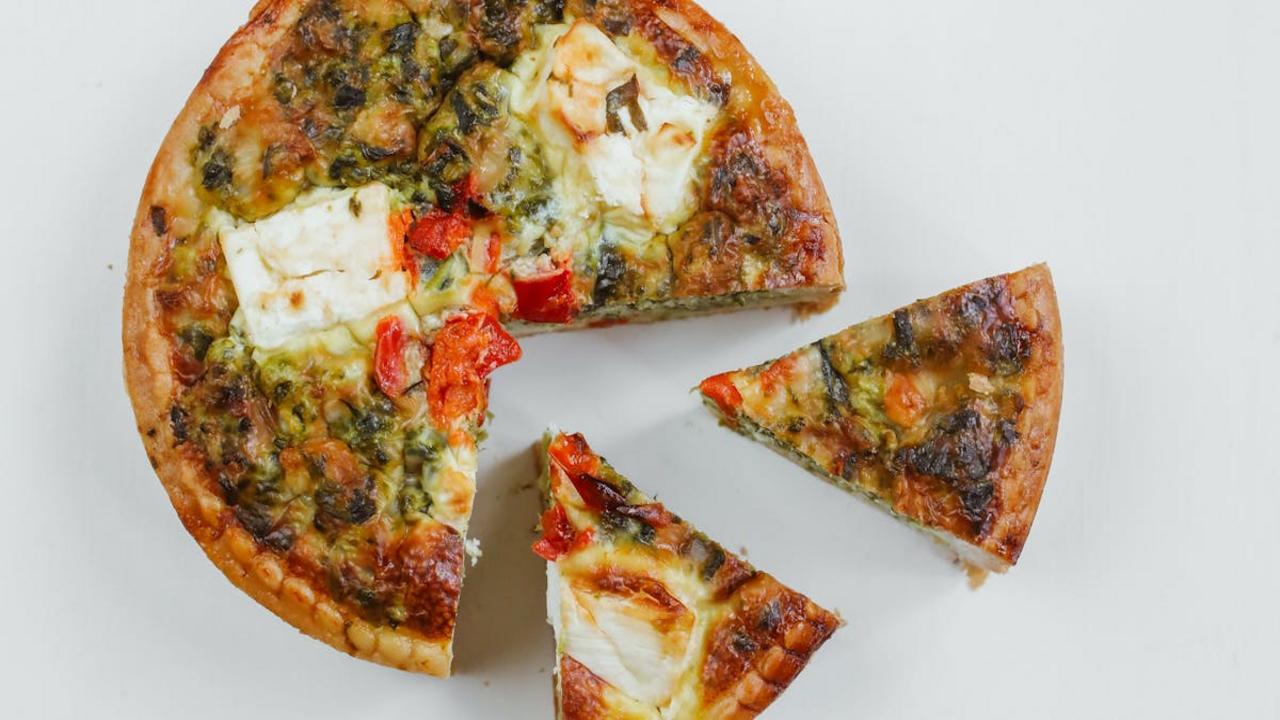
Picture this: you’re staring into your freezer at 8 PM on a Tuesday, and there it sits—that cardboard box promising cheesy satisfaction in under 20 minutes. Frozen pizza became America’s go-to dinner solution in the 1950s when Rose and Jim Totino started selling their first frozen pies. Before then, pizza was something you got fresh from Italian neighborhoods or made completely from scratch. Now I’m not here to shame anyone for grabbing a frozen pizza—we’ve all been there—but think about what we traded for convenience. Those preservatives, processed cheese, and mystery meat toppings became normal, replacing the simple beauty of fresh dough, real tomatoes, and quality mozzarella.
Here’s what gets me excited though: making your own “frozen” pizza at home changes everything. I prep pizza dough on Sunday afternoons, roll it out, add my favorite combinations—maybe roasted vegetables with goat cheese, or a simple margherita with fresh basil from my windowsill garden—then freeze them on baking sheets. Once solid, I wrap them individually and store them for those exact Tuesday night moments. The difference in taste is remarkable, and you control every single ingredient. No weird chemicals, no processed anything, just real food that happens to be frozen. Plus, your kids (or your inner child) get that same excitement of “pizza night” without the guilt of feeding your family something that barely resembles actual food.
Sliced Bread
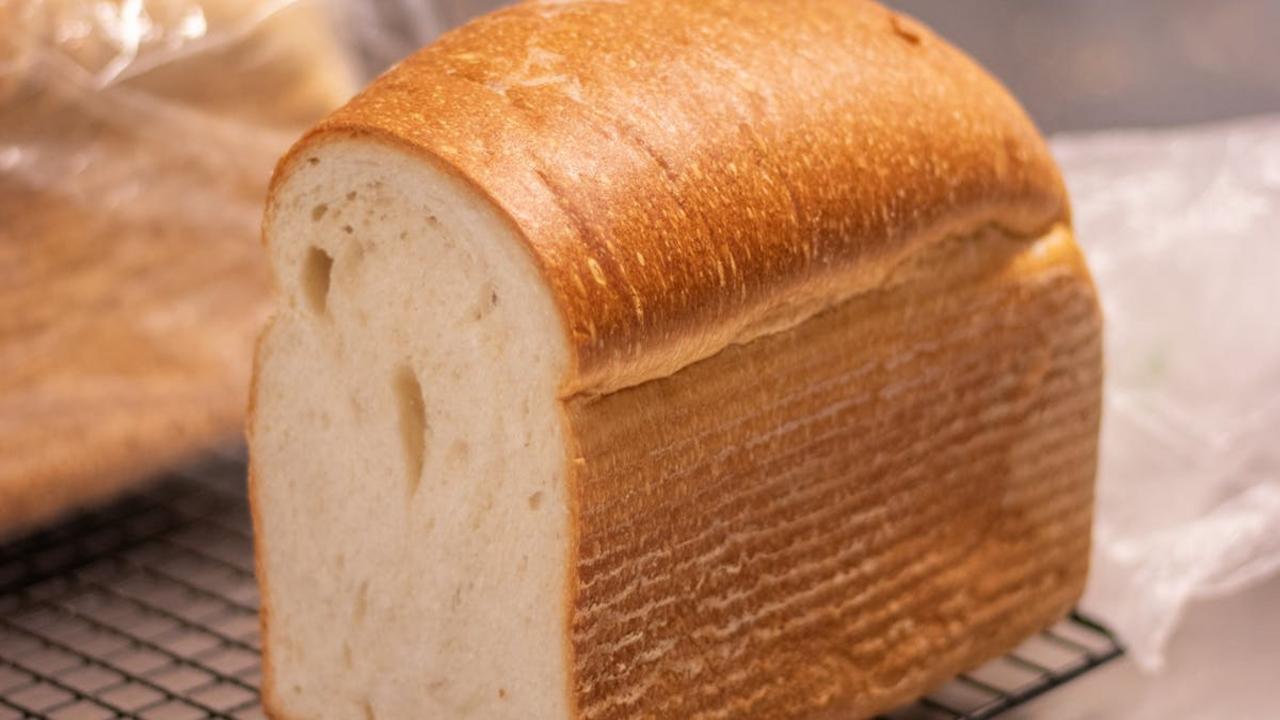
You know how we casually grab a loaf of pre-sliced bread without thinking twice? Well, this convenience didn’t exist until 1928 when Otto Frederick Rohwedder invented the first bread-slicing machine in Davenport, Iowa. Before then, people bought whole loaves and sliced them at home with whatever knife they had on hand. The phrase “the best thing since sliced bread” exists for good reason – this innovation truly revolutionized how Americans ate their daily bread. Wonder Bread became the first company to sell pre-sliced loaves nationally in 1930, and suddenly, making sandwiches became infinitely easier for busy families across the country.
As someone who loves making bread from scratch, I appreciate how this invention changed home kitchens forever. While I still prefer the therapeutic process of kneading dough and the satisfaction of slicing my own warm, crusty loaves, I understand why pre-sliced bread became such a phenomenon. It freed up time for home cooks and made consistent sandwich-making possible for school lunches and quick meals. The uniformity of machine-sliced bread also paved the way for the toaster’s popularity and influenced how we think about portion sizes. Though I encourage you to try baking your own bread at least once – there’s something magical about that first slice from a loaf you created with your own hands.
Cheetos

You know, when I think about Cheetos, I can’t help but smile at how this bright orange snack has become such an iconic part of American food culture. Created in 1948 by Charles Elmer Doolin at Frito-Lay, these cheese-flavored puffs started as a simple idea: coat cornmeal with cheese powder and see what happens. What happened was pure snack food magic that would captivate generations of Americans. The manufacturing process involves extruding cornmeal through machines that create those distinctive puffed shapes, then coating them with that signature cheese dust that somehow manages to stick to absolutely everything it touches.
As someone who believes in cooking from scratch and minimizing processed foods, I have to admit that Cheetos represent everything I typically steer away from in my kitchen. Yet there’s something fascinating about how this product became so deeply woven into American snacking habits. The bright orange color comes from artificial dyes, and that cheese flavor? It’s a complex blend of chemicals designed to hit specific flavor receptors. While I’d much rather see you making your own roasted chickpea snacks with real cheese and spices, I understand the nostalgic pull of these crunchy treats. Sometimes food history teaches us as much about culture as it does about ingredients.
TV Dinners
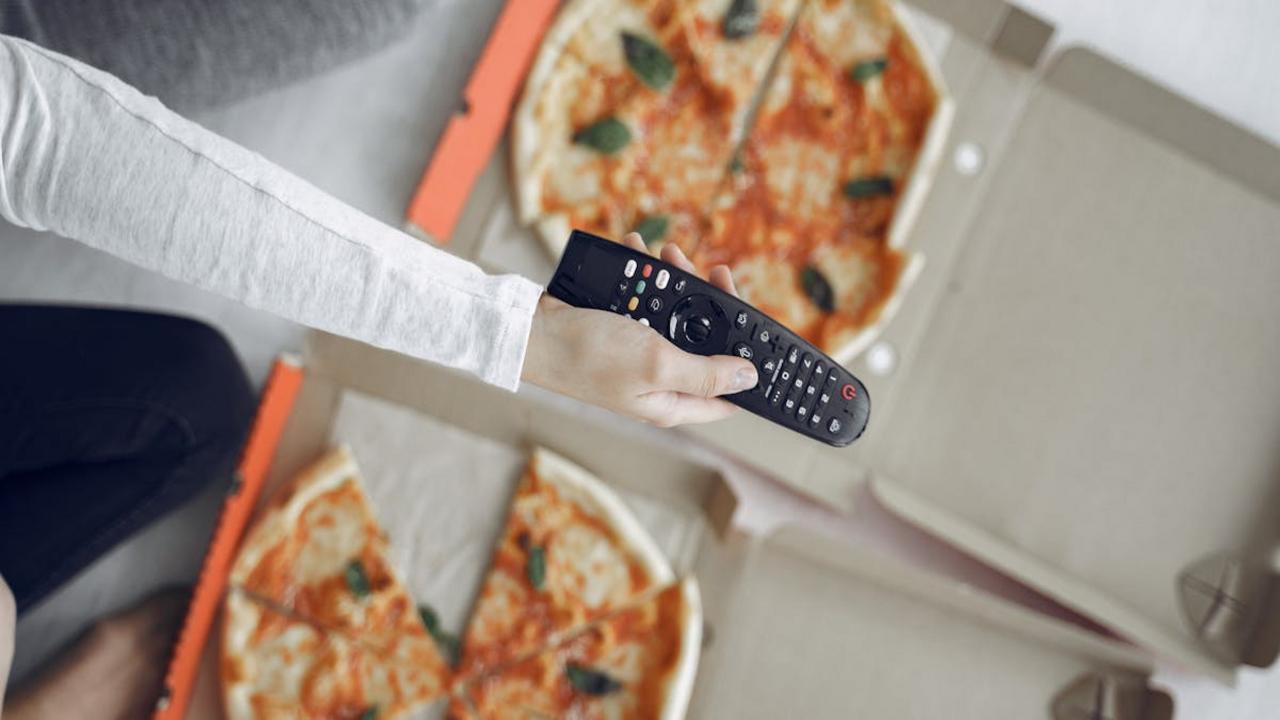
Picture this: you’re standing in your kitchen after a long day, and the thought of preparing a full meal feels overwhelming. Now imagine it’s 1953, and Swanson just introduced something revolutionary—complete meals in aluminum trays that you could heat and eat in minutes. TV dinners transformed how Americans approached weeknight cooking, bringing convenience to families nationwide. I understand that appeal completely, especially when life gets hectic and you need something fast on the table.
While TV dinners solved the time problem, they opened the door to highly processed foods that dominated American kitchens for decades. As someone who believes in cooking from scratch, I see TV dinners as a turning point where we traded nutrition for convenience. These pre-packaged meals taught us that dinner could come from a freezer instead of fresh ingredients. Today, I encourage you to think of them as inspiration for meal prep—you can create your own “TV dinners” by batch-cooking wholesome meals and freezing them in portions. That way, you get the convenience without sacrificing the nourishment your body deserves.
Instant Ramen
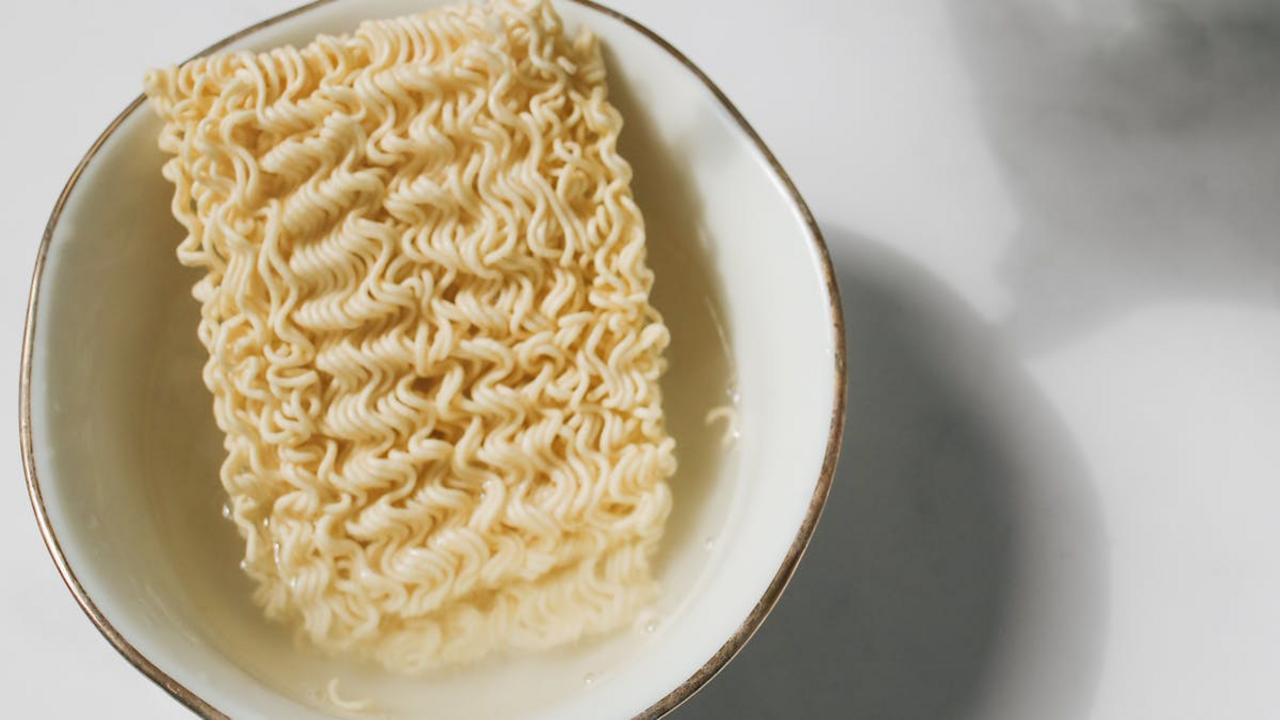
You know, when I think about instant ramen, I can’t help but smile at how this humble invention from 1958 has become such a staple in American kitchens. Momofuku Ando created something magical when he flash-fried those first noodles in Japan – he gave busy people everywhere a quick meal solution. But here’s what gets me excited: instant ramen doesn’t have to stay trapped in that processed world. I’ve discovered that those curly noodles make an incredible base for fresh, wholesome meals that’ll surprise you with their versatility.
Instead of reaching for that flavor packet loaded with sodium and artificial ingredients, try this approach that transforms your bowl into something nourishing. Cook your noodles as usual, then toss them with fresh ginger, garlic, and whatever vegetables you have on hand – maybe some crisp snap peas, shredded carrots, or wilted spinach. Add a soft-boiled egg, a splash of good soy sauce, and a drizzle of sesame oil. Suddenly, you’ve taken something that didn’t exist a century ago and made it work for your health goals. This method honors the convenience factor while giving your body real nutrients – exactly the kind of cooking magic I love sharing with you.
Ranch Dressing
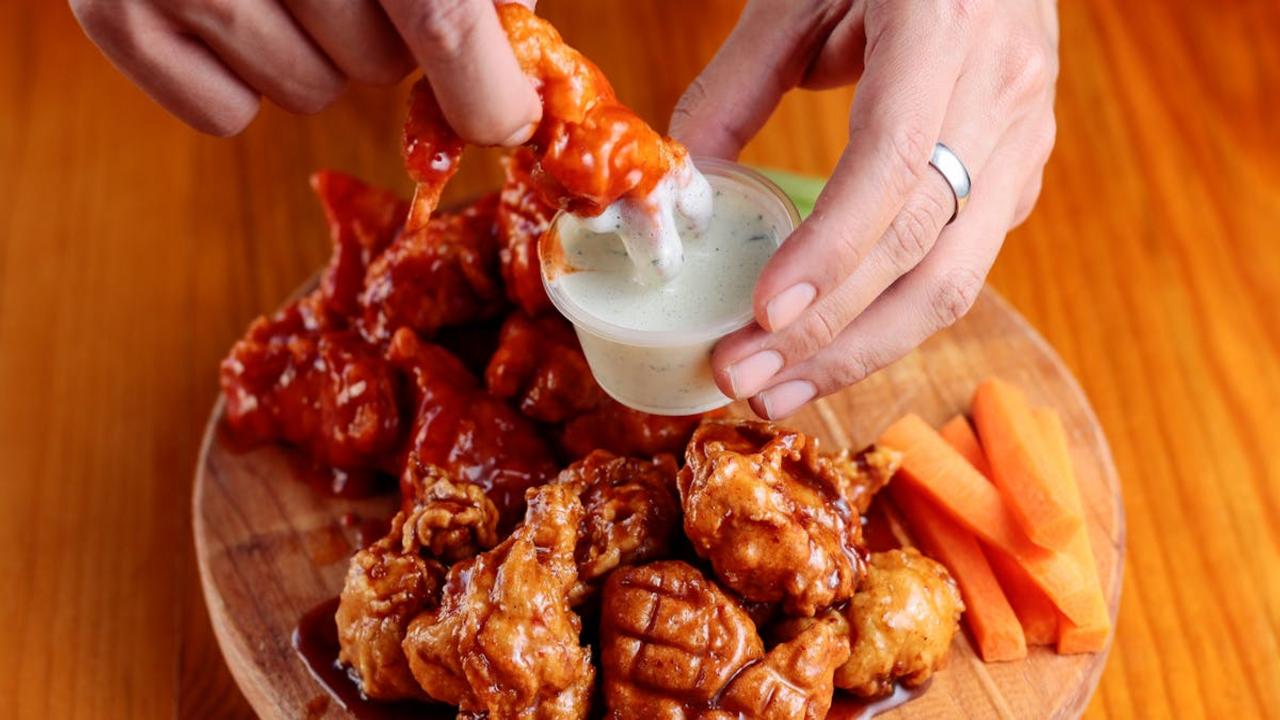
You know that creamy, herb-packed dressing sitting in practically every American refrigerator? Ranch didn’t exist until 1954, when Steve Henson created it at his dude ranch in California. What started as a simple blend of mayonnaise, buttermilk, and dried herbs became the nation’s most beloved condiment. I find it fascinating how this relatively recent invention now defines American flavor preferences—we drizzle it on everything from salads to pizza to chicken wings.
Making ranch from scratch transforms this mass-produced staple into something genuinely nourishing. I skip the packet mixes loaded with preservatives and MSG, instead whisking together real buttermilk, good mayonnaise, fresh dill, chives, garlic, and a squeeze of lemon. The difference is remarkable—bright, tangy, and alive with herb flavor. You can control the salt, add Greek yogurt for extra protein, or experiment with fresh herbs from your garden. This homemade version connects you to the original spirit of ranch while giving your family something far more wholesome than what you’ll find on store shelves.