14 Authentic Traditional Japanese Dishes You Must Try
Japanese food offers so much more than just sushi and ramen. Each dish tells a story of centuries-old traditions, regional ingredients, and meticulous preparation methods. From quick street food bites to elaborate multi-course meals, Japanese cuisine celebrates seasonal ingredients while maintaining perfect balance in flavors and textures.
My time cooking and eating across Japan taught me the beauty of simplicity in Japanese cooking. The focused attention on individual ingredients, precise knife skills, and careful seasoning creates dishes that feel both humble and refined. Whether it’s a steaming bowl of miso soup or crispy tempura vegetables, Japanese food nourishes both body and soul.
I’ve gathered 14 must-try traditional Japanese dishes that showcase the depth and variety of this incredible cuisine. From comforting noodle soups to grilled seafood and curry rice, these authentic recipes will transport you straight to the heart of Japan’s food culture.
Beef Bowl
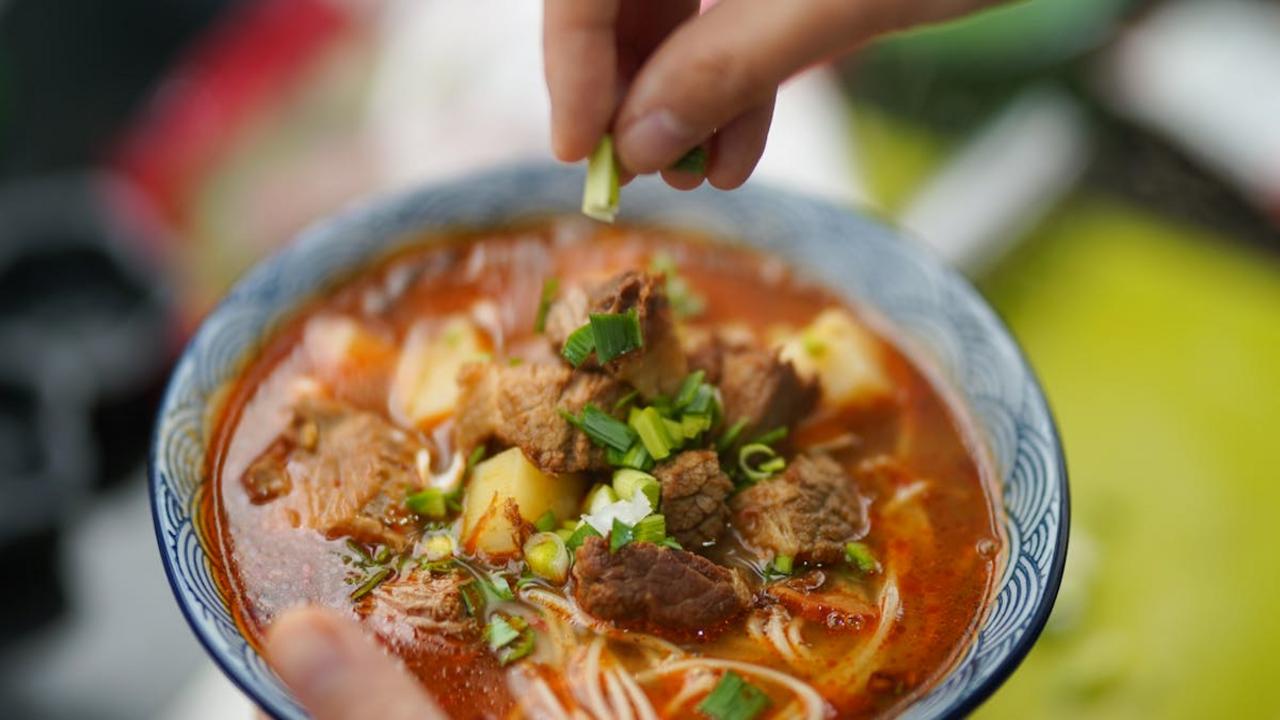
Beef bowl, or Gyudon as we call it in Japan, brings comfort food to a whole new level with its tender slices of beef and onions simmered in a sweet-savory combination of dashi, soy sauce, and mirin. I make this quick one-bowl meal at least twice a month – it takes just 20 minutes from start to finish! The thinly sliced beef absorbs all the rich flavors of the broth while cooking, creating an irresistible combination that makes perfect sense over a steaming bowl of white rice.
What makes a beef bowl truly special is how the runny egg yolk (if you add one on top) mingles with the sweet-savory sauce, coating each grain of rice with silky richness. Many Japanese home cooks add their own twists – some prefer adding extra ginger for heat, while others throw in shiitake mushrooms or green onions. My personal touch includes a sprinkle of shichimi togarashi (seven-spice blend) and a side of pickled ginger to cut through the richness. This hearty dish proves that simple ingredients, cooked with care, create the most satisfying meals.
Fried Noodles
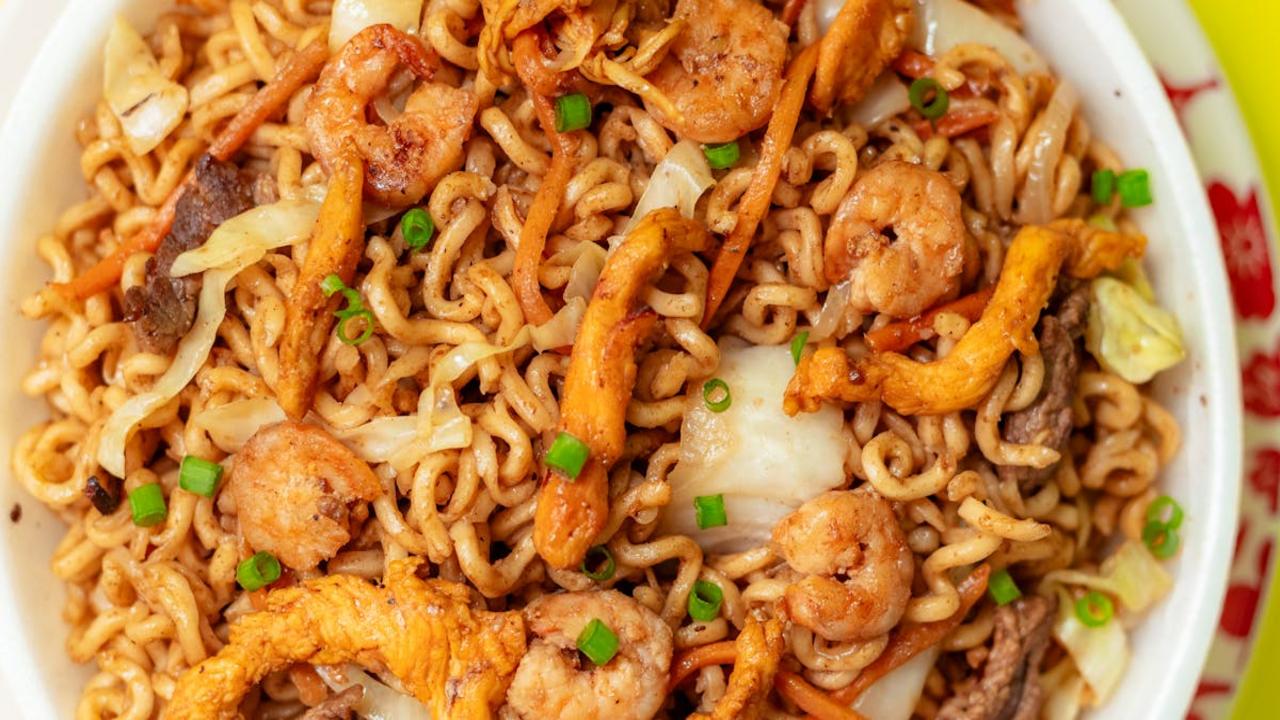
Japanese fried noodles, known as Yakisoba, pack a punch of savory flavors that will transport you straight to the bustling food stalls of Japan. I make these stir-fried wheat noodles with a mix of crunchy vegetables like cabbage, carrots, and bean sprouts, plus your choice of protein – pork being the most traditional option. The magic happens when you toss everything in that distinctive yakisoba sauce, a sweet and tangy blend of Worcestershire sauce, soy sauce, and other seasonings that gives the dish its signature taste.
You’ll find yakisoba everywhere in Japan, from festivals to convenience stores, but making it at home brings out its true charm. I recommend getting your hands on authentic yakisoba noodles, which come pre-steamed and ready to fry. The key to perfect yakisoba lies in the timing – start with high heat to get that nice char on your noodles, then lower it to let the vegetables cook while staying crisp. Top your creation with dried seaweed flakes, pickled ginger, and a sprinkle of bonito flakes that dance from the heat of the noodles.
Hot Pot
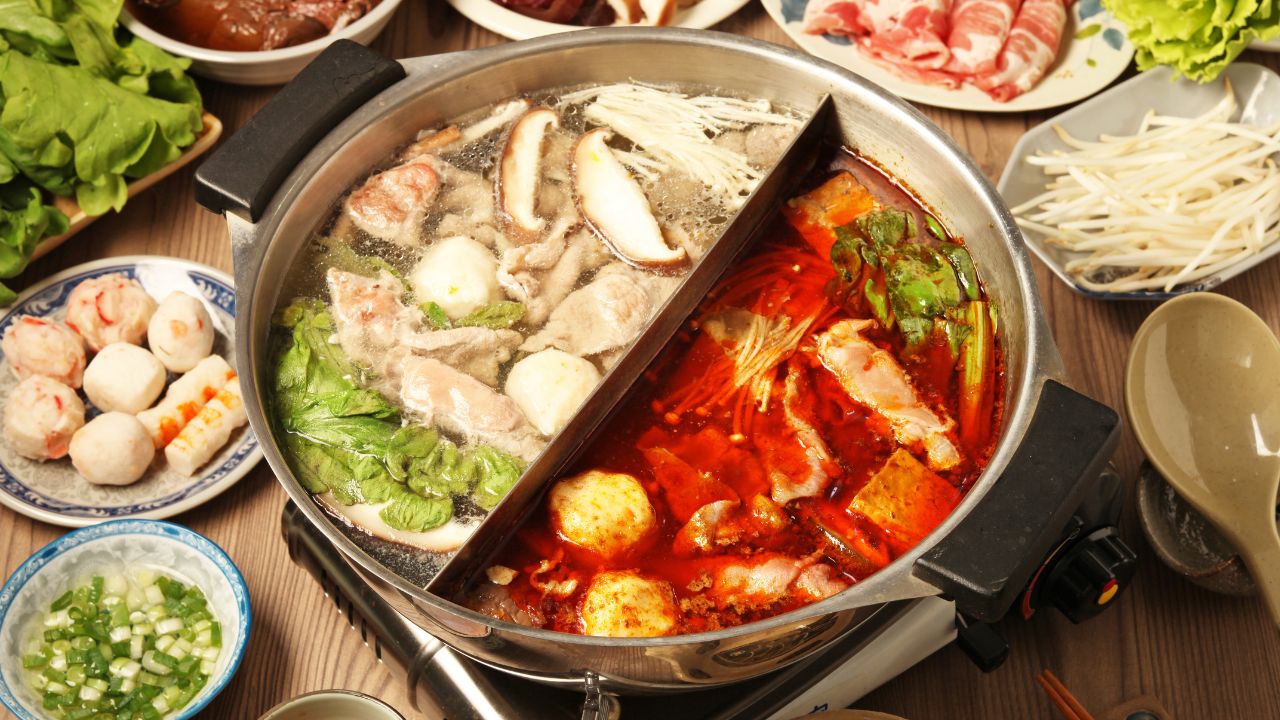
I absolutely adore Japanese hot pot (nabemono or simply nabe) – a communal dining experience where you gather around a simmering pot of savory broth with friends and family. You’ll find various regional styles, but the core concept remains: fresh ingredients cooked right at your table in a flavorful soup base. My favorite version combines kombu dashi broth with seasonal vegetables, tender sliced meat, tofu, and fresh mushrooms that you cook piece by piece.
The beauty of hot pot lies in its versatility and interactive nature. You can customize your bowl with different dipping sauces – from ponzu citrus to creamy sesame – and add ingredients in the order you prefer. The broth becomes richer throughout the meal as the components release their flavors. I recommend starting with the meat, followed by heartier vegetables, then finishing with quick-cooking items like leafy greens and mushrooms. Don’t forget to scoop up some of that intensely flavored broth at the end!
Cold Buckwheat Noodles
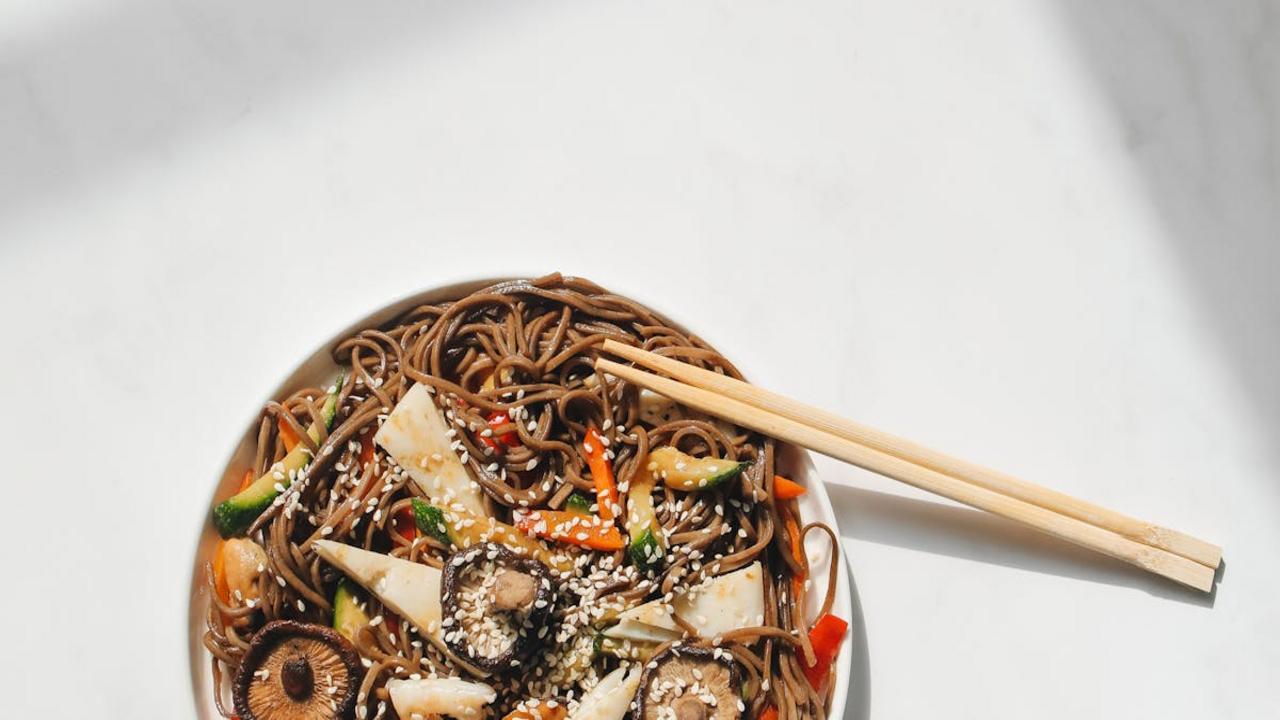
I’ve found cold buckwheat noodles, known as “zaru soba” in Japan, to be one of the most refreshing dishes during hot summer days. The noodles have a firm texture and nutty flavor that makes them stand out from regular wheat noodles. You’ll dip these chilled noodles in a concentrated sauce called tsuyu – made from dashi stock, sweet mirin, and rich soy sauce. The traditional toppings include finely chopped green onions, wasabi, and nori seaweed strips, which add layers of complementary textures and flavors.
My favorite part about cold soba is how the dipping process connects you to each bite. You’ll grab a portion of noodles with your chopsticks, dip them briefly in the sauce, and enjoy them immediately. This ensures every mouthful has the perfect balance of noodle and sauce. The buckwheat flour gives these noodles a distinctive gray-brown color and makes them naturally gluten-free. In many Japanese restaurants, they’ll serve you the cooking water (sobayu) at the end of your meal – mix it with your remaining dipping sauce for a satisfying finish to your meal.
Grilled Fish
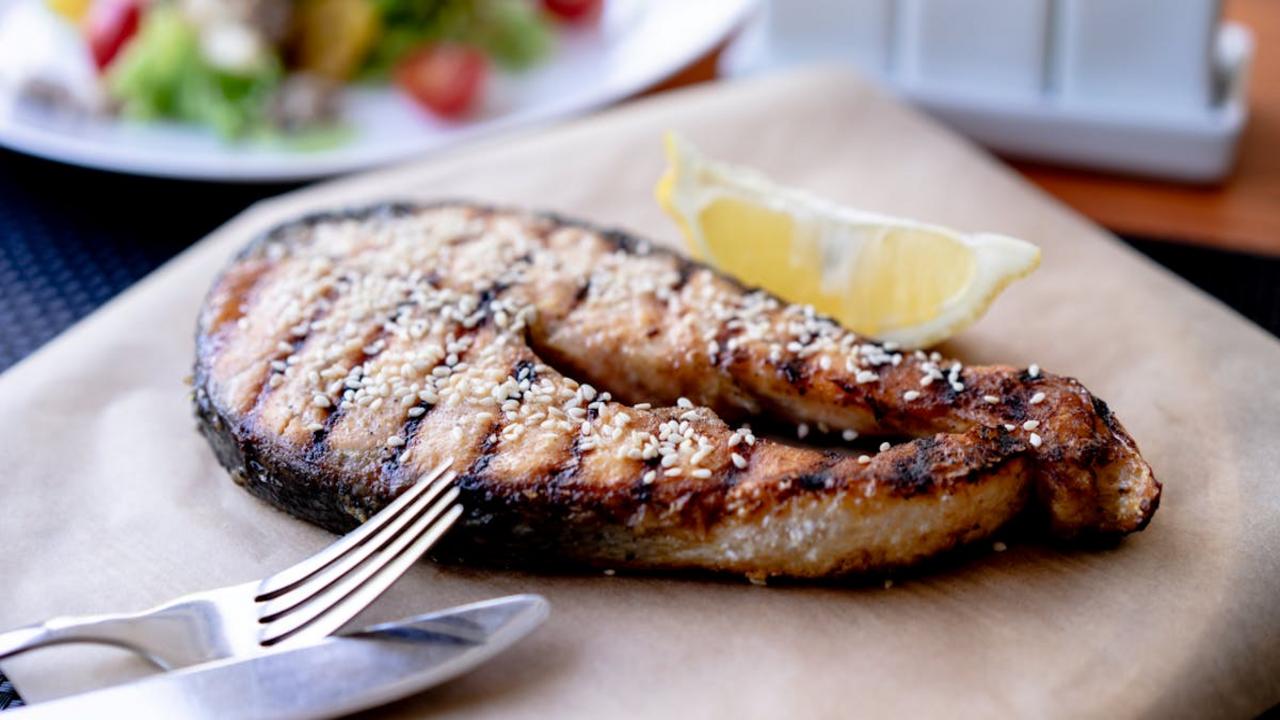
Nothing captures the heart of traditional Japanese cooking quite like a perfectly grilled fish. The Japanese approach to grilling fish focuses on simplicity – a sprinkle of salt, maybe a light brush of soy sauce or mirin, and that’s it. I love how this preparation method brings out the natural sweetness of fresh fish while creating a crispy skin that adds wonderful texture. You’ll find this dish commonly served for breakfast in Japan, paired with steamed rice, miso soup, and pickled vegetables.
My favorite fish to grill Japanese-style include mackerel (saba), salmon (sake), or sea bream (tai). The key lies in scoring the fish’s skin in a crosshatch pattern, which helps it cook evenly and absorb those subtle seasonings. Cook it over medium-high heat until the skin turns golden and crispy, and the flesh remains tender and moist inside. The Japanese often serve grilled fish with grated daikon radish and a wedge of sudachi citrus on the side – these accompaniments cut through the richness and add bright, fresh notes to each bite.
Japanese Curry
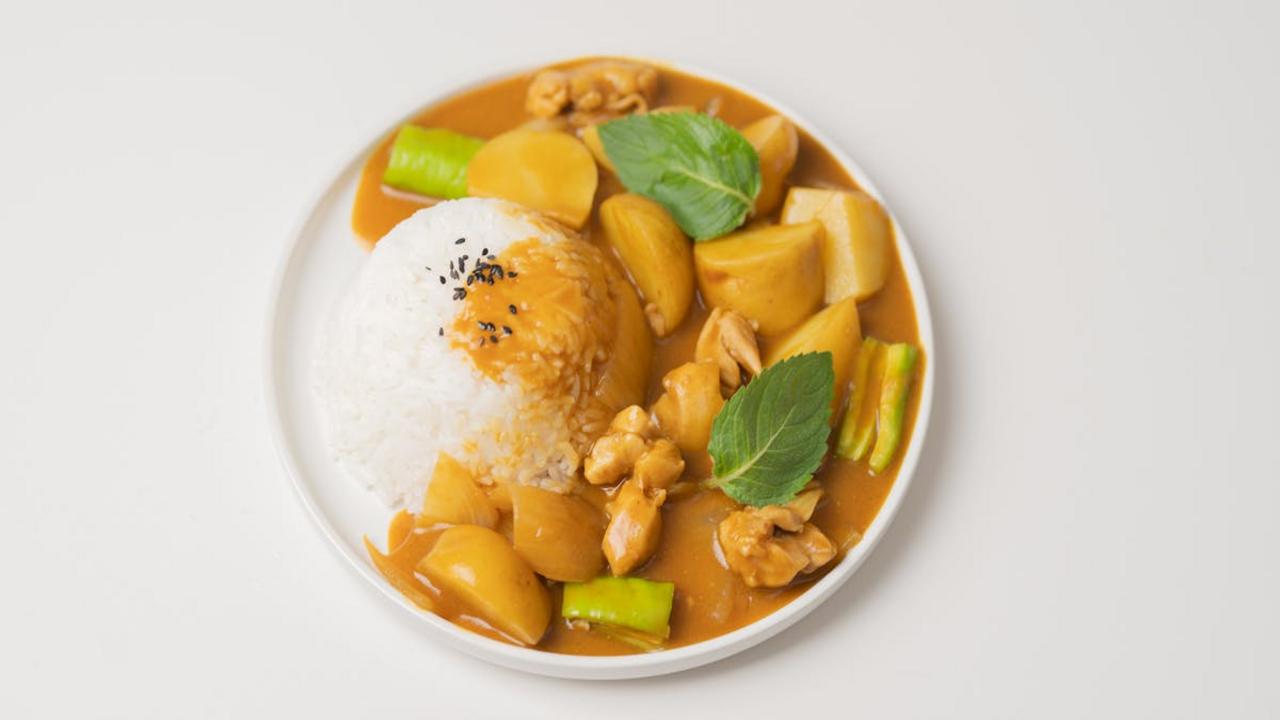
Japanese curry will change your perception of what curry should be! This thick, rich, and comforting dish takes classic Indian curry and adds a uniquely Japanese twist. The sauce combines sweet and savory notes with a hint of spice, featuring tender chunks of meat (usually beef, chicken, or pork), onions, carrots, and potatoes. I often make it from scratch, but many Japanese households keep curry roux blocks on hand for quick weeknight meals.
What sets Japanese curry apart is its milder, sweeter profile compared to other Asian curries. The sauce gets its signature thickness from a flour-based roux, while common additions like grated apple, honey, or even chocolate deepen the flavor. You’ll always find it served with fluffy white rice and often topped with a crispy katsu cutlet. Many Japanese consider this their ultimate comfort food, and after your first bite, you’ll understand why this British-influenced, Indian-inspired dish became a Japanese staple.
Fried Pork Cutlet
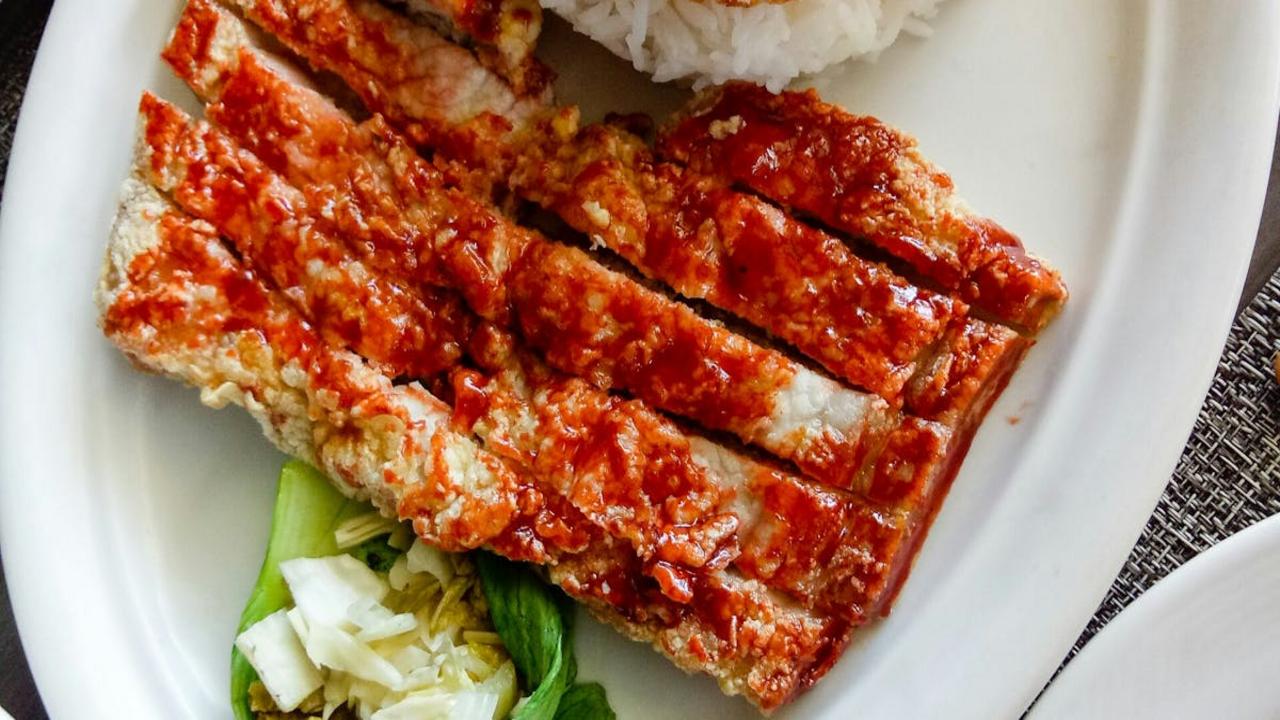
Tonkatsu stands as Japan’s answer to comfort food – a golden-brown, breaded pork cutlet that makes your mouth water at first sight. I make this dish by coating thick slices of premium pork loin in flour, beaten eggs, and Japanese panko breadcrumbs before frying them until they turn perfectly crispy on the outside while staying juicy on the inside. The secret lies in the double-breading technique and maintaining the right oil temperature around 350°F (175°C) throughout the cooking process.
You’ll find tonkatsu served with shredded cabbage, rice, and a distinctive sauce made from Worcestershire sauce, soy sauce, sugar, and other seasonings. The sauce adds a sweet and tangy kick that beautifully complements the crunchy exterior. Many Japanese restaurants offer variations like katsu curry (served with curry sauce) or katsu don (served over rice with eggs and onions). Make sure to slice your tonkatsu against the grain before eating – this keeps each bite tender and easy to chew.
Teriyaki Chicken
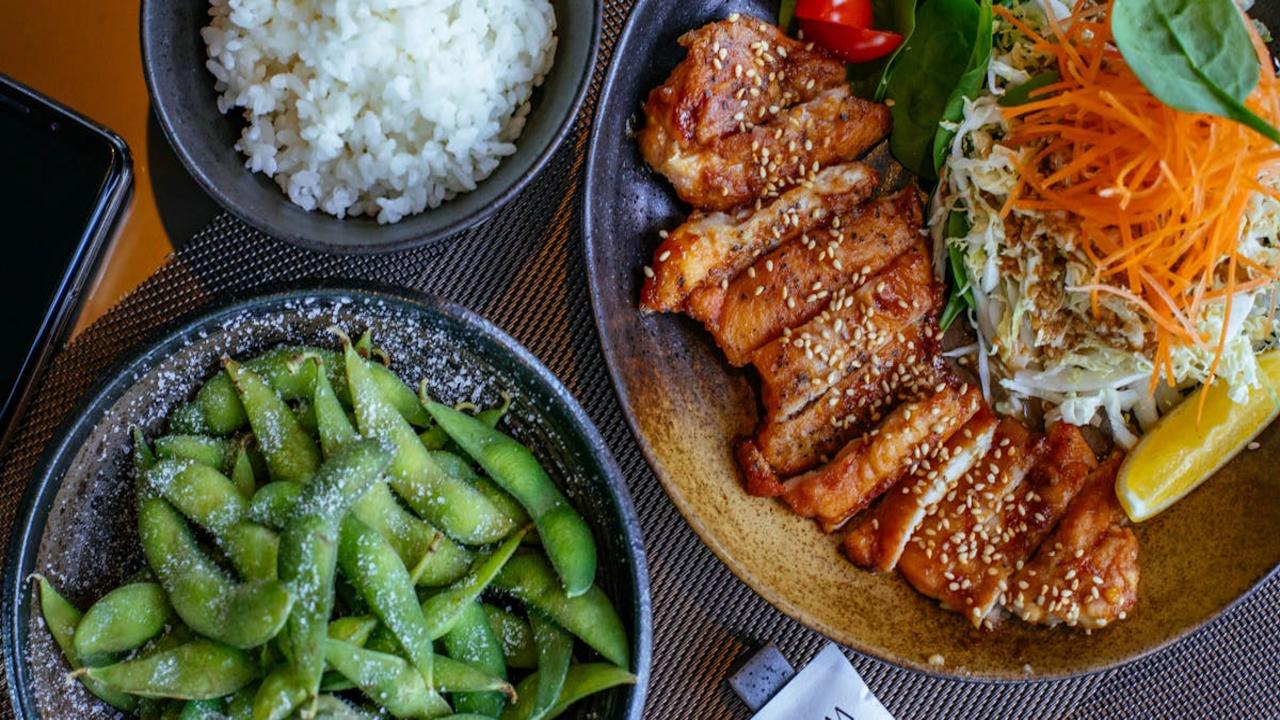
I prepare teriyaki chicken at least twice a month in my kitchen – this sweet and savory Japanese dish never disappoints my family. The magic lies in the homemade teriyaki sauce, which combines soy sauce, mirin (sweet rice wine), sake, and sugar. Unlike the thick, syrupy versions you’ll find at many restaurants, authentic Japanese teriyaki sauce should lightly coat the chicken, creating a beautiful glaze that lets the meat’s natural flavors shine through.
The cooking technique makes all the difference – you’ll want to pan-fry the chicken pieces until golden brown before adding the sauce. This creates a delicious caramelization on the outside while keeping the inside tender and juicy. My favorite way to serve teriyaki chicken is over a bed of steamed rice with a side of blanched vegetables like broccoli or green beans. The sauce soaks into the rice, making every bite flavorful. For the best results, choose chicken thighs over breast meat – they stay moist and absorb the teriyaki flavors better.
Rice Balls
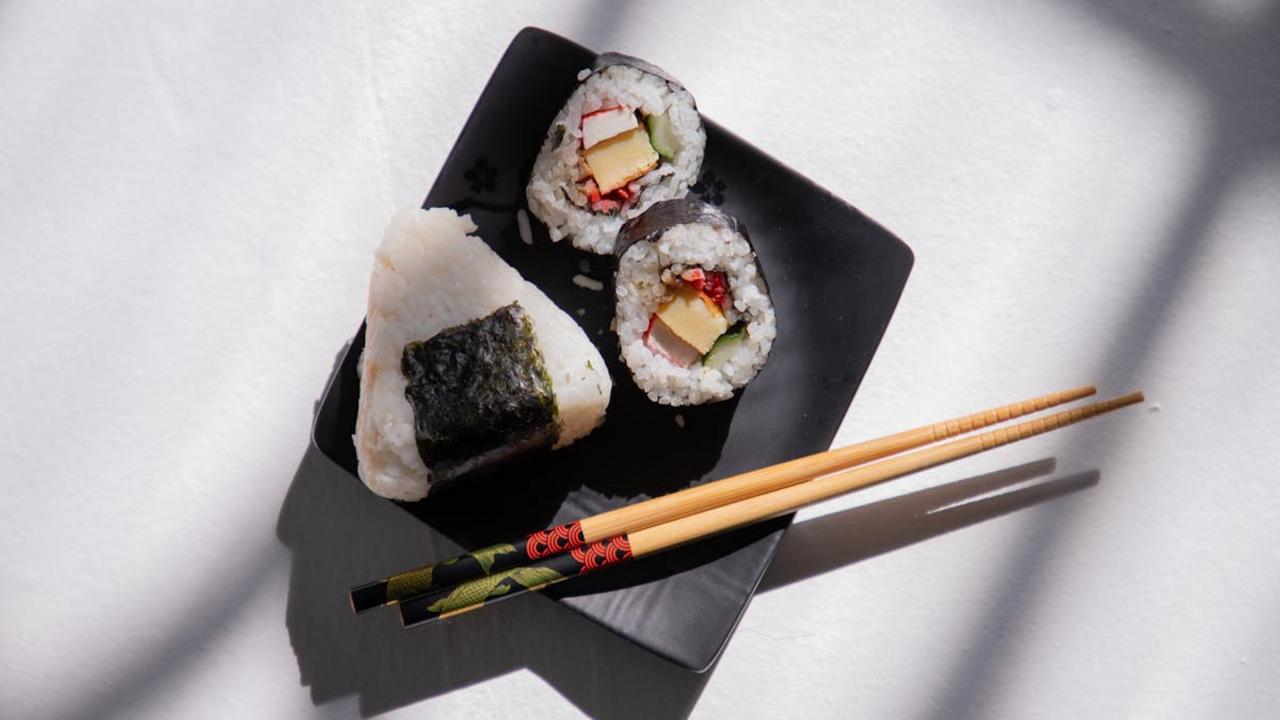
Japanese rice balls, or onigiri, will transport you straight to the heart of everyday Japanese cuisine. These triangular or round shaped delights consist of white rice packed around various fillings, then wrapped in crisp nori seaweed. I make these portable snacks with umeboshi (pickled plum), grilled salmon, or tuna mayo filling. The key lies in properly cooking and seasoning the rice – it needs to be sticky enough to hold its shape but not mushy.
You’ll find onigiri everywhere in Japan, from convenience stores to train stations, making them the perfect grab-and-go meal. I love teaching my kids how to shape these rice balls – we wet our hands with salted water, grab a handful of warm rice, create a dimple for the filling, then mold it into shape. The best part? You can experiment with different fillings based on what you have in your fridge. My personal favorite combination adds a sprinkle of furikake seasoning on the outside for extra flavor and crunch.
Miso Soup
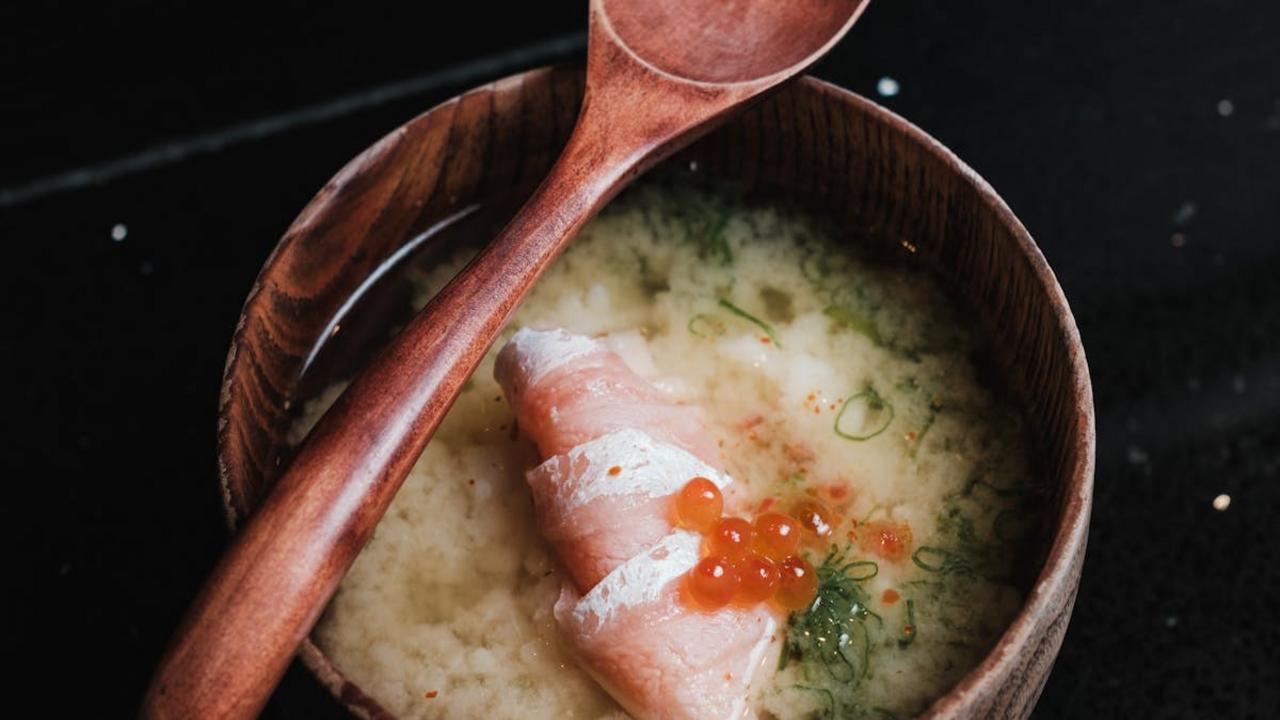
Miso soup will bring you the pure comfort of traditional Japanese home cooking in every spoonful. The base combines dashi (a stock made from kombu seaweed and dried bonito flakes) with miso paste, creating a deeply satisfying umami-rich broth. I love adding cubes of silken tofu, wakame seaweed, and finely chopped green onions to make this warming soup even more nourishing. The beauty lies in its simplicity – you’ll need just a few ingredients to create this staple of Japanese cuisine.
Through years of making miso soup at home, I’ve discovered that each type of miso paste brings its own character to the dish. White miso gives you a gentler, sweeter flavor while red miso creates a bolder, more intense taste. The key is to add the miso paste at the very end of cooking – this preserves its live enzymes and probiotic benefits. Start your day with a bowl of miso soup, and you’ll understand why millions of Japanese households consider it an irreplaceable part of their morning routine.
Udon
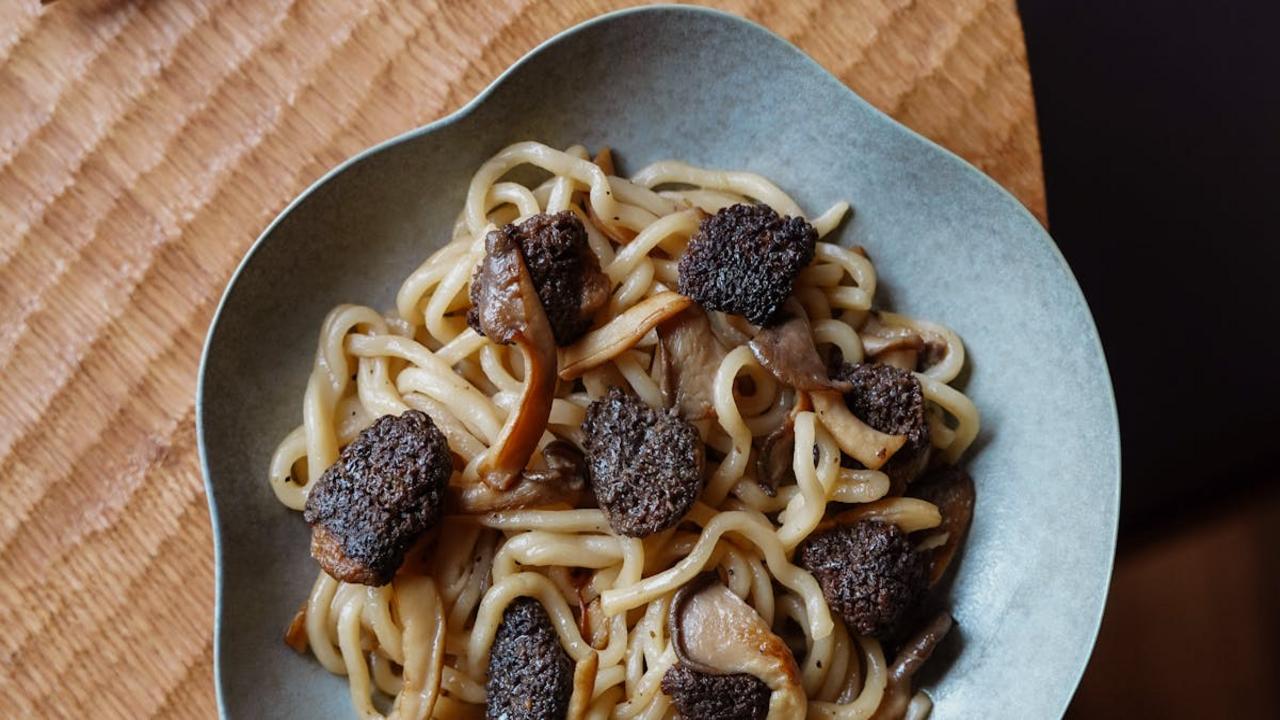
I can never resist a steaming bowl of udon – those thick, chewy wheat noodles that bring pure comfort in every bite. Unlike their thinner cousin ramen, udon noodles stand out with their substantial, satisfying texture that makes them perfect for soaking up rich broths. You’ll find these noodles served hot in dashi-based soup with various toppings like tempura, sliced green onions, and kamaboko fish cake, or chilled with a light dipping sauce during summer months.
My favorite way to enjoy udon is in Kitsune Udon, topped with sweet and savory deep-fried tofu pouches called aburaage. The combination of the silky broth, bouncy noodles, and that perfectly seasoned tofu creates such a memorable meal. You can also try Curry Udon, where the noodles swim in a thick, Japanese-style curry sauce, or Yaki Udon, a stir-fried version with vegetables and your choice of protein. Each regional variation brings its own unique take on this Japanese comfort food staple.
Tempura
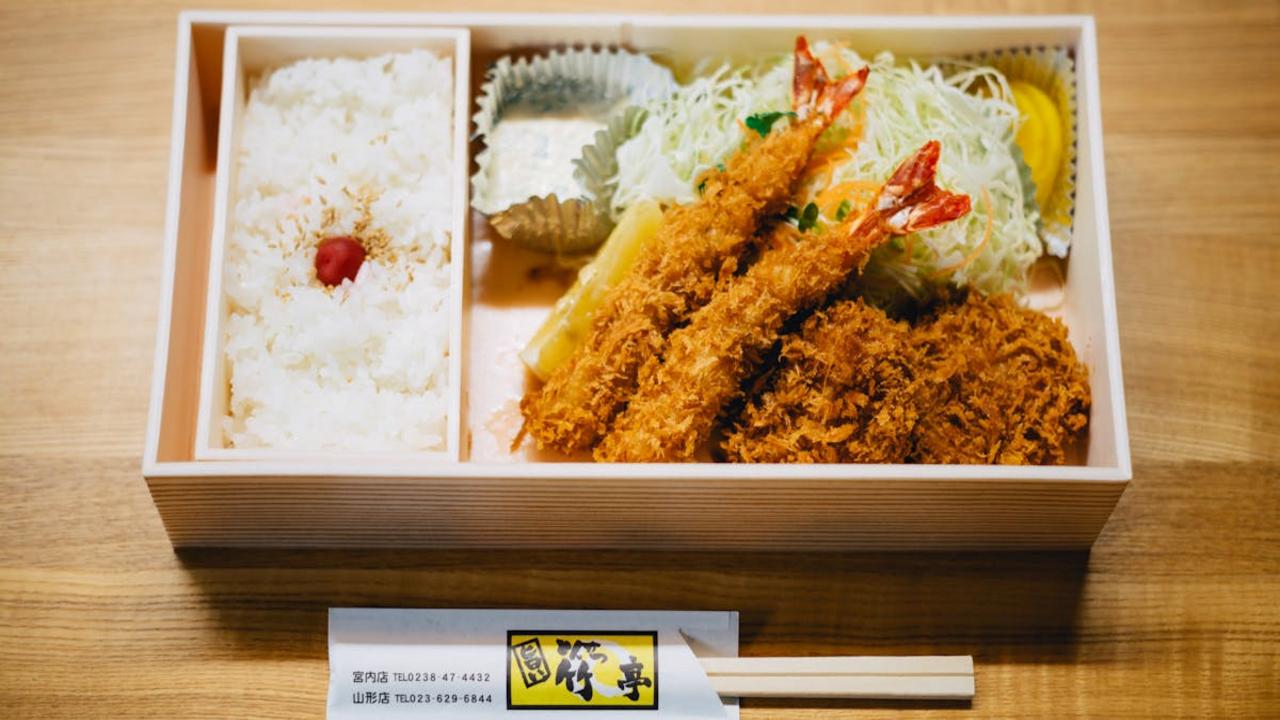
I can’t help but get excited every time I make tempura – those impossibly light and crispy Japanese battered seafood and vegetables that just shatter with each bite. The secret lies in the batter, made simply with ice-cold water, flour, and egg. You’ll want to mix it minimally until just barely combined, keeping those lumps which create the signature delicate, lacy coating. My favorite ingredients to tempura-fry include sweet potatoes, shrimp, green beans, and mushrooms.
The technique takes practice but delivers incredible results – you need to maintain the oil at exactly 375°F and work quickly to keep the batter cold. A quick dip in the thin batter followed by an immediate plunge into hot oil creates that characteristic golden, airy crust. I serve mine with traditional tensuyu dipping sauce made from dashi, mirin, and soy sauce, plus freshly grated daikon radish on the side. The contrast between the hot, crispy exterior and tender interior makes tempura one of Japan’s most beloved dishes.
Ramen
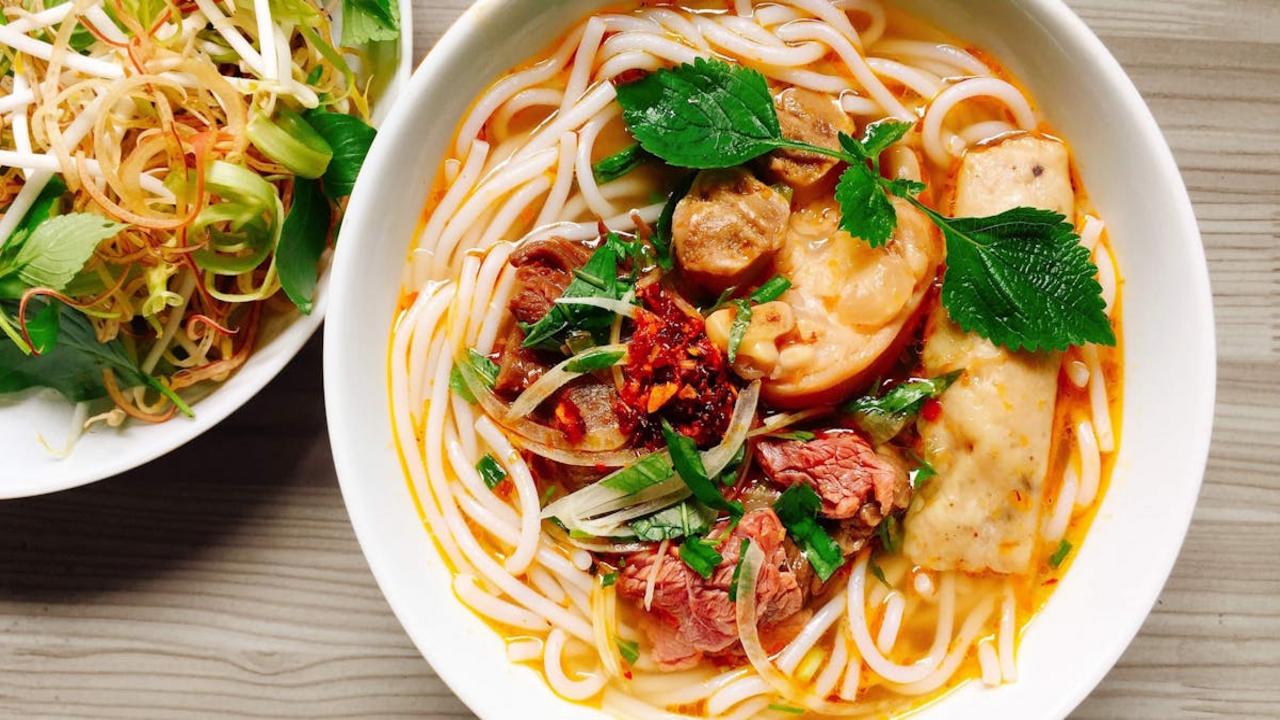
I can’t imagine Japanese cuisine without steaming bowls of ramen, the soul-warming noodle soup that brings comfort with every spoonful. The heart of this dish lies in its rich, complex broth – whether it’s tonkotsu (pork bone), shoyu (soy sauce), miso, or shio (salt-based). Each region in Japan adds its own spin to the base, topped with tender chashu pork, bamboo shoots, spring onions, and a perfectly soft-boiled egg that creates a complete meal in a bowl.
While many think ramen originated in Japan, it actually came from China and has evolved into countless regional variations across Japan. In Tokyo, you’ll find light, clear shoyu-based broths, while Sapporo specializes in miso ramen with butter and corn. My favorite is Hakata-style ramen from Fukuoka, featuring a milky tonkotsu broth that simmers for hours until the collagen from pork bones creates an intensely rich soup. The thin, straight noodles soak up all that goodness, making each bite pure satisfaction.
Sushi
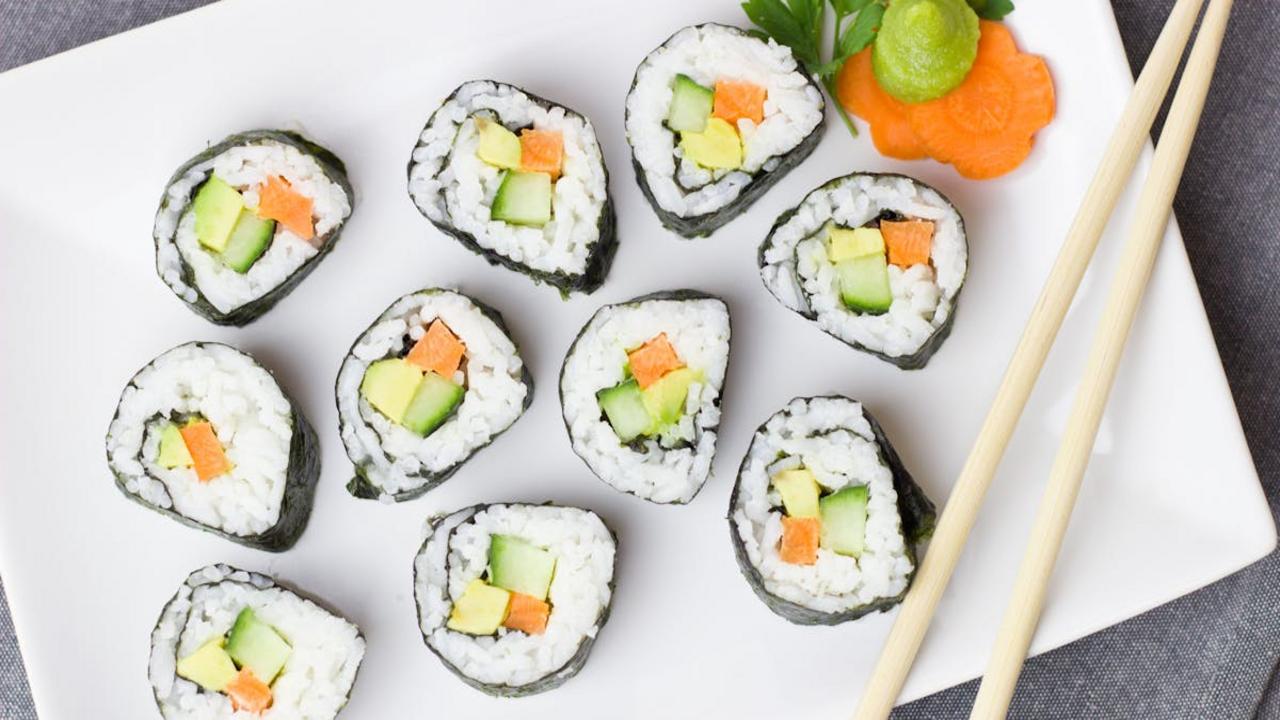
You’ll find sushi everywhere in Japan, from high-end restaurants to casual conveyor belt spots, but nothing matches the authentic experience of traditional sushi crafted by dedicated sushi masters. The perfect balance of vinegared rice combined with fresh fish creates a harmony of flavors that represents Japanese cuisine at its finest. Raw fish isn’t actually required – you can enjoy sushi filled with vegetables, eggs, or cooked seafood too.
I recommend starting with simple nigiri sushi – hand-pressed rice topped with fresh fish – to truly appreciate the pure flavors and textures. The fish should be firm yet tender, while the rice should hold together but still separate easily in your mouth. Dip just the fish (not the rice) very lightly in soy sauce if you’d like. My favorite preparation is salmon nigiri with a thin slice of fresh wasabi between the rice and fish. The clean, bright flavors will show you why sushi became such an iconic dish.