13 Surprising Ways Cooking Together Stress Tests Your Relationship
You might think whipping up dinner with your partner is just about food, but it’s actually a relationship boot camp in disguise! The kitchen transforms into a testing ground where your bonds strengthen or strain with each chopped onion and stirred sauce. From deciding what’s for dinner to dividing tasks, cooking together reveals how you function as a team under pressure.
Your communication skills face a real workout when you’re both maneuvering in a small space with hot pans and sharp knives. Did you ask for the salt or the pepper? Was the recipe calling for medium or high heat? These seemingly small interactions highlight how well you listen, express needs, and respond to each other’s requests.
Money matters surface too—shopping for ingredients often brings up different priorities about spending. One of you might splurge on organic everything while the other hunts for bargains. These kitchen collaborations mirror how you’ll handle bigger life challenges, making cooking together one of the most honest relationship tests you’ll ever take.
Shared Goals and Priorities

Nothing reveals mismatched priorities quite like planning a dinner together. You want to create a healthy quinoa bowl with roasted vegetables, while your partner dreams of indulgent mac and cheese loaded with bacon. These moments expose fundamental differences in how you approach wellness, budgeting, and time management. One person might prioritize organic, locally-sourced ingredients regardless of cost, while the other focuses on quick, budget-friendly options that get dinner on the table fast. These conversations force you both to examine what truly matters in your daily choices and long-term health goals.
Working through these differences requires honest communication about your values and future plans. Maybe you discover your partner has been secretly worried about their family’s history of heart disease, explaining their sudden interest in healthier cooking. Or perhaps you realize your focus on expensive ingredients stems from wanting to impress rather than nourish. Cooking together creates a safe space to discuss money, health concerns, and lifestyle dreams without the pressure of formal relationship talks. You’ll find yourselves naturally negotiating compromises – like agreeing to splurge on organic produce while choosing conventional pantry staples, or alternating between comfort food nights and clean eating experiments.
Emotional Intelligence

Cooking together reveals how well you and your partner read each other’s emotions and respond with sensitivity. When one of you accidentally burns the garlic or spills sauce on the counter, your immediate reactions tell a powerful story about your emotional awareness. Do you notice the flash of frustration in their eyes before they even speak? Can you sense when they’re feeling overwhelmed by too many simultaneous tasks? Your ability to pick up on these subtle cues and respond appropriately – maybe offering help without being asked or lightening the mood with gentle humor – shows how deeply you understand each other’s emotional landscape.
The kitchen becomes a safe space to practice compassion and patience when things don’t go according to plan. I’ve watched couples learn to communicate their needs more clearly through cooking mishaps – one partner discovering they need verbal reassurance when stressed, while the other realizes they process frustration better with a few minutes of quiet space. These moments of vulnerability, like when someone’s signature dish doesn’t turn out right, create opportunities for genuine emotional support. The way you comfort each other during kitchen failures and celebrate small victories together builds the foundation for handling life’s bigger emotional storms with grace and understanding.
Financial Management

Cooking together quickly exposes how each partner handles money decisions, from grocery budgeting to splurging on premium ingredients. One of you might grab the organic everything while the other calculates cost per ounce, creating tension at the checkout. These moments reveal fundamental differences in spending priorities and financial planning approaches that can surprise couples who’ve never tackled shared expenses before.
Planning meals together forces discussions about food budgets, coupon usage, and whether that fancy truffle oil is worth the investment. You’ll discover if your partner is a bargain hunter who stocks up during sales or an impulse buyer who can’t resist specialty items. These grocery store revelations often mirror broader financial habits – the partner who meticulously compares prices might also be the one tracking every household expense, while the spontaneous spender could approach other financial decisions with similar spontaneity. Working through these differences in the kitchen creates a foundation for handling bigger financial conversations down the road.
Adaptability and Flexibility

You walk into the kitchen with your perfectly planned menu, only to discover you’re missing a key ingredient or the chicken you thought was thawed is still frozen solid. Your partner suggests switching to pasta instead, but you had your heart set on that herb-crusted salmon. How you both handle these unexpected kitchen curveballs reveals so much about your relationship dynamics. Do you roll with the punches together, or does one person dig in their heels while the other gets frustrated? These moments test whether you can pivot gracefully as a team or if rigid expectations create unnecessary tension.
The beauty of cooking together lies in learning to bend without breaking when plans go sideways. Maybe the sauce curdles, the oven runs hot, or your partner accidentally adds salt instead of sugar to the dessert. These kitchen mishaps become opportunities to problem-solve creatively and support each other through mini-disasters. Couples who can laugh off burnt garlic and turn a failed soufflé into an impromptu bread pudding often find this flexibility translates to other areas of their relationship. You discover whether you’re both willing to adjust your approach, try new solutions, and find joy in unexpected outcomes rather than getting stuck on what should have happened.
Attention to Detail
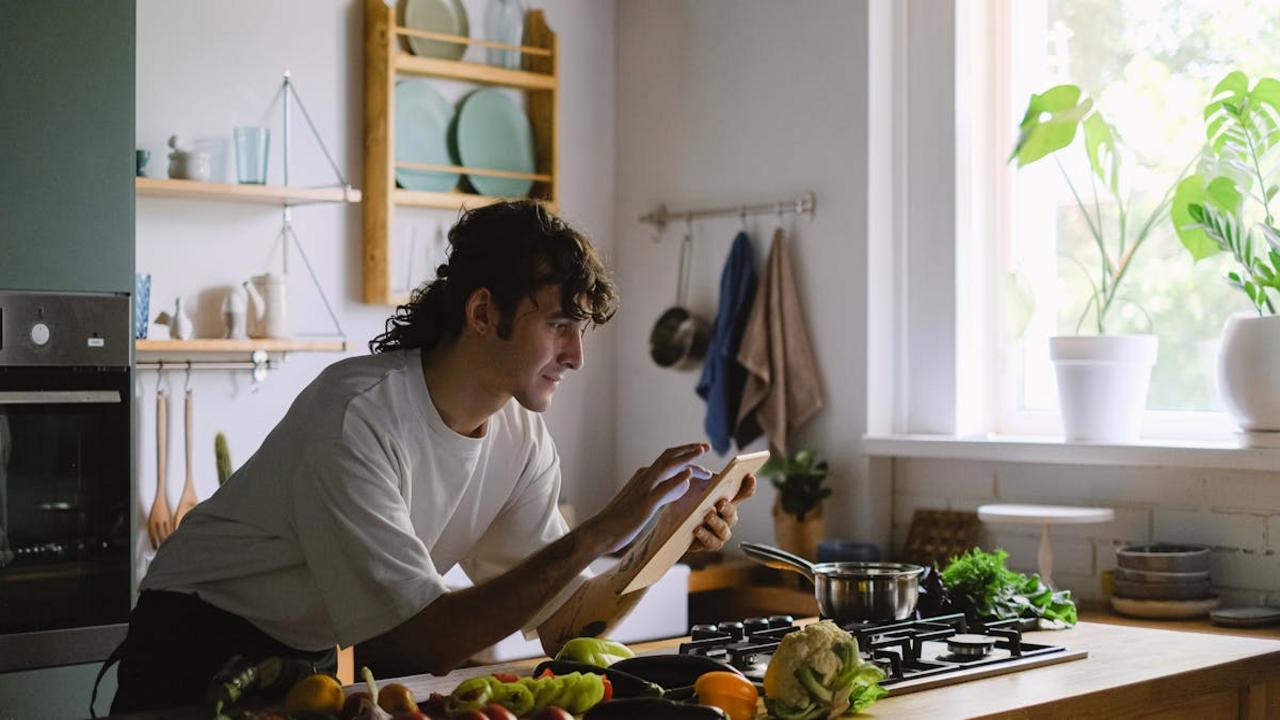
When you’re chopping vegetables together, one of you measures ingredients precisely while the other eyeballs everything and calls it good. This fundamental difference in attention to detail can create surprising friction in your relationship. Your partner might get frustrated watching you painstakingly dice onions into perfect quarter-inch pieces while dinner gets cold, or you might feel anxious seeing them dump spices directly from the container without measuring. These contrasting approaches to precision reveal how differently you both approach tasks and problem-solving in your daily lives.
The beauty of cooking together lies in finding balance between meticulous preparation and intuitive cooking. You’ll discover that your detail-oriented nature helps create consistent, reliable results, while your partner’s relaxed approach brings spontaneity and creativity to your meals. Instead of letting these differences create tension, use them as opportunities to learn from each other. Maybe you can teach them the importance of proper knife skills for even cooking, while they can show you how to trust your instincts and adjust seasonings by taste rather than strict measurements.
Creativity and Innovation
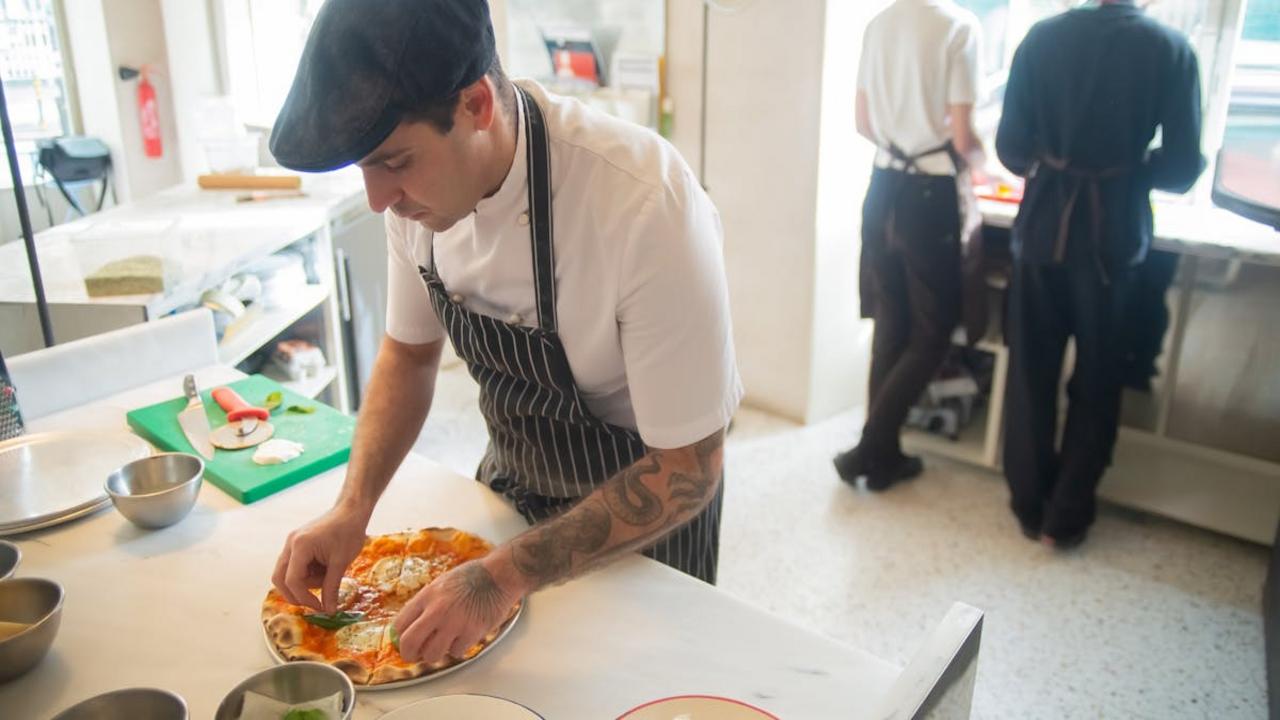
When you cook together, you’re bound to discover just how different your creative approaches can be. Maybe you’re the type who follows recipes to the letter, while your partner throws ingredients together with wild abandon. This difference can create tension faster than oil hits a hot pan! One person might want to stick with tried-and-true methods, while the other suggests adding unexpected spices or completely changing the cooking technique. These moments reveal whether you can appreciate each other’s unique styles or if you’ll clash over whose way works better.
Innovation in the kitchen becomes a real relationship test when one person wants to experiment with new flavors while the other prefers familiar comfort foods. You might find yourself debating whether that random ingredient in the fridge belongs in tonight’s dinner, or questioning why your partner insists on using a completely different cooking method than what the recipe suggests. These creative differences can either spark exciting new dishes that become your signature meals together, or they can lead to frustration when your visions don’t align. How you handle these moments of culinary creativity shows whether you can blend your different approaches into something beautiful or if you’ll keep bumping heads in the kitchen.
Problem Solving

When you’re cooking together and suddenly realize you’re out of eggs for that soufflé, or the sauce starts separating right before guests arrive, you’ll discover just how well you and your partner handle unexpected curveballs. These kitchen mishaps become real-time tests of your teamwork and creativity. Some couples freeze up and start pointing fingers, while others jump into action mode, brainstorming quick fixes and adapting recipes on the fly. The way you both respond to these spontaneous cooking crises reveals whether you’re natural collaborators or if stress brings out your more stubborn sides.
I’ve watched couples transform a potential dinner disaster into their new favorite recipe simply because they approached the problem as a team. Maybe your partner suggests using applesauce instead of eggs, or you remember that technique for saving broken hollandaise you learned years ago. These moments of joint troubleshooting often become the most memorable parts of cooking together – the stories you’ll laugh about later. But if you find yourselves arguing over whose fault it was instead of focusing on solutions, that’s valuable information about how you handle stress as a unit. The kitchen doesn’t lie about your partnership dynamics.
Time Management
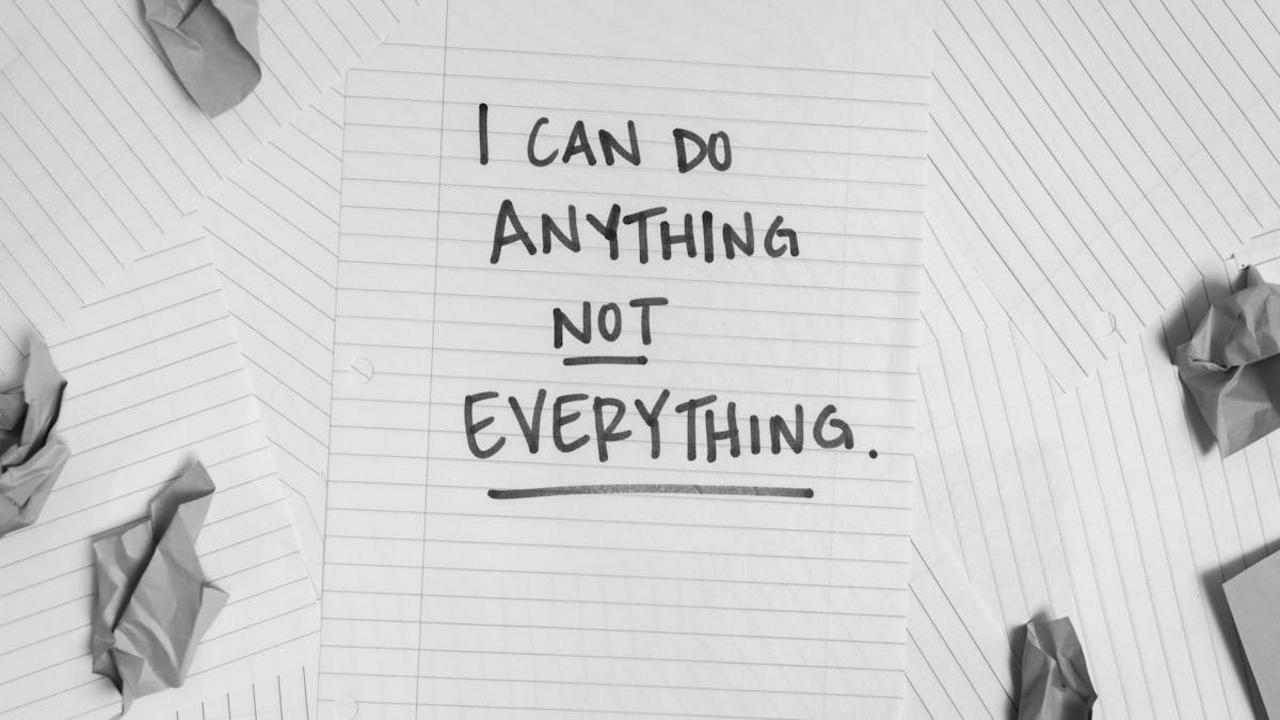
Nothing reveals time management styles quite like trying to coordinate a multi-course meal with your partner. You’re the type who reads the entire recipe three times before starting, while they’re already halfway through chopping onions without glancing at measurements. One of you wants to prep everything mise en place style, organizing ingredients in little bowls like a cooking show, while the other prefers to grab things as needed. These different approaches to kitchen timing can create friction faster than butter hitting a hot pan.
The real test comes when you’re both working with limited time—say, trying to get dinner ready before guests arrive or preparing a weeknight meal after long work days. Suddenly, your partner’s habit of washing each dish immediately becomes either incredibly helpful or absolutely maddening, depending on whether you need that same pan right now. Learning to sync your cooking rhythms takes practice, patience, and plenty of honest conversations about who handles what and when. The good news? Once you figure out your kitchen dance, meal prep becomes so much smoother and more enjoyable for both of you.
Patience and Tolerance

You know that moment when your partner takes forever to chop an onion while you’re standing there watching the garlic burn? Yeah, cooking together will push your patience buttons in ways you never expected. Different cooking speeds, varying skill levels, and completely opposite approaches to meal prep can turn your kitchen into a testing ground for how well you handle frustration. Maybe you’re the type who measures everything precisely while they eyeball ingredients like they’re conducting a science experiment gone wrong. These moments reveal just how patient you really are when someone doesn’t share your kitchen rhythm.
The beautiful thing about cooking side by side is that it teaches you both to slow down and accept each other’s quirks. You start learning that your partner’s “slow and steady” chopping style isn’t wrong – it’s just different from your lightning-fast knife work. Those initial eye-rolls and heavy sighs gradually transform into genuine appreciation for your different strengths. You discover that tolerance isn’t just about putting up with differences; it’s about celebrating them. When you finally master this dance of patience in the kitchen, you’ll find it spills over into every other part of your relationship, making you both more understanding partners overall.
Decision Making

You’re chopping onions while your partner reaches for the garlic press, but wait – you both had completely different visions for tonight’s pasta sauce. Should it be a creamy alfredo or a robust marinara? Do we sauté the mushrooms first or add them raw? These split-second choices that seem trivial can quickly snowball into bigger conversations about compromise and control. Cooking together forces you to make dozens of micro-decisions, from ingredient ratios to cooking temperatures, and suddenly you’re discovering just how different your decision-making styles really are.
Some people are intuitive cooks who go with the flow, while others need a detailed recipe and precise measurements. When these two approaches collide over a hot stove, tensions can rise faster than bread dough in a warm kitchen. Maybe you’re the type who wants to taste and adjust seasonings as you go, while your partner prefers to follow instructions to the letter. These moments reveal whether you can find middle ground quickly or if you tend to dig in your heels. The beautiful thing is that learning to make food decisions together – whether it’s picking a recipe or deciding when the pasta is perfectly al dente – actually strengthens your ability to tackle bigger life choices as a team.
Conflict Resolution

When disagreements bubble up in the kitchen—and trust me, they will—you’ll discover just how you and your partner handle tension together. Maybe you’re the type who needs to talk through every spice measurement while your partner prefers silent focus. Perhaps one of you gets defensive about feedback while the other shuts down completely. These moments of friction become mini laboratories for understanding your communication styles and learning what actually works when emotions run high.
The beautiful thing about kitchen conflicts is they’re usually low-stakes but high-emotion, creating perfect practice rounds for bigger life decisions. You’ll figure out whether you’re both compromisers, if one person tends to take charge, or how you both respond to pressure when the timer’s ticking and dinner guests are arriving in twenty minutes. Some couples discover they work better with clearly defined roles, while others find their rhythm in collaborative chaos. These cooking sessions teach you invaluable lessons about picking your battles, finding middle ground, and supporting each other when things get messy—skills that extend far beyond your countertops.
Teamwork and Collaboration
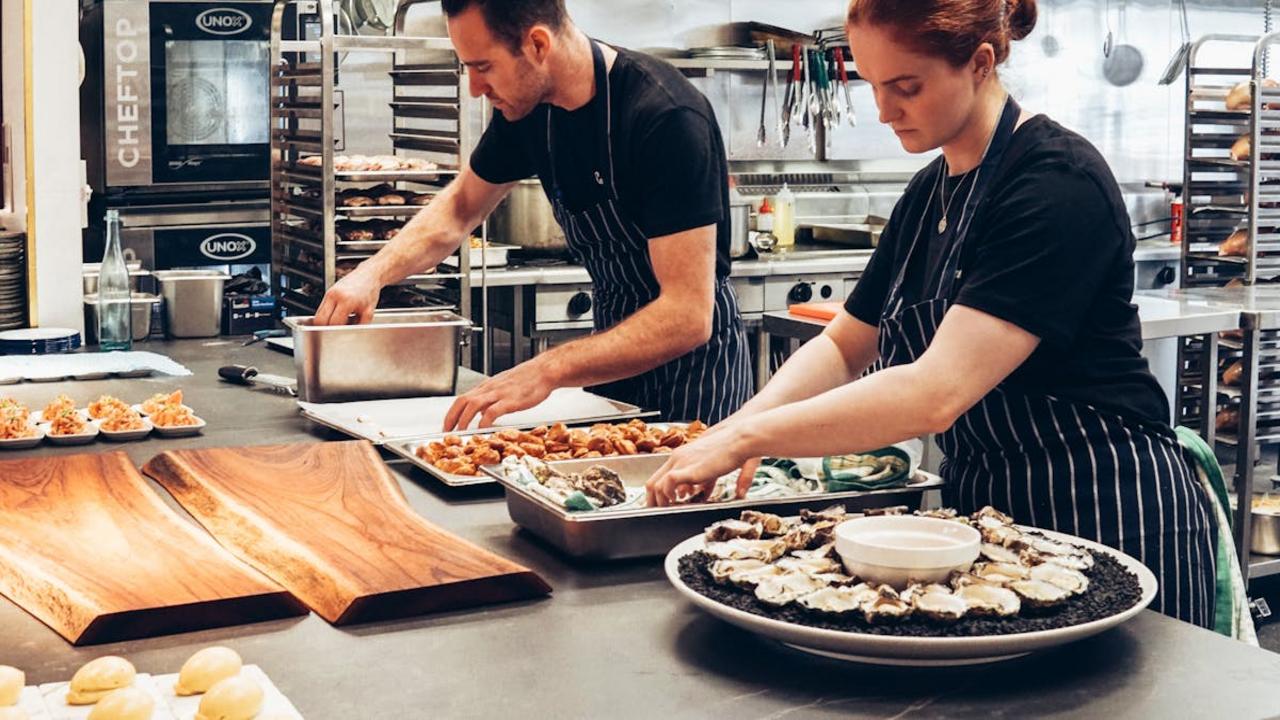
You know that saying about too many cooks in the kitchen? Well, cooking together puts that theory to the ultimate test! When you and your partner decide to tackle a recipe as a team, you quickly discover who naturally takes charge and who prefers to follow directions. Some couples find their rhythm immediately – one person preps vegetables while the other handles the stovetop, creating a beautiful dance of coordination. Others might bump into each other constantly, reaching for the same spice jar or accidentally getting in each other’s way while trying to help.
The magic happens when you learn to communicate your moves and respect each other’s cooking space. You start calling out “behind you!” like professional chefs, and suddenly you’re working together like a well-oiled machine. This teamwork reveals so much about your relationship dynamics – are you both control freaks who want to season everything? Does one person prefer to lead while the other supports? These kitchen discoveries often mirror how you handle other projects together, from planning vacations to assembling furniture. The couples who master kitchen collaboration often find they’ve strengthened their partnership skills for life beyond the stove.
Communication Skills

Cooking together turns your kitchen into a real-time communication laboratory where you’ll discover just how well you and your partner actually talk to each other. When you’re both wielding knives and working with hot surfaces, clear and immediate communication becomes absolutely critical. You’ll quickly learn whether your partner gives detailed instructions or vague gestures, and whether they listen when you ask them to pass ingredients or adjust the heat. These moments reveal communication patterns that might go unnoticed during regular conversations – like who interrupts, who gives too many directions, or who shuts down when things get hectic.
The beauty of kitchen communication lies in its honesty – there’s no hiding behind polite dinner conversation when you need that spatula right now or when someone’s about to burn the garlic. You’ll discover if your partner responds well to direct requests or needs gentler approaches, and whether they communicate their own needs clearly or expect you to read their mind. These cooking sessions become perfect practice rounds for improving how you both express needs, give feedback, and coordinate actions together. The skills you develop while managing multiple dishes and timing everything perfectly will strengthen your communication in every other area of your relationship.