12 Surprising Eating Habits That Supercharge Your Mood and Mental Health
Your dinner plate holds more power over your mental health than you might think. Scientists have uncovered fascinating links between what you eat and how your brain functions. From omega-3s dancing with your neurons to fermented foods chatting with your gut bacteria, every bite shapes your mental landscape in unexpected ways.
Think of your daily meals as tiny mood-boosting opportunities. That morning cup of green tea? It’s not just warming your hands – it’s firing up your focus. That square of dark chocolate you sneak after lunch? It’s actually doing your brain a favor. And those regular mealtimes you try to stick to? They’re like a steady drumbeat keeping your internal rhythm in check.
I’ve dug through mountains of research and consulted top experts to bring you 12 science-backed eating habits that will supercharge your mental well-being. These aren’t just random food rules – they’re practical, proven ways to eat your way to a brighter, more balanced state of mind.
Green tea consumption

Hey, did you know your daily cup of green tea does more than just warm you up? This centuries-old drink packs a powerful mood-boosting punch thanks to its secret weapon: L-theanine. This amazing amino acid teams up with a small dose of caffeine to create what I call the “zen buzz” – you’ll feel alert and focused without those coffee jitters. Plus, green tea contains EGCG, an antioxidant compound that helps your brain produce those feel-good chemicals like dopamine and serotonin.
I’ve switched my morning coffee ritual to green tea, and wow, what a difference! The slow-release caffeine keeps my energy steady all day, no afternoon crashes in sight. My favorite trick? I brew it at exactly 175°F (not boiling!) for three minutes to get the perfect balance of calm-inducing compounds. Whether you prefer it hot or iced, adding 2-3 cups of green tea to your daily routine can lift your mood, sharpen your focus, and give you that mental clarity we all need. Just remember to skip it close to bedtime – your brain might get too excited to sleep!
Seasonal fruit and vegetable variety

Hey, want to know my favorite food shopping hack? I grab whatever fruits and veggies look the most vibrant and fresh each season – and my mood thanks me for it! There’s actual science behind this: seasonal produce contains higher nutrient levels because it ripens naturally and travels shorter distances to your plate. Those extra vitamins and minerals work like tiny mood boosters in your body. Think juicy strawberries in summer, crisp apples in fall, and sweet citrus fruits brightening up those gloomy winter days.
Following nature’s produce calendar does more than just lift your spirits – it keeps your brain sharp too! Each season brings different colors and nutrients your body craves. Winter squash packs beta-carotene for better memory, spring asparagus loads you up with folate for clearer thinking, and summer blueberries flood your system with antioxidants that protect brain cells. Plus, the anticipation of waiting for your favorite seasonal treats (hello, fresh peaches!) creates little bursts of joy throughout the year. Your wallet will thank you too – seasonal produce costs less and tastes way better than its out-of-season counterparts!
Hydration with mineral-rich water

You’ve heard “drink more water” a million times, but I bet nobody told you about the magic of mineral-rich water! Think of it as your brain’s favorite spa treatment – packed with good stuff like magnesium, calcium, and potassium. These minerals work like tiny mood-lifting ninjas, helping your neurons fire properly and keeping your mental energy humming along. My friend Sarah switched from regular tap water to mineral-rich spring water, and within weeks she noticed she felt less foggy and more focused during her workday.
Here’s the fun part – you don’t need fancy bottled water from the French Alps (though that’s nice too!). You can jazz up your regular water with a pinch of high-quality sea salt or grab some coconut water for a natural mineral boost. I keep a bottle of mineral-enhanced water on my desk with some cucumber slices – it makes me feel fancy, and my brain thanks me for it! Pro tip: if you’re feeling mentally drained or cranky, try drinking a big glass of mineral-rich water before reaching for that afternoon coffee. Your mood might just do a complete 180!
Sufficient protein distribution throughout the day

Think of your body’s protein needs like a bank account – you can’t just make one big deposit and call it a day! Your brain and body crave steady protein hits throughout your waking hours to keep those happy chemicals flowing. I learned this the hard way after my old habit of loading up on protein only at dinner left me feeling foggy and cranky by mid-afternoon. Now, I divide my protein intake into 3-4 servings across breakfast, lunch, and dinner, mixing it up with eggs, Greek yogurt, lean meats, beans, and nuts. The difference in my mood and mental clarity? Night and day!
Your brain relies on amino acids from protein to make those feel-good neurotransmitters like serotonin and dopamine. By spacing out your protein intake, you give your body a steady supply of these building blocks instead of overwhelming it all at once. Aim for 20-30 grams per meal – that’s about the size of a deck of cards worth of chicken, a cup of lentils, or three eggs. I keep protein-rich snacks like roasted chickpeas or turkey roll-ups handy for those moments when my mood starts to dip. Trust me, your brain will thank you for this steady protein love!
Consistent meal timing

Think of your body as a quirky old-school train conductor who loves running on schedule. When you eat at the same times each day, you create a beautiful rhythm that makes your brain and body dance with joy! Your internal clock (or circadian rhythm) gets so happy when you stick to regular meal times – it’s like giving your body a reliable GPS system. Your hormones, including those mood-boosting chemicals like serotonin, start flowing right on cue, making you feel more balanced and mentally sharp throughout the day.
I learned this the hard way during my chaotic freelance years, where lunch meant anything between 11 AM and 4 PM – yikes! Once I started eating breakfast at 8 AM, lunch at 1 PM, and dinner at 7 PM sharp, my energy levels smoothed out like butter on warm toast. Science backs this up too – research shows that people who maintain consistent meal times report better mental clarity, reduced anxiety, and fewer mood swings. Plus, your digestion works better when it knows exactly when to expect its next job. It’s like training a puppy – stick to the schedule, and everyone stays happy!
Limiting refined sugar intake
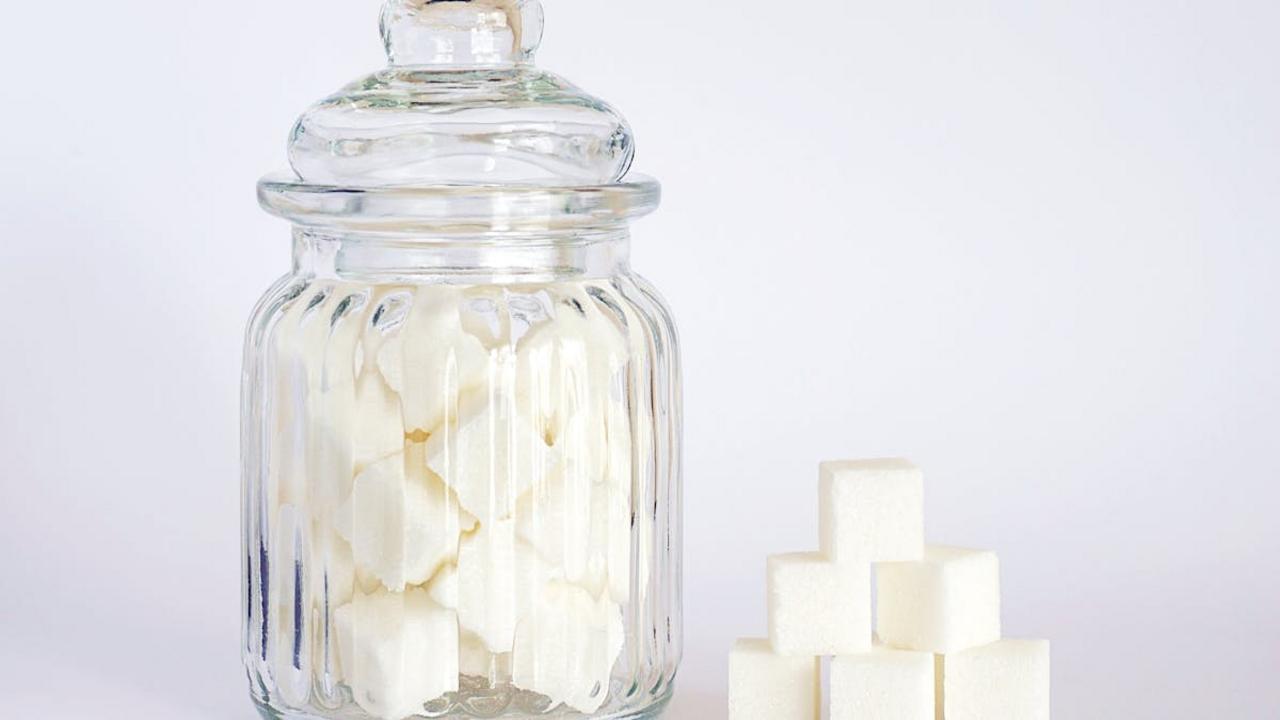
Your brain might love sugar’s quick high, but trust me, that sweet rush won’t do your mood any favors in the long run. Think of refined sugar like that friend who promises a fun night out but leaves you feeling awful the next day. Research shows that excessive sugar consumption links directly to increased anxiety, depression, and mood swings. By cutting back on those sneaky refined sugars in sodas, candies, and processed foods, you’ll notice steadier energy levels and fewer emotional roller coasters throughout your day.
Want to kick the sugar habit without feeling deprived? Start by swapping your usual suspects with natural alternatives. Replace that 3 PM candy bar with a juicy apple and almond butter, or trade your morning sugary cereal for oatmeal topped with fresh berries. The natural sugars in fruits come packaged with fiber, which helps prevent those nasty blood sugar crashes that turn you into a grumpy monster. Plus, your body will thank you with better focus, improved sleep, and a more balanced mood – now that’s what I call a sweet deal!
Mediterranean diet pattern adherence
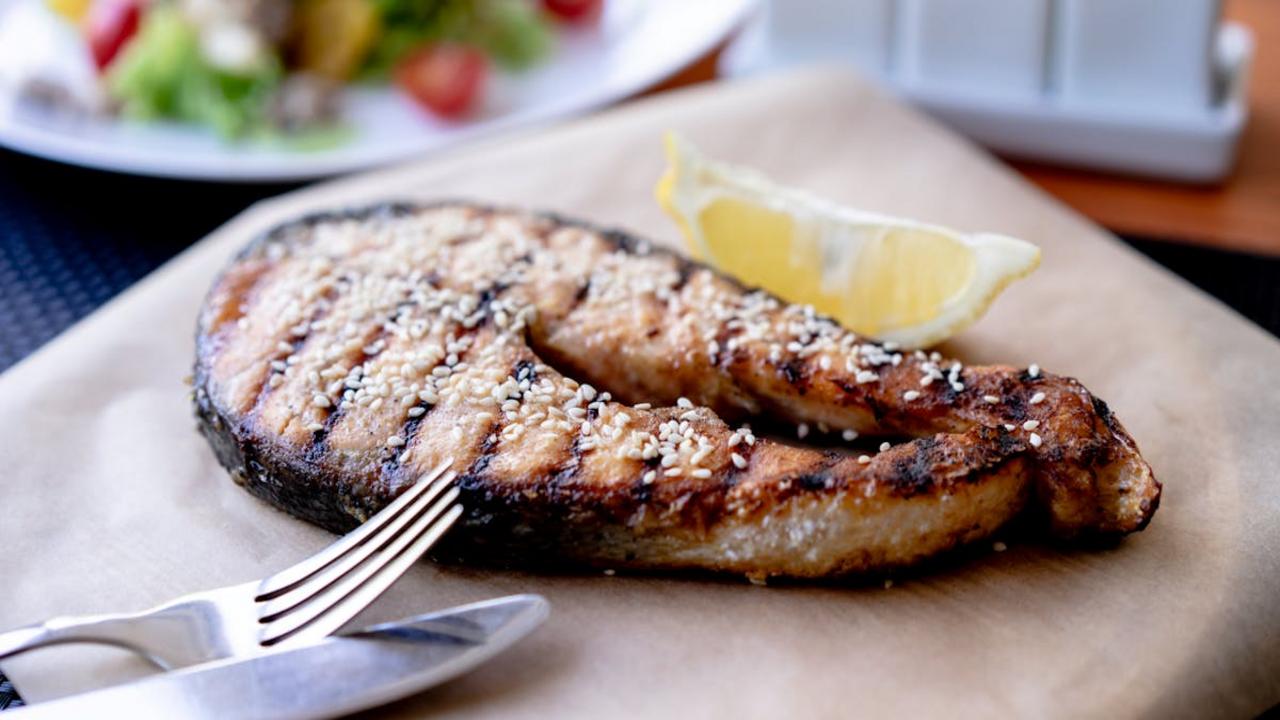
Picture yourself sitting at a sun-drenched table in Santorini, diving into a plate of grilled fish drizzled with olive oil, surrounded by colorful roasted vegetables and a glass of red wine. This isn’t just a vacation fantasy – it’s the Mediterranean diet in action! Research shows that people who follow this eating pattern have lower rates of depression and anxiety. The combination of omega-3 rich fish, antioxidant-packed vegetables, whole grains, and heart-healthy fats creates a perfect storm of mood-boosting nutrients that your brain absolutely adores.
I recently chatted with my friend Maria, whose Greek grandmother lived to be 102 and swore by her daily ritual of fresh figs, walnuts, and a small glass of red wine. The Mediterranean diet isn’t just about the food – it’s about the whole lifestyle approach. You’ll find yourself naturally eating more fresh produce, choosing fish over red meat, and sharing meals with friends and family. The social aspect of Mediterranean dining adds an extra layer of mental health benefits. Plus, who wouldn’t feel happier trading processed snacks for fresh hummus and warm pita bread? Your brain will thank you for making this delicious switch!
Complex carbohydrates timing

You know that mid-afternoon energy crash that makes you want to face-plant into your keyboard? I’ve discovered a genius trick: timing your complex carbs strategically! Your brain runs on glucose, and complex carbs give you a steady supply throughout the day. Think of quinoa, sweet potatoes, or brown rice as your mental fuel tanks – they release energy slowly, keeping your mood stable and your mind sharp. Unlike their simple-carb cousins (looking at you, donuts), these powerhouse foods won’t send you on a blood sugar rollercoaster.
Here’s the real game plan: load up on complex carbs 2-3 hours before you need peak mental performance. If you’ve got an important 2 PM meeting, grab that brown rice bowl at 11:30. Your brain will thank you with sustained focus and a better mood. I learned this the hard way after countless sugar crashes, but now I schedule my complex carbs like I schedule my meetings. My go-to combo? A mix of wild rice and lentils with roasted vegetables – it keeps me bouncing through afternoon deadlines without reaching for that third cup of coffee!
Dark chocolate consumption
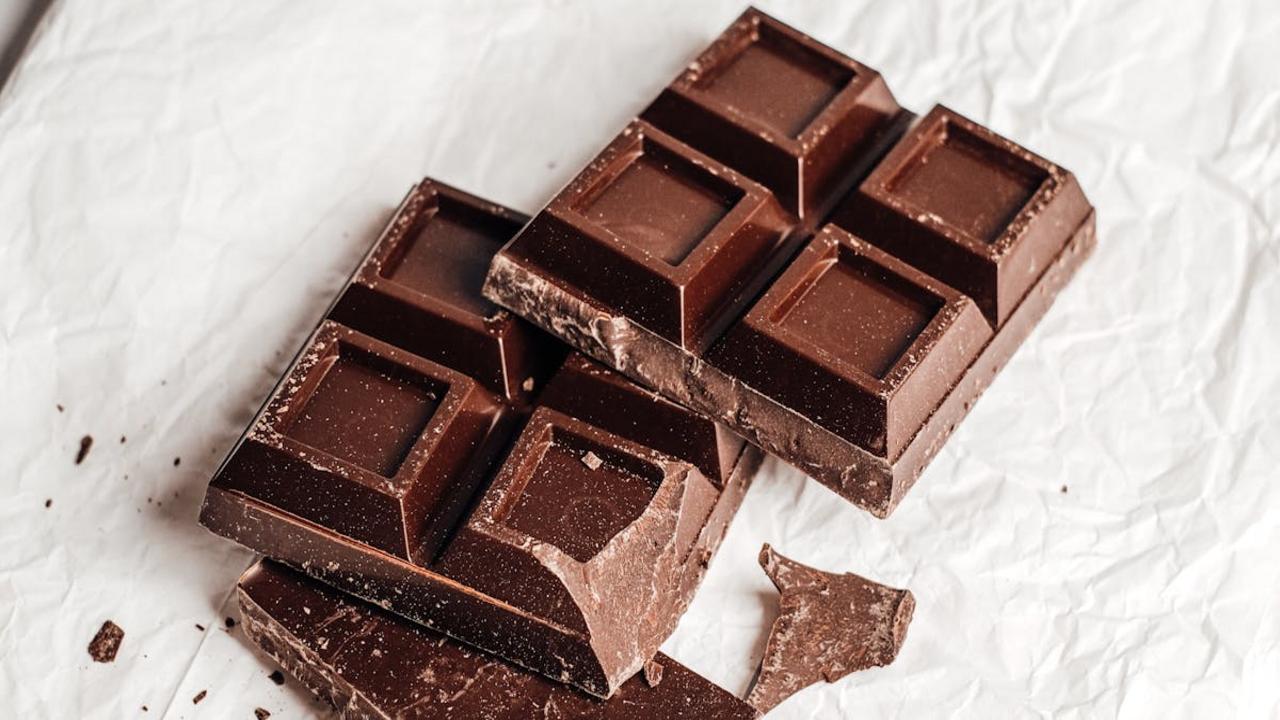
Get ready to feel a whole lot better about your chocolate cravings! Your afternoon dark chocolate fix isn’t just a sweet indulgence – it’s actually a mood-boosting powerhouse. Rich in compounds like theobromine and phenylethylamine, dark chocolate kicks your brain into happy mode by triggering the release of endorphins. Plus, it packs a solid punch of magnesium, nicknamed “nature’s chill pill” for its ability to reduce anxiety and stress. I keep a stash of 70% dark chocolate in my desk drawer for those hectic Monday afternoons, and trust me, two squares make everything better!
The trick lies in picking the right kind – aim for chocolate with at least 70% cocoa content to max out those mental health benefits. Your brain will thank you for the flavonoids, which boost blood flow and sharpen your focus. And here’s a fun bonus: dark chocolate contains small amounts of caffeine, but unlike your triple espresso, it won’t send you crashing later. Just stick to a reasonable portion (about 1-2 ounces daily) – though I won’t judge if you sneak an extra square during those marathon Zoom meetings. Your secret’s safe with me!
Mindful eating practices

Have you ever inhaled your lunch while scrolling through social media, only to wonder where all the food went? I’ve been there! Mindful eating flips that script by turning each meal into a mini meditation session. Think of it as pressing the slow-motion button on your dining experience – you notice the crunch of that fresh apple, savor the warmth of your morning coffee, and actually taste every herb in your grandmother’s secret pasta sauce. Your brain loves this focused attention, releasing feel-good chemicals that boost your mood and help you process emotions better.
The beauty of mindful eating lies in its simplicity: put down your phone, take smaller bites, and notice the flavors dancing on your tongue. My favorite trick? I pretend I’m a food critic describing each bite to an invisible audience (yes, I do this even with my morning toast!). This simple practice has transformed my relationship with food and knocked my stress levels down several notches. Plus, you’ll catch subtle flavors you’ve missed before – just yesterday, I discovered my everyday oatmeal has lovely nutty undertones I’d never noticed in my rush to start the day.
Fermented foods for gut-brain axis support

Your belly and brain are BFFs, chatting away through what scientists call the gut-brain axis. Want to make this friendship even stronger? Load up on fermented goodies like kimchi, kombucha, and good old sauerkraut! These probiotic powerhouses pack billions of beneficial bacteria that help your gut produce mood-boosting chemicals like serotonin. I’ve started making my own kombucha at home, and let me tell you – watching those SCOBY cultures grow is like having a weird science experiment right in your kitchen!
Beyond the usual suspects, you’ll find fermented gems across global cuisines. Try Japanese natto (fermented soybeans), Korean doenjang (fermented soybean paste), or Russian kvass (fermented rye bread drink). Each spoonful delivers a dose of good bacteria that can boost your mood and mental clarity. My Korean friend’s grandmother swears by her morning bowl of kimchi – she’s 92 and sharp as a tack! The tanginess might take some getting used to, but your brain will thank you for making these funky foods part of your daily menu.
Regular omega-3 fatty acid consumption
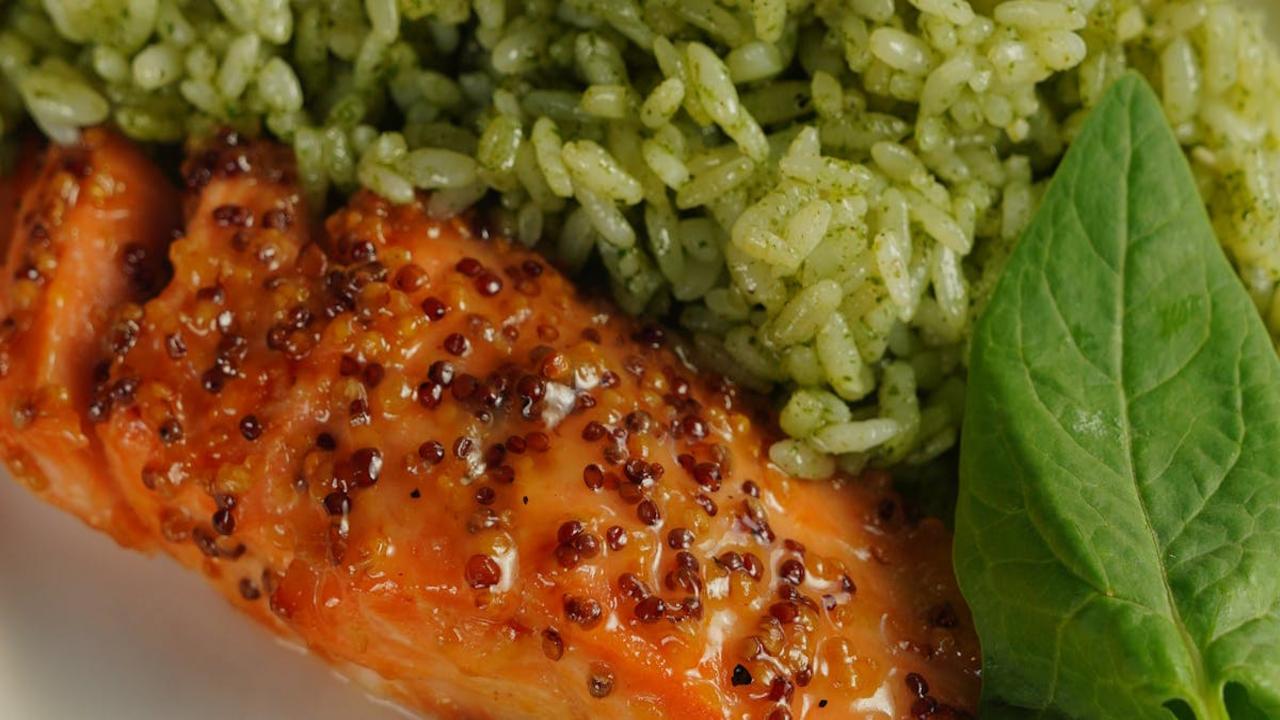
Want to feed your brain the good stuff? Think of omega-3 fatty acids as your mind’s favorite comfort food! You’ll find these mood-boosting fats swimming in salmon, sardines, and mackerel, plus they hide out in walnuts and flaxseeds too. I started adding a salmon dinner to my weekly menu, and wouldn’t you know it – my focus got sharper and my mood perked up like I’d discovered an internal happiness switch. The science backs this up: omega-3s help build brain cell membranes and reduce inflammation, making them VIP guests at your mental health party.
My friend Sarah calls omega-3s her “happy fats” because they’ve made such a difference in her anxiety levels. She’s right – research shows these fatty acids can reduce depression and anxiety symptoms by up to 50%! The trick is consistency – aim for 2-3 servings of fatty fish per week, or sprinkle chia seeds on your morning yogurt. If you’re not a fish fan, quality supplements work too. Your brain uses these fats to produce feel-good chemicals like serotonin, so think of each omega-3-rich meal as sending a little love letter to your mental health.