15 Unexpected Foods to Avoid Ordering Abroad for Your Health and Safety
Picture this: You’re wandering through vibrant markets and cozy cafes in a foreign country, ready to devour everything in sight. But hold that fork! While trying local dishes ranks high on every traveler’s bucket list, some foods can turn your dream vacation into a medical nightmare.
I’ve learned the hard way that not every tempting treat deserves a spot on your plate. From seemingly innocent street vendor ice to those glistening raw oysters on the half shell, certain foods carry hidden risks that could send you straight from that charming bistro to the nearest hospital.
After years of globetrotting (and yes, a few memorable encounters with rebellious stomachs), I’ve compiled a list of foods that deserve a second thought before ordering abroad. Consider this your friendly food safety guide – because nobody wants to spend their vacation getting acquainted with foreign medical facilities.
Lukewarm Soups
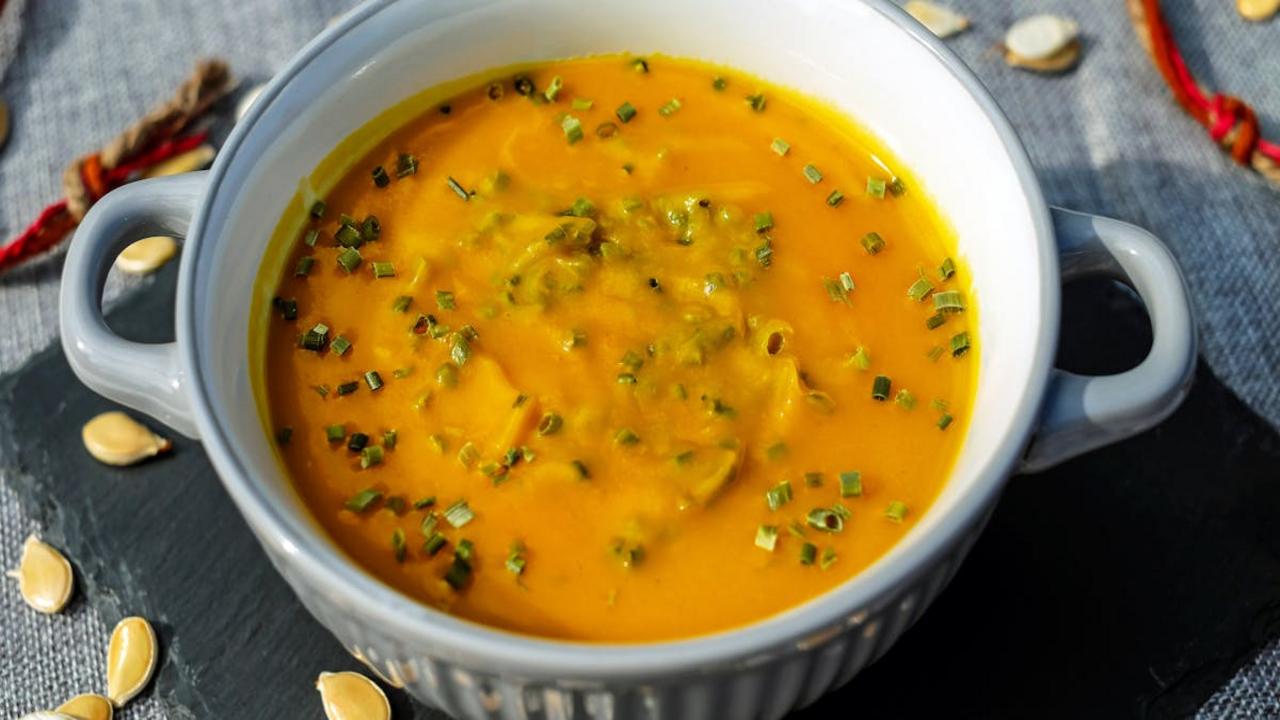
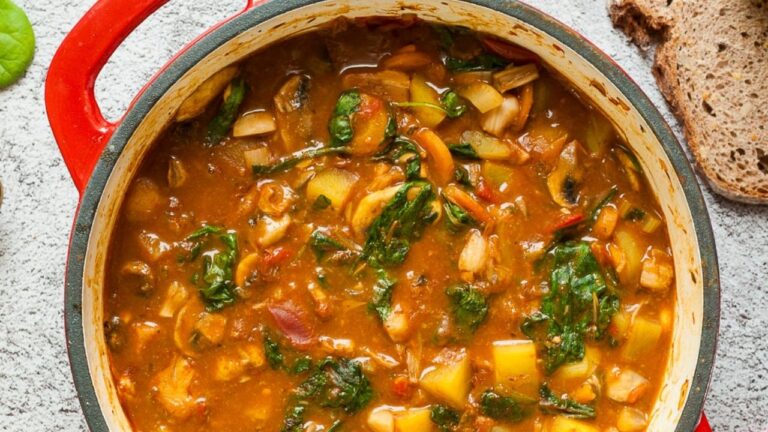
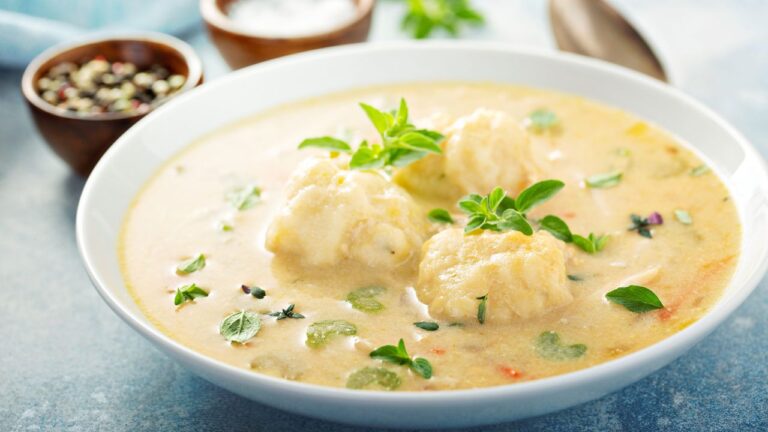
I learned this lesson the hard way during a summer in Bangkok – lukewarm soups can turn your dream vacation into a nightmare faster than you can say “food poisoning.” Hot soups should stay piping hot, and cold soups should remain chilled. That in-between temperature creates the perfect breeding ground for bacteria, which multiply rapidly between 40°F and 140°F (4°C-60°C). Your best bet? Skip any soup that’s just hanging out at room temperature, no matter how tempting that street-side pho or ramen looks.
Think of bacteria like tiny party animals – give them the right temperature, and they’ll multiply by the millions within hours. That innocent-looking bowl of lukewarm soup could host more unwanted guests than a celebrity’s house party. Most restaurants abroad take proper precautions, but if you spot a soup that’s been sitting out or feels barely warm, trust your instincts and order something else. I now follow my grandmother’s sage advice: “If it’s not steaming or ice-cold, it’s not worth the risk.” Your stomach will thank you later!
Unpeeled Fruits
You know that gorgeous display of fresh fruits at the local market abroad? I get it – they look amazing and you want to grab one for a quick snack. But hold up! Those unpeeled fruits can hide some nasty surprises beneath their seemingly innocent exteriors. In many countries, vendors wash produce in untreated water or use questionable fertilizers during growing. Even worse, some fruits might have been sitting out for days collecting dirt, bacteria, and pesticide residues that could send you running to the nearest bathroom instead of your next sightseeing spot.
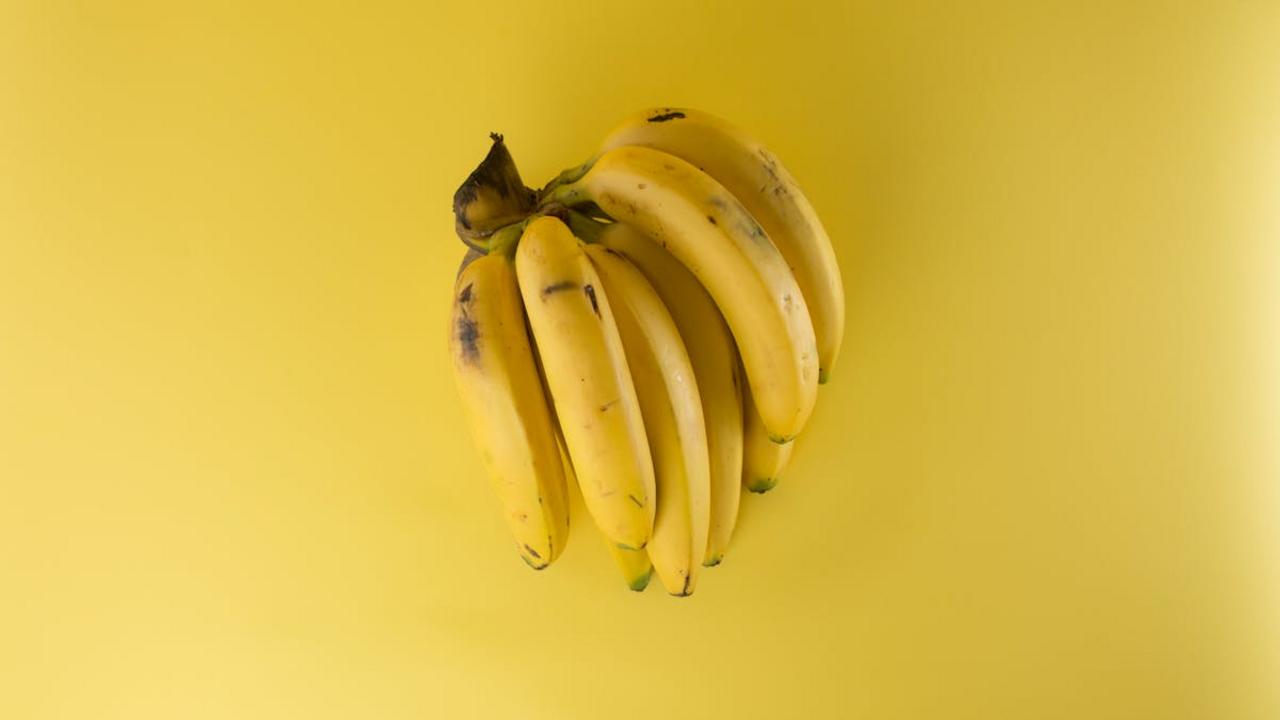
If you absolutely need your fruit fix while traveling, stick to fruits you can peel yourself like bananas, oranges, or mangoes. And please, skip those pre-cut fruit platters at street stalls – they’re often prepared with unclean knives on dirty surfaces and left sitting in the heat. I learned this lesson the hard way in Thailand after biting into what looked like the most perfect apple ever. Two days of my beach vacation spent in my hotel room later, I now follow the “peel it or leave it” rule religiously. Your stomach will thank you for being cautious!
Shellfish
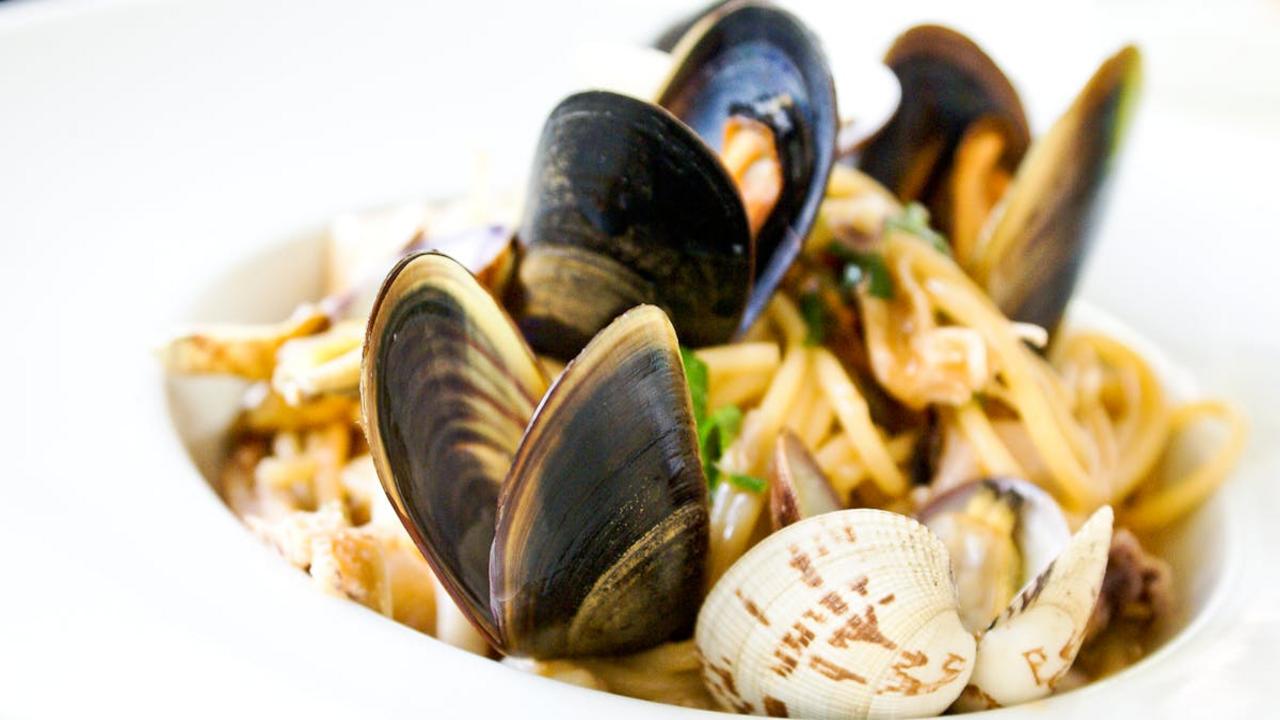
I know you’re dreaming of those plump shrimp cocktails and steamed mussels while vacationing abroad, but here’s why you might want to pump the brakes on ordering shellfish in unfamiliar territories. These little sea creatures act like tiny filters, absorbing everything from their environment – including bacteria, viruses, and various toxins. Even the freshest-looking shellfish can harbor nasty surprises if they’ve been harvested from polluted waters or weren’t properly stored after catching.
During my stint in Southeast Asia, I learned the hard way that not all beachside restaurants follow strict food safety protocols. Many lack proper refrigeration or source their shellfish from unregulated waters. One local chef told me that shellfish needs lightning-fast transportation from ocean to kitchen, with consistent temperature control throughout. Unless you’re at a high-end restaurant with proven safety standards or eating at a coastal spot with a stellar reputation, skip the shellfish and opt for thoroughly cooked fish instead. Your stomach will thank you later!
Raw Sprouts
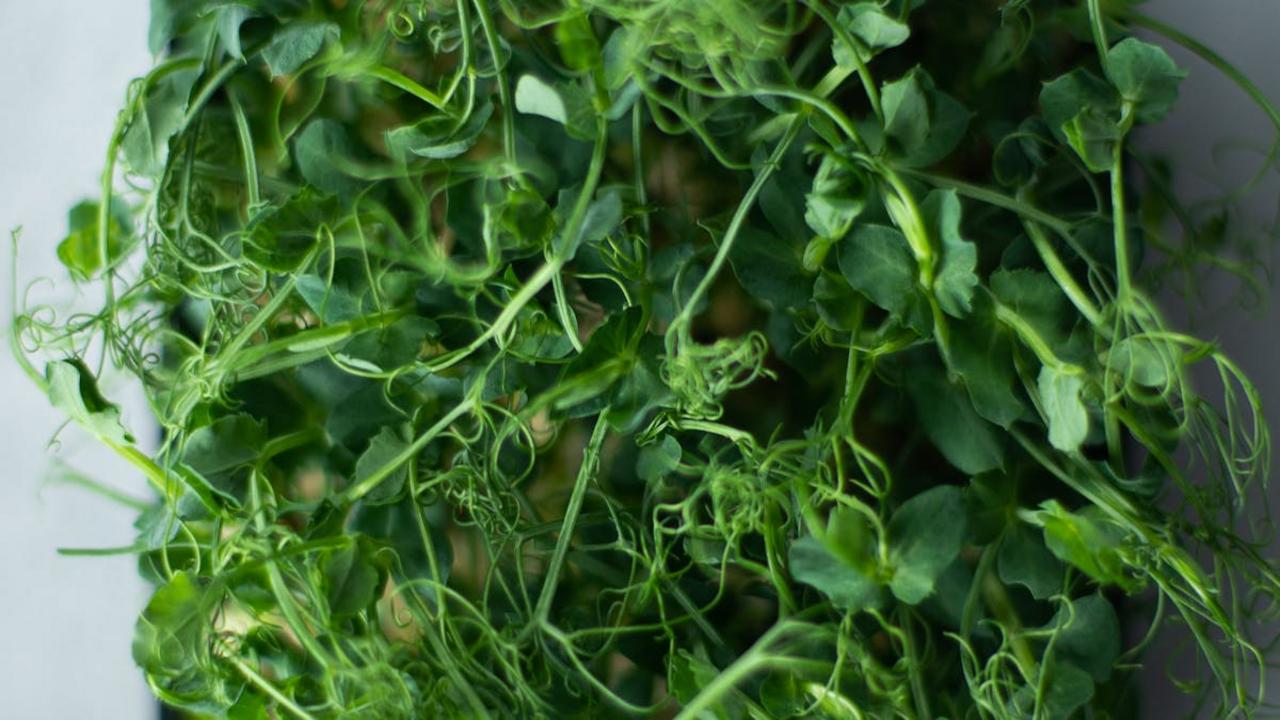
I get it – those fresh, crunchy sprouts look so innocent and healthy on your plate abroad. But hold your horses before munching on that raw alfalfa or bean sprout garnish! Raw sprouts have caused numerous foodborne illness outbreaks worldwide because their warm, humid growing conditions create the perfect party pad for bacteria like E. coli and Salmonella. Even the cleanest-looking sprouts can harbor these invisible troublemakers, making them particularly risky in countries where food safety standards might differ from what you’re used to.
During my food reporting adventures in Asia, I’ve seen street vendors casually tossing raw mung bean sprouts onto everything from noodle soups to spring rolls. While locals may have built up resistance, your vacation can take an unpleasant detour if you’re not careful. My rule of thumb? Only eat sprouts that have been thoroughly cooked – boiling or stir-frying kills the harmful bacteria while keeping most of the nutrients intact. The slight crunch loss is worth avoiding two days trapped in your hotel bathroom! Trust me, I learned this lesson the hard way in Bangkok.
Reheated Rice
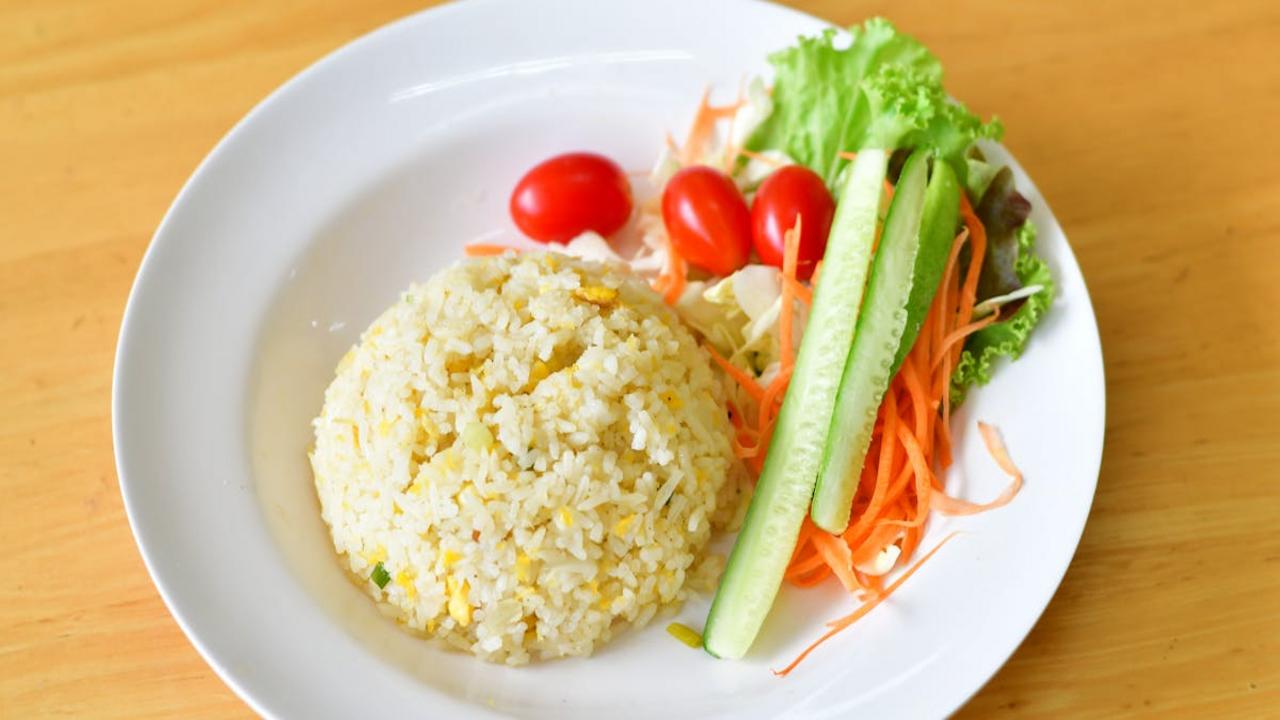
You might think twice before ordering that leftover fried rice at a street vendor abroad! While rice itself is perfectly safe to eat when freshly cooked, the danger lurks in how it’s stored and reheated. Bacillus cereus, a nasty little bacteria that loves to party in cooked rice, can multiply rapidly when rice sits at room temperature. I learned this the hard way during my stint in Southeast Asia, where a plate of reheated rice from a local market left me hugging the porcelain throne for two days straight.
The tricky part? You can’t see, smell, or taste these bacterial troublemakers. They’re sneaky little things that produce toxins that can cause severe food poisoning. Your best bet is to stick with freshly cooked rice, especially when dining out in unfamiliar places. If you spot a vendor reheating rice that’s been sitting out, do yourself a favor and skip it. Trust me, spending your vacation in a foreign hospital explaining “rice-induced food poisoning” in charades isn’t the adventure you’re looking for!
Fresh Salads
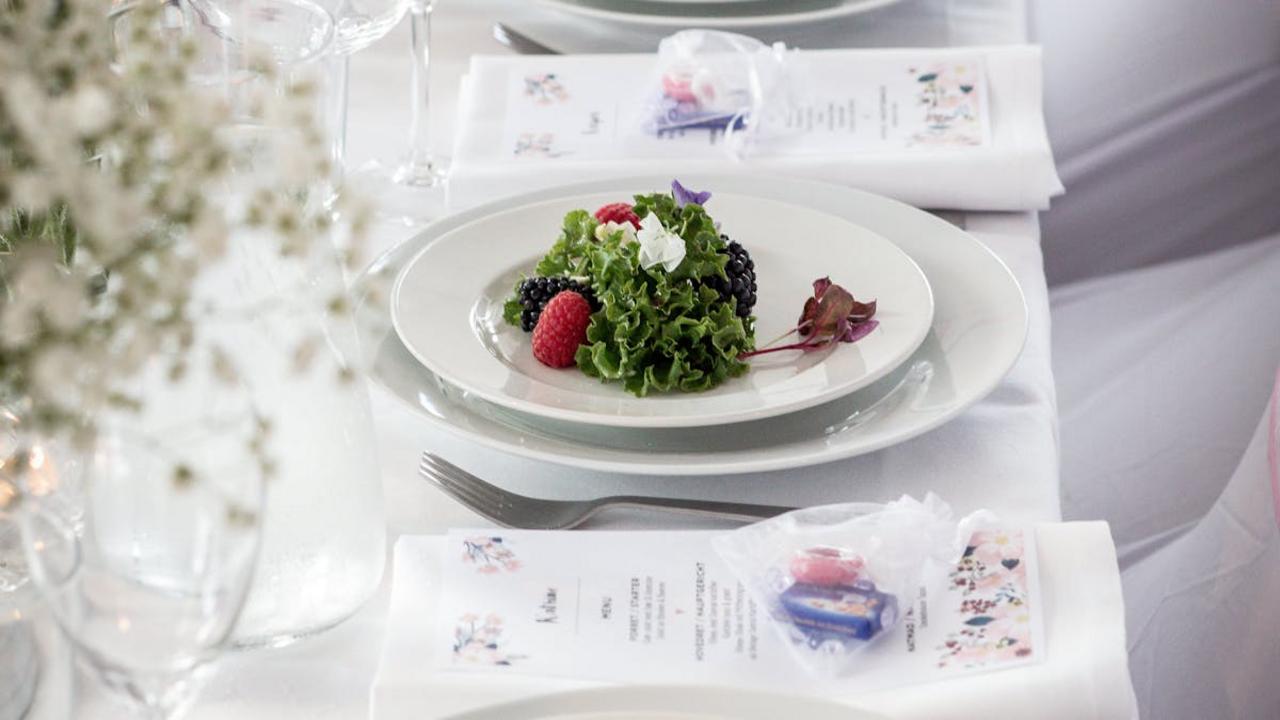
I know what you’re thinking – “But salads are healthy!” While that’s true at home, ordering fresh salads abroad can be a gamble with your stomach. Raw vegetables often get washed in local tap water, which your system isn’t used to. Those crisp lettuce leaves and juicy tomatoes might harbor bacteria or parasites that could turn your vacation into an unwanted adventure in finding the nearest bathroom. Even in upscale restaurants, you can’t always guarantee how the veggies were cleaned or what water source they used.
Instead of risking it with raw greens, go for cooked vegetables or try local specialties that incorporate heat-treated ingredients. Many countries offer amazing warm salad alternatives – like Thailand’s som tam (papaya salad) where the ingredients get slightly crushed, releasing natural antimicrobial compounds, or Japan’s ohitashi, where spinach is blanched before serving. You’ll still get your veggie fix while keeping your gut happy. Remember: one bad salad can derail several days of your precious vacation time!
Room Temperature Buffets
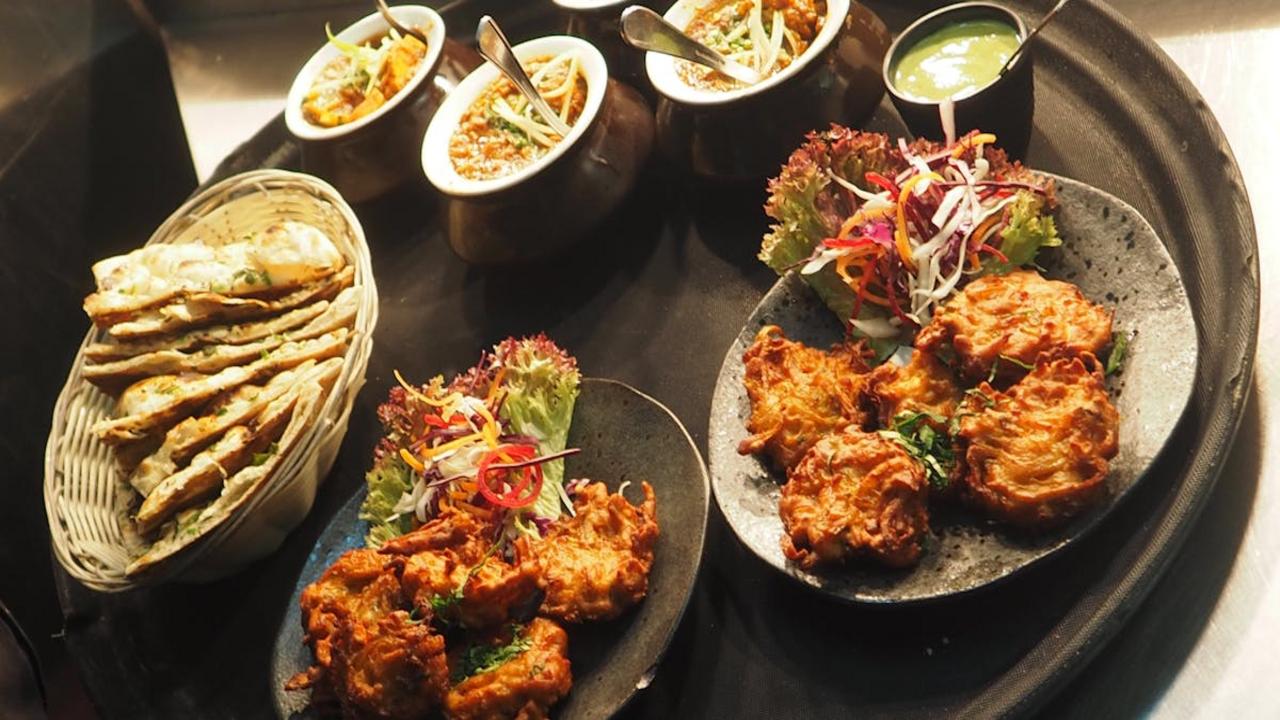
I know those endless buffet spreads look amazing with their colorful salads, glistening meats, and towering desserts. But here’s the thing – if those dishes have been sitting out at room temperature for hours, you’re playing a risky game of “Will This Make Me Sick?” Bacteria love to party at temperatures between 40°F and 140°F, multiplying faster than gossip at a small-town diner. Your best bet? Skip any buffet items that should be properly chilled or heated but are just hanging out in that danger zone.
I learned this lesson the hard way at a charming little hotel in Bangkok, where the breakfast buffet had been basking in the morning sun for who knows how long. Those lovely deviled eggs and potato salad? Yeah, they became my one-way ticket to spending quality time with the bathroom tiles instead of exploring temples. Now I stick to made-to-order stations or freshly replenished dishes where I can see active temperature control. Remember this golden rule: if you wouldn’t leave it on your kitchen counter for hours, don’t eat it from a room-temp buffet!
Bush Meat
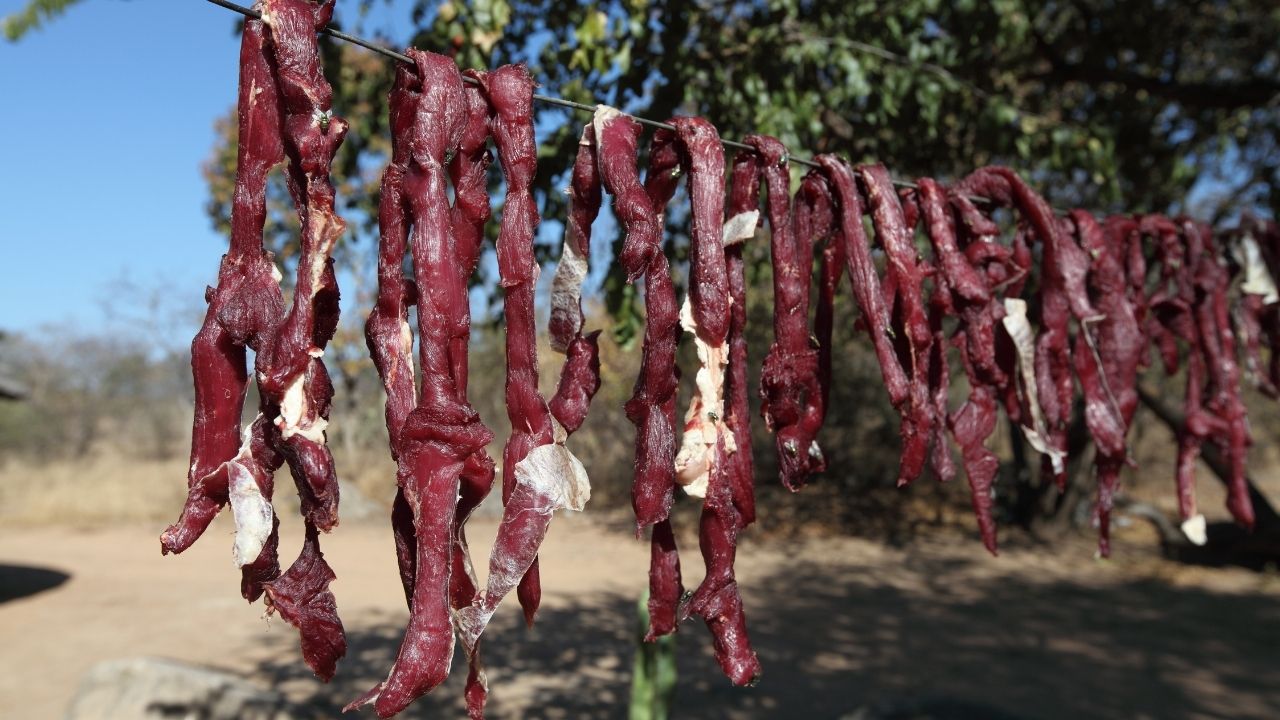
I know the thrill of trying exotic local dishes abroad, but here’s one category you should absolutely skip: bush meat. This term covers any wild animal hunted for food in tropical regions, from monkeys to bats to various rodents. While it might sound like an authentic cultural experience, bush meat carries serious health risks. Many devastating diseases like Ebola have jumped from animals to humans through bush meat consumption, and the meat often contains dangerous parasites and bacteria.
Beyond the health concerns, bush meat trade threatens endangered species and disrupts fragile ecosystems. In many places, it’s also illegal – you could face hefty fines or even jail time for buying or consuming it. Stick to properly sourced, inspected meats from legitimate restaurants and markets instead. If someone offers you mystery meat from an unknown source in tropical regions, just politely decline. Your body (and the local wildlife) will thank you for choosing safer alternatives.
Uncooked Eggs
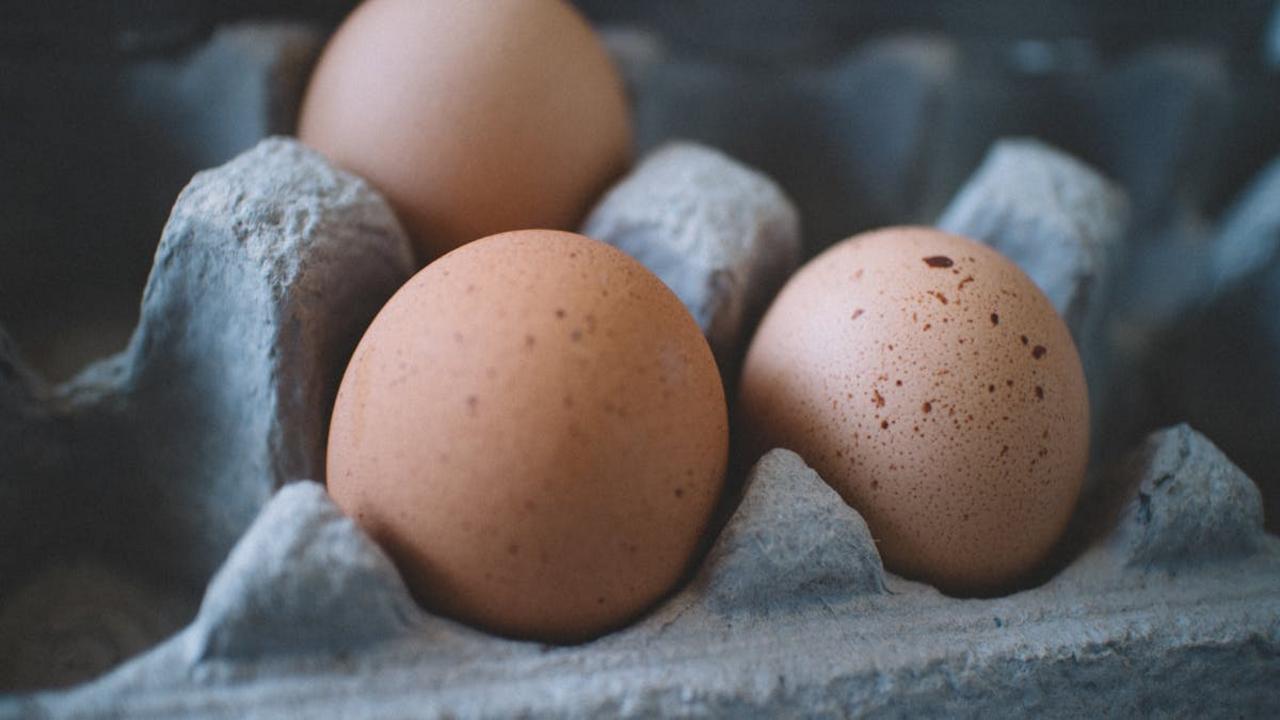
Oh, the temptation of raw eggs in foreign dishes! I know that silky carbonara in Rome or that perfect steak tartare in Paris might call your name, but you’ll want to think twice before diving in. Raw or undercooked eggs can harbor nasty bacteria like Salmonella, which could turn your dream vacation into a nightmare of stomach cramps and fever. Many countries have different food safety standards and handling practices for eggs, making it extra risky to consume them raw while traveling.
Your safest bet? Skip those beautiful runny yolks and opt for fully cooked eggs instead. This goes double for drinks and desserts too – I’m looking at you, traditional eggnog and tiramisu! While the odds of getting sick might seem low, trust me, you don’t want to spend your precious vacation days hugging a toilet bowl in your hotel room. Besides, there are plenty of other amazing local dishes to try that won’t put your digestive system through an international incident. Keep it cooked, keep it safe, and keep on enjoying your adventures!
Tap Water

You know that refreshing glass of tap water you mindlessly gulp down at home? Well, hold that thought when you’re traveling abroad! I learned this lesson the hard way during my backpacking days in Mexico – what followed was three days of quality time with the bathroom. Many countries don’t treat their water supply the same way we do in the US, which means your stomach might throw a full-blown rebellion if you drink straight from the tap. Different bacterial strains, treatment methods, and infrastructure can make even crystal-clear tap water a risky gamble.
My golden rule? Stick to bottled water in most countries, especially in Southeast Asia, South America, and parts of Africa. Even brushing your teeth or grabbing ice cubes in your drink needs a second thought. The locals can drink it just fine because their bodies have built up immunity over years – but your gut microbiome? It’s like sending a rookie to the major leagues! Keep this in mind: contaminated water can cause giardia, typhoid, or good old-fashioned food poisoning. Nobody wants to spend their vacation hugging the porcelain throne, so spend those extra bucks on bottled water. Your stomach will thank you later!
Raw Fish
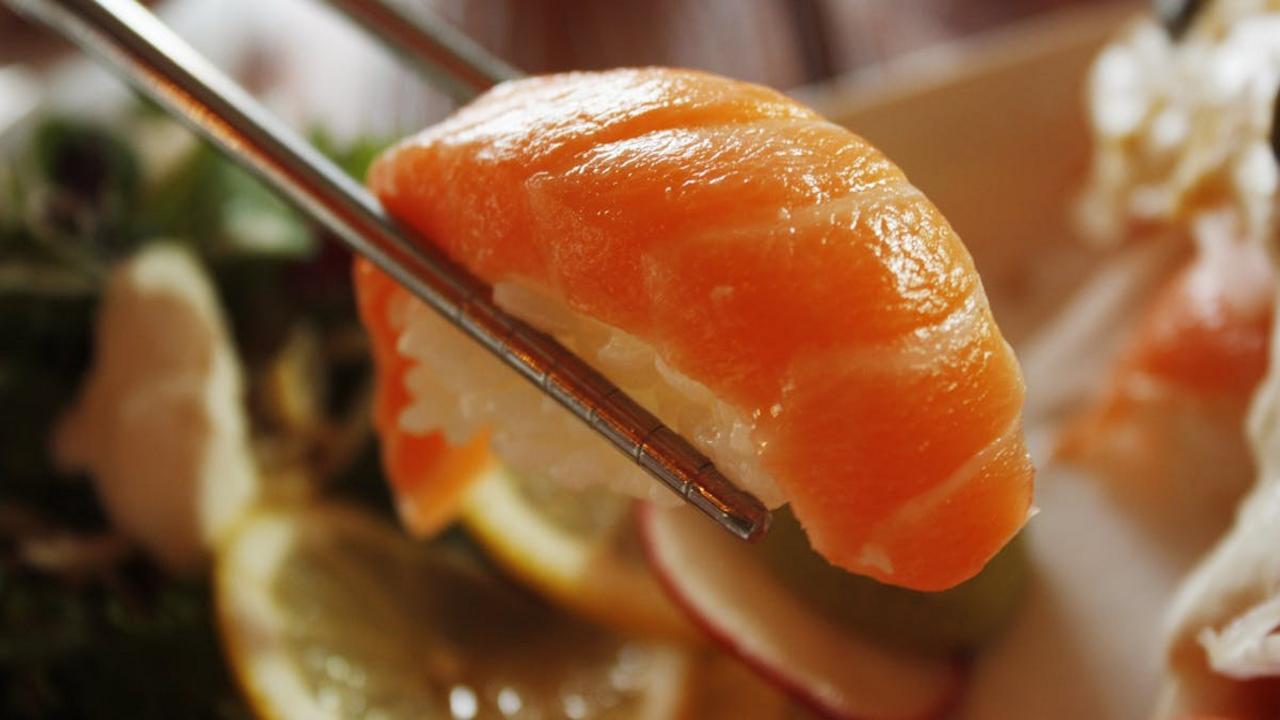
I know what you’re thinking – “But what about sushi?” While Japan’s impeccable food safety standards and skilled chefs make raw fish relatively safe there, ordering it in other countries can be risky business. Raw fish requires precise handling, storage at exact temperatures, and careful preparation to prevent nasty bacteria and parasites from making you their next meal. Trust me, I learned this the hard way during a beach vacation in Mexico where my ceviche craving led to three days of friendship with the bathroom floor.
Your best bet? Skip the raw fish dishes unless you’re in countries known for their fish quality and preparation standards like Japan, Norway, or high-end restaurants in major cities. The fish must be frozen at specific temperatures to kill parasites before serving raw – something many places don’t properly do. Plus, fish spoils quickly in warm climates, and improper storage can turn your dreamy seafood dinner into a nightmare. Stick to properly cooked fish dishes instead – they’re just as delicious without the risk of unwanted microscopic dinner guests!
Unwashed Fresh Fruits

I learned this lesson the hard way in Thailand when I grabbed a mango from a street vendor and bit right into it. Big mistake! While those colorful fruit displays look super tempting, unwashed fruits can harbor all sorts of nasty bacteria, parasites, and pesticides that’ll turn your dream vacation into a nightmare of bathroom visits. Local water used to rinse fruits might contain microorganisms your stomach isn’t ready to handle, and agricultural practices in some countries allow pesticides that your home country banned years ago.
Here’s my golden rule for eating fruits abroad: stick to fruits you can peel yourself, like bananas or oranges. For everything else, wash them thoroughly with bottled or purified water, or better yet, soak them in a water-vinegar solution for 15 minutes. If you’re at a restaurant, skip the fresh fruit salad unless you’re absolutely sure about their food safety practices. I now travel with a small bottle of fruit and vegetable wash – yes, I’m that person, but my stomach thanks me every time!
Street Vendor Ice

Listen, I know what you’re thinking – “Ice is just frozen water, how bad could it be?” But here’s the cold truth: street vendor ice can pack more bacteria than toilet water! While wandering through markets in Bangkok, I watched vendors scoop ice from huge blocks stored on the ground, often handled with bare hands. Many street stalls receive their ice from suppliers who might not follow proper sanitation standards, and the ice could come from untreated water sources.
Your safest bet? Skip the ice in your drinks when buying from street vendors abroad. I learned this lesson the hard way during a humid afternoon in Mexico City – my icy coconut water left me with three days of unpleasant stomach issues. If you absolutely need something cold, go for bottled or canned beverages that have been chilled in a refrigerator. The local hospitals are filled with tourists who thought “it’s just ice” – don’t be one of them! Your stomach will thank you for being cautious about those seemingly innocent frozen cubes.
Unpasteurized Dairy Products
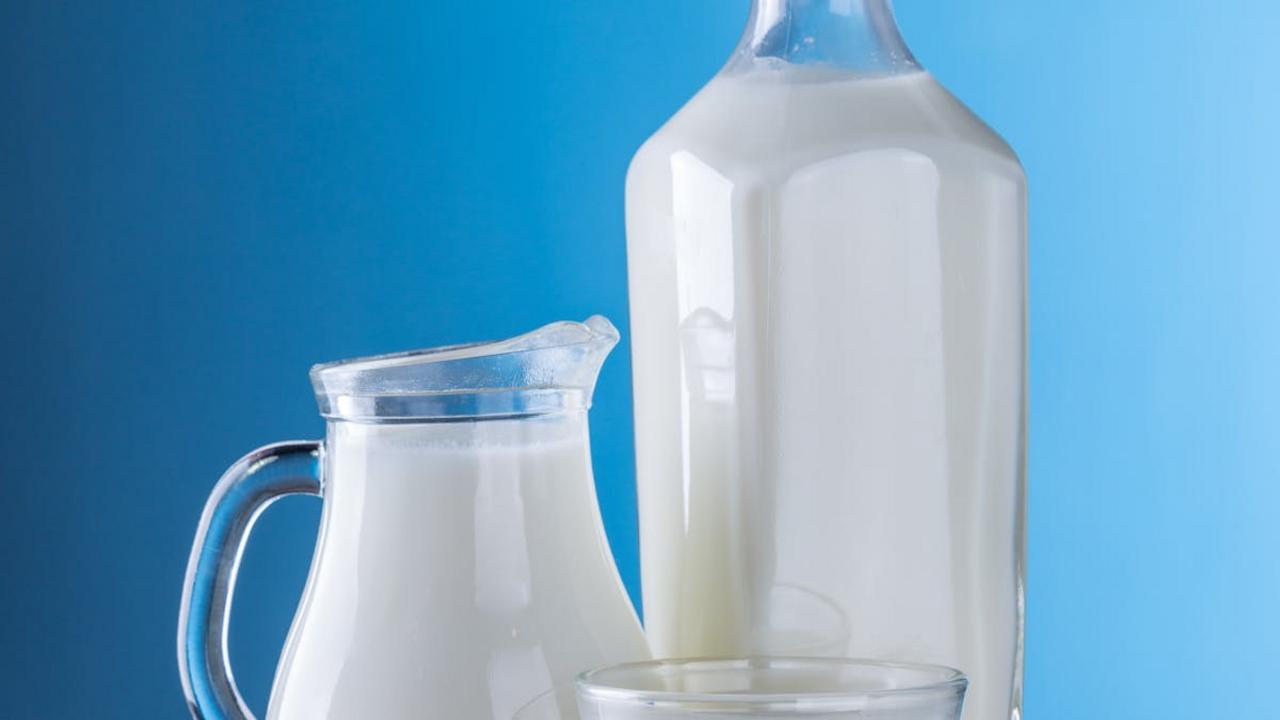
Oh honey, let me share a cheesy truth that could save your vacation! While those charming local markets in Europe and Asia might tempt you with their gorgeous displays of fresh cheese and milk, unpasteurized dairy products can pack a nasty surprise. Raw milk and its dairy cousins haven’t gone through the heating process that kills harmful bacteria like E. coli, Listeria, and Salmonella. I learned this the hard way during a trip to France where I couldn’t resist a beautiful raw milk cheese – two days of my romantic Paris getaway spent in the hotel bathroom wasn’t exactly what I had planned!
While many countries consider unpasteurized dairy products a cultural treasure (looking at you, traditional French Camembert!), your stomach might not share their enthusiasm. Pregnant women, kids, elderly folks, and anyone with a weaker immune system should particularly steer clear. If you want to play it safe without missing out on local flavors, ask specifically for pasteurized versions – most places offer both options nowadays. Your stomach will thank you, and you’ll get to spend your vacation actually seeing the sights instead of seeing the inside of your hotel room!
Raw Oysters
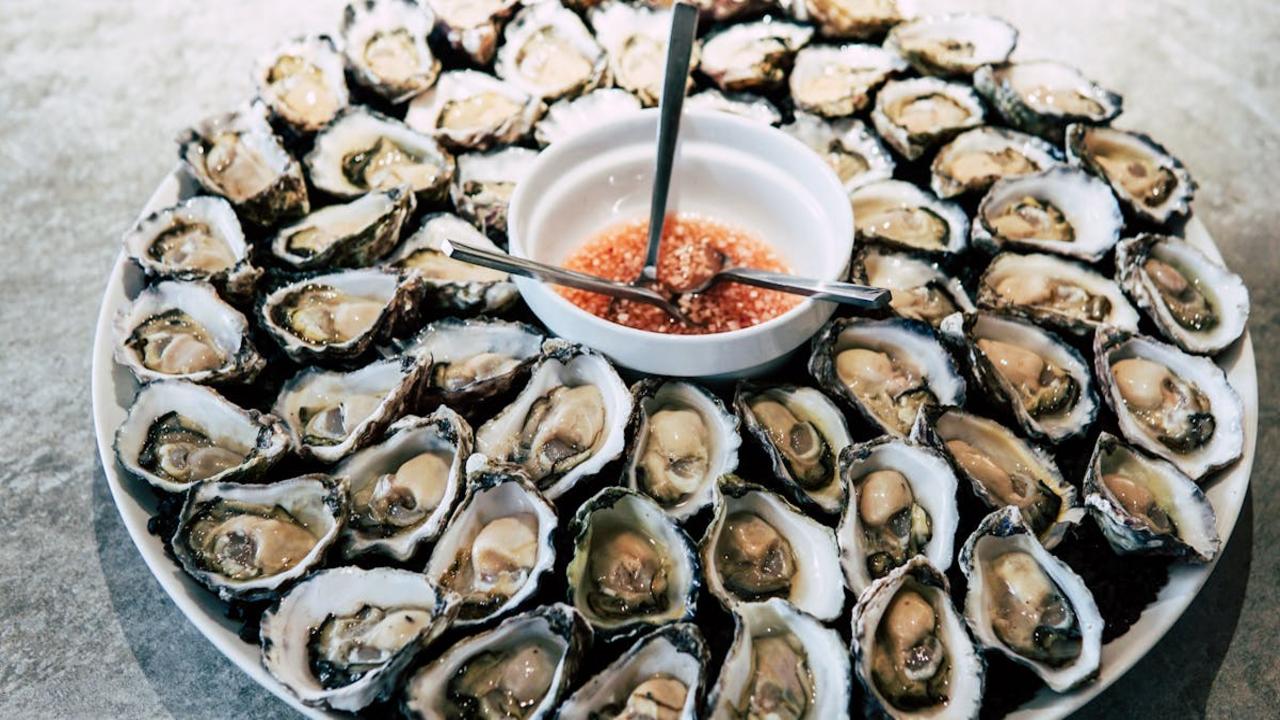
I know those glistening raw oysters on the half shell look amazing, especially at that charming seaside café in some exotic locale. But here’s the raw truth – slurping down uncooked oysters abroad can turn your dream vacation into a nightmare faster than you can say “food poisoning.” These briny beauties act like tiny filters in the ocean, which means they soak up everything in their environment – including harmful bacteria, viruses, and other nasty microorganisms that your stomach won’t thank you for.
If you’re dying to try local oysters while traveling, always go for cooked versions instead. A good rule of thumb? Only eat raw oysters in places with strict food safety regulations and reliable cold chains. I learned this lesson the hard way in a small coastal town where the “fresh catch” had been sitting in questionable temperatures for who knows how long. Trust me, spending three days confined to your hotel bathroom isn’t the vacation memory you want to bring home. Stick to grilled, steamed, or baked oysters – they’re just as delicious and won’t leave you regretting your adventurous appetite.