15 Unexpected Foods That Became Crucial Survival Staples in the Most Remote Corners of the Earth
Food connects us to the raw beauty of survival in Earth’s most isolated places. Through generations of necessity and ingenuity, communities worldwide have turned their local ingredients into life-sustaining foods. From the icy Arctic to dense rainforests, these 15 foods tell stories of human adaptability.
Each ingredient on this list carries deep cultural significance, shaped by climate, terrain, and available resources. Mountain dwellers learned to preserve yak meat, while coastal peoples mastered the art of drying fish and seaweed. These foods didn’t just keep people alive – they became central to traditions and celebrations.
What’s ordinary in one corner of the world becomes extraordinary in another. The same acorns we crunch under our feet in city parks have fed entire populations. Wild honey gathered from cliff faces sweetens meals in remote valleys. These foods remind us how creative humans can be when working with what nature provides.
Acorns
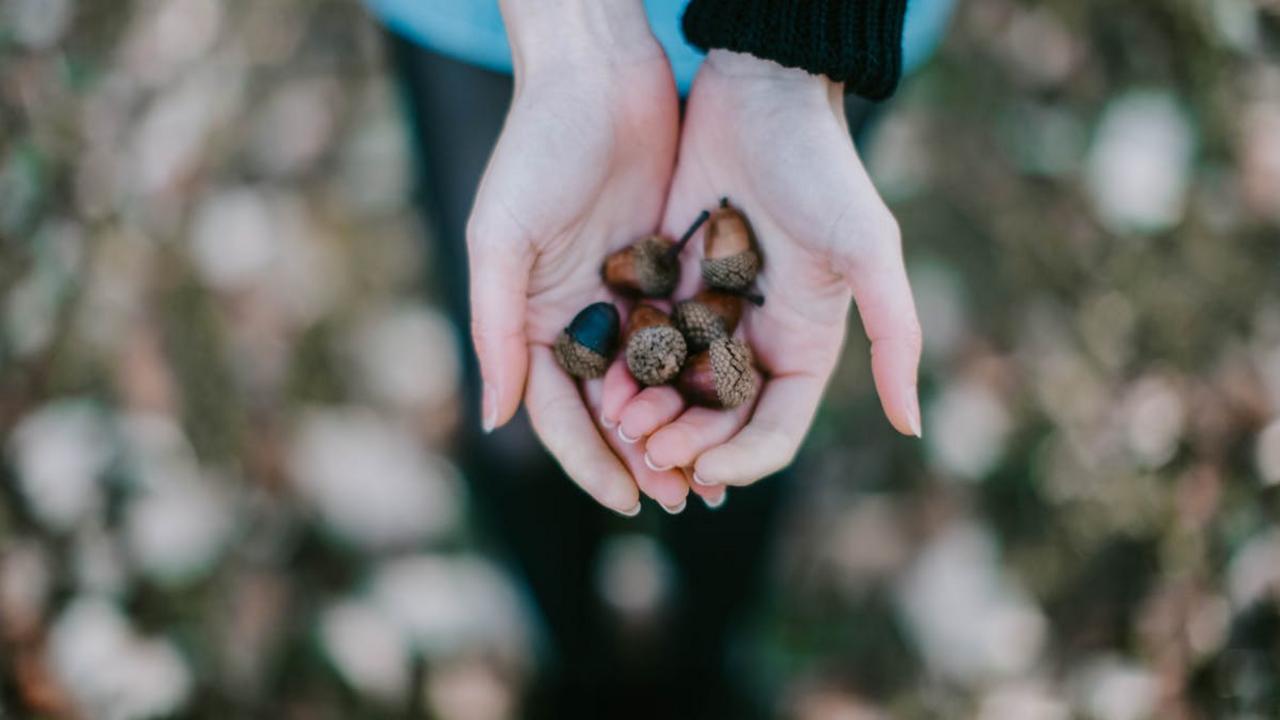
You might be surprised to learn that acorns kept many Native American tribes alive through harsh winters and lean times. These nuts pack a serious nutritional punch – they’re rich in healthy fats, proteins, and carbohydrates. I’ve found that properly processing acorns takes time and dedication – you need to remove their bitter tannins through repeated soaking and rinsing in cold water. Once processed, you can dry and grind them into a versatile flour that works wonderfully in breads, porridges, and even coffee substitutes.
In remote parts of Korea, Japan, and Mediterranean regions, people still gather and eat acorns regularly. Korean cooks transform acorn flour into a traditional jelly called dotorimuk, while Italian communities incorporate ground acorns into their pasta dishes. The gathering of acorns brings communities together during harvest season, with families passing down traditional processing methods through generations. What I love most about acorns is their adaptability – you can store them for years if kept dry, making them a reliable food source when other options run low.
Fermented Milk

In nomadic communities across Mongolia and Tibet, fermented milk holds a sacred place as both food and medicine. The raw milk from yaks, horses, or camels transforms through natural fermentation into a tangy, probiotic-rich drink that can last for months without refrigeration. I’ve found that this traditional preservation method creates unique products like airag (fermented mare’s milk) and kumis, which provide sustenance during harsh winters when fresh food becomes scarce. These drinks pack incredible nutrition – they’re loaded with beneficial bacteria, vitamins, and minerals that help strengthen immunity.
My research into traditional fermented milk products has shown me how different cultures developed their own variations. In the Caucasus Mountains, locals make kefir using special grains passed down through generations. Ethiopian communities rely on ergo, their version of fermented milk, which they mix with fresh milk to create a filling breakfast. Beyond just keeping people fed, these fermented dairy products became cultural touchstones, featuring in ceremonies and daily rituals. The natural preservation process means communities can maintain their food security even in the most remote locations where modern refrigeration doesn’t exist.
Wild Honey

Wild honey stands as a remarkable survival food across remote regions, from the dense forests of Nepal to the highlands of Ethiopia. Unlike commercial honey, wild varieties pack an intense nutritional punch with higher concentrations of antioxidants and minerals. I’ve discovered through my travels that indigenous communities often risk their lives scaling tall trees or navigating steep cliffs to collect this golden treasure. The raw, unprocessed nature of wild honey means it contains beneficial enzymes and natural antibacterial properties that help preserve other foods and treat wounds.
Beyond its standalone value, wild honey functions as a versatile ingredient in remote communities. You can mix it with foraged herbs to create medicinal teas, blend it with wild berries for preserves, or use it to ferment drinks. In places like the Cameron Highlands of Malaysia, native tribes combine wild honey with traditional herbs to boost immunity during harsh winters. The natural sugar content provides quick energy for hunters and gatherers, while its indefinite shelf life makes it invaluable during lean seasons. Many remote communities still practice traditional honey hunting methods passed down through generations, viewing this sweet substance as both food and medicine.
Cactus Fruit
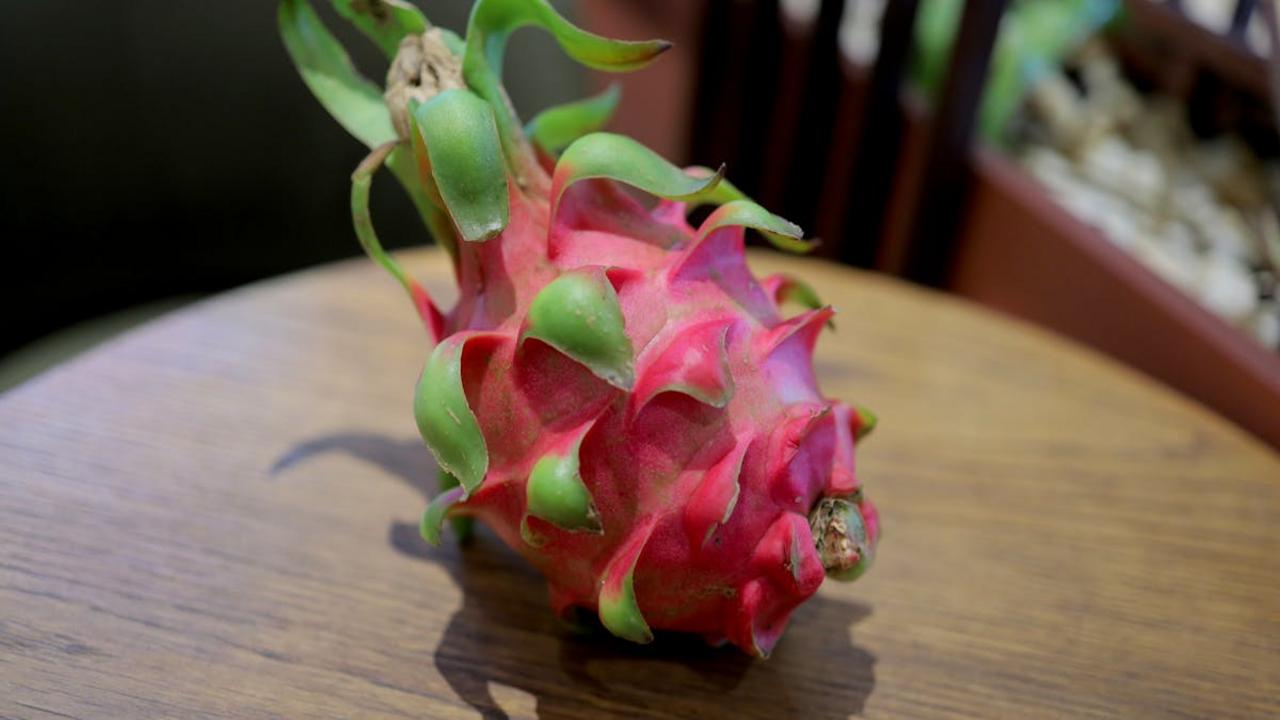
In Mexico’s sun-scorched deserts and arid regions worldwide, cactus fruit (also known as prickly pear or “tuna” in Spanish) has kept generations alive through harsh conditions. The vibrant magenta fruit grows abundantly on Opuntia cacti, offering a sweet, refreshing pulp packed with vitamin C, calcium, and antioxidants. I’ve discovered that indigenous peoples mastered the tricky art of harvesting these fruits safely, using special tools to avoid the tiny thorns while collecting this water-rich food source that thrives even in severe drought.
Beyond eating the fruits raw, many communities transform them into preserves, syrups, and dried snacks to extend their shelf life through leaner seasons. The seeds contain healthy oils and protein, while the fruit’s high pectin content makes it perfect for jams. During my visits to desert communities, I learned how locals combine cactus fruit with other desert plants like mesquite pods to create nutritious flour mixtures. This resourceful approach to desert survival shows how people adapt to extreme environments by finding nourishment in unexpected places.
Dried Seaweed

You’ll find dried seaweed deeply woven into the food traditions of many coastal communities, from Japan’s nori to Wales’ laverbread. This nutrient-rich sea vegetable has been a lifeline for generations of people living in harsh maritime environments where land-based crops struggle to grow. Rich in iodine, iron, and calcium, dried seaweed keeps well for months without refrigeration and adds a savory umami punch to simple dishes. In Korea, families have long relied on dried kelp and other seaweed varieties to make hearty broths during lean times.
I’ve discovered countless ways to incorporate this versatile ingredient into daily meals. You can rehydrate it for soups and stews, crumble it as a mineral-rich seasoning, or wrap it around rice and fish for portable meals. In remote Scottish islands, communities still gather and dry dulse seaweed using traditional methods passed down through generations. The practice sustained their ancestors through long winters when fresh food was scarce. Even today, dried seaweed remains a practical pantry staple that packs incredible nutrition into a lightweight, shelf-stable form.
Tree Bark Flour

I’ve discovered something remarkable in traditional Nordic and Native American cooking – tree bark flour! People have made this survival staple by grinding the inner bark of pine, birch, and other trees into a fine powder. During harsh winters when crops failed, indigenous communities would strip the nutrient-rich inner bark layers, dry them thoroughly, and mill them into a workable flour. You’ll find this ingredient brings a subtle woody sweetness and earthiness to breads and porridges while adding valuable nutrients like vitamin C, fiber, and minerals.
The Sami people of northern Scandinavia passed down their bark flour recipes through generations, often mixing it with regular flour to make hearty flatbreads. North American tribes like the Adirondack showed similar ingenuity, incorporating pine and birch bark flour into their winter food stores. Today, some Nordic restaurants have brought back this ancient practice, using small amounts of birch bark flour to add depth and historical connection to their dishes. While you won’t find tree bark flour at your local grocery store, its legacy reminds us how communities adapted to survive in remote northern regions.
Wild Berries
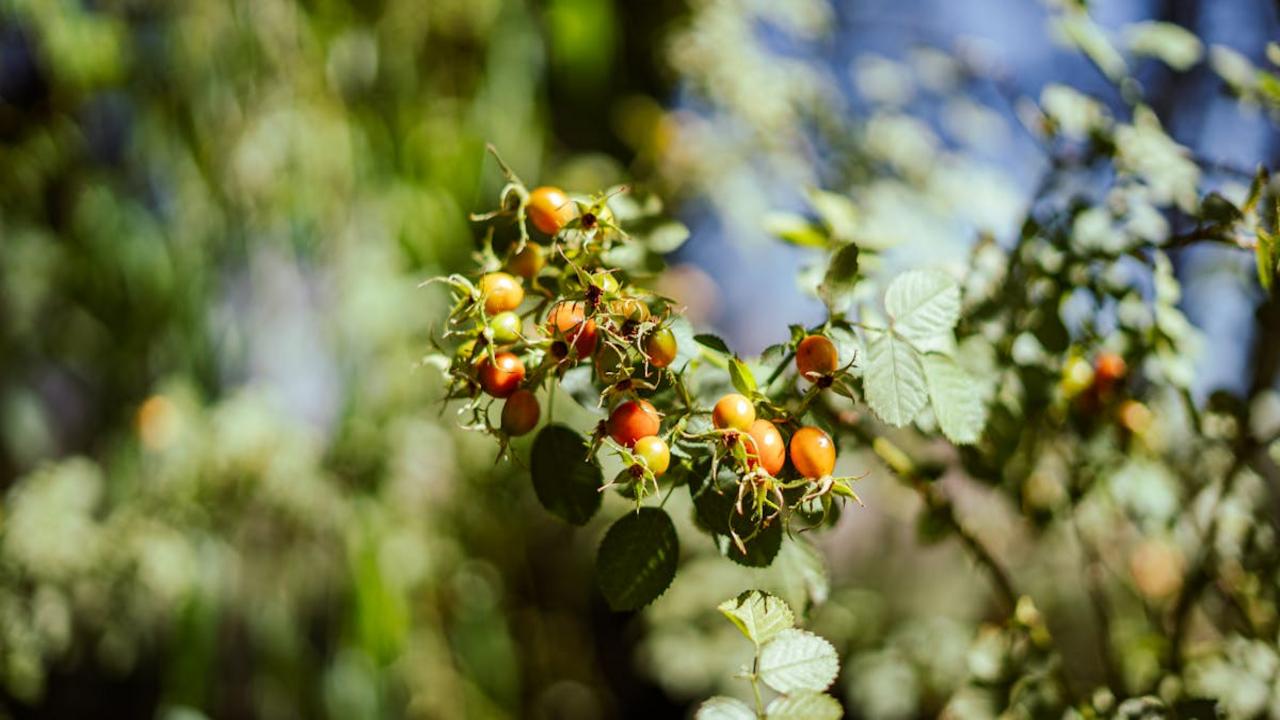
In the most remote corners of our planet, wild berries have helped countless communities survive through harsh seasons. From the tart sea buckthorn berries that grow in the Himalayas to the vitamin C-rich cloudberries found in Arctic regions, these small fruits pack incredible nutritional power. Native communities across Siberia, Alaska, and Northern Canada have long known how to identify, gather, and preserve these berries, turning them into jams, dried snacks, and medicinal preparations that last through long winters.
What makes wild berries such incredible survival food is their adaptability to extreme conditions and their high concentration of nutrients. Take the Nordic lingonberry – it contains more antioxidants than blueberries and stays fresh for weeks without refrigeration due to its natural preservatives. The Sami people of Lapland mix these berries with reindeer milk to create a protein-rich paste that keeps for months. In Alaska, the Yupik people combine wild salmonberries with seal oil, creating a calorie-dense mixture that provides both energy and essential vitamins during the coldest months.
Mountain Goat Cheese

Mountain goat cheese has kept communities alive in some of the world’s most rugged alpine regions for thousands of years. From the steep slopes of the Himalayas to the craggy peaks of the Alps, herders have made this rich, tangy cheese their main source of protein and calcium. The cheese stays fresh for months without refrigeration, making it perfect for isolated mountain dwellers who need dependable food through harsh winters. Its high fat content and dense nutrients give people the energy they need for life at high altitudes.
I found the traditional process of making mountain goat cheese fascinating – herders collect fresh milk twice daily, then heat it gently over wood fires in copper pots. They add natural rennet from local plants to separate the curds, which are then pressed and aged in cool mountain caves. The result is a distinctly earthy cheese with grassy, herbaceous notes from the wild mountain plants the goats graze on. Each region’s unique flora creates subtle differences in flavor, from the sweet undertones of Alpine varieties to the sharp, complex taste of Himalayan versions.
Cassava Root
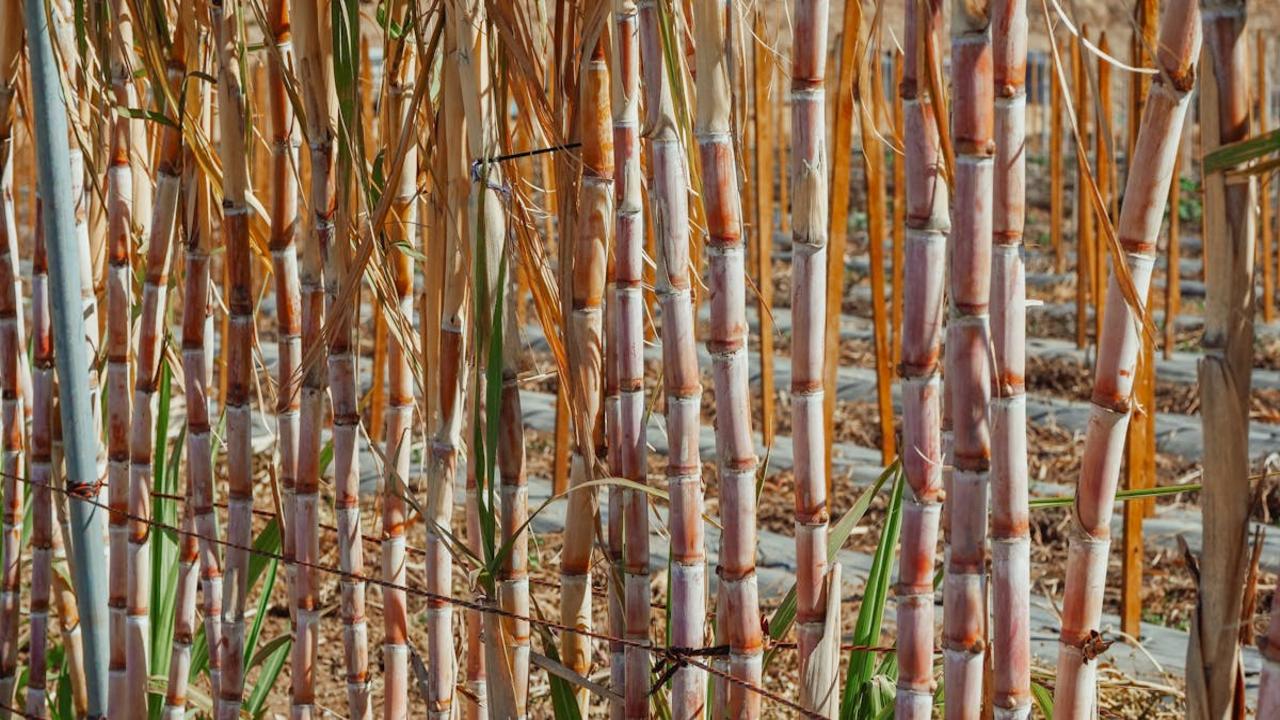
I discovered cassava root while cooking with my Brazilian neighbors, and this starchy tuber quickly became one of my go-to ingredients. In the Amazon rainforest and remote South American communities, cassava (also called manioc or yuca) stands as a true lifeline. The root grows abundantly in poor soil conditions and stays fresh underground for months, making it a reliable food source. Local communities transform raw cassava into flour, bread, and thick porridges through careful processing that removes naturally occurring toxins.
What makes cassava truly remarkable is its incredible versatility and high caloric content – just one cup provides about 330 calories of pure energy. During my trips across rural Brazil, I saw families turning this humble root into tapioca pearls for puddings, crispy flatbreads called casabe, and fermented drinks like cauim. The root’s neutral flavor allows it to work in both sweet and savory dishes. Most fascinating to me is how indigenous groups developed complex preparation methods over generations to make this potentially toxic plant safe and nourishing – a testament to human ingenuity in remote regions.
Palm Hearts
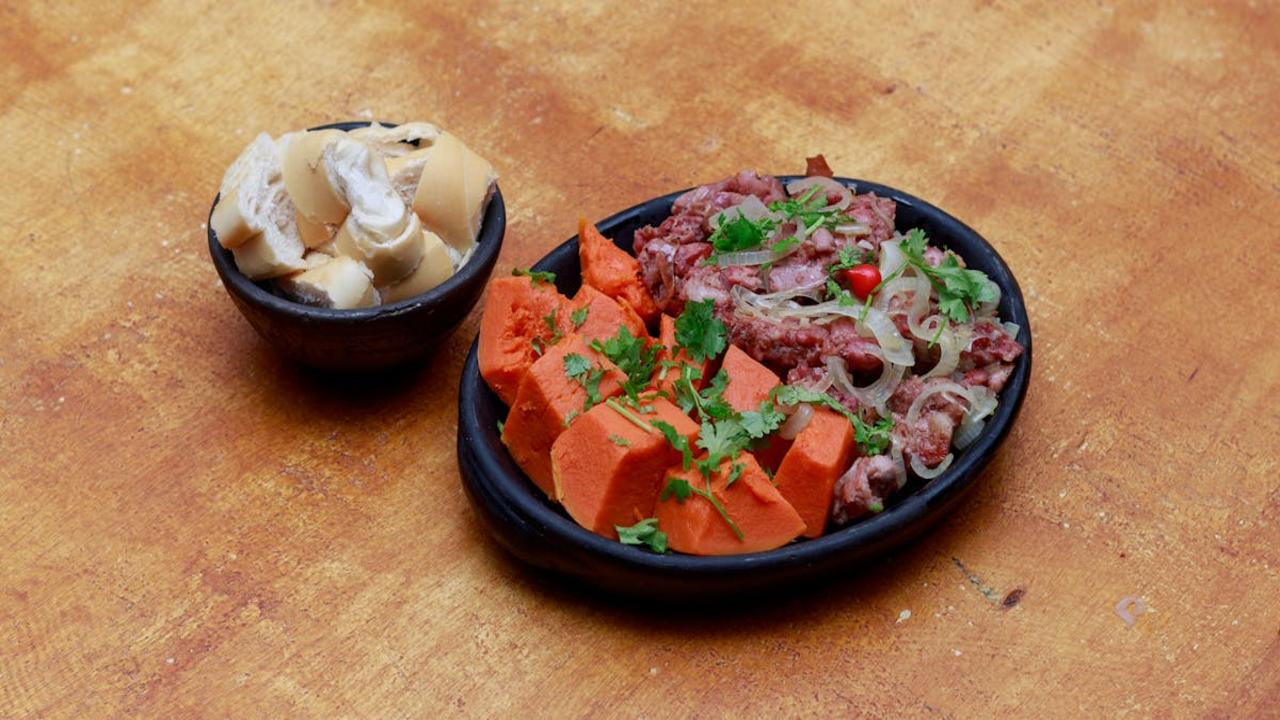
If you’ve ever wandered deep into the tropical regions of South America, you’ll find local communities relying on palm hearts as a key food source. These tender white cylinders, found inside specific palm tree species, pack a remarkable nutritional punch with high fiber content and valuable minerals. I’ve discovered through my travels that indigenous groups in Brazil’s Amazon rainforest have mastered the skill of sustainably harvesting these delicate cores, which offer a mild, slightly sweet flavor similar to artichokes.
What makes palm hearts truly special is their incredible versatility in remote settings. You can eat them raw straight from the tree, pickle them for long-term storage, or cook them into hearty stews. In many isolated Brazilian villages, locals add them to traditional dishes like moqueca (fish stew) or simply toss them into fresh salads. The natural moisture content and crisp texture make palm hearts filling and satisfying, while their neutral flavor profile means they absorb other ingredients’ tastes beautifully. Through centuries of practical experience, these communities have found palm hearts to be both reliable and adaptable in their daily cooking.
Dried Yak Meat
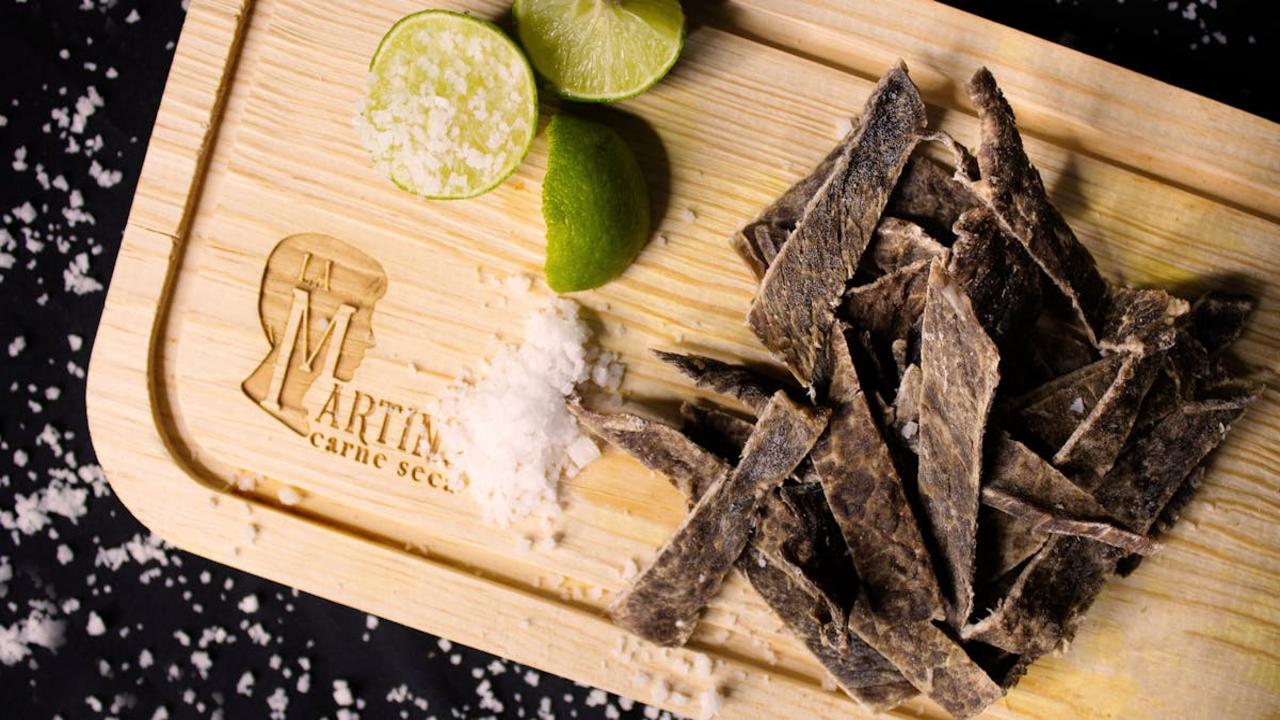
I discovered dried yak meat during my travels through Tibet, where locals have relied on this protein-rich food for centuries. The meat undergoes a natural preservation process where thin strips are cut and hung to dry in the cold mountain air, creating a dense, concentrated source of nutrients. You’ll find this tough yet flavorful meat sustaining nomadic communities across the Himalayas, particularly during harsh winters when fresh food becomes scarce. The high protein content and long shelf life make it a go-to food for shepherds and travelers crossing vast plateaus.
What makes dried yak meat unique is its rich, gamey flavor profile and how it adapts to different cooking methods. You can eat it raw like jerky, rehydrate it in soups, or grind it into a powder to mix with tsampa (roasted barley flour). Many Tibetan families still maintain the traditional drying techniques passed down through generations, carefully selecting the best cuts and monitoring weather conditions for optimal drying. The meat’s portability and resistance to spoilage have made it invaluable for communities living at high altitudes where refrigeration isn’t always available.
Wild Rice
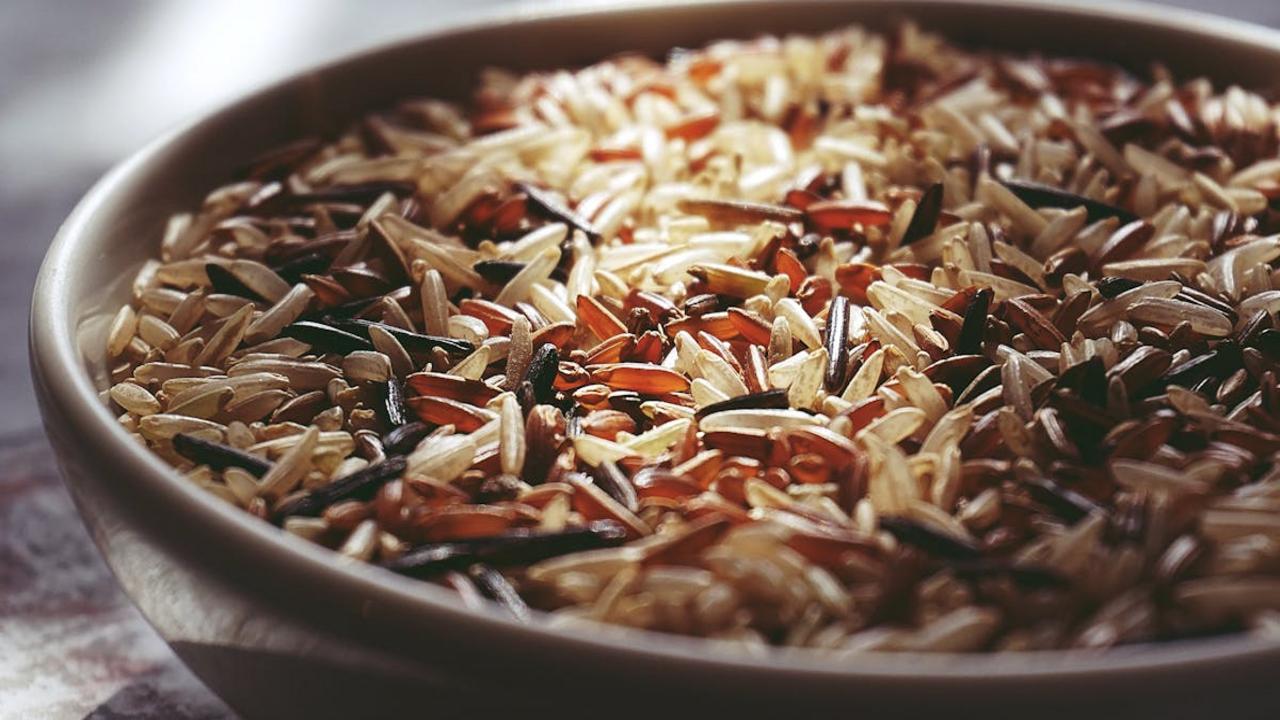
Wild rice stands as a testament to Native American ingenuity and survival skills, particularly among tribes in the Great Lakes region. Despite its name, this aquatic grass seed differs completely from Asian rice varieties. I’ve found its nutty, complex flavor and chewy texture make it incredibly filling – perfect for sustaining people through harsh winters. The Ojibwe people would paddle canoes through shallow waters, gently knocking ripened grains into their boats during the late summer harvest, a practice that continues in some communities today.
Many don’t know that wild rice packs more protein than regular rice and contains high levels of B vitamins, minerals, and fiber. The traditional processing method involves parching the grains over fire, which not only preserves them for years but also brings out their signature smoky notes. In Minnesota’s remote areas, families still gather annually to hand-harvest this native grain, maintaining a deep connection to their ancestral food ways. I love incorporating it into hearty soups, pilafs, and stuffings, where its rich flavor adds depth to any dish.
Pine Nuts
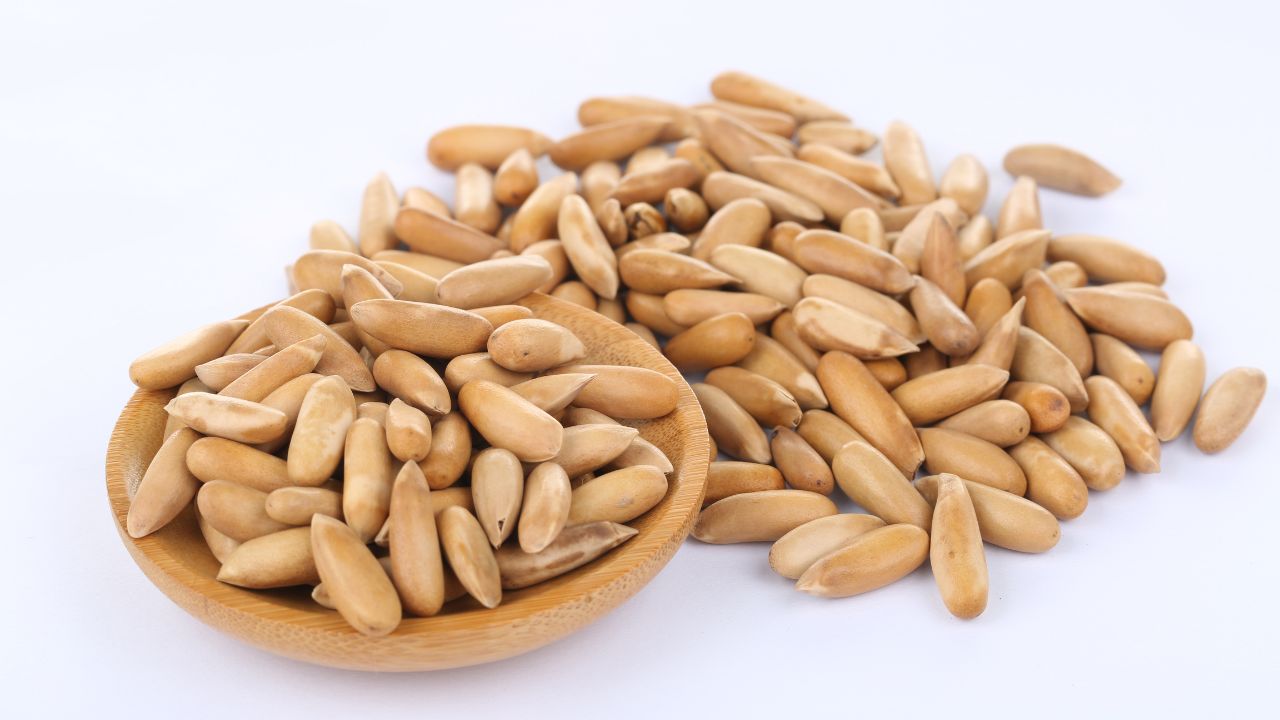
I discovered pine nuts while studying traditional foraging practices of indigenous peoples across the northern regions. These small, buttery seeds from pine cones have kept communities alive through harsh winters for thousands of years. Native Americans would gather large quantities in autumn, storing them in underground caches to last through cold months. The nuts pack an incredible nutritional punch – they contain high levels of protein, healthy fats, and minerals that make them a complete food source.
You’ll find pine nuts deeply woven into the food traditions of many remote mountain communities, from the Russian taiga to the American Southwest. The Siberian pine nut hunters still climb tall trees to harvest cones during the brief window before winter sets in. In Nevada and New Mexico, Native American tribes continue their annual pinyon nut gathering as a community event. These nuts don’t just fill bellies – they provide portable energy for long hunting trips and offer trading value with neighboring groups. Modern research shows pine nuts also help reduce heart disease risk and boost immune function.
Seal Blubber

I first learned about seal blubber, or “muktuk” as Inuit communities call it, during my research into Arctic food traditions. This rich, fatty tissue serves as a powerhouse of nutrients, containing ten times more vitamin D than cod liver oil and substantial amounts of vitamin A and E. The indigenous peoples of the Arctic have relied on seal blubber not just for food, but also as fuel for their seal oil lamps and waterproofing material for their clothing and equipment.
You’ll find seal blubber consumed raw, aged, or boiled in traditional Arctic cooking. The texture ranges from soft and buttery to firm and chewy, depending on the preparation method. Beyond its high caloric content, which helps maintain body heat in extreme cold, seal blubber offers omega-3 fatty acids that support brain and heart health. In modern Arctic communities, families still share seal blubber during celebrations and gatherings, maintaining this centuries-old tradition that has kept their ancestors alive through harsh winters.
Dried Fish
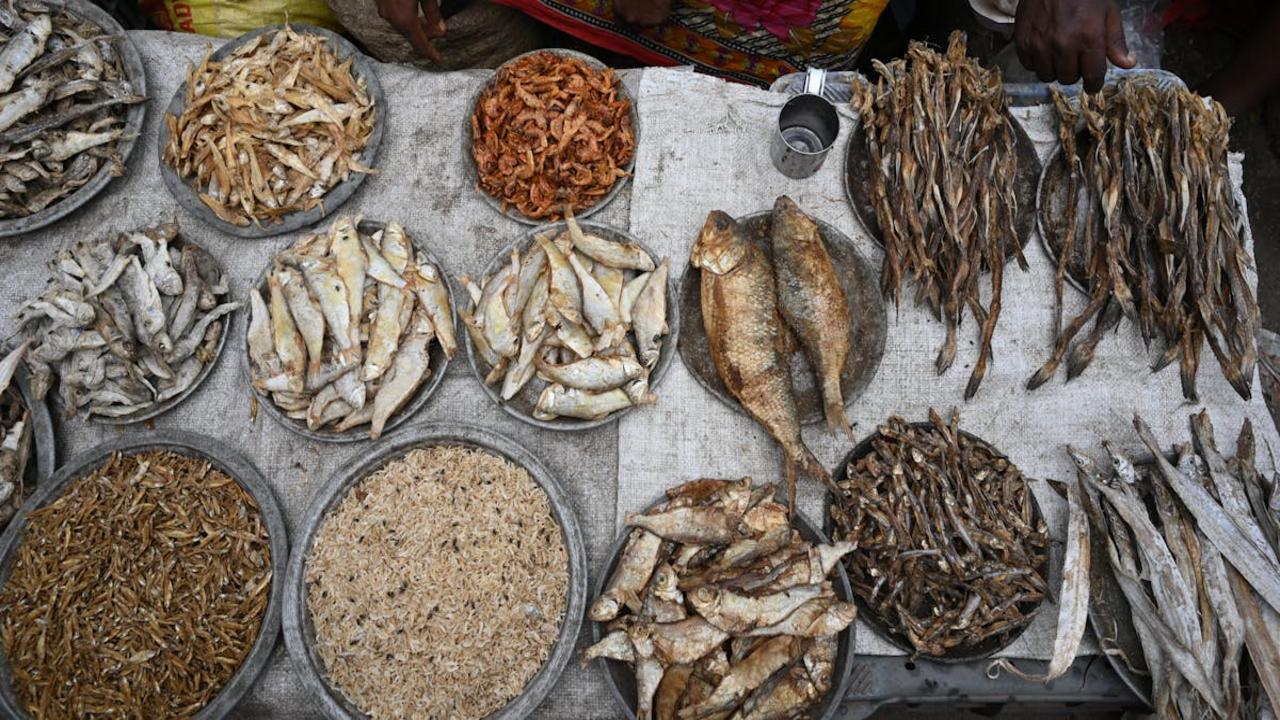
From the icy shores of Iceland to the tropical islands of Southeast Asia, dried fish has kept communities alive through harsh winters and long sea voyages. You’ll find this protein-rich food preservation method deeply woven into countless cultures – think Norwegian stockfish, Filipino daing, or Japanese himono. The simple process of salting and air-drying fish makes it last for months without refrigeration while keeping its nutritional value intact, making it a smart choice for remote communities far from fresh food sources.
The beauty of dried fish lies in its versatility and rich umami flavor that adds depth to many dishes. In Alaska, indigenous communities still dry salmon on wooden racks, preserving their catch through winter months. Meanwhile, in the mountainous regions of Nepal, where fresh protein sources are scarce, dried fish becomes a treasured ingredient in soups and stews. The concentrated flavors make it perfect for creating deeply savory broths, while its portability means you can easily carry it on long treks or store it in remote mountain villages.