12 Unexpected Wild Foods That Could Harm You If You Forage Without Expert Advice
Nature offers an amazing bounty of wild foods, but some seemingly innocent plants and mushrooms can hide dangerous secrets. While foraging brings you closer to nature and provides fresh, free ingredients, knowing what’s safe remains critical for your health and safety.
The growing interest in wild food gathering has many people heading into forests and fields with baskets in hand. Yet without proper knowledge, you risk confusing edible species with their toxic lookalikes. Even common backyard plants like elderberries and rhubarb contain parts that can make you seriously ill.
This guide highlights 12 wild foods that require expert knowledge before harvesting. You’ll learn about deceptive mushrooms, berries, and plants that could harm you or your family. Understanding these risks will help you make smart choices when foraging in the wild.
Wild Cherry Bark
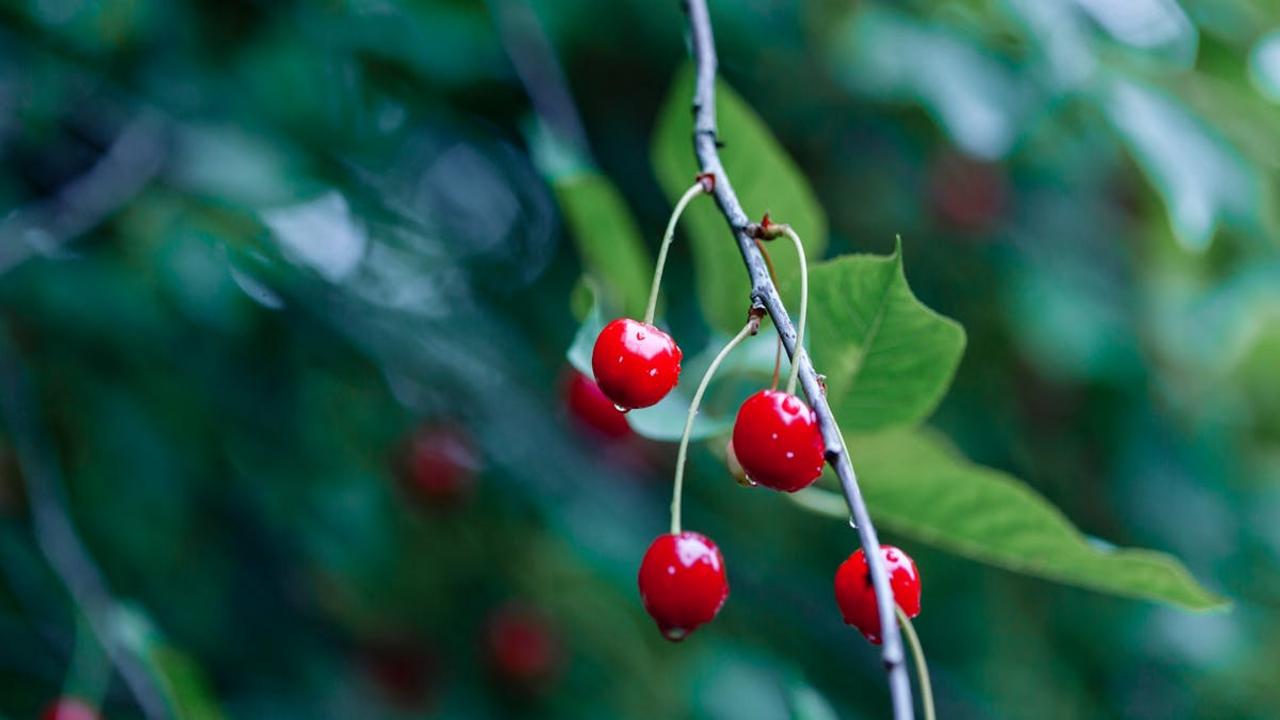
I’ve learned through my years as a food journalist that wild cherry bark holds both medicinal promise and hidden dangers. While Native Americans traditionally used this bark to make cough medicines, you need to know that fresh wild cherry bark contains dangerous compounds that can release cyanide when damaged or wilted. These compounds exist to protect cherry trees from predators, but they can make humans seriously ill if we consume the bark without proper preparation.
You might spot wild cherry trees during your outdoor walks and feel tempted to try this natural remedy, but please don’t collect the bark without expert guidance. The safe use of wild cherry bark requires specific knowledge about harvesting times, proper drying methods, and correct preparation techniques. Even small mistakes in processing can lead to severe symptoms like difficulty breathing, dizziness, and in extreme cases, life-threatening complications. If you’re interested in wild cherry bark’s benefits, I recommend connecting with a qualified herbalist or foraging expert who can teach you the proper safety protocols.
Bittersweet Nightshade
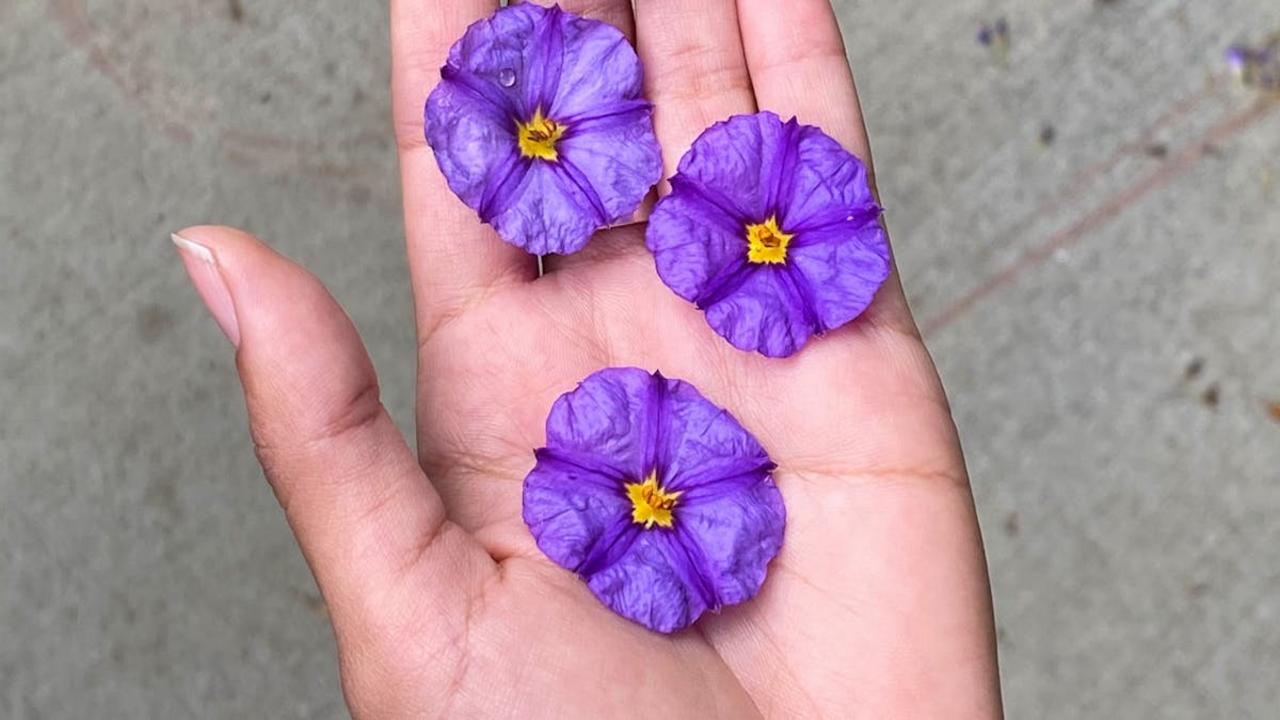
I need to warn you about a pretty purple-flowered plant you might spot while foraging – the Bittersweet Nightshade. This deceptive beauty, with its bright red berries and climbing vines, looks tempting but packs a dangerous punch. Every part of this plant contains solanine, a toxic compound that can cause severe stomach problems, difficulty breathing, and even heart issues. As a food safety advocate, I always remind my readers that those attractive berries are especially risky for children who might mistake them for edible fruits.
The tricky part about Bittersweet Nightshade is how common it grows in many backyards and along hiking trails. You’ll often find it climbing up fences or wrapping around trees, looking quite similar to other edible wild berries. I’ve heard countless stories from foraging beginners who almost picked these berries, thinking they were safe. If you plan to forage wild berries, I strongly recommend joining a local foraging group or connecting with an expert who can teach you the clear differences between safe and toxic plants. Your health is worth the extra time spent learning!
Holly Berries
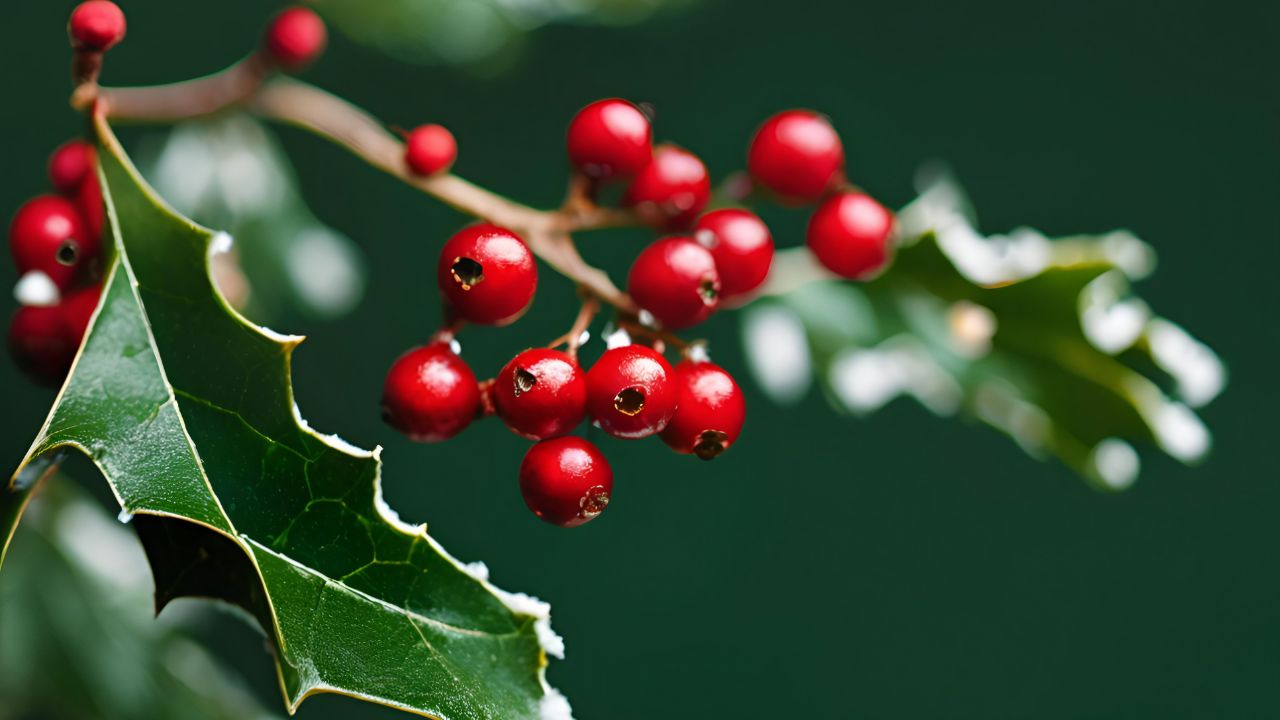
I’ll never forget the day my neighbor’s child ended up in the ER after eating holly berries from their holiday decorations. While these bright red berries make beautiful Christmas ornaments, they pack dangerous toxins that can cause severe vomiting, diarrhea, and drowsiness. Even consuming just a few berries will trigger intense stomach pain and dehydration – symptoms that hit both children and adults hard. The berries contain toxic compounds called saponins and ilicin, which your body absolutely cannot handle.
Many people don’t know that holly leaves pose risks too. The spiky foliage contains the same harmful substances as the berries, though in lower concentrations. If you spot wild holly during your outdoor adventures, keep a safe distance and make sure your kids and pets stay away too. I always remind my readers that no matter how pretty these festive berries look, they belong on your wreath – not your plate! If you suspect someone has eaten holly berries, call poison control immediately at 1-800-222-1222. Quick medical attention makes all the difference in preventing serious complications.
Virginia Creeper Berries
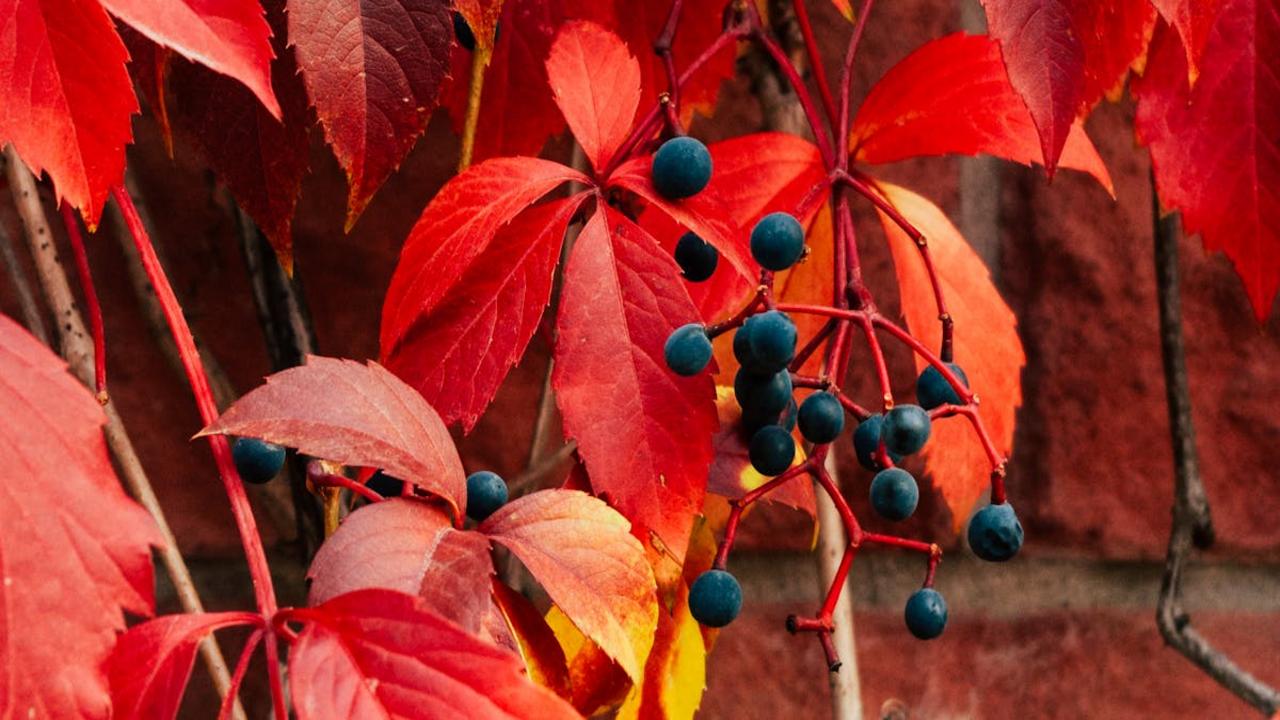
I want to warn you about Virginia Creeper berries – those small, dark blue fruits that grow on climbing vines and look similar to wild grapes. While the vines add beautiful color to gardens and forests, especially in fall with their red leaves, the berries contain high amounts of oxalic acid crystals that can make you seriously ill. If you eat these berries, you’ll experience intense mouth and throat pain, followed by severe stomach issues, and in some cases, they can even be fatal.
As a food journalist who has researched wild edibles extensively, I’ve learned that many foragers mistake Virginia Creeper for other edible vines. The key difference lies in the leaf pattern – Virginia Creeper has five leaflets in a distinctive fan shape, while grape vines typically have single leaves. The berries also hang differently, with Virginia Creeper fruits growing in looser clusters compared to grape’s tight bunches. Always get expert confirmation before picking any wild berries, and teach your kids to avoid these dangerous look-alikes.
Wild Almonds
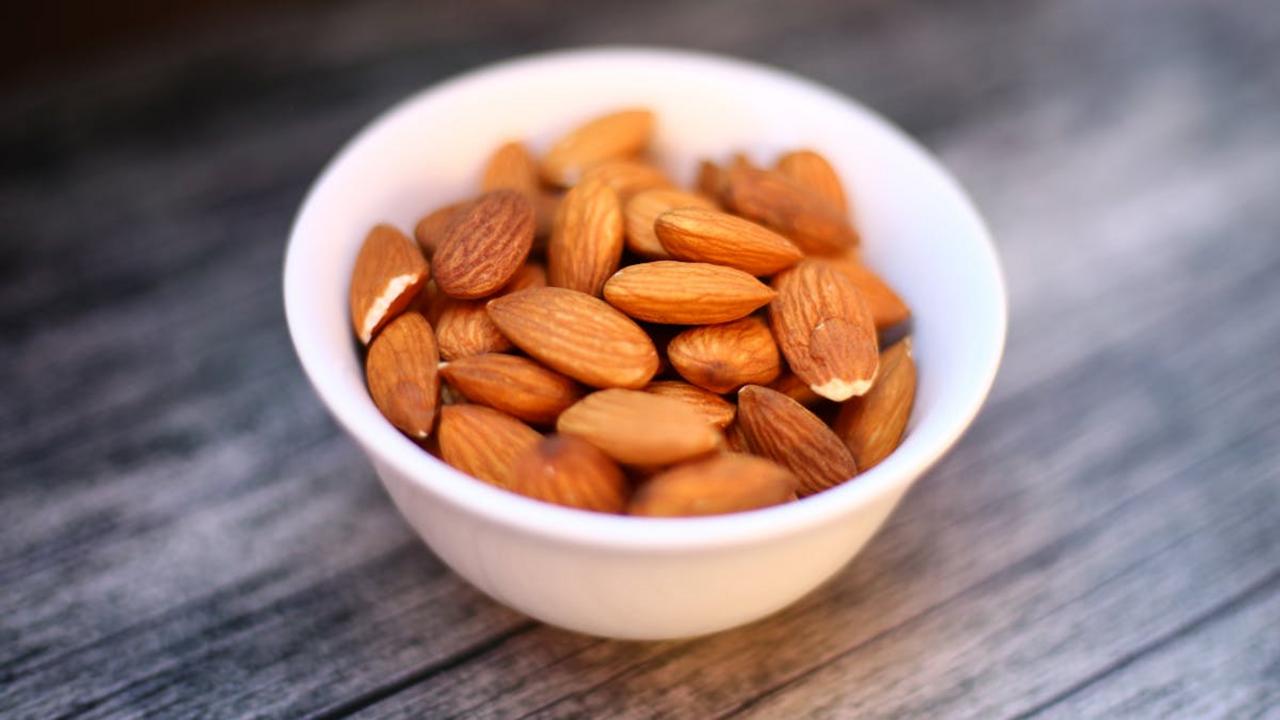
I learned this surprising fact during my recent chat with a foraging expert – wild almonds can be incredibly dangerous! Unlike the sweet almonds you buy at the store, wild almonds contain high amounts of amygdalin, which your body converts into cyanide when eaten. Just a handful of these deceptively innocent-looking nuts could make you very sick or even cause death. Many foragers make the mistake of thinking they’ve hit the jackpot when they spot what looks like an almond tree in the wild.
You’ll want to completely avoid picking and eating wild almonds, no matter how tempting they might look. The bitter taste should be your first warning sign – that’s the amygdalin compound making itself known. Modern cultivated almonds have been specifically bred over thousands of years to remove this toxic compound, giving us the safe and delicious nuts we enjoy today. If you’re interested in foraging nuts, I recommend sticking to easily identifiable options like walnuts or pecans, and always going with an experienced guide your first few times.
Rhubarb Leaves
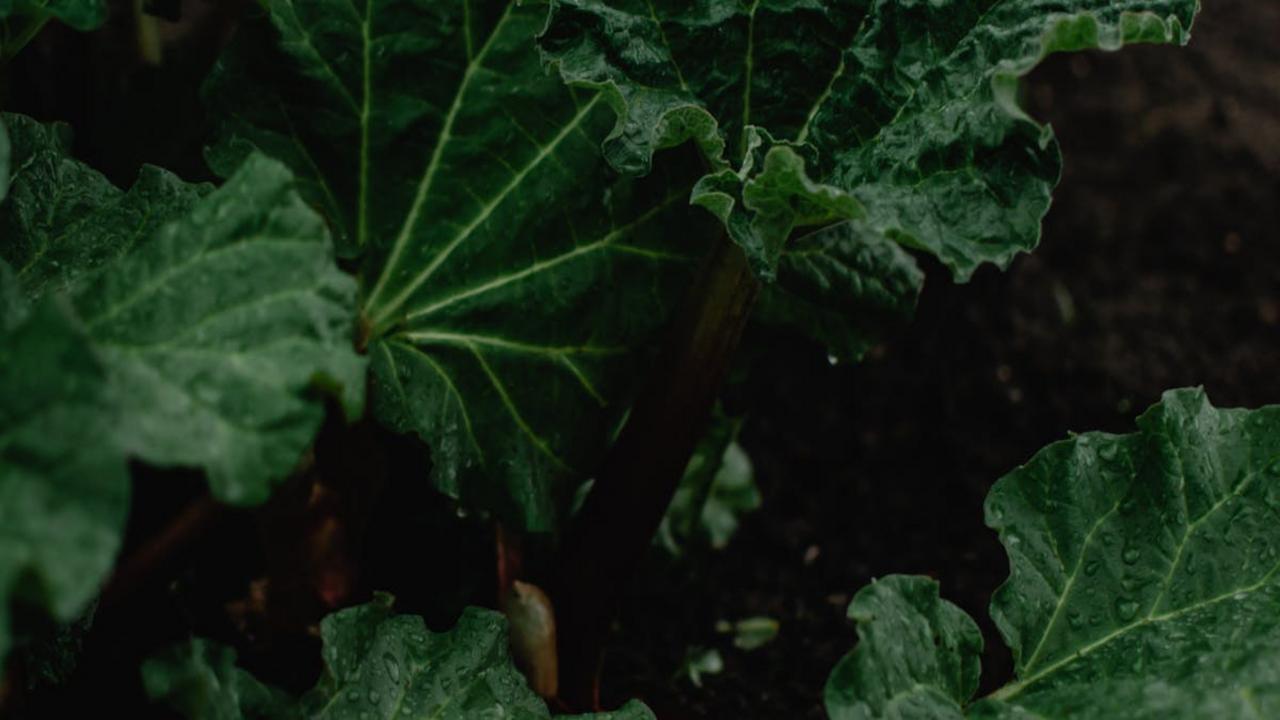
You might have enjoyed the tart, bright-pink stalks of rhubarb in your favorite summer pie, but I want to warn you about its leaves – they pack a dangerous punch! While the stalks make delicious desserts, rhubarb leaves contain high amounts of oxalic acid, which can cause severe illness and, in rare cases, death. Even a small amount of these leaves can lead to symptoms like nausea, vomiting, and difficulty breathing. Many home gardeners don’t know this risk, making it extra important to share this information.
I’ve heard from several readers who accidentally mixed rhubarb leaves into their garden smoothies or salads, thinking they were similar to other leafy greens. This mistake can land you in the emergency room! If you grow rhubarb in your garden, cut off and dispose of the leaves right away. Only harvest and eat the stalks, which turn a beautiful pink when ready. Remember to teach your kids about this distinction too – the difference between the safe stalks and dangerous leaves could prevent a scary situation in your home garden.
Pokeweed
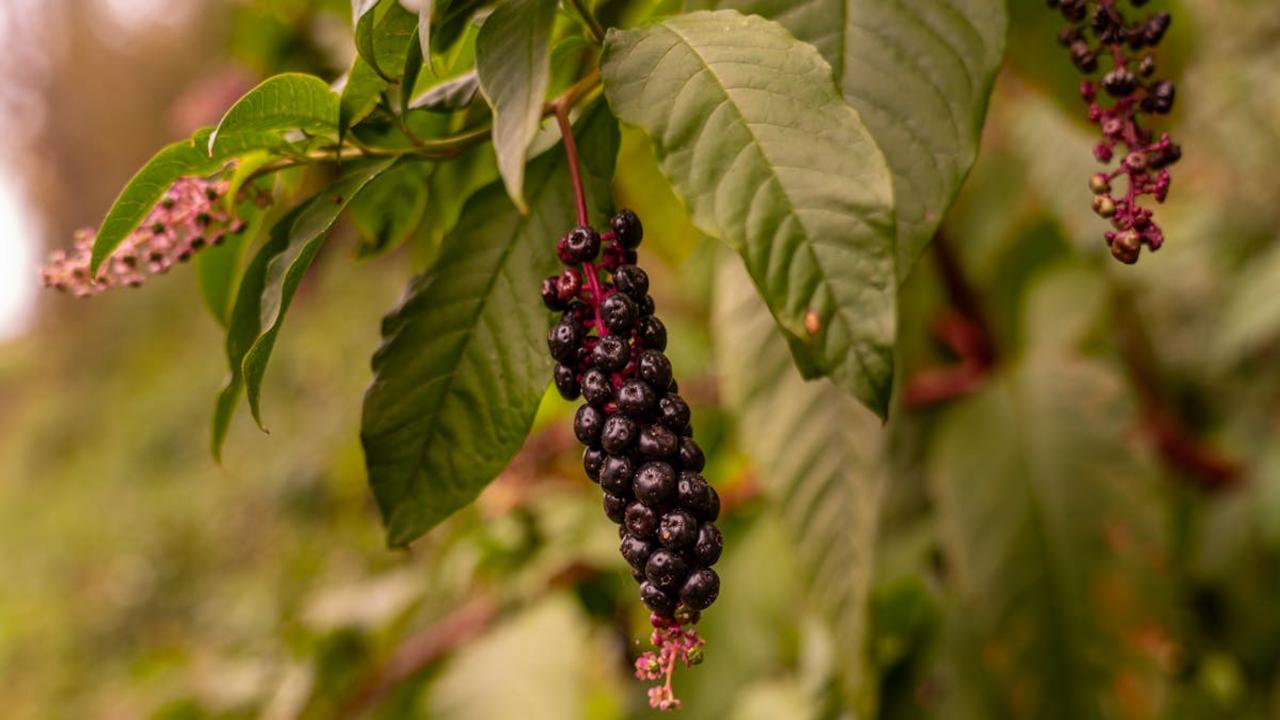
I’ll never forget the day my grandmother warned me about pokeweed during one of our walks in rural Tennessee. This common wild plant, with its dark purple berries and tall stems, looks tempting to pick and eat – but don’t let its appealing appearance fool you! Every part of the pokeweed plant contains toxic compounds that can cause severe stomach pain, breathing problems, and in extreme cases, death. While some Southern communities traditionally cook young pokeweed leaves (called “poke sallet”) after multiple boilings to remove toxins, I strongly advise against trying this without expert guidance.
You’ll often spot pokeweed growing along fences, in fields, or near disturbed soil areas. The plant stands out with its reddish stems and clusters of berries that start green and ripen to a deep purple-black. Birds can safely eat these berries, but humans cannot process the toxins they contain. Children face particular risk since they might mistake the berries for grapes or other edible fruit. If you want to learn about pokeweed identification for safety reasons, connect with local foraging experts who can show you exactly what to look for and how to avoid this dangerous plant.
Water Hemlock
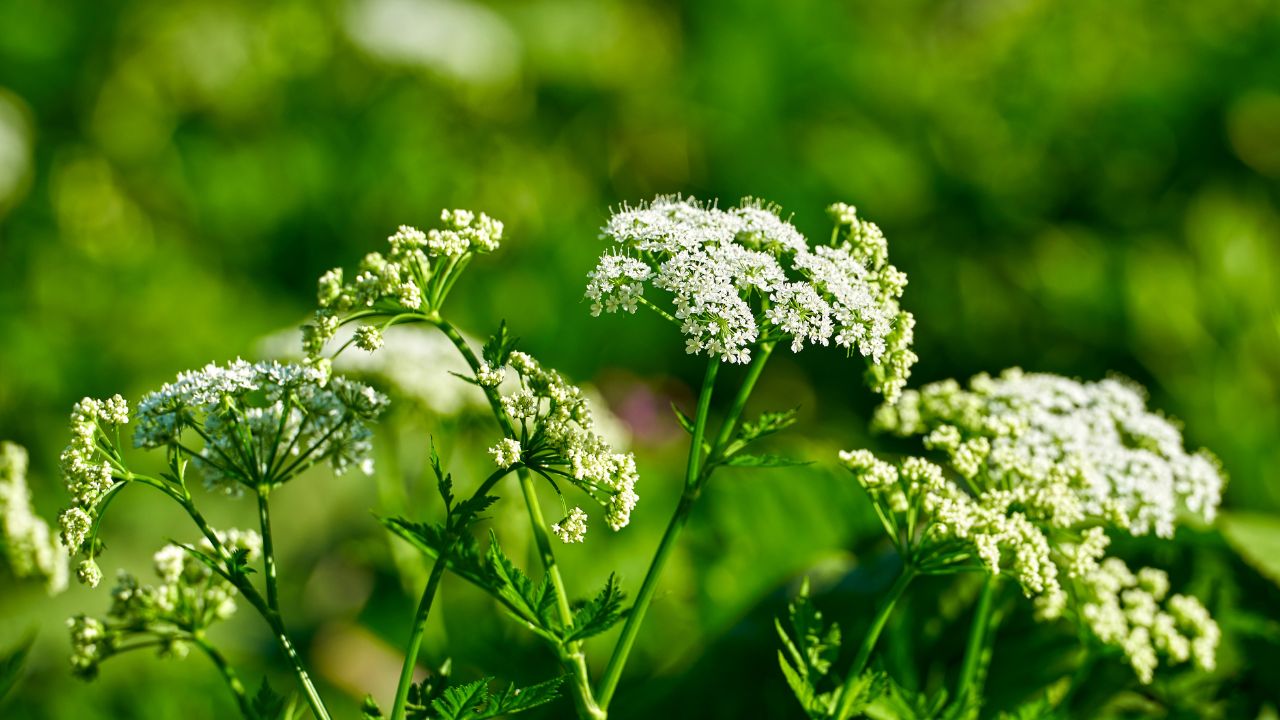
I need to warn you about water hemlock – this innocent-looking plant is actually North America’s most toxic wild plant. You’ll find it growing near streams, marshes, and wet meadows, where it looks similar to wild carrots or parsnips with its white umbrella-shaped flower clusters. But don’t let its harmless appearance fool you – eating even a small amount of water hemlock can cause violent seizures, respiratory failure, and death within hours. The roots are particularly dangerous, containing the highest concentration of deadly toxins.
While foraging for wild edibles can be rewarding, you should never gather plants that look like water hemlock without expert guidance. This poisonous plant has fooled many experienced foragers because it closely resembles edible members of the carrot family like Queen Anne’s Lace. The key differences include water hemlock’s purple-spotted hollow stems and its chambered root structure. If you spot what might be water hemlock during your outdoor adventures, keep your distance and teach your children to avoid it too. Your safety depends on positive plant identification before harvesting anything from the wild.
Wild Carrots
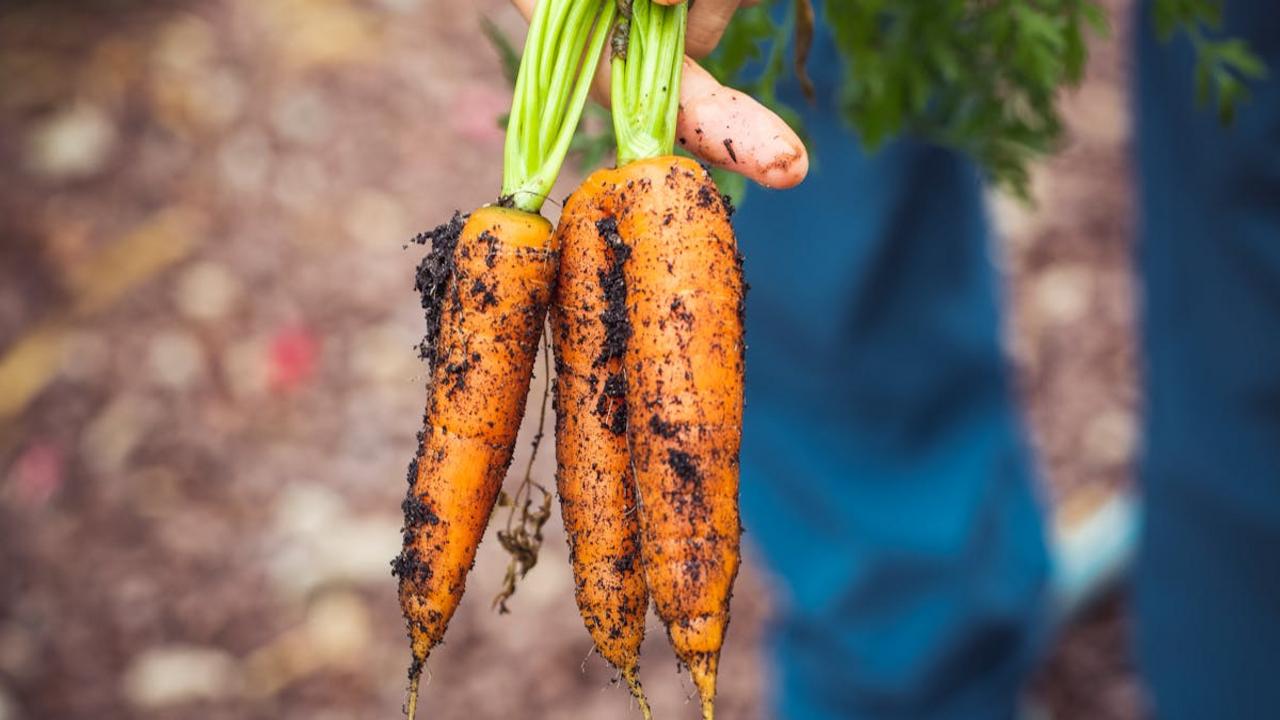
Hey there! You might spot what looks like regular carrots growing wild in fields or along paths, but I need to warn you about something important. Wild carrots, also known as Queen Anne’s Lace, have a dangerous lookalike called poison hemlock that can kill you if eaten. Even experienced foragers sometimes mix these up because they share similar white flower clusters and feathery leaves. The main difference? Wild carrots smell like, well, carrots, while hemlock has a musty odor – but please don’t rely on smell alone to identify them!
While true wild carrots are actually edible and pack more nutrients than store-bought ones, you’ll need proper training to collect them safely. The roots should only be gathered during their first year of growth when they’re tender and flavorful. I always recommend joining a local foraging group or taking classes with an expert who can show you the exact features to look for. Remember – one wrong identification could mean a trip to the emergency room, so don’t take chances with this tricky plant family.
Elderberries
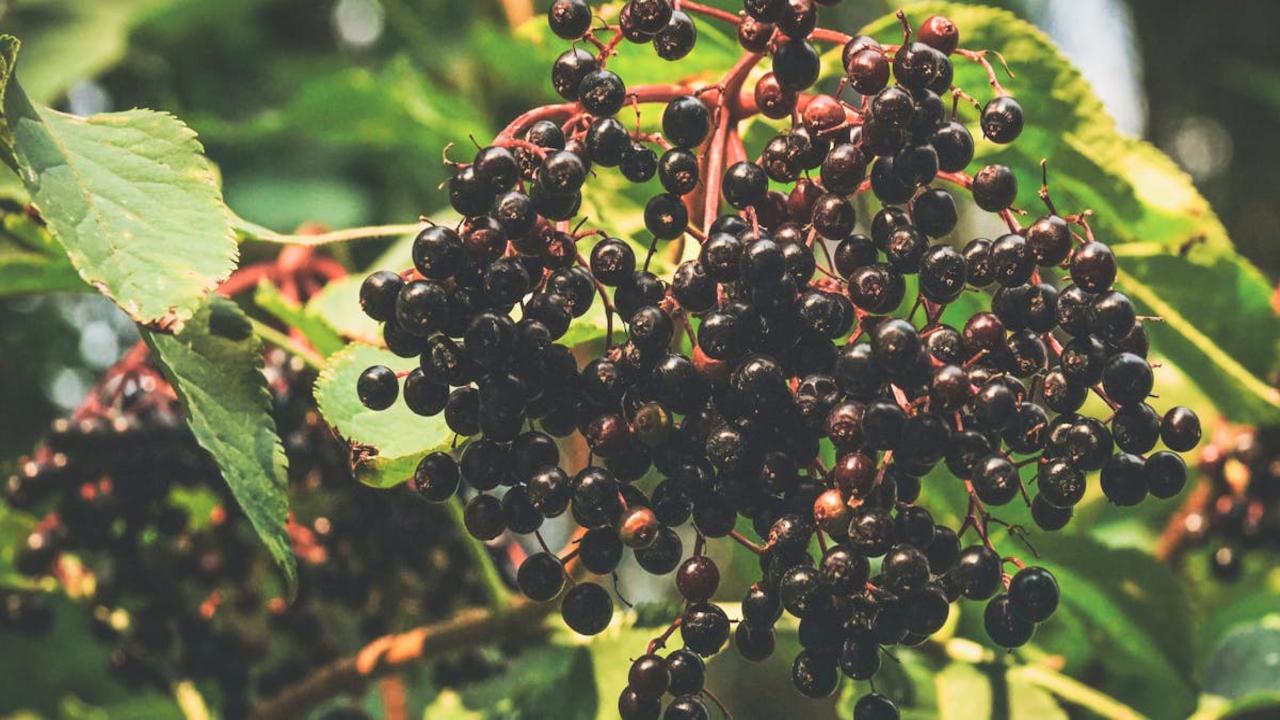
I know those clusters of deep purple elderberries look tempting on your nature walks, but you’ll need to be extra careful with these beautiful fruits! Raw elderberries contain cyanogenic glycosides – natural compounds that can make you pretty sick with nausea, vomiting, and diarrhea. The stems, leaves, and bark are even more dangerous, so you should never eat those parts. While elderberries offer amazing health benefits, you must cook them properly first to make them safe for consumption.
Here’s what you need to know before foraging elderberries: Only pick fully ripe, dark purple to black berries in late summer or early fall. Remove every bit of stem – even tiny pieces can make you ill. Always cook the berries thoroughly to neutralize the toxic compounds. If you’re new to foraging, go with an experienced guide who can help you identify true elderberry plants. Some lookalike berries like pokeweed are highly toxic. The safest option? Buy elderberry products from trusted sources until you build solid plant identification skills.
Death Cap Mushrooms
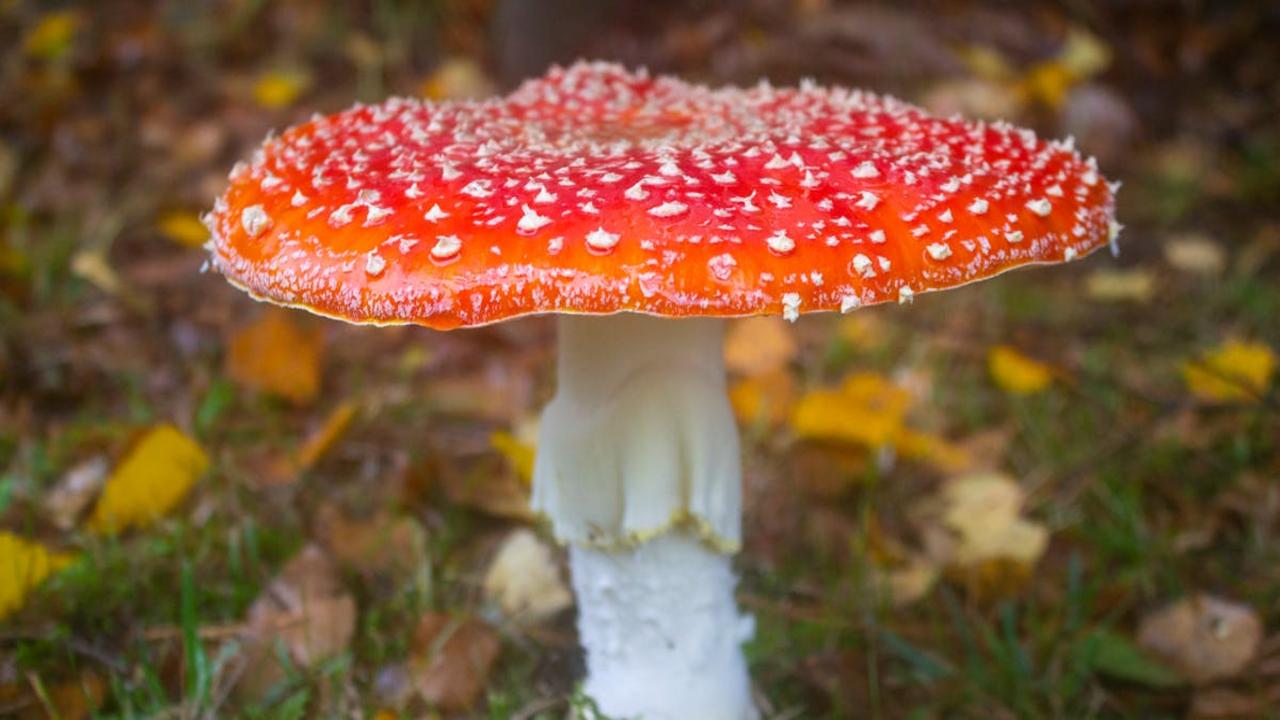
I can’t stress enough how dangerous death cap mushrooms are – they look deceptively similar to edible varieties, which makes them one of the deadliest foods you could encounter while foraging. These innocent-looking mushrooms contain powerful toxins that can cause severe liver damage within 6-12 hours of eating them. The scary part? They often grow in urban and suburban areas, popping up in parks and gardens across North America and Europe, making them a serious risk for inexperienced mushroom hunters.
You’d need expert-level knowledge to spot the differences between death caps and safe mushroom varieties. The death cap’s smooth, light green to pale yellow cap, white gills, and bulbous base with a volva (cup-like structure) can fool even seasoned foragers. If you plan to collect wild mushrooms, I strongly recommend joining a local mycological society and learning from experienced guides who can teach you proper identification. Never pick mushrooms without getting them verified by an expert – the risk just isn’t worth it.
False Morels
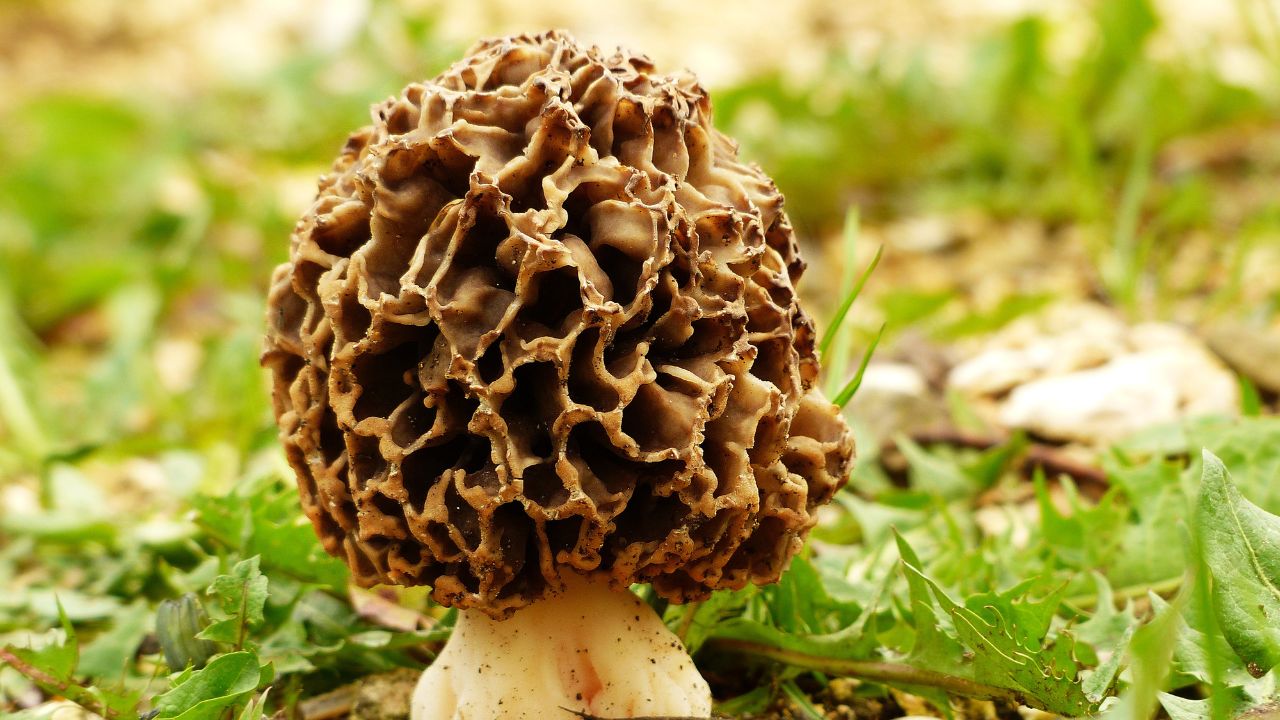
You might spot what looks like a regular morel mushroom while foraging, but watch out! False morels can trick even experienced mushroom hunters with their similar appearance to true morels. These deceptive fungi contain the toxin gyromitrin, which your body breaks down into monomethylhydrazine – the same compound found in rocket fuel! I want you to know that eating false morels can cause severe illness, including nausea, vomiting, and in rare cases, even death.
I’ve learned through my research that false morels have key differences from true morels that you need to spot. While true morels have a hollow interior from top to bottom, false morels contain a cotton-like filling inside their stems. The caps of false morels look more brain-like and irregular compared to the honeycomb pattern of true morels. If you want to go mushroom hunting, team up with an expert who can teach you these critical differences – your health depends on making the right identification!