15 Superfoods Everyone Is Talking About This Season
I’ve noticed so many amazing seasonal superfoods hitting the markets lately! My shopping basket has been filled with these nutritional powerhouses that can transform your winter meals into health-boosting delights. From vibrant cranberries to earthy celeriac, these 15 superfoods pack a serious punch of vitamins and antioxidants.
You’ll love how these ingredients can brighten up your kitchen during the colder months. Blood oranges add a gorgeous ruby hue to salads, while chestnuts bring a sweet nuttiness to holiday stuffings. Each of these foods offers unique benefits – pomegranates fight inflammation, kale strengthens your immune system, and Meyer lemons provide a gentler citrus option for your recipes.
I’m excited to guide you through these seasonal treasures! Brussels sprouts, persimmons, fennel, leeks, parsnips, black radishes, sunchokes, and cardoons might seem intimidating at first, but they’re surprisingly versatile. Add them to soups, roasts, or salads for an immediate nutrition boost. Your body will thank you for including these seasonal gems in your meals.
Cardoons

You know what’s been catching my eye at the farmers market lately? Cardoons! These magnificent silver-green stalks look like giant celery on steroids, but they’re actually close relatives of artichokes. I’ve been experimenting with them in my kitchen, and honestly, they’ve become one of my favorite winter vegetables. Cardoons pack a serious nutritional punch with high levels of fiber, potassium, and antioxidants that support heart health and digestion. Plus, they contain cynarin, the same compound found in artichokes that helps liver function and may even lower cholesterol.
Now, I won’t lie – cardoons require a bit more prep work than your average vegetable, but trust me, the results are worth every minute. You’ll need to trim away those tough outer stalks and remove the stringy bits, just like you would with celery, then blanch them to tame their natural bitterness. Once prepared, cardoons transform into something magical. I love braising them with garlic and herbs, or coating them in a light batter and frying them Italian-style. Their flavor sits somewhere between artichoke and celery, with a subtle nuttiness that pairs beautifully with Mediterranean seasonings. Give them a try this season – your taste buds will thank you!
Meyer Lemons
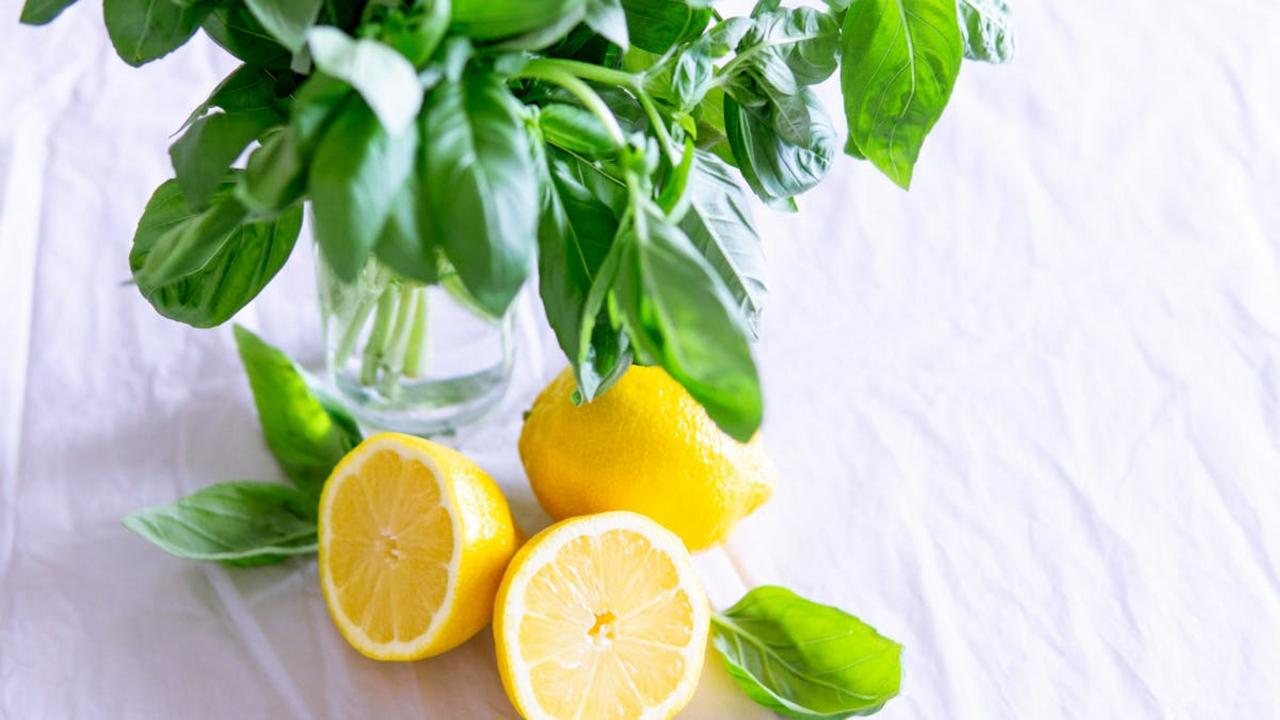
Meyer lemons bring a sweet, floral brightness that transforms ordinary dishes into something special. These gorgeous golden gems offer a perfect balance of tartness and subtle sweetness that regular lemons simply can’t match. I love how their thin, edible skin makes them incredibly versatile – you can zest them generously without worrying about bitter pith. Their juice adds a gentle acidity that brightens everything from roasted vegetables to homemade vinaigrettes, while their fragrant oils infuse desserts with an almost perfume-like quality that makes your kitchen smell absolutely divine.
Beyond their incredible flavor, Meyer lemons pack serious nutritional benefits that make them worthy of superfood status. They’re loaded with vitamin C, which supports your immune system, plus they contain powerful antioxidants that help fight inflammation. I particularly appreciate how their natural pectin content makes them perfect for homemade preserves and marmalades without needing additional thickeners. Try adding Meyer lemon slices to your morning water, using their zest in yogurt parfaits, or incorporating them into grain bowls for a bright pop of flavor. Their versatility means you can enjoy their benefits in both sweet and savory applications year-round.
Chestnuts

You know what’s been making a serious comeback on my grocery list? Chestnuts! These little golden gems are having their moment, and honestly, it’s about time. Unlike other nuts that pack heavy fats, chestnuts bring you complex carbohydrates that fuel your body beautifully. They’re loaded with vitamin C – more than most citrus fruits – plus folate, potassium, and fiber that keeps your digestive system happy. I love how they taste naturally sweet and creamy, almost like a cross between a sweet potato and a regular potato.
The best part about chestnuts? They’re incredibly versatile in your kitchen adventures. You can roast them for a cozy snack that fills your home with the most amazing aroma, or toss them into soups and stews for extra heartiness. I’ve been adding chopped chestnuts to my stuffing recipes, and they bring this wonderful nutty sweetness that everyone raves about. Try them in grain bowls, blend them into creamy soups, or even make chestnut flour for gluten-free baking. Trust me, once you start cooking with these beauties, you’ll wonder why you waited so long to give them a try.
Sunchokes
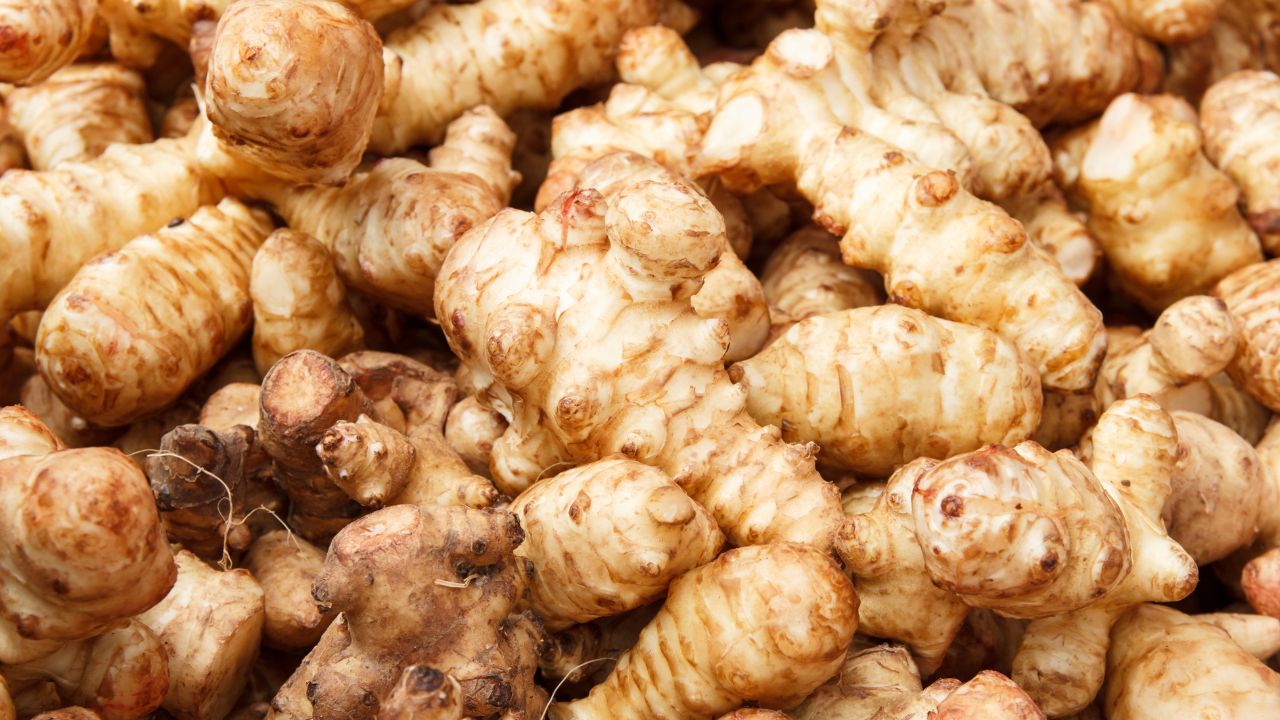
You know those knobby, potato-like tubers that look a bit alien in the produce section? Those are sunchokes, and trust me, they’re about to become your new favorite ingredient! Also called Jerusalem artichokes (though they’re neither from Jerusalem nor related to artichokes), these crispy, sweet vegetables pack a nutritional punch that’s hard to ignore. Rich in inulin, a prebiotic fiber that feeds your gut’s good bacteria, sunchokes support digestive health while delivering a satisfying crunch. They’re also loaded with potassium, iron, and vitamin C, making them a powerhouse addition to your winter meals.
What I love most about sunchokes is their incredible versatility in the kitchen. You can roast them until they’re caramelized and tender, slice them thin for chips, or even eat them raw in salads where they add a delightful water chestnut-like texture. Their naturally nutty, slightly sweet flavor pairs beautifully with herbs like thyme and rosemary. Just remember to start with smaller portions since the inulin can cause digestive discomfort for some people initially. Once your system adjusts, you’ll wonder why you waited so long to try these underground gems that taste like a cross between a potato and a sunflower seed.
Black Radishes
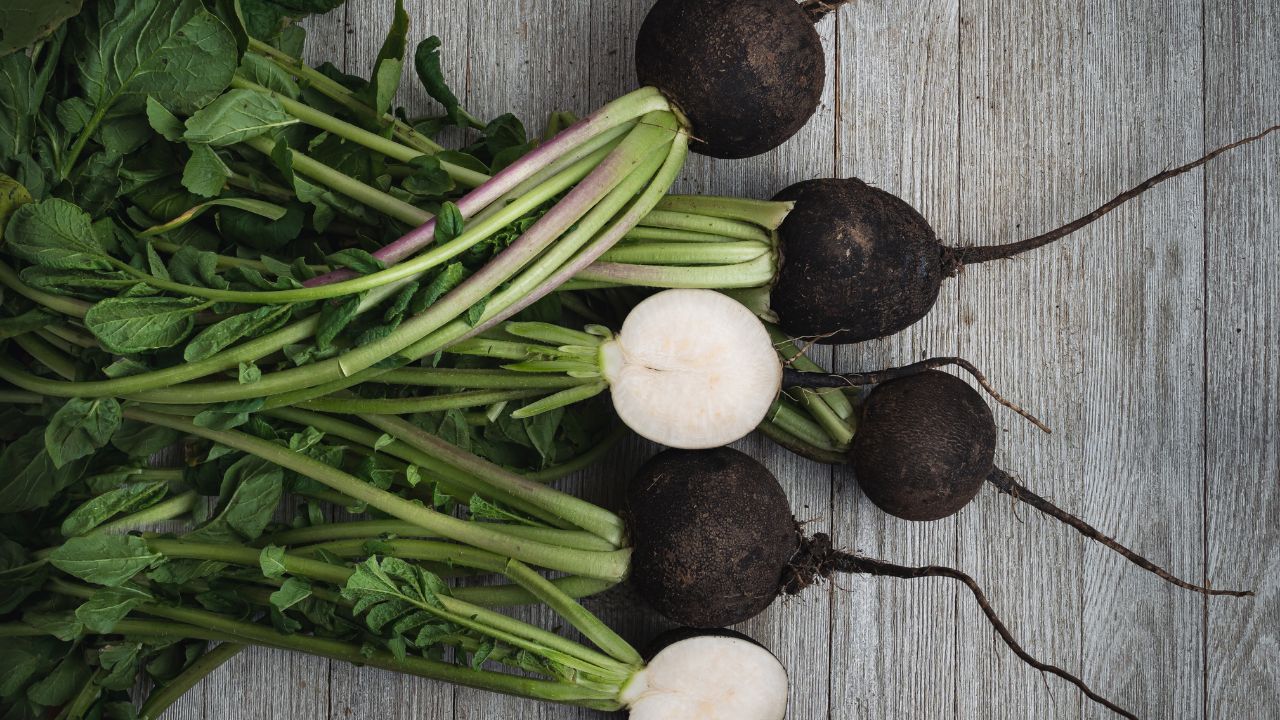
You know what’s been showing up everywhere in my kitchen lately? Black radishes! These gorgeous, dark-skinned beauties might look intimidating at first glance, but they’re absolutely worth getting to know. Unlike their smaller, milder cousins, black radishes pack a serious punch of flavor – think horseradish meets turnip with a delightfully peppery kick that wakes up your whole palate. I’ve been grating them fresh into salads for an instant flavor boost, and honestly, they transform even the most basic greens into something spectacular.
What really gets me excited about black radishes is their incredible nutritional profile. These powerhouses contain high levels of vitamin C, potassium, and natural compounds that support liver function and digestion. I love roasting them with a drizzle of olive oil and herbs – the cooking process mellows their intensity while bringing out a sweet, earthy flavor that pairs beautifully with roasted meats or hearty grain bowls. Try pickling thin slices for a tangy condiment that adds brightness to sandwiches and grain dishes. Trust me, once you start cooking with black radishes, you’ll wonder how you ever lived without their bold, distinctive character in your meals.
Blood Oranges
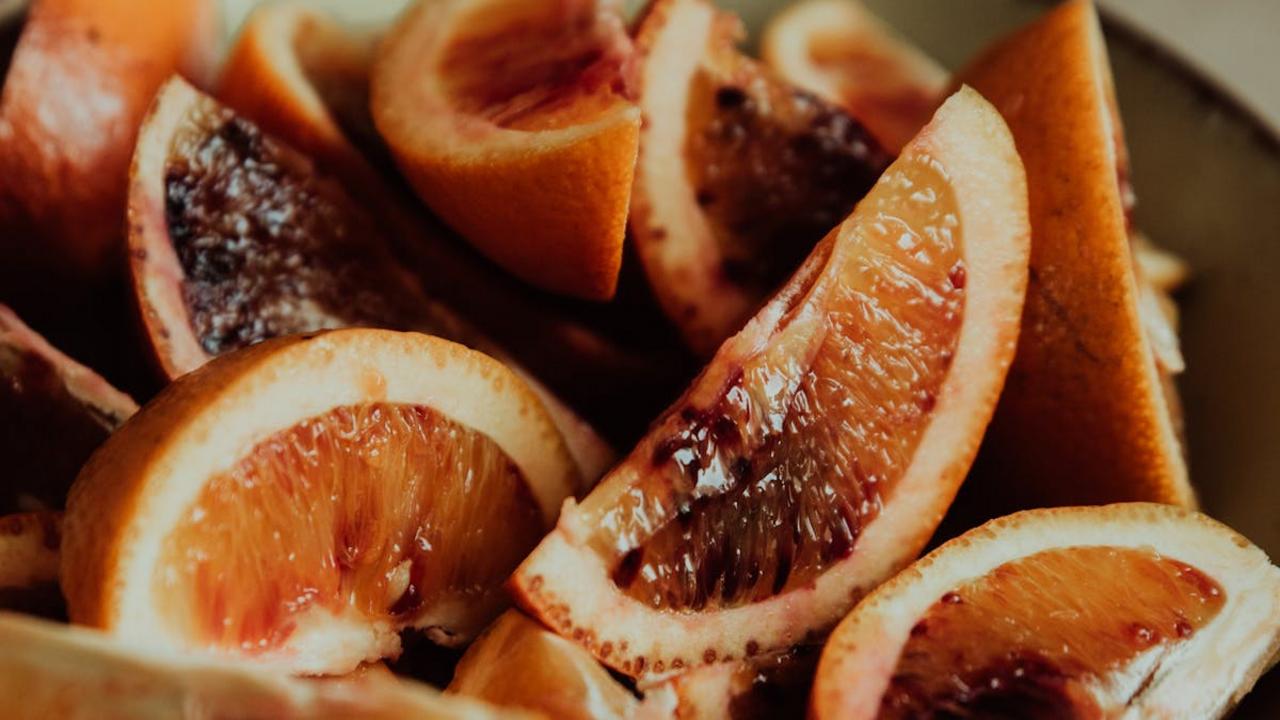
These gorgeous crimson-fleshed citrus fruits bring so much more than just stunning looks to your winter table! Blood oranges pack nearly double the vitamin C of regular oranges, plus they’re loaded with anthocyanins – the same powerful antioxidants that give blueberries their superfood status. I love how their sweet-tart flavor has hints of raspberry and cherry, making them perfect for both savory dishes and desserts. You can easily swap them into any recipe calling for regular oranges, but trust me, once you try their complex flavor profile, you’ll never want to go back.
The best part about blood oranges? They’re incredibly versatile in the kitchen. I toss segments into winter salads with arugula and goat cheese, or squeeze them fresh for the most beautiful pink juice you’ve ever seen. Their natural sweetness pairs wonderfully with dark chocolate, and I often use their zest in marinades for chicken or fish. Since they’re only in season from December through April, I make sure to stock up and enjoy them while they’re at their peak. Plus, that gorgeous color adds such a fun pop to any dish – your Instagram followers will definitely be impressed!
Celeriac
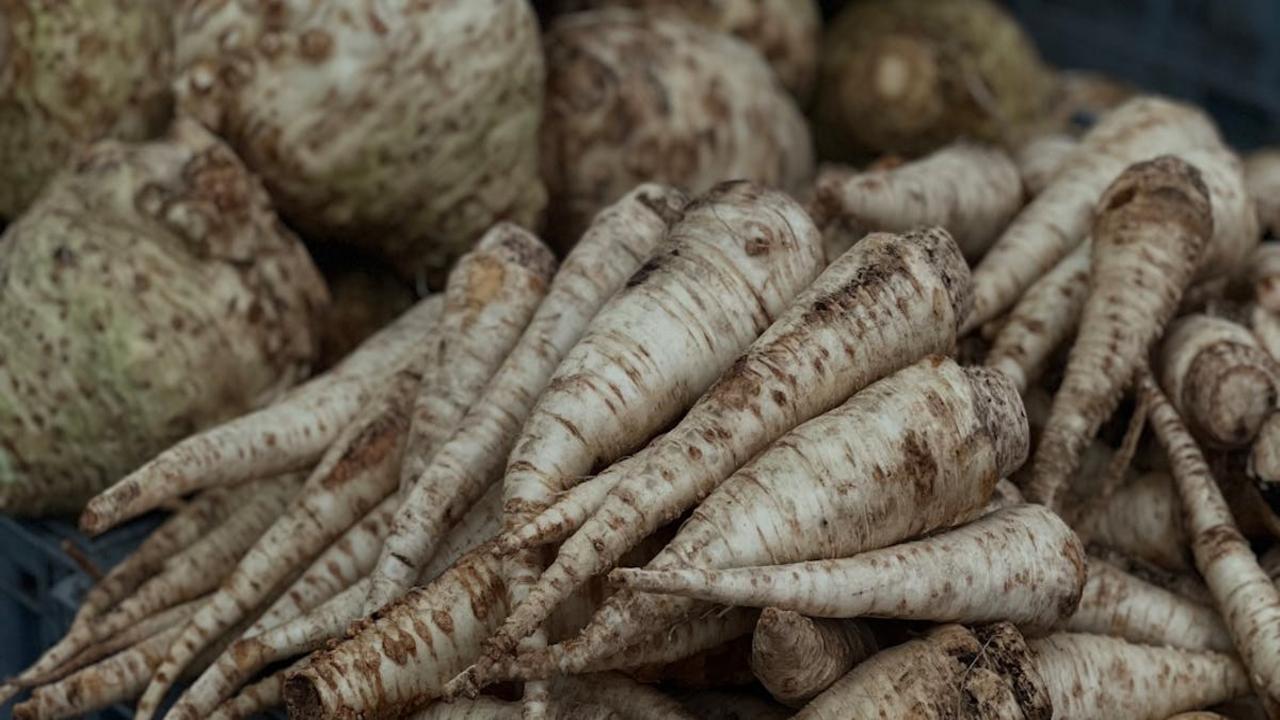
You know that gnarly, weird-looking root vegetable sitting in the produce section that you’ve been curious about but never quite brave enough to try? That’s celeriac, and I’m here to convince you it deserves a spot in your shopping cart! This bumpy, beige beauty might not win any beauty contests, but once you peel away that rough exterior, you’ll discover creamy white flesh that tastes like a magical cross between celery and potato. Celeriac brings such a unique, mild flavor to your dishes – it’s earthy yet fresh, with just a hint of that familiar celery taste without any of the stringiness.
What makes celeriac truly special is its incredible versatility in your kitchen. You can mash it up as a lower-carb alternative to potatoes, roast it until it gets all caramelized and sweet, or even eat it raw in salads where it adds this amazing crunch. I love making celeriac soup – it becomes so silky and rich, you won’t believe something so humble can taste so elegant. Plus, this powerhouse root is packed with vitamin K, phosphorus, and vitamin C, making it a nutritional win for your body. Trust me, once you start cooking with celeriac, you’ll wonder why you waited so long to bring this incredible ingredient into your life!
Parsnips
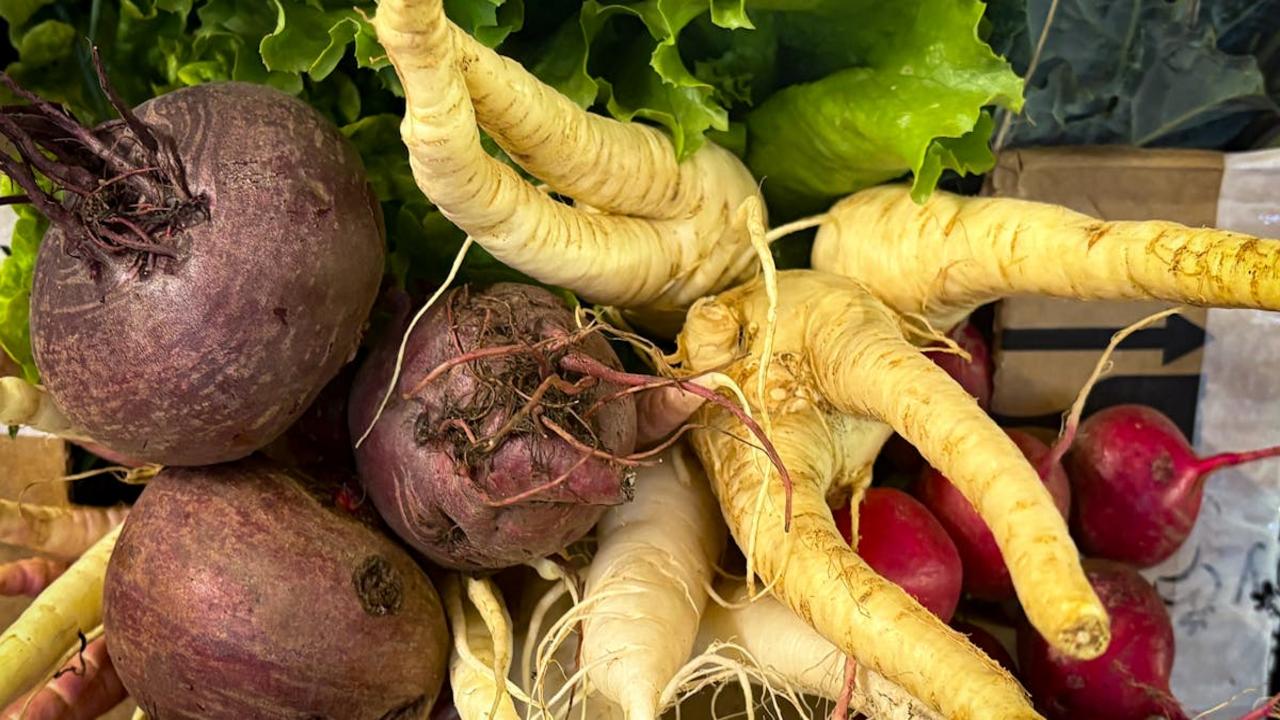
You know that creamy, sweet vegetable that looks like a pale carrot? That’s your new winter superhero right there! Parsnips pack an incredible nutritional punch with their high fiber content, potassium, and vitamin C. These root vegetables become incredibly sweet when roasted, developing caramel-like notes that make them absolutely irresistible. I love how they transform from tough and starchy to tender and almost dessert-like when you give them some heat.
The best part about parsnips? They’re incredibly versatile in your kitchen. Mash them up as a creamy alternative to potatoes, roast them with herbs and olive oil for a gorgeous side dish, or blend them into soups for natural sweetness and body. Their earthy flavor pairs beautifully with thyme, rosemary, and even a drizzle of honey. Plus, they store wonderfully throughout the cold months, making them a reliable pantry staple that keeps your meals interesting and nutritious all season long.
Leeks
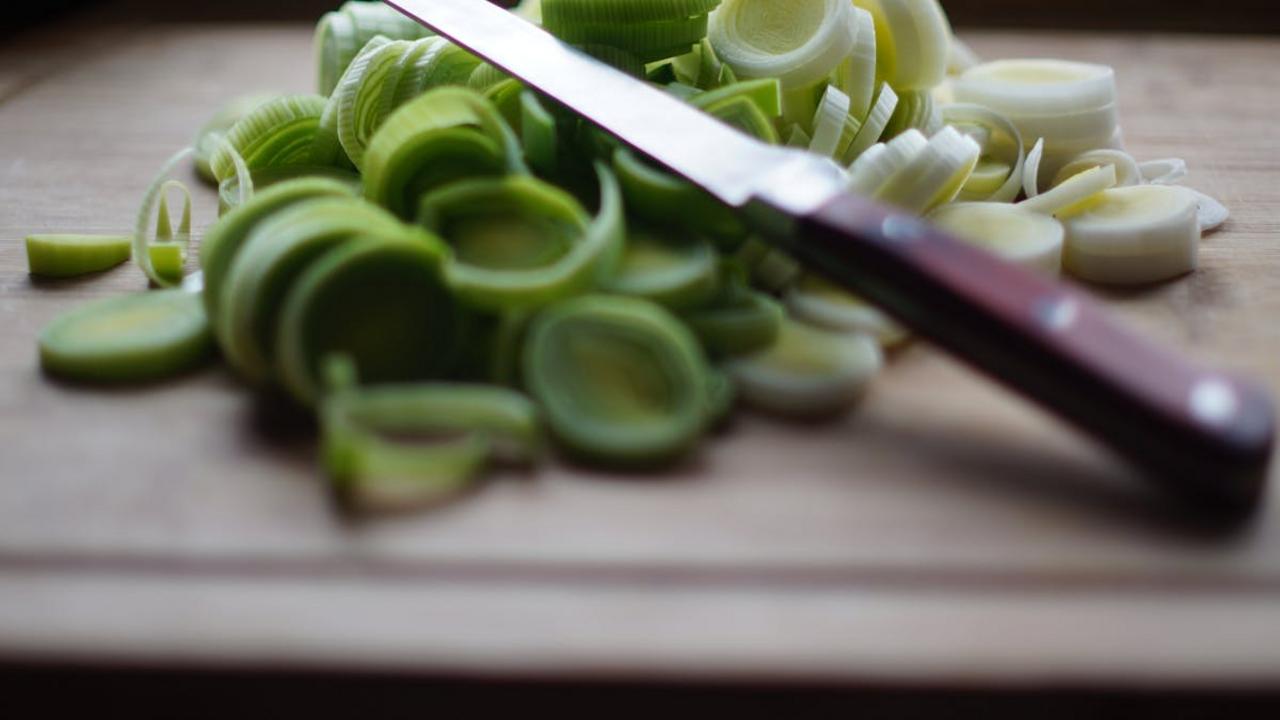
Leeks bring such a sophisticated yet approachable flavor to your kitchen that you’ll wonder why you haven’t been cooking with them more often! These gorgeous green and white vegetables belong to the same family as onions and garlic, but they offer something completely different – a mild, sweet taste that works beautifully in everything from soups to quiches. I love how leeks add depth without overwhelming other ingredients, making them perfect for both beginners and experienced home cooks who want to create something special.
You’ll find leeks incredibly versatile in your seasonal cooking adventures. Try braising them with a splash of white wine and fresh herbs for an elegant side dish, or slice them thin and add to your favorite potato gratin for extra richness. Don’t toss those dark green tops either – they make fantastic stock! Leeks shine brightest in fall and winter dishes, bringing comfort and nutrition to your table. They’re packed with vitamins A, C, and K, plus they contain compounds that support heart health. Clean them thoroughly by slicing lengthwise and rinsing between the layers, and you’ll have a beautiful ingredient ready to transform your everyday meals.
Fennel
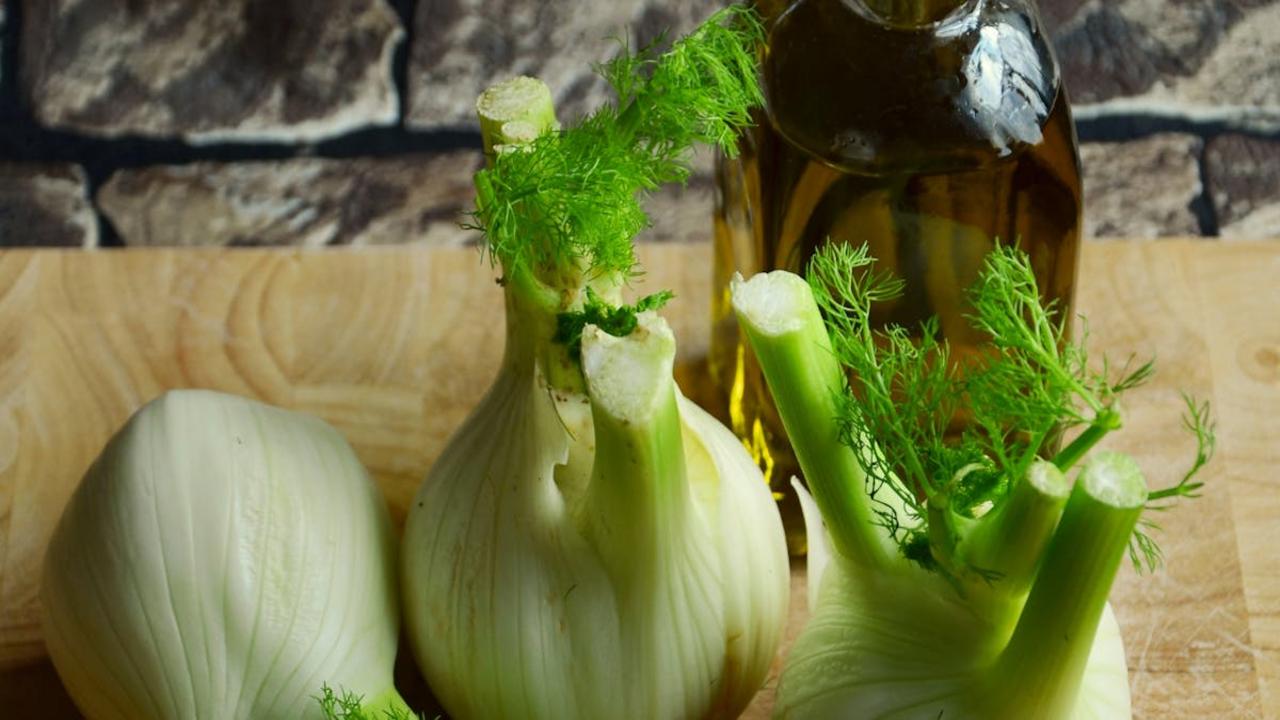
Meet fennel – the crunchy, aromatic vegetable that’s been quietly winning hearts in kitchens everywhere! This bulbous beauty brings a sweet, licorice-like flavor that transforms ordinary dishes into something special. You can slice the bulb raw for salads, roast it until caramelized, or sauté it as a perfect side dish. The feathery fronds make gorgeous garnishes, while the seeds work magic in spice blends. I love how versatile fennel is – it pairs beautifully with citrus, pairs wonderfully with fish, and adds unexpected depth to grain bowls.
Beyond its incredible flavor, fennel packs serious nutritional power that makes it a true superfood star. This Mediterranean gem contains high levels of vitamin C, potassium, and fiber, plus beneficial compounds that support digestive health. The natural oils in fennel have anti-inflammatory properties, and many people find it helps with bloating and stomach discomfort. Try roasting fennel wedges with olive oil and lemon, or adding thin slices to your next salad for a refreshing crunch. Once you start cooking with fennel, you’ll wonder how you lived without this fragrant, healthful vegetable in your regular rotation!
Persimmons
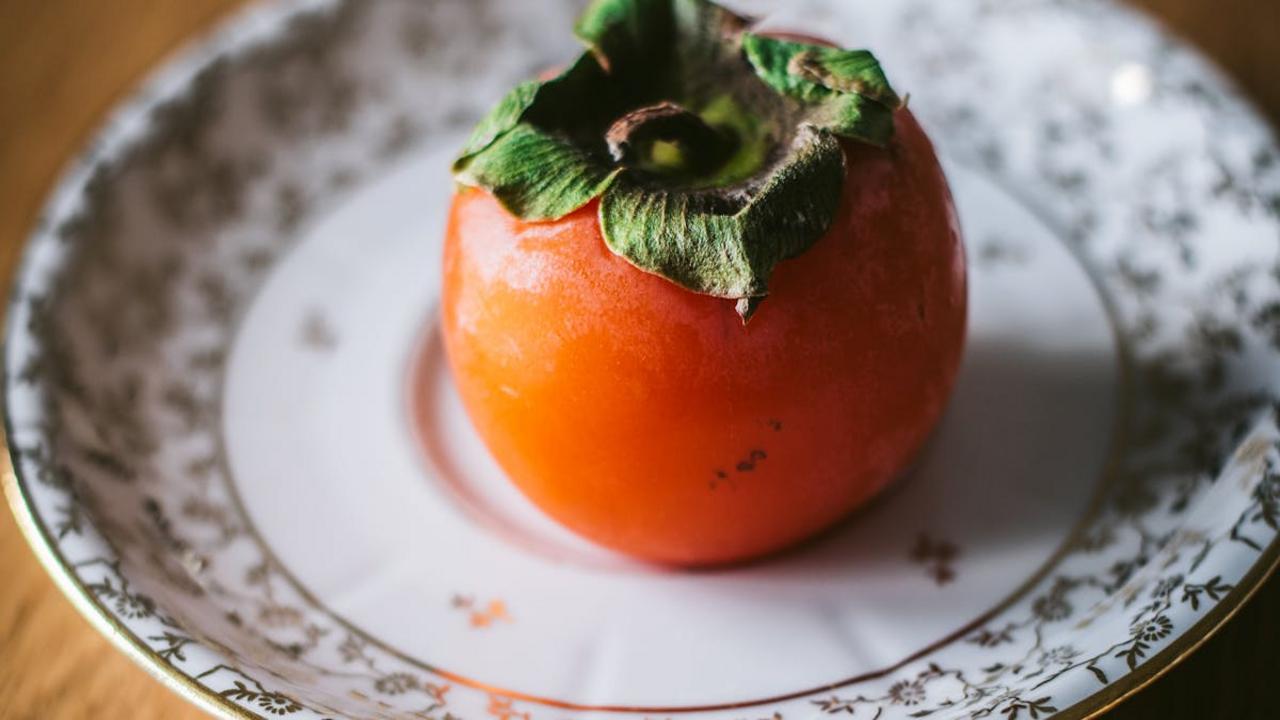
You know what makes my heart sing this season? Biting into a perfectly ripe persimmon! These gorgeous orange globes pack more sweetness than nature seems to allow, and they’re absolutely loaded with vitamin A, fiber, and antioxidants. I love how versatile they are – you can slice them into salads for a honey-like burst of flavor, or bake them into muffins that’ll make your kitchen smell like autumn magic. The two main varieties you’ll find are Fuyu (crisp and can be eaten while firm) and Hachiya (soft and custard-like when ripe).
Here’s my favorite way to enjoy persimmons: slice them thin and add them to your morning yogurt or oatmeal for natural sweetness that beats any processed sugar. They’re also incredible in smoothies, giving you that creamy texture without any dairy needed. Don’t sleep on their nutritional power either – these beauties support your immune system and give your skin that healthy glow we all want. Pro tip: if you buy Hachiya persimmons, let them get super soft before eating, or you’ll get that mouth-puckering astringent taste that nobody wants!
Brussels Sprouts
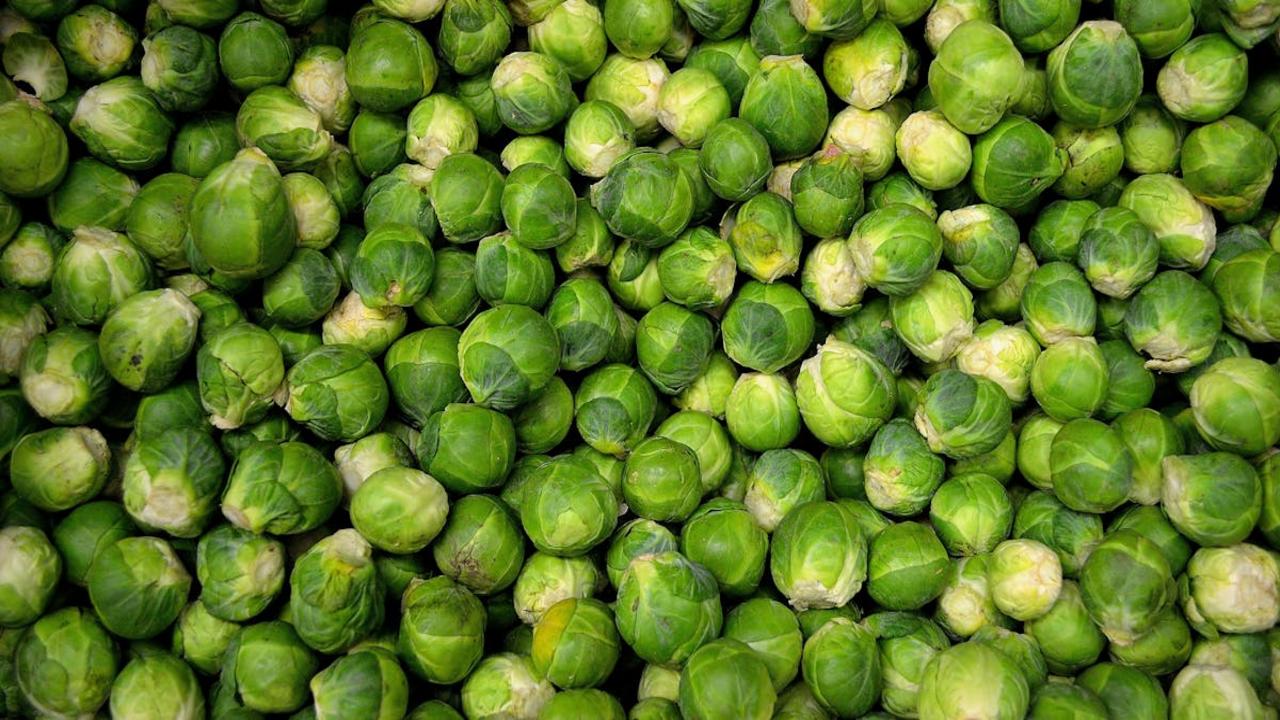
Brussels sprouts have completely transformed from the dreaded vegetable of childhood dinners to one of the most celebrated superfoods on restaurant menus and home tables everywhere. These mini cabbage-like powerhouses pack an incredible nutritional punch that makes them absolutely worth adding to your weekly meal rotation. Rich in vitamin K, vitamin C, and folate, brussels sprouts support bone health, boost your immune system, and help your body produce healthy red blood cells. They’re also loaded with fiber and antioxidants that work together to reduce inflammation and support digestive health.
The secret to making brussels sprouts irresistible lies in how you prepare them – forget those mushy, overcooked versions from years past! Try roasting them with a drizzle of olive oil and a sprinkle of sea salt until they develop crispy, caramelized edges that bring out their natural sweetness. You can also shred them raw into salads for a fresh, crunchy texture, or sauté them with garlic and bacon for a savory side dish that even the pickiest eaters will enjoy. Their versatility means you can incorporate them into everything from grain bowls to pasta dishes, making it easy to get those incredible health benefits while actually enjoying every bite.
Kale
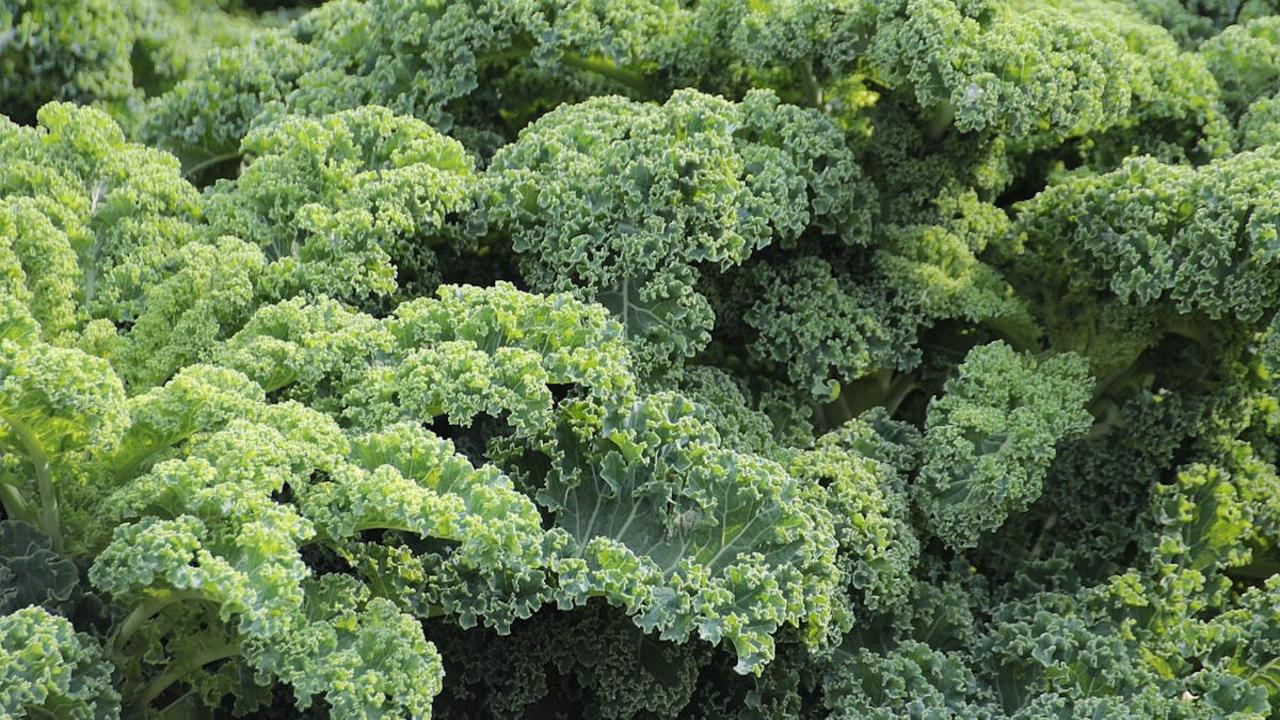
You know that leafy green everyone keeps raving about? Kale absolutely deserves all the praise it gets! This nutrient-dense powerhouse packs more vitamin K than you need in a day, plus loads of vitamin C, folate, and antioxidants that help your body fight inflammation. What makes kale truly special is its versatility – you can massage those sturdy leaves with olive oil and lemon for a raw salad that actually gets better as it sits, or throw it into smoothies where its mild flavor disappears completely behind sweet fruits.
Don’t let kale’s tough reputation scare you away from experimenting with it in your kitchen. The secret lies in knowing how to treat different varieties – baby kale works perfectly in salads straight from the bag, while mature curly kale transforms beautifully when you remove the thick stems and give it a quick sauté with garlic. Try roasting kale chips with just a drizzle of olive oil and sea salt for a crunchy snack that rivals any store-bought version, or add chopped kale to soups during the last few minutes of cooking for extra nutrition without overwhelming bitterness.
Pomegranates
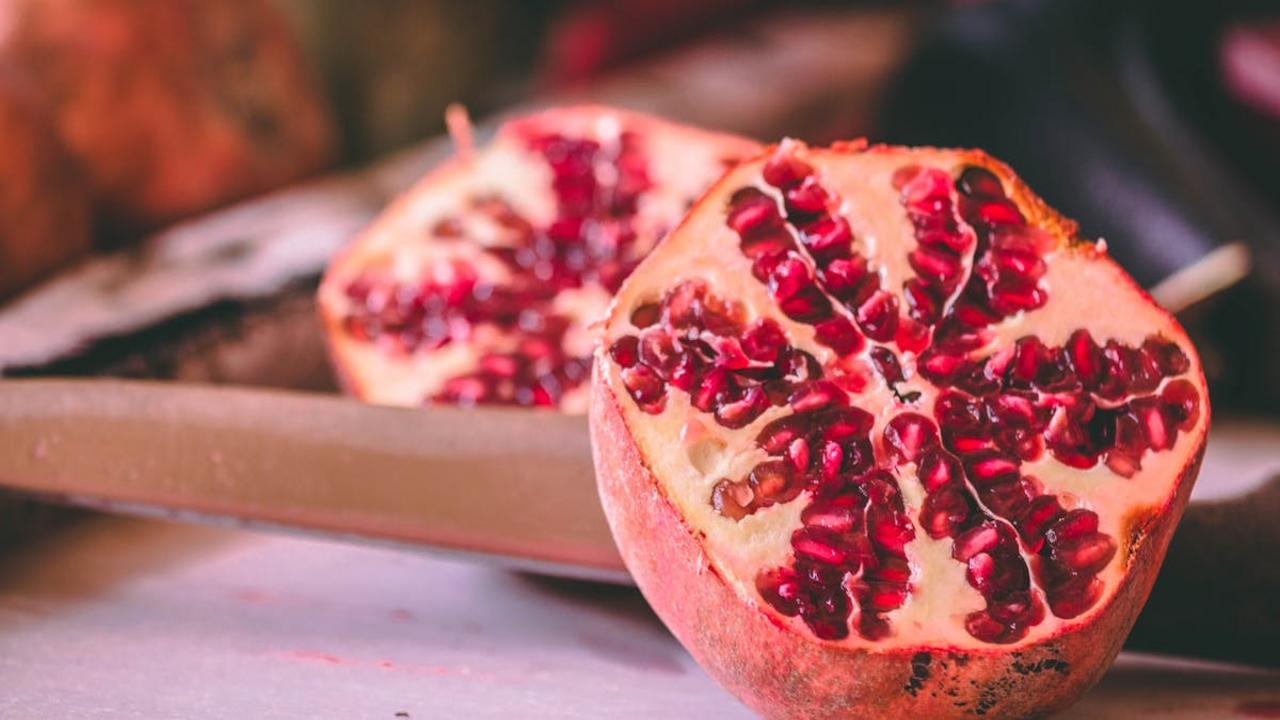
You know that feeling when you crack open a pomegranate and those ruby-red seeds practically sparkle at you? That’s nature’s way of showing off one of her most impressive nutritional powerhouses. Pomegranates pack more antioxidants than green tea and red wine combined, making them your immune system’s best friend during cold season. These jewel-like seeds contain punicalagins and anthocyanins – fancy names for compounds that fight inflammation and protect your heart. Plus, they’re loaded with vitamin C, fiber, and folate, so you’re getting a serious nutritional bang for your buck.
The best part about pomegranates? They make everything feel fancy without any fuss. Sprinkle those gorgeous seeds over your morning yogurt, toss them into salads for a sweet-tart crunch, or blend them into smoothies for a vibrant color boost. I love keeping a bowl of pomegranate seeds in my fridge – they’re like nature’s candy that actually loves you back. You can even freeze them in ice cube trays with a little water for the prettiest drink garnish ever. Don’t worry about the mess factor; just cut the pomegranate underwater in a large bowl, and the seeds will sink while the white pith floats. Your kitchen stays clean, and you get to enjoy every single antioxidant-rich seed.
Cranberries
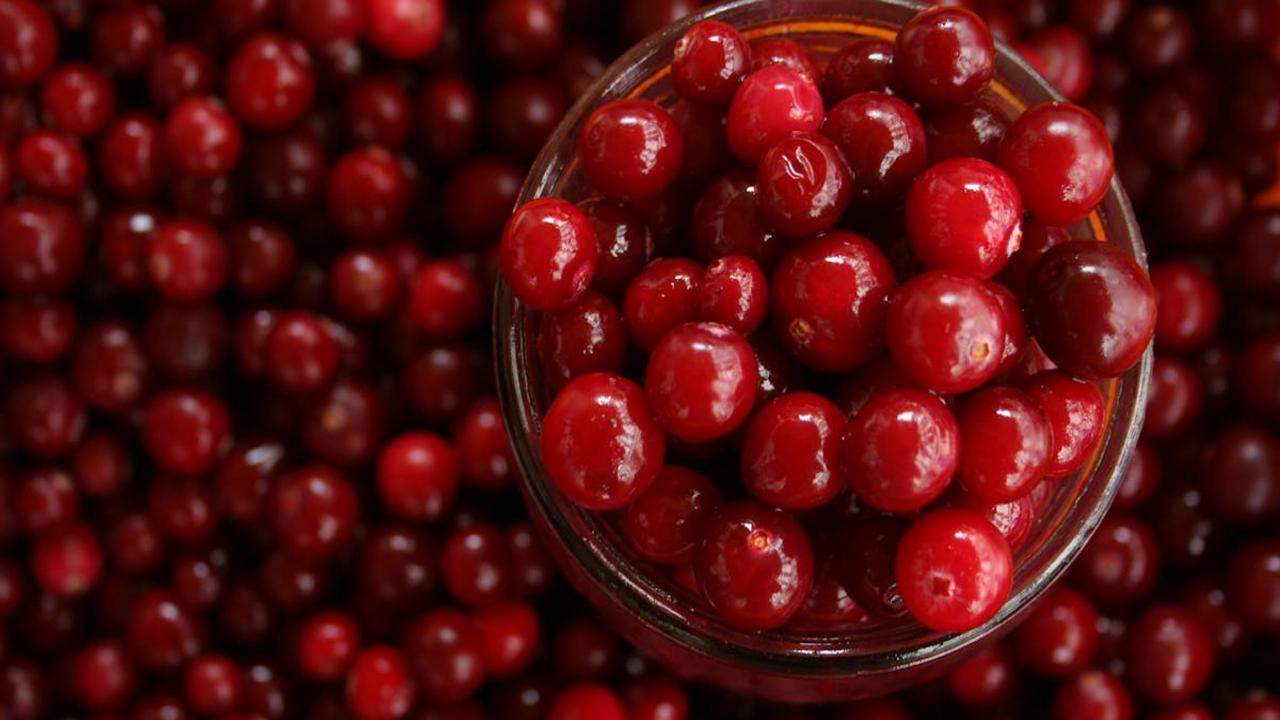
Cranberries bring such a beautiful burst of tart sweetness to your table, and I can’t get enough of their vibrant ruby color! These little powerhouses pack serious nutritional punch with their high vitamin C content and antioxidants that support your immune system. You’ll find cranberries particularly helpful during cold season, as they contain compounds that may help prevent urinary tract infections. Fresh cranberries have this wonderful pop when you bite them, while dried versions offer concentrated flavor that works beautifully in both sweet and savory dishes.
I love adding fresh cranberries to my morning oatmeal or tossing them into salads for that unexpected tangy kick. They pair wonderfully with oranges, walnuts, and even turkey – making them perfect for holiday meals or everyday cooking. Try simmering them with a touch of honey and orange zest for a simple sauce that transforms plain yogurt or roasted meats. You can also freeze bags of fresh cranberries when they’re in season, so you’ll have them ready for smoothies, muffins, or homemade granola throughout the year. Their natural tartness means a little goes a long way in adding complexity to your favorite recipes.