12 Bucket List Foods to Savor Before You Turn 40
Life’s too short for boring meals! Before your 40th birthday rolls around, give your kitchen a wild makeover with these 12 under-the-radar foods. From the stinky-but-addictive natto (fermented soybeans that Japanese breakfast lovers can’t live without) to the mind-blowing “chocolate pudding fruit” black sapote, these ingredients will revolutionize your dinner table.
You’ve probably walked past jackfruit (that massive spiky thing) and pomelo (citrus on steroids) at the grocery store without a second glance. Maybe you’ve heard whispers about black garlic’s molasses-like flavor or finger limes’ tiny bursting “citrus caviar” pearls. Each food on this list delivers something extraordinary – unexpected textures, surprising flavor combinations, and conversation-starting dinner party fodder.
Consider this your food bucket list permission slip. Teff might become your new favorite grain. Sunchokes could replace your potato addiction. Perilla leaves might transform your salad game forever. These 12 ingredients aren’t just food – they’re edible adventures waiting in produce aisles and international markets near you.
Black Sapote
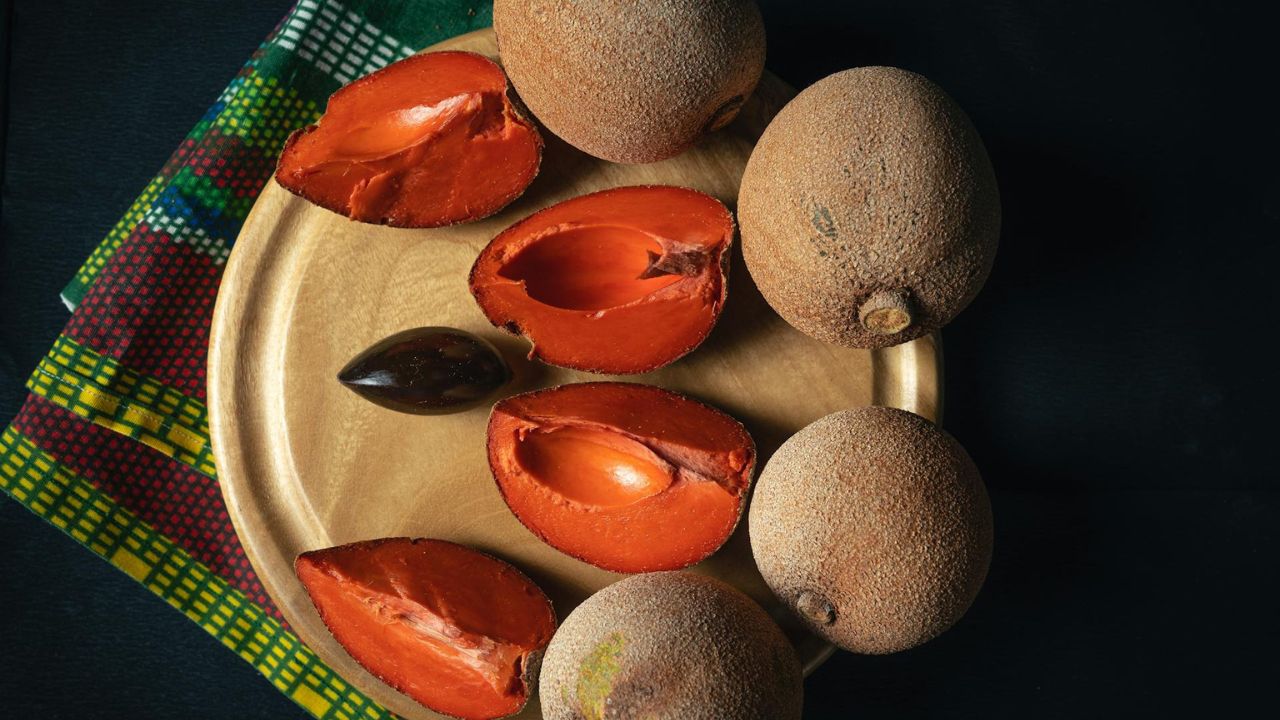
Meet the black sapote, nature’s most convincing chocolate impersonator! This Mexican native fruit looks like a green tomato on the outside, but slice it open when perfectly ripe, and you’ll discover a dark, creamy interior that tastes remarkably like chocolate pudding. Seriously, I’m not making this up – the Aztecs called it the “chocolate pudding fruit” for good reason. The texture is so spot-on that you could probably fool your kids into thinking they’re eating dessert when they’re actually getting a vitamin-packed treat. Just don’t tell them until after they’ve cleaned their plates!
Finding black sapote outside of tropical regions can feel like hunting for treasure, but specialty grocery stores and online retailers occasionally stock this magical fruit. You’ll know it’s ready when the skin yields slightly to pressure – think perfectly ripe avocado vibes. Blend it with a splash of vanilla and honey for an instant mousse, or eat it straight from the skin with a spoon like the world’s healthiest chocolate pudding. Pro tip: these beauties pack more vitamin C than oranges, so you can literally have your chocolate and eat it too. Once you discover this fruit, regular pudding will never quite measure up to nature’s original recipe.
Pomelo
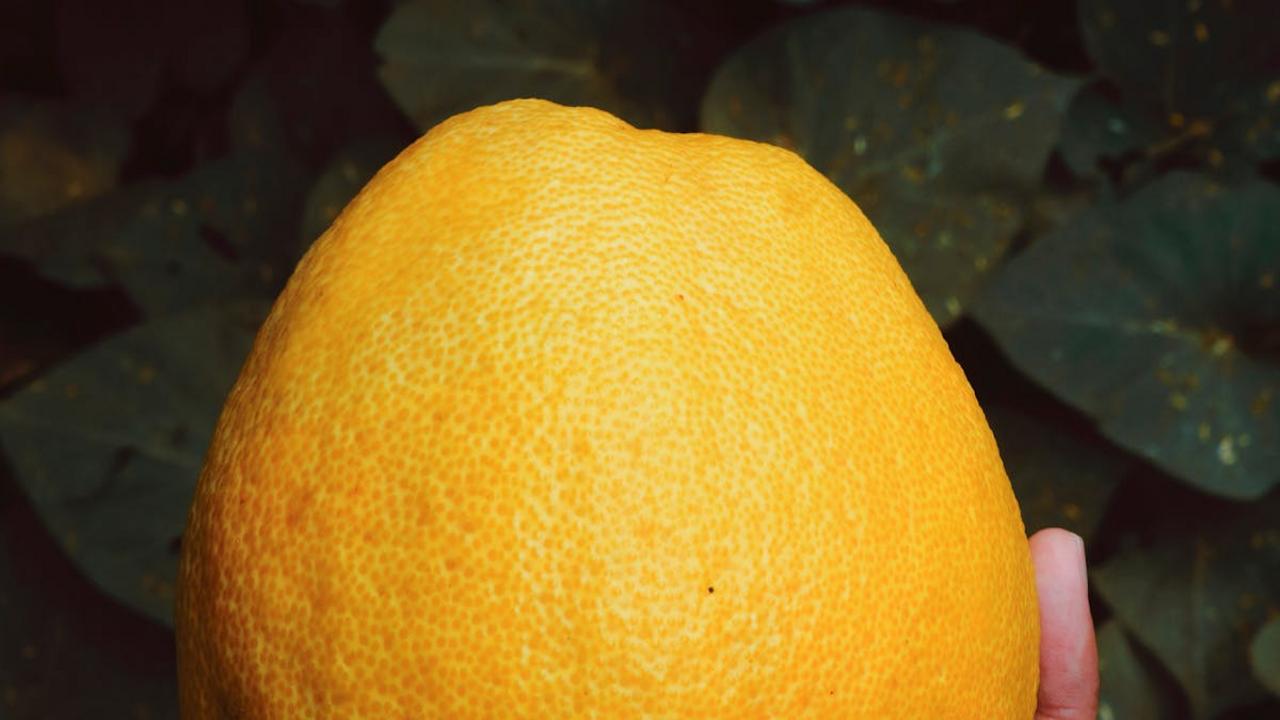
Picture this: you’re wandering through an Asian market, minding your own business, when suddenly you spot what looks like a grapefruit that hit the gym and got absolutely jacked. That, my friend, is a pomelo – the gentle giant of the citrus world. This beautiful beast can weigh up to four pounds and makes regular grapefruits look like they’ve been on a crash diet. Originally from Southeast Asia, the pomelo has been making people happy for over 4,000 years, which is longer than most Hollywood marriages last. The name itself sounds like a fancy Italian dance move, but don’t let that fool you – this fruit means business.
Cracking into a pomelo requires commitment and possibly a small construction crew. The pith (that white stuff) can be thicker than a phone book, but once you break through, you’re rewarded with segments that practically fall apart in your hands like sweet, juicy confetti. Unlike its bitter cousin the grapefruit, pomelo tastes like sunshine decided to throw a pool party – sweet, refreshing, and surprisingly mild. Pro tip: buy one that feels heavy for its size and gives slightly when you press it. Store it at room temperature for a few days to let the magic happen, then refrigerate. Your future self will thank you when you’re peeling this bad boy while wearing your pajamas on a Tuesday night, living your best citrus life.
Chayote
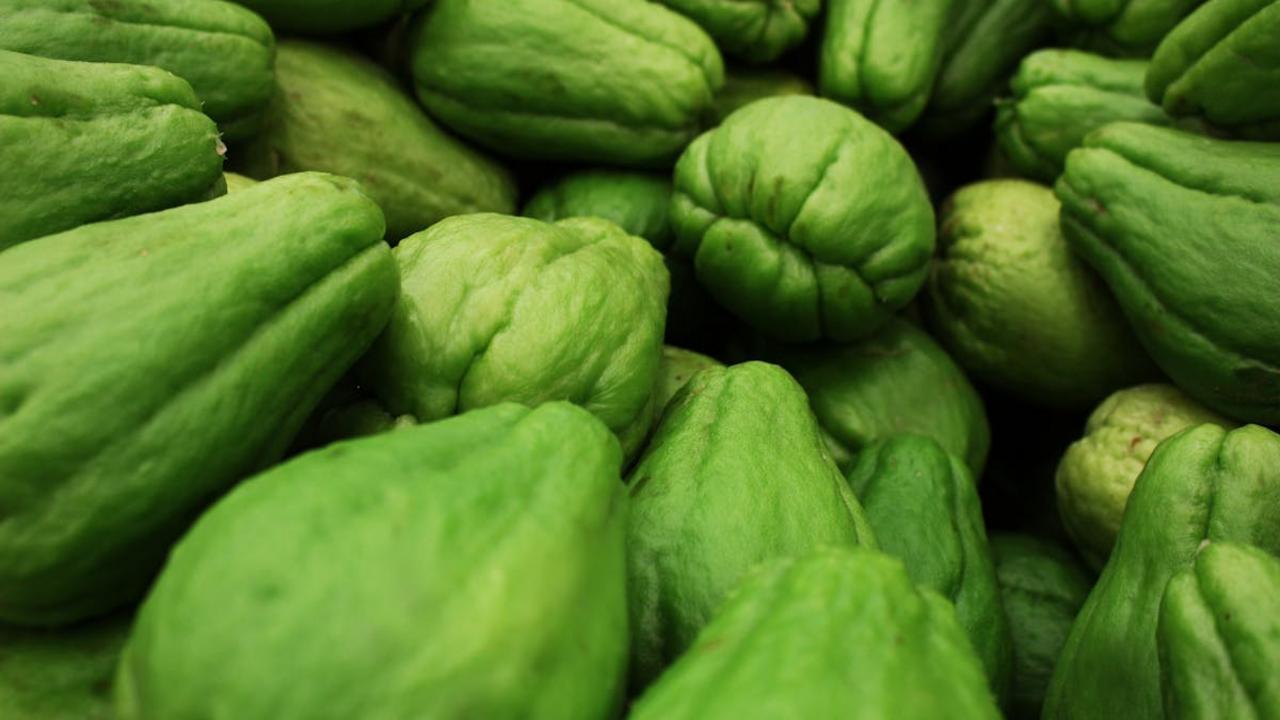
Meet chayote, the green pear-shaped vegetable that’s been playing hide-and-seek in grocery stores across America for decades. This Mexican native looks like someone crossed a pear with a potato and gave it a personality disorder – it’s technically a fruit, acts like a vegetable, and tastes like the lovechild of cucumber and zucchini had a mild-mannered baby. The Aztecs called it “chayohtli,” which probably sounds way cooler than you saying “chy-OH-tay” at the farmers market while secretly wondering if you’re pronouncing it right (you probably are, don’t worry).
Here’s where chayote gets sneaky brilliant: this pale green wonder absorbs flavors like a culinary chameleon while maintaining its crisp texture through almost any cooking method you throw at it. Slice it thin for slaws, cube it for soups, or stuff the whole thing with rice and cheese for a show-stopping centerpiece that’ll have your dinner guests asking, “What IS this magical vessel?” Pro tip: don’t peel the young ones – their skin is totally edible and adds extra crunch. Plus, if you plant the seed (yes, there’s just one giant seed in the middle), you’ll get a vine that produces enough chayotes to feed a small village, making you the neighborhood’s most mysterious produce distributor.
Teff
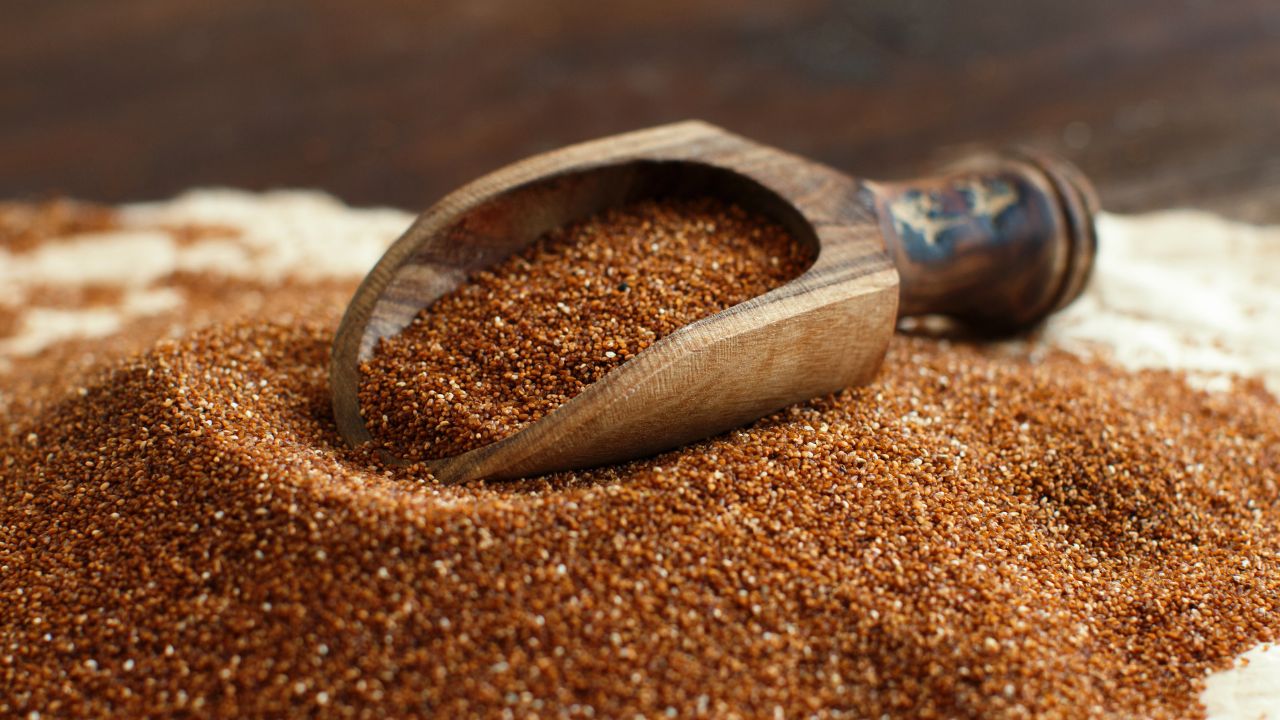
Picture this: you’re holding the world’s tiniest grain in your palm, so small that 150 grains equal the size of one wheat kernel. That’s teff for you – Ethiopia’s ancient superfood that makes quinoa look like a giant! This microscopic marvel packs more nutrition per tiny grain than most foods have any right to, loaded with protein, fiber, and enough iron to make Popeye jealous. Teff comes in colors ranging from ivory to deep reddish-brown, and honestly, watching Ethiopians toss handfuls of these seeds looks like they’re sprinkling fairy dust into their cooking pots.
Now, here’s where teff gets really exciting – it transforms into injera, Ethiopia’s spongy sourdough flatbread that doubles as both your plate and utensil. Imagine eating your dinner off bread that tastes tangy and slightly fermented, then getting to eat the “plate” too! The fermentation process takes three days, during which the batter develops its signature sour flavor and creates those perfect little air pockets that soak up stews like tiny flavor sponges. You can find teff flour at health food stores now, and trust me, making pancakes with it will change your breakfast game forever – they’re nutty, protein-packed, and naturally gluten-free, making your regular pancakes seem boring by comparison.
Perilla Leaves
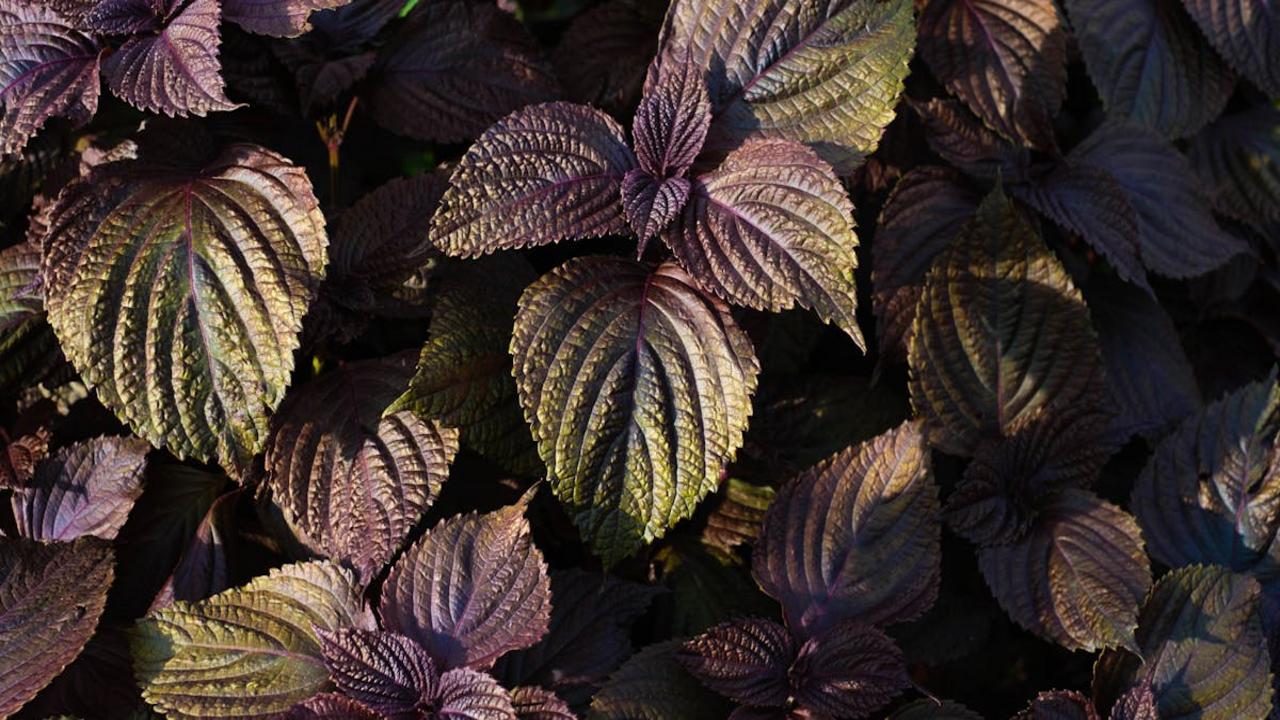
Picture this: you’re at a Korean barbecue joint, wrapping succulent bulgogi in what looks like a mint leaf’s sophisticated cousin. That’s perilla, and honestly, it’s about time you two became acquainted! These gorgeous purple-green leaves pack more personality than your chatty neighbor – they’re minty, slightly spicy, with hints of basil and anise that’ll make your mouth do a little happy dance. Koreans call them “kkaennip,” and they’ve been using these aromatic beauties for centuries, not just because they taste incredible, but because they’re practically edible medicine. Fun fact: perilla contains more omega-3 fatty acids than fish oil supplements, which means you can feel virtuous while demolating an entire plate of Korean fried chicken wrapped in these leaves.
Don’t let their delicate appearance fool you – perilla leaves are the Swiss Army knife of the herb world. You can pickle them (trust me, pickled perilla is life-changing), toss them fresh into salads, or use them as nature’s perfect food wrapper. I once watched a Korean grandmother turn these leaves into tempura that was so crispy and flavorful, I nearly cried tears of joy. The best part? They’re ridiculously easy to grow if you can get your hands on seeds, though fair warning – they spread like gossip at a high school reunion. Whether you find them at your local Korean market or convince your green-thumbed friend to grow some, these leaves will revolutionize your cooking game faster than you can say “ssam.”
Natto
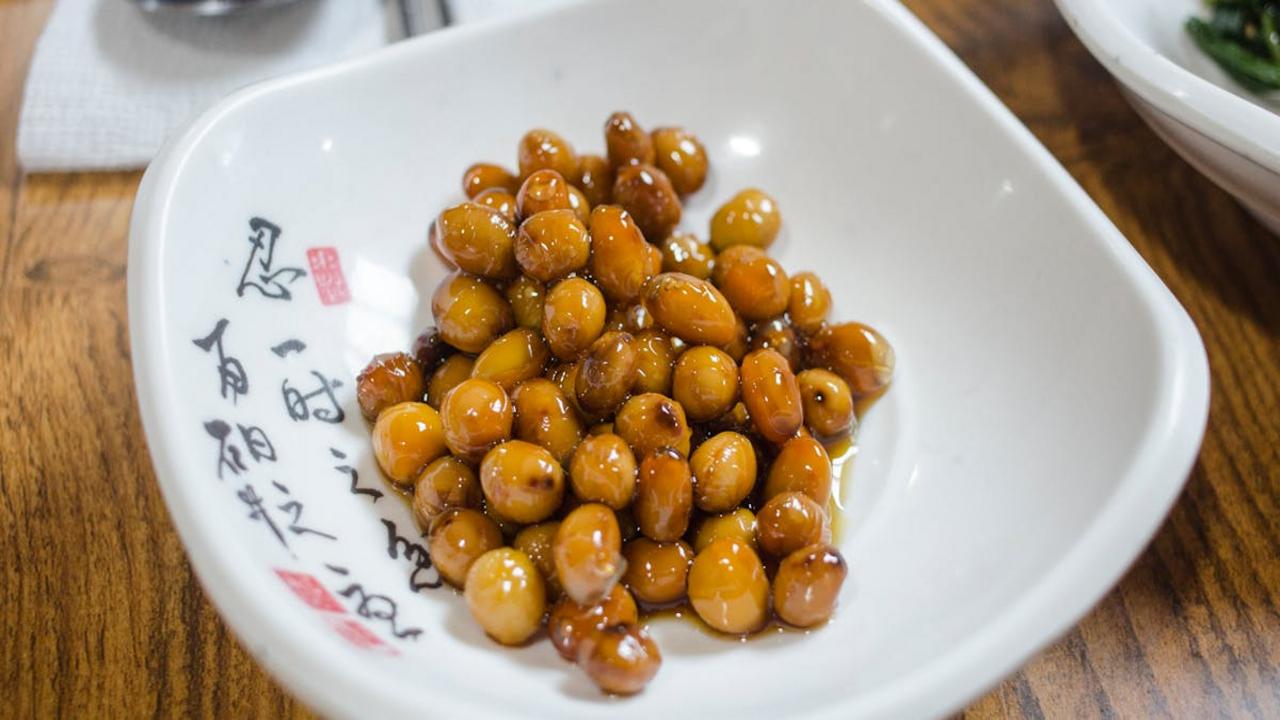
Picture this: you’re sitting across from a Japanese friend who’s grinning mischievously while sliding a bowl of what looks like slimy brown beans toward you. “Trust me,” they say, as stringy webs stretch between your chopsticks and the fermented soybeans below. Welcome to natto, Japan’s most polarizing breakfast food that literally divides the nation. Even Japanese people either worship this sticky, pungent delicacy or flee from it in horror. The fermentation process creates those notorious web-like strands thanks to a bacteria called Bacillus subtilis, which transforms humble soybeans into something that smells like old cheese had a fight with sweaty socks.
But here’s the plot twist that’ll make you reconsider your initial reaction: natto packs more nutritional punch than a superhero smoothie. This funky food contains vitamin K2, which most Westerners desperately lack, plus probiotics that make your gut happier than a kid in a candy store. Japanese centenarians swear by their daily natto habit, and honestly, when you see 100-year-olds doing morning calisthenics in Tokyo parks, you start paying attention. Mix it with raw egg, green onions, and soy sauce over hot rice for the traditional experience. Pro tip: stir it exactly 100 times clockwise (yes, really) to achieve maximum stringiness – the Japanese take their natto preparation seriously, and so should you!
Finger Limes
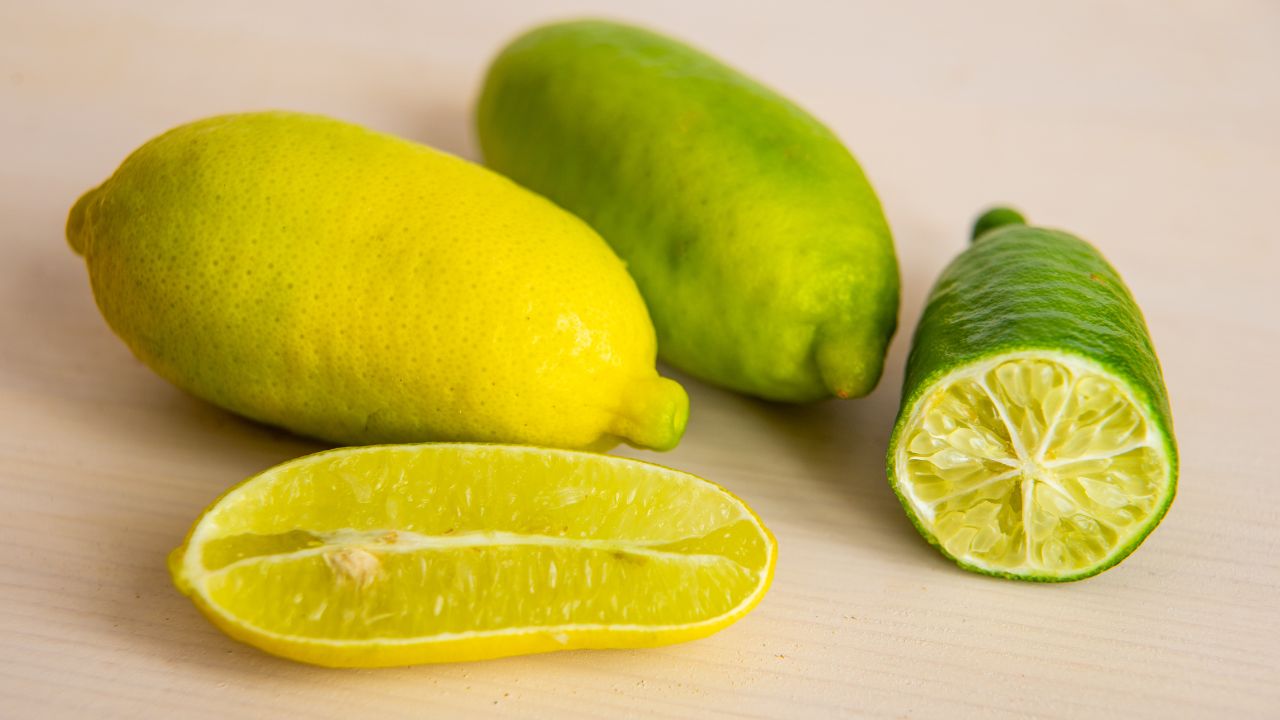
Picture this: you slice open what looks like a tiny, elongated lime and inside, hundreds of perfect little caviar-like pearls tumble out, each one bursting with intense citrus flavor when you bite down. Welcome to the wild world of finger limes, Australia’s answer to fancy garnishes that actually pack a punch! These peculiar fruits grow wild in the rainforests of Queensland and New South Wales, where they’ve been a secret ingredient for Indigenous Australians for thousands of years. The trees themselves are thorny little rebels that can take up to six years to produce fruit, which explains why these beauties cost more than your average lime at the grocery store.
What makes finger limes absolutely magical is their texture – imagine popping boba but with a sharp, tangy lime flavor that makes your mouth wake up and pay attention. Chefs go absolutely bonkers for these things because they add both visual drama and flavor bombs to dishes. You can sprinkle them over oysters, mix them into cocktails, or use them to transform boring old fish tacos into something that looks like it belongs on a restaurant menu. The best part? They come in colors ranging from pale yellow to deep burgundy, so you can basically turn any dish into edible confetti. Fair warning though – once you try these citrus caviar pearls, regular limes will seem tragically one-dimensional.
Black Garlic
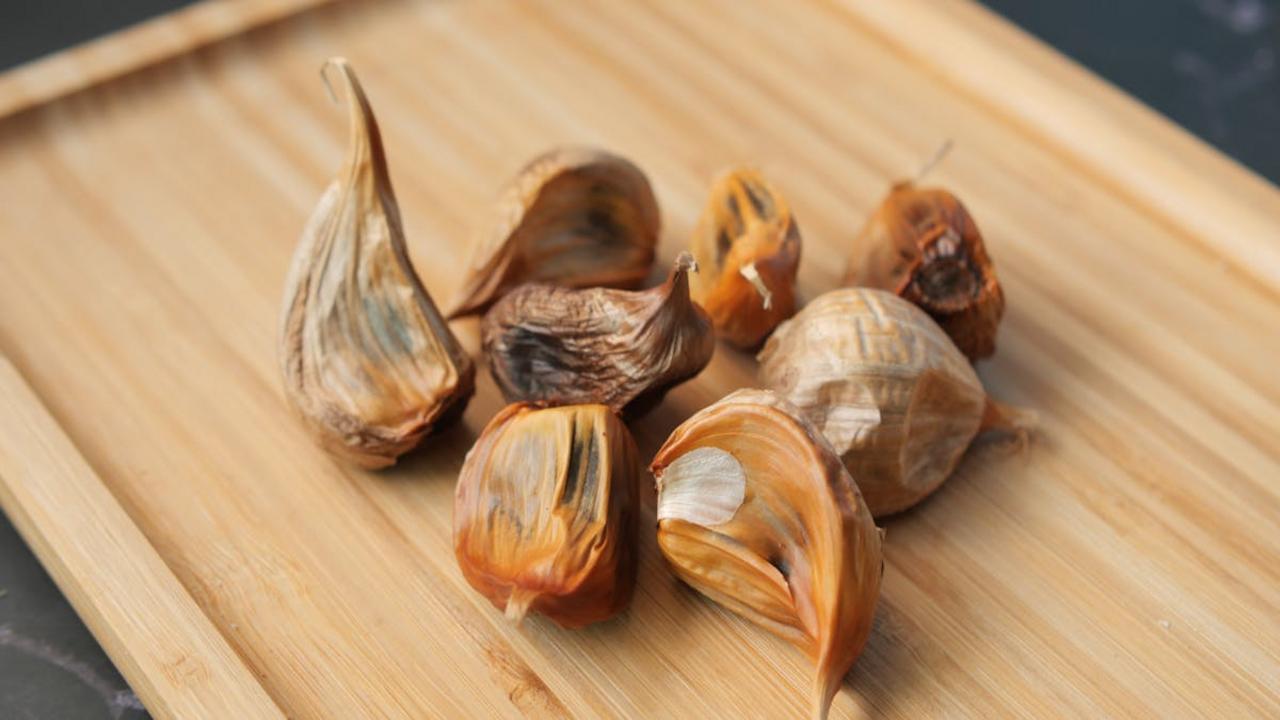
Picture regular garlic’s mysterious, sophisticated cousin who spent months at a wellness retreat and came back completely transformed. Black garlic isn’t actually a different variety—it’s white garlic that’s been aged through a month-long process of heat and humidity that would make a spa jealous. The result? Cloves that look like obsidian gems and taste like a beautiful collision between molasses, balsamic vinegar, and that umami punch that makes your mouth do a little happy dance. Korean cuisine has been keeping this secret weapon for centuries, and now the rest of us are finally catching on to what we’ve been missing.
You can pop these soft, jammy cloves straight into your mouth like nature’s most elegant candy, or mash them into compound butter that will make your dinner guests wonder if you’ve been hiding a culinary degree. The aging process breaks down the harsh sulfur compounds that make regular garlic so aggressive, leaving behind something sweet, tangy, and impossibly complex. Toss whole cloves into your next roast chicken, blend them into salad dressings, or spread them on crusty bread with good cheese—black garlic plays well with practically everything. Fair warning: once you discover this culinary dark magic, you’ll start sneaking it into dishes where it has no business being, and somehow it always works perfectly.
Watercress
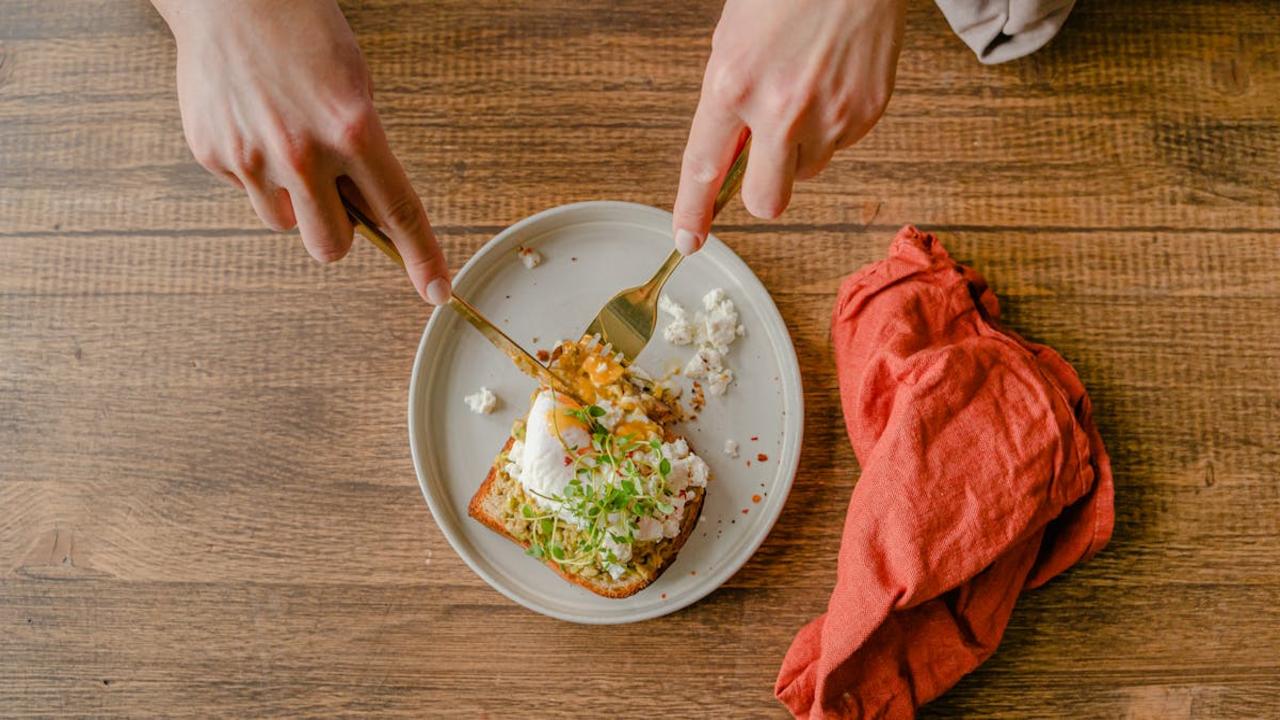
Listen, I know what you’re thinking – watercress sounds about as exciting as watching paint dry on a rainy Tuesday. But hear me out! This feisty little green packs more personality than your college roommate who insisted on dramatic poetry readings at 2 AM. Watercress is actually the most nutrient-dense food on the planet according to the CDC, beating out kale like a heavyweight champion in a superfood smackdown. One cup contains more vitamin K than you need in three days, plus enough vitamin C to make an orange jealous. The best part? It grows wild in streams and springs, which means our ancestors were basically foraging for liquid salad bars without even knowing it.
Here’s where watercress gets really fun – it’s got this peppery bite that’ll wake up your mouth faster than your morning coffee. I once watched a fancy chef charge thirty dollars for a “watercress coulis” that was basically this stuff blended with olive oil, and honestly, good for him because watercress deserves respect! You can toss it into sandwiches for an instant upgrade, blend it into soups (potato and watercress is pure magic), or just eat it straight like the badass health warrior you are. Pro tip: buy it with the roots still attached if possible – it stays fresh longer and you can even grow more by sticking those roots in water. Mother Nature basically gave us the cheat code for infinite salad.
Sunchokes
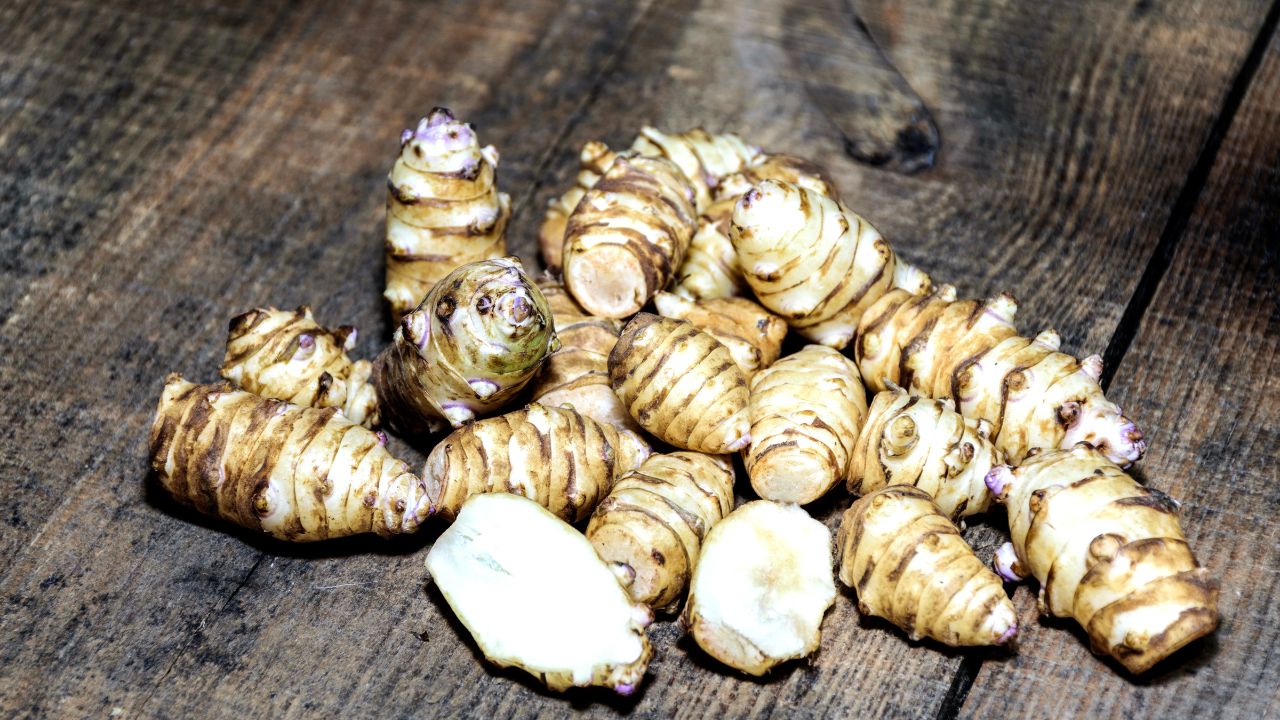
You know that awkward moment when someone mentions Jerusalem artichokes and you nod knowingly while having absolutely no clue what they’re talking about? Well, meet sunchokes—the same mysterious vegetable with a much friendlier name! These knobby, potato-like tubers grow underground and look like ginger root had a wild night out with a sweet potato. Despite their name confusion (they’re neither from Jerusalem nor related to artichokes), these North American natives pack a seriously nutty, slightly sweet flavor that’ll make you wonder why you’ve been ignoring them at the farmer’s market.
Here’s the thing about sunchokes: they’re basically nature’s little rebels. While most vegetables politely convert their carbs to sugar, sunchokes store theirs as inulin—a prebiotic fiber that your gut bacteria absolutely adore. Fair warning though: start slow unless you want to experience what I like to call the “sunchoke symphony” (your digestive system will provide the soundtrack). Roast them with olive oil and rosemary for crispy perfection, or toss them raw into salads for a satisfying crunch. They’re like water chestnuts’ earthy cousin who went to art school and came back with interesting stories.
Lupin Beans
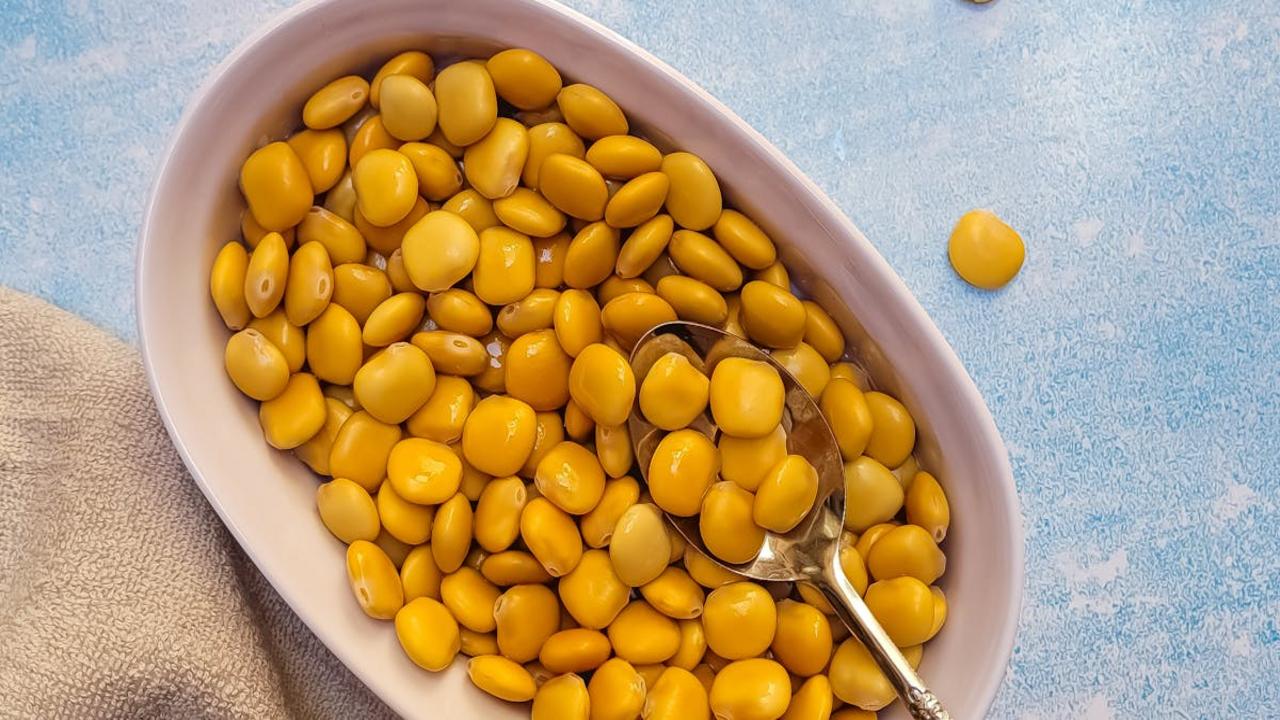
You know those mysterious yellow beans floating in brine jars at Mediterranean delis? Those beauties are lupin beans, and they’re about to become your new obsession. These protein-packed legumes have been Mediterranean bar snacks for centuries – think of them as the sophisticated cousin of peanuts. Pop one in your mouth and experience that distinctive bitter-sweet flavor that somehow makes you crave another immediately. The Romans were munching on these 2,000 years ago, and frankly, they knew what they were doing.
Here’s the fun part: lupin beans require serious dedication to prepare from scratch. You soak them for days, changing the water religiously like you’re caring for a very needy plant. But skip the drama and grab a jar from your local Greek market instead. Rinse them, drizzle with olive oil, squeeze fresh lemon juice over the top, and sprinkle with sea salt. They’re naturally gluten-free and pack more protein than most nuts. Pro tip: keep a bowl on your coffee table during your next dinner party and watch guests become completely addicted while trying to figure out what they’re eating.
Jackfruit
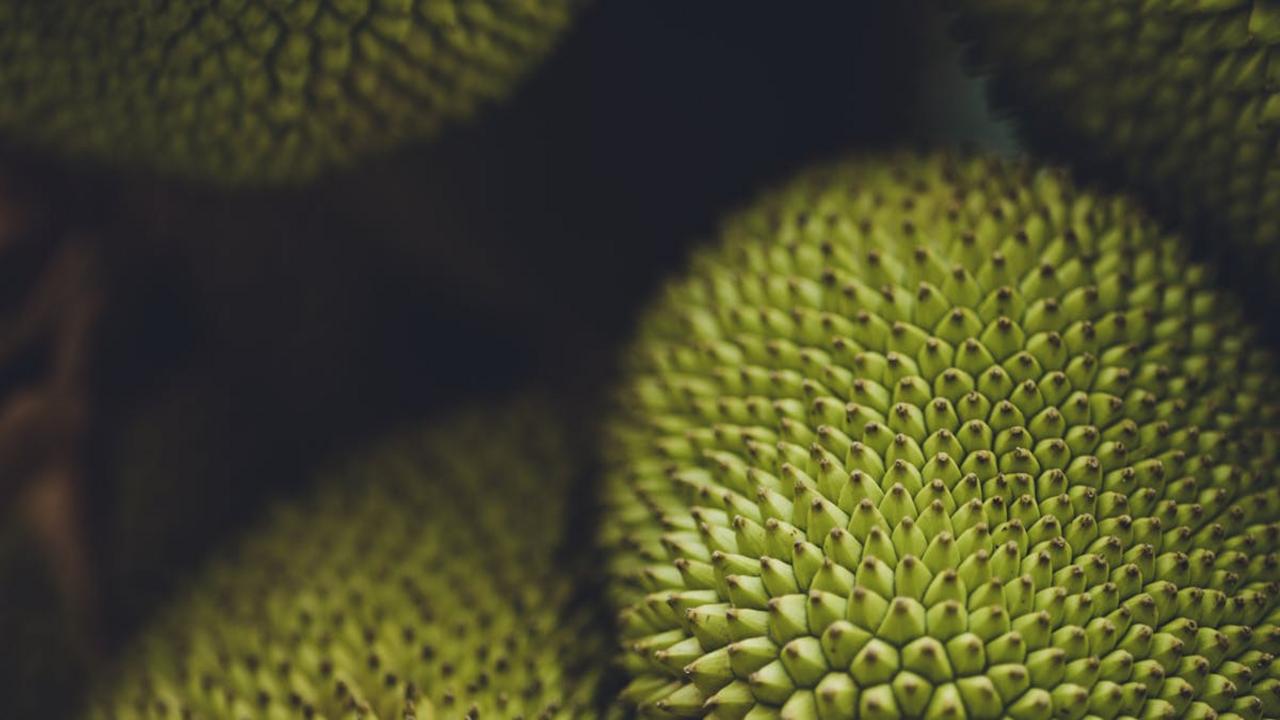
Picture this: you’re strolling through a Southeast Asian market when you spot what looks like a medieval weapon crossed with a pineapple having a very bad hair day. That, my friend, is jackfruit—the world’s largest tree fruit that can weigh up to 80 pounds and make your gym buddy jealous. This spiky green giant might look intimidating, but inside lurks a sweet, tropical treasure that’s been fooling vegans worldwide into thinking they’re eating pulled pork. The texture is so convincingly meaty that I’ve seen carnivores do double-takes at BBQ joints serving jackfruit sliders.
Here’s where jackfruit gets really wild: one tree can produce up to 200 fruits per year, making it the overachiever of the fruit world. Young, unripe jackfruit absorbs flavors like a culinary sponge, which explains why it’s become the darling of plant-based cooking. Toss it with some BBQ sauce, and you’ve got yourself a convincing meat substitute that’ll have your Uncle Bob questioning everything he knows about backyard grilling. The ripe version, however, is candy-sweet with hints of banana and mango—perfect for desserts or eating straight from your hands while pretending you’re sophisticated enough to appreciate exotic fruits.