15 standout ingredients that shape America’s most iconic regional flavors
America’s food landscape tells incredible stories through ingredients that grow nowhere else quite the same way. From wild huckleberries dotting Pacific Northwest mountainsides to breadfruit thriving in Hawaiian sunshine, these regional treasures create flavors you simply can’t replicate anywhere else.
Each ingredient carries generations of local knowledge – how Native Americans first harvested wild rice in Minnesota lakes, or why Louisiana cooks prize tasso ham for its smoky depth. These aren’t just foods; they’re edible postcards from specific corners of our country.
Today, you’ll discover fifteen remarkable ingredients that define regional American cooking. Whether you’re planning your next food adventure or want to bring authentic regional flavors into your own kitchen, these unique ingredients will transform how you think about American food.
Breadfruit – Hawaii
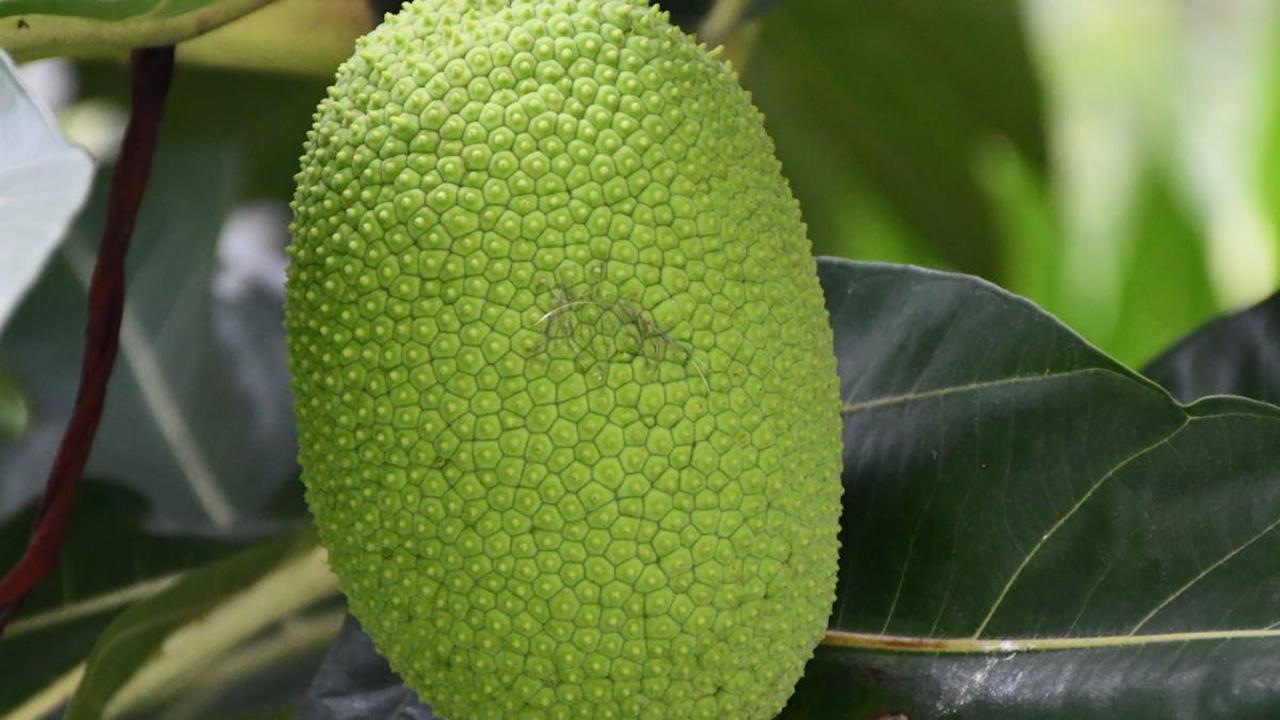
You know that feeling when you discover an ingredient that completely changes how you think about comfort food? That’s exactly what happens when you first encounter breadfruit in Hawaii. This tropical powerhouse has been nourishing Pacific Island communities for centuries, and honestly, it deserves way more recognition on the mainland. With its mild, potato-like flavor and incredibly versatile texture, breadfruit can transform from creamy mashed goodness to crispy chips with just a change in cooking method. I love how this starchy fruit adapts to whatever you need it to be – whether you’re craving something hearty and filling or light and crispy.
What makes breadfruit so special in Hawaiian cuisine is how it bridges traditional island cooking with modern healthy eating. You can roast it whole in the oven until the skin crackles, then scoop out the fluffy interior that tastes like a cross between bread and sweet potato. Try slicing it thin and baking for healthy chips, or cube it up and add to stews where it soaks up all those incredible flavors. The best part? It’s packed with fiber, potassium, and vitamin C, making it a nutritious alternative to regular starches. Trust me, once you start cooking with breadfruit, you’ll wonder why it took so long to find its way into your kitchen rotation.
Salmonberries – Alaska
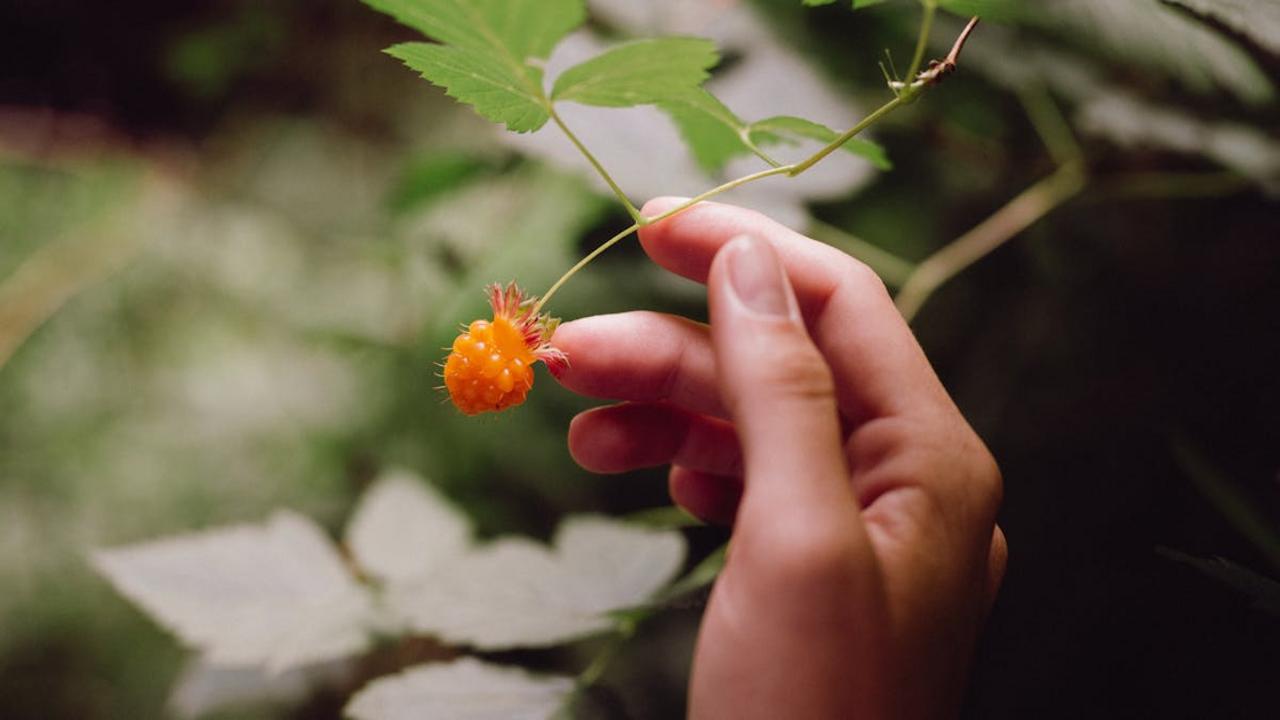
If you’ve never heard of salmonberries, you’re missing out on one of Alaska’s most treasured wild ingredients! These vibrant orange-to-red berries grow abundantly across the Last Frontier, thriving in the cool, moist climate that makes Alaska so unique. Native Alaskans have gathered these juicy gems for thousands of years, and honestly, once you taste their sweet-tart flavor with hints of rose and apple, you’ll understand why they’re such a big deal. They ripen in mid to late summer, creating a brief but magical window for foraging that locals eagerly anticipate each year.
What makes salmonberries truly special is their incredible versatility in traditional and modern Alaskan cooking. You can eat them fresh right off the bush, fold them into pancakes for a morning treat that screams “Alaska wilderness,” or transform them into stunning jams and jellies that capture summer in a jar. Many Alaskan families pass down recipes for salmonberry pies, muffins, and even fermented beverages that showcase this berry’s complex flavor profile. The best part? These little powerhouses pack serious nutritional punch with vitamin C, antioxidants, and natural sugars that give you sustained energy for those long Alaskan adventures.
King Crab – Alaska
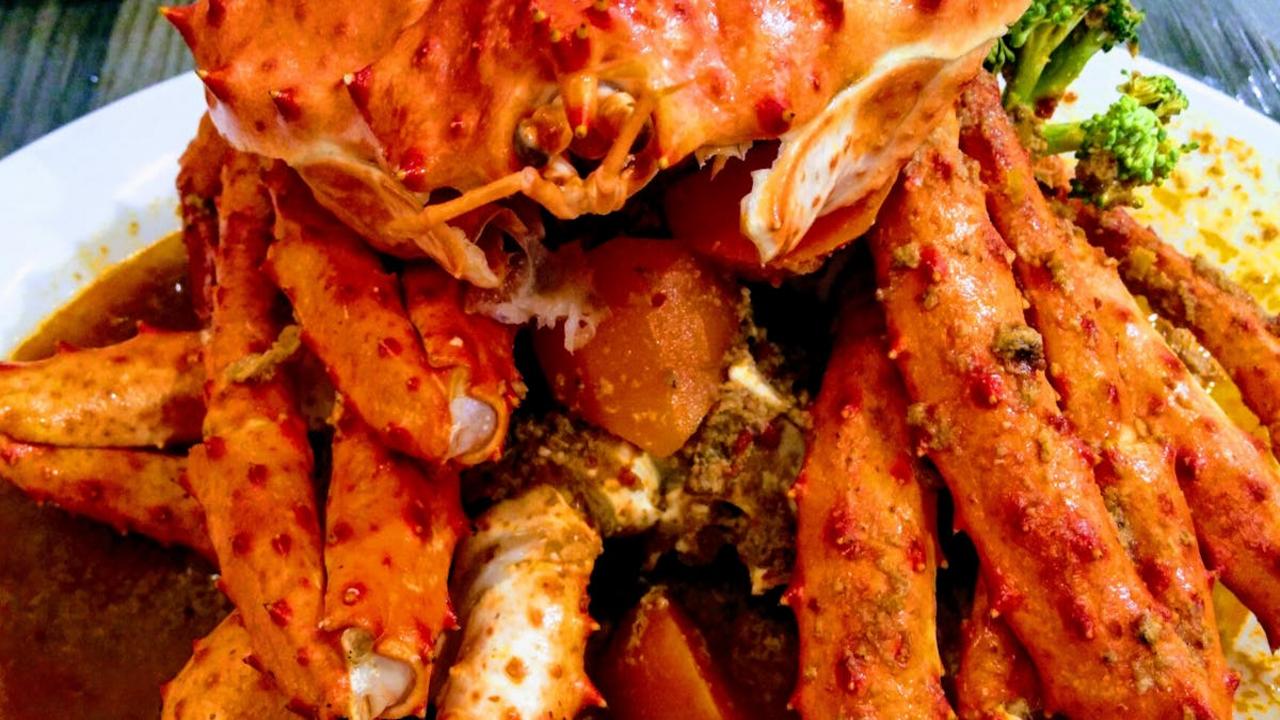
Alaska’s king crab represents the ultimate treasure from the frigid northern waters, and trust me, once you experience those massive, meaty legs, you’ll understand why this crustacean commands such respect. These magnificent creatures can span up to six feet and weigh over 20 pounds, producing some of the sweetest, most succulent crab meat you’ll ever taste. The harsh Alaskan environment creates the perfect conditions for these crabs to develop their incredible flavor – cold, nutrient-rich waters that keep the meat firm and sweet.
What makes king crab so special goes beyond just its impressive size. The meat has this beautiful, delicate sweetness that doesn’t need much enhancement – just a simple steam and maybe some melted butter for dipping. You can crack those shells and pull out chunks of pristine white meat that practically melts on your tongue. Whether you’re celebrating a special occasion or treating yourself to something extraordinary, king crab brings that touch of luxury to your table that instantly transforms any meal into a memorable feast.
Ground Cherry – Great Plains
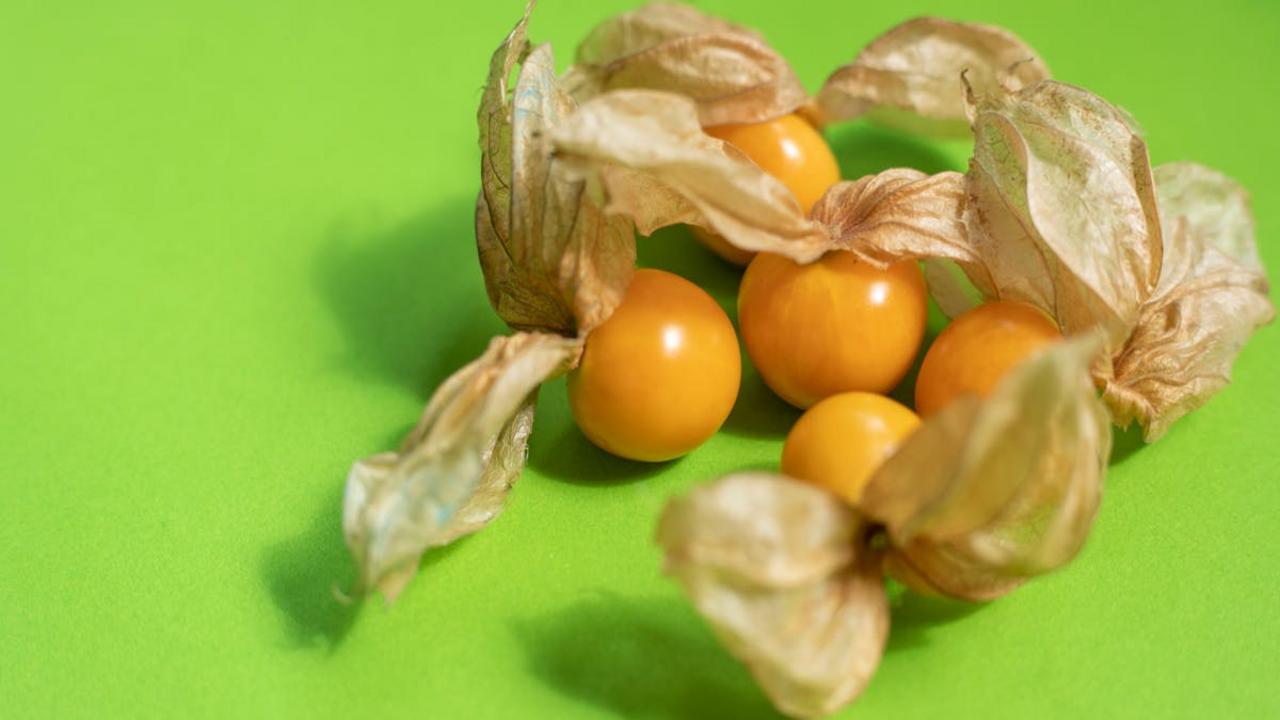
Picture this golden treasure hiding beneath papery husks across the Great Plains – ground cherries bring a burst of sweet-tart magic that perfectly captures the heartland’s agricultural spirit. These little gems, also called husk cherries or cape gooseberries, grow wild in fields and gardens throughout Nebraska, Kansas, and Iowa, where prairie families have been tucking them into pies and preserves for generations. You’ll find their unique flavor somewhere between a cherry and a pineapple, with hints of vanilla that make your mouth water just thinking about them.
What makes ground cherries so special is their incredible versatility in both sweet and savory dishes. Try them fresh in summer salads where they add pops of sunshine, or simmer them into jellies that capture summer’s warmth all winter long. Prairie cooks know the secret – these beauties work wonderfully in salsas too, bringing unexpected sweetness that pairs beautifully with grilled meats. The best part? They’re packed with vitamin C and antioxidants, so you can feel good about every bite. Next time you spot these papery-wrapped jewels at a farmer’s market, grab them and discover why Great Plains families have treasured this native ingredient for countless seasons.
Tasso Ham – Louisiana
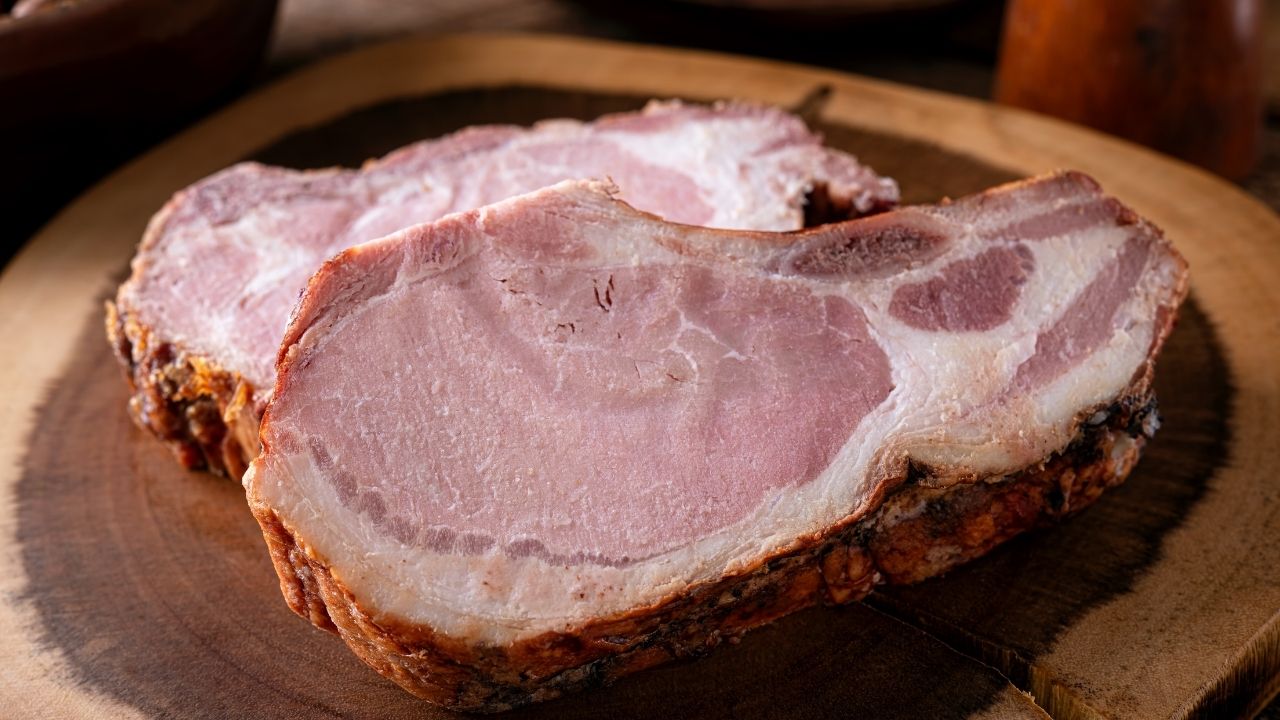
If you want to add some serious Louisiana magic to your cooking, tasso ham is your secret weapon! This intensely flavored, heavily seasoned pork shoulder gets cured with a bold blend of cayenne, garlic, and paprika before being cold-smoked to perfection. Unlike regular ham, tasso packs a spicy punch that transforms everything it touches. You’ll find this smoky treasure adding depth to gumbo, jambalaya, and red beans and rice – three dishes that simply wouldn’t be the same without it.
What makes tasso so special is how a little goes such a long way. Just a few diced pieces will infuse your entire pot with that distinctive Louisiana flavor that locals crave. You can use it to season vegetables, toss it into pasta dishes, or add it to breakfast scrambles for a morning kick that’ll wake up your whole family. The best part? Tasso keeps well in your freezer, so you can always have some on hand to turn any ordinary weeknight dinner into something that tastes like it came straight from the French Quarter.
Mirlitons – Louisiana
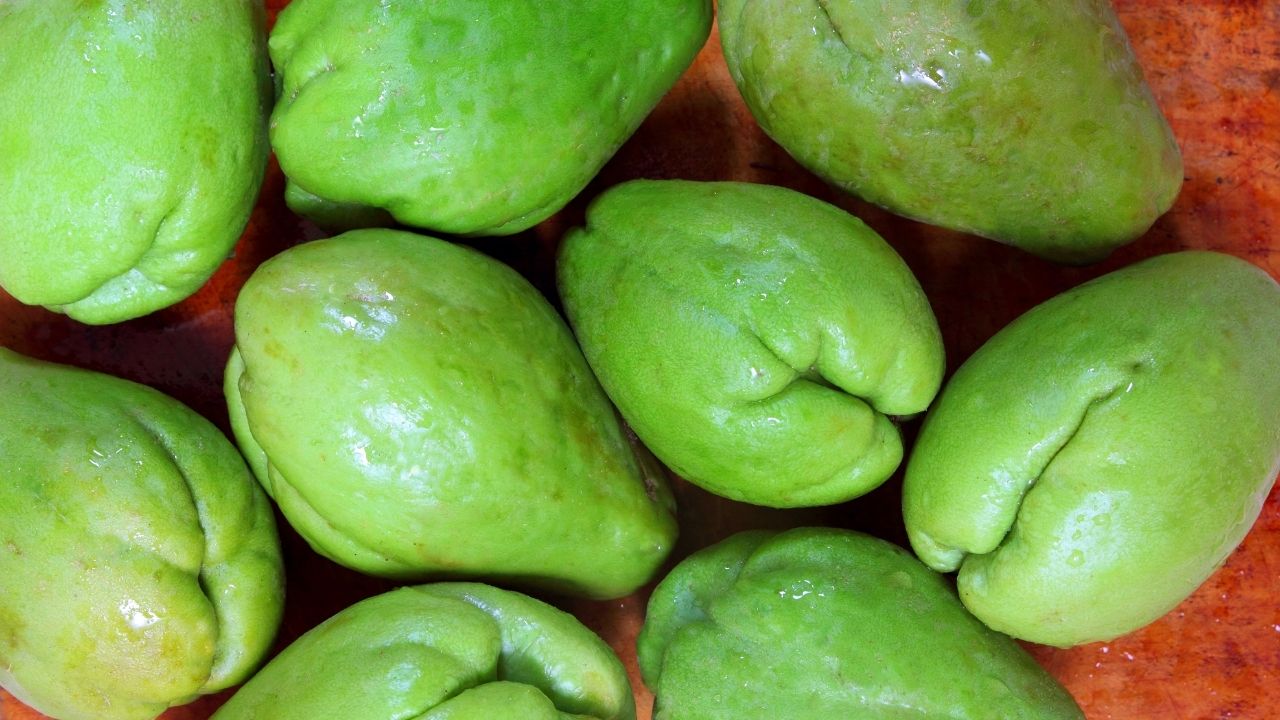
You know that slightly sweet, tender squash that shows up in every Louisiana grandmother’s kitchen come fall? That’s the mirliton, and if you haven’t cooked with this green gem yet, you’re missing out on one of the South’s most versatile vegetables! Also called chayote in other parts of the world, mirlitons have this amazing ability to soak up whatever flavors you pair them with while maintaining their own subtle, almost pear-like sweetness. I love how they bridge the gap between vegetable and fruit – they’re mild enough for savory dishes but sweet enough to sneak into desserts.
What makes mirlitons truly special is how New Orleans cooks transform them into comfort food magic. The classic stuffed mirliton dish – where you hollow out the squash, mix the flesh with seasoned ground meat, seafood, or the holy trinity of celery, bell peppers, and onions, then bake it all together – represents everything beautiful about Louisiana cooking. These squashes are also fantastic simply sautéed with a bit of butter and Creole seasoning, or tossed into gumbo for extra heartiness. Plus, they’re packed with vitamin C and fiber, making them a nutritious choice that doesn’t sacrifice an ounce of flavor!
Scrapple – Mid Atlantic
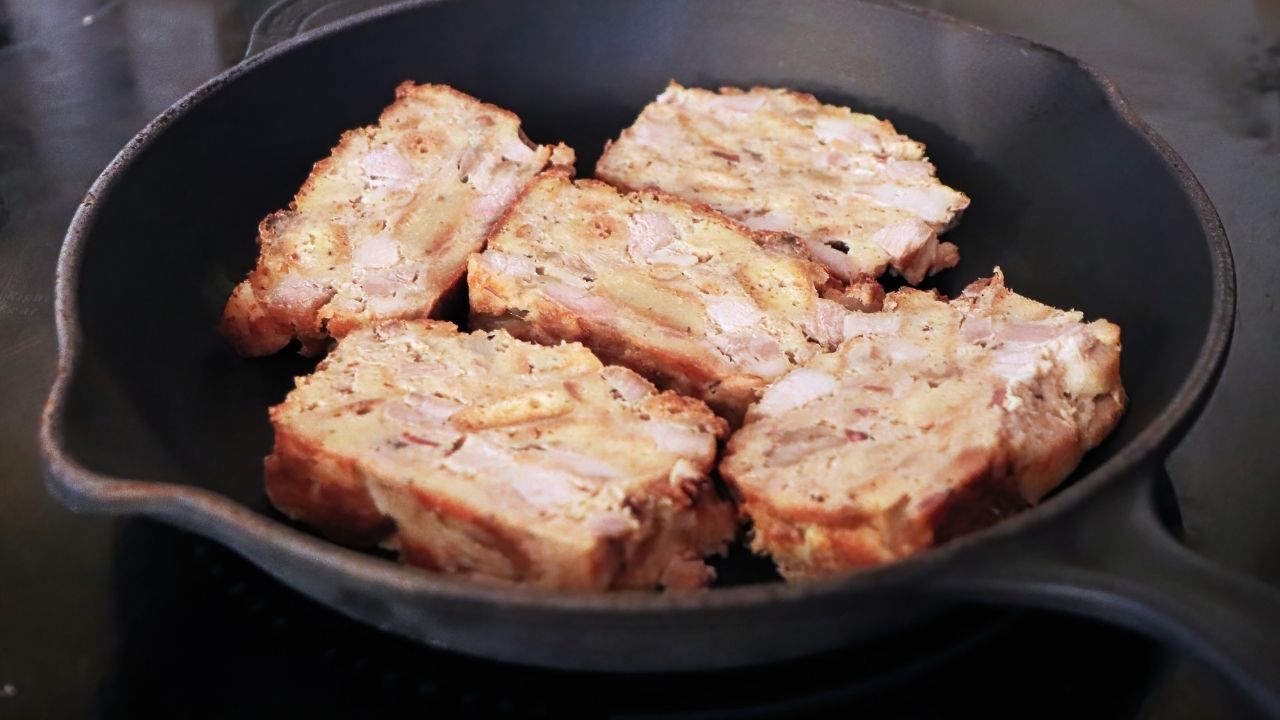
You might wonder what happens when thrifty Pennsylvania Dutch cooks transform leftover pork scraps into pure breakfast magic. Scrapple represents the ultimate comfort food born from necessity – a savory blend of pork scraps, cornmeal, and spices that creates something far more delicious than its humble origins suggest. This Mid-Atlantic staple proves that incredible flavors come from making the most of every ingredient, turning what others might discard into a beloved regional treasure.
Picture crispy-edged slices sizzling in your cast iron skillet, releasing that distinctive aroma that makes mouths water across Delaware, Pennsylvania, and Maryland. The beauty of scrapple lies in its perfect balance – creamy cornmeal interior meets golden, crunchy exterior while sage, thyme, and black pepper dance through every bite. Serve it alongside scrambled eggs and fresh fruit for a breakfast that honors both tradition and nutrition. This protein-packed morning fuel gives you sustained energy while connecting you to generations of resourceful cooks who knew that nothing should go to waste in a well-run kitchen.
Chokecherries – Midwest
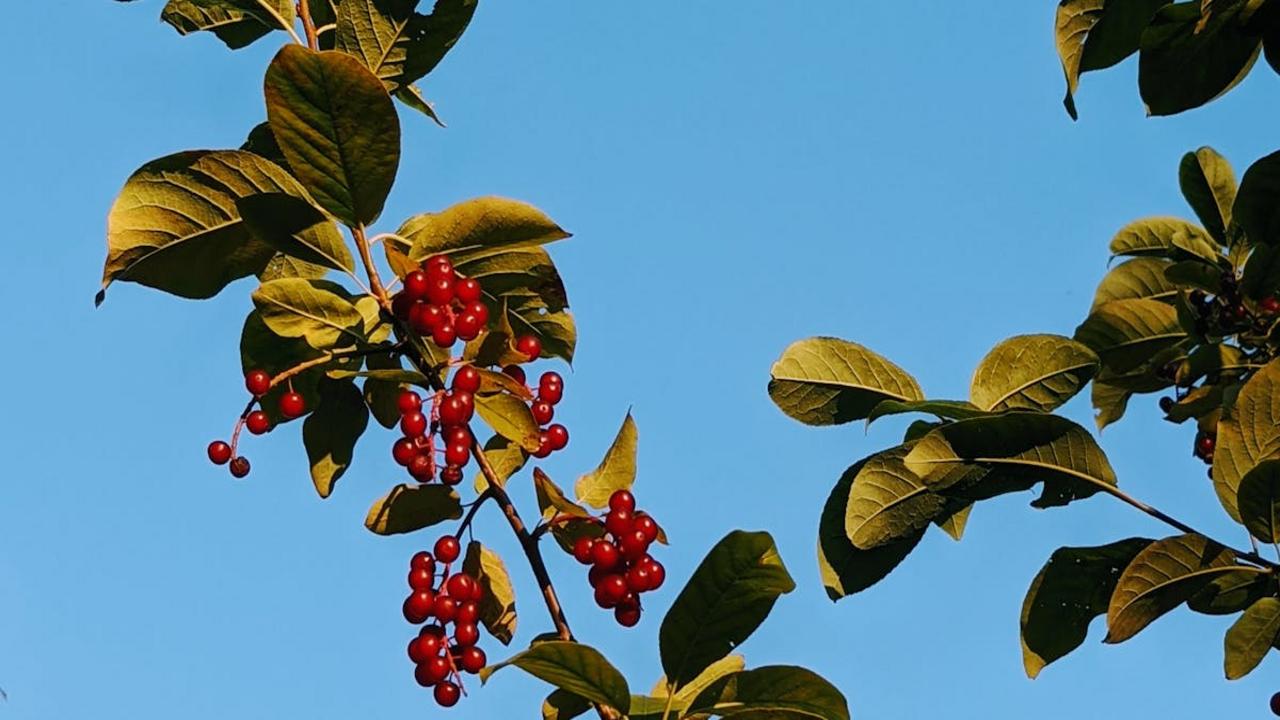
You know those gorgeous dark purple berries that grow wild across the Midwest prairies? Those are chokecherries, and they’re absolutely magical in the kitchen! These native gems pack an incredible punch of flavor – think tart cherry meets wild grape with a hint of astringeness that mellows beautifully when cooked. I love how Indigenous communities have treasured these berries for centuries, turning them into everything from pemmican to medicinal teas. Today, Midwestern cooks still gather them in late summer, transforming basketfuls into the most amazing jellies, syrups, and wines you’ve ever tasted.
What makes chokecherries so special is their incredible versatility and nutritional powerhouse status. They’re loaded with antioxidants, vitamin C, and natural compounds that support your immune system. I always get excited when I see them at farmers markets because they make the most gorgeous deep purple jams that taste like pure Midwest sunshine. Try adding chokecherry syrup to your morning pancakes or mixing the juice into homemade vinaigrettes – the complex flavor adds such depth to simple dishes. Fair warning though: eat them fresh and your mouth will pucker something fierce, but cook them down with a touch of honey and you’ll understand why generations of prairie families have made these wild berries a treasured tradition.
Wild Rice – Midwest
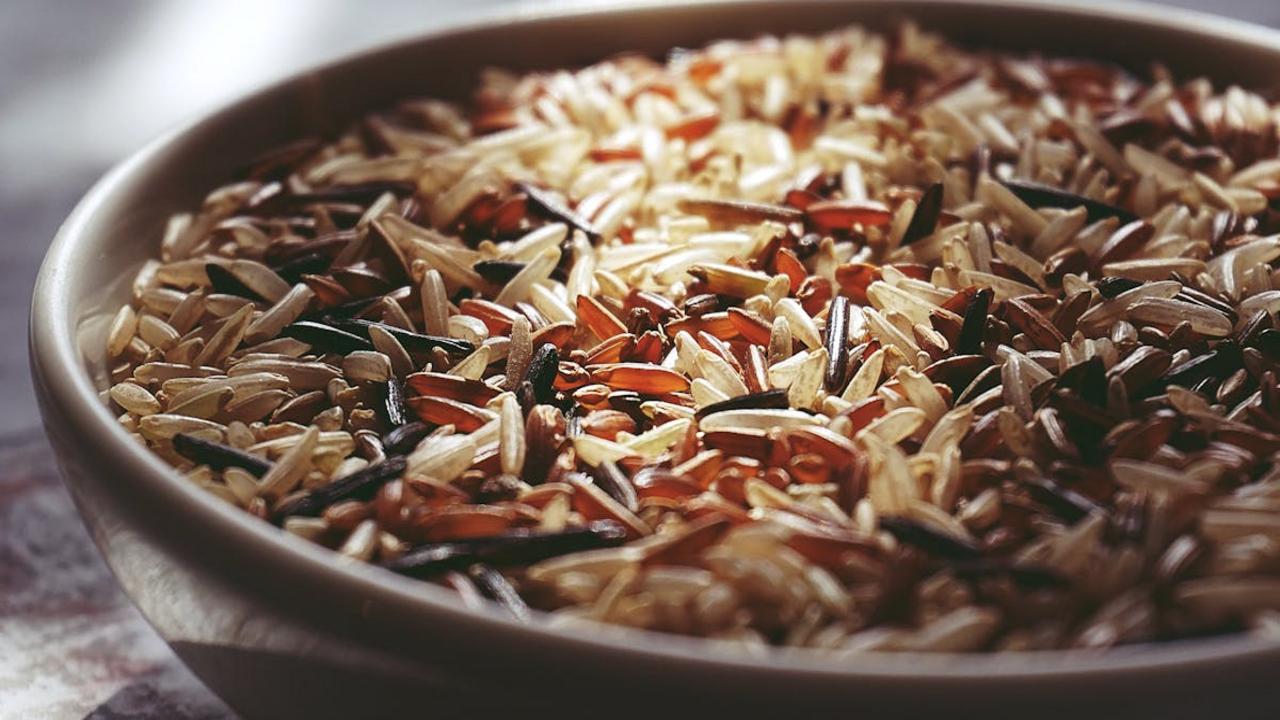
Wild rice isn’t actually rice at all—it’s a native grass seed that grows naturally in the pristine lakes and wetlands of Minnesota, Wisconsin, and northern Michigan. This dark, chewy grain has been a cornerstone of Indigenous cuisine for centuries, particularly among the Ojibwe people who call it “manoomin” or “good berry.” You’ll find wild rice adding its distinctive nutty flavor and satisfying texture to countless Midwest dishes, from hearty casseroles and warming soups to stuffing that graces holiday tables across the region.
What makes wild rice so special is its incredible nutritional profile and versatility in the kitchen. Packed with protein, fiber, and B vitamins, this grain brings both substance and health benefits to your meals. I love how it transforms simple dishes into something memorable—toss it into a mushroom soup for extra heartiness, mix it with cranberries and pecans for a festive side dish, or use it as the base for a protein-packed salad. The grain’s slightly smoky, earthy flavor pairs beautifully with wild game, fresh herbs, and seasonal vegetables, making it a true representation of Midwest comfort food that connects us to the land and its rich history.
Mayhaw Berries – Southeast
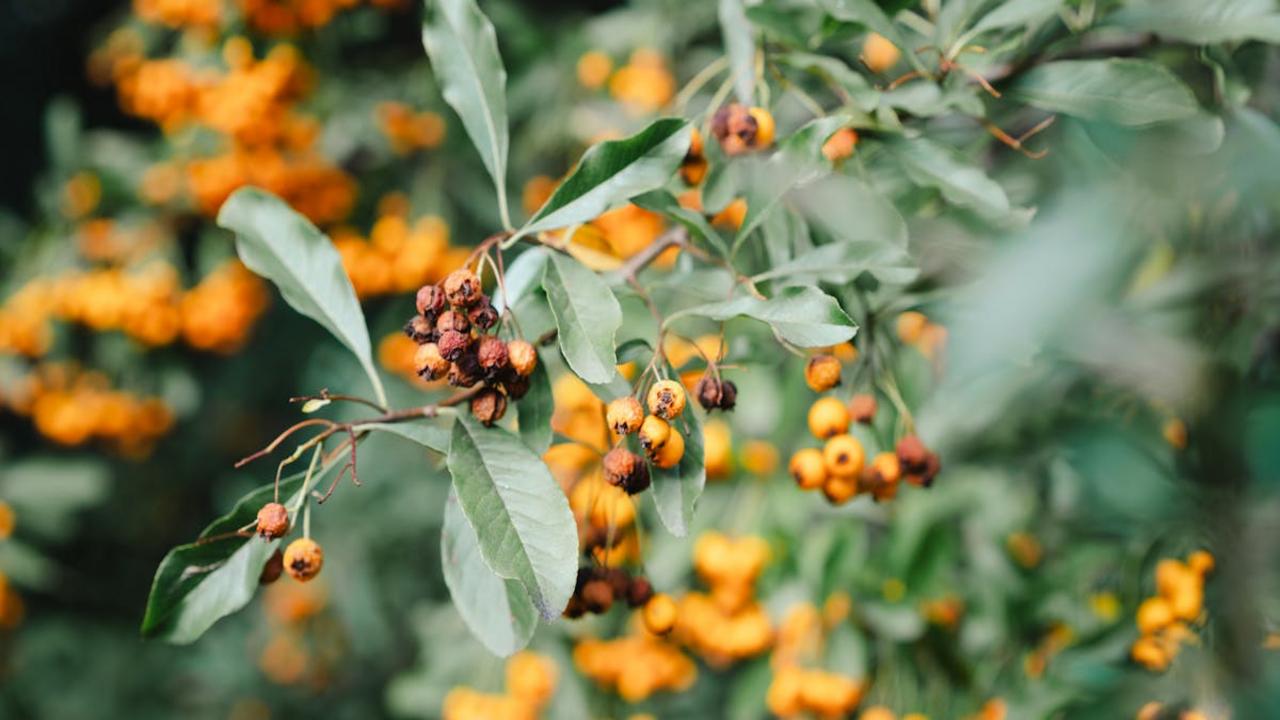
Deep in the wetlands and swamps of the Southeast, mayhaw berries hang like tiny crimson jewels from thorny trees that bloom magnificently each spring. These tart, cranberry-sized fruits have been a treasured secret of Louisiana, Texas, Georgia, and Florida for generations, with families passing down recipes and harvesting techniques like precious heirlooms. You’ll find mayhaw trees thriving in the soggy bottomlands where few other fruits dare to grow, making them perfectly suited to the region’s unique landscape.
What makes mayhaw berries truly special is their incredible transformation from mouth-puckeringly sour fresh fruit into the most gorgeous, ruby-red jelly you’ve ever seen. This magical metamorphosis happens when you cook the berries down with sugar, creating a preserve that balances tartness with sweetness in the most delightful way. Local cooks swear by mayhaw jelly on warm biscuits, and many families consider their annual mayhaw harvest a cherished spring ritual. The berries also make fantastic syrups, wines, and even savory sauces that pair beautifully with game meats – proving that sometimes the most extraordinary flavors come from the most unexpected places.
Quahog Clams – New England
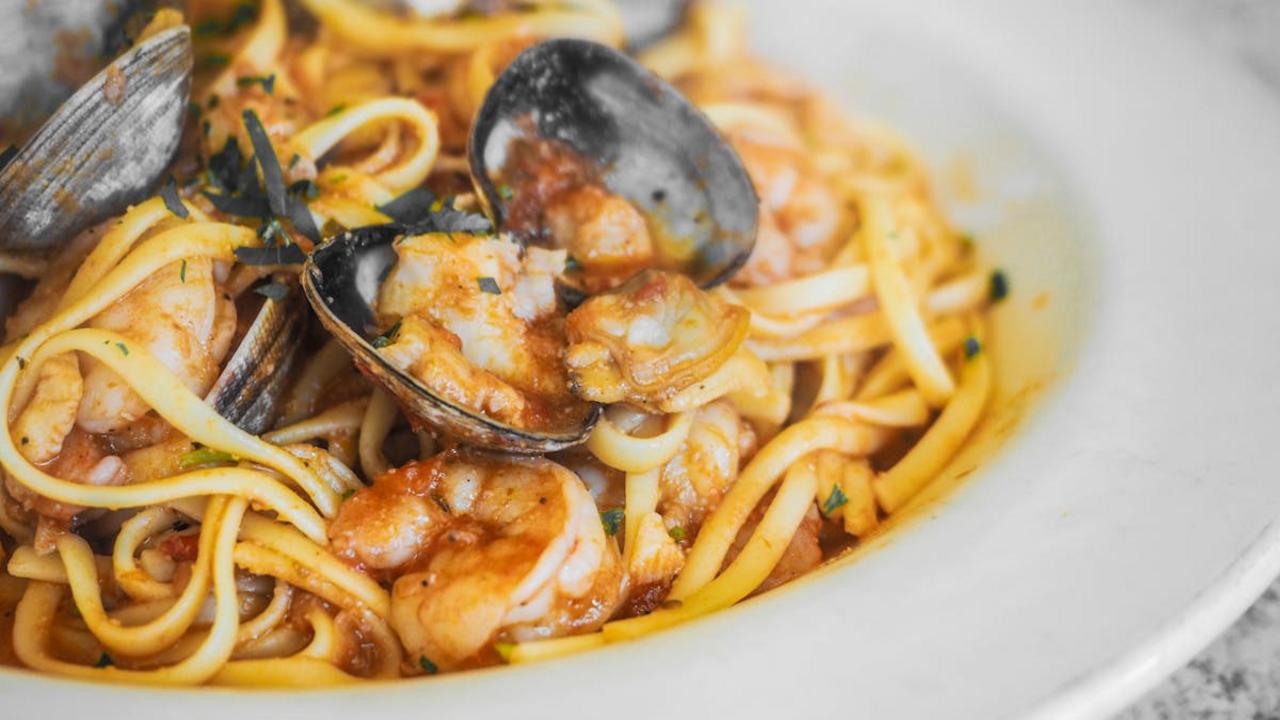
Picture yourself on a crisp New England morning, walking along the sandy shores where these magnificent bivalves have been feeding generations of families for centuries. Quahog clams represent the heart and soul of coastal New England cooking, bringing that distinctive briny sweetness to countless beloved dishes. You’ll find these hard-shell treasures starring in creamy chowders, stuffed clam preparations, and those irresistible clam cakes that make your mouth water just thinking about them. What makes quahogs so special is their meaty texture and rich ocean flavor that transforms simple ingredients into comfort food magic.
Your kitchen becomes a seaside bistro when you work with these incredible mollusks, whether you’re making a traditional New England clam chowder or experimenting with modern preparations. The smaller littlenecks work beautifully steamed with garlic and white wine, while the larger chowder clams bring depth to soups and stews that warm you from the inside out. Don’t be intimidated by shucking them yourself – once you get the technique down, you’ll appreciate the fresh, clean taste that only comes from clams you’ve prepared with your own hands. These protein-packed gems also provide impressive amounts of iron, vitamin B12, and omega-3 fatty acids, making them a nutritious choice for your family’s dinner table.
Fiddleheads – New England
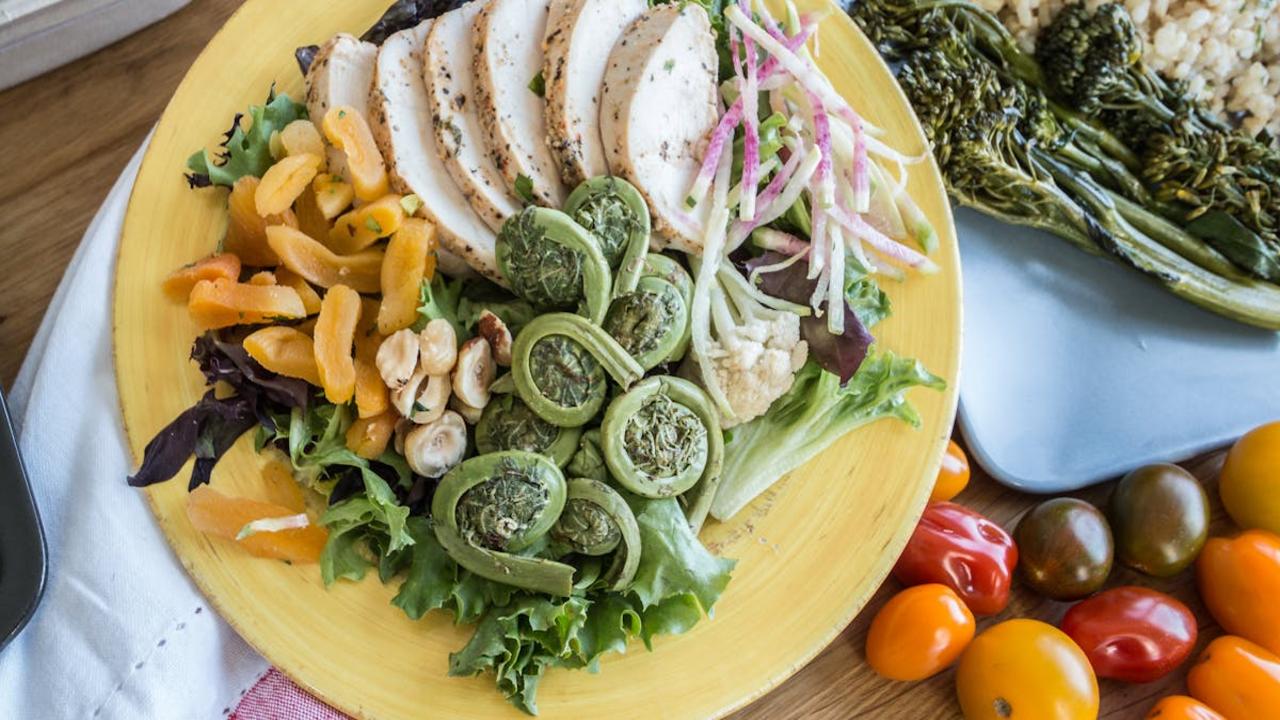
These tightly coiled young fern fronds bring pure springtime magic to New England tables! Fiddleheads appear for just a few precious weeks each April and May, making them one of nature’s most anticipated seasonal treats. You’ll find these bright green spirals growing wild along riverbanks and in damp woodlands throughout Vermont, New Hampshire, Maine, and Massachusetts. Their unique appearance resembles the scrolled head of a violin, which gives them their charming name.
The flavor profile of fiddleheads combines the earthiness of asparagus with a subtle nuttiness that’s completely their own. You can sauté them with butter and garlic, blanch them for salads, or add them to pasta dishes for that authentic New England spring experience. Always remember to cook fiddleheads thoroughly – never eat them raw! Boiling them for 15 minutes or steaming for 10-12 minutes removes any natural compounds that might upset your stomach. Local farmers’ markets and specialty grocery stores carry them during peak season, so grab them while you can and celebrate this beloved regional ingredient that connects New Englanders to their wild food traditions.
Hatch Green Chiles – Southwest
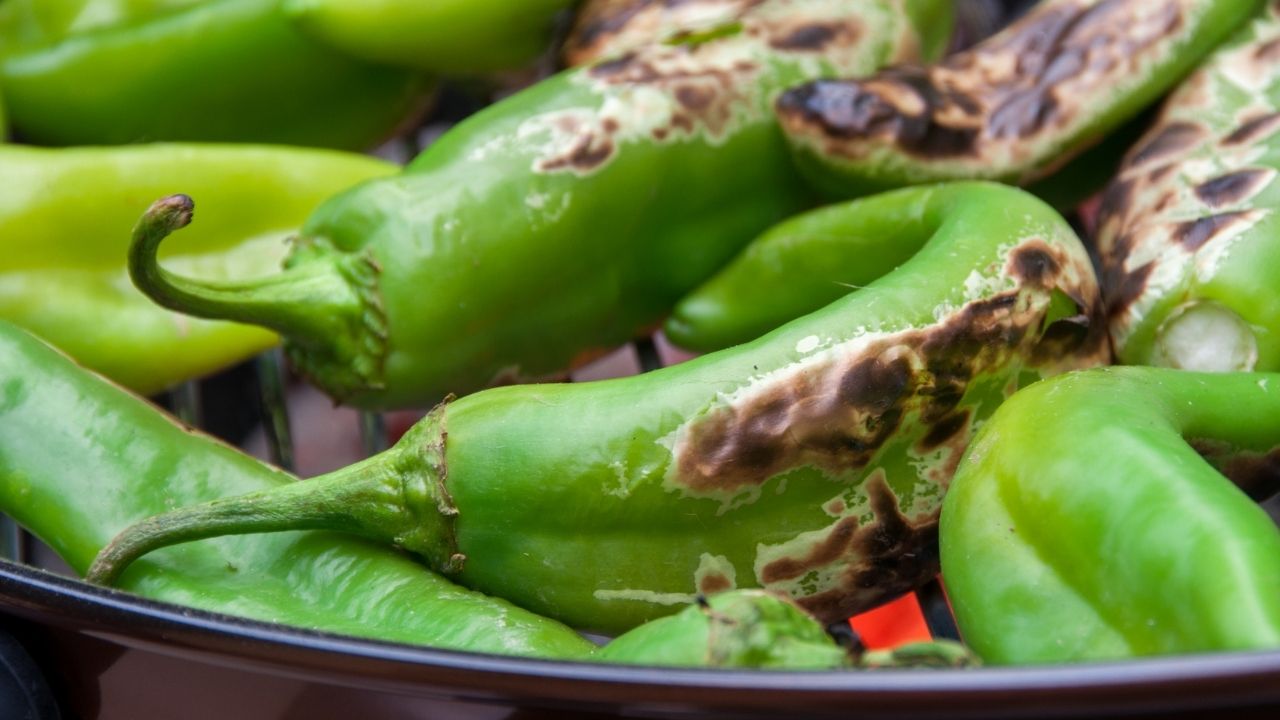
Hatch green chiles bring serious heat and heart to Southwest cooking, and honestly, once you try them, regular peppers just won’t cut it anymore. These beauties grow exclusively in New Mexico’s Hatch Valley, where the high desert climate and rich soil create the perfect conditions for developing their signature smoky-sweet flavor with just the right kick. You’ll find them roasted over open flames at roadside stands throughout late summer, filling the air with their intoxicating aroma that makes your mouth water from blocks away.
What makes Hatch chiles so special goes beyond their incredible flavor – they’re packed with vitamin C, capsaicin for natural pain relief, and antioxidants that support your immune system. Whether you stuff them into breakfast burritos, blend them into green chile stew, or char them for salsas, these peppers transform ordinary dishes into something magical. The locals know to buy them by the bushel during harvest season, roasting and freezing bags full to enjoy that perfect New Mexican flavor all year long. Trust me, once you experience that perfect balance of smoke, spice, and sweetness, you’ll understand why people plan entire road trips around Hatch chile season.
Geoduck Clams – Pacific Northwest
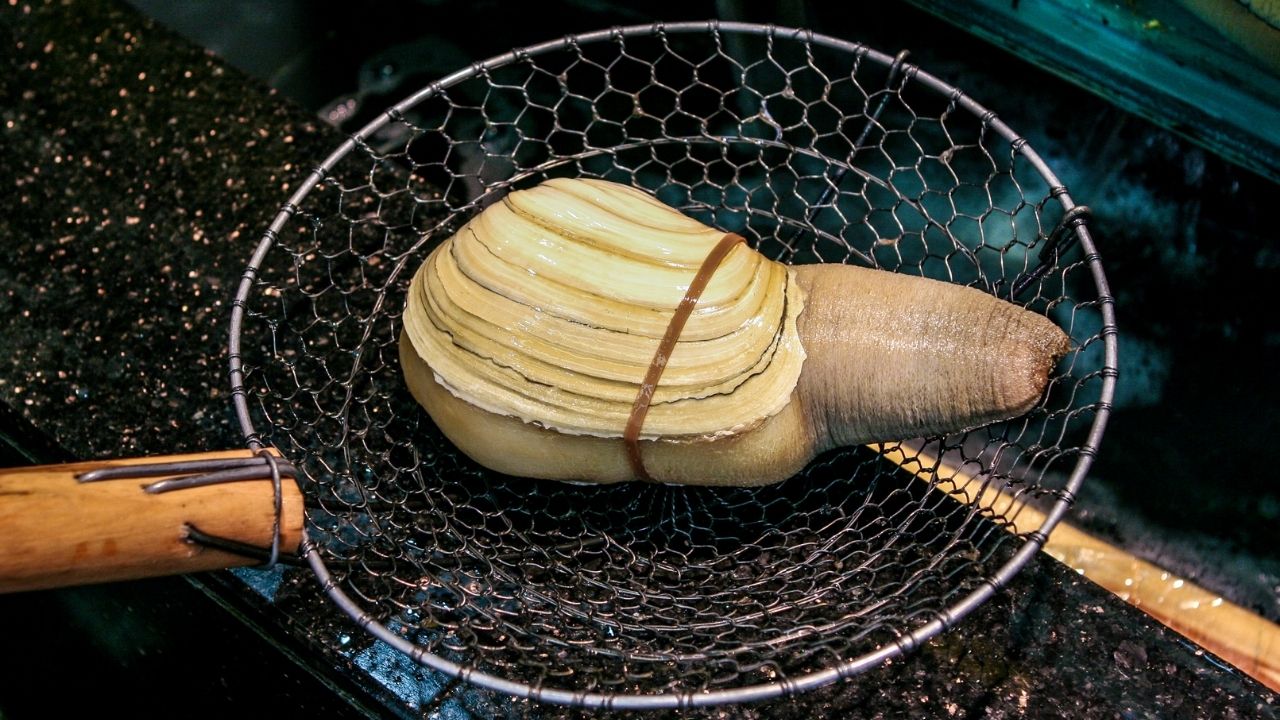
You know that moment when you encounter something so wonderfully strange it stops you in your tracks? That’s exactly what happens when you first meet a geoduck clam from the Pacific Northwest waters. These incredible mollusks look like something from another planet – picture a massive clam with a long, trunk-like siphon that can stretch over three feet long! Don’t let their unusual appearance fool you though; geoducks represent pure oceanic luxury. Native American tribes have treasured these giants for thousands of years, and today they’re considered one of the most prized shellfish in the world.
What makes geoducks truly special is their sweet, briny flavor and satisfying crunch that transforms any meal into a celebration. You can enjoy them raw as sashimi, where their clean taste really shines, or incorporate them into creamy chowders and pasta dishes. The meat is incredibly versatile – the siphon offers a firm texture perfect for grilling, while the body meat works beautifully in stir-fries and soups. If you’re ready to try something new, geoducks will reward your adventurous spirit with an unforgettable taste of the Pacific Northwest’s pristine waters.
Wild Huckleberries – Pacific Northwest
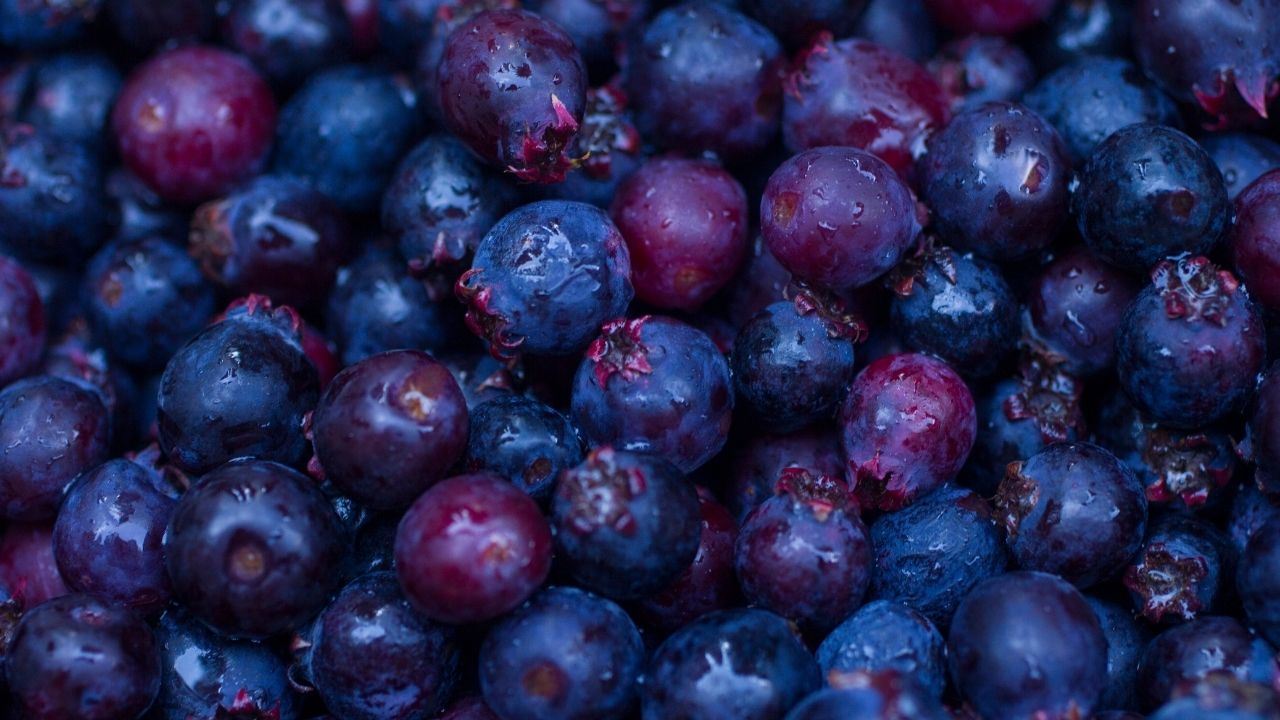
Wild huckleberries are the Pacific Northwest’s best-kept secret, and once you experience their intense, complex flavor, you’ll understand why locals guard their picking spots so fiercely! These deep purple gems pack a punch that’s simultaneously sweet and tart, with an earthy undertone that screams “mountain wilderness.” Unlike their cultivated blueberry cousins, wild huckleberries grow slowly in high-altitude forests, developing concentrated flavors that reflect the pristine environment they call home. You’ll find them scattered across mountainsides from Alaska to Northern California, where they’ve sustained indigenous communities for thousands of years.
What makes huckleberries so special is their incredible versatility in both sweet and savory applications. I love folding them into pancakes for weekend brunches, where they burst with flavor against fluffy batter, or simmering them into a vibrant sauce that pairs beautifully with grilled salmon or venison. Their natural pectin content makes them perfect for jams and jellies, while their robust flavor holds up wonderfully in pies and cobblers. Beyond their amazing taste, these little powerhouses are loaded with antioxidants, vitamin C, and anti-inflammatory compounds. The best part? Their peak season runs from July through September, giving you plenty of opportunities to stock up and preserve their wild essence for year-round enjoyment.