15 Popular Foods Now Shockingly Expensive for Most Shoppers
Have you noticed your grocery bills climbing higher each month? You’re not alone! Many once-affordable kitchen staples now strain our budgets. The cost of quality ingredients has skyrocketed, forcing many home cooks to rethink their shopping lists and meal plans.
I’ve watched with dismay as my favorite foods – from morning avocado toast to evening dark chocolate treats – demand more from my wallet. Climate change, supply chain disruptions, and increased production costs have created the perfect storm for these price hikes. What used to be everyday purchases now feel like splurges.
This shift hits especially hard for health-conscious shoppers who prioritize whole, nutrient-dense foods. Many of the items on this list aren’t just tasty luxuries but foundations of balanced eating. Let’s look at 15 foods that now come with eye-popping price tags at the checkout counter.
Pine Nuts
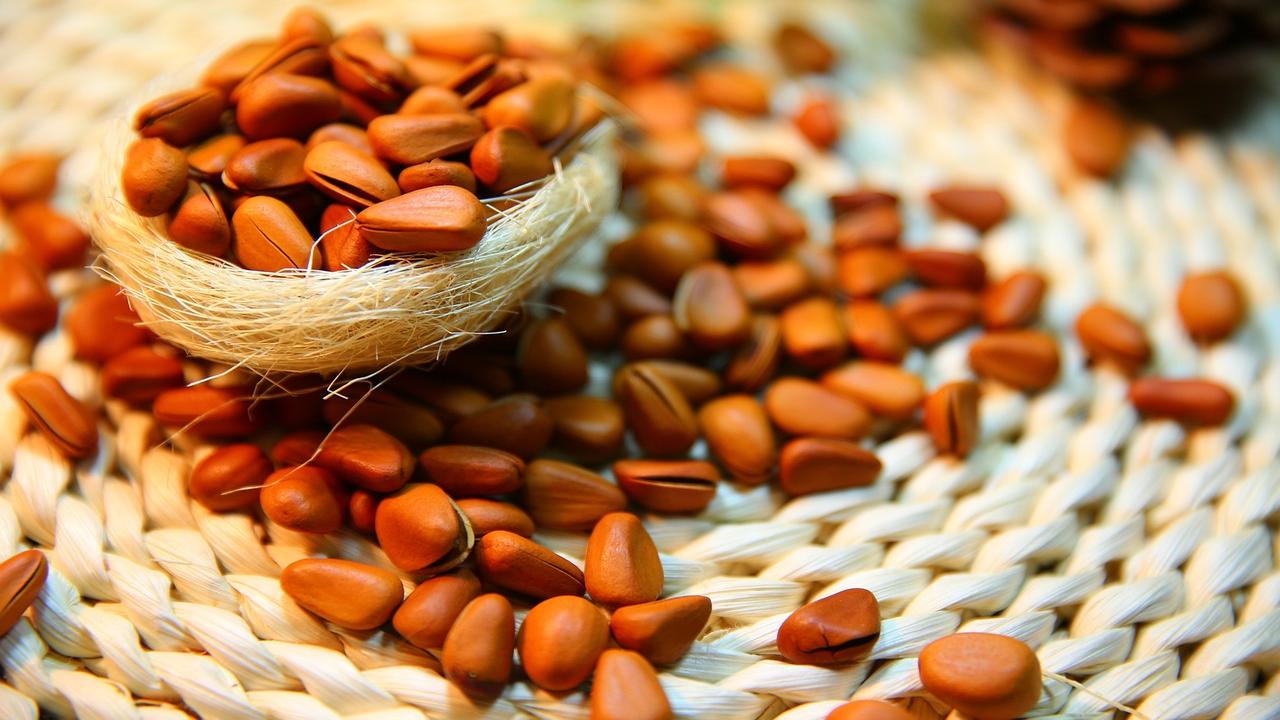
I’ve noticed pine nuts have become something of a luxury item in my shopping basket lately. These tiny, buttery kernels—essential for authentic pesto and so many Mediterranean dishes—now cost nearly three times what they did just a few years ago. Climate change has severely impacted pine forests worldwide, while increased demand for these nutritional powerhouses has created the perfect storm for price hikes. You’ll likely pay between $25-40 per pound these days, making that homemade pesto a special occasion treat rather than a weekly staple.
If you still crave that distinctive pine nut flavor but can’t justify the expense, I’ve found creative alternatives that won’t break the bank. Sunflower seeds offer a similar texture in pesto, while walnuts can provide comparable richness in many recipes. For special dishes where only pine nuts will do, I buy the smallest quantity possible from bulk bins and store them in the freezer to prevent rancidity. Their high oil content makes them spoil quickly at room temperature, which only adds to the financial sting if they go bad before you use them!
Cashew Nuts
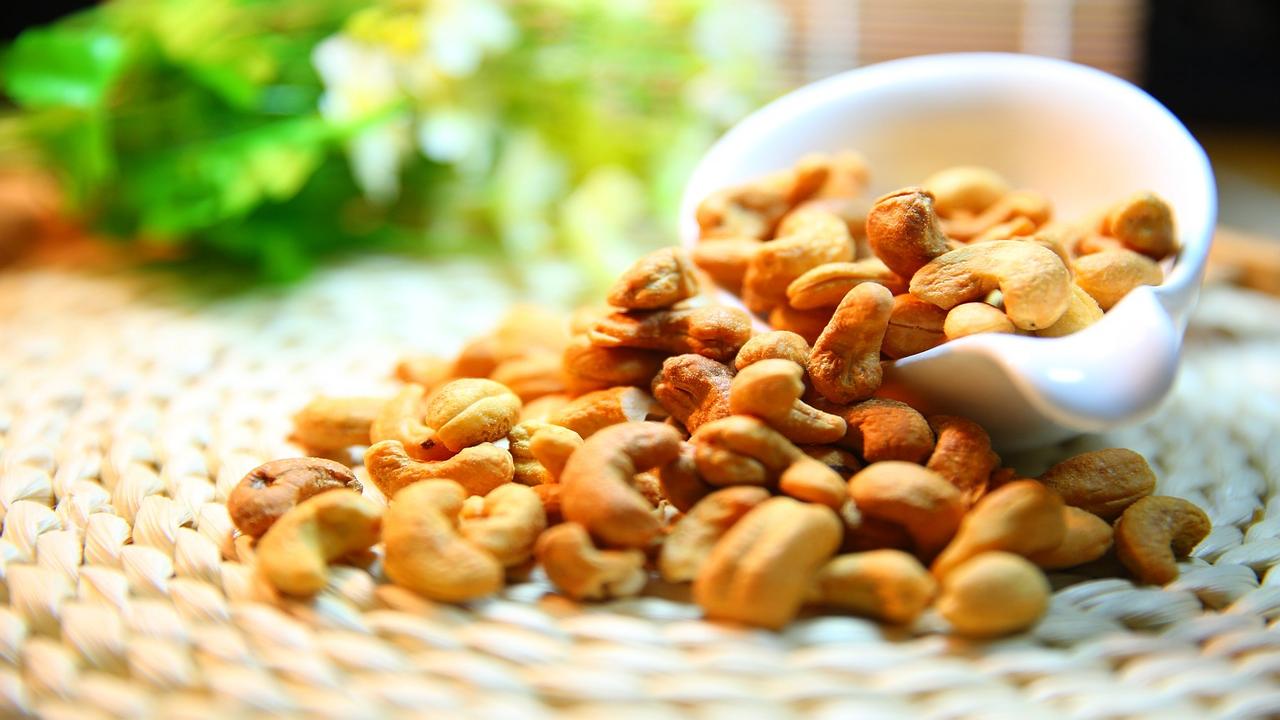
You might have noticed cashews sitting at a premium price point these days! I’ve watched their cost climb steadily at my local store, with some packages now hitting $15 per pound. The reason? Cashews require intensive labor to process—each nut grows attached to a “cashew apple” and contains caustic oils that must be carefully removed before they’re safe to eat. Add in shipping costs from major producers like Vietnam, India, and the Ivory Coast, plus recent crop challenges from unpredictable weather patterns, and you’ve got the perfect recipe for sky-high prices.
I still keep cashews in my pantry despite the cost increase because they’re incredibly versatile. I toast them for extra flavor in stir-fries, blend them into creamy dairy-free sauces, and sometimes just enjoy a small handful as a protein-packed snack. If you’re looking to stretch your cashew budget, try mixing them with less expensive nuts in recipes or buying them in bulk during rare sales. Their buttery texture and subtle sweetness make them worth the occasional splurge, even if they’ve become more of a specialty ingredient than an everyday staple in most households.
Coconut Oil
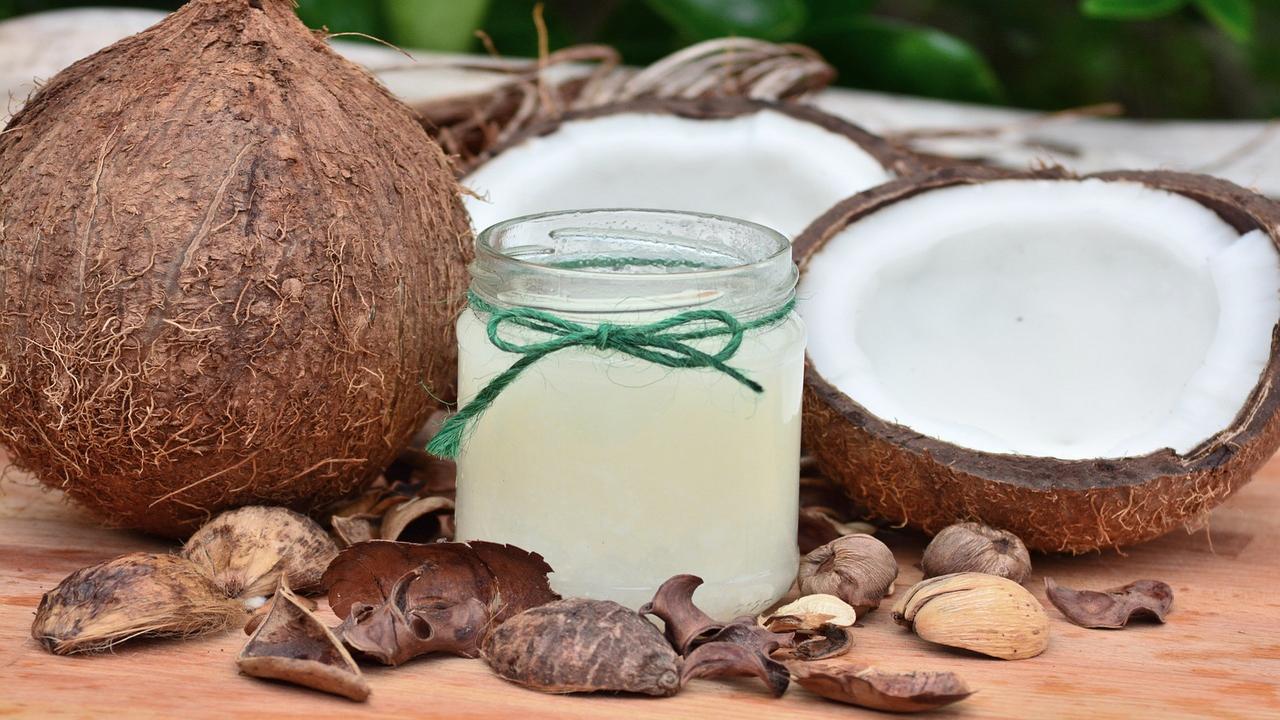
You’ve probably noticed coconut oil prices skyrocketing at your local grocery store lately. What once cost around $5-6 for a decent-sized jar now often runs $10-15 or more, depending on whether you’re buying refined or virgin varieties. This tropical staple has become significantly more expensive due to multiple factors affecting production – from climate change impacting coconut-growing regions to increased worldwide demand as more people incorporate it into their cooking and beauty routines.
I’ve had to adjust my kitchen budget accordingly since I use coconut oil regularly in everything from curry dishes to homemade granola. The higher price point makes me think twice about how I use it – saving it for recipes where its flavor truly shines rather than as an everyday cooking oil. If you’re looking to stretch your coconut oil budget, consider buying in bulk when you find sales, or reserve it for specific applications where alternatives like olive or avocado oil won’t provide the same distinctive tropical flavor profile.
Hazelnuts
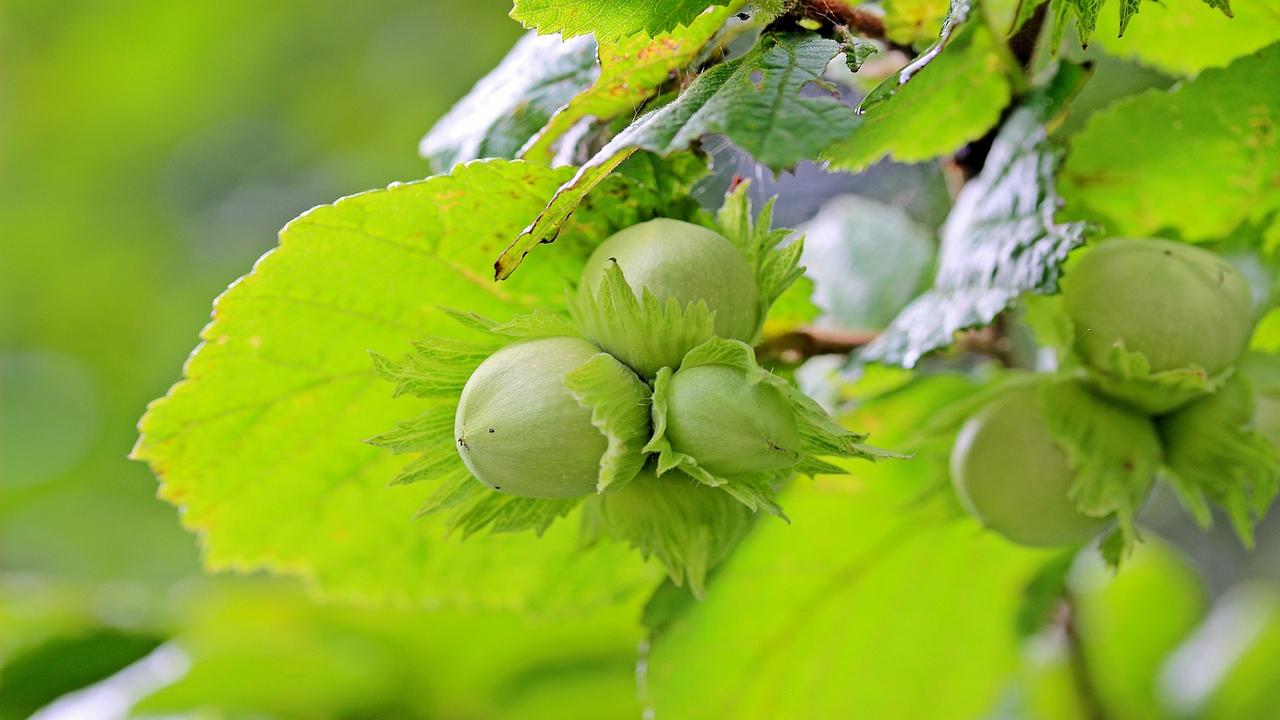
Have you noticed hazelnuts quietly climbing in price at your local store? These small but mighty nuts have become a luxury item for many shoppers. The price surge connects directly to climate challenges in Turkey (which produces about 70% of the world’s supply) and increased global demand for hazelnut products. Your favorite chocolate-hazelnut spread now costs manufacturers significantly more to produce, and they’re passing those costs to you.
I’ve started treating hazelnuts as a special ingredient rather than an everyday snack. Try toasting them to intensify their flavor – this simple step helps a smaller amount go further in recipes. Consider substituting more affordable nuts like peanuts in some dishes, or create blended nut mixes where hazelnuts contribute flavor without dominating the cost. For special occasions, I still buy them, but I store them properly in airtight containers in the freezer to prevent spoilage and protect my investment.
Maple Syrup

You’ll need to dig deeper into your pocket for maple syrup these days! The beloved breakfast staple now commands premium prices that might make you think twice before drizzling it generously over your pancakes. Pure maple syrup, especially the high-quality varieties from Vermont and Canada, has seen prices climb significantly due to climate change affecting sap production and increased production costs. Many families now treat real maple syrup as a special occasion item rather than an everyday breakfast companion.
I’ve started being much more strategic with my maple syrup usage in the kitchen. Instead of using it liberally, I now measure it carefully for recipes and save it for dishes where its distinct flavor truly matters. You can extend your maple syrup by blending it with honey for certain applications or reserving it exclusively for weekend breakfast traditions. For everyday use, consider creating infused simple syrups with more affordable ingredients that can provide sweetness without the shocking price tag that now accompanies that amber bottle of maple goodness.
Organic Peanut Butter

I’ve noticed organic peanut butter prices climbing steadily at my local grocery stores. What used to be a $4-5 jar now frequently costs $8-12, especially for smaller-batch brands. This pantry staple has become particularly painful for families who rely on it for quick protein. The combination of drought affecting peanut crops, rising organic certification costs, and increased production expenses has created the perfect storm for these higher prices.
You might consider making your own peanut butter at home as a cost-saving alternative. Simply roast organic peanuts (which are still cheaper than pre-made butter) and blend them with a pinch of salt in your food processor. For those who must buy pre-made, look for store brands offering organic options, which typically cost 20-30% less than name brands. I’ve also found better deals buying directly from local producers at farmers markets where you skip the middleman markup.
Dark Chocolate

If you’ve been shopping for dark chocolate lately, you’ve probably noticed the price spike that’s making this once-accessible treat feel like a luxury item. The global cocoa shortage has hit dark chocolate particularly hard, with prices jumping 20-30% in just the past year. I’ve had to become more selective with my baking projects lately, saving those premium dark chocolate bars for special occasions rather than everyday baking. Brands that I used to grab without a second thought now make me pause and reconsider my shopping cart.
The factors behind this surge go beyond simple supply issues. Climate change has devastated cocoa-growing regions, while increased demand for higher-percentage dark chocolate (which requires more cocoa beans per bar) has created a perfect storm for price increases. My recommendation? Look for sales, consider buying in bulk when prices temporarily drop, and try exploring alternative chocolate sources like direct trade options which sometimes offer better value. You might also find that learning to savor smaller amounts of quality dark chocolate actually enhances your appreciation of this increasingly precious ingredient.
Sriracha

Remember the sriracha panic a couple of years ago? That shortage sent prices climbing, and they haven’t really come back down. The beloved hot sauce that once cost around $3-4 per bottle now frequently sells for $8-10 in many stores. This price jump hits especially hard since many home cooks (myself included!) use sriracha as a kitchen staple to add instant heat and complexity to everything from eggs to noodles to marinades.
I’ve started making my own chili sauce as an alternative. Fermented hot peppers with garlic and vinegar won’t perfectly match the Huy Fong flavor we’ve grown accustomed to, but it saves significant money. You can customize the heat level too! If you’re not ready to DIY, look for sales on alternative brands or check Asian grocery stores where prices sometimes remain more reasonable than mainstream supermarkets. The sriracha situation reminds us how global supply chains and agricultural challenges directly impact our grocery bills.
Cauliflower
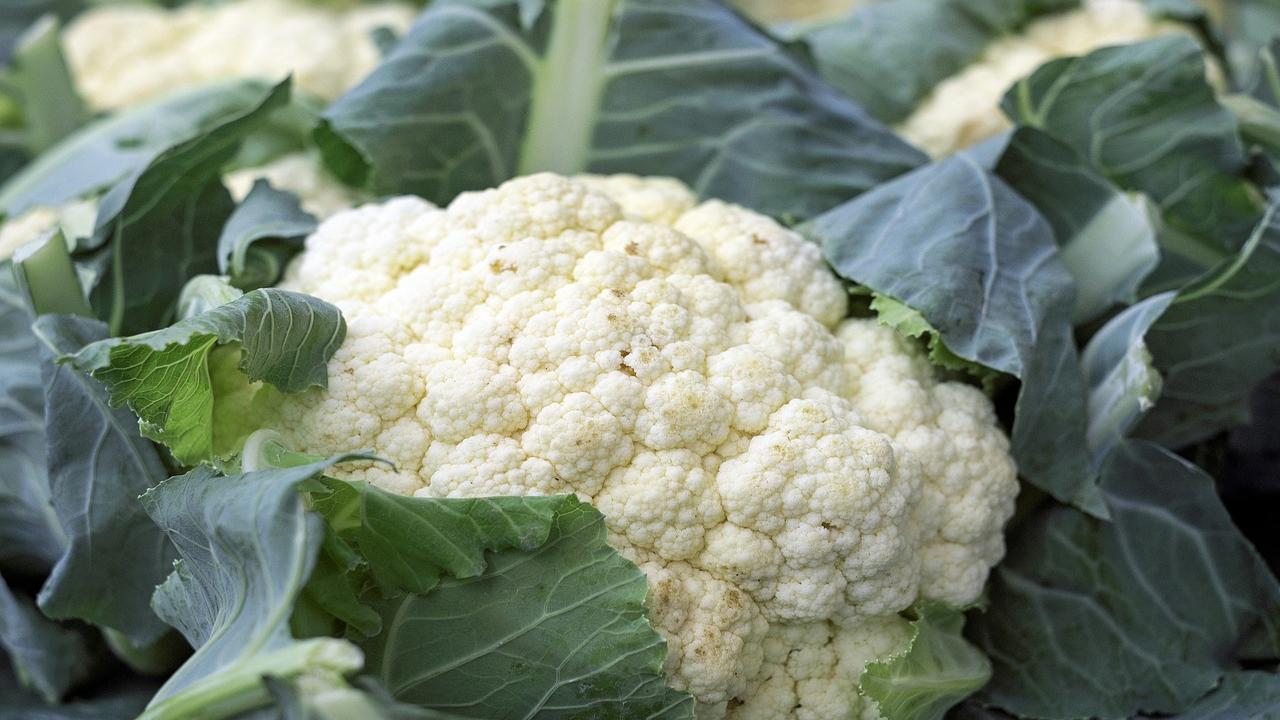
Remember when cauliflower was just that white vegetable that sat untouched at the crudité platter? Now it’s transformed into everything from pizza crust to rice substitute—and its price tag has soared accordingly! I’ve watched cauliflower heads climb from $2-3 to sometimes $8 each in my local markets. This versatility has created unprecedented demand, while weather issues in major growing regions like California have simultaneously limited supply, creating the perfect storm for these shocking price increases.
You’ll save money by buying cauliflower seasonally (fall through early spring) and choosing whole heads instead of pre-cut florets or prepared cauliflower products. I’ve started growing a few plants in my garden—they take some space but deliver multiple harvests. For budget-friendly alternatives, try cabbage for slaws and stir-fries or turnips for mashing. The price spike hurts because cauliflower has become such a kitchen staple for many of us seeking vegetable-forward meals, but with a bit of creativity, you can adapt your cooking until prices normalize.
Blueberries
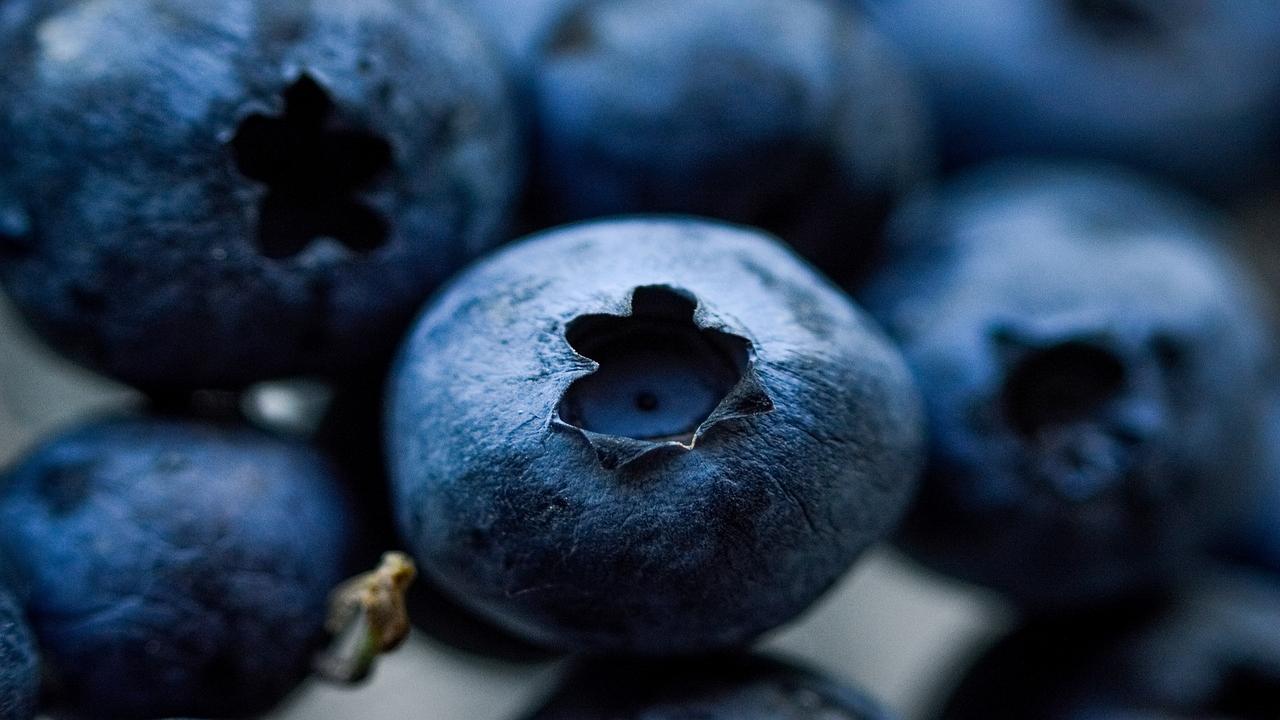
Those gorgeous little blueberries I once tossed into smoothies without a second thought? They’ve now become a costly luxury in my kitchen. I’ve noticed prices skyrocketing to $5-6 per pint in many stores—sometimes double what I paid just a few years ago. Weather disruptions, increased farming costs, and higher demand for these antioxidant powerhouses have created the perfect storm for price increases. You might want to check frozen options, which often give you more bang for your buck while maintaining most nutritional benefits.
I’ve adapted my cooking to make these blue jewels stretch further. Instead of using cups of them in baked goods, I now use them as accents—a small handful atop oatmeal or yogurt makes their flavor stand out. You can also substitute with seasonal berries that might cost less. Strawberries or blackberries often fill in beautifully in recipes when blueberries break the bank. For special occasions when only blueberries will do, I recommend buying in bulk during peak season (usually June through August) when prices typically dip slightly, then freezing your own for year-round use.
Almonds
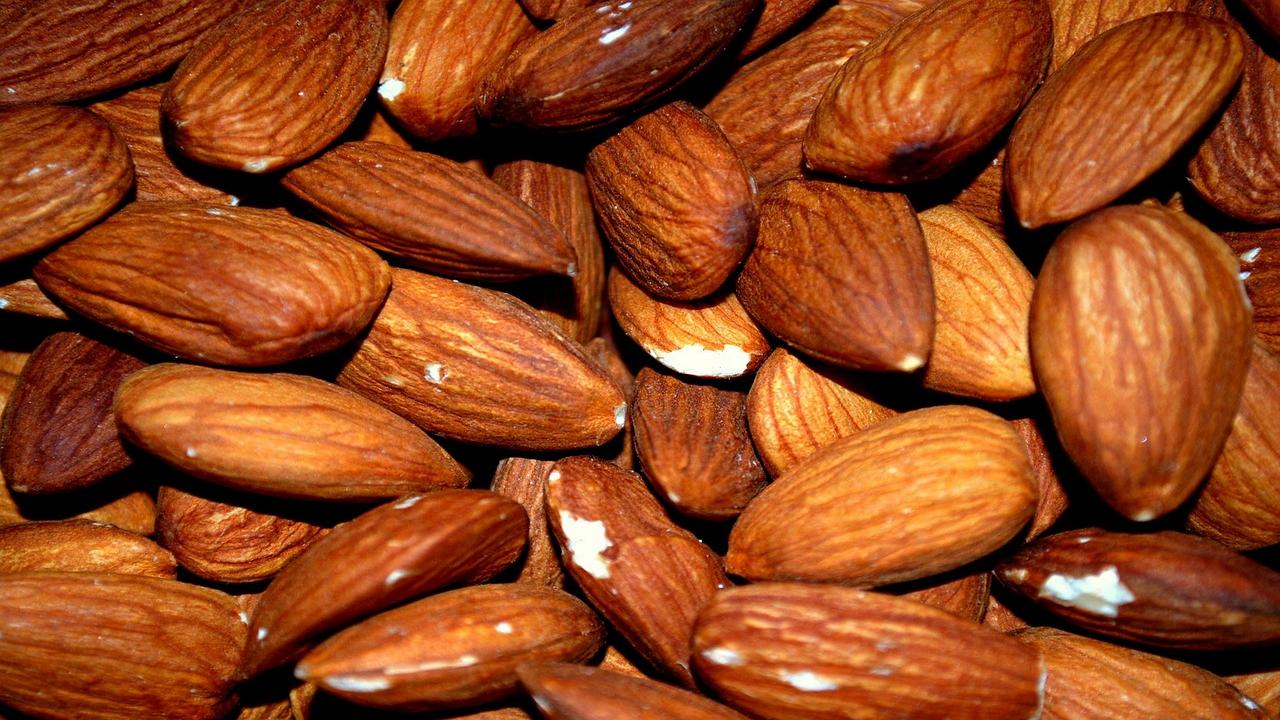
Have you noticed almonds costing way more these days? These nutritional powerhouses have seen dramatic price increases due to California’s ongoing drought challenges. As the source of about 80% of the world’s almonds, California’s water shortages have severely impacted almond orchards, driving production costs higher. Many farmers have abandoned almond cultivation altogether, further limiting supply while demand continues rising for these protein-rich nuts.
I’ve found creative ways to stretch my almond budget without missing their benefits. Instead of buying pre-packaged almond products, I purchase whole almonds in bulk when on sale and make my own almond milk, flour, and butter at home. This saves money and delivers fresher flavor. You can also mix almonds with less expensive nuts like peanuts or sunflowers in recipes to maintain that wonderful nutty crunch without breaking your grocery budget during these price spikes.
Quinoa
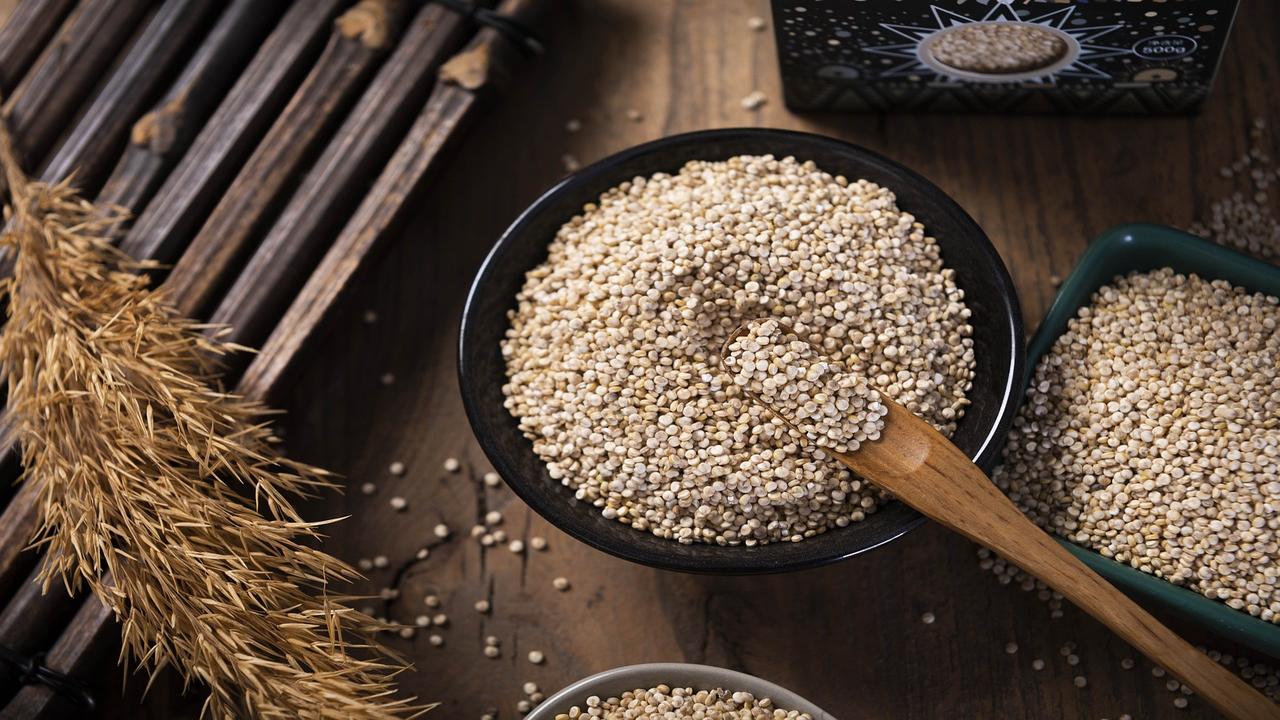
Remember when quinoa was the budget-friendly superfood alternative to rice? Those days are gone, my friends. The global demand for this protein-packed ancient grain has skyrocketed in recent years, with prices following suit. You’ll now pay up to three times more for quinoa than you would for standard rice varieties. This price surge directly impacts health-conscious shoppers who rely on quinoa for its nutritional benefits, especially those following plant-based or gluten-free diets.
I’ve found creative ways to stretch my quinoa budget without giving it up completely. Try mixing it 50/50 with less expensive grains like millet or brown rice to maintain the protein benefits while reducing cost. Another strategy? Buy in bulk when quinoa goes on sale and store it properly in airtight containers. The grain keeps wonderfully for months in a cool, dry pantry. You can also experiment with similar (and often cheaper) ancient grains like amaranth or buckwheat, which offer comparable nutritional profiles without the premium price tag.
Salmon
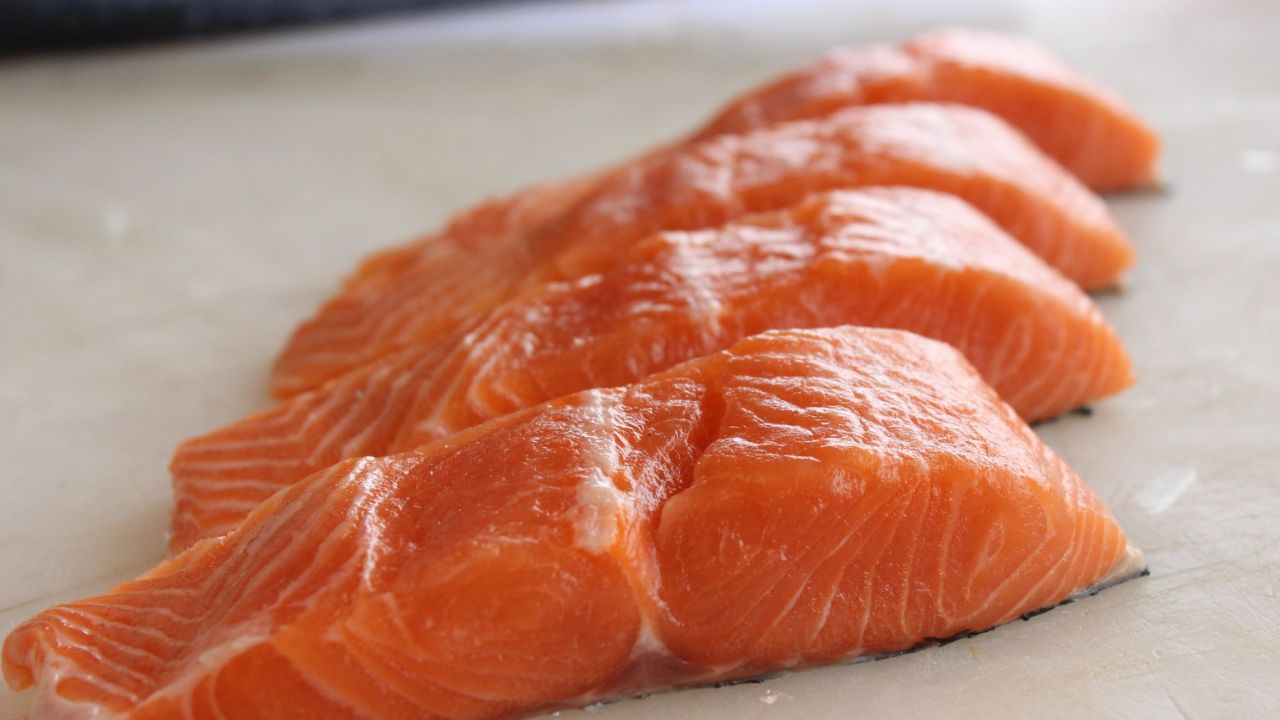
Have you noticed how salmon prices have shot up recently? What once was my go-to protein for weeknight dinners has become something of a special occasion purchase. The cost increase stems from several factors—climate change affecting wild salmon populations, diseases impacting farmed salmon, and increased global demand as more people recognize its health benefits. I’ve spotted Atlantic salmon fillets selling for nearly $15 per pound in some stores, nearly double what I paid just a few years ago.
I’ve adapted by buying salmon less frequently and making it stretch further when I do splurge. Instead of serving whole fillets, I’ll flake smaller portions into grain bowls, pasta dishes, or salmon cakes. Canned salmon offers a more budget-friendly alternative with similar nutritional benefits, though the texture differs significantly. When I do buy fresh, I watch for sales and buy in bulk to freeze portions. The omega-3 fatty acids and protein make salmon worth including in your diet, but your wallet might need some creative meal planning to make it work.
Coffee

I’ve watched coffee prices climb to jaw-dropping heights recently, making my morning ritual significantly more expensive. That bag of quality beans that used to cost $8-10 now regularly hits $15-20 in many stores. Climate change has damaged coffee-growing regions in Brazil and Colombia, while labor shortages and increased shipping costs have created a perfect storm for price increases. If you’re a daily coffee drinker like me, you’ve probably noticed your monthly coffee budget nearly doubling.
You can still enjoy your coffee without breaking the bank by trying a few money-saving tricks. Consider buying whole beans in bulk when they go on sale and storing them properly in airtight containers. Many local roasters offer loyalty programs that can save you money over time. I’ve started brewing at home more often using methods that extract maximum flavor from fewer grounds – my French press has become my best friend! For those days when nothing but a coffee shop experience will do, downsize your order or look for happy hour specials that many cafés now offer during slower periods.
Avocados
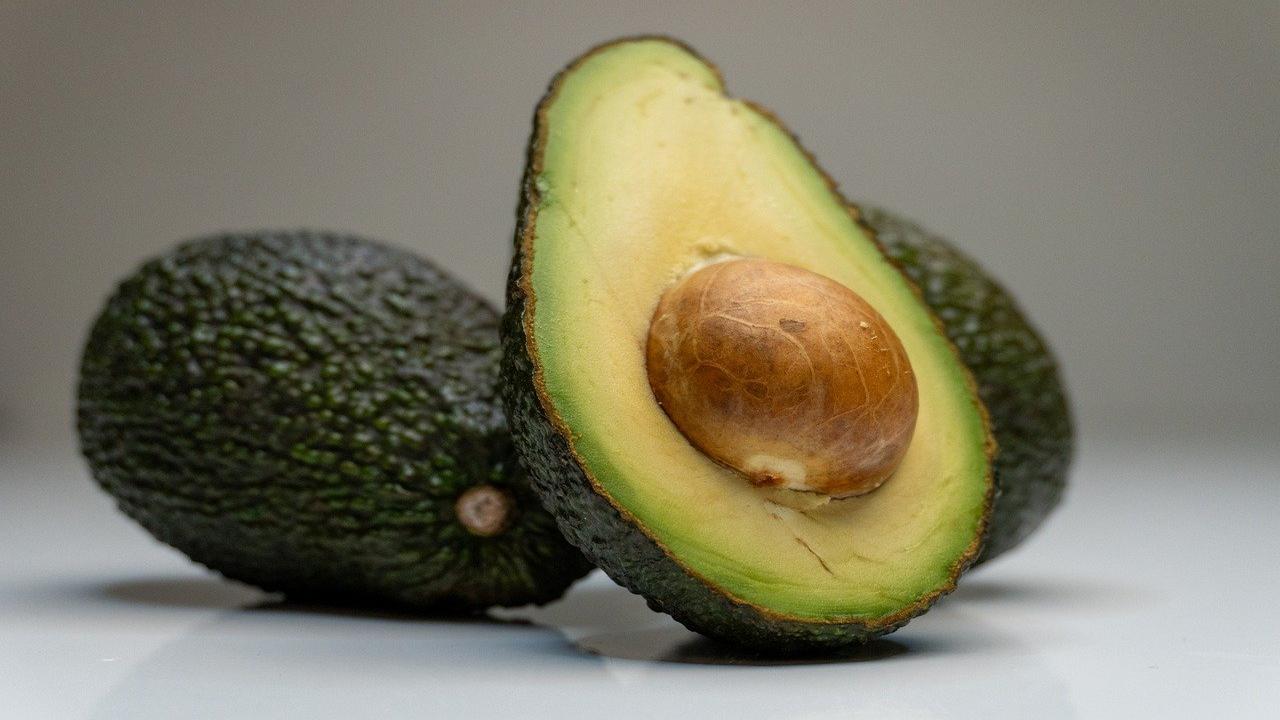
Have you noticed avocados hitting your wallet harder lately? I’m paying nearly twice what I used to for these green gems! The rising costs stem from multiple factors—water shortages in California, increased global demand, and transportation costs all play roles. You’re not imagining things if your guacamole habit suddenly feels like a luxury expense. Many shoppers now consider avocados an occasional treat rather than a daily staple.
I’ve started adapting my cooking to make each avocado count more. Instead of using a whole one in a sandwich, I’ll thinly slice half an avocado and pair it with other vegetables for balance. You can also stretch your avocado budget by freezing ripe, mashed avocado in ice cube trays with a bit of lime juice—perfect for adding to smoothies or defrosting for quick toast toppings. The price spike hurts, but with creative approaches, you can still enjoy this nutritional powerhouse without breaking your grocery budget.